Categories
Powder Coating Equipment Manufacturer

Electrostatic Fluidized Bed Powder Coating

Electrostatic Fluidized Bed Powder Coating

Electrostatic Fluidized Bed Powder Coating: Fluidized bed coating equipment is used in various industries (such as pharmaceuticals, food, and chemicals) to coat solid particles or granules with a layer of material, typically to modify their properties like taste, dissolution rate, or appearance.

What is a Fluidized Bed Coating System?

fluidized bed involves suspending solid particles in an upward-flowing stream of gas (usually air), causing them to behave like a fluid. During coating, a liquid formulation (like a polymer solution or suspension) is sprayed onto the fluidized particles. The heated air dries the liquid, forming a solid coat.

Main Components of a Fluidized Bed Coater

  1. Product Chamber – Where the particles are fluidized and coated.
  2. Air Handling System – Provides and conditions the fluidizing air (heating, humidifying, filtering).
  3. Spray System – Includes nozzles to atomize the coating liquid (top-spray, bottom-spray [Wurster], or tangential-spray types).
  4. Exhaust System – Removes excess moisture and solvents.
  5. Control System – Monitors temperature, airflow, spray rate, etc.

Types of Fluidized Bed Coaters

  1. Top-Spray Coaters – Liquid is sprayed from the top; good for layering and granulation.
  2. Bottom-Spray (Wurster) Coaters – Precise coating with minimal agglomeration; ideal for controlled-release formulations.
  3. Tangential-Spray Coaters – Spray comes in from the side; suitable for larger particles or pellets.

Advantages

  • Uniform coating distribution.
  • Efficient drying and fast processing.
  • Scalable from lab to industrial scale.
  • Suitable for heat-sensitive materials (with appropriate control).

Applications

  • Pharmaceutical: Taste masking, enteric coating, sustained-release tablets or pellets.
  • Food: Flavor or nutrient encapsulation.
  • Agrochemical: Controlled release of pesticides or fertilizers.

Fluidized bed coating equipment works by suspending solid particles in a stream of gas, allowing for uniform coating with a liquid formulation. The particles are fluidized by air, and a liquid is sprayed onto them, then dried to form a coating. These systems are used in various industries like pharmaceuticals for controlled-release formulations, food for flavor encapsulation, and agrochemicals for slow-release pesticides. The equipment typically includes a product chamber, an air handling system, a spray system, and an exhaust system, all controlled to ensure optimal conditions for coating and drying. Fluidized bed coaters are versatile, scalable, and efficient, making them ideal for both small-scale laboratory work and large industrial processes. The ability to coat uniformly while controlling parameters like temperature and spray rate makes them valuable for applications requiring precision, such as in the pharmaceutical industry.

In a fluidized bed coating process, the fundamental principle is to create a state where solid particles—typically powders, granules, or pellets—are suspended in an upward stream of air or another gas. This fluid-like behavior ensures that each particle is well exposed and separated from others, enabling a uniform coating to be applied. The coating material, usually in liquid form such as a solution, suspension, or emulsion, is introduced into the fluidized bed through specially designed spray nozzles. As the liquid coating hits the moving particles, it adheres to their surfaces. The continuous flow of heated air rapidly evaporates the solvent or carrier fluid, leaving behind a dry and even film of the desired coating substance.

The entire system is carefully engineered to balance fluidization, spraying, and drying simultaneously. The airflow must be strong enough to suspend the particles but not so intense that it ejects them from the chamber. Spray parameters such as droplet size, spray angle, and flow rate are finely controlled to ensure that the coating is distributed uniformly and doesn’t cause particle agglomeration or wetting issues. Temperature and humidity of the air also play crucial roles, as they affect the drying rate and the physical properties of the final coating.

There are several spray configurations used depending on the nature of the coating and the application. Top-spray systems are often used for layering and granulation purposes, where the coating liquid is sprayed from above onto the fluidized particles. Bottom-spray configurations, also known as Wurster systems, are more precise and are widely employed for applications requiring uniform coating thickness, such as in pharmaceutical dosage forms like pellets or microgranules for controlled or delayed drug release. Tangential-spray systems involve a side entry of the spray and are particularly suited for coating larger or heavier particles that benefit from a more horizontal motion within the chamber.

The versatility of fluidized bed coating technology lies in its ability to handle a wide range of coating materials—polymers, sugars, waxes, resins—and substrates, making it suitable for multiple sectors. In pharmaceuticals, this equipment is used to modify drug release profiles, protect active ingredients from moisture or light, and mask unpleasant tastes. In the food industry, it helps in encapsulating flavors, vitamins, or minerals, improving shelf life and stability. In agriculture, it is used to prepare coated seeds, fertilizers, and pesticides that release gradually over time, enhancing efficiency and reducing environmental impact.

Moreover, the technology is scalable, allowing manufacturers to transfer a process from a laboratory-scale unit to a full-scale production system with relative ease. Modern fluidized bed coaters are equipped with automated control systems that continuously monitor and adjust key parameters, ensuring consistent product quality and regulatory compliance. The combination of high efficiency, reproducibility, and adaptability makes fluidized bed coating an essential part of modern manufacturing in several high-tech and high-precision industries.

The efficiency and precision of fluidized bed coating systems are largely due to the integration of advanced process controls and engineering designs that ensure repeatability and scalability. In pharmaceutical manufacturing, for instance, strict regulations such as Good Manufacturing Practices (GMP) and FDA requirements necessitate the use of equipment that can maintain tight control over process variables. Fluidized bed coaters meet this demand through features such as programmable logic controllers (PLCs), real-time monitoring of inlet and exhaust air temperatures, airflow rates, atomization pressure, spray rates, and bed temperature. These systems often include process analytical technology (PAT) tools, which allow operators to monitor coating thickness, moisture content, and even particle behavior in real time using sensors and feedback loops.

In terms of design, the internal structure of a fluidized bed coater is optimized to promote even fluidization and to avoid issues like dead zones (where particles may stagnate) or channeling (where airflow bypasses the product). The geometry of the product container, the location and number of spray nozzles, and the configuration of the air distributor plate are all critical. For example, in a Wurster coating setup, the product container includes a cylindrical partition or draft tube that directs the particles into a controlled circulation pattern: particles are pulled up through the center where they are sprayed and then fall down along the outer wall to re-enter the spraying zone. This allows for extremely uniform coatings and minimal cross-contamination.

The drying efficiency of the system is another important factor, particularly for heat-sensitive materials. Because fluidized bed coaters expose a large surface area of the product to hot air while keeping the particles in constant motion, they achieve very fast drying rates without exposing the material to excessively high temperatures. This is critical when working with pharmaceuticals, enzymes, probiotics, and other bioactive compounds that could degrade under thermal stress. Additionally, advanced systems offer features like multi-stage drying, adjustable humidity control, and even integrated solvent recovery for processes involving organic solvents.

From a maintenance and operational standpoint, fluidized bed coaters are designed for ease of cleaning and quick changeovers, especially in multiproduct facilities. Many systems are built to support clean-in-place (CIP) or wash-in-place (WIP) procedures, which reduce downtime and contamination risk. Material contact surfaces are typically made of stainless steel and are highly polished to prevent material buildup. Filters, gaskets, and seals are designed for quick disassembly and replacement.

Energy efficiency and environmental impact are also increasingly important in the design of modern fluidized bed coaters. Manufacturers are incorporating energy recovery systems, such as heat exchangers that reclaim waste heat from exhaust air to preheat incoming air. They also use low-energy spray technologies and systems to minimize overspray and material loss. In environmentally sensitive applications, exhaust air may be treated with scrubbers, HEPA filters, or solvent recovery systems to ensure emissions remain within permissible limits.

Ultimately, fluidized bed coating technology offers a highly customizable and robust platform for product development and commercial production across industries. It provides unparalleled control over coating quality, allows for integration with granulation or drying steps, and supports a wide range of formulation strategies. Its ability to adapt to different materials, batch sizes, and performance requirements ensures that it remains a cornerstone of advanced particle processing in the pharmaceutical, food, chemical, and agricultural sectors.

To understand the practical application of fluidized bed coating, consider the development of a sustained-release pharmaceutical pellet. The objective in such a case is to ensure that the active pharmaceutical ingredient (API) is released gradually over time, providing a prolonged therapeutic effect and reducing dosing frequency. The process typically starts with the formation of drug-loaded cores, often referred to as nonpareils or starter pellets, which are made using extrusion-spheronization or direct pelletization techniques. These cores are then coated using a fluidized bed coater to impart the desired release profile.

The coating formulation usually contains a polymer or a combination of polymers that control the rate at which the drug diffuses out of the pellet. Commonly used polymers include ethylcellulose, which forms a semi-permeable membrane, or methacrylate-based copolymers like Eudragit, which can be tailored for pH-dependent or time-dependent release. Plasticizers such as triethyl citrate or polyethylene glycol are added to enhance film flexibility and adhesion. The coating solution may also contain pigments, surfactants, or pore-forming agents, depending on the final product requirements.

During the coating process, the pellets are fluidized in a column while the polymer solution is sprayed from a bottom-spray nozzle (Wurster configuration). This setup ensures that each pellet repeatedly passes through the spray zone, receiving even layers of the coating material. As the heated air passes through the bed, it rapidly dries the wet coating, solidifying it into a uniform film. The process continues until the desired coating weight gain is achieved, which directly influences the drug release rate. For instance, a 10% weight gain might result in a 12-hour release profile, while a 15% weight gain could extend release to 18 or 24 hours.

Process parameters such as inlet air temperature, product temperature, spray rate, atomizing pressure, and fluidization air volume are critical and must be carefully optimized. If the spray rate is too high relative to drying capacity, the particles can become over-wet and stick together, leading to agglomeration or uneven coating. If the temperature is too low, the solvent may not evaporate efficiently, compromising film formation. Conversely, overly high temperatures might dry the droplets before they reach the particle surface, resulting in poor adhesion or dusty coatings.

Once coating is complete, the product undergoes a curing step, which may involve storing the coated pellets under controlled temperature and humidity to allow the polymer chains to coalesce fully and form a continuous film. This step is especially important for aqueous coatings, where initial film formation may be incomplete. Stability testing follows, to assess how the coated product behaves under various environmental conditions, such as heat, humidity, and light. Dissolution testing is used to confirm that the release profile meets the intended specifications.

A similar approach is applied in the food industry for encapsulating sensitive ingredients like flavors, vitamins, or probiotics. Here, the goal may not be controlled release over time, but rather protection against degradation due to heat, moisture, or oxygen. For instance, vitamin C, which is highly unstable in the presence of light and oxygen, can be coated with a protective layer that dissolves only in the stomach. In these cases, the coating formulation might use materials like modified starches, shellac, or maltodextrins. The equipment and process principles remain largely the same, but the formulations and critical parameters differ based on the nature of the core material and the function of the coating.

The adaptability of fluidized bed coaters also allows them to support multi-layer coating processes. A single pellet can receive a sequence of coatings: first a sub-coating to improve adhesion, then a drug-containing layer, followed by a barrier layer, and finally an outer enteric or color coating. All of these layers can be applied in the same equipment with minimal intervention, making the process efficient and cost-effective.

Overall, fluidized bed coating systems are not just tools for applying a film—they are sophisticated platforms for engineering the behavior of particles in precise and reproducible ways. Through the intelligent selection of materials, meticulous control of process parameters, and robust system design, these technologies make it possible to tailor the physical, chemical, and functional properties of particulate products for a wide range of advanced applications.

Let’s explore how a fluidized bed coater is used in a real-world laboratory setting by walking through a simplified protocol for applying a sustained-release coating to pharmaceutical pellets. This type of protocol is commonly used during product development before scaling up to commercial manufacturing.

The process begins with a clear definition of objectives: in this case, creating a sustained-release formulation that delivers the active pharmaceutical ingredient (API) over 12 hours. Drug-loaded pellets (about 200–500 microns in diameter) are already prepared and sieved to ensure uniformity in size, which is crucial for consistent fluidization and coating. The coating material selected might be ethylcellulose, chosen for its water-insoluble properties, which retard drug release by forming a semi-permeable membrane around each pellet.

A coating solution is prepared by dissolving ethylcellulose in a suitable organic solvent like ethanol or isopropanol, or in water if an aqueous dispersion is used (such as Aquacoat® or Surelease®). A plasticizer such as triethyl citrate is added at 10–20% of the polymer weight to improve flexibility and prevent film cracking. The solution is mixed using a high-shear or magnetic stirrer and filtered to remove particulates that could clog the spray nozzle.

Next, the fluidized bed coater is prepared. In a lab setting, this might be a small unit with a product capacity of 100 grams to 2 kilograms. The product container is loaded with the pellets, and preheating begins. The inlet air is heated to a setpoint typically between 35°C and 45°C, depending on the sensitivity of the product. The airflow is adjusted to achieve stable fluidization, which is visually confirmed through a sight glass or by monitoring bed pressure drop.

The bottom-spray nozzle (Wurster insert) is selected for precise control. Before coating starts, the system is balanced: airflow, temperature, and nozzle air pressure are stabilized. The coating solution is pumped to the nozzle and atomized at pressures ranging from 1.5 to 2.5 bar. Spray rate is usually initiated at a conservative setting—say, 1.0 g/min—and then gradually increased while monitoring the product temperature and fluidization behavior. Throughout the process, operators continuously check for signs of over-wetting (clumping or sticking) or under-wetting (dust generation or poor coating adherence).

The coating is applied until the target weight gain is reached—say, 12% for a 12-hour release target. This is monitored using either real-time weighing or by sampling and weighing a small amount of the product periodically. During coating, outlet air temperature and humidity are closely monitored as they reflect the drying capacity of the system. For organic coatings, exhaust air may be routed through solvent recovery units or scrubbers to meet safety and environmental regulations.

After coating, the pellets are removed and subjected to a curing step. In a lab, this might involve placing the coated pellets in an oven at 40°C for 24 hours to allow the polymer chains to coalesce and form a continuous, defect-free film. This step significantly influences the final release behavior of the coated product. Without it, the film may be porous or uneven, leading to burst release or dose dumping.

Finally, the product is evaluated. Tests include:

  • Particle size distribution using sieves or laser diffraction.
  • Coating uniformity via scanning electron microscopy (SEM) or optical microscopy.
  • Drug release testing in dissolution baths, simulating gastric and intestinal fluids under USP conditions.
  • Stability testing under accelerated conditions (e.g., 40°C and 75% RH) to assess coating integrity over time.

Once the lab-scale process meets specifications, a scale-up plan is developed. This involves recalculating airflow, spray rates, and batch size based on the equipment geometry and process dynamics of larger coaters—often 10–100 times the size of the lab unit. A key challenge during scale-up is maintaining similar particle trajectories and drying conditions, which requires a deep understanding of fluid dynamics and heat/mass transfer principles in fluidized systems.

In industrial practice, further layers of automation are added, such as automated recipe controls, real-time weight monitoring, and closed-loop spray feedback systems to optimize reproducibility. However, the foundational steps—formulation design, parameter optimization, controlled application, and post-coating treatment—remain essentially the same across all scales.

Fluidized bed coaters, therefore, bridge the gap between precise formulation science and scalable industrial manufacturing. They are especially valuable in regulated sectors where product performance, consistency, and process validation are critical. Beyond pharmaceuticals, similar protocols are adapted for food and agrochemical coatings, often using more robust and less sensitive materials, but following the same engineering principles.

To further appreciate the sophistication of fluidized bed coating, it’s useful to look into the nuanced relationship between process parameters and product characteristics. In practice, every variable—from inlet air temperature to atomizing air pressure—plays a role in determining the quality of the final coated product. Small deviations can result in significant variations in coating uniformity, release profile, and physical integrity.

One of the most critical parameters is inlet air temperature, which affects both the drying rate and the surface morphology of the coating. If the temperature is too high, it can cause the solvent to evaporate too quickly, leading to a rough or porous film. In pharmaceutical applications, this may result in an uncontrolled release profile or film cracking. Conversely, too low a temperature can slow drying to the point where droplets coalesce on the particle surface, causing tackiness and agglomeration. Therefore, temperature is typically set just high enough to promote efficient drying without degrading heat-sensitive ingredients—usually in the range of 35°C to 55°C for aqueous systems and slightly lower for organic solvent-based systems due to the volatility of the solvents involved.

Atomizing air pressure and spray rate are tightly interlinked. The pressure needs to be high enough to generate fine droplets that can coat uniformly but not so high that they rebound from the particle surface or cause excessive turbulence. A finely atomized spray ensures that the droplets quickly form a thin, even coating and dry almost instantaneously as they contact the heated particles. Too high a spray rate, on the other hand, can overload the bed with liquid, leading to agglomeration and uneven coating. Therefore, these two variables are often adjusted in tandem during process development to achieve a stable spray-drying balance. This is why design of experiments (DoE) approaches are often used in R&D to optimize such multivariate systems.

Fluidization air volume determines the mobility of the particles in the bed. Insufficient airflow results in poor particle movement, creating dead zones and inconsistent coating. Excessive airflow can lead to attrition of coated particles or loss of fines through the filters. Ideal fluidization provides enough lift to keep the particles suspended in a stable, circulating pattern without causing mechanical stress or excessive turbulence.

Nozzle design and positioning also significantly impact coating performance. In bottom-spray Wurster systems, the nozzle is located at the base of the partition column, ensuring that particles are directed vertically through a narrow spray zone. This results in highly repeatable, controlled trajectories for each particle and minimizes the chances of bypassing the spray. For sensitive applications where even tiny defects in coating uniformity can affect drug release, Wurster configurations offer unmatched control. In contrast, top-spray systems, while less precise, are more commonly used for layering or granulating, where exact uniformity is less critical.

Bed load (the amount of material in the product chamber) influences how well the particles interact with the spray. Overloading the bed reduces circulation space, leading to clumping and uneven coating. Underloading can result in turbulent motion and inefficient use of spray solution. Most manufacturers determine optimal bed load based on both the chamber geometry and the size/density of the particles being coated.

An often underappreciated aspect of the fluidized bed coating process is coating material rheology—the viscosity and surface tension of the liquid being sprayed. These properties govern how the coating spreads over the particle surface and how quickly it forms a continuous film. A higher-viscosity formulation may require higher atomizing pressure to achieve adequate droplet size, but it also carries a higher risk of nozzle clogging and uneven application. Conversely, very low-viscosity coatings can penetrate too deeply into porous cores or dry too quickly, leading to defects. Surfactants and cosolvents are sometimes used to modulate these properties and achieve optimal coating behavior.

Analytical testing is crucial for confirming that all these tightly controlled parameters result in a product that meets specifications. Tools like near-infrared spectroscopy (NIR) and Raman mapping are used to non-invasively analyze coating thickness and uniformity, while high-performance liquid chromatography (HPLC) is employed to verify drug content and purity. Advanced dissolution testing, often using USP Apparatus I (basket) or II (paddle), is used to confirm that the coated pellets release the active ingredient at the intended rate and under simulated physiological conditions.

Finally, process scale-up brings its own set of challenges, primarily due to differences in heat and mass transfer, airflow dynamics, and equipment geometry. During scale-up, empirical relationships such as maintaining a constant spray flux (spray rate per unit area) or specific fluidization velocity (airflow per unit of bed cross-sectional area) are used as guidelines. However, scale-up is rarely linear and usually requires iterative fine-tuning. Modern scale-up efforts are aided by computational fluid dynamics (CFD) modeling, which simulates particle movement and airflow to optimize equipment design and operating conditions.

The depth and complexity of fluidized bed coating as a technology are matched by its versatility and reliability. Whether the goal is to produce a delayed-release pharmaceutical pellet, a moisture-resistant food granule, or a biodegradable agrochemical bead, the principles remain consistent. Mastery of this process enables formulators and process engineers to design advanced, functional particulate products with precisely controlled characteristics—truly a cornerstone of modern solid dosage form manufacturing.

Fluidized Bed Powder coating equipment manufacturing

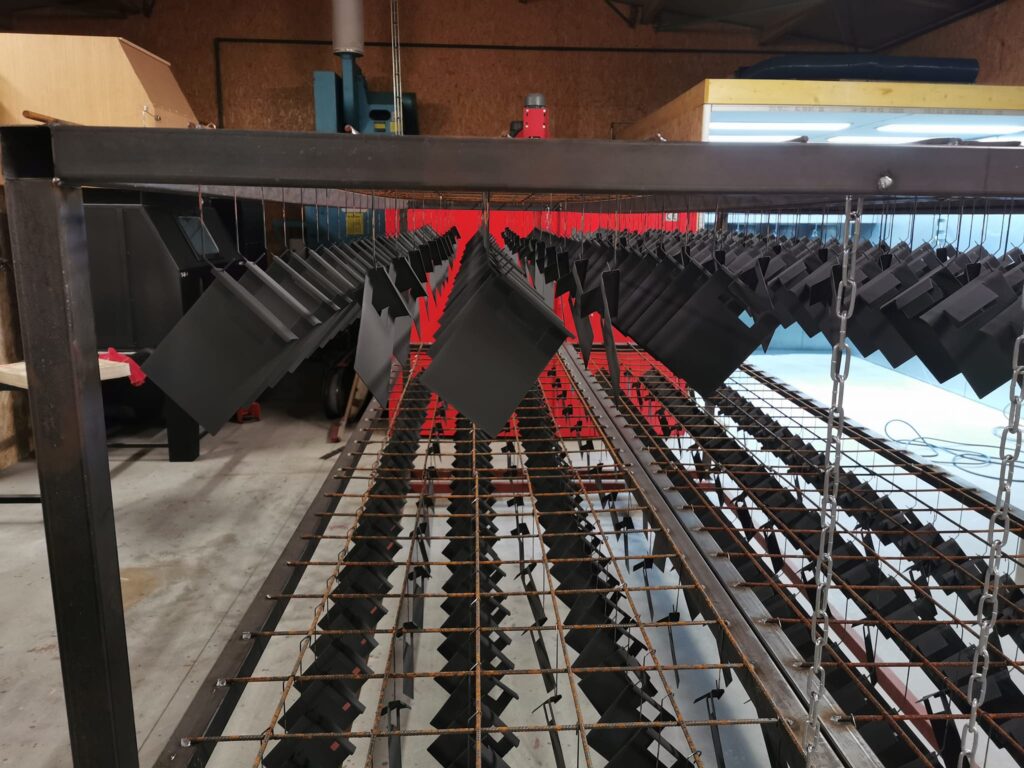
Fluidized bed powder coating equipment is a specialized technology used for applying a dry powder coating to a substrate, typically metal parts. The key difference from traditional liquid coatings is that in powder coating, the coating material is applied as a powder, which is then melted and cured to form a solid, durable finish. Fluidized bed powder coating utilizes the same basic principle of fluidization, where powder particles are suspended in a stream of air, ensuring uniform coating coverage over the surface of the part.

How Fluidized Bed Powder Coating Works

  1. Fluidization Process: The powder is placed in a chamber where an upward airflow (usually via a perforated plate or bed) is used to suspend the powder particles. As the particles become suspended, they take on a fluid-like behavior, which allows them to be evenly distributed and applied to the surface of the workpieces. This is similar to fluidized bed coating used in other industries, but in this case, the aim is to coat solid parts with a dry powder.
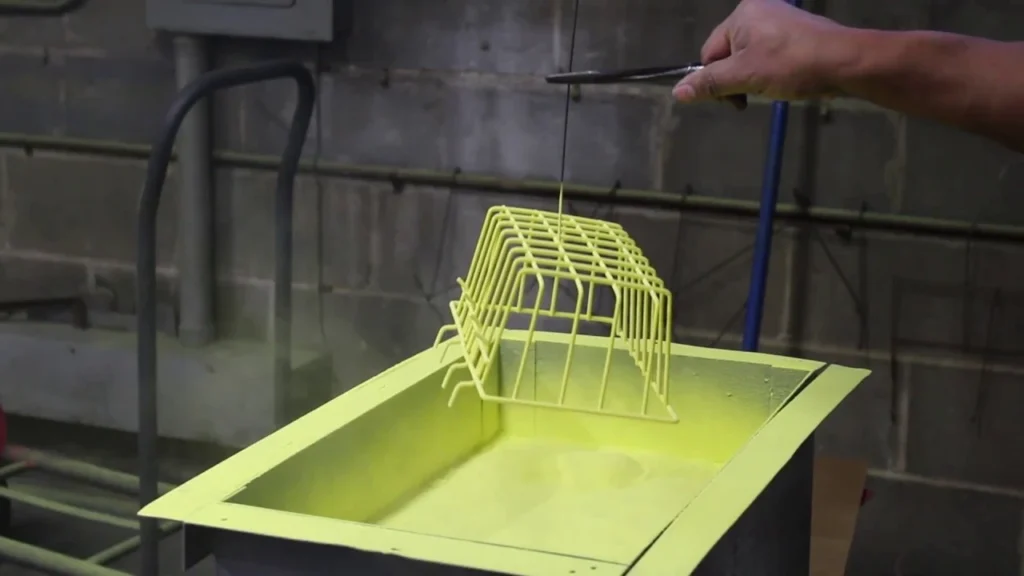
  2. Coating Application: The part to be coated is dipped into the fluidized bed. As the part enters the chamber, the suspended powder adheres to the heated surface. The part may be pre-heated before dipping to ensure that the powder sticks effectively, creating a uniform coating.
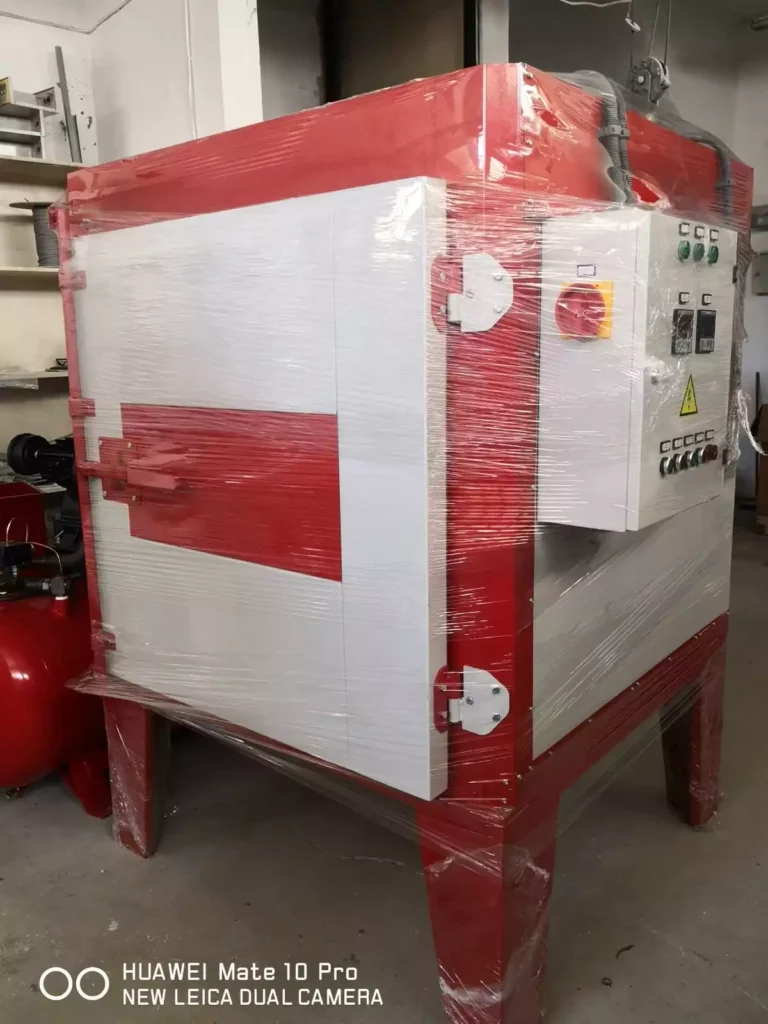
  3. Curing: After the part is coated with the powder, it typically undergoes a curing process. The coated part is heated in an oven where the powder melts and bonds to the substrate. The temperature and time of curing depend on the type of powder being used but typically range between 160°C and 200°C for 10–30 minutes.

Key Components of Fluidized Bed Powder Coating Equipment

  1. Fluidized Bed Chamber: The chamber contains a perforated plate or mesh, which allows the air to flow upward, suspending the powder particles. The part to be coated is immersed into this fluidized bed of powder, and it picks up a uniform layer of powder coating.
  2. Air Supply System: This system provides the airflow that suspends the powder in the fluidized bed. Air is typically filtered and regulated to ensure the correct airflow and fluidization of the powder.
  3. Powder Storage and Delivery: The powder is stored in a hopper and is often equipped with a vibration mechanism to prevent clumping and ensure consistent flow. Powder is delivered into the fluidized bed chamber, where it is aerated by the airflow.
  4. Temperature Control System: The parts are often preheated before dipping, and a curing oven or infrared heaters are used after coating to melt and bond the powder to the surface.
  5. Exhaust System: A system that removes excess air and ensures that no unwanted powder particles are released into the environment, maintaining a clean workspace and preventing contamination.
  6. Control System: Modern fluidized bed powder coating equipment comes with an automated control system to monitor and adjust temperature, air pressure, flow rates, and timing, ensuring consistent application and curing.

Advantages of Fluidized Bed Powder Coating

  • Durability: Powder coatings provide excellent resistance to abrasion, corrosion, and weathering. The coating typically has a thicker and more uniform layer compared to liquid coatings, making it more durable and long-lasting.
  • Environmentally Friendly: Unlike liquid coatings, which may contain volatile organic compounds (VOCs) and solvents, powder coatings are free from these harmful chemicals. There is also little to no waste, as excess powder can be reclaimed and reused.
  • Uniform Coating: The fluidized bed allows for a consistent and uniform coating across all surface areas of the part, even complex geometries, ensuring high-quality finishes.
  • No Drips or Runs: Since the coating is applied as a powder, there is no risk of drips, runs, or sags, which can sometimes occur with liquid coatings.

Applications of Fluidized Bed Powder Coating

  • Metal Parts: Commonly used for coating metal parts in industries such as automotive, appliances, and manufacturing. The equipment is especially useful for large or irregularly shaped parts, such as automotive components, that are difficult to coat uniformly using traditional methods.
  • Corrosion Resistance: Fluidized bed coating is particularly valuable for applications where parts need a durable, corrosion-resistant finish, such as in industrial equipment, pipelines, and outdoor fixtures.
  • Heat-Sensitive Materials: For applications where a high level of temperature resistance is required, fluidized bed powder coating can be used with powders designed to withstand extreme temperatures.
  • Rework and Repair: It can also be used for re-coating or repairing previously coated parts by reapplying the powder and curing it to restore the finish.

Advantages Over Other Coating Methods

  • No Solvents: Unlike liquid coatings that often require solvents, powder coating uses no liquid solvents, making the process more environmentally friendly and reducing health risks associated with solvent exposure.
  • Thicker Coatings: Fluidized bed coating can create thicker coatings in a single dip, which is ideal for certain applications such as heavy-duty equipment parts.
  • Low Operational Costs: The powder can be reclaimed and reused, reducing material costs over time. Additionally, energy consumption may be lower compared to spray powder coating, as the parts are dipped directly into the fluidized bed.

Challenges and Considerations

  • Part Preheating: Preheating the parts is crucial for successful fluidized bed powder coating, especially for parts with complex geometries or large surface areas. The parts must be heated to the correct temperature to ensure proper powder adhesion.
  • Powder Type and Composition: The selection of powder is important. Different powders (such as epoxy, polyester, or hybrid blends) have different curing requirements and environmental characteristics, such as resistance to chemicals, UV degradation, and temperature.
  • Complex Geometry: While fluidized bed coating works well for a wide variety of shapes, very small or intricate parts may present challenges due to powder distribution issues. Careful selection of the fluidized bed’s air pressure and powder type can help mitigate this.

Fluidized Bed vs. Spray Powder Coating

While both fluidized bed and spray powder coating are effective methods for applying powder coatings, they differ in the way the powder is applied and the type of parts they are suited for.

  • Fluidized Bed Powder Coating: Ideal for large, simple parts or batches of small parts that can be dipped in the bed. It is better for thicker coatings and is well-suited for applications like heavy-duty industrial equipment or metal components.
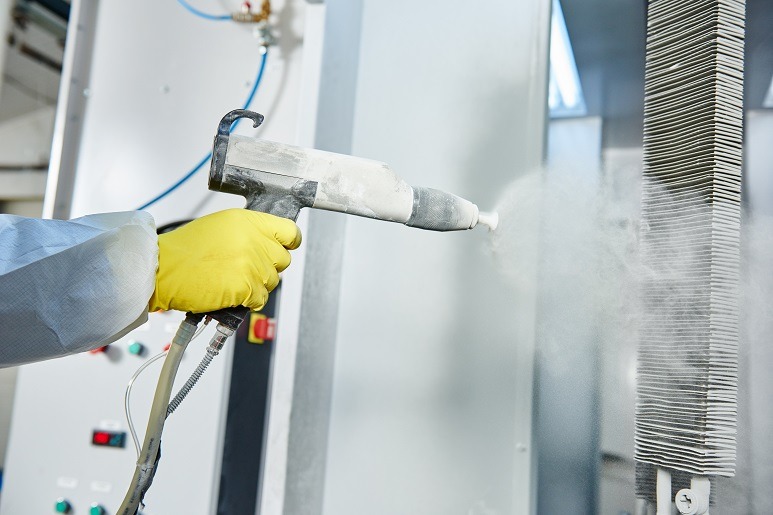
  • Spray Powder Coating: Involves spraying a charged powder onto the substrate, typically using an electrostatic charge to attract the powder. This method is better for complex geometries or parts that cannot be easily dipped into a fluidized bed. It also offers more precise control over the thickness of the coating.

Conclusion

Fluidized bed powder coating equipment is a reliable, efficient, and environmentally friendly method for applying a durable and uniform coating to parts, especially metal substrates. Its application spans industries such as automotive, aerospace, and manufacturing, where long-lasting, corrosion-resistant finishes are required. While it may not be the most suitable choice for highly intricate or small parts, its benefits of uniformity, environmental friendliness, and the ability to apply thicker coatings make it an excellent option for many industrial applications.

Fluidized bed powder coating equipment manufacturing involves a sophisticated process to design and produce machines capable of coating a variety of substrates, typically metal, with a powder coating. These machines use the principle of fluidization, where powdered coating material is suspended in an upward flow of air, creating a “fluid-like” effect. This allows the powder to evenly coat the surface of parts that are then cured in a high-temperature oven. The key benefits of fluidized bed powder coating include its ability to apply thick, durable coatings efficiently, without the need for solvents, which makes it an environmentally friendly option compared to traditional liquid coating methods. This process is particularly effective for coating parts that are large, have simple geometries, or are prone to corrosion. The typical industries that benefit from fluidized bed powder coating include automotive, industrial equipment manufacturing, and even some consumer goods like appliances. Fluidized bed coating is often used in situations where high durability and corrosion resistance are critical.

In manufacturing fluidized bed powder coating equipment, a primary challenge is ensuring precise airflow control and uniform powder distribution. The equipment is designed with a chamber where the powder is introduced and suspended by an air supply system. The powder is kept fluidized in the chamber by a combination of air pressure, temperature control, and mechanical vibration to keep the powder from clumping together. This powder is then applied to the parts that are dipped into the fluidized bed. Parts that are to be coated are preheated, which helps the powder adhere more effectively when they are immersed into the bed.

Once coated, the parts are moved into a curing oven where the powder melts and forms a solid, uniform coating on the part. The curing process generally requires heat in the range of 160°C to 200°C, with a curing time of 10 to 30 minutes depending on the size and type of powder used. The temperature and curing time need to be carefully controlled to ensure the coating is sufficiently hardened and bonded to the substrate.

The equipment itself includes several key components such as the fluidized bed chamber, air supply system, powder storage and delivery systems, temperature control systems, and curing ovens. The chamber is typically fitted with a perforated plate that allows air to be blown upward, keeping the powder suspended. The air supply system consists of a fan, filter, and air regulator to ensure a consistent flow and pressure of air. The powder is stored in hoppers and often features mechanisms to prevent clumping, such as vibrators that help maintain a steady flow of powder into the chamber.

Powder storage and delivery systems ensure that the powder remains consistent in flow and quality, and this often involves vibration or mechanical agitation to prevent powder from settling or becoming compacted. The temperature control system regulates the temperature of the air used to fluidize the powder and the temperature of the preheated part. A reliable temperature control system is crucial for maintaining the consistency of the coating and ensuring that parts are adequately preheated before they enter the fluidized bed. A proper exhaust system is also crucial to remove excess powder and prevent contamination of the workspace.

A significant advantage of fluidized bed powder coating equipment is its ability to provide thicker coatings in a single application, which makes it ideal for parts that need a robust finish to protect against wear and corrosion. The process itself is highly efficient, as excess powder can be reclaimed and reused, which reduces material waste. This characteristic is especially beneficial in industries where cost control is important and where the coating material is expensive. Additionally, fluidized bed powder coating requires no solvents, reducing environmental impact and worker exposure to harmful chemicals, making it a more sustainable choice compared to traditional liquid coatings that may contain volatile organic compounds (VOCs).

The equipment is particularly suited for large or simple-shaped parts, such as automotive components, metal frames, and appliance parts. However, it may not be the ideal choice for parts with complex shapes or very fine details, as it can be difficult to control the powder application precisely on such parts. In these cases, spray powder coating systems may be preferred, as they provide more precise application control through electrostatic charges.

In manufacturing these fluidized bed powder coating systems, suppliers typically work closely with end-users to understand their specific coating needs and then customize the equipment to ensure it meets the necessary specifications. This may include adjusting the size of the fluidized bed chamber, optimizing airflow systems, and fine-tuning the curing process. Advanced fluidized bed coating systems may even incorporate automated controls to adjust the spray rates, airflow, and temperature in real-time, ensuring a more consistent coating result and reducing the need for manual intervention.

Finally, after the equipment is assembled and tested, manufacturers ensure that it complies with industry standards and regulations, such as safety protocols for airflow and temperature control and compliance with environmental standards. The equipment must be robust enough to handle the continuous, high-demand operation often required in industrial environments. Therefore, material selection for components like the chamber, air supply system, and curing ovens is critical for the durability and longevity of the equipment. High-performance alloys or special coatings may be used for parts exposed to extreme temperatures or wear.

Overall, fluidized bed powder coating equipment manufacturing combines engineering precision, material science, and process control to create machines that deliver durable, consistent, and environmentally friendly coatings for a wide range of applications. As industries continue to demand higher-quality finishes and more sustainable practices, the role of fluidized bed powder coating is likely to expand, with ongoing advancements in equipment design and technology.

As the demand for efficient and sustainable manufacturing processes continues to grow, the design and advancement of fluidized bed powder coating equipment is also evolving. The future of fluidized bed coating involves improvements in automation, process control, and material recovery, all of which contribute to making the process even more efficient and cost-effective.

One of the most exciting areas of development is automation. Many fluidized bed powder coating systems are now being designed with integrated automation capabilities, such as robotic handling and automated coating thickness measurement. Robots can be used to handle the parts being coated, reducing the need for manual intervention and increasing throughput. Automation also allows for better consistency and quality control, as robots can follow pre-programmed movements and ensure that each part is coated in exactly the same way, at the same speed, and under the same conditions.

Another critical advancement is the integration of real-time process control. Modern fluidized bed powder coating systems are increasingly equipped with sensors and control systems that monitor key parameters such as airflow rate, temperature, powder density, and coating thickness. These systems can automatically adjust parameters to maintain consistent coating quality. This real-time feedback not only reduces human error but also allows manufacturers to fine-tune the process, making it possible to produce high-quality coatings even at larger scales.

To further optimize the material recovery process, many fluidized bed powder coating systems now feature advanced reclaim systems. In these systems, excess powder that is not used in the coating process is collected and reused, greatly reducing material waste. The powder is often recycled through sophisticated filtration systems that ensure only clean, non-contaminated powder is reused. This is especially important in applications where the powder is costly or where environmental concerns demand that waste be minimized. These reclaim systems can significantly reduce operational costs and minimize the environmental impact of the coating process.

Additionally, energy efficiency has become a major focus in the development of fluidized bed powder coating equipment. As energy consumption plays a significant role in operating costs, many modern systems are designed to be more energy-efficient. Advances in heat recovery systems, where excess heat from the curing process is recycled, are reducing the amount of energy required to maintain consistent curing temperatures. This not only lowers energy costs but also minimizes the environmental footprint of the manufacturing process.

Material innovations also play a key role in improving the overall performance of fluidized bed powder coating systems. For example, the development of new types of powders—such as low-temperature curing powders, high-temperature-resistant powders, or powders with enhanced adhesion properties—has expanded the range of applications for fluidized bed coating. These innovations allow manufacturers to coat materials that were previously difficult to coat or to achieve new, specialized finishes, such as coatings that are both heat- and chemical-resistant.

Another area of progress is improved powder storage and handling systems. Traditional powder storage methods often involved large, static hoppers, but modern systems have been designed with more advanced features. For instance, powder storage is increasingly becoming more automated and features integrated vibration mechanisms to prevent clumping and ensure a consistent flow of powder into the fluidized bed. This increases the efficiency of the coating process and reduces downtime caused by clogged powder lines or inconsistent powder flow.

Additionally, improvements in safety have been an ongoing focus in fluidized bed powder coating equipment manufacturing. Since powders can sometimes be combustible, safety features are incorporated into equipment to mitigate these risks. Equipment now comes with advanced explosion-proof designs and better filtration systems to prevent the accumulation of flammable powders. Furthermore, better ventilation and dust extraction systems are being integrated to protect workers from inhaling harmful dust, which is especially important in industrial settings.

One of the most important considerations in fluidized bed powder coating is the selection of appropriate powders for specific applications. For example, some coatings are designed to be highly resistant to abrasion, corrosion, or UV degradation, while others may focus on providing an aesthetically pleasing finish. As industries continue to develop new materials and coatings, manufacturers of fluidized bed equipment are adapting to these needs by offering systems capable of handling a wider variety of powders, including those for specialized coatings like metallic or textured finishes.

To support a diverse range of industries, fluidized bed systems are becoming more customizable. Manufacturers are offering modular systems that can be scaled up or down depending on the needs of the business. For instance, a small shop may require a compact, bench-top unit for coating small batches, while a larger manufacturer may require an industrial system capable of handling thousands of parts per day. The flexibility of these modular systems means that manufacturers can adapt their equipment to meet specific production requirements, without being limited by the size or configuration of the system.

Finally, environmental regulations are driving the demand for more sustainable and eco-friendly fluidized bed powder coating solutions. As stricter regulations are introduced worldwide concerning emissions, waste, and VOCs (volatile organic compounds), fluidized bed coating offers an effective solution due to its solvent-free nature. Moreover, manufacturers are also focusing on reducing the environmental impact of the curing process. Instead of relying solely on traditional electric or gas-powered curing ovens, newer technologies are being explored, such as infrared and UV curing, which can reduce energy consumption and improve processing speed.

The growing trend toward green manufacturing and sustainability is pushing fluidized bed powder coating equipment manufacturers to explore new ways to reduce environmental impact, such as designing equipment with reduced energy consumption and low-emission systems. Moreover, the ability to recycle and reuse coating powders makes fluidized bed powder coating one of the more sustainable coating methods available.

In conclusion, fluidized bed powder coating equipment manufacturing is experiencing significant advancements that make the process more efficient, sustainable, and versatile. These developments are responding to the needs of various industries, from automotive to heavy-duty equipment manufacturing, and will continue to evolve as new materials, powders, and process technologies emerge. The integration of automation, real-time monitoring, improved energy efficiency, material recovery, and sustainability ensures that fluidized bed powder coating remains a leading solution in the coating industry, providing durable, high-quality finishes while minimizing environmental impact and operational costs.

The future of fluidized bed powder coating equipment manufacturing is poised to evolve further with emerging trends and technological innovations, enhancing the overall efficiency and application versatility of the process. As industries continue to push the boundaries of performance, durability, and environmental responsibility, fluidized bed powder coating systems are being developed with even greater focus on automation, precision, and sustainability.

Advanced Automation and AI Integration

Automation has been a significant driver in optimizing fluidized bed powder coating processes. The next stage of development lies in the integration of artificial intelligence (AI) and machine learning. AI can be used to predict and control variables such as coating thickness, air pressure, and curing times in real time, ensuring consistent and high-quality finishes. This is particularly useful in high-volume production settings where maintaining uniform quality across hundreds or thousands of parts is critical. Machine learning can also be employed to optimize powder use, detect anomalies in the coating process, and make adjustments without human intervention, increasing the precision of the operation.

Furthermore, robotic systems are increasingly being integrated into fluidized bed systems, particularly in larger manufacturing environments. Robots can handle the movement of parts through the system, from preheating to powder coating to curing, all while ensuring minimal human involvement. This not only improves speed and reduces the risk of human error but also ensures safer working conditions, particularly in environments where powder handling may expose workers to hazardous materials or dust.

3D Printing and Fluidized Bed Powder Coating

One of the emerging trends that could reshape fluidized bed powder coating is the synergy between 3D printing and powder coating. As 3D printing technology becomes more advanced, particularly with metal additive manufacturing, the ability to apply a fluidized bed powder coating to 3D printed parts is becoming more common. 3D printed parts can often have rough surfaces or micro-porosities that make them difficult to finish without a protective coating. Fluidized bed coating is well-suited to these challenges, as it can provide an even, high-durability coating on complex geometries, adding a protective layer that enhances the performance of 3D printed metal parts. The combination of 3D printing and fluidized bed powder coating is especially valuable in industries such as aerospace, automotive, and medical device manufacturing, where precision, performance, and part durability are crucial.

Enhanced Powder Technologies

The continuous development of powder materials is one of the key drivers of change in fluidized bed coating. New powders with improved properties—such as nano-coatings, powders with embedded antimicrobial properties, or coatings that offer enhanced UV and heat resistance—are being developed for specific applications. For example, powders that can cure at lower temperatures allow manufacturers to coat heat-sensitive materials or reduce the energy required for curing. The inclusion of functional additives in powder formulations, such as conductive, anti-corrosion, or anti-fingerprint agents, enhances the versatility of fluidized bed powder coating for highly specialized applications, particularly in electronics and high-tech manufacturing sectors.

Hybrid powder systems, combining different powder types to take advantage of multiple performance characteristics, are also becoming more common. These hybrid powders can offer enhanced physical properties, such as increased impact resistance or flexibility, while maintaining the aesthetic qualities of a smooth, glossy finish.

Smart Powder Recovery Systems

As environmental concerns grow, the recycling and recovery of powder materials is becoming more important. Advanced powder recovery systems are designed to maximize the reuse of excess powder, reducing material waste and cutting costs. New vacuum recovery systems and automated sieving techniques have been developed to reclaim powder that has been removed from parts and filter out contaminants, ensuring that only clean powder is reused. These innovations make it possible to significantly reduce the amount of wasted powder, improving both cost-effectiveness and sustainability. Moreover, the integration of digital sensors can monitor powder quality during recovery, ensuring that the reclaimed powder meets the necessary specifications for reuse.

Sustainability and Energy Efficiency

The push toward green manufacturing continues to be a driving factor in the development of fluidized bed powder coating systems. Manufacturers are constantly looking for ways to reduce energy consumption and minimize waste in the powder coating process. Advances in energy-efficient curing ovens, which use technologies like infrared curing, are becoming more widespread. Infrared heating is more efficient because it directly heats the part rather than the surrounding air, reducing overall energy consumption and speeding up the curing process.

Additionally, the development of low-energy fluidized bed systems is aimed at reducing the amount of electricity required for powder fluidization. By optimizing the airflow and pressure control, manufacturers are able to minimize energy consumption while maintaining the coating quality and speed. The use of sustainable powders—such as those that are biodegradable or have a lower carbon footprint—is also gaining traction, ensuring that fluidized bed powder coating aligns with broader sustainability goals.

Globalization and Customization

As global supply chains continue to expand, the demand for customizable fluidized bed coating systems that can cater to different regional needs is increasing. Equipment manufacturers are focusing on offering modular designs that allow for quick adjustments and scalability. These modular systems can be easily upgraded or adjusted based on specific customer requirements, whether for changes in production volume, coating types, or part sizes.

Customization also extends to regional powder formulations, which are tailored to local environmental conditions. For example, manufacturers in areas with high humidity may require coatings that offer enhanced moisture resistance, while those in high-temperature regions may need coatings that are more heat-resistant. By offering equipment that can accommodate these specific needs, fluidized bed powder coating manufacturers are better able to serve diverse markets worldwide.

Increased Focus on Quality Control

With the increasing complexity of parts and coatings, manufacturers of fluidized bed powder coating equipment are focusing more on precision and quality control systems. The use of digital platforms that can track every aspect of the coating process—airflow, powder flow rate, part movement, temperature, curing time, and thickness—helps ensure consistent quality across all parts. These digital solutions can also provide real-time data, allowing for immediate adjustments to be made to the coating process if needed, reducing downtime and improving operational efficiency.

Vision-based inspection systems, integrated into coating lines, can automatically detect defects in coatings, such as thin spots, excessive coating, or uneven coverage. This is particularly useful in industries where even minor defects can be costly, such as aerospace or electronics.

Collaboration Across Industries

Finally, the future of fluidized bed powder coating will likely involve greater collaboration across industries. As the need for more specialized coatings and equipment grows, manufacturers of fluidized bed coating systems are increasingly working alongside material suppliers, industry researchers, and end-users to develop coatings that meet specific performance requirements. For example, aerospace companies may partner with coating equipment manufacturers to create coatings that provide both corrosion resistance and weight savings, while automotive manufacturers might focus on developing coatings that provide both a high-quality aesthetic finish and superior scratch resistance.

The ongoing collaboration across sectors will ensure that fluidized bed powder coating continues to meet the ever-changing demands of modern manufacturing, delivering high-quality, durable finishes in an environmentally responsible manner.

In conclusion, the fluidized bed powder coating industry is evolving with rapid technological advancements aimed at improving efficiency, sustainability, and quality. From automation and AI integration to the development of new powder materials and energy-efficient systems, these innovations are setting the stage for a more advanced and eco-friendly future in coating technology. Whether for automotive, aerospace, or consumer goods manufacturing, fluidized bed powder coating is adapting to meet the needs of diverse industries while also addressing global challenges such as sustainability and energy efficiency.

As the fluidized bed powder coating industry continues to advance, several emerging trends and innovations are shaping its future trajectory. These developments will not only impact the operational aspects of fluidized bed coating but also expand its applications across a variety of sectors. Let’s explore some of these future directions.

Emerging Coating Technologies

The integration of nanotechnology in fluidized bed powder coatings is one of the most exciting areas of development. Nanomaterials, due to their unique properties, offer a significant enhancement in the performance of coatings. For instance, nanocoatings can provide increased hardness, enhanced corrosion resistance, and better wear resistance compared to conventional coatings. These properties make nanotech powder coatings ideal for demanding applications in industries such as aerospace, automotive, and military manufacturing.

Further, self-healing coatings are being explored for fluidized bed systems. These coatings can automatically repair themselves when damaged, greatly extending the lifespan of coated parts. This technology is particularly useful for parts exposed to extreme environmental conditions or wear, such as in offshore oil rigs, transportation, and heavy machinery.

Graphene-based coatings, known for their strength, flexibility, and conductivity, are gaining traction in fluidized bed coating systems. Graphene can provide coatings that are lightweight yet incredibly strong, offering enhanced protection against corrosion, temperature extremes, and physical damage. These advanced materials are especially promising in industries where high performance and durability are critical, such as in electronics and battery manufacturing.

Digitalization and the Internet of Things (IoT)

Another key trend in fluidized bed powder coating equipment manufacturing is the increasing role of digitalization and IoT (Internet of Things). IoT-enabled coating equipment allows manufacturers to gather vast amounts of data from their systems, providing insights into every aspect of the coating process. Sensors embedded in fluidized bed systems can monitor variables like powder density, air velocity, temperature, and humidity. These sensors communicate in real time with a centralized control system, enabling automatic adjustments and providing predictive analytics to prevent downtime before it occurs.

The integration of cloud computing allows for the storage and analysis of large datasets from multiple coating lines, enabling manufacturers to optimize processes across entire plants. This enables manufacturers to run predictive maintenance schedules, forecast the need for repairs or replacements, and continuously fine-tune the coating process. In addition to improving performance, these digital tools help manufacturers comply with regulatory standards by providing traceability of the coating process, which can be critical for quality assurance in certain industries such as aerospace, automotive, and food manufacturing.

Eco-Friendly Powder Coatings

As sustainability continues to be a driving force in manufacturing, there is a growing emphasis on eco-friendly powder coatings. Manufacturers are working on developing coatings that not only perform well but also minimize environmental impact throughout their lifecycle. This includes reducing the energy consumption during curing, developing coatings made from renewable or non-toxic materials, and using biodegradable powders.

The shift towards water-based powder coatings is one of the significant eco-friendly innovations. Traditional powder coatings often rely on petroleum-based chemicals, but water-based alternatives are being developed to reduce the environmental footprint of the powder coating process. These water-based coatings are not only less harmful but also contribute to reducing the volatility of the overall production process. Waterborne powder coatings can be designed to perform at high levels while offering low environmental impact, making them an excellent choice for a wide range of applications.

Recyclability of both the powder itself and the coated parts is another critical consideration in the push for more sustainable manufacturing practices. Efforts to improve the end-of-life recyclability of coated products will reduce waste and contribute to the circular economy, where materials are reused and recycled rather than discarded. Advances in waste management systems in fluidized bed coating equipment are helping reduce the disposal of powder waste, while also enabling more efficient reclamation and reuse of powder materials.

Robotics and Additive Manufacturing in Coating

Robotics is not just revolutionizing the handling of parts through the coating process but also opening up possibilities for additive manufacturing (AM) and 3D printing to be integrated into the powder coating process. In industries like automotive and aerospace, where parts often have complex geometries or customized features, the ability to 3D print metal or plastic parts and then coat them using fluidized bed powder coating systems presents numerous advantages.

The combination of 3D printing with fluidized bed powder coating offers manufacturers the flexibility to create highly detailed or complex parts with tailored coatings. For example, 3D printed parts could be designed to have hollow sections, intricate patterns, or unusual shapes, which are then uniformly coated with powder to ensure durability and performance. Additive manufacturing also allows for the production of low-volume, highly specialized parts, reducing waste and inventory costs while still benefiting from the protective and aesthetic qualities of powder coatings.

Moreover, robotic arms are increasingly being used to handle these 3D-printed parts through fluidized bed coating processes. The precision of robotics allows for better control over the part positioning, ensuring uniform coating even on intricate designs. Robotic arms also improve efficiency by handling high-mix, low-volume runs, which is common in industries like prototyping and aerospace, where custom parts are often required.

Global Trends and Customization

As manufacturers continue to serve global markets, the need for customizable coating solutions grows. Manufacturers are increasingly focusing on flexible fluidized bed powder coating systems that can be adapted to local regulations, customer preferences, and product specifications. For instance, regions with extreme temperatures may require powder coatings that provide enhanced thermal protection, while coastal areas may require coatings with advanced corrosion resistance due to exposure to saltwater.

Additionally, local supply chains and regional manufacturing needs will play a larger role in shaping fluidized bed powder coating equipment. For example, some regions may prioritize equipment that can handle specific types of coatings or that comply with strict environmental regulations. Manufacturers will need to offer more modular systems that can be quickly adjusted or reconfigured to meet regional demands. The ability to produce coating equipment that can be tailored to a specific market will be a key competitive advantage in the global marketplace.

Consumer Demand for Aesthetic Finishes

With an increasing focus on aesthetics, particularly in consumer-facing industries such as automotive, electronics, and furniture, the demand for high-quality, visually appealing coatings is on the rise. Manufacturers are increasingly relying on fluidized bed powder coating systems to deliver smooth, uniform, and aesthetically pleasing finishes. Innovations in this area include the use of textured and metallic coatings that give products a distinctive look and feel while providing the durability expected from powder coatings.

High-performance clear coatings are also gaining popularity, particularly in applications like automotive wheels and consumer electronics, where the coating needs to provide a gloss finish without compromising the substrate’s performance. As demand for more complex aesthetic finishes rises, fluidized bed powder coating equipment manufacturers will need to continuously innovate to offer customers a broad range of surface finishes, including matte, gloss, and satin effects.

Future Challenges and Opportunities

Despite the advancements, several challenges remain for the future of fluidized bed powder coating. These include the need for greater precision in powder application for intricate parts, addressing safety risks associated with handling certain types of powders, and reducing the cost of advanced powders that can be prohibitively expensive for some manufacturers.

However, these challenges present opportunities for further innovation. Research into advanced coating materialsmore precise powder application technologies, and safety advancements will ensure that fluidized bed coating remains competitive. Additionally, as global manufacturing continues to evolve, the demand for customized, sustainable, and high-performance coatings will continue to drive the development of fluidized bed powder coating equipment.

In conclusion, the fluidized bed powder coating industry is entering an era of rapid innovation, driven by technological advancements, automation, sustainability initiatives, and growing consumer demand for higher-quality and more durable finishes. As these trends continue to unfold, the future of fluidized bed powder coating promises more efficient, flexible, and environmentally responsible solutions, capable of meeting the diverse and ever-evolving needs of manufacturers worldwide.

Fluidized bed powder coating machine

fluidized bed powder coating machine is a specialized piece of equipment used in the powder coating process, where a dry powder is applied to parts or substrates to create a durable and uniform finish. Unlike traditional spray coating, fluidized bed coating involves a bed of powder suspended in a stream of air, which helps to coat the parts. The fluidized bed process is particularly well-suited for coating metal components, especially those that are complex in shape or have intricate designs. Here’s an overview of how these machines work and their key components:

How Fluidized Bed Powder Coating Works

  1. Fluidized Bed: The key feature of the system is the fluidized bed, which is a container that holds the powder material. The powder is usually composed of thermosetting resins that will melt and cure when exposed to heat. The bed of powder is kept suspended by an upward stream of air supplied through the bed’s bottom. This makes the powder behave like a liquid, allowing it to coat objects evenly.
  2. Heating the Part: The part to be coated is typically preheated in an oven before being immersed in the fluidized bed. Preheating ensures that the powder adheres better to the surface. The part is usually heated to a temperature where the powder can easily melt and bond.
  3. Coating: When the preheated part is dipped or inserted into the fluidized bed, the fine powder particles attach themselves to the surface of the part due to electrostatic attraction and thermal bonding. The part is then gently removed from the fluidized bed, leaving a uniform coating on its surface.
  4. Curing: After coating, the part is typically placed in a curing oven. The heat causes the powder to melt, flow, and fuse into a smooth, durable, and hard finish. The curing process solidifies the coating, giving it the final desired characteristics such as toughness, resistance to corrosion, and color.

Key Components of a Fluidized Bed Powder Coating Machine

  1. Fluidized Bed Container: This is the part of the system where the powder is kept in suspension. The container is usually equipped with an air distribution plate or screen at the bottom to evenly distribute the airflow across the powder bed. The right air velocity is critical to maintaining an even fluidization of the powder.
  2. Air Supply System: The air supply system forces air through the fluidized bed, suspending the powder and allowing it to behave like a liquid. This air supply is typically controlled by a compressor, and adjustments to the airflow can control the density of the powder bed and its fluidization characteristics.
  3. Powder Material: The powder material used in fluidized bed coating is typically a thermosetting polymer, which melts and fuses upon heating. Common powders include epoxy, polyester, and hybrid formulations, depending on the application and desired properties such as corrosion resistance, hardness, and appearance.
  4. Preheating Oven: A preheating oven is used to bring the parts to the desired temperature before they are coated. The temperature of the parts typically ranges between 180–200°C (350–400°F) before immersion in the fluidized bed. Preheating is necessary for proper adhesion and to ensure an even coating.
  5. Curing Oven: After coating, the part must be cured in a separate oven. This oven maintains a specific temperature for a set period to allow the powder to fully melt, flow, and bond to the surface, creating a durable and solid finish.
  6. Control System: Modern fluidized bed powder coating machines are equipped with automated control systems that regulate the airflow, temperature, and timing of various processes to ensure consistency and quality. These systems allow for adjustments based on the size, type, and material of the parts being coated, as well as the type of powder used.

Advantages of Fluidized Bed Powder Coating

  • Uniform Coating: The fluidized bed system ensures that powder is evenly applied to the surface of the parts, providing a consistent finish even on complex geometries.
  • No Overspray: Unlike spray coating, fluidized bed coating minimizes the loss of powder due to overspray. This leads to better material utilization and reduced waste.
  • Durability: Powder coatings are generally more durable than liquid coatings. Fluidized bed coating is particularly beneficial for creating tough, abrasion-resistant finishes.
  • Low Environmental Impact: Fluidized bed coating does not require solvents, which means no harmful volatile organic compounds (VOCs) are emitted during the process, making it more environmentally friendly compared to conventional liquid coatings.
  • No Need for Chemical Substrates: Parts do not need to be chemically treated before coating, as the powder coating will naturally adhere to properly prepared or preheated metal surfaces.

Applications of Fluidized Bed Powder Coating

Fluidized bed powder coating machines are used across many industries due to their ability to provide high-quality, durable finishes. Some common applications include:

  • Automotive: For coating parts such as engine components, wheels, and chassis parts.
  • Aerospace: For coating high-performance parts exposed to extreme conditions.
  • Furniture: For creating scratch- and corrosion-resistant finishes on metal furniture.
  • Consumer Goods: For coating items like home appliances, garden equipment, and tools.
  • Industrial Equipment: For coating parts exposed to heavy wear, including machinery components and frames.
  • Architectural Coating: Used for exterior applications such as coatings on architectural metal frames, gates, and other structural components exposed to the elements.

Types of Fluidized Bed Powder Coating Machines

  1. Standard Fluidized Bed Systems: These are the traditional machines with a simple fluidized bed setup that works by immersing preheated parts directly into the bed of powder. They are ideal for low-volume, high-quality coating applications.
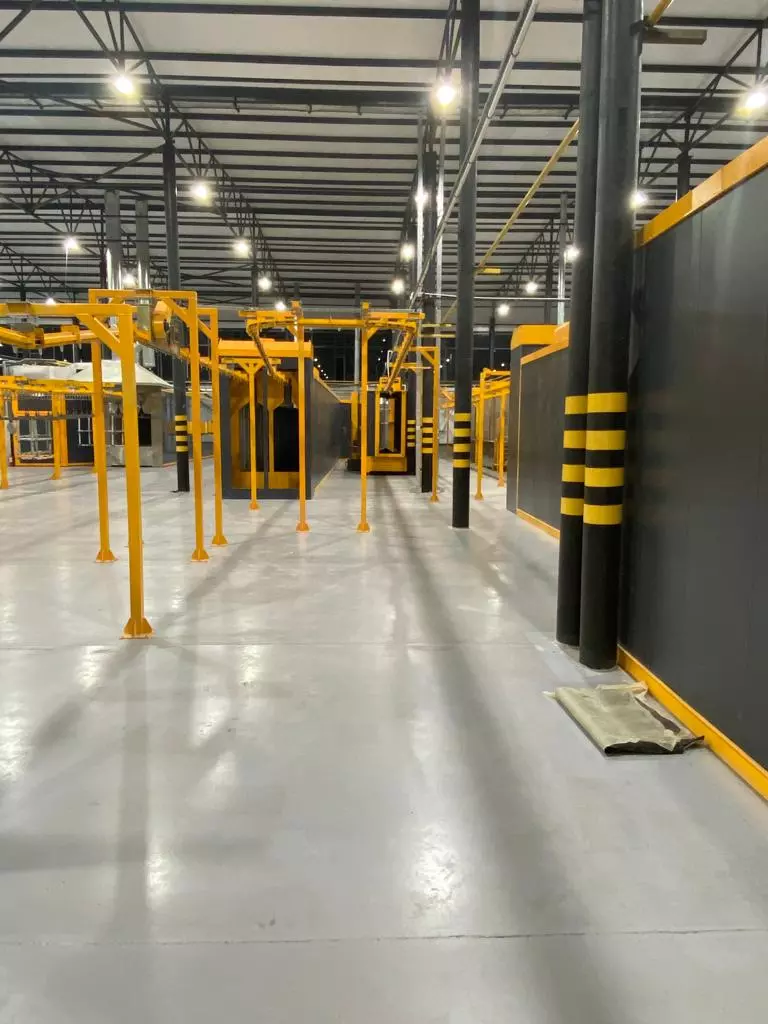
  2. Automated Fluidized Bed Systems: For high-volume production environments, automated fluidized bed systems can handle parts with minimal human intervention. These systems are often integrated with robotic arms or conveyors for continuous part movement, reducing labor costs and increasing throughput.
  3. Batch Systems: These machines are designed for processing small to medium-sized batches of parts. They are ideal for companies that need flexibility in handling different part sizes and types.
  4. Custom Fluidized Bed Systems: Some manufacturers offer custom fluidized bed coating machines designed for specialized applications, such as those involving unique powder formulations or specific process requirements. These systems may include advanced temperature control, dust collection systems, or specialty curing ovens.

Considerations When Selecting a Fluidized Bed Powder Coating Machine

  1. Part Size and Shape: Consider the size and complexity of the parts being coated. Some machines are better suited for smaller, more intricate components, while others are designed for larger, bulkier parts.
  2. Powder Type: The choice of powder is important for achieving the desired finish. Different powders have different properties in terms of curing temperature, flexibility, and appearance. Make sure the machine is compatible with the type of powder you plan to use.
  3. Production Volume: For high-volume production, look for machines that offer automation, precision, and consistent quality. Automated fluidized bed systems may be needed for high-throughput environments.
  4. Environmental Considerations: Consider the environmental impact, especially in terms of powder waste. Fluidized bed systems are more efficient in powder use, but the overall design should also incorporate waste reduction features like reclaim systems or air filtration.

Maintenance of Fluidized Bed Powder Coating Machines

To maintain the efficiency and effectiveness of a fluidized bed powder coating machine, regular maintenance is required:

  • Cleaning: Regular cleaning of the fluidized bed container and air distribution system is essential to prevent powder buildup and clogging.
  • Airflow Inspection: The airflow should be checked regularly to ensure uniform powder suspension and consistent coating. Over time, airflow may need adjustments due to wear or changes in the system.
  • Powder Quality Control: Monitoring and maintaining the quality of the powder material is crucial. Old or contaminated powder may not adhere well and can result in defects in the coating.
  • Inspection of Heating Systems: Preheating and curing ovens should be inspected regularly to ensure proper temperature control and uniform heating.

In summary, fluidized bed powder coating machines are an effective solution for applying uniform, durable, and environmentally friendly coatings to a wide range of parts. These machines are especially useful in industries that require high-quality finishes on complex parts or in high-volume production environments. By selecting the right system and regularly maintaining it, manufacturers can ensure optimal performance and consistent coating quality.

Fluidized bed powder coating machines are specialized pieces of equipment used in the application of dry powder coatings to parts or substrates. The fluidized bed coating process works by suspending powder particles in a stream of air, allowing them to behave like a liquid. The process involves several stages, including preheating the part to be coated, immersing it into the fluidized bed to apply the powder, and then curing the coated part in an oven to achieve a durable and uniform finish.

In a typical fluidized bed system, the powder material, usually composed of thermosetting resins, is contained in a bed that is kept in suspension by a controlled flow of air. This is done using an air distribution plate or screen at the bottom of the bed to ensure even airflow throughout the powder. The preheated part is immersed into this bed, and the powder adheres to the surface due to electrostatic attraction, which helps in forming a uniform layer.

After the coating has been applied, the part is removed and placed into a curing oven, where heat causes the powder to melt and fuse together, creating a smooth, durable, and hard finish. The part is left in the oven for a specified time at a controlled temperature, allowing the coating to solidify and bond to the substrate. The curing process also ensures that the final coating exhibits high-performance characteristics like resistance to corrosion, wear, and impacts.

These machines have several key components that work together to ensure the coating process is efficient and high-quality. The fluidized bed container holds the powder in suspension, the air supply system controls the airflow, and the preheating oven ensures the part’s surface is at the right temperature for proper powder adhesion. The curing oven is crucial for completing the powder coating process, ensuring the powder bonds and forms a solid, durable layer. Additionally, modern machines may include automated control systems that regulate variables such as temperature, airflow, and curing time, allowing for precision and consistency.

Fluidized bed powder coating offers several advantages over other coating methods. One of the primary benefits is the uniform application of the coating, even on parts with complex geometries or intricate shapes. Since the process minimizes overspray, it results in better powder utilization and less waste. The coating produced is highly durable, resistant to corrosion, and can be applied in various textures and finishes, from matte to gloss. Furthermore, fluidized bed coating is environmentally friendly since it does not require solvents or produce volatile organic compounds (VOCs), making it a more sustainable option than traditional liquid coatings.

These systems are widely used in industries like automotive, aerospace, and industrial manufacturing, where parts need to withstand harsh conditions and require robust, long-lasting coatings. The ability to coat parts in various sizes and shapes makes fluidized bed coating particularly versatile, and the process is suitable for both small and large production runs. For high-volume production, automated systems with robotic arms or conveyor belts may be incorporated to handle parts with minimal human intervention.

Customization is also a significant advantage of fluidized bed powder coating machines. Different powder formulations, such as epoxy, polyester, or hybrid coatings, can be used to meet specific application requirements, including performance characteristics like thermal resistance, impact resistance, or decorative appearance. Additionally, the system can be adapted to local environmental regulations and customer preferences, providing flexibility for manufacturers serving diverse markets.

As the industry moves forward, emerging trends such as the integration of nanotechnology, smart sensors, and digitalization are poised to further enhance the capabilities of fluidized bed powder coating machines. The development of more eco-friendly powder formulations and the use of advanced robotics and automation will continue to drive innovation, leading to faster processing times, improved coating quality, and reduced operational costs. The combination of these advancements, along with the continued focus on sustainability and efficiency, ensures that fluidized bed powder coating will remain a critical method in surface finishing technologies for years to come.

The future of fluidized bed powder coating systems will likely be shaped by ongoing advancements in both material science and manufacturing technologies. As the demand for high-performance coatings grows across industries, several key areas will continue to evolve, influencing how fluidized bed coating systems are designed and used.

One area of potential growth is the integration of advanced materials into the powder coatings themselves. With the continued rise of nanotechnology, coatings incorporating nanoparticles could offer exceptional properties like enhanced durability, conductivity, and resistance to extreme environmental conditions. For example, nanoparticles could improve the heat resistance or wear resistance of coatings, making them ideal for high-performance applications in sectors like aerospace, automotive, and electronics. Similarly, self-healing coatings, which use embedded microcapsules or other mechanisms to repair minor scratches and damage, may become more prevalent in fluidized bed systems, reducing the need for maintenance and extending the life of coated parts.

Another important aspect of the future of fluidized bed coating systems is automation and robotics. As the need for higher throughput and precision in manufacturing grows, the integration of robotics into fluidized bed systems will help improve both consistency and efficiency. Robotic arms or automated conveyors could handle parts through multiple stages of the coating process, from preheating to immersion in the fluidized bed, curing, and quality control. Automation will help minimize human error, reduce labor costs, and increase production speed, making fluidized bed coating systems even more appealing to manufacturers in industries with high-volume production needs.

Additionally, digitalization and smart manufacturing are likely to play an increasingly significant role in fluidized bed coating processes. By incorporating Internet of Things (IoT) technologies and advanced sensors, manufacturers can collect real-time data on various parameters like temperature, humidity, airflow, and coating thickness. This data can then be used for predictive maintenance, process optimization, and troubleshooting, ensuring that the coating process is consistently running at its peak performance. AI-powered algorithms could analyze this data to adjust the process in real-time, fine-tuning variables like airflow and powder density to ensure that the coating is always applied optimally. The ability to gather and analyze vast amounts of data could also help improve overall process efficiency, reduce waste, and ensure compliance with quality standards.

The demand for eco-friendly solutions will also continue to drive innovation in fluidized bed powder coating. Manufacturers will likely focus on developing more sustainable coatings that require less energy to cure and contain fewer harmful chemicals. For example, water-based and bio-based powder coatings are emerging as viable alternatives to traditional powder formulations. These eco-friendly powders reduce the environmental impact of the coating process by minimizing the need for harmful solvents or chemicals and reducing the carbon footprint of the production process. Additionally, low-temperature curing powders are being developed, which require less energy to cure, further reducing energy consumption in the manufacturing process.

The shift toward circular manufacturing will also influence the development of fluidized bed systems. Powder coating systems will likely evolve to accommodate easier powder recovery and reuse. Advanced powder recovery systems that efficiently reclaim overspray powder and reduce waste will help lower material costs and enhance sustainability. This will be especially important in industries where large volumes of powder are used, as it ensures that manufacturers can maintain quality while minimizing waste and the environmental impact of the coating process.

As manufacturers increasingly focus on customization and producing parts with complex geometries, fluidized bed systems will need to adapt to these changing demands. For example, systems may be designed to accommodate the coating of 3D-printed parts or components with intricate shapes that require precise, uniform coating. The flexibility of fluidized bed systems, combined with the ability to use specialized powders, allows manufacturers to meet the evolving demands of industries like aerospace, medical devices, and automotive, where custom, high-performance parts are often required.

In conclusion, the future of fluidized bed powder coating machines is bright, with ongoing advancements in materials, automation, digitalization, and sustainability driving the evolution of these systems. As manufacturers continue to demand faster, more precise, and environmentally friendly coating processes, fluidized bed coating systems will play a key role in meeting these needs, offering high-performance, efficient, and customizable solutions for a wide range of industries. The integration of advanced technologies will enable manufacturers to optimize their coating processes, improve quality, reduce waste, and stay competitive in an increasingly dynamic global marketplace.

As fluidized bed powder coating technology continues to evolve, attention is also being placed on expanding the range of materials that can be effectively coated using this method. While traditionally used for metals, advancements in both coating powders and process control are making it possible to apply fluidized bed coatings to other substrates such as glass, ceramics, and even some high-temperature-resistant plastics. These developments open up new applications in industries such as electronics, renewable energy, and consumer goods, where non-metallic components often require robust protective or functional coatings.

One of the most promising areas of research is the adaptation of fluidized bed systems for functional coatings—coatings that not only protect the substrate but also add specific properties. These can include electrical insulation, thermal conductivity, UV resistance, anti-bacterial properties, and more. For instance, applying a fluidized bed coating with high dielectric strength to electrical insulators or motor components can greatly extend their lifespan and improve operational safety. Similarly, using powders formulated with additives such as silver or copper ions can create surfaces with antimicrobial properties, which are valuable in the medical, food processing, and public infrastructure sectors.

The role of precision control in the coating process is becoming increasingly central. Modern fluidized bed machines are beginning to incorporate closed-loop feedback systems that continuously monitor coating thickness and uniformity during application. This ensures that parts meet exact specifications, reduces the rate of rework or rejects, and supports compliance with increasingly stringent industry standards. For sectors like aerospace or medical devices, where tolerances are tight and performance is critical, this level of control is essential.

In tandem with the need for greater precision, there is also a trend toward modular system design. Manufacturers are moving toward modular fluidized bed coating setups that can be easily reconfigured or scaled up based on production needs. This modularity allows for the integration of pre-treatment stations (e.g., cleaning or shot blasting), automated handling systems, multiple coating chambers for different powders, and inline curing ovens. As a result, production lines can be more flexible and adaptable, responding quickly to changes in product design, order volume, or coating requirements without major retooling or downtime.

Operator training and safety are also important considerations as systems become more complex and automated. Advanced machines are being designed with user-friendly interfaces, including touchscreen controls, process visualization software, and automated alerts for maintenance or process deviations. These features help reduce the learning curve for operators and ensure consistent process quality, even in environments where specialized technical staff may not always be available. Safety measures such as explosion-proof components, proper ventilation, and powder containment systems are also being improved to meet regulatory requirements and create safer working conditions.

Furthermore, the globalization of supply chains is influencing how fluidized bed coating systems are manufactured, sold, and supported. Manufacturers are increasingly offering machines that are compliant with international standards such as CE (Europe), UL (United States), and ISO certifications. They also provide remote diagnostics, virtual training modules, and localized service support to meet the needs of users across different geographies. This globalization ensures that even small and mid-sized enterprises in emerging markets can access advanced coating technology and integrate it into their production workflows effectively.

The trend toward digital twins and simulation is also beginning to influence the design and operation of fluidized bed powder coating systems. By creating a virtual model of the coating system and the parts to be coated, manufacturers can simulate the entire process before physical production begins. This helps identify potential bottlenecks, predict powder behavior, and optimize process parameters such as dwell time, airflow rate, and temperature. Digital twins can significantly reduce the time and cost associated with process development and improve first-time-right rates in production.

Lastly, collaborative innovation between coating powder manufacturers and equipment builders is yielding integrated solutions tailored to specific industry needs. For example, powder producers may develop a custom formulation designed to perform optimally under the airflow and temperature conditions of a particular fluidized bed system. This co-engineering approach ensures compatibility between materials and machinery, improving overall system performance and product quality.

All of these advancements are driving the fluidized bed powder coating process from a relatively niche technology to a more versatile and widely applicable solution across global industries. The convergence of materials science, automation, digital technologies, and customer-specific customization is transforming the way coatings are applied—making them faster, more efficient, and more intelligent than ever before. As industries continue to demand durable, functional, and environmentally responsible coatings, fluidized bed systems are poised to meet these needs through continuous innovation and refinement.

Fluidized bed powder coating

Fluidized bed powder coating is a coating process that involves the application of a dry powder to a preheated part by immersing it into a fluidized bed of coating material. Unlike traditional spray powder coating methods that rely on electrostatic attraction and spray guns, fluidized bed powder coating uses heat and fluid dynamics to ensure that the coating adheres uniformly to the entire surface of a part, including complex geometries and internal surfaces.

The process begins with the preheating of the substrate, typically to temperatures between 160°C and 300°C, depending on the type of powder being used. Once the part reaches the required temperature, it is lowered into a fluidized bed—a container filled with finely ground powder particles that are suspended in air. Air is pumped through a porous membrane or diffuser plate at the bottom of the bed, causing the powder to behave like a fluid. This fluidization allows the hot part to be fully enveloped by the powder, which melts upon contact and fuses to the surface of the part.

One of the most significant advantages of this method is the thickness and durability of the coating it produces. Fluidized bed powder coatings are typically thicker than those applied with electrostatic spray, often ranging from 250 to 500 microns, though this can be controlled to some extent. These thicker coatings provide excellent resistance to abrasion, corrosion, and chemicals, making the process especially useful for industrial applications such as pipe coatings, dishwasher baskets, automotive underbody parts, and tool handles.

There are two main types of powders used in fluidized bed coating: thermoplastic and thermosetting powders. Thermoplastic powders, like polyethylene and nylon, melt and flow when heated but do not chemically react, so they can be remelted. Thermosetting powders, such as epoxy or polyester resins, undergo a chemical crosslinking reaction during the curing phase, creating a harder, more heat-resistant finish that cannot be remelted.

After the part is coated, it may require a post-heat cure depending on the type of powder and the thermal mass of the part. Some applications are designed so that the preheat is sufficient to fully cure the coating, especially with thinner or small parts. In other cases, especially for thermosetting powders, the part must be placed into a curing oven to complete the crosslinking process and finalize the coating’s mechanical and chemical properties.

The equipment used in fluidized bed powder coating systems generally includes:

  • fluidized bed tank with powder and an air distributor system.
  • preheat oven to raise the temperature of parts before coating.
  • curing oven (when needed) for post-coating heat treatment.
  • Material handling systems such as conveyors or robotic arms for consistent part movement.

This technique is environmentally friendly because it produces minimal waste and no volatile organic compounds (VOCs), unlike solvent-based coatings. Overspray is virtually eliminated, and any unused powder remains in the bed for future use, reducing material loss.

Despite its many advantages, fluidized bed powder coating also has limitations. The need for preheating limits the types of substrates that can be coated—non-metallic or heat-sensitive materials are generally unsuitable. The thicker coatings can also be a disadvantage in applications requiring fine control of coating thickness or where aesthetics demand a thinner, more delicate finish.

Still, fluidized bed powder coating remains an important industrial process thanks to its simplicity, robustness, and excellent coating performance. It is particularly well-suited to high-durability applications and continues to evolve alongside advances in powder formulations, automation, and environmental compliance. Would you like to explore its comparison with electrostatic spray coating or details on specific applications?

Fluidized bed powder coating continues to be a preferred technique in many manufacturing sectors due to its unique ability to apply thick, consistent, and highly durable coatings in a single step. As industries push for greater efficiency, environmental compliance, and product performance, this method remains highly relevant and is seeing renewed interest and innovation. The ability of fluidized bed coating to uniformly cover even the most intricate geometries without the need for multiple passes or manual touch-up gives it a significant advantage in applications where coverage uniformity and robustness are paramount. For example, components such as dishwasher racks, which must withstand constant exposure to water and detergents, benefit greatly from this method. Similarly, automotive components that require protection against road salts, chemicals, and mechanical wear are ideal candidates for fluidized bed application. The process lends itself particularly well to batch production but is also adaptable to continuous operations with appropriate automation.

Technological advancements are further enhancing the performance and capabilities of fluidized bed coating systems. Modern fluidizing mechanisms ensure more precise control of air flow and powder density, resulting in better coating consistency and reduced energy consumption. The use of digitally controlled valves and pressure sensors allows operators to maintain optimal bed conditions at all times. Some systems now feature smart monitoring capabilities that track parameters such as bed pressure, temperature, and coating weight in real-time. These sensors feed data into centralized control software that can automatically adjust process conditions, alert operators of anomalies, and log production data for quality assurance purposes.

New powder formulations are also expanding the scope of applications for this technology. Improved adhesion promoters, heat stabilizers, and functional additives allow coatings to meet more stringent specifications for UV resistance, flame retardancy, thermal insulation, and dielectric strength. These advanced powders are enabling fluidized bed systems to move beyond traditional corrosion protection and into high-tech areas such as electronics, renewable energy, and medical devices. For instance, coating high-voltage insulators with epoxy-based powders provides both electrical isolation and mechanical protection, while medical-grade nylon powders can coat surgical instruments to ensure biocompatibility and ease of sterilization.

Energy efficiency is another area where manufacturers are making significant strides. New curing oven designs with better insulation, more efficient burners or electric heaters, and optimized airflow management reduce the energy required for post-heating. Additionally, the development of low-temperature curing powders allows for reduced preheat temperatures, making the process viable for more sensitive substrates and reducing energy consumption per coated part. Some operations are even incorporating waste heat recovery systems that use residual oven heat to preheat incoming parts or supply the fluidizing air, thereby enhancing overall system efficiency.

Despite its many strengths, the process requires careful control to avoid defects such as bubbling, uneven film thickness, or incomplete coverage. These issues are often linked to improper preheating, inconsistent fluidization, or powder contamination. As a result, routine maintenance and quality control are critical for ensuring long-term process reliability. Training for operators is increasingly being supplemented by simulation tools and virtual reality modules that teach proper handling, troubleshooting, and maintenance procedures without the need for extensive hands-on time.

Looking forward, the fluidized bed powder coating process is likely to become even more integrated into smart manufacturing ecosystems. The combination of real-time monitoring, predictive analytics, and adaptive control systems will lead to coating processes that are not only more efficient but also self-optimizing. These intelligent systems will be able to adjust for part variations, detect potential failures before they occur, and generate digital quality reports that can be fed directly into customer records or regulatory databases.

Moreover, as regulations around emissions and sustainability become more stringent worldwide, the inherently solvent-free and low-waste nature of fluidized bed coating will become even more attractive. Powder recyclability, energy efficiency, and the absence of hazardous air pollutants give this process a distinct advantage over liquid coatings and even electrostatic powder spraying in certain scenarios. The push toward green manufacturing is also encouraging the development of bio-based powder resins and coatings that can biodegrade at end-of-life, further enhancing the environmental profile of coated products.

In conclusion, fluidized bed powder coating remains a powerful, efficient, and increasingly advanced method for applying functional and protective coatings to a wide range of parts. Through continuous improvements in equipment design, material science, process control, and automation, it continues to evolve to meet the complex demands of modern industry. Its adaptability, durability, and eco-friendliness ensure it will remain a cornerstone of industrial coating technologies for years to come.

As the demand for high-performance, durable coatings grows in industries such as automotive, aerospace, construction, and medical devices, fluidized bed powder coating will likely continue to gain traction. New materials and formulations, such as high-temperature-resistant powders and coatings with added conductive or insulating properties, are being developed to meet the increasingly specific needs of these sectors. For instance, automotive manufacturers are looking for coatings that not only resist corrosion but also reduce friction and wear. Fluidized bed coating offers an effective solution for creating thicker, stronger coatings that improve the longevity and functionality of automotive parts exposed to harsh conditions.

In the aerospace sector, the need for lightweight, durable, and corrosion-resistant coatings for components like aircraft landing gear and engine parts is driving the development of more advanced powder coatings. These coatings must withstand extreme temperatures and environmental conditions, and fluidized bed powder coating’s ability to produce uniform and thick coatings makes it ideal for these demanding applications. Additionally, as more countries implement regulations to reduce emissions from aviation, fluidized bed systems can support the use of environmentally friendly coating materials that meet both regulatory standards and performance requirements.

In the renewable energy industry, where components such as wind turbine parts and solar panels need protection from environmental elements, fluidized bed powder coating can offer a more durable and long-lasting solution than traditional coatings. The ability to apply coatings to large, complex parts in a uniform manner, without the risk of overspray, is especially beneficial in these applications. The need for long-lasting coatings that can withstand outdoor conditions for decades aligns perfectly with fluidized bed technology’s ability to provide tough, corrosion-resistant finishes.

Medical device manufacturing is another area where fluidized bed powder coating is gaining momentum. Components like surgical tools, orthopedic implants, and dental equipment must not only be functional but also meet strict hygiene and safety standards. Fluidized bed powder coatings, particularly those made from biocompatible materials such as medical-grade polyamides or polyurethanes, provide a solution for coating these devices with a uniform, non-reactive layer. These coatings enhance the durability and ease of sterilization, important factors in medical environments.

The shift towards additive manufacturing (3D printing) is also influencing the use of fluidized bed coating. As 3D-printed parts, which often have complex shapes and surface finishes, become more prevalent, fluidized bed coating offers a way to provide uniform coverage across intricate geometries. This is particularly important for metal parts used in aerospace, automotive, and medical applications, where precision and performance are critical. The combination of 3D printing with fluidized bed powder coating allows manufacturers to produce custom parts with both structural integrity and high-performance coatings in a streamlined process.

Another critical area of development is the integration of artificial intelligence (AI) and machine learning (ML) in fluidized bed systems. AI can analyze data from sensors in real-time to predict when equipment maintenance is required or when powder batches may be inconsistent. Machine learning algorithms can also assist in adjusting the fluidization process or curing times based on historical data, optimizing coating uniformity and reducing waste. These advancements promise to reduce operational costs and improve coating quality, making fluidized bed systems even more attractive for high-volume applications.

The internet of things (IoT) is likely to play an essential role in making fluidized bed powder coating systems more interconnected. IoT-enabled machines can send real-time data to centralized monitoring systems, allowing manufacturers to track the performance of equipment, identify inefficiencies, and optimize workflow in a way that was previously difficult to achieve. This technology could also be used to develop smart systems that adjust fluidized bed parameters based on specific job requirements, ensuring that each product is coated according to its unique needs.

As industries push for greater customization, fluidized bed powder coating’s ability to accommodate a wide variety of powder types and finishes makes it increasingly versatile. Manufacturers are experimenting with different types of powders, such as nano-coatings and smart coatings that respond to external stimuli like temperature or moisture. These innovations could lead to coatings with unique properties, such as self-healing or color-changing finishes, expanding the applications of fluidized bed technology to even more industries.

Finally, as the global emphasis on sustainability and eco-friendly practices grows, fluidized bed powder coating offers clear advantages. The reduction of waste and emissions, coupled with the ability to recycle unused powder, makes it a highly sustainable option compared to liquid coatings, which rely on solvents that contribute to air pollution and waste. Powder coatings also have a significantly longer lifespan, which contributes to reduced maintenance and repair costs over the product’s life cycle, aligning with global trends toward reducing material consumption and waste.

In summary, the future of fluidized bed powder coating is marked by continuous innovation in materials, process control, and automation. As industries demand coatings that meet stricter performance criteria and environmental standards, fluidized bed systems are adapting by incorporating advanced materials, smart technologies, and improved energy efficiency. The growing focus on sustainability, combined with the versatility and durability of fluidized bed coatings, ensures that this process will continue to play a vital role in the production of high-quality, functional coatings across a variety of industries. The continued integration of AIIoT, and advanced materials science will enable fluidized bed powder coating to meet the evolving demands of the global marketplace for years to come.

One of the primary drivers of future growth for fluidized bed coating is the integration with sustainable manufacturing practices. The increasing pressure from governments, industries, and consumers for products that are environmentally responsible means that fluidized bed coating will continue to be a strong contender due to its low emissions and waste reduction benefits. Advances in eco-friendly powders—such as those derived from renewable sources or featuring reduced toxicity—are likely to play an important role. Manufacturers are increasingly seeking coatings that not only meet performance standards but also contribute to a circular economy by being more easily recyclable or biodegradable at the end of their life cycle. The push toward low-VOC or zero-VOC powders and the development of powders that require lower curing temperatures will further enhance the eco-credentials of the fluidized bed process.

In addition to environmental concerns, cost-effectiveness will continue to be a driving factor in the adoption and evolution of fluidized bed powder coating. As manufacturers seek to optimize production processes and reduce operational costs, fluidized bed systems will benefit from developments in automation. New technologies are enabling more efficient automation in the handling and coating of parts. Automated robotic systems and conveyors can be programmed to handle a wider range of part sizes and types, further improving the speed, consistency, and quality of the coating process. Additionally, automation allows for continuous monitoring, which helps ensure that variables like air pressure, temperature, and powder flow remain within optimal ranges, minimizing the potential for defects and maximizing the lifespan of equipment.

Furthermore, the continued development of smart coatings and functional powders will allow fluidized bed systems to meet increasingly complex demands in niche markets. For example, powders that exhibit anti-microbialanti-corrosive, or self-cleaning properties are likely to see more widespread use. Conductive coatings for electronic components, which require precision application, can also be optimized using fluidized bed techniques. Additionally, coatings that provide heat resistance or insulation, such as those used in industrial ovens, reactors, and engines, will benefit from the thick, uniform coatings provided by fluidized bed systems.

The adaptation of fluidized bed coating for 3D-printed parts is another area poised for significant growth. With the rise of additive manufacturing, there is a greater need for coating techniques that can effectively coat intricate or complex geometries—something fluidized bed is particularly good at. As 3D-printed parts often have rougher surfaces than traditionally manufactured parts, fluidized bed coating provides an efficient way to improve surface smoothness and durability. The growth of metal 3D printing technologies, particularly in industries like aerospace and defense, is likely to drive demand for fluidized bed systems that can handle the unique challenges of coating printed parts with high-performance coatings.

Moreover, high-throughput applications in industries like electronics and automotive parts manufacturing will benefit from continuous improvements in process automation and sensor technology. Real-time monitoring of parameters such as coating thickness, consistency, and curing time can drastically improve throughput while ensuring the quality and performance of the coatings. Machine learning and AI could further optimize coating processes, adjusting machine settings dynamically to improve yield and reduce waste. These advancements will make fluidized bed systems even more viable for manufacturers looking to scale up production without sacrificing quality.

Additionally, the globalization of manufacturing is driving the need for more versatile fluidized bed systems that can cater to a wide range of industries and materials. With industries increasingly relying on global supply chains, there is a push for coating systems that can handle a variety of materials, including metals, plastics, ceramics, and composites. Manufacturers in emerging markets, particularly in Asia and South America, are expected to adopt fluidized bed technology to keep pace with global demand for high-quality, durable coatings in sectors such as automotive, electronics, and heavy machinery.

The development of modular and customizable fluidized bed systems will also play a crucial role in the future of coating technologies. Manufacturers are looking for flexible solutions that can adapt to changing production needs, enabling rapid reconfiguration of machines for different product sizes, coatings, or production volumes. Modular systems can allow users to add or remove components, such as extra curing ovens, conveyor systems, or fluidized bed tanks, depending on the scope of their operations. This adaptability will be a major benefit for small to medium-sized businesses or for companies entering new markets that require customized coating solutions.

Lastly, as companies place more emphasis on predictive maintenance and data-driven decision-making, fluidized bed systems will become more intelligent. Predictive algorithms powered by AI will predict when parts of the coating system—such as fluidizing beds, curing ovens, or powder feeders—are likely to need maintenance or replacement. By preventing unexpected downtime, these systems will maximize operational efficiency and reduce maintenance costs. Real-time data can also be used to generate automated reports, track environmental performance, and ensure that companies are meeting regulatory requirements.

In conclusion, fluidized bed powder coating is evolving alongside broader trends in manufacturing, sustainability, and smart technology. As industries demand more customized, durable, and eco-friendly coatings, fluidized bed technology’s ability to provide thick, uniform coatings will continue to make it a go-to solution. The integration of automation, data analytics, advanced materials, and eco-friendly practices will ensure that fluidized bed powder coating remains a critical part of the manufacturing landscape. The future holds exciting possibilities for this technology as it continues to adapt to new challenges and opportunities, ensuring that it stays relevant for a wide range of applications in various industries.

Powder coating dipping process

The powder coating dipping process is a specific technique within the broader powder coating method that involves immersing a part into a fluidized bed of powder. This differs from traditional spray powder coating, which uses a spray gun to apply the powder. The dipping process offers unique advantages in certain applications, especially when uniform coating thickness and durability are critical. Here’s a breakdown of the powder coating dipping process:

1. Preparation of the Part

Before the dipping process begins, the part must be thoroughly cleaned and pretreated to ensure the powder coating adheres properly. This typically involves:

  • Cleaning: The part is cleaned to remove oils, dust, grease, or any contaminants that could affect the adhesion of the coating. Common cleaning methods include blasting, chemical cleaning, or using ultrasonic cleaners.
  • Pretreatment: For metals, the part might undergo a pretreatment process to enhance adhesion. This could include phosphate or chromate conversion coatings, or a passivation step for stainless steel.

2. Preheating the Part

Once the part is clean and dry, it is preheated to the appropriate temperature, usually between 160°C to 300°C (depending on the powder being used). Preheating is crucial because it ensures that the powder adheres immediately upon contact, melting and fusing to the surface. Preheating also helps avoid issues like uneven coating, as the powder will melt more evenly when it encounters a hot surface.

3. Immersion into the Fluidized Bed

In the fluidized bed, powder particles are suspended in air and behave like a liquid due to the upward airflow. The part is carefully immersed into the fluidized bed, where the heat from the preheated part causes the powder to melt and adhere uniformly to the surface. The part is submerged until the desired coating thickness is achieved.

The coating typically fuses as it comes in contact with the hot substrate, resulting in a smooth, uniform coating that is free from defects like sagging or dripping, which can sometimes occur with spray methods. The thickness of the coating can be controlled by adjusting the amount of time the part spends in the fluidized bed or by the temperature of the part.

4. Post-Heating/Curing

After the part has been coated, it is often placed in a curing oven to complete the fusion and curing process. The oven heats the coated part to a higher temperature, typically 180°C to 220°C, depending on the powder type. This curing process causes the powder to chemically bond, creating a hard, durable finish. The curing time can vary based on the thickness of the coating, the type of powder used, and the size of the part, but it typically ranges from 10 to 30 minutes.

For certain applications, the preheating of the part may be sufficient for curing, and the part might not need an additional curing cycle. However, the curing oven ensures that the coating reaches full hardness, providing optimal mechanical and chemical properties.

5. Cooling and Inspection

After curing, the part is allowed to cool down to room temperature. Once cooled, the coating hardens, and the part can be inspected for defects such as uneven coating, bubbles, or other imperfections. Post-cooling inspection ensures that the coating meets quality standards, including uniformity, thickness, and appearance.

Advantages of Powder Coating Dipping Process

  • Thicker Coatings: The dipping process often results in thicker coatings than spray applications, making it ideal for parts that require robust protection against abrasion, chemicals, or extreme environmental conditions.
  • Uniform Coating: Dipping ensures an even distribution of powder, particularly for complex or irregularly shaped parts, as the powder is allowed to melt and cover the surface uniformly.
  • Reduced Waste: Since the powder is fluidized and any excess powder can be reused, the dipping process is more material-efficient and less wasteful compared to spray methods, which often result in significant overspray.
  • No Overspray: One of the biggest advantages of the dipping process over spraying is that there is no overspray, which means less cleanup and less wasted powder.

Applications

The powder coating dipping process is commonly used for items like:

  • Industrial components: Parts that require high durability, such as conveyor parts, automotive underbody components, and tools.
  • Home appliances: Items like dishwasher racks, kitchen equipment, and other parts that need a protective and smooth coating.
  • Consumer goods: Household items such as furniture, exercise equipment, and hardware that benefit from a thick, protective finish.

Limitations of Powder Coating Dipping Process

  • Material Limitations: This method is generally limited to parts that can withstand the preheating and curing temperatures, making it unsuitable for heat-sensitive materials such as certain plastics or rubber.
  • Part Size: The process is often more suited for smaller or medium-sized parts. Larger parts may be difficult to handle, as they may not fit comfortably in a fluidized bed or curing oven.
  • Coating Uniformity: While the dipping process provides uniform coverage, achieving an even coating on certain geometries or parts with deep internal cavities can still be challenging.

In conclusion, the powder coating dipping process is a reliable and efficient method for applying durable coatings, particularly when a thick, uniform finish is needed. Its advantages in coating thickness, uniformity, and waste reduction make it a popular choice for industrial and commercial applications, although its limitations with material types and part sizes must be considered when selecting it for specific needs.

The powder coating dipping process continues to be favored for its simplicity and effectiveness in providing a durable, high-quality finish. As industries move toward more automated systems, the process of fluidized bed dipping is becoming more precise, with advanced controls for fluidization and temperature to ensure optimal results. While the basic steps remain consistent, advancements in technology have led to the development of more sophisticated equipment. For example, automated fluidized bed systems are now able to provide even better consistency and efficiency by integrating advanced sensors that monitor variables like powder flow, bed density, and air pressure, making real-time adjustments to maintain the perfect coating conditions.

One of the significant advancements is the development of modular systems that allow manufacturers to quickly reconfigure their setup for different types of powders or parts. These systems offer flexibility and scalability for manufacturers looking to meet varying production demands. Additionally, the ability to recycle excess powder efficiently has become a crucial feature of modern fluidized bed systems. New designs in powder recovery systems ensure that almost all excess powder can be captured, filtered, and reused in future coatings, which helps lower costs and reduce material waste. This feature aligns with the growing emphasis on sustainability in the manufacturing sector.

As industries look for coatings that provide added functionality, the application of specialized powders for specific purposes is becoming more common. Powders with added features like anti-microbial propertiesUV resistance, or corrosion resistance are being developed to meet the needs of industries such as healthcare, food processing, and marine environments. These innovations allow fluidized bed dipping systems to cater to a broader range of applications that require more than just a standard protective coating. For instance, powders that contain graphene or carbon nanotubes are being explored for their ability to provide electrical conductivity, which can be applied to parts used in electronics and energy storage devices.

The emergence of low-temperature curing powders is another trend in the fluidized bed dipping process. These powders enable coating on a wider range of substrates, including heat-sensitive materials such as certain plastics or composite parts. Traditional powder coatings require higher curing temperatures, which could warp or damage delicate parts. The development of these lower-temperature powders has expanded the applicability of fluidized bed coating to previously difficult-to-coat materials, making it a more versatile solution for modern manufacturing needs.

Another key factor driving the continued adoption of fluidized bed powder coating, including the dipping process, is the increasing demand for eco-friendly manufacturing practices. The reduction of volatile organic compounds (VOCs) and the elimination of harmful solvents make powder coating a more sustainable alternative to traditional liquid coatings. Fluidized bed dipping, in particular, reduces overspray, making it a cleaner process with less waste. Moreover, the durability and longevity of powder coatings contribute to sustainability, as coated products tend to last longer, reducing the need for frequent repairs or replacements.

The future of powder coating dipping is closely tied to automation and the internet of things (IoT). Smart systems that collect and analyze data from various points in the process will be able to predict potential issues, monitor the consistency of coatings, and even adjust parameters without human intervention. These AI-driven systems can optimize energy consumption, detect defects early, and improve product quality. The use of real-time data monitoring ensures that any deviations from the desired coating thickness or quality are quickly addressed, resulting in better consistency and fewer defects. This level of process control is likely to increase in importance as manufacturers move toward industry 4.0 practices, where interconnected systems and automated processes are the norm.

Furthermore, the trend towards customization in consumer goods and industrial products means that fluidized bed powder coating dipping will need to evolve to meet the needs of highly specific design requirements. Manufacturers may need coatings with unique textures, colors, or performance properties that cater to niche markets. The ability to easily modify or adapt fluidized bed systems to handle specialized powders or coating techniques will become an increasingly valuable asset.

In summary, the fluidized bed powder coating dipping process offers a robust, efficient, and environmentally friendly solution for applying durable coatings to a wide variety of products. As technology continues to evolve, the process will only become more precise, automated, and adaptable to meet the demands of diverse industries. From more sustainable practices and advanced materials to increased automation and IoT integration, the powder coating dipping process will remain a critical component of modern manufacturing, offering high-quality, cost-effective, and eco-friendly finishes.

The continued evolution of the powder coating dipping process is expected to introduce more advancements in terms of both equipment and material science. As industries push for faster production cycles, the development of high-speed fluidized bed systems capable of handling higher throughput while maintaining quality will become increasingly important. These systems will be designed to handle larger volumes of parts or parts of varying sizes without compromising coating consistency or efficiency. With better integration of robotics and automated handling, parts can be moved in and out of the fluidized bed more quickly, reducing cycle times and increasing productivity. Such improvements will allow manufacturers to cater to growing demands for mass production without sacrificing the precision that the powder coating process is known for.

Additionally, as more industries adopt advanced materials, the powder coatings used in these applications will need to keep pace. For instance, in the aerospace and automotive sectors, components often require coatings that are not only durable but also lightweight and heat-resistant. The development of lightweight metal powdersceramic coatings, and other specialized materials will make fluidized bed dipping more effective in these high-performance environments. The ability to combine these advanced powders with the fluidized bed process will result in coatings that enhance the structural integrity of components while reducing overall weight—critical factors for industries like aerospace, automotive, and even renewable energy, where every gram counts.

As industries become more interconnected globally, there will be a growing need for standardized coatings that can meet regulatory requirements across different markets. The fluidized bed process, with its consistent coating results, will play an important role in standardizing finishes across products manufactured in various locations worldwide. With a focus on ensuring products meet international standards for quality, environmental safety, and performance, manufacturers will rely on the high uniformity and durability that fluidized bed powder coating can provide. This standardization is especially relevant in industries such as medical devicesautomotive parts, and electronics, where coatings need to meet stringent regulatory requirements.

Moreover, the continuous development of smart materials—such as coatings that change properties in response to environmental conditions or coatings that self-repair when damaged—will likely drive new applications for fluidized bed coating technology. For example, thermochromic or photochromic coatings that change color based on temperature or light could be incorporated into products requiring aesthetic appeal and performance in extreme conditions. The ability of fluidized bed dipping to deliver thicker coatings may enhance the durability and effectiveness of these smart materials, making them a viable option for a wide range of applications.

The consumer electronics market is another area where the fluidized bed powder coating dipping process is likely to see increased demand. With the rise of smart devices and wearables, coatings are needed that provide protection against corrosionscratches, and water damage. Fluidized bed systems are ideal for coating complex geometries, ensuring that every nook and cranny of a device is protected without creating uneven surfaces or thick layers. The demand for customized finishes, including matteglossy, or textured effects, will also be met by fluidized bed coating’s ability to create varied surface finishes, offering more versatility for manufacturers producing consumer electronics.

The growing need for customized coating solutions will also lead to an increase in the use of modular fluidized bed systems that allow manufacturers to easily modify the coating process depending on the product requirements. These systems could be adjusted to handle different types of powders, curing conditions, or coating thicknesses depending on the application, all while maintaining the consistency and quality that fluidized bed processes are known for. This flexibility will be especially important for businesses that operate in dynamic markets or produce a wide variety of products with varying coating needs.

As digital transformation takes hold in manufacturing, the ability to collect, analyze, and act upon real-time data will further enhance the effectiveness of fluidized bed powder coating systems. Advanced sensors and machine learning algorithms will be integrated into these systems to monitor the coating process at every stage, from powder application to curing. These technologies will allow manufacturers to track parameters such as powder distribution, coating thickness, curing time, and temperature in real-time, making it possible to adjust conditions dynamically for optimal results. By integrating this data into broader manufacturing systems, companies can make more informed decisions about production scheduling, inventory management, and quality control.

Sustainability will continue to be a key focus in the future of powder coating, particularly as industries seek to meet environmental regulations and consumer demand for greener products. Fluidized bed systems, with their efficient powder use and minimal waste, are already one of the most sustainable coating options available. However, as eco-friendly materials and biodegradable powders become more accessible, the powder coating process will further align with global sustainability goals. Moreover, the energy efficiency of modern fluidized bed systems, which are designed to minimize energy consumption during the curing and powder application phases, will be a major advantage in reducing the environmental footprint of coating operations.

Finally, as more industries move toward customized production runs and shorter lead times, the fluidized bed powder coating process, with its rapid application and curing times, will be even more valuable. Manufacturers will be able to produce small batches of highly customized products, with a quick turnaround, without sacrificing the quality and durability of the coatings. This capability will make fluidized bed dipping especially attractive for industries like medical devicesconsumer electronics, and automotive parts, where rapid prototyping and low-volume production are becoming more common.

In conclusion, the future of fluidized bed powder coating dipping is poised to benefit from continued innovations in technology, materials, and sustainability. As industries demand more efficient, cost-effective, and environmentally friendly coating solutions, fluidized bed systems will remain a critical part of the manufacturing landscape, providing high-performance, durable coatings for a wide range of products. The integration of smart technologies, automation, and modular designs will further enhance the versatility and efficiency of fluidized bed powder coating, enabling manufacturers to meet the increasingly complex needs of modern production.

As the fluidized bed powder coating process continues to evolve, several more areas are likely to influence its future development, ensuring that it remains a competitive and versatile option in the manufacturing industry.

Integration with Advanced Manufacturing Techniques: One significant trend is the integration of fluidized bed powder coating with other advanced manufacturing technologies like 3D printing or additive manufacturing. As 3D printing becomes more widely used for producing complex geometries, fluidized bed coating is an ideal solution for applying durable, uniform finishes to 3D printed parts. Traditional coating methods may struggle with the intricacies and geometries produced by additive manufacturing, but fluidized bed systems can evenly coat complex and intricate surfaces, providing the necessary protection for these parts without compromising their design. This synergy between additive manufacturing and fluidized bed powder coating may be particularly valuable in industries like aerospacemedical devices, and automotive where precision and performance are critical.

Collaborations with Smart Factory Systems: The concept of the smart factory is revolutionizing how manufacturing processes are handled. In smart factories, machines, systems, and processes are interconnected through the Internet of Things (IoT), allowing for real-time data collection, predictive analytics, and autonomous adjustments. Fluidized bed systems are expected to become key players in smart manufacturing environments, as they will be integrated into factory-wide systems for monitoring, optimization, and maintenance. Sensors could track variables such as powder particle size, fluidized bed air velocity, and curing oven temperature, sending data to a centralized system for analysis. This data-driven approach will not only help in achieving more consistent coating quality but will also streamline production and reduce costs through the identification of inefficiencies.

Customization and Consumer Demand for Aesthetic Finishes: As consumer demand shifts toward personalized products, there will be a greater need for customized finishes in various sectors. Fluidized bed coating, with its ability to create a range of textures, colors, and finishes, is well-positioned to cater to this demand. Whether it’s the automotive industry offering custom finishes for car parts or consumer goods brands looking for unique coatings for home appliances or electronic devices, fluidized bed systems can provide the flexibility required for high-quality, custom coatings. Innovations in color-changing or multi-layered finishes may also find their way into fluidized bed technology, allowing products to stand out in a competitive market.

Expanding the Range of Materials: As new materials are developed, fluidized bed coating technology will need to adapt to ensure compatibility with these advanced substrates. Industries like biotechnology and pharmaceuticals, for example, may require coatings that are biocompatible, with the potential for fluidized bed coatings to be developed from non-toxic, medical-grade materials. Similarly, industries working with new composite materials or lightweight alloys will need coating systems that work effectively with these substrates, ensuring proper adhesion without damaging the material’s unique properties. This evolution could lead to the development of new powders specifically tailored to such materials.

Innovation in Powder Chemistry: The development of new powder types will continue to enhance the performance of fluidized bed coatings. For example, powders with higher resistance to environmental factors such as UV radiation, high temperatures, or chemicals will meet the needs of industries operating in extreme conditions. Additionally, powders that provide self-healing properties—where coatings can automatically repair themselves when scratched or damaged—are already being explored and could become more mainstream. As the demand for eco-friendly powders rises, manufacturers are focusing on creating low-energy curing powders or powders made from renewable resources, which can be processed at lower temperatures, further expanding the versatility and sustainability of fluidized bed systems.

High-Performance Coatings for Emerging Technologies: With the rise of renewable energy technologies, including solar panelswind turbines, and electric vehicles, the demand for specialized coatings is growing. Fluidized bed powder coating can offer high-performance finishes that are crucial for parts that must withstand outdoor environments or extreme weather conditions. In solar panel manufacturing, for example, fluidized bed coatings can protect sensitive components from UV rays, corrosion, and other environmental factors. In the case of electric vehicles, fluidized bed coatings can provide durable finishes to critical components like battery housings, ensuring they remain protected from environmental wear and tear while also improving the aesthetic appeal of these products.

Global Sustainability Standards: As sustainability continues to take center stage, manufacturers will increasingly be expected to meet global standards for environmental impact. Energy consumptionrecycling rates, and waste management will all be key metrics that industries need to monitor and optimize. Fluidized bed systems, with their inherent efficiency in powder use and ability to recycle oversprayed powder, are well-suited to meeting these demands. The systems’ low emissions and reduced solvent usage already contribute to cleaner production processes, and as regulations become more stringent, fluidized bed coating processes will need to evolve to ensure compliance with even more demanding environmental guidelines. These could include the adoption of zero-waste principles or achieving carbon neutrality in the coating process.

Increased Automation in Fluidized Bed Systems: While automation is already a critical component of many coating systems, the trend toward increased use of robotics and AI-based control systems will make fluidized bed coating processes even more efficient. Parts handling will become more streamlined, with robots taking over the task of moving parts in and out of the fluidized bed, as well as aligning parts for optimal coating coverage. Real-time data collection through sensors and cameras will further enhance the precision of these systems, allowing them to adjust dynamically to ensure that coating thickness and quality remain consistent throughout production runs. This reduction in human intervention will minimize errors, reduce labor costs, and enhance the repeatability of the coating process, making it more attractive for industries that require high-volume production.

Cross-Industry Collaboration: Lastly, collaboration across different industries and disciplines will spur further innovation. As fluidized bed technology finds applications in increasingly diverse sectors—from aerospace and automotive to food processing and construction—cross-industry partnerships will drive new solutions to common challenges. Companies might partner with research institutionsmaterial scientists, and equipment manufacturers to push the boundaries of powder coating technology, improving everything from the coatings themselves to the machines that apply them. This spirit of innovation and knowledge sharing will fuel the continued growth and advancement of the fluidized bed powder coating process.

In conclusion, the fluidized bed powder coating process stands poised to remain a cornerstone of industrial coating technology, particularly as manufacturers seek more efficient, sustainable, and customizable solutions. The integration of advanced materials, increased automation, and a focus on sustainability will only enhance its appeal across various industries. The ongoing evolution of the process will ensure that fluidized bed coating continues to meet the diverse and growing demands of the modern manufacturing world.

Electrostatic fluidized bed powder coating

Electrostatic fluidized bed powder coating is a specialized variation of the traditional fluidized bed coating process, where an electrostatic charge is applied to the powder particles as they are suspended in the fluidized bed. This process combines the benefits of electrostatic powder coating with the uniformity and efficiency of fluidized bed technology. It offers unique advantages, especially for certain types of applications where precision, adhesion, and coating uniformity are critical.

How It Works

In the electrostatic fluidized bed powder coating process, the basic principles of fluidized bed coating remain the same, but with the addition of electrostatic technology:

  1. Fluidized Bed Setup: Just like traditional fluidized bed coating, powder particles are suspended in an airflow within the fluidized bed. The air flows upward through a mesh or perforated surface, causing the powder particles to float, creating a uniform “fluid-like” bed of powder.
  2. Electrostatic Charging of Powder: In an electrostatic fluidized bed system, the powder particles are electrically charged using an electrostatic gun or a specialized device that imparts a negative or positive charge to the powder particles. The electrostatic charge causes the particles to repel each other, which helps maintain a consistent and evenly distributed coating.
  3. Part Heating and Powder Application: The part to be coated is preheated to the appropriate temperature (usually between 160°C to 300°C), just like in a standard fluidized bed process. When the part enters the fluidized bed, the electrostatically charged powder particles are attracted to the surface of the part, which is either grounded or oppositely charged. This attraction leads to a uniform coating being deposited on the part’s surface. The powder melts and fuses upon contact with the heated substrate, forming a smooth, durable finish.
  4. Curing: Once the part is fully coated, it is placed in an oven to cure the powder, typically at temperatures between 180°C to 220°C. The curing process allows the powder to chemically bond with the substrate, ensuring a hard, durable, and consistent finish.

Advantages of Electrostatic Fluidized Bed Powder Coating

Electrostatic fluidized bed powder coating offers several distinct advantages over both traditional fluidized bed coating and conventional spray powder coating systems:

  1. Improved Powder Adhesion: The electrostatic charge applied to the powder particles enhances their ability to adhere to the part’s surface, even in areas that are difficult to reach. This results in a more uniform coating, with fewer areas of overspray and less material waste.
  2. Higher Coating Efficiency: The electrostatic attraction significantly reduces the amount of powder that needs to be applied to achieve the desired coating thickness. This can lead to lower material consumption, making the process more cost-effective than traditional spray coating, where overspray and powder loss are more common.
  3. Reduced Overspray: The electrostatic charge helps reduce overspray, as the powder particles are attracted to the part rather than being dispersed into the surrounding environment. This characteristic is particularly useful for complex or intricate shapes where uniform coating is difficult to achieve through traditional spray methods.
  4. Thicker Coatings: The electrostatic effect can result in thicker coatings compared to conventional methods. The electrostatic charge keeps the powder particles tightly adhered to the part, ensuring that the powder builds up more evenly and quickly.
  5. Enhanced Coverage on Complex Geometries: Electrostatic powder coating is excellent for parts with complex shapes or deep recesses because the electrostatic attraction can direct powder into areas that would otherwise be difficult to coat, ensuring a more consistent and complete coverage.
  6. Eco-friendly and Low Waste: Like other powder coating processes, electrostatic fluidized bed coating is an environmentally friendly option, as it eliminates the need for solvents and significantly reduces volatile organic compound (VOC) emissions. The ability to capture and reuse excess powder further enhances the sustainability of the process.
  7. Faster Curing: The even and consistent application of the powder allows for faster curing times since the powder is applied uniformly across the part. This reduces production times, which can increase overall efficiency and output.
  8. Improved Durability: Electrostatic fluidized bed coatings typically have a smooth, uniform finish that is highly resistant to corrosion, wear, and weathering. These properties make electrostatic fluidized bed powder coating ideal for outdoor and industrial applications.

Applications

Electrostatic fluidized bed powder coating is widely used across various industries where durability, uniformity, and precision are paramount. Key applications include:

  • Automotive Parts: Coating automotive components like bumpers, wheels, and chassis parts, where a strong, durable finish is needed.
  • Industrial Equipment: Coating industrial machinery and components that require protection from harsh environments and frequent use.
  • Architectural Elements: Coating structural components, window frames, and outdoor furniture, where corrosion resistance is crucial.
  • Consumer Products: Coating products such as appliances, tools, and sporting goods where high-quality finishes are required.
  • Electrical Components: Coating parts like switches, enclosures, and circuit boards, where electrical insulation or conductive coatings may be necessary.

Challenges and Considerations

While the electrostatic fluidized bed powder coating process offers several benefits, there are also some challenges to consider:

  1. Equipment Costs: The initial investment in electrostatic fluidized bed systems can be higher compared to traditional fluidized bed systems or spray coating systems. This is due to the need for specialized electrostatic equipment, including charging systems and controls.
  2. Part Size and Shape Limitations: While electrostatic fluidized bed coating is excellent for coating complex geometries, extremely large parts or parts with intricate internal cavities might present challenges in achieving an even coating. The size of the fluidized bed may also limit the types of parts that can be coated effectively.
  3. Powder Compatibility: Not all powder types are suited for electrostatic fluidized bed coating. The process requires powders that can easily charge and flow evenly within the bed. Some specialized powders may not be ideal for this system, requiring adjustments or the use of a different coating process.
  4. Control Complexity: Maintaining the right balance of airflow, temperature, and electrostatic charge is critical to ensuring consistent coating quality. Operators must have a good understanding of these variables to avoid defects like uneven coating or insufficient adhesion.

Future Trends

The future of electrostatic fluidized bed powder coating is likely to be shaped by several emerging trends:

  • Integration with Automation and IoT: Like other coating processes, electrostatic fluidized bed coating systems will benefit from increased automation and the use of IoT devices. These technologies can help monitor and control the process in real-time, making it easier to maintain coating quality and improve efficiency.
  • Sustainability and Eco-friendly Materials: The continued push toward more sustainable manufacturing processes will drive the development of eco-friendly powders that are biodegradable, recyclable, or derived from renewable sources. These powders can further enhance the environmental benefits of the electrostatic fluidized bed coating process.
  • Advances in Powder Technology: The development of new and specialized powders, such as anti-microbialUV-resistant, or self-healing powders, will expand the potential applications of electrostatic fluidized bed powder coating. These innovations will allow industries to offer products with enhanced functionality and performance.

In conclusion, electrostatic fluidized bed powder coating represents a powerful and efficient solution for applying high-quality, durable finishes to a wide range of products. The integration of electrostatic technology with fluidized bed coating improves coating adhesion, uniformity, and material efficiency, making it an ideal choice for industries requiring precision and reliability. As technology continues to evolve, this process will likely see further innovations in terms of automation, materials, and sustainability, solidifying its place as a preferred coating method for many

Electrostatic fluidized bed powder coating is likely to see continuous improvements as manufacturers aim to address emerging challenges and take advantage of new technologies. One such area of improvement is in automation, where the coating process will become increasingly integrated with robotics and AI-driven control systems. Automation will enable more precise and consistent coating results, with sensors constantly monitoring variables such as airflow, powder distribution, temperature, and electrostatic charge. This level of integration could also lead to real-time adjustments, ensuring that the coating process remains stable even when production conditions fluctuate. AI algorithms could help in identifying any issues or inconsistencies in the coating, predicting when maintenance is needed, and optimizing settings to reduce material waste and improve efficiency.

Another area where electrostatic fluidized bed powder coating can benefit is in the development of smart powder coatings. For example, self-healing powders or coatings with built-in anti-microbial properties could become more prevalent in applications requiring durability and cleanliness, such as in the food industrymedical devices, or electronics. These coatings could respond to environmental factors, like moisture or temperature changes, by repairing themselves when damaged or offering built-in resistance to microbial growth. The electrostatic fluidized bed process, which is highly precise, would be ideal for applying these specialized powders uniformly and efficiently.

The expansion of eco-friendly technologies will also play a significant role in the future of electrostatic fluidized bed powder coating. As manufacturers become more conscious of their environmental impact, the demand for sustainable powders will increase. Powders made from renewable resourceslow-VOC formulations, or those that are fully recyclable will be increasingly integrated into fluidized bed systems. These powders can reduce the ecological footprint of the coating process, aligning with the growing global push for sustainability in manufacturing. The ability to reuse oversprayed powder effectively, which is a key advantage of fluidized bed systems, will continue to contribute to the environmental benefits of this method.

Energy efficiency will also be a major focus moving forward. Fluidized bed systems are already known for their relatively low energy consumption compared to traditional coating methods. However, manufacturers will continue to seek ways to reduce energy use even further by developing low-temperature curing powders and optimizing the curing process to reduce both the time and energy required. As energy costs rise and environmental regulations tighten, these advances will make electrostatic fluidized bed coating systems more attractive to manufacturers looking to reduce operating costs while maintaining high-quality standards.

The adaptation of fluidized bed systems for new industries will also continue to shape the future of electrostatic fluidized bed powder coating. As industries evolve and new technologies emerge, the need for specialized coatings in sectors such as aerospaceautomotive, and biotechnology will increase. These sectors demand coatings that can offer high performance, such as resistance to extreme temperatures, chemical exposure, or wear and tear. Electrostatic fluidized bed powder coating will likely see further development to meet these needs, with coatings that are more resilient, lightweight, or capable of withstanding harsh environments. The ability to achieve thick, uniform coatings with excellent adhesion will continue to make fluidized bed coating ideal for such applications.

The customization of finishes will also play a significant role in the future of the electrostatic fluidized bed coating process. As consumer demand for personalized products rises, manufacturers will need to offer a broader range of finishes, including unique textures, colors, and special effects. Electrostatic fluidized bed systems can easily accommodate these needs, offering the versatility to create finishes that enhance the aesthetic appeal of products while maintaining high-performance characteristics. This flexibility will make fluidized bed powder coating an attractive choice for companies in the consumer electronicsfurniture, and home appliance industries, where design and customization are key selling points.

Finally, the growth of smart manufacturing and Industry 4.0 technologies will continue to influence the future of electrostatic fluidized bed powder coating. The integration of Internet of Things (IoT) devices and big data analytics will enable manufacturers to gather vast amounts of data from the coating process, providing insights that can be used to further optimize production efficiency, quality control, and maintenance schedules. Predictive maintenance tools, for instance, can help reduce downtime by anticipating equipment issues before they occur, improving the overall reliability of the coating process.

In summary, the future of electrostatic fluidized bed powder coating is bright, with innovations in automation, sustainability, energy efficiency, and customization driving its continued evolution. As industries seek more efficient, environmentally friendly, and high-performance coating solutions, electrostatic fluidized bed systems will play a critical role in meeting these demands. With advancements in technology, materials, and process integration, the electrostatic fluidized bed coating process is poised to remain at the forefront of industrial coating technologies, offering a versatile, eco-friendly, and highly effective solution for a wide range of applications.

As the demand for high-quality, durable, and sustainable coatings continues to grow, electrostatic fluidized bed powder coating will become even more integral to industries that require precision and performance. The evolution of materials science will drive further advancements in powder coatings, allowing for even more specialized and high-performance coatings that meet the unique requirements of various industries. For example, corrosion-resistant coatings for marine and offshore equipment, fire-resistant coatings for construction, and bio-compatible coatings for medical devices are all areas where electrostatic fluidized bed powder coating can provide significant value.

With advanced materials such as nanoparticles and graphene being increasingly incorporated into powder formulations, electrostatic fluidized bed systems may be designed to handle these novel powders more effectively. Nanomaterial-infused powders can offer enhanced properties such as strengthconductivity, and thermal resistance, making them ideal for high-performance applications in sectors like electronicsaerospace, and automotive. Electrostatic fluidized bed coating’s ability to apply these materials with precision and uniformity will be a key driver of its adoption across these industries.

As electrostatic fluidized bed powder coating systems continue to mature, there will also be a shift towards modular and flexible systems. Manufacturers will increasingly demand equipment that can easily be customized or reconfigured to accommodate different types of parts, powders, and coating requirements. This flexibility will enable companies to adapt to changing market conditions, production schedules, and product specifications. Modular systems will also allow businesses to scale production up or down based on demand, offering cost-efficiency and greater operational agility.

In line with the growing focus on circular economy principles, the electrostatic fluidized bed coating process will play a role in reducing the environmental impact of manufacturing by promoting the reuse of materials. Beyond powder reuse, the system can also be adapted to recover excess powder more effectively, improving material efficiency and reducing waste. This could involve advanced filtration systems that capture powder particles with minimal loss, or the integration of closed-loop systems that ensure powder is efficiently recycled throughout the coating process. As regulations around sustainability and waste management become more stringent, these technologies will be crucial for companies looking to stay ahead of environmental requirements.

Additionally, advancements in machine learning (ML) and artificial intelligence (AI) will enhance the performance of electrostatic fluidized bed systems. These technologies will enable predictive analytics to optimize parameters such as airflow, temperature, and coating thickness in real-time, reducing material waste and ensuring the highest possible quality for every part. AI algorithms could also assist in adjusting parameters dynamically based on variations in the powder properties or the part surface, making the system adaptable to a broader range of production conditions.

The trend toward globalization and the rise of on-demand manufacturing will further influence the future of electrostatic fluidized bed powder coating. As companies expand their global supply chains and cater to diverse markets, there will be an increasing need for flexible, high-quality coatings that can be applied quickly and efficiently to a wide variety of products. Fluidized bed powder coating systems that are easily transportable and capable of accommodating large volumes of parts will be attractive to companies looking to meet diverse customer demands while maintaining strict quality control. Whether applied to large, mass-produced items or highly customized, small-scale products, these systems will ensure that manufacturers can respond quickly to market shifts without sacrificing performance.

At the same time, there will be an ongoing drive to make the entire production cycle faster and more efficient. Shorter curing times, higher throughput, and quicker changeover times will all be key considerations for manufacturers looking to stay competitive. Electrostatic fluidized bed powder coating, with its ability to achieve thick, durable coatings in a relatively short amount of time, will continue to offer distinct advantages over other coating methods, especially when combined with innovations in curing technology such as UV curing or infrared curing. These innovations could dramatically reduce cycle times and improve the overall productivity of the coating process.

The growing emphasis on user experience and the aesthetic quality of products will also push the boundaries of electrostatic fluidized bed powder coating technology. Manufacturers will be able to offer an expanded range of finishes, from gloss to matte, textured, or even multi-layer coatings that deliver unique visual effects. These advancements will be important not only for consumer products but also for luxury goods and high-end automotive applications, where the finish is often a key differentiator.

The future of electrostatic fluidized bed powder coating will also be shaped by the increasing emphasis on digitalization and remote monitoring. As Industry 4.0 technologies evolve, companies will have the capability to remotely monitor and control their coating systems in real time. This will allow for enhanced control over the coating process, with operators being able to track system performance, troubleshoot issues, and make adjustments without being physically present. For manufacturers with multiple coating lines or complex production schedules, this remote access could save time and resources while improving operational efficiency.

Finally, as more industries embrace customization and personalization in their products, electrostatic fluidized bed powder coating will be at the forefront of providing customizable finishes and coatings. The ability to apply unique textures, colors, and surface finishes in a precise and scalable manner will be a key selling point for industries ranging from fashion and accessories to electronics and consumer goods. Companies seeking to differentiate themselves in crowded markets will increasingly turn to electrostatic fluidized bed powder coating for its versatility and ability to create standout finishes that cater to specific customer needs.

In conclusion, electrostatic fluidized bed powder coating stands to benefit from a wide range of technological advancements and industry trends, making it a highly adaptable and future-proof process. Whether through automation, sustainability, material innovation, or enhanced performance, this coating method will continue to evolve to meet the growing demands of a fast-paced, high-tech manufacturing environment. As the need for efficiency, precision, and quality grows across industries, electrostatic fluidized bed powder coating will remain a key tool for manufacturers looking to achieve superior finishes while minimizing waste and

As electrostatic fluidized bed powder coating technology advances, it is also expected to align more closely with the principles of smart manufacturing and industry-wide standardization. As manufacturers look to streamline operations across multiple plants and locations, a unified approach to quality and consistency will become even more important. The integration of real-time data collection, cloud-based analytics, and advanced reporting systems into the fluidized bed process will help organizations monitor performance more effectively and ensure consistency in every batch of coating applied. This seamless connectivity will not only enhance quality control but will also improve transparency across the supply chain, providing manufacturers with more detailed insights into material usage, downtime, and production speed.

Furthermore, as manufacturers continue to embrace additive manufacturing (3D printing), there will be new opportunities to integrate fluidized bed powder coating with 3D printed parts. This hybrid approach will enable the coating of complex geometries or parts with intricate details that are often difficult to coat with traditional methods. Fluidized bed powder coating’s ability to apply an even and consistent layer of coating over 3D printed components will open up possibilities for industries such as aerospace, medical devices, and automotive, where precision and reliability are critical.

Customization of coatings will continue to play a crucial role in the adoption of fluidized bed powder coating. As consumer demand for unique, high-quality, and personalized products increases, the need for custom coating solutions will become even more pronounced. Electrostatic fluidized bed powder coating systems, with their ability to apply multiple layers, textures, and colors efficiently, will enable manufacturers to create highly specialized finishes tailored to specific customer preferences. This will allow companies to offer limited edition products, special features, or unique textures that make their products stand out in the marketplace.

As the process becomes more sophisticated, the development of multi-functional coatings will gain traction. These coatings could incorporate thermal insulationelectromagnetic shielding, or anti-fingerprint properties within the powder itself. Electrostatic fluidized bed systems, with their precise and consistent application methods, will be ideal for these high-performance coatings, which require careful control to ensure uniformity and the retention of their specialized properties. This will be particularly valuable in industries such as electronicsenergy storage, and telecommunications, where the performance and reliability of the coatings are paramount.

Post-coating operations are also evolving alongside the electrostatic fluidized bed powder coating process. For example, post-coating curing technologies may integrate more closely with the electrostatic fluidized bed process to reduce curing times further and enhance the coating’s performance. Advances in UV curinginfrared heating, or even laser curing could be used in combination with the fluidized bed process to create faster curing cycles, resulting in improved throughput and reduced production times.

In addition, as demand for more sustainable practices intensifies across industries, the development of zero-waste coating systems will likely become a key focus. Advances in recycling technologies will allow for more efficient capture and reuse of powder that doesn’t adhere to parts, reducing material waste and improving the sustainability of the coating process. The closed-loop powder recycling systems, which filter and return excess powder to the system, will become a common feature of electrostatic fluidized bed equipment, minimizing both the environmental impact and the cost of materials.

In line with sustainability trends, eco-friendly powder formulations will continue to gain popularity. Companies will develop powders with minimal environmental impact, such as those that are free from hazardous chemicals, made from renewable or biodegradable materials, or created using low-emission processes. Fluidized bed systems, which are inherently efficient and produce minimal waste, are well-suited for these eco-friendly formulations, helping manufacturers meet regulatory standards and the growing demand for environmentally responsible products.

The global market for electrostatic fluidized bed powder coating is also expanding, particularly in regions with increasing industrialization and infrastructure development. Countries in AsiaAfrica, and South America, which are seeing rapid growth in manufacturing sectors, will provide new opportunities for electrostatic fluidized bed technology. Manufacturers in these regions will seek cost-effectivehigh-quality coating solutions to support their growing industries, and fluidized bed systems are likely to become an attractive option due to their efficiency and ability to achieve superior finishes with minimal material waste.

Finally, global collaborations in research and development will accelerate the advancement of electrostatic fluidized bed technology. Partnerships between coating manufacturers, equipment suppliers, and academic institutions will likely drive the innovation of next-generation materials and coating technologies. Collaborative efforts will focus on finding new ways to optimize the electrostatic fluidized bed process, enhance its flexibility, and develop coatings that offer improved functional properties like resistance to extreme temperatureschemical stability, and anti-corrosion performance.

Overall, the future of electrostatic fluidized bed powder coating looks promising, with ongoing innovations in automation, sustainability, material science, and customization driving the evolution of the process. As industries continue to require coatings that meet higher performance standards while minimizing environmental impact, electrostatic fluidized bed systems will remain a critical technology for manufacturers looking to maintain their competitive edge. Whether applied to automotive partsconsumer electronicsmedical devices, or industrial components, electrostatic fluidized bed powder coating will play a key role in providing durable, high-quality, and environmentally friendly finishes for years to come.

Fluidized bed powder coating machine

fluidized bed powder coating machine is a specialized piece of equipment used in the powder coating process to apply a dry powder coating to metal and other substrate materials. This machine operates by using the fluidized bed method, where a bed of powder is kept in a suspended, or fluidized, state using air or gas. The substrate is preheated, and once it is dipped into the fluidized bed of powder, the powder adheres to the heated surface. The coated part is then cured in an oven to harden the powder and form a durable coating.

Key Components and Functionality:

  1. Fluidized Bed Chamber:
    • The core of the fluidized bed powder coating machine, where the powder is kept suspended in the air. This chamber contains a perforated plate at the bottom through which compressed air is blown, creating an even airflow that keeps the powder particles floating in a fluidized state.
    • The air pressure can be adjusted to control the density of the powder bed and ensure uniform coating.
  2. Preheating System:
    • The substrate (such as metal parts) is typically preheated before being immersed in the fluidized bed. This can be done using infrared heaters, electric heaters, or gas-fired ovens.
    • Preheating ensures that the powder adheres well to the surface and creates a uniform coating once cured.
  3. Powder Supply and Delivery:
    • A consistent and controlled supply of powder is essential for uniform coating. The machine has a powder reservoir that supplies the fluidized bed with a continuous flow of powder.
    • powder recapture system ensures that any overspray or unused powder is collected and reused, reducing material waste and improving cost efficiency.
  4. Curing Oven:
    • After the part is dipped in the fluidized bed, it is transferred to a curing oven, where heat is applied to the coated parts. The powder melts and forms a hard, durable coating. The curing process depends on the type of powder used and the desired properties of the coating.
    • Infrared or convection ovens are commonly used in this process.
  5. Airflow and Temperature Control:
    • A crucial part of the machine’s performance is the control over the airflow and temperature, which affects the quality of the coating. The fluidized bed’s airflow must be consistent to ensure an even layer of powder is applied. The substrate temperature must also be controlled to ensure proper powder adhesion.
  6. Powder Recycling System:
    • Fluidized bed powder coating systems typically include a powder recycling system that helps recover unused powder. This system captures oversprayed powder, filters it, and returns it to the fluidized bed for reuse, reducing waste and maximizing material efficiency.

Advantages of Fluidized Bed Powder Coating:

  1. Thicker Coatings:
    • Fluidized bed powder coating allows for thicker coatings compared to traditional electrostatic spraying methods. This makes it ideal for applications where a thicker, more durable coating is needed.
  2. Uniform Coating:
    • The fluidized bed ensures that the powder is evenly distributed over the part, resulting in a consistent and uniform coating, especially on complex geometries.
  3. Environmental Benefits:
    • The fluidized bed process minimizes the overspray of powder, leading to less waste and a cleaner working environment.
    • It also does not require solvents, making it an environmentally friendly coating method.
  4. Coating Durability:
    • The thick coatings applied using the fluidized bed process tend to be more durable and resistant to abrasion, corrosion, and weathering, making them suitable for harsh environments.
  5. Reduced Material Waste:
    • The powder recapture and recycling system ensures minimal material waste, improving cost-effectiveness and sustainability in the long term.
  6. Simplicity of Operation:
    • The fluidized bed system is relatively straightforward in terms of operation and setup, and is particularly beneficial for batch production of metal parts.

Applications of Fluidized Bed Powder Coating:

  • Automotive: Coating of parts such as wheels, bumpers, and chassis components, where durability and corrosion resistance are critical.
  • Industrial Equipment: Parts subjected to heavy wear and harsh conditions, like conveyor belts, valves, and industrial machinery.
  • Home Appliances: Coating metal parts in household products such as refrigerators, washing machines, and ovens.
  • Architectural: Coating structural metal components, including gates, fences, and other outdoor installations.
  • Outdoor Furniture: Durable coatings for metal furniture used in gardens, parks, and other public spaces.
  • Consumer Products: Coating items such as bike frames, furniture, and hardware to enhance appearance and durability.

Conclusion:

A fluidized bed powder coating machine offers several advantages, especially in applications requiring thicker and more durable coatings. The ability to efficiently recycle powder, combined with the uniform application process, makes it an attractive solution for high-volume manufacturing environments where sustainability, cost-efficiency, and quality are essential. The continued development of these machines will likely bring even more innovative features, such as increased automation and integration with smart manufacturing systems, making them an even more indispensable tool in the coating industry.

Fluidized bed powder coating machines are increasingly being recognized for their ability to provide a more efficient and cost-effective method for coating metal and other substrates. These machines allow manufacturers to achieve consistent, durable, and environmentally friendly coatings on a variety of parts. The growing demand for custom finishes, thicker coatings, and greater sustainability is driving the development of more advanced fluidized bed coating systems that are tailored to meet the specific needs of different industries.

The ability to recycle unused powder, along with innovations in powder formulations that offer improved durability and functionality, further enhances the appeal of fluidized bed powder coating machines. For instance, the introduction of new formulations that provide additional resistance to extreme weather conditionsabrasion, or chemical exposure expands the application of fluidized bed systems in industries such as automotiveaerospace, and energy. Furthermore, these machines are well-suited for use with eco-friendly powder coatings that are free of hazardous materials, reducing the environmental impact of manufacturing processes.

The shift towards automated systems is also influencing the evolution of fluidized bed machines. Automated powder coating systems that integrate robotics and AI-driven controls are allowing manufacturers to achieve greater precision and consistency in the coating process. These systems can adjust in real time to changes in part geometry, powder properties, or environmental conditions, ensuring that each part receives the ideal coating thickness and quality. This flexibility is especially important in industries where customization and tight tolerances are required.

As more manufacturers seek to enhance their production efficiency and minimize downtime, fluidized bed powder coating machines are incorporating features like quick-changeover mechanisms, allowing operators to easily switch between different powders or change the coating process based on production needs. These machines are also being designed with user-friendly interfaces, making it easier for operators to monitor and adjust settings, reducing the likelihood of errors and improving overall throughput.

With advancements in material science, fluidized bed powder coating machines are now capable of applying novel powders that incorporate advanced technologies such as nanomaterialsself-healing coatings, and antimicrobial properties. These innovations are particularly beneficial for industries where the performance of coatings is critical, such as medical deviceselectronics, and high-end consumer products. The versatility of fluidized bed systems in handling a wide range of powders with different properties makes them an essential tool in the future of coating applications.

In conclusion, fluidized bed powder coating machines offer significant advantages in terms of both performance and environmental impact. The ongoing advancements in automation, material science, and sustainability will continue to drive the adoption of these systems across diverse industries. As manufacturers seek solutions to improve quality, efficiency, and sustainability, fluidized bed powder coating will remain a central technology for producing durable, high-quality coatings that meet the needs of a wide range of applications.

The future of fluidized bed powder coating machines will likely see even more advancements aimed at improving the overall coating process. With the continued push toward digital transformation in manufacturing, we can expect fluidized bed systems to incorporate more IoT (Internet of Things) capabilities. This will enable machines to communicate with other systems across the production line, sharing data that can help optimize performance, improve predictive maintenance, and reduce downtime. For instance, sensors embedded in the system could continuously monitor parameters such as airflowtemperature, and powder flow rate, making real-time adjustments to maintain consistent coating quality. This level of automation will further streamline operations and reduce the reliance on manual labor, improving overall productivity.

One area where fluidized bed systems could significantly evolve is in the integration of smart technologies that support more personalized coatings. As the demand for custom or limited-run products grows, fluidized bed machines might be designed to automatically adjust to produce coatings that meet very specific aesthetic or functional requirements. For example, with the help of AI and machine learning algorithms, fluidized bed systems could learn from past production runs and recommend the optimal coating parameters for a given set of materials, enabling more precise control over the finish and performance of each product.

Moreover, the continued development of advanced powder materials will open new opportunities for fluidized bed powder coating. The inclusion of graphenecarbon nanotubes, or other high-performance additives in powder formulations will allow fluidized bed systems to deliver coatings with exceptional mechanical properties, such as higher strengthbetter heat resistance, or improved conductivity. This could be particularly important for industries where parts need to withstand extreme conditions, such as aerospacedefense, and energy sectors.

As the push for sustainability continues, closed-loop recycling systems will become a standard feature in fluidized bed powder coating machines. These systems will not only recover excess powder but also enable more efficient powder usage, reducing material waste to a minimum. Coupled with biodegradable or low-VOC powders, these systems will help manufacturers meet increasingly stringent environmental regulations while maintaining high-quality coatings. This commitment to sustainability will not only help businesses reduce their carbon footprint but also lower operating costs by optimizing powder usage and minimizing the need for disposal of excess materials.

Fluidized bed systems will also likely evolve in terms of flexibility and customization. The need to coat parts with varying shapes and sizes will require machines that can be easily adjusted or reconfigured for different types of substrates. As industries move toward more diversified product lines, fluidized bed systems with modular designs will allow manufacturers to adapt their processes more easily. Whether it’s a large, complex metal structure or a smaller, intricate component, the ability to modify the equipment to suit different types of parts will make fluidized bed coating machines even more versatile and cost-effective.

Another potential area of growth is the development of multifunctional coating capabilities within fluidized bed systems. Today, fluidized bed machines primarily focus on providing a single layer of coating, but future systems may be capable of applying multiple layers with different properties in a single run. This could allow manufacturers to produce coatings that provide a combination of benefits, such as corrosion resistancethermal insulationanti-microbial properties, and aesthetic finishes, all in one go. This would significantly reduce the number of production steps required and increase efficiency, especially for industries requiring multi-functional coatings, such as the automotive and electronics sectors.

Furthermore, advanced curing technologies could be integrated with fluidized bed systems to improve the overall coating process. UV curing, for instance, is becoming increasingly popular due to its ability to cure coatings quickly and at lower temperatures, which would be beneficial for sensitive substrates like plastics. If integrated with the fluidized bed process, UV curing systems could dramatically reduce the time required to cure powder coatings, increasing throughput and overall productivity. Likewise, infrared curing systems could be employed to accelerate the curing process, particularly for thick coatings or high-volume applications.

As fluidized bed powder coating machines continue to evolve, the industry may see more collaborative efforts between powder coating manufacturers, equipment developers, and research institutions. Such collaborations will drive further innovations in coating technologies, equipment design, and materials science. Together, these advancements will allow fluidized bed powder coating to become even more efficient, sustainable, and adaptable to the diverse needs of modern manufacturing.

In the coming years, fluidized bed powder coating will likely become a standard coating solution across a broader range of industries, supporting the demand for high-performance, durable, and eco-friendly coatings. With continued improvements in automation, powder materials, and energy efficiency, these systems will offer manufacturers a cost-effective and reliable way to achieve top-quality finishes for a wide variety of products. Whether applied to automotive componentsindustrial machineryconsumer electronics, or building materials, fluidized bed powder coating is poised to remain at the forefront of coating technology for years to come.

Looking ahead, the future of fluidized bed powder coating systems may also see increased integration with other advanced manufacturing technologies. The rise of Industry 4.0, which focuses on the digitalization and interconnectivity of manufacturing processes, is likely to influence fluidized bed powder coating systems. As more manufacturers adopt smart factories, fluidized bed machines will increasingly be integrated with advanced analyticspredictive maintenance, and real-time monitoring systems. This will enable greater precision in the coating process and provide detailed insights into machine performance, material usage, and product quality, further enhancing the efficiency of production lines.

One exciting possibility is the use of big data and machine learning algorithms to optimize the powder coating process. These algorithms could continuously analyze data from various sensors embedded within the fluidized bed machine, such as temperature, air pressure, and powder flow rate. The system could then use this information to automatically adjust parameters, ensuring the coating is applied consistently and optimally. For example, if the powder flow rate fluctuates or if there are variations in the temperature of the substrate, the system could make real-time adjustments to maintain the desired coating quality. This level of automation would minimize human error, increase consistency, and potentially reduce material costs by optimizing powder usage.

Additionally, real-time feedback loops could allow for greater quality control. For instance, an automated inspection system could be integrated into the fluidized bed powder coating process. After the part is coated, the system could assess the uniformity and thickness of the coating using optical sensors or 3D imaging technology. If the coating doesn’t meet predetermined specifications, the system could either correct the issue in real time or flag it for manual inspection, ensuring that every part is coated to the highest standards.

Another notable development on the horizon is the expansion of fluidized bed coating into more specialized markets. As manufacturers continue to demand higher-performance coatings for high-tech applications, fluidized bed systems will be pushed to meet new requirements. For example, in the electronics industry, there is an increasing need for coatings that offer electromagnetic interference (EMI) shieldingantistatic properties, or heat resistance. Fluidized bed machines will be adapted to handle high-performance powders designed to meet these needs, opening up new markets for the technology.

In industries like biotechnology and medicine, fluidized bed powder coating could be used to apply coatings with antimicrobial properties or coatings that are compatible with medical-grade applications. In the aerospace sector, where parts must endure extreme conditions, fluidized bed systems might be used to apply thermal barrier coatings or anti-corrosion coatings that help ensure the safety and longevity of critical components. These specialized coatings often require precise application, which fluidized bed systems are well-equipped to deliver.

Moreover, fluidized bed systems may see integration with robotic automation to handle parts that are particularly large or have complex geometries. Automated robotic arms could transfer parts into the fluidized bed chamber, ensuring that the coating process is done quickly and uniformly without the need for manual labor. These advancements will allow manufacturers to coat an even wider range of parts with diverse shapes and sizes, further increasing the versatility of fluidized bed powder coating machines.

As fluidized bed systems evolve, environmental sustainability will remain a key focus. More advanced systems will incorporate energy-efficient features and be designed to use less power during operation. For instance, low-energy fluidization techniques could be developed, reducing the amount of compressed air required for powder suspension, which could lower overall energy consumption. Additionally, advancements in curing technologies, such as low-temperature curing systems, could help minimize energy use during the post-coating curing stage, making the entire process more eco-friendly.

With the global trend towards circular economies and zero-waste production, fluidized bed powder coating machines will likely play an even greater role in helping manufacturers meet these sustainability goals. The ability to recycle powder and minimize waste through closed-loop systems is already a key feature of fluidized bed machines, but future innovations may allow for even greater efficiency in powder recovery, further reducing material costs and environmental impact.

In terms of global adoption, fluidized bed powder coating systems are poised to gain traction in emerging markets. As industrialization accelerates in regions such as AsiaAfrica, and Latin America, demand for high-quality, efficient coating solutions will continue to grow. Fluidized bed systems are particularly well-suited to meet the needs of these regions due to their efficiency, cost-effectiveness, and ability to handle a wide range of substrates. Additionally, as local regulatory standards become more stringent in terms of environmental impact, fluidized bed powder coating’s eco-friendly benefits will make it a preferred choice in these markets.

In summary, the future of fluidized bed powder coating machines is bright, with many exciting developments on the horizon. The continued advancement of smart manufacturingsustainability, and performance coatings will drive the evolution of these systems. As industries demand more specialized, eco-friendly, and high-performance coatings, fluidized bed systems will evolve to meet these needs, ensuring they remain at the forefront of powder coating technology for years to come.

Powder coating Dip tank

powder coating dip tank is a key component used in the powder coating process, particularly in the fluidized bed powder coating method. This tank is used for dipping metal or other substrates into a bed of powder that is suspended in an air stream. The purpose of the dip tank is to coat substrates by immersing them in a fluidized bed of powdered coating material. This process offers several advantages, including thicker coatings and the ability to coat parts with complex geometries.

Key Features of Powder Coating Dip Tanks:

  1. Fluidized Bed:
    • The dip tank typically contains a layer of powdered coating material, often mixed with a fluidizing medium like compressed air or gas. The fluidized bed keeps the powder in a suspended, floating state, making it easier for the part to be coated uniformly when dipped into the tank.
  2. Air or Gas Distribution System:
    • A perforated plate or mesh at the bottom of the dip tank allows compressed air or gas to flow upwards, creating a fluidized bed effect. The airflow must be carefully controlled to ensure that the powder particles are evenly suspended without creating turbulence that could disrupt the coating process.
  3. Preheating:
    • Before dipping the substrate into the powder, it is often preheated to a certain temperature. This ensures that the powder adheres better to the substrate as it melts and fuses onto the surface when immersed in the fluidized bed. Preheating can be done using electric heaters, gas-powered ovens, or infrared radiation.
  4. Powder Supply and Recycling:
    • The powder used in the dip tank is usually contained in a powder reservoir and is continually replenished to maintain the fluidized bed. In some systems, powder recovery or recycling systems are incorporated to collect unused powder. The recovered powder is filtered and reused, making the process more efficient and reducing material waste.
  5. Coating Thickness:
    • The thickness of the coating can be controlled by adjusting the dip time and the temperature of the substrate. The longer the substrate stays in the fluidized bed, the thicker the powder coating will be. This process is ideal for coating larger or thicker parts where more material is required to form a robust coating.
  6. Post-Dip Curing:
    • After the part is dipped and coated with powder, it must be cured to allow the coating to harden and form a durable finish. This is usually done by placing the part in an oven where the powder melts and bonds with the substrate. The curing process ensures that the powder coating achieves the desired hardness, adhesion, and durability.

Advantages of Using a Powder Coating Dip Tank:

  1. Thicker Coatings:
    • Dip tank systems are especially beneficial when a thicker coating is required, which is difficult to achieve using traditional spray coating methods. The powder is deposited in layers as the substrate is dipped, allowing for more uniform and thicker coatings, especially for parts with intricate or complex shapes.
  2. Consistent Coverage:
    • Fluidized bed dip coating systems ensure that the powder is evenly applied to all surfaces, even in hard-to-reach areas. The fluidized bed method provides more consistent coverage than some other coating methods, making it ideal for parts with irregular geometries.
  3. Reduced Material Waste:
    • The fluidized bed system allows for the recycling of unused powder, minimizing material waste. The excess powder is collected, filtered, and reused, making the process more efficient and cost-effective.
  4. No Need for Solvents:
    • Powder coating in a dip tank system does not require solvents, making it an environmentally friendly option. Unlike liquid paint systems, powder coatings produce fewer volatile organic compounds (VOCs), reducing the environmental impact of the coating process.
  5. Durability:
    • Powder-coated finishes applied through dip tanks tend to be more durable than liquid coatings. The resulting coatings are often more resistant to corrosion, abrasion, and environmental damage, making them ideal for use in industries such as automotive, industrial equipment, and outdoor furniture.
  6. Energy Efficiency:
    • The dip tank process can be more energy-efficient than other coating methods because it typically requires less energy to apply the coating. The use of preheated substrates allows for better powder adhesion, and the process minimizes the amount of wasted material.

Applications of Powder Coating Dip Tanks:

  • Automotive: Used for coating parts like wheels, bumpers, and chassis components, where a thick, durable coating is needed.
  • Industrial Equipment: Coating parts that are exposed to heavy wear and tear, such as gears, machinery, and metal frames.
  • Outdoor Furniture: Applying weather-resistant coatings to metal furniture that will be exposed to the elements.
  • Home Appliances: Powder coating metal parts in products like refrigerators, washing machines, and ovens to enhance durability and appearance.
  • Architectural Elements: Coating metal components such as gates, fences, and window frames for improved aesthetics and protection from the elements.
  • Consumer Products: Coating smaller parts such as bike frames, garden tools, and metal hardware.

Conclusion:

A powder coating dip tank provides an effective and efficient method for coating substrates with a thick, durable, and uniform powder finish. The fluidized bed method offers significant advantages, including reduced material waste, increased coating durability, and the ability to coat parts with complex shapes. With the ability to recycle powder and reduce the use of harmful solvents, dip tanks also offer environmental benefits, making them a preferred choice for many industries looking to improve their coating processes. As technology advances, we can expect fluidized bed powder coating dip tanks to become even more sophisticated, incorporating automation, smart features, and enhanced energy efficiency for more sustainable and cost-effective coating solutions.

Powder coating dip tanks continue to evolve as industries seek more efficient, sustainable, and high-performance coating methods. As manufacturers increasingly focus on reducing their environmental footprint, fluidized bed dip coating offers an attractive alternative due to its ability to eliminate the need for solvents and the reduced emissions compared to traditional liquid coatings. The ability to recycle unused powder also contributes to sustainability by minimizing waste and reducing material costs.

In addition to their environmental benefits, these dip tanks offer increased precision and consistency in the coating process. Unlike spray coating, where powder application can sometimes be uneven or inconsistent, the fluidized bed dip tank method allows for uniform coverage across complex geometries and large surfaces. This results in a smoother and more durable finish, which is especially important in industries where product quality and performance are critical.

The versatility of powder coating dip tanks also continues to expand. These systems can be used for a wide variety of applications across different industries, from heavy-duty industrial machinery to consumer goods. As the demand for customized, high-performance finishes increases, dip tank systems can accommodate specialized powders, such as those with metallictextured, or glossy finishes, allowing manufacturers to tailor their products to meet specific customer needs. The incorporation of advanced powder formulations that offer corrosion resistanceheat resistance, and UV stability further enhances the performance of the coating.

Technological advancements are also leading to smarter powder coating dip tank systems. These systems are increasingly integrated with real-time monitoring and data analytics capabilities, enabling manufacturers to track every aspect of the coating process. By collecting data on parameters like powder flow, temperature, air pressure, and coating thickness, manufacturers can make data-driven decisions to improve quality control and ensure consistency throughout the production cycle. Additionally, predictive maintenance features are being incorporated to minimize downtime and extend the life of the equipment.

Automation and robotics are becoming more prevalent in powder coating dip tank systems, reducing the need for manual labor and enhancing production efficiency. Robotic arms can handle parts, ensuring they are precisely dipped into the fluidized bed and moved through the post-coating processes without human intervention. These automated systems not only improve the speed and precision of the coating process but also help reduce the risk of contamination or defects caused by human error.

Looking ahead, the integration of Industry 4.0 technologies, such as artificial intelligence (AI), machine learning, and internet of things (IoT), will likely continue to influence the development of fluidized bed powder coating dip tanks. AI and machine learning algorithms could optimize coating parameters in real time based on continuous feedback from sensors embedded in the system. This would further reduce variability in the process and allow for adaptive adjustments that improve both product quality and production efficiency. IoT connectivity will allow manufacturers to remotely monitor and control dip tank systems, providing greater flexibility and control over the production process.

In terms of future trends, we can expect continued innovation in powder formulation. As demand grows for coatings that offer enhanced properties, manufacturers will likely develop more specialized powder coatings, such as those with antimicrobial properties for medical and food-related applications, or electromagnetic shielding for electronic devices. The ability to easily adjust the dip tank system to handle these specialized powders will ensure that fluidized bed coating remains a versatile and relevant technology for a wide range of industries.

As industries move towards more sustainable production processes, the role of fluidized bed powder coating systems will become increasingly important. Their ability to reduce waste, eliminate hazardous chemicals, and improve energy efficiency aligns well with the growing demand for eco-friendly manufacturing practices. The integration of energy-efficient technologies, such as low-energy fluidization systems, and the development of low-temperature curing powders, will further reduce the energy consumption and environmental impact of powder coating processes.

Overall, the future of powder coating dip tanks is promising, with ongoing innovations in automation, materials science, and sustainability set to drive further advancements in the field. As manufacturers continue to seek high-performance coatings that are environmentally responsible and cost-effective, fluidized bed powder coating systems will remain at the forefront of coating technology, providing a reliable, efficient, and versatile solution for a wide range of applications.

As the demand for more complex and customized coatings continues to grow, powder coating dip tanks will likely see innovations that address the unique needs of specialized industries. In particular, the automotive and aerospace sectors, which require coatings that are not only durable but also lightweight and resistant to extreme conditions, will benefit from advancements in fluidized bed systems. These industries will continue to drive demand for coatings that offer enhanced thermal stabilitycorrosion resistance, and aesthetic finishes while maintaining the performance characteristics necessary for high-stress environments.

The automotive industry, for example, has long relied on powder coating for its ability to create strong, durable finishes that can withstand exposure to road salts, chemicals, and other harsh conditions. Fluidized bed dip coating systems, with their ability to coat complex parts uniformly, will be increasingly used to meet the demands for more intricate and detailed parts, from chassis and wheel rims to engine components. As electric vehicles (EVs) and hybrid vehicles become more popular, the need for coatings that provide electromagnetic shieldingbattery protection, and heat dissipation will push the development of specialized powders that can be effectively applied using fluidized bed dip tanks.

In aerospace, where the performance of every component is critical, fluidized bed powder coating systems will likely be used to apply coatings that are resistant to extreme temperaturesabrasion, and corrosion. The lightweight and durable coatings provided by powder coating are crucial for ensuring that parts such as aircraft framesturbine blades, and exterior panels perform optimally under demanding conditions. As aerospace manufacturers strive for more fuel-efficient designs, powder coatings that reduce weight without compromising performance will become increasingly important. In addition, coatings that offer anti-icing and anti-corrosion properties will likely be incorporated into these systems to meet the specialized needs of the industry.

The rise of 3D printing and additive manufacturing presents another opportunity for fluidized bed powder coating systems. As more parts are produced using additive processes, such as metal 3D printing, the need for coatings that provide uniform coverage on intricate and fine geometries will become even more pressing. Fluidized bed systems, with their ability to coat complex and geometrically diverse parts, are well-suited to meet the needs of industries that rely heavily on 3D printed components. The ability to apply coatings that enhance the strengththermal resistance, and corrosion protection of these printed parts will be crucial as additive manufacturing continues to grow in sectors like medical devicesaerospace, and automotive.

In the medical industry, coatings with antimicrobial properties are becoming more important, especially for parts that come into contact with patients or are used in sterile environments. Fluidized bed powder coating systems can be designed to handle specialty powders containing antimicrobial agents or other bioactive compounds. These coatings can be applied to medical devicessurgical instrumentsimplants, and hospital equipment to reduce the risk of infections and improve patient safety. As the medical field continues to advance toward more personalized and minimally invasive treatments, the demand for biocompatible and functionalized coatings will drive further development in fluidized bed systems.

The electronics industry also presents an interesting frontier for fluidized bed powder coating. As electronic devices become smaller, more complex, and more integrated into daily life, the need for coatings that provide electromagnetic interference (EMI) shieldingheat dissipation, and moisture resistance is growing. Fluidized bed dip coating systems could be used to apply specialty coatings to sensitive electronic components, such as printed circuit boards (PCBs)battery housings, and consumer electronics. As the demand for wearable devices, smart technology, and internet of things (IoT) products increases, the need for high-performance coatings will continue to rise, and fluidized bed systems will be increasingly relied upon to meet these challenges.

Furthermore, sustainability will remain a driving force in the development of fluidized bed powder coating systems. As industries strive to meet stringent environmental regulations and corporate social responsibility goals, the push toward reducing the carbon footprint of manufacturing processes will intensify. Fluidized bed coating systems are already considered an eco-friendly option due to their minimal wastelow-emission, and solvent-free characteristics. In the future, we may see even more innovations in this area, such as the use of bio-based powderslow-energy fluidization techniques, and energy-efficient curing methods that further reduce the environmental impact of the coating process.

To meet the growing demand for sustainable solutions, manufacturers may adopt closed-loop systems that recycle not only the excess powder but also the energy used in the coating process. These systems will capture and reuse heat energy from the curing process, further improving the energy efficiency of the operation. Additionally, powder manufacturers may develop biodegradable or recyclable powders that contribute to a circular economy, allowing coated products to be more easily recycled at the end of their life cycle.

The future of fluidized bed powder coating systems will also see further advancements in automation. With the increasing demand for high-throughput production and customized finishes, automated fluidized bed systems will become more prevalent. Robotics will play a key role in streamlining the coating process, particularly for high-volume production runs. Robots equipped with vision systems and sensors will be able to identify parts, adjust settings, and ensure consistent coating quality without the need for manual intervention. This automation will not only increase production speed but also reduce the risk of errors and defects, further improving the efficiency and reliability of the coating process.

In conclusion, the future of fluidized bed powder coating systems is promising, with innovations in sustainability, customization, automation, and advanced materials driving the development of more efficient and versatile coating solutions. As industries across the globe continue to demand high-performance, durable, and environmentally friendly coatings, fluidized bed systems will remain an essential technology in the manufacturing sector, offering a reliable and eco-friendly way to achieve superior finishes on a wide range of products. As technology continues to evolve, the fluidized bed powder coating process will become even more sophisticated, offering manufacturers greater flexibility, precision, and control over the coating process.

Fluidized Dip Coating

Fluidized dip coating is a process that combines the principles of fluidized bed coating and dip coating to apply a consistent and uniform layer of coating material onto a substrate. This process is used primarily in industrial applications to coat metal, plastic, or other materials with a powder coating, often used for corrosion resistance, aesthetic finishes, and durability.

How Fluidized Dip Coating Works

In fluidized dip coating, the substrate is immersed in a fluidized bed of powdered material, which is suspended by air or gas flow. Here’s a breakdown of the process:

  1. Fluidized Bed: The powder coating material is placed in a container, and air is forced through a porous plate or mesh at the bottom. This creates a “fluidized” state where the powder particles are suspended in the air, almost like a liquid. The suspended particles become more easily fluid-like, which allows the coating to be uniformly applied to the substrate.
  2. Preheating the Substrate: To ensure good adhesion, the substrate (the object being coated) is typically preheated to a specific temperature. The heat allows the powder to melt and bond to the substrate once it is immersed in the fluidized bed. The preheating ensures the powder melts properly and adheres uniformly to the surface.
  3. Dipping: The preheated substrate is dipped into the fluidized powder bed. The fluidized powder adheres to the surface of the part as it is immersed. The powder particles stick to the surface due to the heat from the substrate. The part is typically dipped for a brief period to ensure an even coating.
  4. Powder Recovery: After the part is removed from the fluidized bed, excess powder that didn’t adhere to the substrate can be collected and recycled. Fluidized dip coating systems are designed to minimize waste, and excess powder is often captured through vacuum systems or collected in a filtration unit for reuse.
  5. Curing: After the substrate is coated, it is then typically placed in a curing oven or furnace. The heat melts the powder, causing it to form a smooth and durable coating that bonds to the substrate. The curing temperature and time are critical to ensuring the desired properties of the coating, such as hardness, adhesion, and resistance to wear and corrosion.

Advantages of Fluidized Dip Coating

  • Uniform Coating: The fluidized bed ensures that the coating material is evenly distributed over the substrate, leading to a consistent and uniform finish, especially on parts with complex geometries.
  • Thicker Coatings: Fluidized dip coating allows for thicker layers of powder to be applied compared to spray coating, which is ideal for parts that require enhanced protection, such as corrosion resistance or heat resistance.
  • Reduced Waste: The fluidized bed system makes it easy to recover and reuse excess powder, minimizing material waste. The powder that doesn’t adhere to the part is collected and can be reused in future coating processes.
  • Enhanced Durability: Powder coatings are known for their high durability, providing a strong finish that is resistant to wear, corrosion, and environmental damage.
  • No Solvents: Fluidized dip coating is solvent-free, making it a more environmentally friendly option compared to liquid coating methods that often require harmful solvents. This process produces fewer volatile organic compounds (VOCs), which is beneficial for both the environment and workers’ health.

Applications of Fluidized Dip Coating

  • Automotive: Fluidized dip coating is used for parts like chassiswheels, and engine components that need durable, wear-resistant finishes.
  • Industrial Equipment: The process is applied to components that require enhanced corrosion resistance, such as machine partsindustrial frames, and metal fittings.
  • Consumer Goods: Items such as outdoor furniturebicycles, and garden tools are often coated using fluidized dip systems to ensure long-lasting protection and aesthetics.
  • Electronics: Parts that need to be shielded from electromagnetic interference (EMI) or require thermal management are also coated with fluidized dip coating, such as electronic casings and battery housings.
  • Aerospace: The aerospace industry uses fluidized dip coating for critical parts that require a high level of durability, including engine componentsstructural frames, and turbine blades.

Challenges and Considerations

  • Size of Parts: Larger or irregularly shaped parts may present challenges in the dip coating process due to the need for a sufficiently large fluidized bed. Larger parts may also require adjustments in the preheating process to ensure proper adhesion.
  • Temperature Control: Since powder adhesion relies heavily on temperature, ensuring that the substrate is heated uniformly is essential. If the substrate is not at the correct temperature, the powder may not adhere properly.
  • Powder Choice: The type of powder used in fluidized dip coating must be selected carefully, as different powders have different melting points, curing times, and properties. It’s important to match the powder to the application’s requirements for things like corrosion resistanceabrasion resistance, and finish appearance.
  • Curing Process: Proper curing of the coated part is essential to ensure the coating forms a strong bond with the substrate. The curing temperature and time must be precisely controlled to avoid over or under-curing.

Conclusion

Fluidized dip coating is an effective and versatile method for applying thick, durable, and uniform coatings to a variety of parts and products. Its ability to coat complex geometries, coupled with its minimal waste and eco-friendly nature, makes it an attractive option for industries seeking high-quality finishes. With applications across automotive, aerospace, industrial, consumer goods, and electronics sectors, fluidized dip coating continues to play a key role in manufacturing, especially as demand for more durable, energy-efficient, and environmentally friendly solutions increases. As the technology continues to evolve, the potential for further improvements in automation, sustainability, and coating performance remains high, making it a valuable tool for manufacturers across multiple industries.

Fluidized dip coating is becoming an increasingly popular technique for various industries due to its ability to apply a high-quality and durable coating to a wide range of parts and products. As demand for more efficient, sustainable, and high-performance coatings continues to grow, fluidized dip coating is proving to be an ideal solution due to its minimal waste, uniform coverage, and versatility.

The process offers significant advantages in terms of both efficiency and product performance. Its use of fluidized powders eliminates the need for solvents, making it an eco-friendly option compared to liquid coatings, which typically release volatile organic compounds (VOCs) into the atmosphere. The ability to recycle excess powder further reduces material waste, which makes fluidized dip coating an economical option for manufacturers who need to minimize operational costs while maintaining high-quality standards.

This technology also plays a significant role in improving the durability of coated parts. Powder coatings are highly resistant to environmental factors like corrosion, wear, and abrasion, which makes fluidized dip coating an excellent choice for applications that require protection from harsh conditions. In industries such as automotiveaerospace, and industrial machinery, where parts are often exposed to extreme environments, fluidized dip coating ensures that components retain their integrity and appearance over time, thereby extending the lifespan of these products.

Moreover, fluidized dip coating is especially beneficial for applications that involve complex geometries. Due to the fluidized nature of the powder bed, the coating material can easily cover irregularly shaped parts, ensuring uniformity even in hard-to-reach areas. This makes the process suitable for industries like electronics and medical devices, where intricate designs and uniform coatings are often necessary for functionality, safety, and aesthetics.

In addition to its physical properties, the versatility of the powders used in fluidized dip coating allows for a wide range of finishes, from matte to glossy and textured to smooth. This adaptability makes it an ideal solution for manufacturers looking to meet specific design and performance requirements. For example, in the consumer goods sector, products like outdoor furniture and sporting equipment can be coated with powders that provide a smooth finish, while in the industrial sector, products may require coatings that offer additional protection from corrosion and wear.

As technology continues to evolve, so too does the potential for fluidized dip coating. Innovations in automation and robotics are increasingly incorporated into fluidized dip coating systems, reducing the need for manual labor and improving production efficiency. Robots equipped with sensors and vision systems can automatically detect and coat parts, ensuring consistency and reducing the risk of human error. This automation not only speeds up the process but also allows for greater precision, improving the quality of the finished product.

The growing emphasis on sustainability is another driving force behind the continued development of fluidized dip coating technology. As industries face increasing pressure to adopt more sustainable manufacturing practices, fluidized dip coating’s eco-friendly nature positions it as an attractive solution. The elimination of solvents, reduction in waste, and ability to recycle excess powder all contribute to its environmental appeal. Manufacturers are also exploring the use of bio-based powders and energy-efficient curing processes, which will further reduce the carbon footprint of powder coating systems.

Additionally, the ability to apply coatings with specialized properties, such as electromagnetic interference (EMI) shielding or antimicrobial finishes, opens up new possibilities for fluidized dip coating. As demand increases for coatings that offer enhanced functionality, particularly in industries like electronics and healthcare, the fluidized dip coating process will continue to evolve to meet these new challenges. The development of smart coatings that can respond to external stimuli or offer added benefits like self-healing or anti-fingerprint properties is an exciting area of research that could shape the future of the technology.

Looking ahead, fluidized dip coating systems will likely become even more integrated with data analytics and smart technology. By incorporating sensors that monitor parameters like temperature, powder flow, and coating thickness, manufacturers will be able to achieve even greater control over the coating process. These advancements in real-time monitoring will allow for quick adjustments to the system, reducing defects and improving the overall efficiency of the process.

The future of fluidized dip coating looks bright, with continued advancements in material science, automation, and sustainability driving the development of more efficient and versatile coating systems. As industries continue to demand high-performance coatings that are environmentally responsible, fluidized dip coating will remain a critical technology for manufacturers seeking to meet these evolving needs. Whether it is in the creation of durable consumer products, the protection of industrial machinery, or the coating of sensitive electronic components, fluidized dip coating will continue to play a key role in ensuring that products are not only functional but also durable, aesthetically pleasing, and environmentally friendly. As new applications emerge and new challenges arise, fluidized dip coating systems will evolve to keep pace with the ever-changing needs of the global marketplace.

As fluidized dip coating technology continues to progress, there are numerous opportunities to further optimize its efficiency and expand its capabilities. The integration of advanced materials and nano-coatings presents a compelling future for the process, particularly in industries where the performance of coatings must meet increasingly rigorous standards. For example, industries like aerospaceautomotive, and electronics could benefit from coatings that not only provide protective benefits like corrosion and abrasion resistance but also deliver enhanced functionalities such as thermal conductivityelectrical insulation, or self-cleaning surfaces.

The development of nano-coatings, which are ultra-thin layers of material engineered at the nanoscale, has the potential to revolutionize fluidized dip coating. These coatings can be used to impart extraordinary properties, such as superhydrophobicityantimicrobial activity, and improved adhesion to substrates. The ability to apply such coatings with fluidized dip coating systems could open up entirely new markets, from medical devices requiring ultra-smooth, bio-compatible surfaces to electronics that need coatings with superior electrical properties.

Moreover, as industries demand coatings that not only meet functional requirements but also cater to aesthetic preferences, fluidized dip coating will need to continue offering a broad spectrum of finishes. Advances in powder formulations and color customization will enable manufacturers to produce coatings that are both high-performing and visually appealing. The demand for metallic finishestextured surfaces, or matte/glossy contrasts will likely increase as design-conscious consumers seek products that align with their aesthetic values while maintaining durability.

In the realm of smart coatings, fluidized dip coating will likely play a role in the application of coatings that have self-regulating or reactive capabilities. For instance, coatings that change color based on temperature fluctuations or coatings that offer corrosion protection only when triggered by specific environmental conditions could be developed. These innovative coatings will require fluidized dip coating systems that can manage a range of specialized powders and ensure uniform application to even the most complex parts.

As global regulations around environmental sustainability tighten, fluidized dip coating systems are positioned to lead the way with eco-friendly innovations. In the pursuit of zero-waste production systems, manufacturers are focusing on minimizing energy consumption and material waste. Fluidized dip coating systems could be designed to not only capture and recycle excess powder but also optimize the curing process to reduce energy usage. Advances in low-energy curing technologies, such as using infrared radiation or LED curing instead of conventional ovens, will further enhance the energy efficiency of fluidized dip coating.

The evolution of automation in fluidized dip coating will continue to advance the capabilities of these systems. As robotics and artificial intelligence (AI) become more integrated, fluidized dip coating systems will be able to perform highly precise and customized coating applications at faster speeds. For example, robots could be equipped with machine vision systems to detect minute imperfections in coated parts and make real-time adjustments. This level of precision, combined with AI-driven process control, will allow manufacturers to optimize coating thickness, minimize defects, and improve overall product quality. Additionally, predictive maintenance powered by AI could minimize downtime by predicting when components of the system need to be serviced before issues arise, further improving the efficiency of production lines.

One of the exciting developments is the rise of Industry 4.0 technologies, which are bringing more connectivity and digital capabilities to manufacturing processes. Fluidized dip coating systems could become part of the broader trend of smart factories, where all equipment is connected and monitored in real-time via the Internet of Things (IoT). This would enable manufacturers to monitor performance metrics across multiple systems, track energy consumption, and manage the flow of materials more efficiently. The integration of big data analytics will also help identify patterns and areas for improvement, further optimizing the coating process and reducing operational costs.

Another area of growth for fluidized dip coating is in additive manufacturing or 3D printing. As more industries embrace 3D printing for producing custom and complex parts, the need for high-quality, durable coatings will increase. Fluidized dip coating offers an efficient way to apply protective coatings to 3D-printed parts, which may have complex geometries or require special finishes. With 3D printing technology continuing to improve, manufacturers will likely turn to fluidized dip coating to enhance the performance and longevity of 3D-printed products.

The growing trend toward global supply chains and outsourcing production will also influence the development of fluidized dip coating. As companies look for ways to increase production efficiency while maintaining high-quality standards across diverse manufacturing locations, fluidized dip coating systems will need to be flexible and scalable. This could involve the design of more modular systems that can be easily adapted to different production volumes and specialized coating needs, allowing manufacturers to scale operations without sacrificing quality.

As the demand for high-performance coatings continues to increase, fluidized dip coating will remain a key player in providing cost-effective, environmentally friendly, and reliable solutions across a wide range of industries. The technology will continue to evolve, with innovations in powder formulations, coating techniques, and system automation, ensuring that fluidized dip coating stays at the forefront of industrial coating applications.

In summary, fluidized dip coating is a versatile and efficient technology that has significant potential for growth and development. With its ability to provide high-quality coatings with minimal waste, its role in sustainable manufacturing, and its potential to be integrated with emerging technologies, fluidized dip coating will continue to play a crucial role in a variety of industries. Whether it’s for automotiveelectronicsaerospace, or consumer goods, fluidized dip coating systems will evolve to meet the changing needs of the market, offering solutions that are not only functional but also environmentally responsible and adaptable to future challenges.

As we look toward the future of fluidized dip coating, several emerging trends and challenges will shape its evolution, expanding its scope of application and refining its technical capabilities. The continuous push for higher throughput and greater precision will drive innovations in the equipment used for fluidized dip coating. Manufacturers will increasingly seek solutions that allow for faster processing times, particularly in industries where speed-to-market is a critical factor. For example, the automotive industry, with its high-volume production cycles, will benefit from advances in fluidized dip coating systems that can apply coatings more quickly without compromising the quality of the finish.

One area of focus will be the development of multi-layer coating systems. In some applications, it is necessary to apply multiple layers of coatings to achieve the desired result—such as enhanced protection, aesthetic appeal, or specialized functionality. Fluidized dip coating could be adapted to handle the application of multi-layer coatings, where each layer serves a different purpose, such as a base coattop coat, or functional layer (e.g., anti-corrosion or anti-static). This would be particularly beneficial for industries where complex coatings are needed for specific performance characteristics, like aerospace or electronics.

Another area where fluidized dip coating could evolve is in the use of composite coatings. In many cases, a single type of coating may not meet all the performance criteria for a specific application. For example, parts might need to be coated with a combination of different materials to achieve thermal resistancechemical resistancewear resistance, and electrical properties. By using a combination of powders with different characteristics in the fluidized bed, manufacturers could apply composite coatings that offer multi-functional properties in a single, streamlined process.

The development of more advanced coating powders is also on the horizon. As industries evolve and face new challenges, so too must the coatings that protect and enhance their products. The next generation of powders will likely incorporate functional additives that enhance properties such as UV resistancescratch resistanceself-healing properties, or even smart coatings that respond to environmental stimuli. Innovations in material science will lead to powders that are more efficient, easier to handle, and capable of offering superior performance across a wider range of applications. For instance, incorporating graphene or carbon nanotubes into coating powders could result in coatings that are not only stronger but also lighter and more conductive.

Additionally, the integration of AI and machine learning will provide new opportunities for optimization in fluidized dip coating systems. By utilizing real-time data gathered from sensors and production monitoring tools, machine learning algorithms can optimize coating parameters, predict potential issues, and ensure that the coating process stays within the ideal parameters for each part. This will help to minimize defects and improve the overall efficiency of the system. Moreover, predictive algorithms can offer insights into how different factors—such as powder characteristics, temperature fluctuations, and curing time—affect the final coating quality. By continuously adjusting parameters based on this data, manufacturers can achieve even higher levels of precision and reduce operational waste.

Sustainability will remain a key driver in the development of fluidized dip coating systems. The demand for green technologies is likely to intensify as global industries face stricter environmental regulations. As a result, fluidized dip coating will need to evolve to become even more sustainable. This could include innovations in biodegradable powders, which would be used to replace the traditional materials, making the coating process even more eco-friendly. Moreover, advances in the energy efficiency of fluidized dip coating systems will help reduce the overall environmental impact. More energy-efficient curing ovens, reduced emissions, and more sustainable materials will continue to be a priority for manufacturers striving to meet both regulatory requirements and consumer demand for greener products.

Customization will also play an increasingly significant role in the future of fluidized dip coating. As industries demand more unique and specialized products, the ability to tailor coating applications to meet specific needs will become even more important. Fluidized dip coating systems could be adapted for batch production with highly specialized coatings that meet the exact specifications required for each unique part. For instance, manufacturers could use a variety of coating powders to create custom colors, finishes, and textures, or coatings with highly specific performance characteristics. This ability to customize could be especially valuable in sectors like fashion or consumer electronics, where aesthetic appeal and individuality are paramount.

Remote monitoring and control of fluidized dip coating systems is also likely to grow in importance. With the rise of Industry 4.0, manufacturers will increasingly require systems that are not only automated but also connected to broader production networks. The ability to monitor coating processes remotely, analyze production data, and even adjust system settings from a distance can improve overall operational efficiency, reduce downtime, and allow for faster responses to issues. This will be especially valuable for large-scale production environments or for manufacturers with multiple production facilities across the globe.

As industries continue to push for higher levels of performance, fluidized dip coating systems will need to stay ahead of the curve by continually improving coating technologies and adapting to new challenges. By integrating the latest advances in material science, automation, sustainability, and customization, fluidized dip coating will remain a cutting-edge solution for industries seeking high-quality, durable, and environmentally friendly coatings.

In conclusion, the future of fluidized dip coating is filled with opportunities for growth and advancement. With new applications and emerging technologies, fluidized dip coating systems will continue to evolve and adapt to the needs of modern manufacturing. As industries become more complex and consumer demands shift, fluidized dip coating will remain an essential tool for achieving high-quality, functional, and sustainable finishes across a wide range of products and industries. By continuing to innovate, optimize, and respond to changing demands, fluidized dip coating will play a critical role in shaping the future of manufacturing.

Fluidized bed coating process

The fluidized bed coating process is a widely used technique for applying a protective coating to metal parts and components. This process involves immersing parts in a bed of fluidized powder particles, which are suspended by a flow of air, allowing the coating to adhere to the substrate surface. The coating is typically a thermoplastic or thermoset powder that melts onto the part’s surface, forming a uniform and durable layer once cooled. The fluidized bed coating process is often used in industries like automotive, aerospace, electronics, and consumer goods for its efficiency and the high quality of the resulting coating.

Basic Process of Fluidized Bed Coating:

  1. Preparation of the Substrate:
    • Before coating, the parts to be coated must be cleaned and pre-treated to remove contaminants like oil, dirt, rust, or old coatings. Common methods for surface preparation include sandblasting, acid cleaning, or shot peening. Proper preparation ensures good adhesion of the coating to the substrate.
  2. Fluidizing the Powder:
    • The coating powder, typically made of thermoplastic or thermoset polymers, is placed in a fluidized bed. The bed is a container that contains a fine mesh at the bottom through which air is passed. The air flow causes the powder particles to become suspended in the air, creating a fluid-like effect that allows the particles to flow freely.
    • The fluidized bed helps maintain the powder at a consistent temperature, ensuring uniform melting and coating during the application.
  3. Preheating the Part:
    • Before immersion into the fluidized bed, the part is often preheated to a certain temperature, which allows the powder to stick more effectively. The preheating temperature depends on the type of powder used, but typically ranges between 180°C to 250°C (356°F to 482°F).
  4. Coating the Part:
    • Once the part is preheated, it is immersed into the fluidized bed. The heat from the part causes the powder particles to melt upon contact, forming a liquid-like layer around the part. The fluidized bed’s uniform flow ensures the powder coats all surfaces of the part evenly, including hard-to-reach areas.
    • The powder particles that do not adhere to the part can be recycled, making the process efficient and minimizing material waste.
  5. Cooling and Curing:
    • After the coating is applied, the part is removed from the fluidized bed and cooled, which causes the coating to solidify and form a durable bond to the substrate. The coated part may then undergo a curing process in an oven or under infrared radiation, depending on the type of powder used.
    • For thermoset powders, curing involves heating the coated part to a specified temperature for a period of time to chemically cross-link the resin and achieve the desired hardness and performance.

Advantages of Fluidized Bed Coating:

  • Uniform Coating: The fluidized bed ensures that the powder is evenly distributed across the part’s surface, including complex geometries.
  • Minimal Waste: Excess powder that does not adhere to the part can be recycled and reused, reducing material waste and cost.
  • Durability: Coatings applied via the fluidized bed process are typically highly durable, offering excellent resistance to wear, corrosion, and environmental degradation.
  • No Need for Solvents: Since the process uses powder rather than liquid coatings, it eliminates the need for solvents, making it more environmentally friendly compared to traditional liquid coatings.
  • Low Equipment Costs: Fluidized bed coating systems are relatively simple and inexpensive compared to other coating technologies, such as electrostatic powder coating.

Applications of Fluidized Bed Coating:

  • Automotive: Fluidized bed coating is used to coat various automotive components, such as suspension parts, exhaust systems, and engine components, which require a tough, durable, and corrosion-resistant coating.
  • Aerospace: Aircraft parts are often coated with corrosion-resistant materials using fluidized bed coating, which is critical in aerospace due to the harsh operating conditions.
  • Consumer Goods: The process is used to coat items such as outdoor furniture, sports equipment, and appliances, providing an attractive, durable finish.
  • Industrial Equipment: Many industrial components such as pipes, valves, and fittings are coated using fluidized bed coating for corrosion protection and durability.
  • Medical Devices: Some medical devices or parts require coatings that are biocompatible and can be achieved using fluidized bed coating techniques.

Types of Coating Materials Used:

  • Thermoplastic Powders: These are powders that become soft and pliable when heated but solidify when cooled. Examples include polyethylenepolypropylene, and nylon.
  • Thermoset Powders: These powders undergo a chemical reaction when heated, forming a hardened, cross-linked coating. Examples include epoxypolyester, and polyurethane.

Challenges of Fluidized Bed Coating:

  • Limited Thickness Control: It can be challenging to precisely control the thickness of the coating, especially for parts with very intricate geometries.
  • Coating of Very Small Parts: The process is less effective for coating small parts, as the fluidized bed can be difficult to control for smaller components.
  • Powder Characteristics: The success of fluidized bed coating depends heavily on the characteristics of the powder used, including its size, flowability, and melting point. Inappropriate powder selection can lead to uneven coatings or poor adhesion.

Recent Innovations:

  • Automation: Modern fluidized bed coating systems increasingly incorporate automated controls to improve precision, reduce cycle times, and lower labor costs.
  • Energy Efficiency: With increasing demand for sustainability, there is a push toward improving energy efficiency in fluidized bed coating systems. Advances in infrared curing and low-temperature powders are contributing to reducing the energy consumption of the process.
  • Nano-Coatings: Research is being conducted into the use of nano-particles in fluidized bed coatings, which could offer enhanced properties like self-healing capabilities, anti-fingerprint resistance, and even antimicrobial effects.

In conclusion, fluidized bed coating is a highly effective, environmentally friendly, and versatile process that is utilized across various industries for creating durable and high-quality coatings. Its ability to apply uniform, durable coatings to a wide range of part geometries, along with its potential for sustainability, makes it a key technology in modern manufacturing. As advancements continue to be made in materials, automation, and energy efficiency, the fluidized bed coating process will continue to evolve to meet the increasing demands of global industries.

Fluidized bed coating remains one of the most efficient and cost-effective methods for applying coatings to parts, offering both practical and aesthetic advantages. The process continues to evolve as industries look for more sustainable, durable, and cost-effective solutions for part protection. Beyond its traditional use in automotive, aerospace, and industrial equipment, fluidized bed coating is becoming increasingly popular in areas such as electronicsconsumer goods, and even medical devices. As environmental regulations tighten and manufacturers seek to reduce material waste and improve energy efficiency, the process’s inherent low-waste and environmentally friendly characteristics make it an attractive option. With innovations such as energy-efficient curing systems and advanced powder formulations, fluidized bed coating is expected to become even more versatile in the future, adapting to new materials, substrates, and design needs.

Furthermore, the advent of Industry 4.0 technologies could revolutionize how fluidized bed coating systems are managed and operated. Smart monitoring, enabled by sensors and connected devices, will allow real-time data collection on factors such as temperaturepowder flow, and coating thickness. This data can be analyzed to optimize the coating process, detect potential problems before they occur, and enhance product quality. The integration of artificial intelligence (AI) and machine learning in the future will further improve these systems by enabling predictive maintenance, automated adjustments to operating parameters, and overall performance improvements. Such advancements will not only increase the efficiency and precision of the coating process but also help reduce downtime and operational costs.

The push for high-performance coatings will likely lead to the development of multi-functional powders that offer a combination of properties like heat resistancecorrosion resistance, and aesthetic appeal in a single layer. These powders can be engineered for specific needs, making the fluidized bed coating process more adaptable to new and evolving industries. As industries look to create products that are both functional and aesthetically appealing, coatings that offer a high-quality finish along with improved performance will be in demand. The combination of custom finishes and advanced powder types will make fluidized bed coating even more attractive for manufacturers looking to differentiate their products in a competitive market.

Another area where fluidized bed coating is poised for growth is in the nano-coating and smart coating space. With advances in nanotechnology, powders that contain nano-particles are being developed to offer coatings with specialized properties, such as self-healinganti-fingerprint, or anti-corrosion capabilities. These advanced coatings could be applied via fluidized bed systems, opening up entirely new possibilities for industries where high-performance coatings are critical. For instance, the use of nano-coatings could be transformative in sectors like electronics, where sensitive parts need to be protected from environmental stressors, or in medical devices, where bio-compatibility and functionality must be combined in the same product.

As global supply chains continue to become more interconnected, fluidized bed coating systems will also need to adapt to meet the needs of manufacturers operating on a global scale. Manufacturers will need systems that can accommodate large production volumes while maintaining the high quality and consistency that fluidized bed coating offers. This could mean designing systems that are more modular and flexible, capable of scaling production to meet demand without compromising on quality. The ability to quickly adjust coating formulations, curing processes, and coating thickness for different types of parts will be essential for companies that need to meet diverse customer specifications.

The recycling of coating powders will continue to be an important consideration, especially as sustainability becomes a higher priority. One of the major advantages of fluidized bed coating is its ability to reuse excess powder, but further innovations in powder recovery and reuse systems will further reduce waste and improve cost-effectiveness. Technologies that help separate, reclaim, and filter excess powders efficiently will make the process even more sustainable, enabling companies to reduce the amount of material they use and lower production costs. At the same time, new types of environmentally friendly powders, made from renewable resources or biodegradable materials, could become more widely available, aligning fluidized bed coating with the growing emphasis on green manufacturing.

As the manufacturing sector becomes more digitally driven, fluidized bed coating systems will likely be integrated into the broader ecosystem of smart factories. This will involve real-time tracking of production processesinventory management, and even automated adjustments to the coating process based on the specific needs of each part or product. Manufacturers will be able to monitor coating systems remotely, ensuring that every part receives the appropriate coating treatment while also optimizing for factors like energy use, material costs, and production timelines. This level of automation and real-time data analysis will enable manufacturers to be more responsive to market demands and production challenges, leading to faster turnaround times and increased productivity.

The future of fluidized bed coating is undoubtedly focused on improving efficiencysustainability, and customization. As industries continue to push for more specialized coatings and faster production times, fluidized bed coating systems will evolve to meet these demands, ensuring that the process remains a critical component of modern manufacturing. Whether it’s through the use of advanced materials, the incorporation of smart technologies, or the development of highly customizable coating options, fluidized bed coating is set to play a pivotal

As fluidized bed coating technology continues to mature, the focus on advanced automation and process optimization will be pivotal in enhancing production efficiency. Automation will not only streamline the physical coating process but also improve the precision of coating application, leading to better consistency and fewer defects. For instance, robotic arms equipped with advanced sensors and AI-driven systems could be used to manipulate parts within the fluidized bed, ensuring uniform coating even for irregularly shaped components. Additionally, the integration of real-time monitoring systems will allow operators to track key parameters such as airflowpowder density, and substrate temperature. These systems will provide valuable feedback that can be used to adjust variables in real-time, improving both the quality and speed of the coating process.

Smart technologies integrated into fluidized bed coating equipment can predict equipment failures before they occur, which will help minimize downtime and improve operational reliability. Using predictive maintenance tools, manufacturers can identify wear-and-tear patterns or deviations in system behavior, allowing for repairs or adjustments to be made proactively rather than reactively. These intelligent systems can also optimize energy consumption by automatically adjusting heating and curing parameters based on real-time data, reducing operational costs and making the process even more sustainable.

Further driving this efficiency are innovations in powder formulations. As industries demand coatings with increasingly specialized properties, new types of powders are being developed to meet these needs. Powders with added functional properties, such as enhanced corrosion resistancethermal conductivity, and anti-microbial effects, are likely to see greater adoption in fluidized bed coating applications. This will open up possibilities for coating components in industries such as energymedical technology, and electronics, where precise material performance is critical. These new formulations might also be engineered to cure at lower temperatures or have faster curing times, which could reduce energy consumption during production, a key factor in improving both cost-effectiveness and sustainability.

Another area of growth will be the integration of fluidized bed coating with other coating techniques. Hybrid systems that combine fluidized bed coating with electrostatic spray coating or dip coating could offer more versatility in meeting specific coating requirements. For instance, the ability to combine the uniformity of fluidized bed coating with the fine control of electrostatic spraying could create coatings with the benefits of both techniques—durability, corrosion resistance, and smooth, even coverage with precision detailing. This would be particularly valuable for industries that require multifunctional coatings with both aesthetic appeal and performance attributes, such as consumer electronics or high-end appliances.

In terms of sustainability, a key area of interest is the development of eco-friendly powders. Traditional coating powders, while effective, can have environmental impacts, particularly when it comes to disposal or recycling. New materials that are more biodegradable or renewable will help to mitigate some of these concerns. For instance, bio-based thermoset powders made from renewable resources like plant-derived polymers or recycled materials could significantly reduce the environmental footprint of fluidized bed coating processes. Advances in closed-loop systems will also ensure that the powder used in the coating process is recycled more efficiently, reducing waste and contributing to a circular economy in manufacturing.

The push for lightweight materials in industries like automotive and aerospace will also likely drive the demand for specialized coatings applied using fluidized bed systems. With the emphasis on fuel efficiency and carbon footprint reduction, manufacturers are increasingly looking for lightweight yet durable materials to replace heavier metals. Fluidized bed coating can help protect these lightweight materials (such as aluminum, magnesium, and advanced composites) from environmental damage, wear, and corrosion, extending the lifespan of these materials and improving their overall performance in challenging environments.

Customization will continue to be a growing trend in fluidized bed coating applications. As manufacturers strive for differentiation in competitive markets, the ability to offer a wide range of texturescolors, and finishes in their products will become increasingly important. Personalized coatings that meet specific customer requirements, whether for aesthetic purposes or for specialized performance, will see more demand in industries like furnitureconsumer goods, and luxury products. The flexibility of fluidized bed coating systems to accommodate different powders, colors, and part geometries will be a key advantage as industries seek more tailored solutions.

Looking to the future, the continuous evolution of additive manufacturing (3D printing) might also influence the fluidized bed coating process. As 3D-printed parts become more common in industries like aerospace and automotive, there will be an increased need to coat parts with precise, durable finishes. Fluidized bed coating offers a viable solution for these complex, often intricate parts due to its ability to coat even the most detailed geometries with a consistent, high-quality finish. The compatibility of fluidized bed coating with additive manufacturing will help bridge the gap between the growing use of 3D-printed metal parts and the need for high-performance surface coatings.

In addition to all these advancements, regulatory compliance and environmental standards will continue to shape the fluidized bed coating process. As governments and international organizations impose stricter regulations on VOC emissionstoxic chemicals, and energy consumption, fluidized bed coating systems will need to adapt. Manufacturers that invest in environmentally friendly technologies and incorporate sustainable practices in their operations will be better positioned to meet these requirements while also improving the long-term profitability of their businesses.

Ultimately, fluidized bed coating will continue to play a vital role in various industries, offering a combination of cost-effectivenessefficiency, and high-quality coatings. As the technology evolves, it will likely become even more integrated into the broader trend of smart manufacturing, with greater automation, data analytics, and sustainability driving its future. With advancements in materials science, process optimization, and environmental responsibility, fluidized bed coating will remain a critical tool for manufacturers looking to produce durable, functional, and aesthetically appealing products.

Not only do we manufacture our powder coating equipment, we also ship them worldwide to your facility with care

We’re not just the manufacturers of your powder coating equipment, we’re also your worldwide delivery partners.

At EMS Powder Coating Equipment, we understand that getting your powder coating equipment to you quickly and safely is just as important as manufacturing it to the highest standards. That’s why we offer worldwide delivery services to all of our customers.

We work with a network of experienced and reliable shipping partners to ensure that your equipment arrives on time and in perfect condition. We also offer a variety of shipping options to fit your budget and needs.

Whether you need your equipment shipped to a local address or to an international destination, we can help. We’ll work with you to choose the best shipping option for your needs and to keep you updated on the status of your shipment every step of the way.

So when you choose EMS for your powder coating equipment, you’re not just getting the best products on the market, you’re also getting the best possible delivery experience.

Contact us today to learn more about our worldwide delivery services.
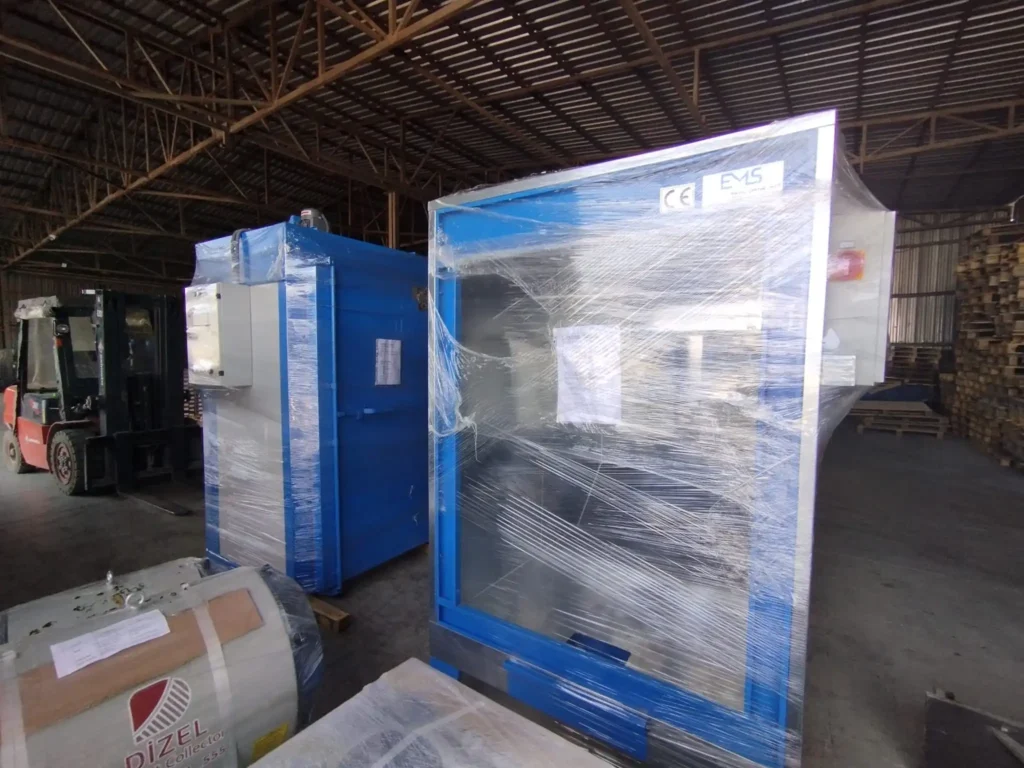
Transport of the powder coating equipment of our customers
Categories
Powder Coating Equipment Manufacturer

Powder Coating Dipping Process

Powder Coating Dipping Process

Powder Coating Dipping Process: Fluidized bed coating equipment is used in various industries (such as pharmaceuticals, food, and chemicals) to coat solid particles or granules with a layer of material, typically to modify their properties like taste, dissolution rate, or appearance.

What is a Fluidized Bed Coating System?

fluidized bed involves suspending solid particles in an upward-flowing stream of gas (usually air), causing them to behave like a fluid. During coating, a liquid formulation (like a polymer solution or suspension) is sprayed onto the fluidized particles. The heated air dries the liquid, forming a solid coat.

Main Components of a Fluidized Bed Coater

  1. Product Chamber – Where the particles are fluidized and coated.
  2. Air Handling System – Provides and conditions the fluidizing air (heating, humidifying, filtering).
  3. Spray System – Includes nozzles to atomize the coating liquid (top-spray, bottom-spray [Wurster], or tangential-spray types).
  4. Exhaust System – Removes excess moisture and solvents.
  5. Control System – Monitors temperature, airflow, spray rate, etc.

Types of Fluidized Bed Coaters

  1. Top-Spray Coaters – Liquid is sprayed from the top; good for layering and granulation.
  2. Bottom-Spray (Wurster) Coaters – Precise coating with minimal agglomeration; ideal for controlled-release formulations.
  3. Tangential-Spray Coaters – Spray comes in from the side; suitable for larger particles or pellets.

Advantages

  • Uniform coating distribution.
  • Efficient drying and fast processing.
  • Scalable from lab to industrial scale.
  • Suitable for heat-sensitive materials (with appropriate control).

Applications

  • Pharmaceutical: Taste masking, enteric coating, sustained-release tablets or pellets.
  • Food: Flavor or nutrient encapsulation.
  • Agrochemical: Controlled release of pesticides or fertilizers.

Fluidized bed coating equipment works by suspending solid particles in a stream of gas, allowing for uniform coating with a liquid formulation. The particles are fluidized by air, and a liquid is sprayed onto them, then dried to form a coating. These systems are used in various industries like pharmaceuticals for controlled-release formulations, food for flavor encapsulation, and agrochemicals for slow-release pesticides. The equipment typically includes a product chamber, an air handling system, a spray system, and an exhaust system, all controlled to ensure optimal conditions for coating and drying. Fluidized bed coaters are versatile, scalable, and efficient, making them ideal for both small-scale laboratory work and large industrial processes. The ability to coat uniformly while controlling parameters like temperature and spray rate makes them valuable for applications requiring precision, such as in the pharmaceutical industry.

In a fluidized bed coating process, the fundamental principle is to create a state where solid particles—typically powders, granules, or pellets—are suspended in an upward stream of air or another gas. This fluid-like behavior ensures that each particle is well exposed and separated from others, enabling a uniform coating to be applied. The coating material, usually in liquid form such as a solution, suspension, or emulsion, is introduced into the fluidized bed through specially designed spray nozzles. As the liquid coating hits the moving particles, it adheres to their surfaces. The continuous flow of heated air rapidly evaporates the solvent or carrier fluid, leaving behind a dry and even film of the desired coating substance.

The entire system is carefully engineered to balance fluidization, spraying, and drying simultaneously. The airflow must be strong enough to suspend the particles but not so intense that it ejects them from the chamber. Spray parameters such as droplet size, spray angle, and flow rate are finely controlled to ensure that the coating is distributed uniformly and doesn’t cause particle agglomeration or wetting issues. Temperature and humidity of the air also play crucial roles, as they affect the drying rate and the physical properties of the final coating.

There are several spray configurations used depending on the nature of the coating and the application. Top-spray systems are often used for layering and granulation purposes, where the coating liquid is sprayed from above onto the fluidized particles. Bottom-spray configurations, also known as Wurster systems, are more precise and are widely employed for applications requiring uniform coating thickness, such as in pharmaceutical dosage forms like pellets or microgranules for controlled or delayed drug release. Tangential-spray systems involve a side entry of the spray and are particularly suited for coating larger or heavier particles that benefit from a more horizontal motion within the chamber.

The versatility of fluidized bed coating technology lies in its ability to handle a wide range of coating materials—polymers, sugars, waxes, resins—and substrates, making it suitable for multiple sectors. In pharmaceuticals, this equipment is used to modify drug release profiles, protect active ingredients from moisture or light, and mask unpleasant tastes. In the food industry, it helps in encapsulating flavors, vitamins, or minerals, improving shelf life and stability. In agriculture, it is used to prepare coated seeds, fertilizers, and pesticides that release gradually over time, enhancing efficiency and reducing environmental impact.

Moreover, the technology is scalable, allowing manufacturers to transfer a process from a laboratory-scale unit to a full-scale production system with relative ease. Modern fluidized bed coaters are equipped with automated control systems that continuously monitor and adjust key parameters, ensuring consistent product quality and regulatory compliance. The combination of high efficiency, reproducibility, and adaptability makes fluidized bed coating an essential part of modern manufacturing in several high-tech and high-precision industries.

The efficiency and precision of fluidized bed coating systems are largely due to the integration of advanced process controls and engineering designs that ensure repeatability and scalability. In pharmaceutical manufacturing, for instance, strict regulations such as Good Manufacturing Practices (GMP) and FDA requirements necessitate the use of equipment that can maintain tight control over process variables. Fluidized bed coaters meet this demand through features such as programmable logic controllers (PLCs), real-time monitoring of inlet and exhaust air temperatures, airflow rates, atomization pressure, spray rates, and bed temperature. These systems often include process analytical technology (PAT) tools, which allow operators to monitor coating thickness, moisture content, and even particle behavior in real time using sensors and feedback loops.

In terms of design, the internal structure of a fluidized bed coater is optimized to promote even fluidization and to avoid issues like dead zones (where particles may stagnate) or channeling (where airflow bypasses the product). The geometry of the product container, the location and number of spray nozzles, and the configuration of the air distributor plate are all critical. For example, in a Wurster coating setup, the product container includes a cylindrical partition or draft tube that directs the particles into a controlled circulation pattern: particles are pulled up through the center where they are sprayed and then fall down along the outer wall to re-enter the spraying zone. This allows for extremely uniform coatings and minimal cross-contamination.

The drying efficiency of the system is another important factor, particularly for heat-sensitive materials. Because fluidized bed coaters expose a large surface area of the product to hot air while keeping the particles in constant motion, they achieve very fast drying rates without exposing the material to excessively high temperatures. This is critical when working with pharmaceuticals, enzymes, probiotics, and other bioactive compounds that could degrade under thermal stress. Additionally, advanced systems offer features like multi-stage drying, adjustable humidity control, and even integrated solvent recovery for processes involving organic solvents.

From a maintenance and operational standpoint, fluidized bed coaters are designed for ease of cleaning and quick changeovers, especially in multiproduct facilities. Many systems are built to support clean-in-place (CIP) or wash-in-place (WIP) procedures, which reduce downtime and contamination risk. Material contact surfaces are typically made of stainless steel and are highly polished to prevent material buildup. Filters, gaskets, and seals are designed for quick disassembly and replacement.

Energy efficiency and environmental impact are also increasingly important in the design of modern fluidized bed coaters. Manufacturers are incorporating energy recovery systems, such as heat exchangers that reclaim waste heat from exhaust air to preheat incoming air. They also use low-energy spray technologies and systems to minimize overspray and material loss. In environmentally sensitive applications, exhaust air may be treated with scrubbers, HEPA filters, or solvent recovery systems to ensure emissions remain within permissible limits.

Ultimately, fluidized bed coating technology offers a highly customizable and robust platform for product development and commercial production across industries. It provides unparalleled control over coating quality, allows for integration with granulation or drying steps, and supports a wide range of formulation strategies. Its ability to adapt to different materials, batch sizes, and performance requirements ensures that it remains a cornerstone of advanced particle processing in the pharmaceutical, food, chemical, and agricultural sectors.

To understand the practical application of fluidized bed coating, consider the development of a sustained-release pharmaceutical pellet. The objective in such a case is to ensure that the active pharmaceutical ingredient (API) is released gradually over time, providing a prolonged therapeutic effect and reducing dosing frequency. The process typically starts with the formation of drug-loaded cores, often referred to as nonpareils or starter pellets, which are made using extrusion-spheronization or direct pelletization techniques. These cores are then coated using a fluidized bed coater to impart the desired release profile.

The coating formulation usually contains a polymer or a combination of polymers that control the rate at which the drug diffuses out of the pellet. Commonly used polymers include ethylcellulose, which forms a semi-permeable membrane, or methacrylate-based copolymers like Eudragit, which can be tailored for pH-dependent or time-dependent release. Plasticizers such as triethyl citrate or polyethylene glycol are added to enhance film flexibility and adhesion. The coating solution may also contain pigments, surfactants, or pore-forming agents, depending on the final product requirements.

During the coating process, the pellets are fluidized in a column while the polymer solution is sprayed from a bottom-spray nozzle (Wurster configuration). This setup ensures that each pellet repeatedly passes through the spray zone, receiving even layers of the coating material. As the heated air passes through the bed, it rapidly dries the wet coating, solidifying it into a uniform film. The process continues until the desired coating weight gain is achieved, which directly influences the drug release rate. For instance, a 10% weight gain might result in a 12-hour release profile, while a 15% weight gain could extend release to 18 or 24 hours.

Process parameters such as inlet air temperature, product temperature, spray rate, atomizing pressure, and fluidization air volume are critical and must be carefully optimized. If the spray rate is too high relative to drying capacity, the particles can become over-wet and stick together, leading to agglomeration or uneven coating. If the temperature is too low, the solvent may not evaporate efficiently, compromising film formation. Conversely, overly high temperatures might dry the droplets before they reach the particle surface, resulting in poor adhesion or dusty coatings.

Once coating is complete, the product undergoes a curing step, which may involve storing the coated pellets under controlled temperature and humidity to allow the polymer chains to coalesce fully and form a continuous film. This step is especially important for aqueous coatings, where initial film formation may be incomplete. Stability testing follows, to assess how the coated product behaves under various environmental conditions, such as heat, humidity, and light. Dissolution testing is used to confirm that the release profile meets the intended specifications.

A similar approach is applied in the food industry for encapsulating sensitive ingredients like flavors, vitamins, or probiotics. Here, the goal may not be controlled release over time, but rather protection against degradation due to heat, moisture, or oxygen. For instance, vitamin C, which is highly unstable in the presence of light and oxygen, can be coated with a protective layer that dissolves only in the stomach. In these cases, the coating formulation might use materials like modified starches, shellac, or maltodextrins. The equipment and process principles remain largely the same, but the formulations and critical parameters differ based on the nature of the core material and the function of the coating.

The adaptability of fluidized bed coaters also allows them to support multi-layer coating processes. A single pellet can receive a sequence of coatings: first a sub-coating to improve adhesion, then a drug-containing layer, followed by a barrier layer, and finally an outer enteric or color coating. All of these layers can be applied in the same equipment with minimal intervention, making the process efficient and cost-effective.

Overall, fluidized bed coating systems are not just tools for applying a film—they are sophisticated platforms for engineering the behavior of particles in precise and reproducible ways. Through the intelligent selection of materials, meticulous control of process parameters, and robust system design, these technologies make it possible to tailor the physical, chemical, and functional properties of particulate products for a wide range of advanced applications.

Let’s explore how a fluidized bed coater is used in a real-world laboratory setting by walking through a simplified protocol for applying a sustained-release coating to pharmaceutical pellets. This type of protocol is commonly used during product development before scaling up to commercial manufacturing.

The process begins with a clear definition of objectives: in this case, creating a sustained-release formulation that delivers the active pharmaceutical ingredient (API) over 12 hours. Drug-loaded pellets (about 200–500 microns in diameter) are already prepared and sieved to ensure uniformity in size, which is crucial for consistent fluidization and coating. The coating material selected might be ethylcellulose, chosen for its water-insoluble properties, which retard drug release by forming a semi-permeable membrane around each pellet.

A coating solution is prepared by dissolving ethylcellulose in a suitable organic solvent like ethanol or isopropanol, or in water if an aqueous dispersion is used (such as Aquacoat® or Surelease®). A plasticizer such as triethyl citrate is added at 10–20% of the polymer weight to improve flexibility and prevent film cracking. The solution is mixed using a high-shear or magnetic stirrer and filtered to remove particulates that could clog the spray nozzle.

Next, the fluidized bed coater is prepared. In a lab setting, this might be a small unit with a product capacity of 100 grams to 2 kilograms. The product container is loaded with the pellets, and preheating begins. The inlet air is heated to a setpoint typically between 35°C and 45°C, depending on the sensitivity of the product. The airflow is adjusted to achieve stable fluidization, which is visually confirmed through a sight glass or by monitoring bed pressure drop.

The bottom-spray nozzle (Wurster insert) is selected for precise control. Before coating starts, the system is balanced: airflow, temperature, and nozzle air pressure are stabilized. The coating solution is pumped to the nozzle and atomized at pressures ranging from 1.5 to 2.5 bar. Spray rate is usually initiated at a conservative setting—say, 1.0 g/min—and then gradually increased while monitoring the product temperature and fluidization behavior. Throughout the process, operators continuously check for signs of over-wetting (clumping or sticking) or under-wetting (dust generation or poor coating adherence).

The coating is applied until the target weight gain is reached—say, 12% for a 12-hour release target. This is monitored using either real-time weighing or by sampling and weighing a small amount of the product periodically. During coating, outlet air temperature and humidity are closely monitored as they reflect the drying capacity of the system. For organic coatings, exhaust air may be routed through solvent recovery units or scrubbers to meet safety and environmental regulations.

After coating, the pellets are removed and subjected to a curing step. In a lab, this might involve placing the coated pellets in an oven at 40°C for 24 hours to allow the polymer chains to coalesce and form a continuous, defect-free film. This step significantly influences the final release behavior of the coated product. Without it, the film may be porous or uneven, leading to burst release or dose dumping.

Finally, the product is evaluated. Tests include:

  • Particle size distribution using sieves or laser diffraction.
  • Coating uniformity via scanning electron microscopy (SEM) or optical microscopy.
  • Drug release testing in dissolution baths, simulating gastric and intestinal fluids under USP conditions.
  • Stability testing under accelerated conditions (e.g., 40°C and 75% RH) to assess coating integrity over time.

Once the lab-scale process meets specifications, a scale-up plan is developed. This involves recalculating airflow, spray rates, and batch size based on the equipment geometry and process dynamics of larger coaters—often 10–100 times the size of the lab unit. A key challenge during scale-up is maintaining similar particle trajectories and drying conditions, which requires a deep understanding of fluid dynamics and heat/mass transfer principles in fluidized systems.

In industrial practice, further layers of automation are added, such as automated recipe controls, real-time weight monitoring, and closed-loop spray feedback systems to optimize reproducibility. However, the foundational steps—formulation design, parameter optimization, controlled application, and post-coating treatment—remain essentially the same across all scales.

Fluidized bed coaters, therefore, bridge the gap between precise formulation science and scalable industrial manufacturing. They are especially valuable in regulated sectors where product performance, consistency, and process validation are critical. Beyond pharmaceuticals, similar protocols are adapted for food and agrochemical coatings, often using more robust and less sensitive materials, but following the same engineering principles.

To further appreciate the sophistication of fluidized bed coating, it’s useful to look into the nuanced relationship between process parameters and product characteristics. In practice, every variable—from inlet air temperature to atomizing air pressure—plays a role in determining the quality of the final coated product. Small deviations can result in significant variations in coating uniformity, release profile, and physical integrity.

One of the most critical parameters is inlet air temperature, which affects both the drying rate and the surface morphology of the coating. If the temperature is too high, it can cause the solvent to evaporate too quickly, leading to a rough or porous film. In pharmaceutical applications, this may result in an uncontrolled release profile or film cracking. Conversely, too low a temperature can slow drying to the point where droplets coalesce on the particle surface, causing tackiness and agglomeration. Therefore, temperature is typically set just high enough to promote efficient drying without degrading heat-sensitive ingredients—usually in the range of 35°C to 55°C for aqueous systems and slightly lower for organic solvent-based systems due to the volatility of the solvents involved.

Atomizing air pressure and spray rate are tightly interlinked. The pressure needs to be high enough to generate fine droplets that can coat uniformly but not so high that they rebound from the particle surface or cause excessive turbulence. A finely atomized spray ensures that the droplets quickly form a thin, even coating and dry almost instantaneously as they contact the heated particles. Too high a spray rate, on the other hand, can overload the bed with liquid, leading to agglomeration and uneven coating. Therefore, these two variables are often adjusted in tandem during process development to achieve a stable spray-drying balance. This is why design of experiments (DoE) approaches are often used in R&D to optimize such multivariate systems.

Fluidization air volume determines the mobility of the particles in the bed. Insufficient airflow results in poor particle movement, creating dead zones and inconsistent coating. Excessive airflow can lead to attrition of coated particles or loss of fines through the filters. Ideal fluidization provides enough lift to keep the particles suspended in a stable, circulating pattern without causing mechanical stress or excessive turbulence.

Nozzle design and positioning also significantly impact coating performance. In bottom-spray Wurster systems, the nozzle is located at the base of the partition column, ensuring that particles are directed vertically through a narrow spray zone. This results in highly repeatable, controlled trajectories for each particle and minimizes the chances of bypassing the spray. For sensitive applications where even tiny defects in coating uniformity can affect drug release, Wurster configurations offer unmatched control. In contrast, top-spray systems, while less precise, are more commonly used for layering or granulating, where exact uniformity is less critical.

Bed load (the amount of material in the product chamber) influences how well the particles interact with the spray. Overloading the bed reduces circulation space, leading to clumping and uneven coating. Underloading can result in turbulent motion and inefficient use of spray solution. Most manufacturers determine optimal bed load based on both the chamber geometry and the size/density of the particles being coated.

An often underappreciated aspect of the fluidized bed coating process is coating material rheology—the viscosity and surface tension of the liquid being sprayed. These properties govern how the coating spreads over the particle surface and how quickly it forms a continuous film. A higher-viscosity formulation may require higher atomizing pressure to achieve adequate droplet size, but it also carries a higher risk of nozzle clogging and uneven application. Conversely, very low-viscosity coatings can penetrate too deeply into porous cores or dry too quickly, leading to defects. Surfactants and cosolvents are sometimes used to modulate these properties and achieve optimal coating behavior.

Analytical testing is crucial for confirming that all these tightly controlled parameters result in a product that meets specifications. Tools like near-infrared spectroscopy (NIR) and Raman mapping are used to non-invasively analyze coating thickness and uniformity, while high-performance liquid chromatography (HPLC) is employed to verify drug content and purity. Advanced dissolution testing, often using USP Apparatus I (basket) or II (paddle), is used to confirm that the coated pellets release the active ingredient at the intended rate and under simulated physiological conditions.

Finally, process scale-up brings its own set of challenges, primarily due to differences in heat and mass transfer, airflow dynamics, and equipment geometry. During scale-up, empirical relationships such as maintaining a constant spray flux (spray rate per unit area) or specific fluidization velocity (airflow per unit of bed cross-sectional area) are used as guidelines. However, scale-up is rarely linear and usually requires iterative fine-tuning. Modern scale-up efforts are aided by computational fluid dynamics (CFD) modeling, which simulates particle movement and airflow to optimize equipment design and operating conditions.

The depth and complexity of fluidized bed coating as a technology are matched by its versatility and reliability. Whether the goal is to produce a delayed-release pharmaceutical pellet, a moisture-resistant food granule, or a biodegradable agrochemical bead, the principles remain consistent. Mastery of this process enables formulators and process engineers to design advanced, functional particulate products with precisely controlled characteristics—truly a cornerstone of modern solid dosage form manufacturing.

Fluidized Bed Powder coating equipment manufacturing

Fluidized bed powder coating equipment is a specialized technology used for applying a dry powder coating to a substrate, typically metal parts. The key difference from traditional liquid coatings is that in powder coating, the coating material is applied as a powder, which is then melted and cured to form a solid, durable finish. Fluidized bed powder coating utilizes the same basic principle of fluidization, where powder particles are suspended in a stream of air, ensuring uniform coating coverage over the surface of the part.

How Fluidized Bed Powder Coating Works

  1. Fluidization Process: The powder is placed in a chamber where an upward airflow (usually via a perforated plate or bed) is used to suspend the powder particles. As the particles become suspended, they take on a fluid-like behavior, which allows them to be evenly distributed and applied to the surface of the workpieces. This is similar to fluidized bed coating used in other industries, but in this case, the aim is to coat solid parts with a dry powder.
  2. Coating Application: The part to be coated is dipped into the fluidized bed. As the part enters the chamber, the suspended powder adheres to the heated surface. The part may be pre-heated before dipping to ensure that the powder sticks effectively, creating a uniform coating.
  3. Curing: After the part is coated with the powder, it typically undergoes a curing process. The coated part is heated in an oven where the powder melts and bonds to the substrate. The temperature and time of curing depend on the type of powder being used but typically range between 160°C and 200°C for 10–30 minutes.

Key Components of Fluidized Bed Powder Coating Equipment

  1. Fluidized Bed Chamber: The chamber contains a perforated plate or mesh, which allows the air to flow upward, suspending the powder particles. The part to be coated is immersed into this fluidized bed of powder, and it picks up a uniform layer of powder coating.
  2. Air Supply System: This system provides the airflow that suspends the powder in the fluidized bed. Air is typically filtered and regulated to ensure the correct airflow and fluidization of the powder.
  3. Powder Storage and Delivery: The powder is stored in a hopper and is often equipped with a vibration mechanism to prevent clumping and ensure consistent flow. Powder is delivered into the fluidized bed chamber, where it is aerated by the airflow.
  4. Temperature Control System: The parts are often preheated before dipping, and a curing oven or infrared heaters are used after coating to melt and bond the powder to the surface.
  5. Exhaust System: A system that removes excess air and ensures that no unwanted powder particles are released into the environment, maintaining a clean workspace and preventing contamination.
  6. Control System: Modern fluidized bed powder coating equipment comes with an automated control system to monitor and adjust temperature, air pressure, flow rates, and timing, ensuring consistent application and curing.

Advantages of Fluidized Bed Powder Coating

  • Durability: Powder coatings provide excellent resistance to abrasion, corrosion, and weathering. The coating typically has a thicker and more uniform layer compared to liquid coatings, making it more durable and long-lasting.
  • Environmentally Friendly: Unlike liquid coatings, which may contain volatile organic compounds (VOCs) and solvents, powder coatings are free from these harmful chemicals. There is also little to no waste, as excess powder can be reclaimed and reused.
  • Uniform Coating: The fluidized bed allows for a consistent and uniform coating across all surface areas of the part, even complex geometries, ensuring high-quality finishes.
  • No Drips or Runs: Since the coating is applied as a powder, there is no risk of drips, runs, or sags, which can sometimes occur with liquid coatings.

Applications of Fluidized Bed Powder Coating

  • Metal Parts: Commonly used for coating metal parts in industries such as automotive, appliances, and manufacturing. The equipment is especially useful for large or irregularly shaped parts, such as automotive components, that are difficult to coat uniformly using traditional methods.
  • Corrosion Resistance: Fluidized bed coating is particularly valuable for applications where parts need a durable, corrosion-resistant finish, such as in industrial equipment, pipelines, and outdoor fixtures.
  • Heat-Sensitive Materials: For applications where a high level of temperature resistance is required, fluidized bed powder coating can be used with powders designed to withstand extreme temperatures.
  • Rework and Repair: It can also be used for re-coating or repairing previously coated parts by reapplying the powder and curing it to restore the finish.

Advantages Over Other Coating Methods

  • No Solvents: Unlike liquid coatings that often require solvents, powder coating uses no liquid solvents, making the process more environmentally friendly and reducing health risks associated with solvent exposure.
  • Thicker Coatings: Fluidized bed coating can create thicker coatings in a single dip, which is ideal for certain applications such as heavy-duty equipment parts.
  • Low Operational Costs: The powder can be reclaimed and reused, reducing material costs over time. Additionally, energy consumption may be lower compared to spray powder coating, as the parts are dipped directly into the fluidized bed.

Challenges and Considerations

  • Part Preheating: Preheating the parts is crucial for successful fluidized bed powder coating, especially for parts with complex geometries or large surface areas. The parts must be heated to the correct temperature to ensure proper powder adhesion.
  • Powder Type and Composition: The selection of powder is important. Different powders (such as epoxy, polyester, or hybrid blends) have different curing requirements and environmental characteristics, such as resistance to chemicals, UV degradation, and temperature.
  • Complex Geometry: While fluidized bed coating works well for a wide variety of shapes, very small or intricate parts may present challenges due to powder distribution issues. Careful selection of the fluidized bed’s air pressure and powder type can help mitigate this.

Fluidized Bed vs. Spray Powder Coating

While both fluidized bed and spray powder coating are effective methods for applying powder coatings, they differ in the way the powder is applied and the type of parts they are suited for.

  • Fluidized Bed Powder Coating: Ideal for large, simple parts or batches of small parts that can be dipped in the bed. It is better for thicker coatings and is well-suited for applications like heavy-duty industrial equipment or metal components.
  • Spray Powder Coating: Involves spraying a charged powder onto the substrate, typically using an electrostatic charge to attract the powder. This method is better for complex geometries or parts that cannot be easily dipped into a fluidized bed. It also offers more precise control over the thickness of the coating.

Conclusion

Fluidized bed powder coating equipment is a reliable, efficient, and environmentally friendly method for applying a durable and uniform coating to parts, especially metal substrates. Its application spans industries such as automotive, aerospace, and manufacturing, where long-lasting, corrosion-resistant finishes are required. While it may not be the most suitable choice for highly intricate or small parts, its benefits of uniformity, environmental friendliness, and the ability to apply thicker coatings make it an excellent option for many industrial applications.

Fluidized bed powder coating equipment manufacturing involves a sophisticated process to design and produce machines capable of coating a variety of substrates, typically metal, with a powder coating. These machines use the principle of fluidization, where powdered coating material is suspended in an upward flow of air, creating a “fluid-like” effect. This allows the powder to evenly coat the surface of parts that are then cured in a high-temperature oven. The key benefits of fluidized bed powder coating include its ability to apply thick, durable coatings efficiently, without the need for solvents, which makes it an environmentally friendly option compared to traditional liquid coating methods. This process is particularly effective for coating parts that are large, have simple geometries, or are prone to corrosion. The typical industries that benefit from fluidized bed powder coating include automotive, industrial equipment manufacturing, and even some consumer goods like appliances. Fluidized bed coating is often used in situations where high durability and corrosion resistance are critical.

In manufacturing fluidized bed powder coating equipment, a primary challenge is ensuring precise airflow control and uniform powder distribution. The equipment is designed with a chamber where the powder is introduced and suspended by an air supply system. The powder is kept fluidized in the chamber by a combination of air pressure, temperature control, and mechanical vibration to keep the powder from clumping together. This powder is then applied to the parts that are dipped into the fluidized bed. Parts that are to be coated are preheated, which helps the powder adhere more effectively when they are immersed into the bed.

Once coated, the parts are moved into a curing oven where the powder melts and forms a solid, uniform coating on the part. The curing process generally requires heat in the range of 160°C to 200°C, with a curing time of 10 to 30 minutes depending on the size and type of powder used. The temperature and curing time need to be carefully controlled to ensure the coating is sufficiently hardened and bonded to the substrate.

The equipment itself includes several key components such as the fluidized bed chamber, air supply system, powder storage and delivery systems, temperature control systems, and curing ovens. The chamber is typically fitted with a perforated plate that allows air to be blown upward, keeping the powder suspended. The air supply system consists of a fan, filter, and air regulator to ensure a consistent flow and pressure of air. The powder is stored in hoppers and often features mechanisms to prevent clumping, such as vibrators that help maintain a steady flow of powder into the chamber.

Powder storage and delivery systems ensure that the powder remains consistent in flow and quality, and this often involves vibration or mechanical agitation to prevent powder from settling or becoming compacted. The temperature control system regulates the temperature of the air used to fluidize the powder and the temperature of the preheated part. A reliable temperature control system is crucial for maintaining the consistency of the coating and ensuring that parts are adequately preheated before they enter the fluidized bed. A proper exhaust system is also crucial to remove excess powder and prevent contamination of the workspace.

A significant advantage of fluidized bed powder coating equipment is its ability to provide thicker coatings in a single application, which makes it ideal for parts that need a robust finish to protect against wear and corrosion. The process itself is highly efficient, as excess powder can be reclaimed and reused, which reduces material waste. This characteristic is especially beneficial in industries where cost control is important and where the coating material is expensive. Additionally, fluidized bed powder coating requires no solvents, reducing environmental impact and worker exposure to harmful chemicals, making it a more sustainable choice compared to traditional liquid coatings that may contain volatile organic compounds (VOCs).

The equipment is particularly suited for large or simple-shaped parts, such as automotive components, metal frames, and appliance parts. However, it may not be the ideal choice for parts with complex shapes or very fine details, as it can be difficult to control the powder application precisely on such parts. In these cases, spray powder coating systems may be preferred, as they provide more precise application control through electrostatic charges.

In manufacturing these fluidized bed powder coating systems, suppliers typically work closely with end-users to understand their specific coating needs and then customize the equipment to ensure it meets the necessary specifications. This may include adjusting the size of the fluidized bed chamber, optimizing airflow systems, and fine-tuning the curing process. Advanced fluidized bed coating systems may even incorporate automated controls to adjust the spray rates, airflow, and temperature in real-time, ensuring a more consistent coating result and reducing the need for manual intervention.

Finally, after the equipment is assembled and tested, manufacturers ensure that it complies with industry standards and regulations, such as safety protocols for airflow and temperature control and compliance with environmental standards. The equipment must be robust enough to handle the continuous, high-demand operation often required in industrial environments. Therefore, material selection for components like the chamber, air supply system, and curing ovens is critical for the durability and longevity of the equipment. High-performance alloys or special coatings may be used for parts exposed to extreme temperatures or wear.

Overall, fluidized bed powder coating equipment manufacturing combines engineering precision, material science, and process control to create machines that deliver durable, consistent, and environmentally friendly coatings for a wide range of applications. As industries continue to demand higher-quality finishes and more sustainable practices, the role of fluidized bed powder coating is likely to expand, with ongoing advancements in equipment design and technology.

As the demand for efficient and sustainable manufacturing processes continues to grow, the design and advancement of fluidized bed powder coating equipment is also evolving. The future of fluidized bed coating involves improvements in automation, process control, and material recovery, all of which contribute to making the process even more efficient and cost-effective.

One of the most exciting areas of development is automation. Many fluidized bed powder coating systems are now being designed with integrated automation capabilities, such as robotic handling and automated coating thickness measurement. Robots can be used to handle the parts being coated, reducing the need for manual intervention and increasing throughput. Automation also allows for better consistency and quality control, as robots can follow pre-programmed movements and ensure that each part is coated in exactly the same way, at the same speed, and under the same conditions.

Another critical advancement is the integration of real-time process control. Modern fluidized bed powder coating systems are increasingly equipped with sensors and control systems that monitor key parameters such as airflow rate, temperature, powder density, and coating thickness. These systems can automatically adjust parameters to maintain consistent coating quality. This real-time feedback not only reduces human error but also allows manufacturers to fine-tune the process, making it possible to produce high-quality coatings even at larger scales.

To further optimize the material recovery process, many fluidized bed powder coating systems now feature advanced reclaim systems. In these systems, excess powder that is not used in the coating process is collected and reused, greatly reducing material waste. The powder is often recycled through sophisticated filtration systems that ensure only clean, non-contaminated powder is reused. This is especially important in applications where the powder is costly or where environmental concerns demand that waste be minimized. These reclaim systems can significantly reduce operational costs and minimize the environmental impact of the coating process.

Additionally, energy efficiency has become a major focus in the development of fluidized bed powder coating equipment. As energy consumption plays a significant role in operating costs, many modern systems are designed to be more energy-efficient. Advances in heat recovery systems, where excess heat from the curing process is recycled, are reducing the amount of energy required to maintain consistent curing temperatures. This not only lowers energy costs but also minimizes the environmental footprint of the manufacturing process.

Material innovations also play a key role in improving the overall performance of fluidized bed powder coating systems. For example, the development of new types of powders—such as low-temperature curing powders, high-temperature-resistant powders, or powders with enhanced adhesion properties—has expanded the range of applications for fluidized bed coating. These innovations allow manufacturers to coat materials that were previously difficult to coat or to achieve new, specialized finishes, such as coatings that are both heat- and chemical-resistant.

Another area of progress is improved powder storage and handling systems. Traditional powder storage methods often involved large, static hoppers, but modern systems have been designed with more advanced features. For instance, powder storage is increasingly becoming more automated and features integrated vibration mechanisms to prevent clumping and ensure a consistent flow of powder into the fluidized bed. This increases the efficiency of the coating process and reduces downtime caused by clogged powder lines or inconsistent powder flow.

Additionally, improvements in safety have been an ongoing focus in fluidized bed powder coating equipment manufacturing. Since powders can sometimes be combustible, safety features are incorporated into equipment to mitigate these risks. Equipment now comes with advanced explosion-proof designs and better filtration systems to prevent the accumulation of flammable powders. Furthermore, better ventilation and dust extraction systems are being integrated to protect workers from inhaling harmful dust, which is especially important in industrial settings.

One of the most important considerations in fluidized bed powder coating is the selection of appropriate powders for specific applications. For example, some coatings are designed to be highly resistant to abrasion, corrosion, or UV degradation, while others may focus on providing an aesthetically pleasing finish. As industries continue to develop new materials and coatings, manufacturers of fluidized bed equipment are adapting to these needs by offering systems capable of handling a wider variety of powders, including those for specialized coatings like metallic or textured finishes.

To support a diverse range of industries, fluidized bed systems are becoming more customizable. Manufacturers are offering modular systems that can be scaled up or down depending on the needs of the business. For instance, a small shop may require a compact, bench-top unit for coating small batches, while a larger manufacturer may require an industrial system capable of handling thousands of parts per day. The flexibility of these modular systems means that manufacturers can adapt their equipment to meet specific production requirements, without being limited by the size or configuration of the system.

Finally, environmental regulations are driving the demand for more sustainable and eco-friendly fluidized bed powder coating solutions. As stricter regulations are introduced worldwide concerning emissions, waste, and VOCs (volatile organic compounds), fluidized bed coating offers an effective solution due to its solvent-free nature. Moreover, manufacturers are also focusing on reducing the environmental impact of the curing process. Instead of relying solely on traditional electric or gas-powered curing ovens, newer technologies are being explored, such as infrared and UV curing, which can reduce energy consumption and improve processing speed.

The growing trend toward green manufacturing and sustainability is pushing fluidized bed powder coating equipment manufacturers to explore new ways to reduce environmental impact, such as designing equipment with reduced energy consumption and low-emission systems. Moreover, the ability to recycle and reuse coating powders makes fluidized bed powder coating one of the more sustainable coating methods available.

In conclusion, fluidized bed powder coating equipment manufacturing is experiencing significant advancements that make the process more efficient, sustainable, and versatile. These developments are responding to the needs of various industries, from automotive to heavy-duty equipment manufacturing, and will continue to evolve as new materials, powders, and process technologies emerge. The integration of automation, real-time monitoring, improved energy efficiency, material recovery, and sustainability ensures that fluidized bed powder coating remains a leading solution in the coating industry, providing durable, high-quality finishes while minimizing environmental impact and operational costs.

The future of fluidized bed powder coating equipment manufacturing is poised to evolve further with emerging trends and technological innovations, enhancing the overall efficiency and application versatility of the process. As industries continue to push the boundaries of performance, durability, and environmental responsibility, fluidized bed powder coating systems are being developed with even greater focus on automation, precision, and sustainability.

Advanced Automation and AI Integration

Automation has been a significant driver in optimizing fluidized bed powder coating processes. The next stage of development lies in the integration of artificial intelligence (AI) and machine learning. AI can be used to predict and control variables such as coating thickness, air pressure, and curing times in real time, ensuring consistent and high-quality finishes. This is particularly useful in high-volume production settings where maintaining uniform quality across hundreds or thousands of parts is critical. Machine learning can also be employed to optimize powder use, detect anomalies in the coating process, and make adjustments without human intervention, increasing the precision of the operation.

Furthermore, robotic systems are increasingly being integrated into fluidized bed systems, particularly in larger manufacturing environments. Robots can handle the movement of parts through the system, from preheating to powder coating to curing, all while ensuring minimal human involvement. This not only improves speed and reduces the risk of human error but also ensures safer working conditions, particularly in environments where powder handling may expose workers to hazardous materials or dust.

3D Printing and Fluidized Bed Powder Coating

One of the emerging trends that could reshape fluidized bed powder coating is the synergy between 3D printing and powder coating. As 3D printing technology becomes more advanced, particularly with metal additive manufacturing, the ability to apply a fluidized bed powder coating to 3D printed parts is becoming more common. 3D printed parts can often have rough surfaces or micro-porosities that make them difficult to finish without a protective coating. Fluidized bed coating is well-suited to these challenges, as it can provide an even, high-durability coating on complex geometries, adding a protective layer that enhances the performance of 3D printed metal parts. The combination of 3D printing and fluidized bed powder coating is especially valuable in industries such as aerospace, automotive, and medical device manufacturing, where precision, performance, and part durability are crucial.

Enhanced Powder Technologies

The continuous development of powder materials is one of the key drivers of change in fluidized bed coating. New powders with improved properties—such as nano-coatings, powders with embedded antimicrobial properties, or coatings that offer enhanced UV and heat resistance—are being developed for specific applications. For example, powders that can cure at lower temperatures allow manufacturers to coat heat-sensitive materials or reduce the energy required for curing. The inclusion of functional additives in powder formulations, such as conductive, anti-corrosion, or anti-fingerprint agents, enhances the versatility of fluidized bed powder coating for highly specialized applications, particularly in electronics and high-tech manufacturing sectors.

Hybrid powder systems, combining different powder types to take advantage of multiple performance characteristics, are also becoming more common. These hybrid powders can offer enhanced physical properties, such as increased impact resistance or flexibility, while maintaining the aesthetic qualities of a smooth, glossy finish.

Smart Powder Recovery Systems

As environmental concerns grow, the recycling and recovery of powder materials is becoming more important. Advanced powder recovery systems are designed to maximize the reuse of excess powder, reducing material waste and cutting costs. New vacuum recovery systems and automated sieving techniques have been developed to reclaim powder that has been removed from parts and filter out contaminants, ensuring that only clean powder is reused. These innovations make it possible to significantly reduce the amount of wasted powder, improving both cost-effectiveness and sustainability. Moreover, the integration of digital sensors can monitor powder quality during recovery, ensuring that the reclaimed powder meets the necessary specifications for reuse.

Sustainability and Energy Efficiency

The push toward green manufacturing continues to be a driving factor in the development of fluidized bed powder coating systems. Manufacturers are constantly looking for ways to reduce energy consumption and minimize waste in the powder coating process. Advances in energy-efficient curing ovens, which use technologies like infrared curing, are becoming more widespread. Infrared heating is more efficient because it directly heats the part rather than the surrounding air, reducing overall energy consumption and speeding up the curing process.

Additionally, the development of low-energy fluidized bed systems is aimed at reducing the amount of electricity required for powder fluidization. By optimizing the airflow and pressure control, manufacturers are able to minimize energy consumption while maintaining the coating quality and speed. The use of sustainable powders—such as those that are biodegradable or have a lower carbon footprint—is also gaining traction, ensuring that fluidized bed powder coating aligns with broader sustainability goals.

Globalization and Customization

As global supply chains continue to expand, the demand for customizable fluidized bed coating systems that can cater to different regional needs is increasing. Equipment manufacturers are focusing on offering modular designs that allow for quick adjustments and scalability. These modular systems can be easily upgraded or adjusted based on specific customer requirements, whether for changes in production volume, coating types, or part sizes.

Customization also extends to regional powder formulations, which are tailored to local environmental conditions. For example, manufacturers in areas with high humidity may require coatings that offer enhanced moisture resistance, while those in high-temperature regions may need coatings that are more heat-resistant. By offering equipment that can accommodate these specific needs, fluidized bed powder coating manufacturers are better able to serve diverse markets worldwide.

Increased Focus on Quality Control

With the increasing complexity of parts and coatings, manufacturers of fluidized bed powder coating equipment are focusing more on precision and quality control systems. The use of digital platforms that can track every aspect of the coating process—airflow, powder flow rate, part movement, temperature, curing time, and thickness—helps ensure consistent quality across all parts. These digital solutions can also provide real-time data, allowing for immediate adjustments to be made to the coating process if needed, reducing downtime and improving operational efficiency.

Vision-based inspection systems, integrated into coating lines, can automatically detect defects in coatings, such as thin spots, excessive coating, or uneven coverage. This is particularly useful in industries where even minor defects can be costly, such as aerospace or electronics.

Collaboration Across Industries

Finally, the future of fluidized bed powder coating will likely involve greater collaboration across industries. As the need for more specialized coatings and equipment grows, manufacturers of fluidized bed coating systems are increasingly working alongside material suppliers, industry researchers, and end-users to develop coatings that meet specific performance requirements. For example, aerospace companies may partner with coating equipment manufacturers to create coatings that provide both corrosion resistance and weight savings, while automotive manufacturers might focus on developing coatings that provide both a high-quality aesthetic finish and superior scratch resistance.

The ongoing collaboration across sectors will ensure that fluidized bed powder coating continues to meet the ever-changing demands of modern manufacturing, delivering high-quality, durable finishes in an environmentally responsible manner.

In conclusion, the fluidized bed powder coating industry is evolving with rapid technological advancements aimed at improving efficiency, sustainability, and quality. From automation and AI integration to the development of new powder materials and energy-efficient systems, these innovations are setting the stage for a more advanced and eco-friendly future in coating technology. Whether for automotive, aerospace, or consumer goods manufacturing, fluidized bed powder coating is adapting to meet the needs of diverse industries while also addressing global challenges such as sustainability and energy efficiency.

As the fluidized bed powder coating industry continues to advance, several emerging trends and innovations are shaping its future trajectory. These developments will not only impact the operational aspects of fluidized bed coating but also expand its applications across a variety of sectors. Let’s explore some of these future directions.

Emerging Coating Technologies

The integration of nanotechnology in fluidized bed powder coatings is one of the most exciting areas of development. Nanomaterials, due to their unique properties, offer a significant enhancement in the performance of coatings. For instance, nanocoatings can provide increased hardness, enhanced corrosion resistance, and better wear resistance compared to conventional coatings. These properties make nanotech powder coatings ideal for demanding applications in industries such as aerospace, automotive, and military manufacturing.

Further, self-healing coatings are being explored for fluidized bed systems. These coatings can automatically repair themselves when damaged, greatly extending the lifespan of coated parts. This technology is particularly useful for parts exposed to extreme environmental conditions or wear, such as in offshore oil rigs, transportation, and heavy machinery.

Graphene-based coatings, known for their strength, flexibility, and conductivity, are gaining traction in fluidized bed coating systems. Graphene can provide coatings that are lightweight yet incredibly strong, offering enhanced protection against corrosion, temperature extremes, and physical damage. These advanced materials are especially promising in industries where high performance and durability are critical, such as in electronics and battery manufacturing.

Digitalization and the Internet of Things (IoT)

Another key trend in fluidized bed powder coating equipment manufacturing is the increasing role of digitalization and IoT (Internet of Things). IoT-enabled coating equipment allows manufacturers to gather vast amounts of data from their systems, providing insights into every aspect of the coating process. Sensors embedded in fluidized bed systems can monitor variables like powder density, air velocity, temperature, and humidity. These sensors communicate in real time with a centralized control system, enabling automatic adjustments and providing predictive analytics to prevent downtime before it occurs.

The integration of cloud computing allows for the storage and analysis of large datasets from multiple coating lines, enabling manufacturers to optimize processes across entire plants. This enables manufacturers to run predictive maintenance schedules, forecast the need for repairs or replacements, and continuously fine-tune the coating process. In addition to improving performance, these digital tools help manufacturers comply with regulatory standards by providing traceability of the coating process, which can be critical for quality assurance in certain industries such as aerospace, automotive, and food manufacturing.

Eco-Friendly Powder Coatings

As sustainability continues to be a driving force in manufacturing, there is a growing emphasis on eco-friendly powder coatings. Manufacturers are working on developing coatings that not only perform well but also minimize environmental impact throughout their lifecycle. This includes reducing the energy consumption during curing, developing coatings made from renewable or non-toxic materials, and using biodegradable powders.

The shift towards water-based powder coatings is one of the significant eco-friendly innovations. Traditional powder coatings often rely on petroleum-based chemicals, but water-based alternatives are being developed to reduce the environmental footprint of the powder coating process. These water-based coatings are not only less harmful but also contribute to reducing the volatility of the overall production process. Waterborne powder coatings can be designed to perform at high levels while offering low environmental impact, making them an excellent choice for a wide range of applications.

Recyclability of both the powder itself and the coated parts is another critical consideration in the push for more sustainable manufacturing practices. Efforts to improve the end-of-life recyclability of coated products will reduce waste and contribute to the circular economy, where materials are reused and recycled rather than discarded. Advances in waste management systems in fluidized bed coating equipment are helping reduce the disposal of powder waste, while also enabling more efficient reclamation and reuse of powder materials.

Robotics and Additive Manufacturing in Coating

Robotics is not just revolutionizing the handling of parts through the coating process but also opening up possibilities for additive manufacturing (AM) and 3D printing to be integrated into the powder coating process. In industries like automotive and aerospace, where parts often have complex geometries or customized features, the ability to 3D print metal or plastic parts and then coat them using fluidized bed powder coating systems presents numerous advantages.

The combination of 3D printing with fluidized bed powder coating offers manufacturers the flexibility to create highly detailed or complex parts with tailored coatings. For example, 3D printed parts could be designed to have hollow sections, intricate patterns, or unusual shapes, which are then uniformly coated with powder to ensure durability and performance. Additive manufacturing also allows for the production of low-volume, highly specialized parts, reducing waste and inventory costs while still benefiting from the protective and aesthetic qualities of powder coatings.

Moreover, robotic arms are increasingly being used to handle these 3D-printed parts through fluidized bed coating processes. The precision of robotics allows for better control over the part positioning, ensuring uniform coating even on intricate designs. Robotic arms also improve efficiency by handling high-mix, low-volume runs, which is common in industries like prototyping and aerospace, where custom parts are often required.

Global Trends and Customization

As manufacturers continue to serve global markets, the need for customizable coating solutions grows. Manufacturers are increasingly focusing on flexible fluidized bed powder coating systems that can be adapted to local regulations, customer preferences, and product specifications. For instance, regions with extreme temperatures may require powder coatings that provide enhanced thermal protection, while coastal areas may require coatings with advanced corrosion resistance due to exposure to saltwater.

Additionally, local supply chains and regional manufacturing needs will play a larger role in shaping fluidized bed powder coating equipment. For example, some regions may prioritize equipment that can handle specific types of coatings or that comply with strict environmental regulations. Manufacturers will need to offer more modular systems that can be quickly adjusted or reconfigured to meet regional demands. The ability to produce coating equipment that can be tailored to a specific market will be a key competitive advantage in the global marketplace.

Consumer Demand for Aesthetic Finishes

With an increasing focus on aesthetics, particularly in consumer-facing industries such as automotive, electronics, and furniture, the demand for high-quality, visually appealing coatings is on the rise. Manufacturers are increasingly relying on fluidized bed powder coating systems to deliver smooth, uniform, and aesthetically pleasing finishes. Innovations in this area include the use of textured and metallic coatings that give products a distinctive look and feel while providing the durability expected from powder coatings.

High-performance clear coatings are also gaining popularity, particularly in applications like automotive wheels and consumer electronics, where the coating needs to provide a gloss finish without compromising the substrate’s performance. As demand for more complex aesthetic finishes rises, fluidized bed powder coating equipment manufacturers will need to continuously innovate to offer customers a broad range of surface finishes, including matte, gloss, and satin effects.

Future Challenges and Opportunities

Despite the advancements, several challenges remain for the future of fluidized bed powder coating. These include the need for greater precision in powder application for intricate parts, addressing safety risks associated with handling certain types of powders, and reducing the cost of advanced powders that can be prohibitively expensive for some manufacturers.

However, these challenges present opportunities for further innovation. Research into advanced coating materialsmore precise powder application technologies, and safety advancements will ensure that fluidized bed coating remains competitive. Additionally, as global manufacturing continues to evolve, the demand for customized, sustainable, and high-performance coatings will continue to drive the development of fluidized bed powder coating equipment.

In conclusion, the fluidized bed powder coating industry is entering an era of rapid innovation, driven by technological advancements, automation, sustainability initiatives, and growing consumer demand for higher-quality and more durable finishes. As these trends continue to unfold, the future of fluidized bed powder coating promises more efficient, flexible, and environmentally responsible solutions, capable of meeting the diverse and ever-evolving needs of manufacturers worldwide.

Fluidized bed powder coating machine

fluidized bed powder coating machine is a specialized piece of equipment used in the powder coating process, where a dry powder is applied to parts or substrates to create a durable and uniform finish. Unlike traditional spray coating, fluidized bed coating involves a bed of powder suspended in a stream of air, which helps to coat the parts. The fluidized bed process is particularly well-suited for coating metal components, especially those that are complex in shape or have intricate designs. Here’s an overview of how these machines work and their key components:

How Fluidized Bed Powder Coating Works

  1. Fluidized Bed: The key feature of the system is the fluidized bed, which is a container that holds the powder material. The powder is usually composed of thermosetting resins that will melt and cure when exposed to heat. The bed of powder is kept suspended by an upward stream of air supplied through the bed’s bottom. This makes the powder behave like a liquid, allowing it to coat objects evenly.
  2. Heating the Part: The part to be coated is typically preheated in an oven before being immersed in the fluidized bed. Preheating ensures that the powder adheres better to the surface. The part is usually heated to a temperature where the powder can easily melt and bond.
  3. Coating: When the preheated part is dipped or inserted into the fluidized bed, the fine powder particles attach themselves to the surface of the part due to electrostatic attraction and thermal bonding. The part is then gently removed from the fluidized bed, leaving a uniform coating on its surface.
  4. Curing: After coating, the part is typically placed in a curing oven. The heat causes the powder to melt, flow, and fuse into a smooth, durable, and hard finish. The curing process solidifies the coating, giving it the final desired characteristics such as toughness, resistance to corrosion, and color.

Key Components of a Fluidized Bed Powder Coating Machine

  1. Fluidized Bed Container: This is the part of the system where the powder is kept in suspension. The container is usually equipped with an air distribution plate or screen at the bottom to evenly distribute the airflow across the powder bed. The right air velocity is critical to maintaining an even fluidization of the powder.
  2. Air Supply System: The air supply system forces air through the fluidized bed, suspending the powder and allowing it to behave like a liquid. This air supply is typically controlled by a compressor, and adjustments to the airflow can control the density of the powder bed and its fluidization characteristics.
  3. Powder Material: The powder material used in fluidized bed coating is typically a thermosetting polymer, which melts and fuses upon heating. Common powders include epoxy, polyester, and hybrid formulations, depending on the application and desired properties such as corrosion resistance, hardness, and appearance.
  4. Preheating Oven: A preheating oven is used to bring the parts to the desired temperature before they are coated. The temperature of the parts typically ranges between 180–200°C (350–400°F) before immersion in the fluidized bed. Preheating is necessary for proper adhesion and to ensure an even coating.
  5. Curing Oven: After coating, the part must be cured in a separate oven. This oven maintains a specific temperature for a set period to allow the powder to fully melt, flow, and bond to the surface, creating a durable and solid finish.
  6. Control System: Modern fluidized bed powder coating machines are equipped with automated control systems that regulate the airflow, temperature, and timing of various processes to ensure consistency and quality. These systems allow for adjustments based on the size, type, and material of the parts being coated, as well as the type of powder used.

Advantages of Fluidized Bed Powder Coating

  • Uniform Coating: The fluidized bed system ensures that powder is evenly applied to the surface of the parts, providing a consistent finish even on complex geometries.
  • No Overspray: Unlike spray coating, fluidized bed coating minimizes the loss of powder due to overspray. This leads to better material utilization and reduced waste.
  • Durability: Powder coatings are generally more durable than liquid coatings. Fluidized bed coating is particularly beneficial for creating tough, abrasion-resistant finishes.
  • Low Environmental Impact: Fluidized bed coating does not require solvents, which means no harmful volatile organic compounds (VOCs) are emitted during the process, making it more environmentally friendly compared to conventional liquid coatings.
  • No Need for Chemical Substrates: Parts do not need to be chemically treated before coating, as the powder coating will naturally adhere to properly prepared or preheated metal surfaces.

Applications of Fluidized Bed Powder Coating

Fluidized bed powder coating machines are used across many industries due to their ability to provide high-quality, durable finishes. Some common applications include:

  • Automotive: For coating parts such as engine components, wheels, and chassis parts.
  • Aerospace: For coating high-performance parts exposed to extreme conditions.
  • Furniture: For creating scratch- and corrosion-resistant finishes on metal furniture.
  • Consumer Goods: For coating items like home appliances, garden equipment, and tools.
  • Industrial Equipment: For coating parts exposed to heavy wear, including machinery components and frames.
  • Architectural Coating: Used for exterior applications such as coatings on architectural metal frames, gates, and other structural components exposed to the elements.

Types of Fluidized Bed Powder Coating Machines

  1. Standard Fluidized Bed Systems: These are the traditional machines with a simple fluidized bed setup that works by immersing preheated parts directly into the bed of powder. They are ideal for low-volume, high-quality coating applications.
  2. Automated Fluidized Bed Systems: For high-volume production environments, automated fluidized bed systems can handle parts with minimal human intervention. These systems are often integrated with robotic arms or conveyors for continuous part movement, reducing labor costs and increasing throughput.
  3. Batch Systems: These machines are designed for processing small to medium-sized batches of parts. They are ideal for companies that need flexibility in handling different part sizes and types.
  4. Custom Fluidized Bed Systems: Some manufacturers offer custom fluidized bed coating machines designed for specialized applications, such as those involving unique powder formulations or specific process requirements. These systems may include advanced temperature control, dust collection systems, or specialty curing ovens.

Considerations When Selecting a Fluidized Bed Powder Coating Machine

  1. Part Size and Shape: Consider the size and complexity of the parts being coated. Some machines are better suited for smaller, more intricate components, while others are designed for larger, bulkier parts.
  2. Powder Type: The choice of powder is important for achieving the desired finish. Different powders have different properties in terms of curing temperature, flexibility, and appearance. Make sure the machine is compatible with the type of powder you plan to use.
  3. Production Volume: For high-volume production, look for machines that offer automation, precision, and consistent quality. Automated fluidized bed systems may be needed for high-throughput environments.
  4. Environmental Considerations: Consider the environmental impact, especially in terms of powder waste. Fluidized bed systems are more efficient in powder use, but the overall design should also incorporate waste reduction features like reclaim systems or air filtration.

Maintenance of Fluidized Bed Powder Coating Machines

To maintain the efficiency and effectiveness of a fluidized bed powder coating machine, regular maintenance is required:

  • Cleaning: Regular cleaning of the fluidized bed container and air distribution system is essential to prevent powder buildup and clogging.
  • Airflow Inspection: The airflow should be checked regularly to ensure uniform powder suspension and consistent coating. Over time, airflow may need adjustments due to wear or changes in the system.
  • Powder Quality Control: Monitoring and maintaining the quality of the powder material is crucial. Old or contaminated powder may not adhere well and can result in defects in the coating.
  • Inspection of Heating Systems: Preheating and curing ovens should be inspected regularly to ensure proper temperature control and uniform heating.

In summary, fluidized bed powder coating machines are an effective solution for applying uniform, durable, and environmentally friendly coatings to a wide range of parts. These machines are especially useful in industries that require high-quality finishes on complex parts or in high-volume production environments. By selecting the right system and regularly maintaining it, manufacturers can ensure optimal performance and consistent coating quality.

Fluidized bed powder coating machines are specialized pieces of equipment used in the application of dry powder coatings to parts or substrates. The fluidized bed coating process works by suspending powder particles in a stream of air, allowing them to behave like a liquid. The process involves several stages, including preheating the part to be coated, immersing it into the fluidized bed to apply the powder, and then curing the coated part in an oven to achieve a durable and uniform finish.

In a typical fluidized bed system, the powder material, usually composed of thermosetting resins, is contained in a bed that is kept in suspension by a controlled flow of air. This is done using an air distribution plate or screen at the bottom of the bed to ensure even airflow throughout the powder. The preheated part is immersed into this bed, and the powder adheres to the surface due to electrostatic attraction, which helps in forming a uniform layer.

After the coating has been applied, the part is removed and placed into a curing oven, where heat causes the powder to melt and fuse together, creating a smooth, durable, and hard finish. The part is left in the oven for a specified time at a controlled temperature, allowing the coating to solidify and bond to the substrate. The curing process also ensures that the final coating exhibits high-performance characteristics like resistance to corrosion, wear, and impacts.

These machines have several key components that work together to ensure the coating process is efficient and high-quality. The fluidized bed container holds the powder in suspension, the air supply system controls the airflow, and the preheating oven ensures the part’s surface is at the right temperature for proper powder adhesion. The curing oven is crucial for completing the powder coating process, ensuring the powder bonds and forms a solid, durable layer. Additionally, modern machines may include automated control systems that regulate variables such as temperature, airflow, and curing time, allowing for precision and consistency.

Fluidized bed powder coating offers several advantages over other coating methods. One of the primary benefits is the uniform application of the coating, even on parts with complex geometries or intricate shapes. Since the process minimizes overspray, it results in better powder utilization and less waste. The coating produced is highly durable, resistant to corrosion, and can be applied in various textures and finishes, from matte to gloss. Furthermore, fluidized bed coating is environmentally friendly since it does not require solvents or produce volatile organic compounds (VOCs), making it a more sustainable option than traditional liquid coatings.

These systems are widely used in industries like automotive, aerospace, and industrial manufacturing, where parts need to withstand harsh conditions and require robust, long-lasting coatings. The ability to coat parts in various sizes and shapes makes fluidized bed coating particularly versatile, and the process is suitable for both small and large production runs. For high-volume production, automated systems with robotic arms or conveyor belts may be incorporated to handle parts with minimal human intervention.

Customization is also a significant advantage of fluidized bed powder coating machines. Different powder formulations, such as epoxy, polyester, or hybrid coatings, can be used to meet specific application requirements, including performance characteristics like thermal resistance, impact resistance, or decorative appearance. Additionally, the system can be adapted to local environmental regulations and customer preferences, providing flexibility for manufacturers serving diverse markets.

As the industry moves forward, emerging trends such as the integration of nanotechnology, smart sensors, and digitalization are poised to further enhance the capabilities of fluidized bed powder coating machines. The development of more eco-friendly powder formulations and the use of advanced robotics and automation will continue to drive innovation, leading to faster processing times, improved coating quality, and reduced operational costs. The combination of these advancements, along with the continued focus on sustainability and efficiency, ensures that fluidized bed powder coating will remain a critical method in surface finishing technologies for years to come.

The future of fluidized bed powder coating systems will likely be shaped by ongoing advancements in both material science and manufacturing technologies. As the demand for high-performance coatings grows across industries, several key areas will continue to evolve, influencing how fluidized bed coating systems are designed and used.

One area of potential growth is the integration of advanced materials into the powder coatings themselves. With the continued rise of nanotechnology, coatings incorporating nanoparticles could offer exceptional properties like enhanced durability, conductivity, and resistance to extreme environmental conditions. For example, nanoparticles could improve the heat resistance or wear resistance of coatings, making them ideal for high-performance applications in sectors like aerospace, automotive, and electronics. Similarly, self-healing coatings, which use embedded microcapsules or other mechanisms to repair minor scratches and damage, may become more prevalent in fluidized bed systems, reducing the need for maintenance and extending the life of coated parts.

Another important aspect of the future of fluidized bed coating systems is automation and robotics. As the need for higher throughput and precision in manufacturing grows, the integration of robotics into fluidized bed systems will help improve both consistency and efficiency. Robotic arms or automated conveyors could handle parts through multiple stages of the coating process, from preheating to immersion in the fluidized bed, curing, and quality control. Automation will help minimize human error, reduce labor costs, and increase production speed, making fluidized bed coating systems even more appealing to manufacturers in industries with high-volume production needs.

Additionally, digitalization and smart manufacturing are likely to play an increasingly significant role in fluidized bed coating processes. By incorporating Internet of Things (IoT) technologies and advanced sensors, manufacturers can collect real-time data on various parameters like temperature, humidity, airflow, and coating thickness. This data can then be used for predictive maintenance, process optimization, and troubleshooting, ensuring that the coating process is consistently running at its peak performance. AI-powered algorithms could analyze this data to adjust the process in real-time, fine-tuning variables like airflow and powder density to ensure that the coating is always applied optimally. The ability to gather and analyze vast amounts of data could also help improve overall process efficiency, reduce waste, and ensure compliance with quality standards.

The demand for eco-friendly solutions will also continue to drive innovation in fluidized bed powder coating. Manufacturers will likely focus on developing more sustainable coatings that require less energy to cure and contain fewer harmful chemicals. For example, water-based and bio-based powder coatings are emerging as viable alternatives to traditional powder formulations. These eco-friendly powders reduce the environmental impact of the coating process by minimizing the need for harmful solvents or chemicals and reducing the carbon footprint of the production process. Additionally, low-temperature curing powders are being developed, which require less energy to cure, further reducing energy consumption in the manufacturing process.

The shift toward circular manufacturing will also influence the development of fluidized bed systems. Powder coating systems will likely evolve to accommodate easier powder recovery and reuse. Advanced powder recovery systems that efficiently reclaim overspray powder and reduce waste will help lower material costs and enhance sustainability. This will be especially important in industries where large volumes of powder are used, as it ensures that manufacturers can maintain quality while minimizing waste and the environmental impact of the coating process.

As manufacturers increasingly focus on customization and producing parts with complex geometries, fluidized bed systems will need to adapt to these changing demands. For example, systems may be designed to accommodate the coating of 3D-printed parts or components with intricate shapes that require precise, uniform coating. The flexibility of fluidized bed systems, combined with the ability to use specialized powders, allows manufacturers to meet the evolving demands of industries like aerospace, medical devices, and automotive, where custom, high-performance parts are often required.

In conclusion, the future of fluidized bed powder coating machines is bright, with ongoing advancements in materials, automation, digitalization, and sustainability driving the evolution of these systems. As manufacturers continue to demand faster, more precise, and environmentally friendly coating processes, fluidized bed coating systems will play a key role in meeting these needs, offering high-performance, efficient, and customizable solutions for a wide range of industries. The integration of advanced technologies will enable manufacturers to optimize their coating processes, improve quality, reduce waste, and stay competitive in an increasingly dynamic global marketplace.

As fluidized bed powder coating technology continues to evolve, attention is also being placed on expanding the range of materials that can be effectively coated using this method. While traditionally used for metals, advancements in both coating powders and process control are making it possible to apply fluidized bed coatings to other substrates such as glass, ceramics, and even some high-temperature-resistant plastics. These developments open up new applications in industries such as electronics, renewable energy, and consumer goods, where non-metallic components often require robust protective or functional coatings.

One of the most promising areas of research is the adaptation of fluidized bed systems for functional coatings—coatings that not only protect the substrate but also add specific properties. These can include electrical insulation, thermal conductivity, UV resistance, anti-bacterial properties, and more. For instance, applying a fluidized bed coating with high dielectric strength to electrical insulators or motor components can greatly extend their lifespan and improve operational safety. Similarly, using powders formulated with additives such as silver or copper ions can create surfaces with antimicrobial properties, which are valuable in the medical, food processing, and public infrastructure sectors.

The role of precision control in the coating process is becoming increasingly central. Modern fluidized bed machines are beginning to incorporate closed-loop feedback systems that continuously monitor coating thickness and uniformity during application. This ensures that parts meet exact specifications, reduces the rate of rework or rejects, and supports compliance with increasingly stringent industry standards. For sectors like aerospace or medical devices, where tolerances are tight and performance is critical, this level of control is essential.

In tandem with the need for greater precision, there is also a trend toward modular system design. Manufacturers are moving toward modular fluidized bed coating setups that can be easily reconfigured or scaled up based on production needs. This modularity allows for the integration of pre-treatment stations (e.g., cleaning or shot blasting), automated handling systems, multiple coating chambers for different powders, and inline curing ovens. As a result, production lines can be more flexible and adaptable, responding quickly to changes in product design, order volume, or coating requirements without major retooling or downtime.

Operator training and safety are also important considerations as systems become more complex and automated. Advanced machines are being designed with user-friendly interfaces, including touchscreen controls, process visualization software, and automated alerts for maintenance or process deviations. These features help reduce the learning curve for operators and ensure consistent process quality, even in environments where specialized technical staff may not always be available. Safety measures such as explosion-proof components, proper ventilation, and powder containment systems are also being improved to meet regulatory requirements and create safer working conditions.

Furthermore, the globalization of supply chains is influencing how fluidized bed coating systems are manufactured, sold, and supported. Manufacturers are increasingly offering machines that are compliant with international standards such as CE (Europe), UL (United States), and ISO certifications. They also provide remote diagnostics, virtual training modules, and localized service support to meet the needs of users across different geographies. This globalization ensures that even small and mid-sized enterprises in emerging markets can access advanced coating technology and integrate it into their production workflows effectively.

The trend toward digital twins and simulation is also beginning to influence the design and operation of fluidized bed powder coating systems. By creating a virtual model of the coating system and the parts to be coated, manufacturers can simulate the entire process before physical production begins. This helps identify potential bottlenecks, predict powder behavior, and optimize process parameters such as dwell time, airflow rate, and temperature. Digital twins can significantly reduce the time and cost associated with process development and improve first-time-right rates in production.

Lastly, collaborative innovation between coating powder manufacturers and equipment builders is yielding integrated solutions tailored to specific industry needs. For example, powder producers may develop a custom formulation designed to perform optimally under the airflow and temperature conditions of a particular fluidized bed system. This co-engineering approach ensures compatibility between materials and machinery, improving overall system performance and product quality.

All of these advancements are driving the fluidized bed powder coating process from a relatively niche technology to a more versatile and widely applicable solution across global industries. The convergence of materials science, automation, digital technologies, and customer-specific customization is transforming the way coatings are applied—making them faster, more efficient, and more intelligent than ever before. As industries continue to demand durable, functional, and environmentally responsible coatings, fluidized bed systems are poised to meet these needs through continuous innovation and refinement.

Fluidized bed powder coating

Fluidized bed powder coating is a coating process that involves the application of a dry powder to a preheated part by immersing it into a fluidized bed of coating material. Unlike traditional spray powder coating methods that rely on electrostatic attraction and spray guns, fluidized bed powder coating uses heat and fluid dynamics to ensure that the coating adheres uniformly to the entire surface of a part, including complex geometries and internal surfaces.

The process begins with the preheating of the substrate, typically to temperatures between 160°C and 300°C, depending on the type of powder being used. Once the part reaches the required temperature, it is lowered into a fluidized bed—a container filled with finely ground powder particles that are suspended in air. Air is pumped through a porous membrane or diffuser plate at the bottom of the bed, causing the powder to behave like a fluid. This fluidization allows the hot part to be fully enveloped by the powder, which melts upon contact and fuses to the surface of the part.

One of the most significant advantages of this method is the thickness and durability of the coating it produces. Fluidized bed powder coatings are typically thicker than those applied with electrostatic spray, often ranging from 250 to 500 microns, though this can be controlled to some extent. These thicker coatings provide excellent resistance to abrasion, corrosion, and chemicals, making the process especially useful for industrial applications such as pipe coatings, dishwasher baskets, automotive underbody parts, and tool handles.

There are two main types of powders used in fluidized bed coating: thermoplastic and thermosetting powders. Thermoplastic powders, like polyethylene and nylon, melt and flow when heated but do not chemically react, so they can be remelted. Thermosetting powders, such as epoxy or polyester resins, undergo a chemical crosslinking reaction during the curing phase, creating a harder, more heat-resistant finish that cannot be remelted.

After the part is coated, it may require a post-heat cure depending on the type of powder and the thermal mass of the part. Some applications are designed so that the preheat is sufficient to fully cure the coating, especially with thinner or small parts. In other cases, especially for thermosetting powders, the part must be placed into a curing oven to complete the crosslinking process and finalize the coating’s mechanical and chemical properties.

The equipment used in fluidized bed powder coating systems generally includes:

  • fluidized bed tank with powder and an air distributor system.
  • preheat oven to raise the temperature of parts before coating.
  • curing oven (when needed) for post-coating heat treatment.
  • Material handling systems such as conveyors or robotic arms for consistent part movement.

This technique is environmentally friendly because it produces minimal waste and no volatile organic compounds (VOCs), unlike solvent-based coatings. Overspray is virtually eliminated, and any unused powder remains in the bed for future use, reducing material loss.

Despite its many advantages, fluidized bed powder coating also has limitations. The need for preheating limits the types of substrates that can be coated—non-metallic or heat-sensitive materials are generally unsuitable. The thicker coatings can also be a disadvantage in applications requiring fine control of coating thickness or where aesthetics demand a thinner, more delicate finish.

Still, fluidized bed powder coating remains an important industrial process thanks to its simplicity, robustness, and excellent coating performance. It is particularly well-suited to high-durability applications and continues to evolve alongside advances in powder formulations, automation, and environmental compliance. Would you like to explore its comparison with electrostatic spray coating or details on specific applications?

Fluidized bed powder coating continues to be a preferred technique in many manufacturing sectors due to its unique ability to apply thick, consistent, and highly durable coatings in a single step. As industries push for greater efficiency, environmental compliance, and product performance, this method remains highly relevant and is seeing renewed interest and innovation. The ability of fluidized bed coating to uniformly cover even the most intricate geometries without the need for multiple passes or manual touch-up gives it a significant advantage in applications where coverage uniformity and robustness are paramount. For example, components such as dishwasher racks, which must withstand constant exposure to water and detergents, benefit greatly from this method. Similarly, automotive components that require protection against road salts, chemicals, and mechanical wear are ideal candidates for fluidized bed application. The process lends itself particularly well to batch production but is also adaptable to continuous operations with appropriate automation.

Technological advancements are further enhancing the performance and capabilities of fluidized bed coating systems. Modern fluidizing mechanisms ensure more precise control of air flow and powder density, resulting in better coating consistency and reduced energy consumption. The use of digitally controlled valves and pressure sensors allows operators to maintain optimal bed conditions at all times. Some systems now feature smart monitoring capabilities that track parameters such as bed pressure, temperature, and coating weight in real-time. These sensors feed data into centralized control software that can automatically adjust process conditions, alert operators of anomalies, and log production data for quality assurance purposes.

New powder formulations are also expanding the scope of applications for this technology. Improved adhesion promoters, heat stabilizers, and functional additives allow coatings to meet more stringent specifications for UV resistance, flame retardancy, thermal insulation, and dielectric strength. These advanced powders are enabling fluidized bed systems to move beyond traditional corrosion protection and into high-tech areas such as electronics, renewable energy, and medical devices. For instance, coating high-voltage insulators with epoxy-based powders provides both electrical isolation and mechanical protection, while medical-grade nylon powders can coat surgical instruments to ensure biocompatibility and ease of sterilization.

Energy efficiency is another area where manufacturers are making significant strides. New curing oven designs with better insulation, more efficient burners or electric heaters, and optimized airflow management reduce the energy required for post-heating. Additionally, the development of low-temperature curing powders allows for reduced preheat temperatures, making the process viable for more sensitive substrates and reducing energy consumption per coated part. Some operations are even incorporating waste heat recovery systems that use residual oven heat to preheat incoming parts or supply the fluidizing air, thereby enhancing overall system efficiency.

Despite its many strengths, the process requires careful control to avoid defects such as bubbling, uneven film thickness, or incomplete coverage. These issues are often linked to improper preheating, inconsistent fluidization, or powder contamination. As a result, routine maintenance and quality control are critical for ensuring long-term process reliability. Training for operators is increasingly being supplemented by simulation tools and virtual reality modules that teach proper handling, troubleshooting, and maintenance procedures without the need for extensive hands-on time.

Looking forward, the fluidized bed powder coating process is likely to become even more integrated into smart manufacturing ecosystems. The combination of real-time monitoring, predictive analytics, and adaptive control systems will lead to coating processes that are not only more efficient but also self-optimizing. These intelligent systems will be able to adjust for part variations, detect potential failures before they occur, and generate digital quality reports that can be fed directly into customer records or regulatory databases.

Moreover, as regulations around emissions and sustainability become more stringent worldwide, the inherently solvent-free and low-waste nature of fluidized bed coating will become even more attractive. Powder recyclability, energy efficiency, and the absence of hazardous air pollutants give this process a distinct advantage over liquid coatings and even electrostatic powder spraying in certain scenarios. The push toward green manufacturing is also encouraging the development of bio-based powder resins and coatings that can biodegrade at end-of-life, further enhancing the environmental profile of coated products.

In conclusion, fluidized bed powder coating remains a powerful, efficient, and increasingly advanced method for applying functional and protective coatings to a wide range of parts. Through continuous improvements in equipment design, material science, process control, and automation, it continues to evolve to meet the complex demands of modern industry. Its adaptability, durability, and eco-friendliness ensure it will remain a cornerstone of industrial coating technologies for years to come.

As the demand for high-performance, durable coatings grows in industries such as automotive, aerospace, construction, and medical devices, fluidized bed powder coating will likely continue to gain traction. New materials and formulations, such as high-temperature-resistant powders and coatings with added conductive or insulating properties, are being developed to meet the increasingly specific needs of these sectors. For instance, automotive manufacturers are looking for coatings that not only resist corrosion but also reduce friction and wear. Fluidized bed coating offers an effective solution for creating thicker, stronger coatings that improve the longevity and functionality of automotive parts exposed to harsh conditions.

In the aerospace sector, the need for lightweight, durable, and corrosion-resistant coatings for components like aircraft landing gear and engine parts is driving the development of more advanced powder coatings. These coatings must withstand extreme temperatures and environmental conditions, and fluidized bed powder coating’s ability to produce uniform and thick coatings makes it ideal for these demanding applications. Additionally, as more countries implement regulations to reduce emissions from aviation, fluidized bed systems can support the use of environmentally friendly coating materials that meet both regulatory standards and performance requirements.

In the renewable energy industry, where components such as wind turbine parts and solar panels need protection from environmental elements, fluidized bed powder coating can offer a more durable and long-lasting solution than traditional coatings. The ability to apply coatings to large, complex parts in a uniform manner, without the risk of overspray, is especially beneficial in these applications. The need for long-lasting coatings that can withstand outdoor conditions for decades aligns perfectly with fluidized bed technology’s ability to provide tough, corrosion-resistant finishes.

Medical device manufacturing is another area where fluidized bed powder coating is gaining momentum. Components like surgical tools, orthopedic implants, and dental equipment must not only be functional but also meet strict hygiene and safety standards. Fluidized bed powder coatings, particularly those made from biocompatible materials such as medical-grade polyamides or polyurethanes, provide a solution for coating these devices with a uniform, non-reactive layer. These coatings enhance the durability and ease of sterilization, important factors in medical environments.

The shift towards additive manufacturing (3D printing) is also influencing the use of fluidized bed coating. As 3D-printed parts, which often have complex shapes and surface finishes, become more prevalent, fluidized bed coating offers a way to provide uniform coverage across intricate geometries. This is particularly important for metal parts used in aerospace, automotive, and medical applications, where precision and performance are critical. The combination of 3D printing with fluidized bed powder coating allows manufacturers to produce custom parts with both structural integrity and high-performance coatings in a streamlined process.

Another critical area of development is the integration of artificial intelligence (AI) and machine learning (ML) in fluidized bed systems. AI can analyze data from sensors in real-time to predict when equipment maintenance is required or when powder batches may be inconsistent. Machine learning algorithms can also assist in adjusting the fluidization process or curing times based on historical data, optimizing coating uniformity and reducing waste. These advancements promise to reduce operational costs and improve coating quality, making fluidized bed systems even more attractive for high-volume applications.

The internet of things (IoT) is likely to play an essential role in making fluidized bed powder coating systems more interconnected. IoT-enabled machines can send real-time data to centralized monitoring systems, allowing manufacturers to track the performance of equipment, identify inefficiencies, and optimize workflow in a way that was previously difficult to achieve. This technology could also be used to develop smart systems that adjust fluidized bed parameters based on specific job requirements, ensuring that each product is coated according to its unique needs.

As industries push for greater customization, fluidized bed powder coating’s ability to accommodate a wide variety of powder types and finishes makes it increasingly versatile. Manufacturers are experimenting with different types of powders, such as nano-coatings and smart coatings that respond to external stimuli like temperature or moisture. These innovations could lead to coatings with unique properties, such as self-healing or color-changing finishes, expanding the applications of fluidized bed technology to even more industries.

Finally, as the global emphasis on sustainability and eco-friendly practices grows, fluidized bed powder coating offers clear advantages. The reduction of waste and emissions, coupled with the ability to recycle unused powder, makes it a highly sustainable option compared to liquid coatings, which rely on solvents that contribute to air pollution and waste. Powder coatings also have a significantly longer lifespan, which contributes to reduced maintenance and repair costs over the product’s life cycle, aligning with global trends toward reducing material consumption and waste.

In summary, the future of fluidized bed powder coating is marked by continuous innovation in materials, process control, and automation. As industries demand coatings that meet stricter performance criteria and environmental standards, fluidized bed systems are adapting by incorporating advanced materials, smart technologies, and improved energy efficiency. The growing focus on sustainability, combined with the versatility and durability of fluidized bed coatings, ensures that this process will continue to play a vital role in the production of high-quality, functional coatings across a variety of industries. The continued integration of AIIoT, and advanced materials science will enable fluidized bed powder coating to meet the evolving demands of the global marketplace for years to come.

One of the primary drivers of future growth for fluidized bed coating is the integration with sustainable manufacturing practices. The increasing pressure from governments, industries, and consumers for products that are environmentally responsible means that fluidized bed coating will continue to be a strong contender due to its low emissions and waste reduction benefits. Advances in eco-friendly powders—such as those derived from renewable sources or featuring reduced toxicity—are likely to play an important role. Manufacturers are increasingly seeking coatings that not only meet performance standards but also contribute to a circular economy by being more easily recyclable or biodegradable at the end of their life cycle. The push toward low-VOC or zero-VOC powders and the development of powders that require lower curing temperatures will further enhance the eco-credentials of the fluidized bed process.

In addition to environmental concerns, cost-effectiveness will continue to be a driving factor in the adoption and evolution of fluidized bed powder coating. As manufacturers seek to optimize production processes and reduce operational costs, fluidized bed systems will benefit from developments in automation. New technologies are enabling more efficient automation in the handling and coating of parts. Automated robotic systems and conveyors can be programmed to handle a wider range of part sizes and types, further improving the speed, consistency, and quality of the coating process. Additionally, automation allows for continuous monitoring, which helps ensure that variables like air pressure, temperature, and powder flow remain within optimal ranges, minimizing the potential for defects and maximizing the lifespan of equipment.

Furthermore, the continued development of smart coatings and functional powders will allow fluidized bed systems to meet increasingly complex demands in niche markets. For example, powders that exhibit anti-microbialanti-corrosive, or self-cleaning properties are likely to see more widespread use. Conductive coatings for electronic components, which require precision application, can also be optimized using fluidized bed techniques. Additionally, coatings that provide heat resistance or insulation, such as those used in industrial ovens, reactors, and engines, will benefit from the thick, uniform coatings provided by fluidized bed systems.

The adaptation of fluidized bed coating for 3D-printed parts is another area poised for significant growth. With the rise of additive manufacturing, there is a greater need for coating techniques that can effectively coat intricate or complex geometries—something fluidized bed is particularly good at. As 3D-printed parts often have rougher surfaces than traditionally manufactured parts, fluidized bed coating provides an efficient way to improve surface smoothness and durability. The growth of metal 3D printing technologies, particularly in industries like aerospace and defense, is likely to drive demand for fluidized bed systems that can handle the unique challenges of coating printed parts with high-performance coatings.

Moreover, high-throughput applications in industries like electronics and automotive parts manufacturing will benefit from continuous improvements in process automation and sensor technology. Real-time monitoring of parameters such as coating thickness, consistency, and curing time can drastically improve throughput while ensuring the quality and performance of the coatings. Machine learning and AI could further optimize coating processes, adjusting machine settings dynamically to improve yield and reduce waste. These advancements will make fluidized bed systems even more viable for manufacturers looking to scale up production without sacrificing quality.

Additionally, the globalization of manufacturing is driving the need for more versatile fluidized bed systems that can cater to a wide range of industries and materials. With industries increasingly relying on global supply chains, there is a push for coating systems that can handle a variety of materials, including metals, plastics, ceramics, and composites. Manufacturers in emerging markets, particularly in Asia and South America, are expected to adopt fluidized bed technology to keep pace with global demand for high-quality, durable coatings in sectors such as automotive, electronics, and heavy machinery.

The development of modular and customizable fluidized bed systems will also play a crucial role in the future of coating technologies. Manufacturers are looking for flexible solutions that can adapt to changing production needs, enabling rapid reconfiguration of machines for different product sizes, coatings, or production volumes. Modular systems can allow users to add or remove components, such as extra curing ovens, conveyor systems, or fluidized bed tanks, depending on the scope of their operations. This adaptability will be a major benefit for small to medium-sized businesses or for companies entering new markets that require customized coating solutions.

Lastly, as companies place more emphasis on predictive maintenance and data-driven decision-making, fluidized bed systems will become more intelligent. Predictive algorithms powered by AI will predict when parts of the coating system—such as fluidizing beds, curing ovens, or powder feeders—are likely to need maintenance or replacement. By preventing unexpected downtime, these systems will maximize operational efficiency and reduce maintenance costs. Real-time data can also be used to generate automated reports, track environmental performance, and ensure that companies are meeting regulatory requirements.

In conclusion, fluidized bed powder coating is evolving alongside broader trends in manufacturing, sustainability, and smart technology. As industries demand more customized, durable, and eco-friendly coatings, fluidized bed technology’s ability to provide thick, uniform coatings will continue to make it a go-to solution. The integration of automation, data analytics, advanced materials, and eco-friendly practices will ensure that fluidized bed powder coating remains a critical part of the manufacturing landscape. The future holds exciting possibilities for this technology as it continues to adapt to new challenges and opportunities, ensuring that it stays relevant for a wide range of applications in various industries.

Powder coating dipping process

The powder coating dipping process is a specific technique within the broader powder coating method that involves immersing a part into a fluidized bed of powder. This differs from traditional spray powder coating, which uses a spray gun to apply the powder. The dipping process offers unique advantages in certain applications, especially when uniform coating thickness and durability are critical. Here’s a breakdown of the powder coating dipping process:

1. Preparation of the Part

Before the dipping process begins, the part must be thoroughly cleaned and pretreated to ensure the powder coating adheres properly. This typically involves:

  • Cleaning: The part is cleaned to remove oils, dust, grease, or any contaminants that could affect the adhesion of the coating. Common cleaning methods include blasting, chemical cleaning, or using ultrasonic cleaners.
  • Pretreatment: For metals, the part might undergo a pretreatment process to enhance adhesion. This could include phosphate or chromate conversion coatings, or a passivation step for stainless steel.

2. Preheating the Part

Once the part is clean and dry, it is preheated to the appropriate temperature, usually between 160°C to 300°C (depending on the powder being used). Preheating is crucial because it ensures that the powder adheres immediately upon contact, melting and fusing to the surface. Preheating also helps avoid issues like uneven coating, as the powder will melt more evenly when it encounters a hot surface.

3. Immersion into the Fluidized Bed

In the fluidized bed, powder particles are suspended in air and behave like a liquid due to the upward airflow. The part is carefully immersed into the fluidized bed, where the heat from the preheated part causes the powder to melt and adhere uniformly to the surface. The part is submerged until the desired coating thickness is achieved.

The coating typically fuses as it comes in contact with the hot substrate, resulting in a smooth, uniform coating that is free from defects like sagging or dripping, which can sometimes occur with spray methods. The thickness of the coating can be controlled by adjusting the amount of time the part spends in the fluidized bed or by the temperature of the part.

4. Post-Heating/Curing

After the part has been coated, it is often placed in a curing oven to complete the fusion and curing process. The oven heats the coated part to a higher temperature, typically 180°C to 220°C, depending on the powder type. This curing process causes the powder to chemically bond, creating a hard, durable finish. The curing time can vary based on the thickness of the coating, the type of powder used, and the size of the part, but it typically ranges from 10 to 30 minutes.

For certain applications, the preheating of the part may be sufficient for curing, and the part might not need an additional curing cycle. However, the curing oven ensures that the coating reaches full hardness, providing optimal mechanical and chemical properties.

5. Cooling and Inspection

After curing, the part is allowed to cool down to room temperature. Once cooled, the coating hardens, and the part can be inspected for defects such as uneven coating, bubbles, or other imperfections. Post-cooling inspection ensures that the coating meets quality standards, including uniformity, thickness, and appearance.

Advantages of Powder Coating Dipping Process

  • Thicker Coatings: The dipping process often results in thicker coatings than spray applications, making it ideal for parts that require robust protection against abrasion, chemicals, or extreme environmental conditions.
  • Uniform Coating: Dipping ensures an even distribution of powder, particularly for complex or irregularly shaped parts, as the powder is allowed to melt and cover the surface uniformly.
  • Reduced Waste: Since the powder is fluidized and any excess powder can be reused, the dipping process is more material-efficient and less wasteful compared to spray methods, which often result in significant overspray.
  • No Overspray: One of the biggest advantages of the dipping process over spraying is that there is no overspray, which means less cleanup and less wasted powder.

Applications

The powder coating dipping process is commonly used for items like:

  • Industrial components: Parts that require high durability, such as conveyor parts, automotive underbody components, and tools.
  • Home appliances: Items like dishwasher racks, kitchen equipment, and other parts that need a protective and smooth coating.
  • Consumer goods: Household items such as furniture, exercise equipment, and hardware that benefit from a thick, protective finish.

Limitations of Powder Coating Dipping Process

  • Material Limitations: This method is generally limited to parts that can withstand the preheating and curing temperatures, making it unsuitable for heat-sensitive materials such as certain plastics or rubber.
  • Part Size: The process is often more suited for smaller or medium-sized parts. Larger parts may be difficult to handle, as they may not fit comfortably in a fluidized bed or curing oven.
  • Coating Uniformity: While the dipping process provides uniform coverage, achieving an even coating on certain geometries or parts with deep internal cavities can still be challenging.

In conclusion, the powder coating dipping process is a reliable and efficient method for applying durable coatings, particularly when a thick, uniform finish is needed. Its advantages in coating thickness, uniformity, and waste reduction make it a popular choice for industrial and commercial applications, although its limitations with material types and part sizes must be considered when selecting it for specific needs.

The powder coating dipping process continues to be favored for its simplicity and effectiveness in providing a durable, high-quality finish. As industries move toward more automated systems, the process of fluidized bed dipping is becoming more precise, with advanced controls for fluidization and temperature to ensure optimal results. While the basic steps remain consistent, advancements in technology have led to the development of more sophisticated equipment. For example, automated fluidized bed systems are now able to provide even better consistency and efficiency by integrating advanced sensors that monitor variables like powder flow, bed density, and air pressure, making real-time adjustments to maintain the perfect coating conditions.

One of the significant advancements is the development of modular systems that allow manufacturers to quickly reconfigure their setup for different types of powders or parts. These systems offer flexibility and scalability for manufacturers looking to meet varying production demands. Additionally, the ability to recycle excess powder efficiently has become a crucial feature of modern fluidized bed systems. New designs in powder recovery systems ensure that almost all excess powder can be captured, filtered, and reused in future coatings, which helps lower costs and reduce material waste. This feature aligns with the growing emphasis on sustainability in the manufacturing sector.

As industries look for coatings that provide added functionality, the application of specialized powders for specific purposes is becoming more common. Powders with added features like anti-microbial propertiesUV resistance, or corrosion resistance are being developed to meet the needs of industries such as healthcare, food processing, and marine environments. These innovations allow fluidized bed dipping systems to cater to a broader range of applications that require more than just a standard protective coating. For instance, powders that contain graphene or carbon nanotubes are being explored for their ability to provide electrical conductivity, which can be applied to parts used in electronics and energy storage devices.

The emergence of low-temperature curing powders is another trend in the fluidized bed dipping process. These powders enable coating on a wider range of substrates, including heat-sensitive materials such as certain plastics or composite parts. Traditional powder coatings require higher curing temperatures, which could warp or damage delicate parts. The development of these lower-temperature powders has expanded the applicability of fluidized bed coating to previously difficult-to-coat materials, making it a more versatile solution for modern manufacturing needs.

Another key factor driving the continued adoption of fluidized bed powder coating, including the dipping process, is the increasing demand for eco-friendly manufacturing practices. The reduction of volatile organic compounds (VOCs) and the elimination of harmful solvents make powder coating a more sustainable alternative to traditional liquid coatings. Fluidized bed dipping, in particular, reduces overspray, making it a cleaner process with less waste. Moreover, the durability and longevity of powder coatings contribute to sustainability, as coated products tend to last longer, reducing the need for frequent repairs or replacements.

The future of powder coating dipping is closely tied to automation and the internet of things (IoT). Smart systems that collect and analyze data from various points in the process will be able to predict potential issues, monitor the consistency of coatings, and even adjust parameters without human intervention. These AI-driven systems can optimize energy consumption, detect defects early, and improve product quality. The use of real-time data monitoring ensures that any deviations from the desired coating thickness or quality are quickly addressed, resulting in better consistency and fewer defects. This level of process control is likely to increase in importance as manufacturers move toward industry 4.0 practices, where interconnected systems and automated processes are the norm.

Furthermore, the trend towards customization in consumer goods and industrial products means that fluidized bed powder coating dipping will need to evolve to meet the needs of highly specific design requirements. Manufacturers may need coatings with unique textures, colors, or performance properties that cater to niche markets. The ability to easily modify or adapt fluidized bed systems to handle specialized powders or coating techniques will become an increasingly valuable asset.

In summary, the fluidized bed powder coating dipping process offers a robust, efficient, and environmentally friendly solution for applying durable coatings to a wide variety of products. As technology continues to evolve, the process will only become more precise, automated, and adaptable to meet the demands of diverse industries. From more sustainable practices and advanced materials to increased automation and IoT integration, the powder coating dipping process will remain a critical component of modern manufacturing, offering high-quality, cost-effective, and eco-friendly finishes.

The continued evolution of the powder coating dipping process is expected to introduce more advancements in terms of both equipment and material science. As industries push for faster production cycles, the development of high-speed fluidized bed systems capable of handling higher throughput while maintaining quality will become increasingly important. These systems will be designed to handle larger volumes of parts or parts of varying sizes without compromising coating consistency or efficiency. With better integration of robotics and automated handling, parts can be moved in and out of the fluidized bed more quickly, reducing cycle times and increasing productivity. Such improvements will allow manufacturers to cater to growing demands for mass production without sacrificing the precision that the powder coating process is known for.

Additionally, as more industries adopt advanced materials, the powder coatings used in these applications will need to keep pace. For instance, in the aerospace and automotive sectors, components often require coatings that are not only durable but also lightweight and heat-resistant. The development of lightweight metal powdersceramic coatings, and other specialized materials will make fluidized bed dipping more effective in these high-performance environments. The ability to combine these advanced powders with the fluidized bed process will result in coatings that enhance the structural integrity of components while reducing overall weight—critical factors for industries like aerospace, automotive, and even renewable energy, where every gram counts.

As industries become more interconnected globally, there will be a growing need for standardized coatings that can meet regulatory requirements across different markets. The fluidized bed process, with its consistent coating results, will play an important role in standardizing finishes across products manufactured in various locations worldwide. With a focus on ensuring products meet international standards for quality, environmental safety, and performance, manufacturers will rely on the high uniformity and durability that fluidized bed powder coating can provide. This standardization is especially relevant in industries such as medical devicesautomotive parts, and electronics, where coatings need to meet stringent regulatory requirements.

Moreover, the continuous development of smart materials—such as coatings that change properties in response to environmental conditions or coatings that self-repair when damaged—will likely drive new applications for fluidized bed coating technology. For example, thermochromic or photochromic coatings that change color based on temperature or light could be incorporated into products requiring aesthetic appeal and performance in extreme conditions. The ability of fluidized bed dipping to deliver thicker coatings may enhance the durability and effectiveness of these smart materials, making them a viable option for a wide range of applications.

The consumer electronics market is another area where the fluidized bed powder coating dipping process is likely to see increased demand. With the rise of smart devices and wearables, coatings are needed that provide protection against corrosionscratches, and water damage. Fluidized bed systems are ideal for coating complex geometries, ensuring that every nook and cranny of a device is protected without creating uneven surfaces or thick layers. The demand for customized finishes, including matteglossy, or textured effects, will also be met by fluidized bed coating’s ability to create varied surface finishes, offering more versatility for manufacturers producing consumer electronics.

The growing need for customized coating solutions will also lead to an increase in the use of modular fluidized bed systems that allow manufacturers to easily modify the coating process depending on the product requirements. These systems could be adjusted to handle different types of powders, curing conditions, or coating thicknesses depending on the application, all while maintaining the consistency and quality that fluidized bed processes are known for. This flexibility will be especially important for businesses that operate in dynamic markets or produce a wide variety of products with varying coating needs.

As digital transformation takes hold in manufacturing, the ability to collect, analyze, and act upon real-time data will further enhance the effectiveness of fluidized bed powder coating systems. Advanced sensors and machine learning algorithms will be integrated into these systems to monitor the coating process at every stage, from powder application to curing. These technologies will allow manufacturers to track parameters such as powder distribution, coating thickness, curing time, and temperature in real-time, making it possible to adjust conditions dynamically for optimal results. By integrating this data into broader manufacturing systems, companies can make more informed decisions about production scheduling, inventory management, and quality control.

Sustainability will continue to be a key focus in the future of powder coating, particularly as industries seek to meet environmental regulations and consumer demand for greener products. Fluidized bed systems, with their efficient powder use and minimal waste, are already one of the most sustainable coating options available. However, as eco-friendly materials and biodegradable powders become more accessible, the powder coating process will further align with global sustainability goals. Moreover, the energy efficiency of modern fluidized bed systems, which are designed to minimize energy consumption during the curing and powder application phases, will be a major advantage in reducing the environmental footprint of coating operations.

Finally, as more industries move toward customized production runs and shorter lead times, the fluidized bed powder coating process, with its rapid application and curing times, will be even more valuable. Manufacturers will be able to produce small batches of highly customized products, with a quick turnaround, without sacrificing the quality and durability of the coatings. This capability will make fluidized bed dipping especially attractive for industries like medical devicesconsumer electronics, and automotive parts, where rapid prototyping and low-volume production are becoming more common.

In conclusion, the future of fluidized bed powder coating dipping is poised to benefit from continued innovations in technology, materials, and sustainability. As industries demand more efficient, cost-effective, and environmentally friendly coating solutions, fluidized bed systems will remain a critical part of the manufacturing landscape, providing high-performance, durable coatings for a wide range of products. The integration of smart technologies, automation, and modular designs will further enhance the versatility and efficiency of fluidized bed powder coating, enabling manufacturers to meet the increasingly complex needs of modern production.

As the fluidized bed powder coating process continues to evolve, several more areas are likely to influence its future development, ensuring that it remains a competitive and versatile option in the manufacturing industry.

Integration with Advanced Manufacturing Techniques: One significant trend is the integration of fluidized bed powder coating with other advanced manufacturing technologies like 3D printing or additive manufacturing. As 3D printing becomes more widely used for producing complex geometries, fluidized bed coating is an ideal solution for applying durable, uniform finishes to 3D printed parts. Traditional coating methods may struggle with the intricacies and geometries produced by additive manufacturing, but fluidized bed systems can evenly coat complex and intricate surfaces, providing the necessary protection for these parts without compromising their design. This synergy between additive manufacturing and fluidized bed powder coating may be particularly valuable in industries like aerospacemedical devices, and automotive where precision and performance are critical.

Collaborations with Smart Factory Systems: The concept of the smart factory is revolutionizing how manufacturing processes are handled. In smart factories, machines, systems, and processes are interconnected through the Internet of Things (IoT), allowing for real-time data collection, predictive analytics, and autonomous adjustments. Fluidized bed systems are expected to become key players in smart manufacturing environments, as they will be integrated into factory-wide systems for monitoring, optimization, and maintenance. Sensors could track variables such as powder particle size, fluidized bed air velocity, and curing oven temperature, sending data to a centralized system for analysis. This data-driven approach will not only help in achieving more consistent coating quality but will also streamline production and reduce costs through the identification of inefficiencies.

Customization and Consumer Demand for Aesthetic Finishes: As consumer demand shifts toward personalized products, there will be a greater need for customized finishes in various sectors. Fluidized bed coating, with its ability to create a range of textures, colors, and finishes, is well-positioned to cater to this demand. Whether it’s the automotive industry offering custom finishes for car parts or consumer goods brands looking for unique coatings for home appliances or electronic devices, fluidized bed systems can provide the flexibility required for high-quality, custom coatings. Innovations in color-changing or multi-layered finishes may also find their way into fluidized bed technology, allowing products to stand out in a competitive market.

Expanding the Range of Materials: As new materials are developed, fluidized bed coating technology will need to adapt to ensure compatibility with these advanced substrates. Industries like biotechnology and pharmaceuticals, for example, may require coatings that are biocompatible, with the potential for fluidized bed coatings to be developed from non-toxic, medical-grade materials. Similarly, industries working with new composite materials or lightweight alloys will need coating systems that work effectively with these substrates, ensuring proper adhesion without damaging the material’s unique properties. This evolution could lead to the development of new powders specifically tailored to such materials.

Innovation in Powder Chemistry: The development of new powder types will continue to enhance the performance of fluidized bed coatings. For example, powders with higher resistance to environmental factors such as UV radiation, high temperatures, or chemicals will meet the needs of industries operating in extreme conditions. Additionally, powders that provide self-healing properties—where coatings can automatically repair themselves when scratched or damaged—are already being explored and could become more mainstream. As the demand for eco-friendly powders rises, manufacturers are focusing on creating low-energy curing powders or powders made from renewable resources, which can be processed at lower temperatures, further expanding the versatility and sustainability of fluidized bed systems.

High-Performance Coatings for Emerging Technologies: With the rise of renewable energy technologies, including solar panelswind turbines, and electric vehicles, the demand for specialized coatings is growing. Fluidized bed powder coating can offer high-performance finishes that are crucial for parts that must withstand outdoor environments or extreme weather conditions. In solar panel manufacturing, for example, fluidized bed coatings can protect sensitive components from UV rays, corrosion, and other environmental factors. In the case of electric vehicles, fluidized bed coatings can provide durable finishes to critical components like battery housings, ensuring they remain protected from environmental wear and tear while also improving the aesthetic appeal of these products.

Global Sustainability Standards: As sustainability continues to take center stage, manufacturers will increasingly be expected to meet global standards for environmental impact. Energy consumptionrecycling rates, and waste management will all be key metrics that industries need to monitor and optimize. Fluidized bed systems, with their inherent efficiency in powder use and ability to recycle oversprayed powder, are well-suited to meeting these demands. The systems’ low emissions and reduced solvent usage already contribute to cleaner production processes, and as regulations become more stringent, fluidized bed coating processes will need to evolve to ensure compliance with even more demanding environmental guidelines. These could include the adoption of zero-waste principles or achieving carbon neutrality in the coating process.

Increased Automation in Fluidized Bed Systems: While automation is already a critical component of many coating systems, the trend toward increased use of robotics and AI-based control systems will make fluidized bed coating processes even more efficient. Parts handling will become more streamlined, with robots taking over the task of moving parts in and out of the fluidized bed, as well as aligning parts for optimal coating coverage. Real-time data collection through sensors and cameras will further enhance the precision of these systems, allowing them to adjust dynamically to ensure that coating thickness and quality remain consistent throughout production runs. This reduction in human intervention will minimize errors, reduce labor costs, and enhance the repeatability of the coating process, making it more attractive for industries that require high-volume production.

Cross-Industry Collaboration: Lastly, collaboration across different industries and disciplines will spur further innovation. As fluidized bed technology finds applications in increasingly diverse sectors—from aerospace and automotive to food processing and construction—cross-industry partnerships will drive new solutions to common challenges. Companies might partner with research institutionsmaterial scientists, and equipment manufacturers to push the boundaries of powder coating technology, improving everything from the coatings themselves to the machines that apply them. This spirit of innovation and knowledge sharing will fuel the continued growth and advancement of the fluidized bed powder coating process.

In conclusion, the fluidized bed powder coating process stands poised to remain a cornerstone of industrial coating technology, particularly as manufacturers seek more efficient, sustainable, and customizable solutions. The integration of advanced materials, increased automation, and a focus on sustainability will only enhance its appeal across various industries. The ongoing evolution of the process will ensure that fluidized bed coating continues to meet the diverse and growing demands of the modern manufacturing world.

Electrostatic fluidized bed powder coating

Electrostatic fluidized bed powder coating is a specialized variation of the traditional fluidized bed coating process, where an electrostatic charge is applied to the powder particles as they are suspended in the fluidized bed. This process combines the benefits of electrostatic powder coating with the uniformity and efficiency of fluidized bed technology. It offers unique advantages, especially for certain types of applications where precision, adhesion, and coating uniformity are critical.

How It Works

In the electrostatic fluidized bed powder coating process, the basic principles of fluidized bed coating remain the same, but with the addition of electrostatic technology:

  1. Fluidized Bed Setup: Just like traditional fluidized bed coating, powder particles are suspended in an airflow within the fluidized bed. The air flows upward through a mesh or perforated surface, causing the powder particles to float, creating a uniform “fluid-like” bed of powder.
  2. Electrostatic Charging of Powder: In an electrostatic fluidized bed system, the powder particles are electrically charged using an electrostatic gun or a specialized device that imparts a negative or positive charge to the powder particles. The electrostatic charge causes the particles to repel each other, which helps maintain a consistent and evenly distributed coating.
  3. Part Heating and Powder Application: The part to be coated is preheated to the appropriate temperature (usually between 160°C to 300°C), just like in a standard fluidized bed process. When the part enters the fluidized bed, the electrostatically charged powder particles are attracted to the surface of the part, which is either grounded or oppositely charged. This attraction leads to a uniform coating being deposited on the part’s surface. The powder melts and fuses upon contact with the heated substrate, forming a smooth, durable finish.
  4. Curing: Once the part is fully coated, it is placed in an oven to cure the powder, typically at temperatures between 180°C to 220°C. The curing process allows the powder to chemically bond with the substrate, ensuring a hard, durable, and consistent finish.

Advantages of Electrostatic Fluidized Bed Powder Coating

Electrostatic fluidized bed powder coating offers several distinct advantages over both traditional fluidized bed coating and conventional spray powder coating systems:

  1. Improved Powder Adhesion: The electrostatic charge applied to the powder particles enhances their ability to adhere to the part’s surface, even in areas that are difficult to reach. This results in a more uniform coating, with fewer areas of overspray and less material waste.
  2. Higher Coating Efficiency: The electrostatic attraction significantly reduces the amount of powder that needs to be applied to achieve the desired coating thickness. This can lead to lower material consumption, making the process more cost-effective than traditional spray coating, where overspray and powder loss are more common.
  3. Reduced Overspray: The electrostatic charge helps reduce overspray, as the powder particles are attracted to the part rather than being dispersed into the surrounding environment. This characteristic is particularly useful for complex or intricate shapes where uniform coating is difficult to achieve through traditional spray methods.
  4. Thicker Coatings: The electrostatic effect can result in thicker coatings compared to conventional methods. The electrostatic charge keeps the powder particles tightly adhered to the part, ensuring that the powder builds up more evenly and quickly.
  5. Enhanced Coverage on Complex Geometries: Electrostatic powder coating is excellent for parts with complex shapes or deep recesses because the electrostatic attraction can direct powder into areas that would otherwise be difficult to coat, ensuring a more consistent and complete coverage.
  6. Eco-friendly and Low Waste: Like other powder coating processes, electrostatic fluidized bed coating is an environmentally friendly option, as it eliminates the need for solvents and significantly reduces volatile organic compound (VOC) emissions. The ability to capture and reuse excess powder further enhances the sustainability of the process.
  7. Faster Curing: The even and consistent application of the powder allows for faster curing times since the powder is applied uniformly across the part. This reduces production times, which can increase overall efficiency and output.
  8. Improved Durability: Electrostatic fluidized bed coatings typically have a smooth, uniform finish that is highly resistant to corrosion, wear, and weathering. These properties make electrostatic fluidized bed powder coating ideal for outdoor and industrial applications.

Applications

Electrostatic fluidized bed powder coating is widely used across various industries where durability, uniformity, and precision are paramount. Key applications include:

  • Automotive Parts: Coating automotive components like bumpers, wheels, and chassis parts, where a strong, durable finish is needed.
  • Industrial Equipment: Coating industrial machinery and components that require protection from harsh environments and frequent use.
  • Architectural Elements: Coating structural components, window frames, and outdoor furniture, where corrosion resistance is crucial.
  • Consumer Products: Coating products such as appliances, tools, and sporting goods where high-quality finishes are required.
  • Electrical Components: Coating parts like switches, enclosures, and circuit boards, where electrical insulation or conductive coatings may be necessary.

Challenges and Considerations

While the electrostatic fluidized bed powder coating process offers several benefits, there are also some challenges to consider:

  1. Equipment Costs: The initial investment in electrostatic fluidized bed systems can be higher compared to traditional fluidized bed systems or spray coating systems. This is due to the need for specialized electrostatic equipment, including charging systems and controls.
  2. Part Size and Shape Limitations: While electrostatic fluidized bed coating is excellent for coating complex geometries, extremely large parts or parts with intricate internal cavities might present challenges in achieving an even coating. The size of the fluidized bed may also limit the types of parts that can be coated effectively.
  3. Powder Compatibility: Not all powder types are suited for electrostatic fluidized bed coating. The process requires powders that can easily charge and flow evenly within the bed. Some specialized powders may not be ideal for this system, requiring adjustments or the use of a different coating process.
  4. Control Complexity: Maintaining the right balance of airflow, temperature, and electrostatic charge is critical to ensuring consistent coating quality. Operators must have a good understanding of these variables to avoid defects like uneven coating or insufficient adhesion.

Future Trends

The future of electrostatic fluidized bed powder coating is likely to be shaped by several emerging trends:

  • Integration with Automation and IoT: Like other coating processes, electrostatic fluidized bed coating systems will benefit from increased automation and the use of IoT devices. These technologies can help monitor and control the process in real-time, making it easier to maintain coating quality and improve efficiency.
  • Sustainability and Eco-friendly Materials: The continued push toward more sustainable manufacturing processes will drive the development of eco-friendly powders that are biodegradable, recyclable, or derived from renewable sources. These powders can further enhance the environmental benefits of the electrostatic fluidized bed coating process.
  • Advances in Powder Technology: The development of new and specialized powders, such as anti-microbialUV-resistant, or self-healing powders, will expand the potential applications of electrostatic fluidized bed powder coating. These innovations will allow industries to offer products with enhanced functionality and performance.

In conclusion, electrostatic fluidized bed powder coating represents a powerful and efficient solution for applying high-quality, durable finishes to a wide range of products. The integration of electrostatic technology with fluidized bed coating improves coating adhesion, uniformity, and material efficiency, making it an ideal choice for industries requiring precision and reliability. As technology continues to evolve, this process will likely see further innovations in terms of automation, materials, and sustainability, solidifying its place as a preferred coating method for many

Electrostatic fluidized bed powder coating is likely to see continuous improvements as manufacturers aim to address emerging challenges and take advantage of new technologies. One such area of improvement is in automation, where the coating process will become increasingly integrated with robotics and AI-driven control systems. Automation will enable more precise and consistent coating results, with sensors constantly monitoring variables such as airflow, powder distribution, temperature, and electrostatic charge. This level of integration could also lead to real-time adjustments, ensuring that the coating process remains stable even when production conditions fluctuate. AI algorithms could help in identifying any issues or inconsistencies in the coating, predicting when maintenance is needed, and optimizing settings to reduce material waste and improve efficiency.

Another area where electrostatic fluidized bed powder coating can benefit is in the development of smart powder coatings. For example, self-healing powders or coatings with built-in anti-microbial properties could become more prevalent in applications requiring durability and cleanliness, such as in the food industrymedical devices, or electronics. These coatings could respond to environmental factors, like moisture or temperature changes, by repairing themselves when damaged or offering built-in resistance to microbial growth. The electrostatic fluidized bed process, which is highly precise, would be ideal for applying these specialized powders uniformly and efficiently.

The expansion of eco-friendly technologies will also play a significant role in the future of electrostatic fluidized bed powder coating. As manufacturers become more conscious of their environmental impact, the demand for sustainable powders will increase. Powders made from renewable resourceslow-VOC formulations, or those that are fully recyclable will be increasingly integrated into fluidized bed systems. These powders can reduce the ecological footprint of the coating process, aligning with the growing global push for sustainability in manufacturing. The ability to reuse oversprayed powder effectively, which is a key advantage of fluidized bed systems, will continue to contribute to the environmental benefits of this method.

Energy efficiency will also be a major focus moving forward. Fluidized bed systems are already known for their relatively low energy consumption compared to traditional coating methods. However, manufacturers will continue to seek ways to reduce energy use even further by developing low-temperature curing powders and optimizing the curing process to reduce both the time and energy required. As energy costs rise and environmental regulations tighten, these advances will make electrostatic fluidized bed coating systems more attractive to manufacturers looking to reduce operating costs while maintaining high-quality standards.

The adaptation of fluidized bed systems for new industries will also continue to shape the future of electrostatic fluidized bed powder coating. As industries evolve and new technologies emerge, the need for specialized coatings in sectors such as aerospaceautomotive, and biotechnology will increase. These sectors demand coatings that can offer high performance, such as resistance to extreme temperatures, chemical exposure, or wear and tear. Electrostatic fluidized bed powder coating will likely see further development to meet these needs, with coatings that are more resilient, lightweight, or capable of withstanding harsh environments. The ability to achieve thick, uniform coatings with excellent adhesion will continue to make fluidized bed coating ideal for such applications.

The customization of finishes will also play a significant role in the future of the electrostatic fluidized bed coating process. As consumer demand for personalized products rises, manufacturers will need to offer a broader range of finishes, including unique textures, colors, and special effects. Electrostatic fluidized bed systems can easily accommodate these needs, offering the versatility to create finishes that enhance the aesthetic appeal of products while maintaining high-performance characteristics. This flexibility will make fluidized bed powder coating an attractive choice for companies in the consumer electronicsfurniture, and home appliance industries, where design and customization are key selling points.

Finally, the growth of smart manufacturing and Industry 4.0 technologies will continue to influence the future of electrostatic fluidized bed powder coating. The integration of Internet of Things (IoT) devices and big data analytics will enable manufacturers to gather vast amounts of data from the coating process, providing insights that can be used to further optimize production efficiency, quality control, and maintenance schedules. Predictive maintenance tools, for instance, can help reduce downtime by anticipating equipment issues before they occur, improving the overall reliability of the coating process.

In summary, the future of electrostatic fluidized bed powder coating is bright, with innovations in automation, sustainability, energy efficiency, and customization driving its continued evolution. As industries seek more efficient, environmentally friendly, and high-performance coating solutions, electrostatic fluidized bed systems will play a critical role in meeting these demands. With advancements in technology, materials, and process integration, the electrostatic fluidized bed coating process is poised to remain at the forefront of industrial coating technologies, offering a versatile, eco-friendly, and highly effective solution for a wide range of applications.

As the demand for high-quality, durable, and sustainable coatings continues to grow, electrostatic fluidized bed powder coating will become even more integral to industries that require precision and performance. The evolution of materials science will drive further advancements in powder coatings, allowing for even more specialized and high-performance coatings that meet the unique requirements of various industries. For example, corrosion-resistant coatings for marine and offshore equipment, fire-resistant coatings for construction, and bio-compatible coatings for medical devices are all areas where electrostatic fluidized bed powder coating can provide significant value.

With advanced materials such as nanoparticles and graphene being increasingly incorporated into powder formulations, electrostatic fluidized bed systems may be designed to handle these novel powders more effectively. Nanomaterial-infused powders can offer enhanced properties such as strengthconductivity, and thermal resistance, making them ideal for high-performance applications in sectors like electronicsaerospace, and automotive. Electrostatic fluidized bed coating’s ability to apply these materials with precision and uniformity will be a key driver of its adoption across these industries.

As electrostatic fluidized bed powder coating systems continue to mature, there will also be a shift towards modular and flexible systems. Manufacturers will increasingly demand equipment that can easily be customized or reconfigured to accommodate different types of parts, powders, and coating requirements. This flexibility will enable companies to adapt to changing market conditions, production schedules, and product specifications. Modular systems will also allow businesses to scale production up or down based on demand, offering cost-efficiency and greater operational agility.

In line with the growing focus on circular economy principles, the electrostatic fluidized bed coating process will play a role in reducing the environmental impact of manufacturing by promoting the reuse of materials. Beyond powder reuse, the system can also be adapted to recover excess powder more effectively, improving material efficiency and reducing waste. This could involve advanced filtration systems that capture powder particles with minimal loss, or the integration of closed-loop systems that ensure powder is efficiently recycled throughout the coating process. As regulations around sustainability and waste management become more stringent, these technologies will be crucial for companies looking to stay ahead of environmental requirements.

Additionally, advancements in machine learning (ML) and artificial intelligence (AI) will enhance the performance of electrostatic fluidized bed systems. These technologies will enable predictive analytics to optimize parameters such as airflow, temperature, and coating thickness in real-time, reducing material waste and ensuring the highest possible quality for every part. AI algorithms could also assist in adjusting parameters dynamically based on variations in the powder properties or the part surface, making the system adaptable to a broader range of production conditions.

The trend toward globalization and the rise of on-demand manufacturing will further influence the future of electrostatic fluidized bed powder coating. As companies expand their global supply chains and cater to diverse markets, there will be an increasing need for flexible, high-quality coatings that can be applied quickly and efficiently to a wide variety of products. Fluidized bed powder coating systems that are easily transportable and capable of accommodating large volumes of parts will be attractive to companies looking to meet diverse customer demands while maintaining strict quality control. Whether applied to large, mass-produced items or highly customized, small-scale products, these systems will ensure that manufacturers can respond quickly to market shifts without sacrificing performance.

At the same time, there will be an ongoing drive to make the entire production cycle faster and more efficient. Shorter curing times, higher throughput, and quicker changeover times will all be key considerations for manufacturers looking to stay competitive. Electrostatic fluidized bed powder coating, with its ability to achieve thick, durable coatings in a relatively short amount of time, will continue to offer distinct advantages over other coating methods, especially when combined with innovations in curing technology such as UV curing or infrared curing. These innovations could dramatically reduce cycle times and improve the overall productivity of the coating process.

The growing emphasis on user experience and the aesthetic quality of products will also push the boundaries of electrostatic fluidized bed powder coating technology. Manufacturers will be able to offer an expanded range of finishes, from gloss to matte, textured, or even multi-layer coatings that deliver unique visual effects. These advancements will be important not only for consumer products but also for luxury goods and high-end automotive applications, where the finish is often a key differentiator.

The future of electrostatic fluidized bed powder coating will also be shaped by the increasing emphasis on digitalization and remote monitoring. As Industry 4.0 technologies evolve, companies will have the capability to remotely monitor and control their coating systems in real time. This will allow for enhanced control over the coating process, with operators being able to track system performance, troubleshoot issues, and make adjustments without being physically present. For manufacturers with multiple coating lines or complex production schedules, this remote access could save time and resources while improving operational efficiency.

Finally, as more industries embrace customization and personalization in their products, electrostatic fluidized bed powder coating will be at the forefront of providing customizable finishes and coatings. The ability to apply unique textures, colors, and surface finishes in a precise and scalable manner will be a key selling point for industries ranging from fashion and accessories to electronics and consumer goods. Companies seeking to differentiate themselves in crowded markets will increasingly turn to electrostatic fluidized bed powder coating for its versatility and ability to create standout finishes that cater to specific customer needs.

In conclusion, electrostatic fluidized bed powder coating stands to benefit from a wide range of technological advancements and industry trends, making it a highly adaptable and future-proof process. Whether through automation, sustainability, material innovation, or enhanced performance, this coating method will continue to evolve to meet the growing demands of a fast-paced, high-tech manufacturing environment. As the need for efficiency, precision, and quality grows across industries, electrostatic fluidized bed powder coating will remain a key tool for manufacturers looking to achieve superior finishes while minimizing waste and

As electrostatic fluidized bed powder coating technology advances, it is also expected to align more closely with the principles of smart manufacturing and industry-wide standardization. As manufacturers look to streamline operations across multiple plants and locations, a unified approach to quality and consistency will become even more important. The integration of real-time data collection, cloud-based analytics, and advanced reporting systems into the fluidized bed process will help organizations monitor performance more effectively and ensure consistency in every batch of coating applied. This seamless connectivity will not only enhance quality control but will also improve transparency across the supply chain, providing manufacturers with more detailed insights into material usage, downtime, and production speed.

Furthermore, as manufacturers continue to embrace additive manufacturing (3D printing), there will be new opportunities to integrate fluidized bed powder coating with 3D printed parts. This hybrid approach will enable the coating of complex geometries or parts with intricate details that are often difficult to coat with traditional methods. Fluidized bed powder coating’s ability to apply an even and consistent layer of coating over 3D printed components will open up possibilities for industries such as aerospace, medical devices, and automotive, where precision and reliability are critical.

Customization of coatings will continue to play a crucial role in the adoption of fluidized bed powder coating. As consumer demand for unique, high-quality, and personalized products increases, the need for custom coating solutions will become even more pronounced. Electrostatic fluidized bed powder coating systems, with their ability to apply multiple layers, textures, and colors efficiently, will enable manufacturers to create highly specialized finishes tailored to specific customer preferences. This will allow companies to offer limited edition products, special features, or unique textures that make their products stand out in the marketplace.

As the process becomes more sophisticated, the development of multi-functional coatings will gain traction. These coatings could incorporate thermal insulationelectromagnetic shielding, or anti-fingerprint properties within the powder itself. Electrostatic fluidized bed systems, with their precise and consistent application methods, will be ideal for these high-performance coatings, which require careful control to ensure uniformity and the retention of their specialized properties. This will be particularly valuable in industries such as electronicsenergy storage, and telecommunications, where the performance and reliability of the coatings are paramount.

Post-coating operations are also evolving alongside the electrostatic fluidized bed powder coating process. For example, post-coating curing technologies may integrate more closely with the electrostatic fluidized bed process to reduce curing times further and enhance the coating’s performance. Advances in UV curinginfrared heating, or even laser curing could be used in combination with the fluidized bed process to create faster curing cycles, resulting in improved throughput and reduced production times.

In addition, as demand for more sustainable practices intensifies across industries, the development of zero-waste coating systems will likely become a key focus. Advances in recycling technologies will allow for more efficient capture and reuse of powder that doesn’t adhere to parts, reducing material waste and improving the sustainability of the coating process. The closed-loop powder recycling systems, which filter and return excess powder to the system, will become a common feature of electrostatic fluidized bed equipment, minimizing both the environmental impact and the cost of materials.

In line with sustainability trends, eco-friendly powder formulations will continue to gain popularity. Companies will develop powders with minimal environmental impact, such as those that are free from hazardous chemicals, made from renewable or biodegradable materials, or created using low-emission processes. Fluidized bed systems, which are inherently efficient and produce minimal waste, are well-suited for these eco-friendly formulations, helping manufacturers meet regulatory standards and the growing demand for environmentally responsible products.

The global market for electrostatic fluidized bed powder coating is also expanding, particularly in regions with increasing industrialization and infrastructure development. Countries in AsiaAfrica, and South America, which are seeing rapid growth in manufacturing sectors, will provide new opportunities for electrostatic fluidized bed technology. Manufacturers in these regions will seek cost-effectivehigh-quality coating solutions to support their growing industries, and fluidized bed systems are likely to become an attractive option due to their efficiency and ability to achieve superior finishes with minimal material waste.

Finally, global collaborations in research and development will accelerate the advancement of electrostatic fluidized bed technology. Partnerships between coating manufacturers, equipment suppliers, and academic institutions will likely drive the innovation of next-generation materials and coating technologies. Collaborative efforts will focus on finding new ways to optimize the electrostatic fluidized bed process, enhance its flexibility, and develop coatings that offer improved functional properties like resistance to extreme temperatureschemical stability, and anti-corrosion performance.

Overall, the future of electrostatic fluidized bed powder coating looks promising, with ongoing innovations in automation, sustainability, material science, and customization driving the evolution of the process. As industries continue to require coatings that meet higher performance standards while minimizing environmental impact, electrostatic fluidized bed systems will remain a critical technology for manufacturers looking to maintain their competitive edge. Whether applied to automotive partsconsumer electronicsmedical devices, or industrial components, electrostatic fluidized bed powder coating will play a key role in providing durable, high-quality, and environmentally friendly finishes for years to come.

Fluidized bed powder coating machine

fluidized bed powder coating machine is a specialized piece of equipment used in the powder coating process to apply a dry powder coating to metal and other substrate materials. This machine operates by using the fluidized bed method, where a bed of powder is kept in a suspended, or fluidized, state using air or gas. The substrate is preheated, and once it is dipped into the fluidized bed of powder, the powder adheres to the heated surface. The coated part is then cured in an oven to harden the powder and form a durable coating.

Key Components and Functionality:

  1. Fluidized Bed Chamber:
    • The core of the fluidized bed powder coating machine, where the powder is kept suspended in the air. This chamber contains a perforated plate at the bottom through which compressed air is blown, creating an even airflow that keeps the powder particles floating in a fluidized state.
    • The air pressure can be adjusted to control the density of the powder bed and ensure uniform coating.
  2. Preheating System:
    • The substrate (such as metal parts) is typically preheated before being immersed in the fluidized bed. This can be done using infrared heaters, electric heaters, or gas-fired ovens.
    • Preheating ensures that the powder adheres well to the surface and creates a uniform coating once cured.
  3. Powder Supply and Delivery:
    • A consistent and controlled supply of powder is essential for uniform coating. The machine has a powder reservoir that supplies the fluidized bed with a continuous flow of powder.
    • powder recapture system ensures that any overspray or unused powder is collected and reused, reducing material waste and improving cost efficiency.
  4. Curing Oven:
    • After the part is dipped in the fluidized bed, it is transferred to a curing oven, where heat is applied to the coated parts. The powder melts and forms a hard, durable coating. The curing process depends on the type of powder used and the desired properties of the coating.
    • Infrared or convection ovens are commonly used in this process.
  5. Airflow and Temperature Control:
    • A crucial part of the machine’s performance is the control over the airflow and temperature, which affects the quality of the coating. The fluidized bed’s airflow must be consistent to ensure an even layer of powder is applied. The substrate temperature must also be controlled to ensure proper powder adhesion.
  6. Powder Recycling System:
    • Fluidized bed powder coating systems typically include a powder recycling system that helps recover unused powder. This system captures oversprayed powder, filters it, and returns it to the fluidized bed for reuse, reducing waste and maximizing material efficiency.

Advantages of Fluidized Bed Powder Coating:

  1. Thicker Coatings:
    • Fluidized bed powder coating allows for thicker coatings compared to traditional electrostatic spraying methods. This makes it ideal for applications where a thicker, more durable coating is needed.
  2. Uniform Coating:
    • The fluidized bed ensures that the powder is evenly distributed over the part, resulting in a consistent and uniform coating, especially on complex geometries.
  3. Environmental Benefits:
    • The fluidized bed process minimizes the overspray of powder, leading to less waste and a cleaner working environment.
    • It also does not require solvents, making it an environmentally friendly coating method.
  4. Coating Durability:
    • The thick coatings applied using the fluidized bed process tend to be more durable and resistant to abrasion, corrosion, and weathering, making them suitable for harsh environments.
  5. Reduced Material Waste:
    • The powder recapture and recycling system ensures minimal material waste, improving cost-effectiveness and sustainability in the long term.
  6. Simplicity of Operation:
    • The fluidized bed system is relatively straightforward in terms of operation and setup, and is particularly beneficial for batch production of metal parts.

Applications of Fluidized Bed Powder Coating:

  • Automotive: Coating of parts such as wheels, bumpers, and chassis components, where durability and corrosion resistance are critical.
  • Industrial Equipment: Parts subjected to heavy wear and harsh conditions, like conveyor belts, valves, and industrial machinery.
  • Home Appliances: Coating metal parts in household products such as refrigerators, washing machines, and ovens.
  • Architectural: Coating structural metal components, including gates, fences, and other outdoor installations.
  • Outdoor Furniture: Durable coatings for metal furniture used in gardens, parks, and other public spaces.
  • Consumer Products: Coating items such as bike frames, furniture, and hardware to enhance appearance and durability.

Conclusion:

A fluidized bed powder coating machine offers several advantages, especially in applications requiring thicker and more durable coatings. The ability to efficiently recycle powder, combined with the uniform application process, makes it an attractive solution for high-volume manufacturing environments where sustainability, cost-efficiency, and quality are essential. The continued development of these machines will likely bring even more innovative features, such as increased automation and integration with smart manufacturing systems, making them an even more indispensable tool in the coating industry.

Fluidized bed powder coating machines are increasingly being recognized for their ability to provide a more efficient and cost-effective method for coating metal and other substrates. These machines allow manufacturers to achieve consistent, durable, and environmentally friendly coatings on a variety of parts. The growing demand for custom finishes, thicker coatings, and greater sustainability is driving the development of more advanced fluidized bed coating systems that are tailored to meet the specific needs of different industries.

The ability to recycle unused powder, along with innovations in powder formulations that offer improved durability and functionality, further enhances the appeal of fluidized bed powder coating machines. For instance, the introduction of new formulations that provide additional resistance to extreme weather conditionsabrasion, or chemical exposure expands the application of fluidized bed systems in industries such as automotiveaerospace, and energy. Furthermore, these machines are well-suited for use with eco-friendly powder coatings that are free of hazardous materials, reducing the environmental impact of manufacturing processes.

The shift towards automated systems is also influencing the evolution of fluidized bed machines. Automated powder coating systems that integrate robotics and AI-driven controls are allowing manufacturers to achieve greater precision and consistency in the coating process. These systems can adjust in real time to changes in part geometry, powder properties, or environmental conditions, ensuring that each part receives the ideal coating thickness and quality. This flexibility is especially important in industries where customization and tight tolerances are required.

As more manufacturers seek to enhance their production efficiency and minimize downtime, fluidized bed powder coating machines are incorporating features like quick-changeover mechanisms, allowing operators to easily switch between different powders or change the coating process based on production needs. These machines are also being designed with user-friendly interfaces, making it easier for operators to monitor and adjust settings, reducing the likelihood of errors and improving overall throughput.

With advancements in material science, fluidized bed powder coating machines are now capable of applying novel powders that incorporate advanced technologies such as nanomaterialsself-healing coatings, and antimicrobial properties. These innovations are particularly beneficial for industries where the performance of coatings is critical, such as medical deviceselectronics, and high-end consumer products. The versatility of fluidized bed systems in handling a wide range of powders with different properties makes them an essential tool in the future of coating applications.

In conclusion, fluidized bed powder coating machines offer significant advantages in terms of both performance and environmental impact. The ongoing advancements in automation, material science, and sustainability will continue to drive the adoption of these systems across diverse industries. As manufacturers seek solutions to improve quality, efficiency, and sustainability, fluidized bed powder coating will remain a central technology for producing durable, high-quality coatings that meet the needs of a wide range of applications.

The future of fluidized bed powder coating machines will likely see even more advancements aimed at improving the overall coating process. With the continued push toward digital transformation in manufacturing, we can expect fluidized bed systems to incorporate more IoT (Internet of Things) capabilities. This will enable machines to communicate with other systems across the production line, sharing data that can help optimize performance, improve predictive maintenance, and reduce downtime. For instance, sensors embedded in the system could continuously monitor parameters such as airflowtemperature, and powder flow rate, making real-time adjustments to maintain consistent coating quality. This level of automation will further streamline operations and reduce the reliance on manual labor, improving overall productivity.

One area where fluidized bed systems could significantly evolve is in the integration of smart technologies that support more personalized coatings. As the demand for custom or limited-run products grows, fluidized bed machines might be designed to automatically adjust to produce coatings that meet very specific aesthetic or functional requirements. For example, with the help of AI and machine learning algorithms, fluidized bed systems could learn from past production runs and recommend the optimal coating parameters for a given set of materials, enabling more precise control over the finish and performance of each product.

Moreover, the continued development of advanced powder materials will open new opportunities for fluidized bed powder coating. The inclusion of graphenecarbon nanotubes, or other high-performance additives in powder formulations will allow fluidized bed systems to deliver coatings with exceptional mechanical properties, such as higher strengthbetter heat resistance, or improved conductivity. This could be particularly important for industries where parts need to withstand extreme conditions, such as aerospacedefense, and energy sectors.

As the push for sustainability continues, closed-loop recycling systems will become a standard feature in fluidized bed powder coating machines. These systems will not only recover excess powder but also enable more efficient powder usage, reducing material waste to a minimum. Coupled with biodegradable or low-VOC powders, these systems will help manufacturers meet increasingly stringent environmental regulations while maintaining high-quality coatings. This commitment to sustainability will not only help businesses reduce their carbon footprint but also lower operating costs by optimizing powder usage and minimizing the need for disposal of excess materials.

Fluidized bed systems will also likely evolve in terms of flexibility and customization. The need to coat parts with varying shapes and sizes will require machines that can be easily adjusted or reconfigured for different types of substrates. As industries move toward more diversified product lines, fluidized bed systems with modular designs will allow manufacturers to adapt their processes more easily. Whether it’s a large, complex metal structure or a smaller, intricate component, the ability to modify the equipment to suit different types of parts will make fluidized bed coating machines even more versatile and cost-effective.

Another potential area of growth is the development of multifunctional coating capabilities within fluidized bed systems. Today, fluidized bed machines primarily focus on providing a single layer of coating, but future systems may be capable of applying multiple layers with different properties in a single run. This could allow manufacturers to produce coatings that provide a combination of benefits, such as corrosion resistancethermal insulationanti-microbial properties, and aesthetic finishes, all in one go. This would significantly reduce the number of production steps required and increase efficiency, especially for industries requiring multi-functional coatings, such as the automotive and electronics sectors.

Furthermore, advanced curing technologies could be integrated with fluidized bed systems to improve the overall coating process. UV curing, for instance, is becoming increasingly popular due to its ability to cure coatings quickly and at lower temperatures, which would be beneficial for sensitive substrates like plastics. If integrated with the fluidized bed process, UV curing systems could dramatically reduce the time required to cure powder coatings, increasing throughput and overall productivity. Likewise, infrared curing systems could be employed to accelerate the curing process, particularly for thick coatings or high-volume applications.

As fluidized bed powder coating machines continue to evolve, the industry may see more collaborative efforts between powder coating manufacturers, equipment developers, and research institutions. Such collaborations will drive further innovations in coating technologies, equipment design, and materials science. Together, these advancements will allow fluidized bed powder coating to become even more efficient, sustainable, and adaptable to the diverse needs of modern manufacturing.

In the coming years, fluidized bed powder coating will likely become a standard coating solution across a broader range of industries, supporting the demand for high-performance, durable, and eco-friendly coatings. With continued improvements in automation, powder materials, and energy efficiency, these systems will offer manufacturers a cost-effective and reliable way to achieve top-quality finishes for a wide variety of products. Whether applied to automotive componentsindustrial machineryconsumer electronics, or building materials, fluidized bed powder coating is poised to remain at the forefront of coating technology for years to come.

Looking ahead, the future of fluidized bed powder coating systems may also see increased integration with other advanced manufacturing technologies. The rise of Industry 4.0, which focuses on the digitalization and interconnectivity of manufacturing processes, is likely to influence fluidized bed powder coating systems. As more manufacturers adopt smart factories, fluidized bed machines will increasingly be integrated with advanced analyticspredictive maintenance, and real-time monitoring systems. This will enable greater precision in the coating process and provide detailed insights into machine performance, material usage, and product quality, further enhancing the efficiency of production lines.

One exciting possibility is the use of big data and machine learning algorithms to optimize the powder coating process. These algorithms could continuously analyze data from various sensors embedded within the fluidized bed machine, such as temperature, air pressure, and powder flow rate. The system could then use this information to automatically adjust parameters, ensuring the coating is applied consistently and optimally. For example, if the powder flow rate fluctuates or if there are variations in the temperature of the substrate, the system could make real-time adjustments to maintain the desired coating quality. This level of automation would minimize human error, increase consistency, and potentially reduce material costs by optimizing powder usage.

Additionally, real-time feedback loops could allow for greater quality control. For instance, an automated inspection system could be integrated into the fluidized bed powder coating process. After the part is coated, the system could assess the uniformity and thickness of the coating using optical sensors or 3D imaging technology. If the coating doesn’t meet predetermined specifications, the system could either correct the issue in real time or flag it for manual inspection, ensuring that every part is coated to the highest standards.

Another notable development on the horizon is the expansion of fluidized bed coating into more specialized markets. As manufacturers continue to demand higher-performance coatings for high-tech applications, fluidized bed systems will be pushed to meet new requirements. For example, in the electronics industry, there is an increasing need for coatings that offer electromagnetic interference (EMI) shieldingantistatic properties, or heat resistance. Fluidized bed machines will be adapted to handle high-performance powders designed to meet these needs, opening up new markets for the technology.

In industries like biotechnology and medicine, fluidized bed powder coating could be used to apply coatings with antimicrobial properties or coatings that are compatible with medical-grade applications. In the aerospace sector, where parts must endure extreme conditions, fluidized bed systems might be used to apply thermal barrier coatings or anti-corrosion coatings that help ensure the safety and longevity of critical components. These specialized coatings often require precise application, which fluidized bed systems are well-equipped to deliver.

Moreover, fluidized bed systems may see integration with robotic automation to handle parts that are particularly large or have complex geometries. Automated robotic arms could transfer parts into the fluidized bed chamber, ensuring that the coating process is done quickly and uniformly without the need for manual labor. These advancements will allow manufacturers to coat an even wider range of parts with diverse shapes and sizes, further increasing the versatility of fluidized bed powder coating machines.

As fluidized bed systems evolve, environmental sustainability will remain a key focus. More advanced systems will incorporate energy-efficient features and be designed to use less power during operation. For instance, low-energy fluidization techniques could be developed, reducing the amount of compressed air required for powder suspension, which could lower overall energy consumption. Additionally, advancements in curing technologies, such as low-temperature curing systems, could help minimize energy use during the post-coating curing stage, making the entire process more eco-friendly.

With the global trend towards circular economies and zero-waste production, fluidized bed powder coating machines will likely play an even greater role in helping manufacturers meet these sustainability goals. The ability to recycle powder and minimize waste through closed-loop systems is already a key feature of fluidized bed machines, but future innovations may allow for even greater efficiency in powder recovery, further reducing material costs and environmental impact.

In terms of global adoption, fluidized bed powder coating systems are poised to gain traction in emerging markets. As industrialization accelerates in regions such as AsiaAfrica, and Latin America, demand for high-quality, efficient coating solutions will continue to grow. Fluidized bed systems are particularly well-suited to meet the needs of these regions due to their efficiency, cost-effectiveness, and ability to handle a wide range of substrates. Additionally, as local regulatory standards become more stringent in terms of environmental impact, fluidized bed powder coating’s eco-friendly benefits will make it a preferred choice in these markets.

In summary, the future of fluidized bed powder coating machines is bright, with many exciting developments on the horizon. The continued advancement of smart manufacturingsustainability, and performance coatings will drive the evolution of these systems. As industries demand more specialized, eco-friendly, and high-performance coatings, fluidized bed systems will evolve to meet these needs, ensuring they remain at the forefront of powder coating technology for years to come.

Powder coating Dip tank

powder coating dip tank is a key component used in the powder coating process, particularly in the fluidized bed powder coating method. This tank is used for dipping metal or other substrates into a bed of powder that is suspended in an air stream. The purpose of the dip tank is to coat substrates by immersing them in a fluidized bed of powdered coating material. This process offers several advantages, including thicker coatings and the ability to coat parts with complex geometries.

Key Features of Powder Coating Dip Tanks:

  1. Fluidized Bed:
    • The dip tank typically contains a layer of powdered coating material, often mixed with a fluidizing medium like compressed air or gas. The fluidized bed keeps the powder in a suspended, floating state, making it easier for the part to be coated uniformly when dipped into the tank.
  2. Air or Gas Distribution System:
    • A perforated plate or mesh at the bottom of the dip tank allows compressed air or gas to flow upwards, creating a fluidized bed effect. The airflow must be carefully controlled to ensure that the powder particles are evenly suspended without creating turbulence that could disrupt the coating process.
  3. Preheating:
    • Before dipping the substrate into the powder, it is often preheated to a certain temperature. This ensures that the powder adheres better to the substrate as it melts and fuses onto the surface when immersed in the fluidized bed. Preheating can be done using electric heaters, gas-powered ovens, or infrared radiation.
  4. Powder Supply and Recycling:
    • The powder used in the dip tank is usually contained in a powder reservoir and is continually replenished to maintain the fluidized bed. In some systems, powder recovery or recycling systems are incorporated to collect unused powder. The recovered powder is filtered and reused, making the process more efficient and reducing material waste.
  5. Coating Thickness:
    • The thickness of the coating can be controlled by adjusting the dip time and the temperature of the substrate. The longer the substrate stays in the fluidized bed, the thicker the powder coating will be. This process is ideal for coating larger or thicker parts where more material is required to form a robust coating.
  6. Post-Dip Curing:
    • After the part is dipped and coated with powder, it must be cured to allow the coating to harden and form a durable finish. This is usually done by placing the part in an oven where the powder melts and bonds with the substrate. The curing process ensures that the powder coating achieves the desired hardness, adhesion, and durability.

Advantages of Using a Powder Coating Dip Tank:

  1. Thicker Coatings:
    • Dip tank systems are especially beneficial when a thicker coating is required, which is difficult to achieve using traditional spray coating methods. The powder is deposited in layers as the substrate is dipped, allowing for more uniform and thicker coatings, especially for parts with intricate or complex shapes.
  2. Consistent Coverage:
    • Fluidized bed dip coating systems ensure that the powder is evenly applied to all surfaces, even in hard-to-reach areas. The fluidized bed method provides more consistent coverage than some other coating methods, making it ideal for parts with irregular geometries.
  3. Reduced Material Waste:
    • The fluidized bed system allows for the recycling of unused powder, minimizing material waste. The excess powder is collected, filtered, and reused, making the process more efficient and cost-effective.
  4. No Need for Solvents:
    • Powder coating in a dip tank system does not require solvents, making it an environmentally friendly option. Unlike liquid paint systems, powder coatings produce fewer volatile organic compounds (VOCs), reducing the environmental impact of the coating process.
  5. Durability:
    • Powder-coated finishes applied through dip tanks tend to be more durable than liquid coatings. The resulting coatings are often more resistant to corrosion, abrasion, and environmental damage, making them ideal for use in industries such as automotive, industrial equipment, and outdoor furniture.
  6. Energy Efficiency:
    • The dip tank process can be more energy-efficient than other coating methods because it typically requires less energy to apply the coating. The use of preheated substrates allows for better powder adhesion, and the process minimizes the amount of wasted material.

Applications of Powder Coating Dip Tanks:

  • Automotive: Used for coating parts like wheels, bumpers, and chassis components, where a thick, durable coating is needed.
  • Industrial Equipment: Coating parts that are exposed to heavy wear and tear, such as gears, machinery, and metal frames.
  • Outdoor Furniture: Applying weather-resistant coatings to metal furniture that will be exposed to the elements.
  • Home Appliances: Powder coating metal parts in products like refrigerators, washing machines, and ovens to enhance durability and appearance.
  • Architectural Elements: Coating metal components such as gates, fences, and window frames for improved aesthetics and protection from the elements.
  • Consumer Products: Coating smaller parts such as bike frames, garden tools, and metal hardware.

Conclusion:

A powder coating dip tank provides an effective and efficient method for coating substrates with a thick, durable, and uniform powder finish. The fluidized bed method offers significant advantages, including reduced material waste, increased coating durability, and the ability to coat parts with complex shapes. With the ability to recycle powder and reduce the use of harmful solvents, dip tanks also offer environmental benefits, making them a preferred choice for many industries looking to improve their coating processes. As technology advances, we can expect fluidized bed powder coating dip tanks to become even more sophisticated, incorporating automation, smart features, and enhanced energy efficiency for more sustainable and cost-effective coating solutions.

Powder coating dip tanks continue to evolve as industries seek more efficient, sustainable, and high-performance coating methods. As manufacturers increasingly focus on reducing their environmental footprint, fluidized bed dip coating offers an attractive alternative due to its ability to eliminate the need for solvents and the reduced emissions compared to traditional liquid coatings. The ability to recycle unused powder also contributes to sustainability by minimizing waste and reducing material costs.

In addition to their environmental benefits, these dip tanks offer increased precision and consistency in the coating process. Unlike spray coating, where powder application can sometimes be uneven or inconsistent, the fluidized bed dip tank method allows for uniform coverage across complex geometries and large surfaces. This results in a smoother and more durable finish, which is especially important in industries where product quality and performance are critical.

The versatility of powder coating dip tanks also continues to expand. These systems can be used for a wide variety of applications across different industries, from heavy-duty industrial machinery to consumer goods. As the demand for customized, high-performance finishes increases, dip tank systems can accommodate specialized powders, such as those with metallictextured, or glossy finishes, allowing manufacturers to tailor their products to meet specific customer needs. The incorporation of advanced powder formulations that offer corrosion resistanceheat resistance, and UV stability further enhances the performance of the coating.

Technological advancements are also leading to smarter powder coating dip tank systems. These systems are increasingly integrated with real-time monitoring and data analytics capabilities, enabling manufacturers to track every aspect of the coating process. By collecting data on parameters like powder flow, temperature, air pressure, and coating thickness, manufacturers can make data-driven decisions to improve quality control and ensure consistency throughout the production cycle. Additionally, predictive maintenance features are being incorporated to minimize downtime and extend the life of the equipment.

Automation and robotics are becoming more prevalent in powder coating dip tank systems, reducing the need for manual labor and enhancing production efficiency. Robotic arms can handle parts, ensuring they are precisely dipped into the fluidized bed and moved through the post-coating processes without human intervention. These automated systems not only improve the speed and precision of the coating process but also help reduce the risk of contamination or defects caused by human error.

Looking ahead, the integration of Industry 4.0 technologies, such as artificial intelligence (AI), machine learning, and internet of things (IoT), will likely continue to influence the development of fluidized bed powder coating dip tanks. AI and machine learning algorithms could optimize coating parameters in real time based on continuous feedback from sensors embedded in the system. This would further reduce variability in the process and allow for adaptive adjustments that improve both product quality and production efficiency. IoT connectivity will allow manufacturers to remotely monitor and control dip tank systems, providing greater flexibility and control over the production process.

In terms of future trends, we can expect continued innovation in powder formulation. As demand grows for coatings that offer enhanced properties, manufacturers will likely develop more specialized powder coatings, such as those with antimicrobial properties for medical and food-related applications, or electromagnetic shielding for electronic devices. The ability to easily adjust the dip tank system to handle these specialized powders will ensure that fluidized bed coating remains a versatile and relevant technology for a wide range of industries.

As industries move towards more sustainable production processes, the role of fluidized bed powder coating systems will become increasingly important. Their ability to reduce waste, eliminate hazardous chemicals, and improve energy efficiency aligns well with the growing demand for eco-friendly manufacturing practices. The integration of energy-efficient technologies, such as low-energy fluidization systems, and the development of low-temperature curing powders, will further reduce the energy consumption and environmental impact of powder coating processes.

Overall, the future of powder coating dip tanks is promising, with ongoing innovations in automation, materials science, and sustainability set to drive further advancements in the field. As manufacturers continue to seek high-performance coatings that are environmentally responsible and cost-effective, fluidized bed powder coating systems will remain at the forefront of coating technology, providing a reliable, efficient, and versatile solution for a wide range of applications.

As the demand for more complex and customized coatings continues to grow, powder coating dip tanks will likely see innovations that address the unique needs of specialized industries. In particular, the automotive and aerospace sectors, which require coatings that are not only durable but also lightweight and resistant to extreme conditions, will benefit from advancements in fluidized bed systems. These industries will continue to drive demand for coatings that offer enhanced thermal stabilitycorrosion resistance, and aesthetic finishes while maintaining the performance characteristics necessary for high-stress environments.

The automotive industry, for example, has long relied on powder coating for its ability to create strong, durable finishes that can withstand exposure to road salts, chemicals, and other harsh conditions. Fluidized bed dip coating systems, with their ability to coat complex parts uniformly, will be increasingly used to meet the demands for more intricate and detailed parts, from chassis and wheel rims to engine components. As electric vehicles (EVs) and hybrid vehicles become more popular, the need for coatings that provide electromagnetic shieldingbattery protection, and heat dissipation will push the development of specialized powders that can be effectively applied using fluidized bed dip tanks.

In aerospace, where the performance of every component is critical, fluidized bed powder coating systems will likely be used to apply coatings that are resistant to extreme temperaturesabrasion, and corrosion. The lightweight and durable coatings provided by powder coating are crucial for ensuring that parts such as aircraft framesturbine blades, and exterior panels perform optimally under demanding conditions. As aerospace manufacturers strive for more fuel-efficient designs, powder coatings that reduce weight without compromising performance will become increasingly important. In addition, coatings that offer anti-icing and anti-corrosion properties will likely be incorporated into these systems to meet the specialized needs of the industry.

The rise of 3D printing and additive manufacturing presents another opportunity for fluidized bed powder coating systems. As more parts are produced using additive processes, such as metal 3D printing, the need for coatings that provide uniform coverage on intricate and fine geometries will become even more pressing. Fluidized bed systems, with their ability to coat complex and geometrically diverse parts, are well-suited to meet the needs of industries that rely heavily on 3D printed components. The ability to apply coatings that enhance the strengththermal resistance, and corrosion protection of these printed parts will be crucial as additive manufacturing continues to grow in sectors like medical devicesaerospace, and automotive.

In the medical industry, coatings with antimicrobial properties are becoming more important, especially for parts that come into contact with patients or are used in sterile environments. Fluidized bed powder coating systems can be designed to handle specialty powders containing antimicrobial agents or other bioactive compounds. These coatings can be applied to medical devicessurgical instrumentsimplants, and hospital equipment to reduce the risk of infections and improve patient safety. As the medical field continues to advance toward more personalized and minimally invasive treatments, the demand for biocompatible and functionalized coatings will drive further development in fluidized bed systems.

The electronics industry also presents an interesting frontier for fluidized bed powder coating. As electronic devices become smaller, more complex, and more integrated into daily life, the need for coatings that provide electromagnetic interference (EMI) shieldingheat dissipation, and moisture resistance is growing. Fluidized bed dip coating systems could be used to apply specialty coatings to sensitive electronic components, such as printed circuit boards (PCBs)battery housings, and consumer electronics. As the demand for wearable devices, smart technology, and internet of things (IoT) products increases, the need for high-performance coatings will continue to rise, and fluidized bed systems will be increasingly relied upon to meet these challenges.

Furthermore, sustainability will remain a driving force in the development of fluidized bed powder coating systems. As industries strive to meet stringent environmental regulations and corporate social responsibility goals, the push toward reducing the carbon footprint of manufacturing processes will intensify. Fluidized bed coating systems are already considered an eco-friendly option due to their minimal wastelow-emission, and solvent-free characteristics. In the future, we may see even more innovations in this area, such as the use of bio-based powderslow-energy fluidization techniques, and energy-efficient curing methods that further reduce the environmental impact of the coating process.

To meet the growing demand for sustainable solutions, manufacturers may adopt closed-loop systems that recycle not only the excess powder but also the energy used in the coating process. These systems will capture and reuse heat energy from the curing process, further improving the energy efficiency of the operation. Additionally, powder manufacturers may develop biodegradable or recyclable powders that contribute to a circular economy, allowing coated products to be more easily recycled at the end of their life cycle.

The future of fluidized bed powder coating systems will also see further advancements in automation. With the increasing demand for high-throughput production and customized finishes, automated fluidized bed systems will become more prevalent. Robotics will play a key role in streamlining the coating process, particularly for high-volume production runs. Robots equipped with vision systems and sensors will be able to identify parts, adjust settings, and ensure consistent coating quality without the need for manual intervention. This automation will not only increase production speed but also reduce the risk of errors and defects, further improving the efficiency and reliability of the coating process.

In conclusion, the future of fluidized bed powder coating systems is promising, with innovations in sustainability, customization, automation, and advanced materials driving the development of more efficient and versatile coating solutions. As industries across the globe continue to demand high-performance, durable, and environmentally friendly coatings, fluidized bed systems will remain an essential technology in the manufacturing sector, offering a reliable and eco-friendly way to achieve superior finishes on a wide range of products. As technology continues to evolve, the fluidized bed powder coating process will become even more sophisticated, offering manufacturers greater flexibility, precision, and control over the coating process.

Fluidized Dip Coating

Fluidized dip coating is a process that combines the principles of fluidized bed coating and dip coating to apply a consistent and uniform layer of coating material onto a substrate. This process is used primarily in industrial applications to coat metal, plastic, or other materials with a powder coating, often used for corrosion resistance, aesthetic finishes, and durability.

How Fluidized Dip Coating Works

In fluidized dip coating, the substrate is immersed in a fluidized bed of powdered material, which is suspended by air or gas flow. Here’s a breakdown of the process:

  1. Fluidized Bed: The powder coating material is placed in a container, and air is forced through a porous plate or mesh at the bottom. This creates a “fluidized” state where the powder particles are suspended in the air, almost like a liquid. The suspended particles become more easily fluid-like, which allows the coating to be uniformly applied to the substrate.
  2. Preheating the Substrate: To ensure good adhesion, the substrate (the object being coated) is typically preheated to a specific temperature. The heat allows the powder to melt and bond to the substrate once it is immersed in the fluidized bed. The preheating ensures the powder melts properly and adheres uniformly to the surface.
  3. Dipping: The preheated substrate is dipped into the fluidized powder bed. The fluidized powder adheres to the surface of the part as it is immersed. The powder particles stick to the surface due to the heat from the substrate. The part is typically dipped for a brief period to ensure an even coating.
  4. Powder Recovery: After the part is removed from the fluidized bed, excess powder that didn’t adhere to the substrate can be collected and recycled. Fluidized dip coating systems are designed to minimize waste, and excess powder is often captured through vacuum systems or collected in a filtration unit for reuse.
  5. Curing: After the substrate is coated, it is then typically placed in a curing oven or furnace. The heat melts the powder, causing it to form a smooth and durable coating that bonds to the substrate. The curing temperature and time are critical to ensuring the desired properties of the coating, such as hardness, adhesion, and resistance to wear and corrosion.

Advantages of Fluidized Dip Coating

  • Uniform Coating: The fluidized bed ensures that the coating material is evenly distributed over the substrate, leading to a consistent and uniform finish, especially on parts with complex geometries.
  • Thicker Coatings: Fluidized dip coating allows for thicker layers of powder to be applied compared to spray coating, which is ideal for parts that require enhanced protection, such as corrosion resistance or heat resistance.
  • Reduced Waste: The fluidized bed system makes it easy to recover and reuse excess powder, minimizing material waste. The powder that doesn’t adhere to the part is collected and can be reused in future coating processes.
  • Enhanced Durability: Powder coatings are known for their high durability, providing a strong finish that is resistant to wear, corrosion, and environmental damage.
  • No Solvents: Fluidized dip coating is solvent-free, making it a more environmentally friendly option compared to liquid coating methods that often require harmful solvents. This process produces fewer volatile organic compounds (VOCs), which is beneficial for both the environment and workers’ health.

Applications of Fluidized Dip Coating

  • Automotive: Fluidized dip coating is used for parts like chassiswheels, and engine components that need durable, wear-resistant finishes.
  • Industrial Equipment: The process is applied to components that require enhanced corrosion resistance, such as machine partsindustrial frames, and metal fittings.
  • Consumer Goods: Items such as outdoor furniturebicycles, and garden tools are often coated using fluidized dip systems to ensure long-lasting protection and aesthetics.
  • Electronics: Parts that need to be shielded from electromagnetic interference (EMI) or require thermal management are also coated with fluidized dip coating, such as electronic casings and battery housings.
  • Aerospace: The aerospace industry uses fluidized dip coating for critical parts that require a high level of durability, including engine componentsstructural frames, and turbine blades.

Challenges and Considerations

  • Size of Parts: Larger or irregularly shaped parts may present challenges in the dip coating process due to the need for a sufficiently large fluidized bed. Larger parts may also require adjustments in the preheating process to ensure proper adhesion.
  • Temperature Control: Since powder adhesion relies heavily on temperature, ensuring that the substrate is heated uniformly is essential. If the substrate is not at the correct temperature, the powder may not adhere properly.
  • Powder Choice: The type of powder used in fluidized dip coating must be selected carefully, as different powders have different melting points, curing times, and properties. It’s important to match the powder to the application’s requirements for things like corrosion resistanceabrasion resistance, and finish appearance.
  • Curing Process: Proper curing of the coated part is essential to ensure the coating forms a strong bond with the substrate. The curing temperature and time must be precisely controlled to avoid over or under-curing.

Conclusion

Fluidized dip coating is an effective and versatile method for applying thick, durable, and uniform coatings to a variety of parts and products. Its ability to coat complex geometries, coupled with its minimal waste and eco-friendly nature, makes it an attractive option for industries seeking high-quality finishes. With applications across automotive, aerospace, industrial, consumer goods, and electronics sectors, fluidized dip coating continues to play a key role in manufacturing, especially as demand for more durable, energy-efficient, and environmentally friendly solutions increases. As the technology continues to evolve, the potential for further improvements in automation, sustainability, and coating performance remains high, making it a valuable tool for manufacturers across multiple industries.

Fluidized dip coating is becoming an increasingly popular technique for various industries due to its ability to apply a high-quality and durable coating to a wide range of parts and products. As demand for more efficient, sustainable, and high-performance coatings continues to grow, fluidized dip coating is proving to be an ideal solution due to its minimal waste, uniform coverage, and versatility.

The process offers significant advantages in terms of both efficiency and product performance. Its use of fluidized powders eliminates the need for solvents, making it an eco-friendly option compared to liquid coatings, which typically release volatile organic compounds (VOCs) into the atmosphere. The ability to recycle excess powder further reduces material waste, which makes fluidized dip coating an economical option for manufacturers who need to minimize operational costs while maintaining high-quality standards.

This technology also plays a significant role in improving the durability of coated parts. Powder coatings are highly resistant to environmental factors like corrosion, wear, and abrasion, which makes fluidized dip coating an excellent choice for applications that require protection from harsh conditions. In industries such as automotiveaerospace, and industrial machinery, where parts are often exposed to extreme environments, fluidized dip coating ensures that components retain their integrity and appearance over time, thereby extending the lifespan of these products.

Moreover, fluidized dip coating is especially beneficial for applications that involve complex geometries. Due to the fluidized nature of the powder bed, the coating material can easily cover irregularly shaped parts, ensuring uniformity even in hard-to-reach areas. This makes the process suitable for industries like electronics and medical devices, where intricate designs and uniform coatings are often necessary for functionality, safety, and aesthetics.

In addition to its physical properties, the versatility of the powders used in fluidized dip coating allows for a wide range of finishes, from matte to glossy and textured to smooth. This adaptability makes it an ideal solution for manufacturers looking to meet specific design and performance requirements. For example, in the consumer goods sector, products like outdoor furniture and sporting equipment can be coated with powders that provide a smooth finish, while in the industrial sector, products may require coatings that offer additional protection from corrosion and wear.

As technology continues to evolve, so too does the potential for fluidized dip coating. Innovations in automation and robotics are increasingly incorporated into fluidized dip coating systems, reducing the need for manual labor and improving production efficiency. Robots equipped with sensors and vision systems can automatically detect and coat parts, ensuring consistency and reducing the risk of human error. This automation not only speeds up the process but also allows for greater precision, improving the quality of the finished product.

The growing emphasis on sustainability is another driving force behind the continued development of fluidized dip coating technology. As industries face increasing pressure to adopt more sustainable manufacturing practices, fluidized dip coating’s eco-friendly nature positions it as an attractive solution. The elimination of solvents, reduction in waste, and ability to recycle excess powder all contribute to its environmental appeal. Manufacturers are also exploring the use of bio-based powders and energy-efficient curing processes, which will further reduce the carbon footprint of powder coating systems.

Additionally, the ability to apply coatings with specialized properties, such as electromagnetic interference (EMI) shielding or antimicrobial finishes, opens up new possibilities for fluidized dip coating. As demand increases for coatings that offer enhanced functionality, particularly in industries like electronics and healthcare, the fluidized dip coating process will continue to evolve to meet these new challenges. The development of smart coatings that can respond to external stimuli or offer added benefits like self-healing or anti-fingerprint properties is an exciting area of research that could shape the future of the technology.

Looking ahead, fluidized dip coating systems will likely become even more integrated with data analytics and smart technology. By incorporating sensors that monitor parameters like temperature, powder flow, and coating thickness, manufacturers will be able to achieve even greater control over the coating process. These advancements in real-time monitoring will allow for quick adjustments to the system, reducing defects and improving the overall efficiency of the process.

The future of fluidized dip coating looks bright, with continued advancements in material science, automation, and sustainability driving the development of more efficient and versatile coating systems. As industries continue to demand high-performance coatings that are environmentally responsible, fluidized dip coating will remain a critical technology for manufacturers seeking to meet these evolving needs. Whether it is in the creation of durable consumer products, the protection of industrial machinery, or the coating of sensitive electronic components, fluidized dip coating will continue to play a key role in ensuring that products are not only functional but also durable, aesthetically pleasing, and environmentally friendly. As new applications emerge and new challenges arise, fluidized dip coating systems will evolve to keep pace with the ever-changing needs of the global marketplace.

As fluidized dip coating technology continues to progress, there are numerous opportunities to further optimize its efficiency and expand its capabilities. The integration of advanced materials and nano-coatings presents a compelling future for the process, particularly in industries where the performance of coatings must meet increasingly rigorous standards. For example, industries like aerospaceautomotive, and electronics could benefit from coatings that not only provide protective benefits like corrosion and abrasion resistance but also deliver enhanced functionalities such as thermal conductivityelectrical insulation, or self-cleaning surfaces.

The development of nano-coatings, which are ultra-thin layers of material engineered at the nanoscale, has the potential to revolutionize fluidized dip coating. These coatings can be used to impart extraordinary properties, such as superhydrophobicityantimicrobial activity, and improved adhesion to substrates. The ability to apply such coatings with fluidized dip coating systems could open up entirely new markets, from medical devices requiring ultra-smooth, bio-compatible surfaces to electronics that need coatings with superior electrical properties.

Moreover, as industries demand coatings that not only meet functional requirements but also cater to aesthetic preferences, fluidized dip coating will need to continue offering a broad spectrum of finishes. Advances in powder formulations and color customization will enable manufacturers to produce coatings that are both high-performing and visually appealing. The demand for metallic finishestextured surfaces, or matte/glossy contrasts will likely increase as design-conscious consumers seek products that align with their aesthetic values while maintaining durability.

In the realm of smart coatings, fluidized dip coating will likely play a role in the application of coatings that have self-regulating or reactive capabilities. For instance, coatings that change color based on temperature fluctuations or coatings that offer corrosion protection only when triggered by specific environmental conditions could be developed. These innovative coatings will require fluidized dip coating systems that can manage a range of specialized powders and ensure uniform application to even the most complex parts.

As global regulations around environmental sustainability tighten, fluidized dip coating systems are positioned to lead the way with eco-friendly innovations. In the pursuit of zero-waste production systems, manufacturers are focusing on minimizing energy consumption and material waste. Fluidized dip coating systems could be designed to not only capture and recycle excess powder but also optimize the curing process to reduce energy usage. Advances in low-energy curing technologies, such as using infrared radiation or LED curing instead of conventional ovens, will further enhance the energy efficiency of fluidized dip coating.

The evolution of automation in fluidized dip coating will continue to advance the capabilities of these systems. As robotics and artificial intelligence (AI) become more integrated, fluidized dip coating systems will be able to perform highly precise and customized coating applications at faster speeds. For example, robots could be equipped with machine vision systems to detect minute imperfections in coated parts and make real-time adjustments. This level of precision, combined with AI-driven process control, will allow manufacturers to optimize coating thickness, minimize defects, and improve overall product quality. Additionally, predictive maintenance powered by AI could minimize downtime by predicting when components of the system need to be serviced before issues arise, further improving the efficiency of production lines.

One of the exciting developments is the rise of Industry 4.0 technologies, which are bringing more connectivity and digital capabilities to manufacturing processes. Fluidized dip coating systems could become part of the broader trend of smart factories, where all equipment is connected and monitored in real-time via the Internet of Things (IoT). This would enable manufacturers to monitor performance metrics across multiple systems, track energy consumption, and manage the flow of materials more efficiently. The integration of big data analytics will also help identify patterns and areas for improvement, further optimizing the coating process and reducing operational costs.

Another area of growth for fluidized dip coating is in additive manufacturing or 3D printing. As more industries embrace 3D printing for producing custom and complex parts, the need for high-quality, durable coatings will increase. Fluidized dip coating offers an efficient way to apply protective coatings to 3D-printed parts, which may have complex geometries or require special finishes. With 3D printing technology continuing to improve, manufacturers will likely turn to fluidized dip coating to enhance the performance and longevity of 3D-printed products.

The growing trend toward global supply chains and outsourcing production will also influence the development of fluidized dip coating. As companies look for ways to increase production efficiency while maintaining high-quality standards across diverse manufacturing locations, fluidized dip coating systems will need to be flexible and scalable. This could involve the design of more modular systems that can be easily adapted to different production volumes and specialized coating needs, allowing manufacturers to scale operations without sacrificing quality.

As the demand for high-performance coatings continues to increase, fluidized dip coating will remain a key player in providing cost-effective, environmentally friendly, and reliable solutions across a wide range of industries. The technology will continue to evolve, with innovations in powder formulations, coating techniques, and system automation, ensuring that fluidized dip coating stays at the forefront of industrial coating applications.

In summary, fluidized dip coating is a versatile and efficient technology that has significant potential for growth and development. With its ability to provide high-quality coatings with minimal waste, its role in sustainable manufacturing, and its potential to be integrated with emerging technologies, fluidized dip coating will continue to play a crucial role in a variety of industries. Whether it’s for automotiveelectronicsaerospace, or consumer goods, fluidized dip coating systems will evolve to meet the changing needs of the market, offering solutions that are not only functional but also environmentally responsible and adaptable to future challenges.

As we look toward the future of fluidized dip coating, several emerging trends and challenges will shape its evolution, expanding its scope of application and refining its technical capabilities. The continuous push for higher throughput and greater precision will drive innovations in the equipment used for fluidized dip coating. Manufacturers will increasingly seek solutions that allow for faster processing times, particularly in industries where speed-to-market is a critical factor. For example, the automotive industry, with its high-volume production cycles, will benefit from advances in fluidized dip coating systems that can apply coatings more quickly without compromising the quality of the finish.

One area of focus will be the development of multi-layer coating systems. In some applications, it is necessary to apply multiple layers of coatings to achieve the desired result—such as enhanced protection, aesthetic appeal, or specialized functionality. Fluidized dip coating could be adapted to handle the application of multi-layer coatings, where each layer serves a different purpose, such as a base coattop coat, or functional layer (e.g., anti-corrosion or anti-static). This would be particularly beneficial for industries where complex coatings are needed for specific performance characteristics, like aerospace or electronics.

Another area where fluidized dip coating could evolve is in the use of composite coatings. In many cases, a single type of coating may not meet all the performance criteria for a specific application. For example, parts might need to be coated with a combination of different materials to achieve thermal resistancechemical resistancewear resistance, and electrical properties. By using a combination of powders with different characteristics in the fluidized bed, manufacturers could apply composite coatings that offer multi-functional properties in a single, streamlined process.

The development of more advanced coating powders is also on the horizon. As industries evolve and face new challenges, so too must the coatings that protect and enhance their products. The next generation of powders will likely incorporate functional additives that enhance properties such as UV resistancescratch resistanceself-healing properties, or even smart coatings that respond to environmental stimuli. Innovations in material science will lead to powders that are more efficient, easier to handle, and capable of offering superior performance across a wider range of applications. For instance, incorporating graphene or carbon nanotubes into coating powders could result in coatings that are not only stronger but also lighter and more conductive.

Additionally, the integration of AI and machine learning will provide new opportunities for optimization in fluidized dip coating systems. By utilizing real-time data gathered from sensors and production monitoring tools, machine learning algorithms can optimize coating parameters, predict potential issues, and ensure that the coating process stays within the ideal parameters for each part. This will help to minimize defects and improve the overall efficiency of the system. Moreover, predictive algorithms can offer insights into how different factors—such as powder characteristics, temperature fluctuations, and curing time—affect the final coating quality. By continuously adjusting parameters based on this data, manufacturers can achieve even higher levels of precision and reduce operational waste.

Sustainability will remain a key driver in the development of fluidized dip coating systems. The demand for green technologies is likely to intensify as global industries face stricter environmental regulations. As a result, fluidized dip coating will need to evolve to become even more sustainable. This could include innovations in biodegradable powders, which would be used to replace the traditional materials, making the coating process even more eco-friendly. Moreover, advances in the energy efficiency of fluidized dip coating systems will help reduce the overall environmental impact. More energy-efficient curing ovens, reduced emissions, and more sustainable materials will continue to be a priority for manufacturers striving to meet both regulatory requirements and consumer demand for greener products.

Customization will also play an increasingly significant role in the future of fluidized dip coating. As industries demand more unique and specialized products, the ability to tailor coating applications to meet specific needs will become even more important. Fluidized dip coating systems could be adapted for batch production with highly specialized coatings that meet the exact specifications required for each unique part. For instance, manufacturers could use a variety of coating powders to create custom colors, finishes, and textures, or coatings with highly specific performance characteristics. This ability to customize could be especially valuable in sectors like fashion or consumer electronics, where aesthetic appeal and individuality are paramount.

Remote monitoring and control of fluidized dip coating systems is also likely to grow in importance. With the rise of Industry 4.0, manufacturers will increasingly require systems that are not only automated but also connected to broader production networks. The ability to monitor coating processes remotely, analyze production data, and even adjust system settings from a distance can improve overall operational efficiency, reduce downtime, and allow for faster responses to issues. This will be especially valuable for large-scale production environments or for manufacturers with multiple production facilities across the globe.

As industries continue to push for higher levels of performance, fluidized dip coating systems will need to stay ahead of the curve by continually improving coating technologies and adapting to new challenges. By integrating the latest advances in material science, automation, sustainability, and customization, fluidized dip coating will remain a cutting-edge solution for industries seeking high-quality, durable, and environmentally friendly coatings.

In conclusion, the future of fluidized dip coating is filled with opportunities for growth and advancement. With new applications and emerging technologies, fluidized dip coating systems will continue to evolve and adapt to the needs of modern manufacturing. As industries become more complex and consumer demands shift, fluidized dip coating will remain an essential tool for achieving high-quality, functional, and sustainable finishes across a wide range of products and industries. By continuing to innovate, optimize, and respond to changing demands, fluidized dip coating will play a critical role in shaping the future of manufacturing.

Fluidized bed coating process

The fluidized bed coating process is a widely used technique for applying a protective coating to metal parts and components. This process involves immersing parts in a bed of fluidized powder particles, which are suspended by a flow of air, allowing the coating to adhere to the substrate surface. The coating is typically a thermoplastic or thermoset powder that melts onto the part’s surface, forming a uniform and durable layer once cooled. The fluidized bed coating process is often used in industries like automotive, aerospace, electronics, and consumer goods for its efficiency and the high quality of the resulting coating.

Basic Process of Fluidized Bed Coating:

  1. Preparation of the Substrate:
    • Before coating, the parts to be coated must be cleaned and pre-treated to remove contaminants like oil, dirt, rust, or old coatings. Common methods for surface preparation include sandblasting, acid cleaning, or shot peening. Proper preparation ensures good adhesion of the coating to the substrate.
  2. Fluidizing the Powder:
    • The coating powder, typically made of thermoplastic or thermoset polymers, is placed in a fluidized bed. The bed is a container that contains a fine mesh at the bottom through which air is passed. The air flow causes the powder particles to become suspended in the air, creating a fluid-like effect that allows the particles to flow freely.
    • The fluidized bed helps maintain the powder at a consistent temperature, ensuring uniform melting and coating during the application.
  3. Preheating the Part:
    • Before immersion into the fluidized bed, the part is often preheated to a certain temperature, which allows the powder to stick more effectively. The preheating temperature depends on the type of powder used, but typically ranges between 180°C to 250°C (356°F to 482°F).
  4. Coating the Part:
    • Once the part is preheated, it is immersed into the fluidized bed. The heat from the part causes the powder particles to melt upon contact, forming a liquid-like layer around the part. The fluidized bed’s uniform flow ensures the powder coats all surfaces of the part evenly, including hard-to-reach areas.
    • The powder particles that do not adhere to the part can be recycled, making the process efficient and minimizing material waste.
  5. Cooling and Curing:
    • After the coating is applied, the part is removed from the fluidized bed and cooled, which causes the coating to solidify and form a durable bond to the substrate. The coated part may then undergo a curing process in an oven or under infrared radiation, depending on the type of powder used.
    • For thermoset powders, curing involves heating the coated part to a specified temperature for a period of time to chemically cross-link the resin and achieve the desired hardness and performance.

Advantages of Fluidized Bed Coating:

  • Uniform Coating: The fluidized bed ensures that the powder is evenly distributed across the part’s surface, including complex geometries.
  • Minimal Waste: Excess powder that does not adhere to the part can be recycled and reused, reducing material waste and cost.
  • Durability: Coatings applied via the fluidized bed process are typically highly durable, offering excellent resistance to wear, corrosion, and environmental degradation.
  • No Need for Solvents: Since the process uses powder rather than liquid coatings, it eliminates the need for solvents, making it more environmentally friendly compared to traditional liquid coatings.
  • Low Equipment Costs: Fluidized bed coating systems are relatively simple and inexpensive compared to other coating technologies, such as electrostatic powder coating.

Applications of Fluidized Bed Coating:

  • Automotive: Fluidized bed coating is used to coat various automotive components, such as suspension parts, exhaust systems, and engine components, which require a tough, durable, and corrosion-resistant coating.
  • Aerospace: Aircraft parts are often coated with corrosion-resistant materials using fluidized bed coating, which is critical in aerospace due to the harsh operating conditions.
  • Consumer Goods: The process is used to coat items such as outdoor furniture, sports equipment, and appliances, providing an attractive, durable finish.
  • Industrial Equipment: Many industrial components such as pipes, valves, and fittings are coated using fluidized bed coating for corrosion protection and durability.
  • Medical Devices: Some medical devices or parts require coatings that are biocompatible and can be achieved using fluidized bed coating techniques.

Types of Coating Materials Used:

  • Thermoplastic Powders: These are powders that become soft and pliable when heated but solidify when cooled. Examples include polyethylenepolypropylene, and nylon.
  • Thermoset Powders: These powders undergo a chemical reaction when heated, forming a hardened, cross-linked coating. Examples include epoxypolyester, and polyurethane.

Challenges of Fluidized Bed Coating:

  • Limited Thickness Control: It can be challenging to precisely control the thickness of the coating, especially for parts with very intricate geometries.
  • Coating of Very Small Parts: The process is less effective for coating small parts, as the fluidized bed can be difficult to control for smaller components.
  • Powder Characteristics: The success of fluidized bed coating depends heavily on the characteristics of the powder used, including its size, flowability, and melting point. Inappropriate powder selection can lead to uneven coatings or poor adhesion.

Recent Innovations:

  • Automation: Modern fluidized bed coating systems increasingly incorporate automated controls to improve precision, reduce cycle times, and lower labor costs.
  • Energy Efficiency: With increasing demand for sustainability, there is a push toward improving energy efficiency in fluidized bed coating systems. Advances in infrared curing and low-temperature powders are contributing to reducing the energy consumption of the process.
  • Nano-Coatings: Research is being conducted into the use of nano-particles in fluidized bed coatings, which could offer enhanced properties like self-healing capabilities, anti-fingerprint resistance, and even antimicrobial effects.

In conclusion, fluidized bed coating is a highly effective, environmentally friendly, and versatile process that is utilized across various industries for creating durable and high-quality coatings. Its ability to apply uniform, durable coatings to a wide range of part geometries, along with its potential for sustainability, makes it a key technology in modern manufacturing. As advancements continue to be made in materials, automation, and energy efficiency, the fluidized bed coating process will continue to evolve to meet the increasing demands of global industries.

Fluidized bed coating remains one of the most efficient and cost-effective methods for applying coatings to parts, offering both practical and aesthetic advantages. The process continues to evolve as industries look for more sustainable, durable, and cost-effective solutions for part protection. Beyond its traditional use in automotive, aerospace, and industrial equipment, fluidized bed coating is becoming increasingly popular in areas such as electronicsconsumer goods, and even medical devices. As environmental regulations tighten and manufacturers seek to reduce material waste and improve energy efficiency, the process’s inherent low-waste and environmentally friendly characteristics make it an attractive option. With innovations such as energy-efficient curing systems and advanced powder formulations, fluidized bed coating is expected to become even more versatile in the future, adapting to new materials, substrates, and design needs.

Furthermore, the advent of Industry 4.0 technologies could revolutionize how fluidized bed coating systems are managed and operated. Smart monitoring, enabled by sensors and connected devices, will allow real-time data collection on factors such as temperaturepowder flow, and coating thickness. This data can be analyzed to optimize the coating process, detect potential problems before they occur, and enhance product quality. The integration of artificial intelligence (AI) and machine learning in the future will further improve these systems by enabling predictive maintenance, automated adjustments to operating parameters, and overall performance improvements. Such advancements will not only increase the efficiency and precision of the coating process but also help reduce downtime and operational costs.

The push for high-performance coatings will likely lead to the development of multi-functional powders that offer a combination of properties like heat resistancecorrosion resistance, and aesthetic appeal in a single layer. These powders can be engineered for specific needs, making the fluidized bed coating process more adaptable to new and evolving industries. As industries look to create products that are both functional and aesthetically appealing, coatings that offer a high-quality finish along with improved performance will be in demand. The combination of custom finishes and advanced powder types will make fluidized bed coating even more attractive for manufacturers looking to differentiate their products in a competitive market.

Another area where fluidized bed coating is poised for growth is in the nano-coating and smart coating space. With advances in nanotechnology, powders that contain nano-particles are being developed to offer coatings with specialized properties, such as self-healinganti-fingerprint, or anti-corrosion capabilities. These advanced coatings could be applied via fluidized bed systems, opening up entirely new possibilities for industries where high-performance coatings are critical. For instance, the use of nano-coatings could be transformative in sectors like electronics, where sensitive parts need to be protected from environmental stressors, or in medical devices, where bio-compatibility and functionality must be combined in the same product.

As global supply chains continue to become more interconnected, fluidized bed coating systems will also need to adapt to meet the needs of manufacturers operating on a global scale. Manufacturers will need systems that can accommodate large production volumes while maintaining the high quality and consistency that fluidized bed coating offers. This could mean designing systems that are more modular and flexible, capable of scaling production to meet demand without compromising on quality. The ability to quickly adjust coating formulations, curing processes, and coating thickness for different types of parts will be essential for companies that need to meet diverse customer specifications.

The recycling of coating powders will continue to be an important consideration, especially as sustainability becomes a higher priority. One of the major advantages of fluidized bed coating is its ability to reuse excess powder, but further innovations in powder recovery and reuse systems will further reduce waste and improve cost-effectiveness. Technologies that help separate, reclaim, and filter excess powders efficiently will make the process even more sustainable, enabling companies to reduce the amount of material they use and lower production costs. At the same time, new types of environmentally friendly powders, made from renewable resources or biodegradable materials, could become more widely available, aligning fluidized bed coating with the growing emphasis on green manufacturing.

As the manufacturing sector becomes more digitally driven, fluidized bed coating systems will likely be integrated into the broader ecosystem of smart factories. This will involve real-time tracking of production processesinventory management, and even automated adjustments to the coating process based on the specific needs of each part or product. Manufacturers will be able to monitor coating systems remotely, ensuring that every part receives the appropriate coating treatment while also optimizing for factors like energy use, material costs, and production timelines. This level of automation and real-time data analysis will enable manufacturers to be more responsive to market demands and production challenges, leading to faster turnaround times and increased productivity.

The future of fluidized bed coating is undoubtedly focused on improving efficiencysustainability, and customization. As industries continue to push for more specialized coatings and faster production times, fluidized bed coating systems will evolve to meet these demands, ensuring that the process remains a critical component of modern manufacturing. Whether it’s through the use of advanced materials, the incorporation of smart technologies, or the development of highly customizable coating options, fluidized bed coating is set to play a pivotal

As fluidized bed coating technology continues to mature, the focus on advanced automation and process optimization will be pivotal in enhancing production efficiency. Automation will not only streamline the physical coating process but also improve the precision of coating application, leading to better consistency and fewer defects. For instance, robotic arms equipped with advanced sensors and AI-driven systems could be used to manipulate parts within the fluidized bed, ensuring uniform coating even for irregularly shaped components. Additionally, the integration of real-time monitoring systems will allow operators to track key parameters such as airflowpowder density, and substrate temperature. These systems will provide valuable feedback that can be used to adjust variables in real-time, improving both the quality and speed of the coating process.

Smart technologies integrated into fluidized bed coating equipment can predict equipment failures before they occur, which will help minimize downtime and improve operational reliability. Using predictive maintenance tools, manufacturers can identify wear-and-tear patterns or deviations in system behavior, allowing for repairs or adjustments to be made proactively rather than reactively. These intelligent systems can also optimize energy consumption by automatically adjusting heating and curing parameters based on real-time data, reducing operational costs and making the process even more sustainable.

Further driving this efficiency are innovations in powder formulations. As industries demand coatings with increasingly specialized properties, new types of powders are being developed to meet these needs. Powders with added functional properties, such as enhanced corrosion resistancethermal conductivity, and anti-microbial effects, are likely to see greater adoption in fluidized bed coating applications. This will open up possibilities for coating components in industries such as energymedical technology, and electronics, where precise material performance is critical. These new formulations might also be engineered to cure at lower temperatures or have faster curing times, which could reduce energy consumption during production, a key factor in improving both cost-effectiveness and sustainability.

Another area of growth will be the integration of fluidized bed coating with other coating techniques. Hybrid systems that combine fluidized bed coating with electrostatic spray coating or dip coating could offer more versatility in meeting specific coating requirements. For instance, the ability to combine the uniformity of fluidized bed coating with the fine control of electrostatic spraying could create coatings with the benefits of both techniques—durability, corrosion resistance, and smooth, even coverage with precision detailing. This would be particularly valuable for industries that require multifunctional coatings with both aesthetic appeal and performance attributes, such as consumer electronics or high-end appliances.

In terms of sustainability, a key area of interest is the development of eco-friendly powders. Traditional coating powders, while effective, can have environmental impacts, particularly when it comes to disposal or recycling. New materials that are more biodegradable or renewable will help to mitigate some of these concerns. For instance, bio-based thermoset powders made from renewable resources like plant-derived polymers or recycled materials could significantly reduce the environmental footprint of fluidized bed coating processes. Advances in closed-loop systems will also ensure that the powder used in the coating process is recycled more efficiently, reducing waste and contributing to a circular economy in manufacturing.

The push for lightweight materials in industries like automotive and aerospace will also likely drive the demand for specialized coatings applied using fluidized bed systems. With the emphasis on fuel efficiency and carbon footprint reduction, manufacturers are increasingly looking for lightweight yet durable materials to replace heavier metals. Fluidized bed coating can help protect these lightweight materials (such as aluminum, magnesium, and advanced composites) from environmental damage, wear, and corrosion, extending the lifespan of these materials and improving their overall performance in challenging environments.

Customization will continue to be a growing trend in fluidized bed coating applications. As manufacturers strive for differentiation in competitive markets, the ability to offer a wide range of texturescolors, and finishes in their products will become increasingly important. Personalized coatings that meet specific customer requirements, whether for aesthetic purposes or for specialized performance, will see more demand in industries like furnitureconsumer goods, and luxury products. The flexibility of fluidized bed coating systems to accommodate different powders, colors, and part geometries will be a key advantage as industries seek more tailored solutions.

Looking to the future, the continuous evolution of additive manufacturing (3D printing) might also influence the fluidized bed coating process. As 3D-printed parts become more common in industries like aerospace and automotive, there will be an increased need to coat parts with precise, durable finishes. Fluidized bed coating offers a viable solution for these complex, often intricate parts due to its ability to coat even the most detailed geometries with a consistent, high-quality finish. The compatibility of fluidized bed coating with additive manufacturing will help bridge the gap between the growing use of 3D-printed metal parts and the need for high-performance surface coatings.

In addition to all these advancements, regulatory compliance and environmental standards will continue to shape the fluidized bed coating process. As governments and international organizations impose stricter regulations on VOC emissionstoxic chemicals, and energy consumption, fluidized bed coating systems will need to adapt. Manufacturers that invest in environmentally friendly technologies and incorporate sustainable practices in their operations will be better positioned to meet these requirements while also improving the long-term profitability of their businesses.

Ultimately, fluidized bed coating will continue to play a vital role in various industries, offering a combination of cost-effectivenessefficiency, and high-quality coatings. As the technology evolves, it will likely become even more integrated into the broader trend of smart manufacturing, with greater automation, data analytics, and sustainability driving its future. With advancements in materials science, process optimization, and environmental responsibility, fluidized bed coating will remain a critical tool for manufacturers looking to produce durable, functional, and aesthetically appealing products.

Not only do we manufacture our powder coating equipment, we also ship them worldwide to your facility with care

We’re not just the manufacturers of your powder coating equipment, we’re also your worldwide delivery partners.

At EMS Powder Coating Equipment, we understand that getting your powder coating equipment to you quickly and safely is just as important as manufacturing it to the highest standards. That’s why we offer worldwide delivery services to all of our customers.

We work with a network of experienced and reliable shipping partners to ensure that your equipment arrives on time and in perfect condition. We also offer a variety of shipping options to fit your budget and needs.

Whether you need your equipment shipped to a local address or to an international destination, we can help. We’ll work with you to choose the best shipping option for your needs and to keep you updated on the status of your shipment every step of the way.

So when you choose EMS for your powder coating equipment, you’re not just getting the best products on the market, you’re also getting the best possible delivery experience.

Contact us today to learn more about our worldwide delivery services.
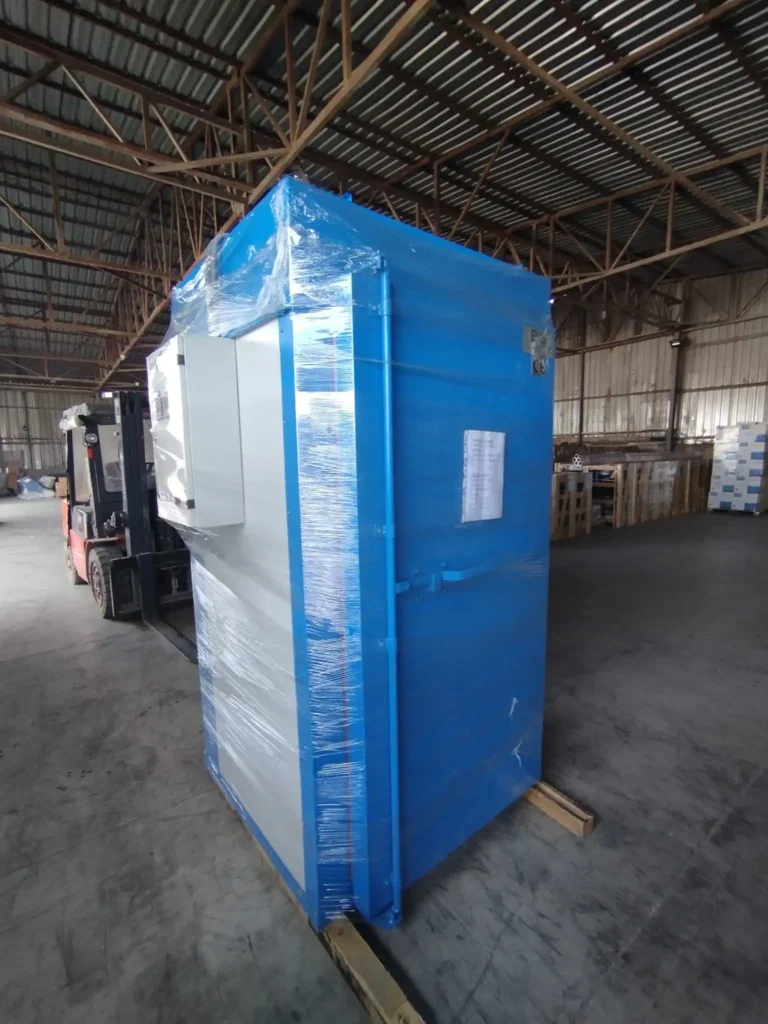
Transport of the powder coating equipment of our customers
Categories
Powder Coating Equipment Manufacturer

Fluidized Bed Powder Coating

Fluidized Bed Powder Coating

Fluidized Bed Powder Coating: Fluidized bed coating equipment is used in various industries (such as pharmaceuticals, food, and chemicals) to coat solid particles or granules with a layer of material, typically to modify their properties like taste, dissolution rate, or appearance.

What is a Fluidized Bed Coating System?

fluidized bed involves suspending solid particles in an upward-flowing stream of gas (usually air), causing them to behave like a fluid. During coating, a liquid formulation (like a polymer solution or suspension) is sprayed onto the fluidized particles. The heated air dries the liquid, forming a solid coat.

Main Components of a Fluidized Bed Coater

  1. Product Chamber – Where the particles are fluidized and coated.
  2. Air Handling System – Provides and conditions the fluidizing air (heating, humidifying, filtering).
  3. Spray System – Includes nozzles to atomize the coating liquid (top-spray, bottom-spray [Wurster], or tangential-spray types).
  4. Exhaust System – Removes excess moisture and solvents.
  5. Control System – Monitors temperature, airflow, spray rate, etc.

Types of Fluidized Bed Coaters

  1. Top-Spray Coaters – Liquid is sprayed from the top; good for layering and granulation.
  2. Bottom-Spray (Wurster) Coaters – Precise coating with minimal agglomeration; ideal for controlled-release formulations.
  3. Tangential-Spray Coaters – Spray comes in from the side; suitable for larger particles or pellets.

Advantages

  • Uniform coating distribution.
  • Efficient drying and fast processing.
  • Scalable from lab to industrial scale.
  • Suitable for heat-sensitive materials (with appropriate control).

Applications

  • Pharmaceutical: Taste masking, enteric coating, sustained-release tablets or pellets.
  • Food: Flavor or nutrient encapsulation.
  • Agrochemical: Controlled release of pesticides or fertilizers.

Fluidized bed coating equipment works by suspending solid particles in a stream of gas, allowing for uniform coating with a liquid formulation. The particles are fluidized by air, and a liquid is sprayed onto them, then dried to form a coating. These systems are used in various industries like pharmaceuticals for controlled-release formulations, food for flavor encapsulation, and agrochemicals for slow-release pesticides. The equipment typically includes a product chamber, an air handling system, a spray system, and an exhaust system, all controlled to ensure optimal conditions for coating and drying. Fluidized bed coaters are versatile, scalable, and efficient, making them ideal for both small-scale laboratory work and large industrial processes. The ability to coat uniformly while controlling parameters like temperature and spray rate makes them valuable for applications requiring precision, such as in the pharmaceutical industry.

In a fluidized bed coating process, the fundamental principle is to create a state where solid particles—typically powders, granules, or pellets—are suspended in an upward stream of air or another gas. This fluid-like behavior ensures that each particle is well exposed and separated from others, enabling a uniform coating to be applied. The coating material, usually in liquid form such as a solution, suspension, or emulsion, is introduced into the fluidized bed through specially designed spray nozzles. As the liquid coating hits the moving particles, it adheres to their surfaces. The continuous flow of heated air rapidly evaporates the solvent or carrier fluid, leaving behind a dry and even film of the desired coating substance.

The entire system is carefully engineered to balance fluidization, spraying, and drying simultaneously. The airflow must be strong enough to suspend the particles but not so intense that it ejects them from the chamber. Spray parameters such as droplet size, spray angle, and flow rate are finely controlled to ensure that the coating is distributed uniformly and doesn’t cause particle agglomeration or wetting issues. Temperature and humidity of the air also play crucial roles, as they affect the drying rate and the physical properties of the final coating.

There are several spray configurations used depending on the nature of the coating and the application. Top-spray systems are often used for layering and granulation purposes, where the coating liquid is sprayed from above onto the fluidized particles. Bottom-spray configurations, also known as Wurster systems, are more precise and are widely employed for applications requiring uniform coating thickness, such as in pharmaceutical dosage forms like pellets or microgranules for controlled or delayed drug release. Tangential-spray systems involve a side entry of the spray and are particularly suited for coating larger or heavier particles that benefit from a more horizontal motion within the chamber.

The versatility of fluidized bed coating technology lies in its ability to handle a wide range of coating materials—polymers, sugars, waxes, resins—and substrates, making it suitable for multiple sectors. In pharmaceuticals, this equipment is used to modify drug release profiles, protect active ingredients from moisture or light, and mask unpleasant tastes. In the food industry, it helps in encapsulating flavors, vitamins, or minerals, improving shelf life and stability. In agriculture, it is used to prepare coated seeds, fertilizers, and pesticides that release gradually over time, enhancing efficiency and reducing environmental impact.

Moreover, the technology is scalable, allowing manufacturers to transfer a process from a laboratory-scale unit to a full-scale production system with relative ease. Modern fluidized bed coaters are equipped with automated control systems that continuously monitor and adjust key parameters, ensuring consistent product quality and regulatory compliance. The combination of high efficiency, reproducibility, and adaptability makes fluidized bed coating an essential part of modern manufacturing in several high-tech and high-precision industries.

The efficiency and precision of fluidized bed coating systems are largely due to the integration of advanced process controls and engineering designs that ensure repeatability and scalability. In pharmaceutical manufacturing, for instance, strict regulations such as Good Manufacturing Practices (GMP) and FDA requirements necessitate the use of equipment that can maintain tight control over process variables. Fluidized bed coaters meet this demand through features such as programmable logic controllers (PLCs), real-time monitoring of inlet and exhaust air temperatures, airflow rates, atomization pressure, spray rates, and bed temperature. These systems often include process analytical technology (PAT) tools, which allow operators to monitor coating thickness, moisture content, and even particle behavior in real time using sensors and feedback loops.

In terms of design, the internal structure of a fluidized bed coater is optimized to promote even fluidization and to avoid issues like dead zones (where particles may stagnate) or channeling (where airflow bypasses the product). The geometry of the product container, the location and number of spray nozzles, and the configuration of the air distributor plate are all critical. For example, in a Wurster coating setup, the product container includes a cylindrical partition or draft tube that directs the particles into a controlled circulation pattern: particles are pulled up through the center where they are sprayed and then fall down along the outer wall to re-enter the spraying zone. This allows for extremely uniform coatings and minimal cross-contamination.

The drying efficiency of the system is another important factor, particularly for heat-sensitive materials. Because fluidized bed coaters expose a large surface area of the product to hot air while keeping the particles in constant motion, they achieve very fast drying rates without exposing the material to excessively high temperatures. This is critical when working with pharmaceuticals, enzymes, probiotics, and other bioactive compounds that could degrade under thermal stress. Additionally, advanced systems offer features like multi-stage drying, adjustable humidity control, and even integrated solvent recovery for processes involving organic solvents.

From a maintenance and operational standpoint, fluidized bed coaters are designed for ease of cleaning and quick changeovers, especially in multiproduct facilities. Many systems are built to support clean-in-place (CIP) or wash-in-place (WIP) procedures, which reduce downtime and contamination risk. Material contact surfaces are typically made of stainless steel and are highly polished to prevent material buildup. Filters, gaskets, and seals are designed for quick disassembly and replacement.

Energy efficiency and environmental impact are also increasingly important in the design of modern fluidized bed coaters. Manufacturers are incorporating energy recovery systems, such as heat exchangers that reclaim waste heat from exhaust air to preheat incoming air. They also use low-energy spray technologies and systems to minimize overspray and material loss. In environmentally sensitive applications, exhaust air may be treated with scrubbers, HEPA filters, or solvent recovery systems to ensure emissions remain within permissible limits.

Ultimately, fluidized bed coating technology offers a highly customizable and robust platform for product development and commercial production across industries. It provides unparalleled control over coating quality, allows for integration with granulation or drying steps, and supports a wide range of formulation strategies. Its ability to adapt to different materials, batch sizes, and performance requirements ensures that it remains a cornerstone of advanced particle processing in the pharmaceutical, food, chemical, and agricultural sectors.

To understand the practical application of fluidized bed coating, consider the development of a sustained-release pharmaceutical pellet. The objective in such a case is to ensure that the active pharmaceutical ingredient (API) is released gradually over time, providing a prolonged therapeutic effect and reducing dosing frequency. The process typically starts with the formation of drug-loaded cores, often referred to as nonpareils or starter pellets, which are made using extrusion-spheronization or direct pelletization techniques. These cores are then coated using a fluidized bed coater to impart the desired release profile.

The coating formulation usually contains a polymer or a combination of polymers that control the rate at which the drug diffuses out of the pellet. Commonly used polymers include ethylcellulose, which forms a semi-permeable membrane, or methacrylate-based copolymers like Eudragit, which can be tailored for pH-dependent or time-dependent release. Plasticizers such as triethyl citrate or polyethylene glycol are added to enhance film flexibility and adhesion. The coating solution may also contain pigments, surfactants, or pore-forming agents, depending on the final product requirements.

During the coating process, the pellets are fluidized in a column while the polymer solution is sprayed from a bottom-spray nozzle (Wurster configuration). This setup ensures that each pellet repeatedly passes through the spray zone, receiving even layers of the coating material. As the heated air passes through the bed, it rapidly dries the wet coating, solidifying it into a uniform film. The process continues until the desired coating weight gain is achieved, which directly influences the drug release rate. For instance, a 10% weight gain might result in a 12-hour release profile, while a 15% weight gain could extend release to 18 or 24 hours.

Process parameters such as inlet air temperature, product temperature, spray rate, atomizing pressure, and fluidization air volume are critical and must be carefully optimized. If the spray rate is too high relative to drying capacity, the particles can become over-wet and stick together, leading to agglomeration or uneven coating. If the temperature is too low, the solvent may not evaporate efficiently, compromising film formation. Conversely, overly high temperatures might dry the droplets before they reach the particle surface, resulting in poor adhesion or dusty coatings.

Once coating is complete, the product undergoes a curing step, which may involve storing the coated pellets under controlled temperature and humidity to allow the polymer chains to coalesce fully and form a continuous film. This step is especially important for aqueous coatings, where initial film formation may be incomplete. Stability testing follows, to assess how the coated product behaves under various environmental conditions, such as heat, humidity, and light. Dissolution testing is used to confirm that the release profile meets the intended specifications.

A similar approach is applied in the food industry for encapsulating sensitive ingredients like flavors, vitamins, or probiotics. Here, the goal may not be controlled release over time, but rather protection against degradation due to heat, moisture, or oxygen. For instance, vitamin C, which is highly unstable in the presence of light and oxygen, can be coated with a protective layer that dissolves only in the stomach. In these cases, the coating formulation might use materials like modified starches, shellac, or maltodextrins. The equipment and process principles remain largely the same, but the formulations and critical parameters differ based on the nature of the core material and the function of the coating.

The adaptability of fluidized bed coaters also allows them to support multi-layer coating processes. A single pellet can receive a sequence of coatings: first a sub-coating to improve adhesion, then a drug-containing layer, followed by a barrier layer, and finally an outer enteric or color coating. All of these layers can be applied in the same equipment with minimal intervention, making the process efficient and cost-effective.

Overall, fluidized bed coating systems are not just tools for applying a film—they are sophisticated platforms for engineering the behavior of particles in precise and reproducible ways. Through the intelligent selection of materials, meticulous control of process parameters, and robust system design, these technologies make it possible to tailor the physical, chemical, and functional properties of particulate products for a wide range of advanced applications.

Let’s explore how a fluidized bed coater is used in a real-world laboratory setting by walking through a simplified protocol for applying a sustained-release coating to pharmaceutical pellets. This type of protocol is commonly used during product development before scaling up to commercial manufacturing.

The process begins with a clear definition of objectives: in this case, creating a sustained-release formulation that delivers the active pharmaceutical ingredient (API) over 12 hours. Drug-loaded pellets (about 200–500 microns in diameter) are already prepared and sieved to ensure uniformity in size, which is crucial for consistent fluidization and coating. The coating material selected might be ethylcellulose, chosen for its water-insoluble properties, which retard drug release by forming a semi-permeable membrane around each pellet.

A coating solution is prepared by dissolving ethylcellulose in a suitable organic solvent like ethanol or isopropanol, or in water if an aqueous dispersion is used (such as Aquacoat® or Surelease®). A plasticizer such as triethyl citrate is added at 10–20% of the polymer weight to improve flexibility and prevent film cracking. The solution is mixed using a high-shear or magnetic stirrer and filtered to remove particulates that could clog the spray nozzle.

Next, the fluidized bed coater is prepared. In a lab setting, this might be a small unit with a product capacity of 100 grams to 2 kilograms. The product container is loaded with the pellets, and preheating begins. The inlet air is heated to a setpoint typically between 35°C and 45°C, depending on the sensitivity of the product. The airflow is adjusted to achieve stable fluidization, which is visually confirmed through a sight glass or by monitoring bed pressure drop.

The bottom-spray nozzle (Wurster insert) is selected for precise control. Before coating starts, the system is balanced: airflow, temperature, and nozzle air pressure are stabilized. The coating solution is pumped to the nozzle and atomized at pressures ranging from 1.5 to 2.5 bar. Spray rate is usually initiated at a conservative setting—say, 1.0 g/min—and then gradually increased while monitoring the product temperature and fluidization behavior. Throughout the process, operators continuously check for signs of over-wetting (clumping or sticking) or under-wetting (dust generation or poor coating adherence).

The coating is applied until the target weight gain is reached—say, 12% for a 12-hour release target. This is monitored using either real-time weighing or by sampling and weighing a small amount of the product periodically. During coating, outlet air temperature and humidity are closely monitored as they reflect the drying capacity of the system. For organic coatings, exhaust air may be routed through solvent recovery units or scrubbers to meet safety and environmental regulations.

After coating, the pellets are removed and subjected to a curing step. In a lab, this might involve placing the coated pellets in an oven at 40°C for 24 hours to allow the polymer chains to coalesce and form a continuous, defect-free film. This step significantly influences the final release behavior of the coated product. Without it, the film may be porous or uneven, leading to burst release or dose dumping.

Finally, the product is evaluated. Tests include:

  • Particle size distribution using sieves or laser diffraction.
  • Coating uniformity via scanning electron microscopy (SEM) or optical microscopy.
  • Drug release testing in dissolution baths, simulating gastric and intestinal fluids under USP conditions.
  • Stability testing under accelerated conditions (e.g., 40°C and 75% RH) to assess coating integrity over time.

Once the lab-scale process meets specifications, a scale-up plan is developed. This involves recalculating airflow, spray rates, and batch size based on the equipment geometry and process dynamics of larger coaters—often 10–100 times the size of the lab unit. A key challenge during scale-up is maintaining similar particle trajectories and drying conditions, which requires a deep understanding of fluid dynamics and heat/mass transfer principles in fluidized systems.

In industrial practice, further layers of automation are added, such as automated recipe controls, real-time weight monitoring, and closed-loop spray feedback systems to optimize reproducibility. However, the foundational steps—formulation design, parameter optimization, controlled application, and post-coating treatment—remain essentially the same across all scales.

Fluidized bed coaters, therefore, bridge the gap between precise formulation science and scalable industrial manufacturing. They are especially valuable in regulated sectors where product performance, consistency, and process validation are critical. Beyond pharmaceuticals, similar protocols are adapted for food and agrochemical coatings, often using more robust and less sensitive materials, but following the same engineering principles.

To further appreciate the sophistication of fluidized bed coating, it’s useful to look into the nuanced relationship between process parameters and product characteristics. In practice, every variable—from inlet air temperature to atomizing air pressure—plays a role in determining the quality of the final coated product. Small deviations can result in significant variations in coating uniformity, release profile, and physical integrity.

One of the most critical parameters is inlet air temperature, which affects both the drying rate and the surface morphology of the coating. If the temperature is too high, it can cause the solvent to evaporate too quickly, leading to a rough or porous film. In pharmaceutical applications, this may result in an uncontrolled release profile or film cracking. Conversely, too low a temperature can slow drying to the point where droplets coalesce on the particle surface, causing tackiness and agglomeration. Therefore, temperature is typically set just high enough to promote efficient drying without degrading heat-sensitive ingredients—usually in the range of 35°C to 55°C for aqueous systems and slightly lower for organic solvent-based systems due to the volatility of the solvents involved.

Atomizing air pressure and spray rate are tightly interlinked. The pressure needs to be high enough to generate fine droplets that can coat uniformly but not so high that they rebound from the particle surface or cause excessive turbulence. A finely atomized spray ensures that the droplets quickly form a thin, even coating and dry almost instantaneously as they contact the heated particles. Too high a spray rate, on the other hand, can overload the bed with liquid, leading to agglomeration and uneven coating. Therefore, these two variables are often adjusted in tandem during process development to achieve a stable spray-drying balance. This is why design of experiments (DoE) approaches are often used in R&D to optimize such multivariate systems.

Fluidization air volume determines the mobility of the particles in the bed. Insufficient airflow results in poor particle movement, creating dead zones and inconsistent coating. Excessive airflow can lead to attrition of coated particles or loss of fines through the filters. Ideal fluidization provides enough lift to keep the particles suspended in a stable, circulating pattern without causing mechanical stress or excessive turbulence.

Nozzle design and positioning also significantly impact coating performance. In bottom-spray Wurster systems, the nozzle is located at the base of the partition column, ensuring that particles are directed vertically through a narrow spray zone. This results in highly repeatable, controlled trajectories for each particle and minimizes the chances of bypassing the spray. For sensitive applications where even tiny defects in coating uniformity can affect drug release, Wurster configurations offer unmatched control. In contrast, top-spray systems, while less precise, are more commonly used for layering or granulating, where exact uniformity is less critical.

Bed load (the amount of material in the product chamber) influences how well the particles interact with the spray. Overloading the bed reduces circulation space, leading to clumping and uneven coating. Underloading can result in turbulent motion and inefficient use of spray solution. Most manufacturers determine optimal bed load based on both the chamber geometry and the size/density of the particles being coated.

An often underappreciated aspect of the fluidized bed coating process is coating material rheology—the viscosity and surface tension of the liquid being sprayed. These properties govern how the coating spreads over the particle surface and how quickly it forms a continuous film. A higher-viscosity formulation may require higher atomizing pressure to achieve adequate droplet size, but it also carries a higher risk of nozzle clogging and uneven application. Conversely, very low-viscosity coatings can penetrate too deeply into porous cores or dry too quickly, leading to defects. Surfactants and cosolvents are sometimes used to modulate these properties and achieve optimal coating behavior.

Analytical testing is crucial for confirming that all these tightly controlled parameters result in a product that meets specifications. Tools like near-infrared spectroscopy (NIR) and Raman mapping are used to non-invasively analyze coating thickness and uniformity, while high-performance liquid chromatography (HPLC) is employed to verify drug content and purity. Advanced dissolution testing, often using USP Apparatus I (basket) or II (paddle), is used to confirm that the coated pellets release the active ingredient at the intended rate and under simulated physiological conditions.

Finally, process scale-up brings its own set of challenges, primarily due to differences in heat and mass transfer, airflow dynamics, and equipment geometry. During scale-up, empirical relationships such as maintaining a constant spray flux (spray rate per unit area) or specific fluidization velocity (airflow per unit of bed cross-sectional area) are used as guidelines. However, scale-up is rarely linear and usually requires iterative fine-tuning. Modern scale-up efforts are aided by computational fluid dynamics (CFD) modeling, which simulates particle movement and airflow to optimize equipment design and operating conditions.

The depth and complexity of fluidized bed coating as a technology are matched by its versatility and reliability. Whether the goal is to produce a delayed-release pharmaceutical pellet, a moisture-resistant food granule, or a biodegradable agrochemical bead, the principles remain consistent. Mastery of this process enables formulators and process engineers to design advanced, functional particulate products with precisely controlled characteristics—truly a cornerstone of modern solid dosage form manufacturing.

Fluidized Bed Powder coating equipment manufacturing

Fluidized bed powder coating equipment is a specialized technology used for applying a dry powder coating to a substrate, typically metal parts. The key difference from traditional liquid coatings is that in powder coating, the coating material is applied as a powder, which is then melted and cured to form a solid, durable finish. Fluidized bed powder coating utilizes the same basic principle of fluidization, where powder particles are suspended in a stream of air, ensuring uniform coating coverage over the surface of the part.

How Fluidized Bed Powder Coating Works

  1. Fluidization Process: The powder is placed in a chamber where an upward airflow (usually via a perforated plate or bed) is used to suspend the powder particles. As the particles become suspended, they take on a fluid-like behavior, which allows them to be evenly distributed and applied to the surface of the workpieces. This is similar to fluidized bed coating used in other industries, but in this case, the aim is to coat solid parts with a dry powder.
  2. Coating Application: The part to be coated is dipped into the fluidized bed. As the part enters the chamber, the suspended powder adheres to the heated surface. The part may be pre-heated before dipping to ensure that the powder sticks effectively, creating a uniform coating.
  3. Curing: After the part is coated with the powder, it typically undergoes a curing process. The coated part is heated in an oven where the powder melts and bonds to the substrate. The temperature and time of curing depend on the type of powder being used but typically range between 160°C and 200°C for 10–30 minutes.

Key Components of Fluidized Bed Powder Coating Equipment

  1. Fluidized Bed Chamber: The chamber contains a perforated plate or mesh, which allows the air to flow upward, suspending the powder particles. The part to be coated is immersed into this fluidized bed of powder, and it picks up a uniform layer of powder coating.
  2. Air Supply System: This system provides the airflow that suspends the powder in the fluidized bed. Air is typically filtered and regulated to ensure the correct airflow and fluidization of the powder.
  3. Powder Storage and Delivery: The powder is stored in a hopper and is often equipped with a vibration mechanism to prevent clumping and ensure consistent flow. Powder is delivered into the fluidized bed chamber, where it is aerated by the airflow.
  4. Temperature Control System: The parts are often preheated before dipping, and a curing oven or infrared heaters are used after coating to melt and bond the powder to the surface.
  5. Exhaust System: A system that removes excess air and ensures that no unwanted powder particles are released into the environment, maintaining a clean workspace and preventing contamination.
  6. Control System: Modern fluidized bed powder coating equipment comes with an automated control system to monitor and adjust temperature, air pressure, flow rates, and timing, ensuring consistent application and curing.

Advantages of Fluidized Bed Powder Coating

  • Durability: Powder coatings provide excellent resistance to abrasion, corrosion, and weathering. The coating typically has a thicker and more uniform layer compared to liquid coatings, making it more durable and long-lasting.
  • Environmentally Friendly: Unlike liquid coatings, which may contain volatile organic compounds (VOCs) and solvents, powder coatings are free from these harmful chemicals. There is also little to no waste, as excess powder can be reclaimed and reused.
  • Uniform Coating: The fluidized bed allows for a consistent and uniform coating across all surface areas of the part, even complex geometries, ensuring high-quality finishes.
  • No Drips or Runs: Since the coating is applied as a powder, there is no risk of drips, runs, or sags, which can sometimes occur with liquid coatings.

Applications of Fluidized Bed Powder Coating

  • Metal Parts: Commonly used for coating metal parts in industries such as automotive, appliances, and manufacturing. The equipment is especially useful for large or irregularly shaped parts, such as automotive components, that are difficult to coat uniformly using traditional methods.
  • Corrosion Resistance: Fluidized bed coating is particularly valuable for applications where parts need a durable, corrosion-resistant finish, such as in industrial equipment, pipelines, and outdoor fixtures.
  • Heat-Sensitive Materials: For applications where a high level of temperature resistance is required, fluidized bed powder coating can be used with powders designed to withstand extreme temperatures.
  • Rework and Repair: It can also be used for re-coating or repairing previously coated parts by reapplying the powder and curing it to restore the finish.

Advantages Over Other Coating Methods

  • No Solvents: Unlike liquid coatings that often require solvents, powder coating uses no liquid solvents, making the process more environmentally friendly and reducing health risks associated with solvent exposure.
  • Thicker Coatings: Fluidized bed coating can create thicker coatings in a single dip, which is ideal for certain applications such as heavy-duty equipment parts.
  • Low Operational Costs: The powder can be reclaimed and reused, reducing material costs over time. Additionally, energy consumption may be lower compared to spray powder coating, as the parts are dipped directly into the fluidized bed.

Challenges and Considerations

  • Part Preheating: Preheating the parts is crucial for successful fluidized bed powder coating, especially for parts with complex geometries or large surface areas. The parts must be heated to the correct temperature to ensure proper powder adhesion.
  • Powder Type and Composition: The selection of powder is important. Different powders (such as epoxy, polyester, or hybrid blends) have different curing requirements and environmental characteristics, such as resistance to chemicals, UV degradation, and temperature.
  • Complex Geometry: While fluidized bed coating works well for a wide variety of shapes, very small or intricate parts may present challenges due to powder distribution issues. Careful selection of the fluidized bed’s air pressure and powder type can help mitigate this.

Fluidized Bed vs. Spray Powder Coating

While both fluidized bed and spray powder coating are effective methods for applying powder coatings, they differ in the way the powder is applied and the type of parts they are suited for.

  • Fluidized Bed Powder Coating: Ideal for large, simple parts or batches of small parts that can be dipped in the bed. It is better for thicker coatings and is well-suited for applications like heavy-duty industrial equipment or metal components.
  • Spray Powder Coating: Involves spraying a charged powder onto the substrate, typically using an electrostatic charge to attract the powder. This method is better for complex geometries or parts that cannot be easily dipped into a fluidized bed. It also offers more precise control over the thickness of the coating.

Conclusion

Fluidized bed powder coating equipment is a reliable, efficient, and environmentally friendly method for applying a durable and uniform coating to parts, especially metal substrates. Its application spans industries such as automotive, aerospace, and manufacturing, where long-lasting, corrosion-resistant finishes are required. While it may not be the most suitable choice for highly intricate or small parts, its benefits of uniformity, environmental friendliness, and the ability to apply thicker coatings make it an excellent option for many industrial applications.

Fluidized bed powder coating equipment manufacturing involves a sophisticated process to design and produce machines capable of coating a variety of substrates, typically metal, with a powder coating. These machines use the principle of fluidization, where powdered coating material is suspended in an upward flow of air, creating a “fluid-like” effect. This allows the powder to evenly coat the surface of parts that are then cured in a high-temperature oven. The key benefits of fluidized bed powder coating include its ability to apply thick, durable coatings efficiently, without the need for solvents, which makes it an environmentally friendly option compared to traditional liquid coating methods. This process is particularly effective for coating parts that are large, have simple geometries, or are prone to corrosion. The typical industries that benefit from fluidized bed powder coating include automotive, industrial equipment manufacturing, and even some consumer goods like appliances. Fluidized bed coating is often used in situations where high durability and corrosion resistance are critical.

In manufacturing fluidized bed powder coating equipment, a primary challenge is ensuring precise airflow control and uniform powder distribution. The equipment is designed with a chamber where the powder is introduced and suspended by an air supply system. The powder is kept fluidized in the chamber by a combination of air pressure, temperature control, and mechanical vibration to keep the powder from clumping together. This powder is then applied to the parts that are dipped into the fluidized bed. Parts that are to be coated are preheated, which helps the powder adhere more effectively when they are immersed into the bed.

Once coated, the parts are moved into a curing oven where the powder melts and forms a solid, uniform coating on the part. The curing process generally requires heat in the range of 160°C to 200°C, with a curing time of 10 to 30 minutes depending on the size and type of powder used. The temperature and curing time need to be carefully controlled to ensure the coating is sufficiently hardened and bonded to the substrate.

The equipment itself includes several key components such as the fluidized bed chamber, air supply system, powder storage and delivery systems, temperature control systems, and curing ovens. The chamber is typically fitted with a perforated plate that allows air to be blown upward, keeping the powder suspended. The air supply system consists of a fan, filter, and air regulator to ensure a consistent flow and pressure of air. The powder is stored in hoppers and often features mechanisms to prevent clumping, such as vibrators that help maintain a steady flow of powder into the chamber.

Powder storage and delivery systems ensure that the powder remains consistent in flow and quality, and this often involves vibration or mechanical agitation to prevent powder from settling or becoming compacted. The temperature control system regulates the temperature of the air used to fluidize the powder and the temperature of the preheated part. A reliable temperature control system is crucial for maintaining the consistency of the coating and ensuring that parts are adequately preheated before they enter the fluidized bed. A proper exhaust system is also crucial to remove excess powder and prevent contamination of the workspace.

A significant advantage of fluidized bed powder coating equipment is its ability to provide thicker coatings in a single application, which makes it ideal for parts that need a robust finish to protect against wear and corrosion. The process itself is highly efficient, as excess powder can be reclaimed and reused, which reduces material waste. This characteristic is especially beneficial in industries where cost control is important and where the coating material is expensive. Additionally, fluidized bed powder coating requires no solvents, reducing environmental impact and worker exposure to harmful chemicals, making it a more sustainable choice compared to traditional liquid coatings that may contain volatile organic compounds (VOCs).

The equipment is particularly suited for large or simple-shaped parts, such as automotive components, metal frames, and appliance parts. However, it may not be the ideal choice for parts with complex shapes or very fine details, as it can be difficult to control the powder application precisely on such parts. In these cases, spray powder coating systems may be preferred, as they provide more precise application control through electrostatic charges.

In manufacturing these fluidized bed powder coating systems, suppliers typically work closely with end-users to understand their specific coating needs and then customize the equipment to ensure it meets the necessary specifications. This may include adjusting the size of the fluidized bed chamber, optimizing airflow systems, and fine-tuning the curing process. Advanced fluidized bed coating systems may even incorporate automated controls to adjust the spray rates, airflow, and temperature in real-time, ensuring a more consistent coating result and reducing the need for manual intervention.

Finally, after the equipment is assembled and tested, manufacturers ensure that it complies with industry standards and regulations, such as safety protocols for airflow and temperature control and compliance with environmental standards. The equipment must be robust enough to handle the continuous, high-demand operation often required in industrial environments. Therefore, material selection for components like the chamber, air supply system, and curing ovens is critical for the durability and longevity of the equipment. High-performance alloys or special coatings may be used for parts exposed to extreme temperatures or wear.

Overall, fluidized bed powder coating equipment manufacturing combines engineering precision, material science, and process control to create machines that deliver durable, consistent, and environmentally friendly coatings for a wide range of applications. As industries continue to demand higher-quality finishes and more sustainable practices, the role of fluidized bed powder coating is likely to expand, with ongoing advancements in equipment design and technology.

As the demand for efficient and sustainable manufacturing processes continues to grow, the design and advancement of fluidized bed powder coating equipment is also evolving. The future of fluidized bed coating involves improvements in automation, process control, and material recovery, all of which contribute to making the process even more efficient and cost-effective.

One of the most exciting areas of development is automation. Many fluidized bed powder coating systems are now being designed with integrated automation capabilities, such as robotic handling and automated coating thickness measurement. Robots can be used to handle the parts being coated, reducing the need for manual intervention and increasing throughput. Automation also allows for better consistency and quality control, as robots can follow pre-programmed movements and ensure that each part is coated in exactly the same way, at the same speed, and under the same conditions.

Another critical advancement is the integration of real-time process control. Modern fluidized bed powder coating systems are increasingly equipped with sensors and control systems that monitor key parameters such as airflow rate, temperature, powder density, and coating thickness. These systems can automatically adjust parameters to maintain consistent coating quality. This real-time feedback not only reduces human error but also allows manufacturers to fine-tune the process, making it possible to produce high-quality coatings even at larger scales.

To further optimize the material recovery process, many fluidized bed powder coating systems now feature advanced reclaim systems. In these systems, excess powder that is not used in the coating process is collected and reused, greatly reducing material waste. The powder is often recycled through sophisticated filtration systems that ensure only clean, non-contaminated powder is reused. This is especially important in applications where the powder is costly or where environmental concerns demand that waste be minimized. These reclaim systems can significantly reduce operational costs and minimize the environmental impact of the coating process.

Additionally, energy efficiency has become a major focus in the development of fluidized bed powder coating equipment. As energy consumption plays a significant role in operating costs, many modern systems are designed to be more energy-efficient. Advances in heat recovery systems, where excess heat from the curing process is recycled, are reducing the amount of energy required to maintain consistent curing temperatures. This not only lowers energy costs but also minimizes the environmental footprint of the manufacturing process.

Material innovations also play a key role in improving the overall performance of fluidized bed powder coating systems. For example, the development of new types of powders—such as low-temperature curing powders, high-temperature-resistant powders, or powders with enhanced adhesion properties—has expanded the range of applications for fluidized bed coating. These innovations allow manufacturers to coat materials that were previously difficult to coat or to achieve new, specialized finishes, such as coatings that are both heat- and chemical-resistant.

Another area of progress is improved powder storage and handling systems. Traditional powder storage methods often involved large, static hoppers, but modern systems have been designed with more advanced features. For instance, powder storage is increasingly becoming more automated and features integrated vibration mechanisms to prevent clumping and ensure a consistent flow of powder into the fluidized bed. This increases the efficiency of the coating process and reduces downtime caused by clogged powder lines or inconsistent powder flow.

Additionally, improvements in safety have been an ongoing focus in fluidized bed powder coating equipment manufacturing. Since powders can sometimes be combustible, safety features are incorporated into equipment to mitigate these risks. Equipment now comes with advanced explosion-proof designs and better filtration systems to prevent the accumulation of flammable powders. Furthermore, better ventilation and dust extraction systems are being integrated to protect workers from inhaling harmful dust, which is especially important in industrial settings.

One of the most important considerations in fluidized bed powder coating is the selection of appropriate powders for specific applications. For example, some coatings are designed to be highly resistant to abrasion, corrosion, or UV degradation, while others may focus on providing an aesthetically pleasing finish. As industries continue to develop new materials and coatings, manufacturers of fluidized bed equipment are adapting to these needs by offering systems capable of handling a wider variety of powders, including those for specialized coatings like metallic or textured finishes.

To support a diverse range of industries, fluidized bed systems are becoming more customizable. Manufacturers are offering modular systems that can be scaled up or down depending on the needs of the business. For instance, a small shop may require a compact, bench-top unit for coating small batches, while a larger manufacturer may require an industrial system capable of handling thousands of parts per day. The flexibility of these modular systems means that manufacturers can adapt their equipment to meet specific production requirements, without being limited by the size or configuration of the system.

Finally, environmental regulations are driving the demand for more sustainable and eco-friendly fluidized bed powder coating solutions. As stricter regulations are introduced worldwide concerning emissions, waste, and VOCs (volatile organic compounds), fluidized bed coating offers an effective solution due to its solvent-free nature. Moreover, manufacturers are also focusing on reducing the environmental impact of the curing process. Instead of relying solely on traditional electric or gas-powered curing ovens, newer technologies are being explored, such as infrared and UV curing, which can reduce energy consumption and improve processing speed.

The growing trend toward green manufacturing and sustainability is pushing fluidized bed powder coating equipment manufacturers to explore new ways to reduce environmental impact, such as designing equipment with reduced energy consumption and low-emission systems. Moreover, the ability to recycle and reuse coating powders makes fluidized bed powder coating one of the more sustainable coating methods available.

In conclusion, fluidized bed powder coating equipment manufacturing is experiencing significant advancements that make the process more efficient, sustainable, and versatile. These developments are responding to the needs of various industries, from automotive to heavy-duty equipment manufacturing, and will continue to evolve as new materials, powders, and process technologies emerge. The integration of automation, real-time monitoring, improved energy efficiency, material recovery, and sustainability ensures that fluidized bed powder coating remains a leading solution in the coating industry, providing durable, high-quality finishes while minimizing environmental impact and operational costs.

The future of fluidized bed powder coating equipment manufacturing is poised to evolve further with emerging trends and technological innovations, enhancing the overall efficiency and application versatility of the process. As industries continue to push the boundaries of performance, durability, and environmental responsibility, fluidized bed powder coating systems are being developed with even greater focus on automation, precision, and sustainability.

Advanced Automation and AI Integration

Automation has been a significant driver in optimizing fluidized bed powder coating processes. The next stage of development lies in the integration of artificial intelligence (AI) and machine learning. AI can be used to predict and control variables such as coating thickness, air pressure, and curing times in real time, ensuring consistent and high-quality finishes. This is particularly useful in high-volume production settings where maintaining uniform quality across hundreds or thousands of parts is critical. Machine learning can also be employed to optimize powder use, detect anomalies in the coating process, and make adjustments without human intervention, increasing the precision of the operation.

Furthermore, robotic systems are increasingly being integrated into fluidized bed systems, particularly in larger manufacturing environments. Robots can handle the movement of parts through the system, from preheating to powder coating to curing, all while ensuring minimal human involvement. This not only improves speed and reduces the risk of human error but also ensures safer working conditions, particularly in environments where powder handling may expose workers to hazardous materials or dust.

3D Printing and Fluidized Bed Powder Coating

One of the emerging trends that could reshape fluidized bed powder coating is the synergy between 3D printing and powder coating. As 3D printing technology becomes more advanced, particularly with metal additive manufacturing, the ability to apply a fluidized bed powder coating to 3D printed parts is becoming more common. 3D printed parts can often have rough surfaces or micro-porosities that make them difficult to finish without a protective coating. Fluidized bed coating is well-suited to these challenges, as it can provide an even, high-durability coating on complex geometries, adding a protective layer that enhances the performance of 3D printed metal parts. The combination of 3D printing and fluidized bed powder coating is especially valuable in industries such as aerospace, automotive, and medical device manufacturing, where precision, performance, and part durability are crucial.

Enhanced Powder Technologies

The continuous development of powder materials is one of the key drivers of change in fluidized bed coating. New powders with improved properties—such as nano-coatings, powders with embedded antimicrobial properties, or coatings that offer enhanced UV and heat resistance—are being developed for specific applications. For example, powders that can cure at lower temperatures allow manufacturers to coat heat-sensitive materials or reduce the energy required for curing. The inclusion of functional additives in powder formulations, such as conductive, anti-corrosion, or anti-fingerprint agents, enhances the versatility of fluidized bed powder coating for highly specialized applications, particularly in electronics and high-tech manufacturing sectors.

Hybrid powder systems, combining different powder types to take advantage of multiple performance characteristics, are also becoming more common. These hybrid powders can offer enhanced physical properties, such as increased impact resistance or flexibility, while maintaining the aesthetic qualities of a smooth, glossy finish.

Smart Powder Recovery Systems

As environmental concerns grow, the recycling and recovery of powder materials is becoming more important. Advanced powder recovery systems are designed to maximize the reuse of excess powder, reducing material waste and cutting costs. New vacuum recovery systems and automated sieving techniques have been developed to reclaim powder that has been removed from parts and filter out contaminants, ensuring that only clean powder is reused. These innovations make it possible to significantly reduce the amount of wasted powder, improving both cost-effectiveness and sustainability. Moreover, the integration of digital sensors can monitor powder quality during recovery, ensuring that the reclaimed powder meets the necessary specifications for reuse.

Sustainability and Energy Efficiency

The push toward green manufacturing continues to be a driving factor in the development of fluidized bed powder coating systems. Manufacturers are constantly looking for ways to reduce energy consumption and minimize waste in the powder coating process. Advances in energy-efficient curing ovens, which use technologies like infrared curing, are becoming more widespread. Infrared heating is more efficient because it directly heats the part rather than the surrounding air, reducing overall energy consumption and speeding up the curing process.

Additionally, the development of low-energy fluidized bed systems is aimed at reducing the amount of electricity required for powder fluidization. By optimizing the airflow and pressure control, manufacturers are able to minimize energy consumption while maintaining the coating quality and speed. The use of sustainable powders—such as those that are biodegradable or have a lower carbon footprint—is also gaining traction, ensuring that fluidized bed powder coating aligns with broader sustainability goals.

Globalization and Customization

As global supply chains continue to expand, the demand for customizable fluidized bed coating systems that can cater to different regional needs is increasing. Equipment manufacturers are focusing on offering modular designs that allow for quick adjustments and scalability. These modular systems can be easily upgraded or adjusted based on specific customer requirements, whether for changes in production volume, coating types, or part sizes.

Customization also extends to regional powder formulations, which are tailored to local environmental conditions. For example, manufacturers in areas with high humidity may require coatings that offer enhanced moisture resistance, while those in high-temperature regions may need coatings that are more heat-resistant. By offering equipment that can accommodate these specific needs, fluidized bed powder coating manufacturers are better able to serve diverse markets worldwide.

Increased Focus on Quality Control

With the increasing complexity of parts and coatings, manufacturers of fluidized bed powder coating equipment are focusing more on precision and quality control systems. The use of digital platforms that can track every aspect of the coating process—airflow, powder flow rate, part movement, temperature, curing time, and thickness—helps ensure consistent quality across all parts. These digital solutions can also provide real-time data, allowing for immediate adjustments to be made to the coating process if needed, reducing downtime and improving operational efficiency.

Vision-based inspection systems, integrated into coating lines, can automatically detect defects in coatings, such as thin spots, excessive coating, or uneven coverage. This is particularly useful in industries where even minor defects can be costly, such as aerospace or electronics.

Collaboration Across Industries

Finally, the future of fluidized bed powder coating will likely involve greater collaboration across industries. As the need for more specialized coatings and equipment grows, manufacturers of fluidized bed coating systems are increasingly working alongside material suppliers, industry researchers, and end-users to develop coatings that meet specific performance requirements. For example, aerospace companies may partner with coating equipment manufacturers to create coatings that provide both corrosion resistance and weight savings, while automotive manufacturers might focus on developing coatings that provide both a high-quality aesthetic finish and superior scratch resistance.

The ongoing collaboration across sectors will ensure that fluidized bed powder coating continues to meet the ever-changing demands of modern manufacturing, delivering high-quality, durable finishes in an environmentally responsible manner.

In conclusion, the fluidized bed powder coating industry is evolving with rapid technological advancements aimed at improving efficiency, sustainability, and quality. From automation and AI integration to the development of new powder materials and energy-efficient systems, these innovations are setting the stage for a more advanced and eco-friendly future in coating technology. Whether for automotive, aerospace, or consumer goods manufacturing, fluidized bed powder coating is adapting to meet the needs of diverse industries while also addressing global challenges such as sustainability and energy efficiency.

As the fluidized bed powder coating industry continues to advance, several emerging trends and innovations are shaping its future trajectory. These developments will not only impact the operational aspects of fluidized bed coating but also expand its applications across a variety of sectors. Let’s explore some of these future directions.

Emerging Coating Technologies

The integration of nanotechnology in fluidized bed powder coatings is one of the most exciting areas of development. Nanomaterials, due to their unique properties, offer a significant enhancement in the performance of coatings. For instance, nanocoatings can provide increased hardness, enhanced corrosion resistance, and better wear resistance compared to conventional coatings. These properties make nanotech powder coatings ideal for demanding applications in industries such as aerospace, automotive, and military manufacturing.

Further, self-healing coatings are being explored for fluidized bed systems. These coatings can automatically repair themselves when damaged, greatly extending the lifespan of coated parts. This technology is particularly useful for parts exposed to extreme environmental conditions or wear, such as in offshore oil rigs, transportation, and heavy machinery.

Graphene-based coatings, known for their strength, flexibility, and conductivity, are gaining traction in fluidized bed coating systems. Graphene can provide coatings that are lightweight yet incredibly strong, offering enhanced protection against corrosion, temperature extremes, and physical damage. These advanced materials are especially promising in industries where high performance and durability are critical, such as in electronics and battery manufacturing.

Digitalization and the Internet of Things (IoT)

Another key trend in fluidized bed powder coating equipment manufacturing is the increasing role of digitalization and IoT (Internet of Things). IoT-enabled coating equipment allows manufacturers to gather vast amounts of data from their systems, providing insights into every aspect of the coating process. Sensors embedded in fluidized bed systems can monitor variables like powder density, air velocity, temperature, and humidity. These sensors communicate in real time with a centralized control system, enabling automatic adjustments and providing predictive analytics to prevent downtime before it occurs.

The integration of cloud computing allows for the storage and analysis of large datasets from multiple coating lines, enabling manufacturers to optimize processes across entire plants. This enables manufacturers to run predictive maintenance schedules, forecast the need for repairs or replacements, and continuously fine-tune the coating process. In addition to improving performance, these digital tools help manufacturers comply with regulatory standards by providing traceability of the coating process, which can be critical for quality assurance in certain industries such as aerospace, automotive, and food manufacturing.

Eco-Friendly Powder Coatings

As sustainability continues to be a driving force in manufacturing, there is a growing emphasis on eco-friendly powder coatings. Manufacturers are working on developing coatings that not only perform well but also minimize environmental impact throughout their lifecycle. This includes reducing the energy consumption during curing, developing coatings made from renewable or non-toxic materials, and using biodegradable powders.

The shift towards water-based powder coatings is one of the significant eco-friendly innovations. Traditional powder coatings often rely on petroleum-based chemicals, but water-based alternatives are being developed to reduce the environmental footprint of the powder coating process. These water-based coatings are not only less harmful but also contribute to reducing the volatility of the overall production process. Waterborne powder coatings can be designed to perform at high levels while offering low environmental impact, making them an excellent choice for a wide range of applications.

Recyclability of both the powder itself and the coated parts is another critical consideration in the push for more sustainable manufacturing practices. Efforts to improve the end-of-life recyclability of coated products will reduce waste and contribute to the circular economy, where materials are reused and recycled rather than discarded. Advances in waste management systems in fluidized bed coating equipment are helping reduce the disposal of powder waste, while also enabling more efficient reclamation and reuse of powder materials.

Robotics and Additive Manufacturing in Coating

Robotics is not just revolutionizing the handling of parts through the coating process but also opening up possibilities for additive manufacturing (AM) and 3D printing to be integrated into the powder coating process. In industries like automotive and aerospace, where parts often have complex geometries or customized features, the ability to 3D print metal or plastic parts and then coat them using fluidized bed powder coating systems presents numerous advantages.

The combination of 3D printing with fluidized bed powder coating offers manufacturers the flexibility to create highly detailed or complex parts with tailored coatings. For example, 3D printed parts could be designed to have hollow sections, intricate patterns, or unusual shapes, which are then uniformly coated with powder to ensure durability and performance. Additive manufacturing also allows for the production of low-volume, highly specialized parts, reducing waste and inventory costs while still benefiting from the protective and aesthetic qualities of powder coatings.

Moreover, robotic arms are increasingly being used to handle these 3D-printed parts through fluidized bed coating processes. The precision of robotics allows for better control over the part positioning, ensuring uniform coating even on intricate designs. Robotic arms also improve efficiency by handling high-mix, low-volume runs, which is common in industries like prototyping and aerospace, where custom parts are often required.

Global Trends and Customization

As manufacturers continue to serve global markets, the need for customizable coating solutions grows. Manufacturers are increasingly focusing on flexible fluidized bed powder coating systems that can be adapted to local regulations, customer preferences, and product specifications. For instance, regions with extreme temperatures may require powder coatings that provide enhanced thermal protection, while coastal areas may require coatings with advanced corrosion resistance due to exposure to saltwater.

Additionally, local supply chains and regional manufacturing needs will play a larger role in shaping fluidized bed powder coating equipment. For example, some regions may prioritize equipment that can handle specific types of coatings or that comply with strict environmental regulations. Manufacturers will need to offer more modular systems that can be quickly adjusted or reconfigured to meet regional demands. The ability to produce coating equipment that can be tailored to a specific market will be a key competitive advantage in the global marketplace.

Consumer Demand for Aesthetic Finishes

With an increasing focus on aesthetics, particularly in consumer-facing industries such as automotive, electronics, and furniture, the demand for high-quality, visually appealing coatings is on the rise. Manufacturers are increasingly relying on fluidized bed powder coating systems to deliver smooth, uniform, and aesthetically pleasing finishes. Innovations in this area include the use of textured and metallic coatings that give products a distinctive look and feel while providing the durability expected from powder coatings.

High-performance clear coatings are also gaining popularity, particularly in applications like automotive wheels and consumer electronics, where the coating needs to provide a gloss finish without compromising the substrate’s performance. As demand for more complex aesthetic finishes rises, fluidized bed powder coating equipment manufacturers will need to continuously innovate to offer customers a broad range of surface finishes, including matte, gloss, and satin effects.

Future Challenges and Opportunities

Despite the advancements, several challenges remain for the future of fluidized bed powder coating. These include the need for greater precision in powder application for intricate parts, addressing safety risks associated with handling certain types of powders, and reducing the cost of advanced powders that can be prohibitively expensive for some manufacturers.

However, these challenges present opportunities for further innovation. Research into advanced coating materialsmore precise powder application technologies, and safety advancements will ensure that fluidized bed coating remains competitive. Additionally, as global manufacturing continues to evolve, the demand for customized, sustainable, and high-performance coatings will continue to drive the development of fluidized bed powder coating equipment.

In conclusion, the fluidized bed powder coating industry is entering an era of rapid innovation, driven by technological advancements, automation, sustainability initiatives, and growing consumer demand for higher-quality and more durable finishes. As these trends continue to unfold, the future of fluidized bed powder coating promises more efficient, flexible, and environmentally responsible solutions, capable of meeting the diverse and ever-evolving needs of manufacturers worldwide.

Fluidized bed powder coating machine

fluidized bed powder coating machine is a specialized piece of equipment used in the powder coating process, where a dry powder is applied to parts or substrates to create a durable and uniform finish. Unlike traditional spray coating, fluidized bed coating involves a bed of powder suspended in a stream of air, which helps to coat the parts. The fluidized bed process is particularly well-suited for coating metal components, especially those that are complex in shape or have intricate designs. Here’s an overview of how these machines work and their key components:

How Fluidized Bed Powder Coating Works

  1. Fluidized Bed: The key feature of the system is the fluidized bed, which is a container that holds the powder material. The powder is usually composed of thermosetting resins that will melt and cure when exposed to heat. The bed of powder is kept suspended by an upward stream of air supplied through the bed’s bottom. This makes the powder behave like a liquid, allowing it to coat objects evenly.
  2. Heating the Part: The part to be coated is typically preheated in an oven before being immersed in the fluidized bed. Preheating ensures that the powder adheres better to the surface. The part is usually heated to a temperature where the powder can easily melt and bond.
  3. Coating: When the preheated part is dipped or inserted into the fluidized bed, the fine powder particles attach themselves to the surface of the part due to electrostatic attraction and thermal bonding. The part is then gently removed from the fluidized bed, leaving a uniform coating on its surface.
  4. Curing: After coating, the part is typically placed in a curing oven. The heat causes the powder to melt, flow, and fuse into a smooth, durable, and hard finish. The curing process solidifies the coating, giving it the final desired characteristics such as toughness, resistance to corrosion, and color.

Key Components of a Fluidized Bed Powder Coating Machine

  1. Fluidized Bed Container: This is the part of the system where the powder is kept in suspension. The container is usually equipped with an air distribution plate or screen at the bottom to evenly distribute the airflow across the powder bed. The right air velocity is critical to maintaining an even fluidization of the powder.
  2. Air Supply System: The air supply system forces air through the fluidized bed, suspending the powder and allowing it to behave like a liquid. This air supply is typically controlled by a compressor, and adjustments to the airflow can control the density of the powder bed and its fluidization characteristics.
  3. Powder Material: The powder material used in fluidized bed coating is typically a thermosetting polymer, which melts and fuses upon heating. Common powders include epoxy, polyester, and hybrid formulations, depending on the application and desired properties such as corrosion resistance, hardness, and appearance.
  4. Preheating Oven: A preheating oven is used to bring the parts to the desired temperature before they are coated. The temperature of the parts typically ranges between 180–200°C (350–400°F) before immersion in the fluidized bed. Preheating is necessary for proper adhesion and to ensure an even coating.
  5. Curing Oven: After coating, the part must be cured in a separate oven. This oven maintains a specific temperature for a set period to allow the powder to fully melt, flow, and bond to the surface, creating a durable and solid finish.
  6. Control System: Modern fluidized bed powder coating machines are equipped with automated control systems that regulate the airflow, temperature, and timing of various processes to ensure consistency and quality. These systems allow for adjustments based on the size, type, and material of the parts being coated, as well as the type of powder used.

Advantages of Fluidized Bed Powder Coating

  • Uniform Coating: The fluidized bed system ensures that powder is evenly applied to the surface of the parts, providing a consistent finish even on complex geometries.
  • No Overspray: Unlike spray coating, fluidized bed coating minimizes the loss of powder due to overspray. This leads to better material utilization and reduced waste.
  • Durability: Powder coatings are generally more durable than liquid coatings. Fluidized bed coating is particularly beneficial for creating tough, abrasion-resistant finishes.
  • Low Environmental Impact: Fluidized bed coating does not require solvents, which means no harmful volatile organic compounds (VOCs) are emitted during the process, making it more environmentally friendly compared to conventional liquid coatings.
  • No Need for Chemical Substrates: Parts do not need to be chemically treated before coating, as the powder coating will naturally adhere to properly prepared or preheated metal surfaces.

Applications of Fluidized Bed Powder Coating

Fluidized bed powder coating machines are used across many industries due to their ability to provide high-quality, durable finishes. Some common applications include:

  • Automotive: For coating parts such as engine components, wheels, and chassis parts.
  • Aerospace: For coating high-performance parts exposed to extreme conditions.
  • Furniture: For creating scratch- and corrosion-resistant finishes on metal furniture.
  • Consumer Goods: For coating items like home appliances, garden equipment, and tools.
  • Industrial Equipment: For coating parts exposed to heavy wear, including machinery components and frames.
  • Architectural Coating: Used for exterior applications such as coatings on architectural metal frames, gates, and other structural components exposed to the elements.

Types of Fluidized Bed Powder Coating Machines

  1. Standard Fluidized Bed Systems: These are the traditional machines with a simple fluidized bed setup that works by immersing preheated parts directly into the bed of powder. They are ideal for low-volume, high-quality coating applications.
  2. Automated Fluidized Bed Systems: For high-volume production environments, automated fluidized bed systems can handle parts with minimal human intervention. These systems are often integrated with robotic arms or conveyors for continuous part movement, reducing labor costs and increasing throughput.
  3. Batch Systems: These machines are designed for processing small to medium-sized batches of parts. They are ideal for companies that need flexibility in handling different part sizes and types.
  4. Custom Fluidized Bed Systems: Some manufacturers offer custom fluidized bed coating machines designed for specialized applications, such as those involving unique powder formulations or specific process requirements. These systems may include advanced temperature control, dust collection systems, or specialty curing ovens.

Considerations When Selecting a Fluidized Bed Powder Coating Machine

  1. Part Size and Shape: Consider the size and complexity of the parts being coated. Some machines are better suited for smaller, more intricate components, while others are designed for larger, bulkier parts.
  2. Powder Type: The choice of powder is important for achieving the desired finish. Different powders have different properties in terms of curing temperature, flexibility, and appearance. Make sure the machine is compatible with the type of powder you plan to use.
  3. Production Volume: For high-volume production, look for machines that offer automation, precision, and consistent quality. Automated fluidized bed systems may be needed for high-throughput environments.
  4. Environmental Considerations: Consider the environmental impact, especially in terms of powder waste. Fluidized bed systems are more efficient in powder use, but the overall design should also incorporate waste reduction features like reclaim systems or air filtration.

Maintenance of Fluidized Bed Powder Coating Machines

To maintain the efficiency and effectiveness of a fluidized bed powder coating machine, regular maintenance is required:

  • Cleaning: Regular cleaning of the fluidized bed container and air distribution system is essential to prevent powder buildup and clogging.
  • Airflow Inspection: The airflow should be checked regularly to ensure uniform powder suspension and consistent coating. Over time, airflow may need adjustments due to wear or changes in the system.
  • Powder Quality Control: Monitoring and maintaining the quality of the powder material is crucial. Old or contaminated powder may not adhere well and can result in defects in the coating.
  • Inspection of Heating Systems: Preheating and curing ovens should be inspected regularly to ensure proper temperature control and uniform heating.

In summary, fluidized bed powder coating machines are an effective solution for applying uniform, durable, and environmentally friendly coatings to a wide range of parts. These machines are especially useful in industries that require high-quality finishes on complex parts or in high-volume production environments. By selecting the right system and regularly maintaining it, manufacturers can ensure optimal performance and consistent coating quality.

Fluidized bed powder coating machines are specialized pieces of equipment used in the application of dry powder coatings to parts or substrates. The fluidized bed coating process works by suspending powder particles in a stream of air, allowing them to behave like a liquid. The process involves several stages, including preheating the part to be coated, immersing it into the fluidized bed to apply the powder, and then curing the coated part in an oven to achieve a durable and uniform finish.

In a typical fluidized bed system, the powder material, usually composed of thermosetting resins, is contained in a bed that is kept in suspension by a controlled flow of air. This is done using an air distribution plate or screen at the bottom of the bed to ensure even airflow throughout the powder. The preheated part is immersed into this bed, and the powder adheres to the surface due to electrostatic attraction, which helps in forming a uniform layer.

After the coating has been applied, the part is removed and placed into a curing oven, where heat causes the powder to melt and fuse together, creating a smooth, durable, and hard finish. The part is left in the oven for a specified time at a controlled temperature, allowing the coating to solidify and bond to the substrate. The curing process also ensures that the final coating exhibits high-performance characteristics like resistance to corrosion, wear, and impacts.

These machines have several key components that work together to ensure the coating process is efficient and high-quality. The fluidized bed container holds the powder in suspension, the air supply system controls the airflow, and the preheating oven ensures the part’s surface is at the right temperature for proper powder adhesion. The curing oven is crucial for completing the powder coating process, ensuring the powder bonds and forms a solid, durable layer. Additionally, modern machines may include automated control systems that regulate variables such as temperature, airflow, and curing time, allowing for precision and consistency.

Fluidized bed powder coating offers several advantages over other coating methods. One of the primary benefits is the uniform application of the coating, even on parts with complex geometries or intricate shapes. Since the process minimizes overspray, it results in better powder utilization and less waste. The coating produced is highly durable, resistant to corrosion, and can be applied in various textures and finishes, from matte to gloss. Furthermore, fluidized bed coating is environmentally friendly since it does not require solvents or produce volatile organic compounds (VOCs), making it a more sustainable option than traditional liquid coatings.

These systems are widely used in industries like automotive, aerospace, and industrial manufacturing, where parts need to withstand harsh conditions and require robust, long-lasting coatings. The ability to coat parts in various sizes and shapes makes fluidized bed coating particularly versatile, and the process is suitable for both small and large production runs. For high-volume production, automated systems with robotic arms or conveyor belts may be incorporated to handle parts with minimal human intervention.

Customization is also a significant advantage of fluidized bed powder coating machines. Different powder formulations, such as epoxy, polyester, or hybrid coatings, can be used to meet specific application requirements, including performance characteristics like thermal resistance, impact resistance, or decorative appearance. Additionally, the system can be adapted to local environmental regulations and customer preferences, providing flexibility for manufacturers serving diverse markets.

As the industry moves forward, emerging trends such as the integration of nanotechnology, smart sensors, and digitalization are poised to further enhance the capabilities of fluidized bed powder coating machines. The development of more eco-friendly powder formulations and the use of advanced robotics and automation will continue to drive innovation, leading to faster processing times, improved coating quality, and reduced operational costs. The combination of these advancements, along with the continued focus on sustainability and efficiency, ensures that fluidized bed powder coating will remain a critical method in surface finishing technologies for years to come.

The future of fluidized bed powder coating systems will likely be shaped by ongoing advancements in both material science and manufacturing technologies. As the demand for high-performance coatings grows across industries, several key areas will continue to evolve, influencing how fluidized bed coating systems are designed and used.

One area of potential growth is the integration of advanced materials into the powder coatings themselves. With the continued rise of nanotechnology, coatings incorporating nanoparticles could offer exceptional properties like enhanced durability, conductivity, and resistance to extreme environmental conditions. For example, nanoparticles could improve the heat resistance or wear resistance of coatings, making them ideal for high-performance applications in sectors like aerospace, automotive, and electronics. Similarly, self-healing coatings, which use embedded microcapsules or other mechanisms to repair minor scratches and damage, may become more prevalent in fluidized bed systems, reducing the need for maintenance and extending the life of coated parts.

Another important aspect of the future of fluidized bed coating systems is automation and robotics. As the need for higher throughput and precision in manufacturing grows, the integration of robotics into fluidized bed systems will help improve both consistency and efficiency. Robotic arms or automated conveyors could handle parts through multiple stages of the coating process, from preheating to immersion in the fluidized bed, curing, and quality control. Automation will help minimize human error, reduce labor costs, and increase production speed, making fluidized bed coating systems even more appealing to manufacturers in industries with high-volume production needs.

Additionally, digitalization and smart manufacturing are likely to play an increasingly significant role in fluidized bed coating processes. By incorporating Internet of Things (IoT) technologies and advanced sensors, manufacturers can collect real-time data on various parameters like temperature, humidity, airflow, and coating thickness. This data can then be used for predictive maintenance, process optimization, and troubleshooting, ensuring that the coating process is consistently running at its peak performance. AI-powered algorithms could analyze this data to adjust the process in real-time, fine-tuning variables like airflow and powder density to ensure that the coating is always applied optimally. The ability to gather and analyze vast amounts of data could also help improve overall process efficiency, reduce waste, and ensure compliance with quality standards.

The demand for eco-friendly solutions will also continue to drive innovation in fluidized bed powder coating. Manufacturers will likely focus on developing more sustainable coatings that require less energy to cure and contain fewer harmful chemicals. For example, water-based and bio-based powder coatings are emerging as viable alternatives to traditional powder formulations. These eco-friendly powders reduce the environmental impact of the coating process by minimizing the need for harmful solvents or chemicals and reducing the carbon footprint of the production process. Additionally, low-temperature curing powders are being developed, which require less energy to cure, further reducing energy consumption in the manufacturing process.

The shift toward circular manufacturing will also influence the development of fluidized bed systems. Powder coating systems will likely evolve to accommodate easier powder recovery and reuse. Advanced powder recovery systems that efficiently reclaim overspray powder and reduce waste will help lower material costs and enhance sustainability. This will be especially important in industries where large volumes of powder are used, as it ensures that manufacturers can maintain quality while minimizing waste and the environmental impact of the coating process.

As manufacturers increasingly focus on customization and producing parts with complex geometries, fluidized bed systems will need to adapt to these changing demands. For example, systems may be designed to accommodate the coating of 3D-printed parts or components with intricate shapes that require precise, uniform coating. The flexibility of fluidized bed systems, combined with the ability to use specialized powders, allows manufacturers to meet the evolving demands of industries like aerospace, medical devices, and automotive, where custom, high-performance parts are often required.

In conclusion, the future of fluidized bed powder coating machines is bright, with ongoing advancements in materials, automation, digitalization, and sustainability driving the evolution of these systems. As manufacturers continue to demand faster, more precise, and environmentally friendly coating processes, fluidized bed coating systems will play a key role in meeting these needs, offering high-performance, efficient, and customizable solutions for a wide range of industries. The integration of advanced technologies will enable manufacturers to optimize their coating processes, improve quality, reduce waste, and stay competitive in an increasingly dynamic global marketplace.

As fluidized bed powder coating technology continues to evolve, attention is also being placed on expanding the range of materials that can be effectively coated using this method. While traditionally used for metals, advancements in both coating powders and process control are making it possible to apply fluidized bed coatings to other substrates such as glass, ceramics, and even some high-temperature-resistant plastics. These developments open up new applications in industries such as electronics, renewable energy, and consumer goods, where non-metallic components often require robust protective or functional coatings.

One of the most promising areas of research is the adaptation of fluidized bed systems for functional coatings—coatings that not only protect the substrate but also add specific properties. These can include electrical insulation, thermal conductivity, UV resistance, anti-bacterial properties, and more. For instance, applying a fluidized bed coating with high dielectric strength to electrical insulators or motor components can greatly extend their lifespan and improve operational safety. Similarly, using powders formulated with additives such as silver or copper ions can create surfaces with antimicrobial properties, which are valuable in the medical, food processing, and public infrastructure sectors.

The role of precision control in the coating process is becoming increasingly central. Modern fluidized bed machines are beginning to incorporate closed-loop feedback systems that continuously monitor coating thickness and uniformity during application. This ensures that parts meet exact specifications, reduces the rate of rework or rejects, and supports compliance with increasingly stringent industry standards. For sectors like aerospace or medical devices, where tolerances are tight and performance is critical, this level of control is essential.

In tandem with the need for greater precision, there is also a trend toward modular system design. Manufacturers are moving toward modular fluidized bed coating setups that can be easily reconfigured or scaled up based on production needs. This modularity allows for the integration of pre-treatment stations (e.g., cleaning or shot blasting), automated handling systems, multiple coating chambers for different powders, and inline curing ovens. As a result, production lines can be more flexible and adaptable, responding quickly to changes in product design, order volume, or coating requirements without major retooling or downtime.

Operator training and safety are also important considerations as systems become more complex and automated. Advanced machines are being designed with user-friendly interfaces, including touchscreen controls, process visualization software, and automated alerts for maintenance or process deviations. These features help reduce the learning curve for operators and ensure consistent process quality, even in environments where specialized technical staff may not always be available. Safety measures such as explosion-proof components, proper ventilation, and powder containment systems are also being improved to meet regulatory requirements and create safer working conditions.

Furthermore, the globalization of supply chains is influencing how fluidized bed coating systems are manufactured, sold, and supported. Manufacturers are increasingly offering machines that are compliant with international standards such as CE (Europe), UL (United States), and ISO certifications. They also provide remote diagnostics, virtual training modules, and localized service support to meet the needs of users across different geographies. This globalization ensures that even small and mid-sized enterprises in emerging markets can access advanced coating technology and integrate it into their production workflows effectively.

The trend toward digital twins and simulation is also beginning to influence the design and operation of fluidized bed powder coating systems. By creating a virtual model of the coating system and the parts to be coated, manufacturers can simulate the entire process before physical production begins. This helps identify potential bottlenecks, predict powder behavior, and optimize process parameters such as dwell time, airflow rate, and temperature. Digital twins can significantly reduce the time and cost associated with process development and improve first-time-right rates in production.

Lastly, collaborative innovation between coating powder manufacturers and equipment builders is yielding integrated solutions tailored to specific industry needs. For example, powder producers may develop a custom formulation designed to perform optimally under the airflow and temperature conditions of a particular fluidized bed system. This co-engineering approach ensures compatibility between materials and machinery, improving overall system performance and product quality.

All of these advancements are driving the fluidized bed powder coating process from a relatively niche technology to a more versatile and widely applicable solution across global industries. The convergence of materials science, automation, digital technologies, and customer-specific customization is transforming the way coatings are applied—making them faster, more efficient, and more intelligent than ever before. As industries continue to demand durable, functional, and environmentally responsible coatings, fluidized bed systems are poised to meet these needs through continuous innovation and refinement.

Fluidized bed powder coating

Fluidized bed powder coating is a coating process that involves the application of a dry powder to a preheated part by immersing it into a fluidized bed of coating material. Unlike traditional spray powder coating methods that rely on electrostatic attraction and spray guns, fluidized bed powder coating uses heat and fluid dynamics to ensure that the coating adheres uniformly to the entire surface of a part, including complex geometries and internal surfaces.

The process begins with the preheating of the substrate, typically to temperatures between 160°C and 300°C, depending on the type of powder being used. Once the part reaches the required temperature, it is lowered into a fluidized bed—a container filled with finely ground powder particles that are suspended in air. Air is pumped through a porous membrane or diffuser plate at the bottom of the bed, causing the powder to behave like a fluid. This fluidization allows the hot part to be fully enveloped by the powder, which melts upon contact and fuses to the surface of the part.

One of the most significant advantages of this method is the thickness and durability of the coating it produces. Fluidized bed powder coatings are typically thicker than those applied with electrostatic spray, often ranging from 250 to 500 microns, though this can be controlled to some extent. These thicker coatings provide excellent resistance to abrasion, corrosion, and chemicals, making the process especially useful for industrial applications such as pipe coatings, dishwasher baskets, automotive underbody parts, and tool handles.

There are two main types of powders used in fluidized bed coating: thermoplastic and thermosetting powders. Thermoplastic powders, like polyethylene and nylon, melt and flow when heated but do not chemically react, so they can be remelted. Thermosetting powders, such as epoxy or polyester resins, undergo a chemical crosslinking reaction during the curing phase, creating a harder, more heat-resistant finish that cannot be remelted.

After the part is coated, it may require a post-heat cure depending on the type of powder and the thermal mass of the part. Some applications are designed so that the preheat is sufficient to fully cure the coating, especially with thinner or small parts. In other cases, especially for thermosetting powders, the part must be placed into a curing oven to complete the crosslinking process and finalize the coating’s mechanical and chemical properties.

The equipment used in fluidized bed powder coating systems generally includes:

  • fluidized bed tank with powder and an air distributor system.
  • preheat oven to raise the temperature of parts before coating.
  • curing oven (when needed) for post-coating heat treatment.
  • Material handling systems such as conveyors or robotic arms for consistent part movement.

This technique is environmentally friendly because it produces minimal waste and no volatile organic compounds (VOCs), unlike solvent-based coatings. Overspray is virtually eliminated, and any unused powder remains in the bed for future use, reducing material loss.

Despite its many advantages, fluidized bed powder coating also has limitations. The need for preheating limits the types of substrates that can be coated—non-metallic or heat-sensitive materials are generally unsuitable. The thicker coatings can also be a disadvantage in applications requiring fine control of coating thickness or where aesthetics demand a thinner, more delicate finish.

Still, fluidized bed powder coating remains an important industrial process thanks to its simplicity, robustness, and excellent coating performance. It is particularly well-suited to high-durability applications and continues to evolve alongside advances in powder formulations, automation, and environmental compliance. Would you like to explore its comparison with electrostatic spray coating or details on specific applications?

Fluidized bed powder coating continues to be a preferred technique in many manufacturing sectors due to its unique ability to apply thick, consistent, and highly durable coatings in a single step. As industries push for greater efficiency, environmental compliance, and product performance, this method remains highly relevant and is seeing renewed interest and innovation. The ability of fluidized bed coating to uniformly cover even the most intricate geometries without the need for multiple passes or manual touch-up gives it a significant advantage in applications where coverage uniformity and robustness are paramount. For example, components such as dishwasher racks, which must withstand constant exposure to water and detergents, benefit greatly from this method. Similarly, automotive components that require protection against road salts, chemicals, and mechanical wear are ideal candidates for fluidized bed application. The process lends itself particularly well to batch production but is also adaptable to continuous operations with appropriate automation.

Technological advancements are further enhancing the performance and capabilities of fluidized bed coating systems. Modern fluidizing mechanisms ensure more precise control of air flow and powder density, resulting in better coating consistency and reduced energy consumption. The use of digitally controlled valves and pressure sensors allows operators to maintain optimal bed conditions at all times. Some systems now feature smart monitoring capabilities that track parameters such as bed pressure, temperature, and coating weight in real-time. These sensors feed data into centralized control software that can automatically adjust process conditions, alert operators of anomalies, and log production data for quality assurance purposes.

New powder formulations are also expanding the scope of applications for this technology. Improved adhesion promoters, heat stabilizers, and functional additives allow coatings to meet more stringent specifications for UV resistance, flame retardancy, thermal insulation, and dielectric strength. These advanced powders are enabling fluidized bed systems to move beyond traditional corrosion protection and into high-tech areas such as electronics, renewable energy, and medical devices. For instance, coating high-voltage insulators with epoxy-based powders provides both electrical isolation and mechanical protection, while medical-grade nylon powders can coat surgical instruments to ensure biocompatibility and ease of sterilization.

Energy efficiency is another area where manufacturers are making significant strides. New curing oven designs with better insulation, more efficient burners or electric heaters, and optimized airflow management reduce the energy required for post-heating. Additionally, the development of low-temperature curing powders allows for reduced preheat temperatures, making the process viable for more sensitive substrates and reducing energy consumption per coated part. Some operations are even incorporating waste heat recovery systems that use residual oven heat to preheat incoming parts or supply the fluidizing air, thereby enhancing overall system efficiency.

Despite its many strengths, the process requires careful control to avoid defects such as bubbling, uneven film thickness, or incomplete coverage. These issues are often linked to improper preheating, inconsistent fluidization, or powder contamination. As a result, routine maintenance and quality control are critical for ensuring long-term process reliability. Training for operators is increasingly being supplemented by simulation tools and virtual reality modules that teach proper handling, troubleshooting, and maintenance procedures without the need for extensive hands-on time.

Looking forward, the fluidized bed powder coating process is likely to become even more integrated into smart manufacturing ecosystems. The combination of real-time monitoring, predictive analytics, and adaptive control systems will lead to coating processes that are not only more efficient but also self-optimizing. These intelligent systems will be able to adjust for part variations, detect potential failures before they occur, and generate digital quality reports that can be fed directly into customer records or regulatory databases.

Moreover, as regulations around emissions and sustainability become more stringent worldwide, the inherently solvent-free and low-waste nature of fluidized bed coating will become even more attractive. Powder recyclability, energy efficiency, and the absence of hazardous air pollutants give this process a distinct advantage over liquid coatings and even electrostatic powder spraying in certain scenarios. The push toward green manufacturing is also encouraging the development of bio-based powder resins and coatings that can biodegrade at end-of-life, further enhancing the environmental profile of coated products.

In conclusion, fluidized bed powder coating remains a powerful, efficient, and increasingly advanced method for applying functional and protective coatings to a wide range of parts. Through continuous improvements in equipment design, material science, process control, and automation, it continues to evolve to meet the complex demands of modern industry. Its adaptability, durability, and eco-friendliness ensure it will remain a cornerstone of industrial coating technologies for years to come.

As the demand for high-performance, durable coatings grows in industries such as automotive, aerospace, construction, and medical devices, fluidized bed powder coating will likely continue to gain traction. New materials and formulations, such as high-temperature-resistant powders and coatings with added conductive or insulating properties, are being developed to meet the increasingly specific needs of these sectors. For instance, automotive manufacturers are looking for coatings that not only resist corrosion but also reduce friction and wear. Fluidized bed coating offers an effective solution for creating thicker, stronger coatings that improve the longevity and functionality of automotive parts exposed to harsh conditions.

In the aerospace sector, the need for lightweight, durable, and corrosion-resistant coatings for components like aircraft landing gear and engine parts is driving the development of more advanced powder coatings. These coatings must withstand extreme temperatures and environmental conditions, and fluidized bed powder coating’s ability to produce uniform and thick coatings makes it ideal for these demanding applications. Additionally, as more countries implement regulations to reduce emissions from aviation, fluidized bed systems can support the use of environmentally friendly coating materials that meet both regulatory standards and performance requirements.

In the renewable energy industry, where components such as wind turbine parts and solar panels need protection from environmental elements, fluidized bed powder coating can offer a more durable and long-lasting solution than traditional coatings. The ability to apply coatings to large, complex parts in a uniform manner, without the risk of overspray, is especially beneficial in these applications. The need for long-lasting coatings that can withstand outdoor conditions for decades aligns perfectly with fluidized bed technology’s ability to provide tough, corrosion-resistant finishes.

Medical device manufacturing is another area where fluidized bed powder coating is gaining momentum. Components like surgical tools, orthopedic implants, and dental equipment must not only be functional but also meet strict hygiene and safety standards. Fluidized bed powder coatings, particularly those made from biocompatible materials such as medical-grade polyamides or polyurethanes, provide a solution for coating these devices with a uniform, non-reactive layer. These coatings enhance the durability and ease of sterilization, important factors in medical environments.

The shift towards additive manufacturing (3D printing) is also influencing the use of fluidized bed coating. As 3D-printed parts, which often have complex shapes and surface finishes, become more prevalent, fluidized bed coating offers a way to provide uniform coverage across intricate geometries. This is particularly important for metal parts used in aerospace, automotive, and medical applications, where precision and performance are critical. The combination of 3D printing with fluidized bed powder coating allows manufacturers to produce custom parts with both structural integrity and high-performance coatings in a streamlined process.

Another critical area of development is the integration of artificial intelligence (AI) and machine learning (ML) in fluidized bed systems. AI can analyze data from sensors in real-time to predict when equipment maintenance is required or when powder batches may be inconsistent. Machine learning algorithms can also assist in adjusting the fluidization process or curing times based on historical data, optimizing coating uniformity and reducing waste. These advancements promise to reduce operational costs and improve coating quality, making fluidized bed systems even more attractive for high-volume applications.

The internet of things (IoT) is likely to play an essential role in making fluidized bed powder coating systems more interconnected. IoT-enabled machines can send real-time data to centralized monitoring systems, allowing manufacturers to track the performance of equipment, identify inefficiencies, and optimize workflow in a way that was previously difficult to achieve. This technology could also be used to develop smart systems that adjust fluidized bed parameters based on specific job requirements, ensuring that each product is coated according to its unique needs.

As industries push for greater customization, fluidized bed powder coating’s ability to accommodate a wide variety of powder types and finishes makes it increasingly versatile. Manufacturers are experimenting with different types of powders, such as nano-coatings and smart coatings that respond to external stimuli like temperature or moisture. These innovations could lead to coatings with unique properties, such as self-healing or color-changing finishes, expanding the applications of fluidized bed technology to even more industries.

Finally, as the global emphasis on sustainability and eco-friendly practices grows, fluidized bed powder coating offers clear advantages. The reduction of waste and emissions, coupled with the ability to recycle unused powder, makes it a highly sustainable option compared to liquid coatings, which rely on solvents that contribute to air pollution and waste. Powder coatings also have a significantly longer lifespan, which contributes to reduced maintenance and repair costs over the product’s life cycle, aligning with global trends toward reducing material consumption and waste.

In summary, the future of fluidized bed powder coating is marked by continuous innovation in materials, process control, and automation. As industries demand coatings that meet stricter performance criteria and environmental standards, fluidized bed systems are adapting by incorporating advanced materials, smart technologies, and improved energy efficiency. The growing focus on sustainability, combined with the versatility and durability of fluidized bed coatings, ensures that this process will continue to play a vital role in the production of high-quality, functional coatings across a variety of industries. The continued integration of AIIoT, and advanced materials science will enable fluidized bed powder coating to meet the evolving demands of the global marketplace for years to come.

One of the primary drivers of future growth for fluidized bed coating is the integration with sustainable manufacturing practices. The increasing pressure from governments, industries, and consumers for products that are environmentally responsible means that fluidized bed coating will continue to be a strong contender due to its low emissions and waste reduction benefits. Advances in eco-friendly powders—such as those derived from renewable sources or featuring reduced toxicity—are likely to play an important role. Manufacturers are increasingly seeking coatings that not only meet performance standards but also contribute to a circular economy by being more easily recyclable or biodegradable at the end of their life cycle. The push toward low-VOC or zero-VOC powders and the development of powders that require lower curing temperatures will further enhance the eco-credentials of the fluidized bed process.

In addition to environmental concerns, cost-effectiveness will continue to be a driving factor in the adoption and evolution of fluidized bed powder coating. As manufacturers seek to optimize production processes and reduce operational costs, fluidized bed systems will benefit from developments in automation. New technologies are enabling more efficient automation in the handling and coating of parts. Automated robotic systems and conveyors can be programmed to handle a wider range of part sizes and types, further improving the speed, consistency, and quality of the coating process. Additionally, automation allows for continuous monitoring, which helps ensure that variables like air pressure, temperature, and powder flow remain within optimal ranges, minimizing the potential for defects and maximizing the lifespan of equipment.

Furthermore, the continued development of smart coatings and functional powders will allow fluidized bed systems to meet increasingly complex demands in niche markets. For example, powders that exhibit anti-microbialanti-corrosive, or self-cleaning properties are likely to see more widespread use. Conductive coatings for electronic components, which require precision application, can also be optimized using fluidized bed techniques. Additionally, coatings that provide heat resistance or insulation, such as those used in industrial ovens, reactors, and engines, will benefit from the thick, uniform coatings provided by fluidized bed systems.

The adaptation of fluidized bed coating for 3D-printed parts is another area poised for significant growth. With the rise of additive manufacturing, there is a greater need for coating techniques that can effectively coat intricate or complex geometries—something fluidized bed is particularly good at. As 3D-printed parts often have rougher surfaces than traditionally manufactured parts, fluidized bed coating provides an efficient way to improve surface smoothness and durability. The growth of metal 3D printing technologies, particularly in industries like aerospace and defense, is likely to drive demand for fluidized bed systems that can handle the unique challenges of coating printed parts with high-performance coatings.

Moreover, high-throughput applications in industries like electronics and automotive parts manufacturing will benefit from continuous improvements in process automation and sensor technology. Real-time monitoring of parameters such as coating thickness, consistency, and curing time can drastically improve throughput while ensuring the quality and performance of the coatings. Machine learning and AI could further optimize coating processes, adjusting machine settings dynamically to improve yield and reduce waste. These advancements will make fluidized bed systems even more viable for manufacturers looking to scale up production without sacrificing quality.

Additionally, the globalization of manufacturing is driving the need for more versatile fluidized bed systems that can cater to a wide range of industries and materials. With industries increasingly relying on global supply chains, there is a push for coating systems that can handle a variety of materials, including metals, plastics, ceramics, and composites. Manufacturers in emerging markets, particularly in Asia and South America, are expected to adopt fluidized bed technology to keep pace with global demand for high-quality, durable coatings in sectors such as automotive, electronics, and heavy machinery.

The development of modular and customizable fluidized bed systems will also play a crucial role in the future of coating technologies. Manufacturers are looking for flexible solutions that can adapt to changing production needs, enabling rapid reconfiguration of machines for different product sizes, coatings, or production volumes. Modular systems can allow users to add or remove components, such as extra curing ovens, conveyor systems, or fluidized bed tanks, depending on the scope of their operations. This adaptability will be a major benefit for small to medium-sized businesses or for companies entering new markets that require customized coating solutions.

Lastly, as companies place more emphasis on predictive maintenance and data-driven decision-making, fluidized bed systems will become more intelligent. Predictive algorithms powered by AI will predict when parts of the coating system—such as fluidizing beds, curing ovens, or powder feeders—are likely to need maintenance or replacement. By preventing unexpected downtime, these systems will maximize operational efficiency and reduce maintenance costs. Real-time data can also be used to generate automated reports, track environmental performance, and ensure that companies are meeting regulatory requirements.

In conclusion, fluidized bed powder coating is evolving alongside broader trends in manufacturing, sustainability, and smart technology. As industries demand more customized, durable, and eco-friendly coatings, fluidized bed technology’s ability to provide thick, uniform coatings will continue to make it a go-to solution. The integration of automation, data analytics, advanced materials, and eco-friendly practices will ensure that fluidized bed powder coating remains a critical part of the manufacturing landscape. The future holds exciting possibilities for this technology as it continues to adapt to new challenges and opportunities, ensuring that it stays relevant for a wide range of applications in various industries.

Powder coating dipping process

The powder coating dipping process is a specific technique within the broader powder coating method that involves immersing a part into a fluidized bed of powder. This differs from traditional spray powder coating, which uses a spray gun to apply the powder. The dipping process offers unique advantages in certain applications, especially when uniform coating thickness and durability are critical. Here’s a breakdown of the powder coating dipping process:

1. Preparation of the Part

Before the dipping process begins, the part must be thoroughly cleaned and pretreated to ensure the powder coating adheres properly. This typically involves:

  • Cleaning: The part is cleaned to remove oils, dust, grease, or any contaminants that could affect the adhesion of the coating. Common cleaning methods include blasting, chemical cleaning, or using ultrasonic cleaners.
  • Pretreatment: For metals, the part might undergo a pretreatment process to enhance adhesion. This could include phosphate or chromate conversion coatings, or a passivation step for stainless steel.

2. Preheating the Part

Once the part is clean and dry, it is preheated to the appropriate temperature, usually between 160°C to 300°C (depending on the powder being used). Preheating is crucial because it ensures that the powder adheres immediately upon contact, melting and fusing to the surface. Preheating also helps avoid issues like uneven coating, as the powder will melt more evenly when it encounters a hot surface.

3. Immersion into the Fluidized Bed

In the fluidized bed, powder particles are suspended in air and behave like a liquid due to the upward airflow. The part is carefully immersed into the fluidized bed, where the heat from the preheated part causes the powder to melt and adhere uniformly to the surface. The part is submerged until the desired coating thickness is achieved.

The coating typically fuses as it comes in contact with the hot substrate, resulting in a smooth, uniform coating that is free from defects like sagging or dripping, which can sometimes occur with spray methods. The thickness of the coating can be controlled by adjusting the amount of time the part spends in the fluidized bed or by the temperature of the part.

4. Post-Heating/Curing

After the part has been coated, it is often placed in a curing oven to complete the fusion and curing process. The oven heats the coated part to a higher temperature, typically 180°C to 220°C, depending on the powder type. This curing process causes the powder to chemically bond, creating a hard, durable finish. The curing time can vary based on the thickness of the coating, the type of powder used, and the size of the part, but it typically ranges from 10 to 30 minutes.

For certain applications, the preheating of the part may be sufficient for curing, and the part might not need an additional curing cycle. However, the curing oven ensures that the coating reaches full hardness, providing optimal mechanical and chemical properties.

5. Cooling and Inspection

After curing, the part is allowed to cool down to room temperature. Once cooled, the coating hardens, and the part can be inspected for defects such as uneven coating, bubbles, or other imperfections. Post-cooling inspection ensures that the coating meets quality standards, including uniformity, thickness, and appearance.

Advantages of Powder Coating Dipping Process

  • Thicker Coatings: The dipping process often results in thicker coatings than spray applications, making it ideal for parts that require robust protection against abrasion, chemicals, or extreme environmental conditions.
  • Uniform Coating: Dipping ensures an even distribution of powder, particularly for complex or irregularly shaped parts, as the powder is allowed to melt and cover the surface uniformly.
  • Reduced Waste: Since the powder is fluidized and any excess powder can be reused, the dipping process is more material-efficient and less wasteful compared to spray methods, which often result in significant overspray.
  • No Overspray: One of the biggest advantages of the dipping process over spraying is that there is no overspray, which means less cleanup and less wasted powder.

Applications

The powder coating dipping process is commonly used for items like:

  • Industrial components: Parts that require high durability, such as conveyor parts, automotive underbody components, and tools.
  • Home appliances: Items like dishwasher racks, kitchen equipment, and other parts that need a protective and smooth coating.
  • Consumer goods: Household items such as furniture, exercise equipment, and hardware that benefit from a thick, protective finish.

Limitations of Powder Coating Dipping Process

  • Material Limitations: This method is generally limited to parts that can withstand the preheating and curing temperatures, making it unsuitable for heat-sensitive materials such as certain plastics or rubber.
  • Part Size: The process is often more suited for smaller or medium-sized parts. Larger parts may be difficult to handle, as they may not fit comfortably in a fluidized bed or curing oven.
  • Coating Uniformity: While the dipping process provides uniform coverage, achieving an even coating on certain geometries or parts with deep internal cavities can still be challenging.

In conclusion, the powder coating dipping process is a reliable and efficient method for applying durable coatings, particularly when a thick, uniform finish is needed. Its advantages in coating thickness, uniformity, and waste reduction make it a popular choice for industrial and commercial applications, although its limitations with material types and part sizes must be considered when selecting it for specific needs.

The powder coating dipping process continues to be favored for its simplicity and effectiveness in providing a durable, high-quality finish. As industries move toward more automated systems, the process of fluidized bed dipping is becoming more precise, with advanced controls for fluidization and temperature to ensure optimal results. While the basic steps remain consistent, advancements in technology have led to the development of more sophisticated equipment. For example, automated fluidized bed systems are now able to provide even better consistency and efficiency by integrating advanced sensors that monitor variables like powder flow, bed density, and air pressure, making real-time adjustments to maintain the perfect coating conditions.

One of the significant advancements is the development of modular systems that allow manufacturers to quickly reconfigure their setup for different types of powders or parts. These systems offer flexibility and scalability for manufacturers looking to meet varying production demands. Additionally, the ability to recycle excess powder efficiently has become a crucial feature of modern fluidized bed systems. New designs in powder recovery systems ensure that almost all excess powder can be captured, filtered, and reused in future coatings, which helps lower costs and reduce material waste. This feature aligns with the growing emphasis on sustainability in the manufacturing sector.

As industries look for coatings that provide added functionality, the application of specialized powders for specific purposes is becoming more common. Powders with added features like anti-microbial propertiesUV resistance, or corrosion resistance are being developed to meet the needs of industries such as healthcare, food processing, and marine environments. These innovations allow fluidized bed dipping systems to cater to a broader range of applications that require more than just a standard protective coating. For instance, powders that contain graphene or carbon nanotubes are being explored for their ability to provide electrical conductivity, which can be applied to parts used in electronics and energy storage devices.

The emergence of low-temperature curing powders is another trend in the fluidized bed dipping process. These powders enable coating on a wider range of substrates, including heat-sensitive materials such as certain plastics or composite parts. Traditional powder coatings require higher curing temperatures, which could warp or damage delicate parts. The development of these lower-temperature powders has expanded the applicability of fluidized bed coating to previously difficult-to-coat materials, making it a more versatile solution for modern manufacturing needs.

Another key factor driving the continued adoption of fluidized bed powder coating, including the dipping process, is the increasing demand for eco-friendly manufacturing practices. The reduction of volatile organic compounds (VOCs) and the elimination of harmful solvents make powder coating a more sustainable alternative to traditional liquid coatings. Fluidized bed dipping, in particular, reduces overspray, making it a cleaner process with less waste. Moreover, the durability and longevity of powder coatings contribute to sustainability, as coated products tend to last longer, reducing the need for frequent repairs or replacements.

The future of powder coating dipping is closely tied to automation and the internet of things (IoT). Smart systems that collect and analyze data from various points in the process will be able to predict potential issues, monitor the consistency of coatings, and even adjust parameters without human intervention. These AI-driven systems can optimize energy consumption, detect defects early, and improve product quality. The use of real-time data monitoring ensures that any deviations from the desired coating thickness or quality are quickly addressed, resulting in better consistency and fewer defects. This level of process control is likely to increase in importance as manufacturers move toward industry 4.0 practices, where interconnected systems and automated processes are the norm.

Furthermore, the trend towards customization in consumer goods and industrial products means that fluidized bed powder coating dipping will need to evolve to meet the needs of highly specific design requirements. Manufacturers may need coatings with unique textures, colors, or performance properties that cater to niche markets. The ability to easily modify or adapt fluidized bed systems to handle specialized powders or coating techniques will become an increasingly valuable asset.

In summary, the fluidized bed powder coating dipping process offers a robust, efficient, and environmentally friendly solution for applying durable coatings to a wide variety of products. As technology continues to evolve, the process will only become more precise, automated, and adaptable to meet the demands of diverse industries. From more sustainable practices and advanced materials to increased automation and IoT integration, the powder coating dipping process will remain a critical component of modern manufacturing, offering high-quality, cost-effective, and eco-friendly finishes.

The continued evolution of the powder coating dipping process is expected to introduce more advancements in terms of both equipment and material science. As industries push for faster production cycles, the development of high-speed fluidized bed systems capable of handling higher throughput while maintaining quality will become increasingly important. These systems will be designed to handle larger volumes of parts or parts of varying sizes without compromising coating consistency or efficiency. With better integration of robotics and automated handling, parts can be moved in and out of the fluidized bed more quickly, reducing cycle times and increasing productivity. Such improvements will allow manufacturers to cater to growing demands for mass production without sacrificing the precision that the powder coating process is known for.

Additionally, as more industries adopt advanced materials, the powder coatings used in these applications will need to keep pace. For instance, in the aerospace and automotive sectors, components often require coatings that are not only durable but also lightweight and heat-resistant. The development of lightweight metal powdersceramic coatings, and other specialized materials will make fluidized bed dipping more effective in these high-performance environments. The ability to combine these advanced powders with the fluidized bed process will result in coatings that enhance the structural integrity of components while reducing overall weight—critical factors for industries like aerospace, automotive, and even renewable energy, where every gram counts.

As industries become more interconnected globally, there will be a growing need for standardized coatings that can meet regulatory requirements across different markets. The fluidized bed process, with its consistent coating results, will play an important role in standardizing finishes across products manufactured in various locations worldwide. With a focus on ensuring products meet international standards for quality, environmental safety, and performance, manufacturers will rely on the high uniformity and durability that fluidized bed powder coating can provide. This standardization is especially relevant in industries such as medical devicesautomotive parts, and electronics, where coatings need to meet stringent regulatory requirements.

Moreover, the continuous development of smart materials—such as coatings that change properties in response to environmental conditions or coatings that self-repair when damaged—will likely drive new applications for fluidized bed coating technology. For example, thermochromic or photochromic coatings that change color based on temperature or light could be incorporated into products requiring aesthetic appeal and performance in extreme conditions. The ability of fluidized bed dipping to deliver thicker coatings may enhance the durability and effectiveness of these smart materials, making them a viable option for a wide range of applications.

The consumer electronics market is another area where the fluidized bed powder coating dipping process is likely to see increased demand. With the rise of smart devices and wearables, coatings are needed that provide protection against corrosionscratches, and water damage. Fluidized bed systems are ideal for coating complex geometries, ensuring that every nook and cranny of a device is protected without creating uneven surfaces or thick layers. The demand for customized finishes, including matteglossy, or textured effects, will also be met by fluidized bed coating’s ability to create varied surface finishes, offering more versatility for manufacturers producing consumer electronics.

The growing need for customized coating solutions will also lead to an increase in the use of modular fluidized bed systems that allow manufacturers to easily modify the coating process depending on the product requirements. These systems could be adjusted to handle different types of powders, curing conditions, or coating thicknesses depending on the application, all while maintaining the consistency and quality that fluidized bed processes are known for. This flexibility will be especially important for businesses that operate in dynamic markets or produce a wide variety of products with varying coating needs.

As digital transformation takes hold in manufacturing, the ability to collect, analyze, and act upon real-time data will further enhance the effectiveness of fluidized bed powder coating systems. Advanced sensors and machine learning algorithms will be integrated into these systems to monitor the coating process at every stage, from powder application to curing. These technologies will allow manufacturers to track parameters such as powder distribution, coating thickness, curing time, and temperature in real-time, making it possible to adjust conditions dynamically for optimal results. By integrating this data into broader manufacturing systems, companies can make more informed decisions about production scheduling, inventory management, and quality control.

Sustainability will continue to be a key focus in the future of powder coating, particularly as industries seek to meet environmental regulations and consumer demand for greener products. Fluidized bed systems, with their efficient powder use and minimal waste, are already one of the most sustainable coating options available. However, as eco-friendly materials and biodegradable powders become more accessible, the powder coating process will further align with global sustainability goals. Moreover, the energy efficiency of modern fluidized bed systems, which are designed to minimize energy consumption during the curing and powder application phases, will be a major advantage in reducing the environmental footprint of coating operations.

Finally, as more industries move toward customized production runs and shorter lead times, the fluidized bed powder coating process, with its rapid application and curing times, will be even more valuable. Manufacturers will be able to produce small batches of highly customized products, with a quick turnaround, without sacrificing the quality and durability of the coatings. This capability will make fluidized bed dipping especially attractive for industries like medical devicesconsumer electronics, and automotive parts, where rapid prototyping and low-volume production are becoming more common.

In conclusion, the future of fluidized bed powder coating dipping is poised to benefit from continued innovations in technology, materials, and sustainability. As industries demand more efficient, cost-effective, and environmentally friendly coating solutions, fluidized bed systems will remain a critical part of the manufacturing landscape, providing high-performance, durable coatings for a wide range of products. The integration of smart technologies, automation, and modular designs will further enhance the versatility and efficiency of fluidized bed powder coating, enabling manufacturers to meet the increasingly complex needs of modern production.

As the fluidized bed powder coating process continues to evolve, several more areas are likely to influence its future development, ensuring that it remains a competitive and versatile option in the manufacturing industry.

Integration with Advanced Manufacturing Techniques: One significant trend is the integration of fluidized bed powder coating with other advanced manufacturing technologies like 3D printing or additive manufacturing. As 3D printing becomes more widely used for producing complex geometries, fluidized bed coating is an ideal solution for applying durable, uniform finishes to 3D printed parts. Traditional coating methods may struggle with the intricacies and geometries produced by additive manufacturing, but fluidized bed systems can evenly coat complex and intricate surfaces, providing the necessary protection for these parts without compromising their design. This synergy between additive manufacturing and fluidized bed powder coating may be particularly valuable in industries like aerospacemedical devices, and automotive where precision and performance are critical.

Collaborations with Smart Factory Systems: The concept of the smart factory is revolutionizing how manufacturing processes are handled. In smart factories, machines, systems, and processes are interconnected through the Internet of Things (IoT), allowing for real-time data collection, predictive analytics, and autonomous adjustments. Fluidized bed systems are expected to become key players in smart manufacturing environments, as they will be integrated into factory-wide systems for monitoring, optimization, and maintenance. Sensors could track variables such as powder particle size, fluidized bed air velocity, and curing oven temperature, sending data to a centralized system for analysis. This data-driven approach will not only help in achieving more consistent coating quality but will also streamline production and reduce costs through the identification of inefficiencies.

Customization and Consumer Demand for Aesthetic Finishes: As consumer demand shifts toward personalized products, there will be a greater need for customized finishes in various sectors. Fluidized bed coating, with its ability to create a range of textures, colors, and finishes, is well-positioned to cater to this demand. Whether it’s the automotive industry offering custom finishes for car parts or consumer goods brands looking for unique coatings for home appliances or electronic devices, fluidized bed systems can provide the flexibility required for high-quality, custom coatings. Innovations in color-changing or multi-layered finishes may also find their way into fluidized bed technology, allowing products to stand out in a competitive market.

Expanding the Range of Materials: As new materials are developed, fluidized bed coating technology will need to adapt to ensure compatibility with these advanced substrates. Industries like biotechnology and pharmaceuticals, for example, may require coatings that are biocompatible, with the potential for fluidized bed coatings to be developed from non-toxic, medical-grade materials. Similarly, industries working with new composite materials or lightweight alloys will need coating systems that work effectively with these substrates, ensuring proper adhesion without damaging the material’s unique properties. This evolution could lead to the development of new powders specifically tailored to such materials.

Innovation in Powder Chemistry: The development of new powder types will continue to enhance the performance of fluidized bed coatings. For example, powders with higher resistance to environmental factors such as UV radiation, high temperatures, or chemicals will meet the needs of industries operating in extreme conditions. Additionally, powders that provide self-healing properties—where coatings can automatically repair themselves when scratched or damaged—are already being explored and could become more mainstream. As the demand for eco-friendly powders rises, manufacturers are focusing on creating low-energy curing powders or powders made from renewable resources, which can be processed at lower temperatures, further expanding the versatility and sustainability of fluidized bed systems.

High-Performance Coatings for Emerging Technologies: With the rise of renewable energy technologies, including solar panelswind turbines, and electric vehicles, the demand for specialized coatings is growing. Fluidized bed powder coating can offer high-performance finishes that are crucial for parts that must withstand outdoor environments or extreme weather conditions. In solar panel manufacturing, for example, fluidized bed coatings can protect sensitive components from UV rays, corrosion, and other environmental factors. In the case of electric vehicles, fluidized bed coatings can provide durable finishes to critical components like battery housings, ensuring they remain protected from environmental wear and tear while also improving the aesthetic appeal of these products.

Global Sustainability Standards: As sustainability continues to take center stage, manufacturers will increasingly be expected to meet global standards for environmental impact. Energy consumptionrecycling rates, and waste management will all be key metrics that industries need to monitor and optimize. Fluidized bed systems, with their inherent efficiency in powder use and ability to recycle oversprayed powder, are well-suited to meeting these demands. The systems’ low emissions and reduced solvent usage already contribute to cleaner production processes, and as regulations become more stringent, fluidized bed coating processes will need to evolve to ensure compliance with even more demanding environmental guidelines. These could include the adoption of zero-waste principles or achieving carbon neutrality in the coating process.

Increased Automation in Fluidized Bed Systems: While automation is already a critical component of many coating systems, the trend toward increased use of robotics and AI-based control systems will make fluidized bed coating processes even more efficient. Parts handling will become more streamlined, with robots taking over the task of moving parts in and out of the fluidized bed, as well as aligning parts for optimal coating coverage. Real-time data collection through sensors and cameras will further enhance the precision of these systems, allowing them to adjust dynamically to ensure that coating thickness and quality remain consistent throughout production runs. This reduction in human intervention will minimize errors, reduce labor costs, and enhance the repeatability of the coating process, making it more attractive for industries that require high-volume production.

Cross-Industry Collaboration: Lastly, collaboration across different industries and disciplines will spur further innovation. As fluidized bed technology finds applications in increasingly diverse sectors—from aerospace and automotive to food processing and construction—cross-industry partnerships will drive new solutions to common challenges. Companies might partner with research institutionsmaterial scientists, and equipment manufacturers to push the boundaries of powder coating technology, improving everything from the coatings themselves to the machines that apply them. This spirit of innovation and knowledge sharing will fuel the continued growth and advancement of the fluidized bed powder coating process.

In conclusion, the fluidized bed powder coating process stands poised to remain a cornerstone of industrial coating technology, particularly as manufacturers seek more efficient, sustainable, and customizable solutions. The integration of advanced materials, increased automation, and a focus on sustainability will only enhance its appeal across various industries. The ongoing evolution of the process will ensure that fluidized bed coating continues to meet the diverse and growing demands of the modern manufacturing world.

Electrostatic fluidized bed powder coating

Electrostatic fluidized bed powder coating is a specialized variation of the traditional fluidized bed coating process, where an electrostatic charge is applied to the powder particles as they are suspended in the fluidized bed. This process combines the benefits of electrostatic powder coating with the uniformity and efficiency of fluidized bed technology. It offers unique advantages, especially for certain types of applications where precision, adhesion, and coating uniformity are critical.

How It Works

In the electrostatic fluidized bed powder coating process, the basic principles of fluidized bed coating remain the same, but with the addition of electrostatic technology:

  1. Fluidized Bed Setup: Just like traditional fluidized bed coating, powder particles are suspended in an airflow within the fluidized bed. The air flows upward through a mesh or perforated surface, causing the powder particles to float, creating a uniform “fluid-like” bed of powder.
  2. Electrostatic Charging of Powder: In an electrostatic fluidized bed system, the powder particles are electrically charged using an electrostatic gun or a specialized device that imparts a negative or positive charge to the powder particles. The electrostatic charge causes the particles to repel each other, which helps maintain a consistent and evenly distributed coating.
  3. Part Heating and Powder Application: The part to be coated is preheated to the appropriate temperature (usually between 160°C to 300°C), just like in a standard fluidized bed process. When the part enters the fluidized bed, the electrostatically charged powder particles are attracted to the surface of the part, which is either grounded or oppositely charged. This attraction leads to a uniform coating being deposited on the part’s surface. The powder melts and fuses upon contact with the heated substrate, forming a smooth, durable finish.
  4. Curing: Once the part is fully coated, it is placed in an oven to cure the powder, typically at temperatures between 180°C to 220°C. The curing process allows the powder to chemically bond with the substrate, ensuring a hard, durable, and consistent finish.

Advantages of Electrostatic Fluidized Bed Powder Coating

Electrostatic fluidized bed powder coating offers several distinct advantages over both traditional fluidized bed coating and conventional spray powder coating systems:

  1. Improved Powder Adhesion: The electrostatic charge applied to the powder particles enhances their ability to adhere to the part’s surface, even in areas that are difficult to reach. This results in a more uniform coating, with fewer areas of overspray and less material waste.
  2. Higher Coating Efficiency: The electrostatic attraction significantly reduces the amount of powder that needs to be applied to achieve the desired coating thickness. This can lead to lower material consumption, making the process more cost-effective than traditional spray coating, where overspray and powder loss are more common.
  3. Reduced Overspray: The electrostatic charge helps reduce overspray, as the powder particles are attracted to the part rather than being dispersed into the surrounding environment. This characteristic is particularly useful for complex or intricate shapes where uniform coating is difficult to achieve through traditional spray methods.
  4. Thicker Coatings: The electrostatic effect can result in thicker coatings compared to conventional methods. The electrostatic charge keeps the powder particles tightly adhered to the part, ensuring that the powder builds up more evenly and quickly.
  5. Enhanced Coverage on Complex Geometries: Electrostatic powder coating is excellent for parts with complex shapes or deep recesses because the electrostatic attraction can direct powder into areas that would otherwise be difficult to coat, ensuring a more consistent and complete coverage.
  6. Eco-friendly and Low Waste: Like other powder coating processes, electrostatic fluidized bed coating is an environmentally friendly option, as it eliminates the need for solvents and significantly reduces volatile organic compound (VOC) emissions. The ability to capture and reuse excess powder further enhances the sustainability of the process.
  7. Faster Curing: The even and consistent application of the powder allows for faster curing times since the powder is applied uniformly across the part. This reduces production times, which can increase overall efficiency and output.
  8. Improved Durability: Electrostatic fluidized bed coatings typically have a smooth, uniform finish that is highly resistant to corrosion, wear, and weathering. These properties make electrostatic fluidized bed powder coating ideal for outdoor and industrial applications.

Applications

Electrostatic fluidized bed powder coating is widely used across various industries where durability, uniformity, and precision are paramount. Key applications include:

  • Automotive Parts: Coating automotive components like bumpers, wheels, and chassis parts, where a strong, durable finish is needed.
  • Industrial Equipment: Coating industrial machinery and components that require protection from harsh environments and frequent use.
  • Architectural Elements: Coating structural components, window frames, and outdoor furniture, where corrosion resistance is crucial.
  • Consumer Products: Coating products such as appliances, tools, and sporting goods where high-quality finishes are required.
  • Electrical Components: Coating parts like switches, enclosures, and circuit boards, where electrical insulation or conductive coatings may be necessary.

Challenges and Considerations

While the electrostatic fluidized bed powder coating process offers several benefits, there are also some challenges to consider:

  1. Equipment Costs: The initial investment in electrostatic fluidized bed systems can be higher compared to traditional fluidized bed systems or spray coating systems. This is due to the need for specialized electrostatic equipment, including charging systems and controls.
  2. Part Size and Shape Limitations: While electrostatic fluidized bed coating is excellent for coating complex geometries, extremely large parts or parts with intricate internal cavities might present challenges in achieving an even coating. The size of the fluidized bed may also limit the types of parts that can be coated effectively.
  3. Powder Compatibility: Not all powder types are suited for electrostatic fluidized bed coating. The process requires powders that can easily charge and flow evenly within the bed. Some specialized powders may not be ideal for this system, requiring adjustments or the use of a different coating process.
  4. Control Complexity: Maintaining the right balance of airflow, temperature, and electrostatic charge is critical to ensuring consistent coating quality. Operators must have a good understanding of these variables to avoid defects like uneven coating or insufficient adhesion.

Future Trends

The future of electrostatic fluidized bed powder coating is likely to be shaped by several emerging trends:

  • Integration with Automation and IoT: Like other coating processes, electrostatic fluidized bed coating systems will benefit from increased automation and the use of IoT devices. These technologies can help monitor and control the process in real-time, making it easier to maintain coating quality and improve efficiency.
  • Sustainability and Eco-friendly Materials: The continued push toward more sustainable manufacturing processes will drive the development of eco-friendly powders that are biodegradable, recyclable, or derived from renewable sources. These powders can further enhance the environmental benefits of the electrostatic fluidized bed coating process.
  • Advances in Powder Technology: The development of new and specialized powders, such as anti-microbialUV-resistant, or self-healing powders, will expand the potential applications of electrostatic fluidized bed powder coating. These innovations will allow industries to offer products with enhanced functionality and performance.

In conclusion, electrostatic fluidized bed powder coating represents a powerful and efficient solution for applying high-quality, durable finishes to a wide range of products. The integration of electrostatic technology with fluidized bed coating improves coating adhesion, uniformity, and material efficiency, making it an ideal choice for industries requiring precision and reliability. As technology continues to evolve, this process will likely see further innovations in terms of automation, materials, and sustainability, solidifying its place as a preferred coating method for many

Electrostatic fluidized bed powder coating is likely to see continuous improvements as manufacturers aim to address emerging challenges and take advantage of new technologies. One such area of improvement is in automation, where the coating process will become increasingly integrated with robotics and AI-driven control systems. Automation will enable more precise and consistent coating results, with sensors constantly monitoring variables such as airflow, powder distribution, temperature, and electrostatic charge. This level of integration could also lead to real-time adjustments, ensuring that the coating process remains stable even when production conditions fluctuate. AI algorithms could help in identifying any issues or inconsistencies in the coating, predicting when maintenance is needed, and optimizing settings to reduce material waste and improve efficiency.

Another area where electrostatic fluidized bed powder coating can benefit is in the development of smart powder coatings. For example, self-healing powders or coatings with built-in anti-microbial properties could become more prevalent in applications requiring durability and cleanliness, such as in the food industrymedical devices, or electronics. These coatings could respond to environmental factors, like moisture or temperature changes, by repairing themselves when damaged or offering built-in resistance to microbial growth. The electrostatic fluidized bed process, which is highly precise, would be ideal for applying these specialized powders uniformly and efficiently.

The expansion of eco-friendly technologies will also play a significant role in the future of electrostatic fluidized bed powder coating. As manufacturers become more conscious of their environmental impact, the demand for sustainable powders will increase. Powders made from renewable resourceslow-VOC formulations, or those that are fully recyclable will be increasingly integrated into fluidized bed systems. These powders can reduce the ecological footprint of the coating process, aligning with the growing global push for sustainability in manufacturing. The ability to reuse oversprayed powder effectively, which is a key advantage of fluidized bed systems, will continue to contribute to the environmental benefits of this method.

Energy efficiency will also be a major focus moving forward. Fluidized bed systems are already known for their relatively low energy consumption compared to traditional coating methods. However, manufacturers will continue to seek ways to reduce energy use even further by developing low-temperature curing powders and optimizing the curing process to reduce both the time and energy required. As energy costs rise and environmental regulations tighten, these advances will make electrostatic fluidized bed coating systems more attractive to manufacturers looking to reduce operating costs while maintaining high-quality standards.

The adaptation of fluidized bed systems for new industries will also continue to shape the future of electrostatic fluidized bed powder coating. As industries evolve and new technologies emerge, the need for specialized coatings in sectors such as aerospaceautomotive, and biotechnology will increase. These sectors demand coatings that can offer high performance, such as resistance to extreme temperatures, chemical exposure, or wear and tear. Electrostatic fluidized bed powder coating will likely see further development to meet these needs, with coatings that are more resilient, lightweight, or capable of withstanding harsh environments. The ability to achieve thick, uniform coatings with excellent adhesion will continue to make fluidized bed coating ideal for such applications.

The customization of finishes will also play a significant role in the future of the electrostatic fluidized bed coating process. As consumer demand for personalized products rises, manufacturers will need to offer a broader range of finishes, including unique textures, colors, and special effects. Electrostatic fluidized bed systems can easily accommodate these needs, offering the versatility to create finishes that enhance the aesthetic appeal of products while maintaining high-performance characteristics. This flexibility will make fluidized bed powder coating an attractive choice for companies in the consumer electronicsfurniture, and home appliance industries, where design and customization are key selling points.

Finally, the growth of smart manufacturing and Industry 4.0 technologies will continue to influence the future of electrostatic fluidized bed powder coating. The integration of Internet of Things (IoT) devices and big data analytics will enable manufacturers to gather vast amounts of data from the coating process, providing insights that can be used to further optimize production efficiency, quality control, and maintenance schedules. Predictive maintenance tools, for instance, can help reduce downtime by anticipating equipment issues before they occur, improving the overall reliability of the coating process.

In summary, the future of electrostatic fluidized bed powder coating is bright, with innovations in automation, sustainability, energy efficiency, and customization driving its continued evolution. As industries seek more efficient, environmentally friendly, and high-performance coating solutions, electrostatic fluidized bed systems will play a critical role in meeting these demands. With advancements in technology, materials, and process integration, the electrostatic fluidized bed coating process is poised to remain at the forefront of industrial coating technologies, offering a versatile, eco-friendly, and highly effective solution for a wide range of applications.

As the demand for high-quality, durable, and sustainable coatings continues to grow, electrostatic fluidized bed powder coating will become even more integral to industries that require precision and performance. The evolution of materials science will drive further advancements in powder coatings, allowing for even more specialized and high-performance coatings that meet the unique requirements of various industries. For example, corrosion-resistant coatings for marine and offshore equipment, fire-resistant coatings for construction, and bio-compatible coatings for medical devices are all areas where electrostatic fluidized bed powder coating can provide significant value.

With advanced materials such as nanoparticles and graphene being increasingly incorporated into powder formulations, electrostatic fluidized bed systems may be designed to handle these novel powders more effectively. Nanomaterial-infused powders can offer enhanced properties such as strengthconductivity, and thermal resistance, making them ideal for high-performance applications in sectors like electronicsaerospace, and automotive. Electrostatic fluidized bed coating’s ability to apply these materials with precision and uniformity will be a key driver of its adoption across these industries.

As electrostatic fluidized bed powder coating systems continue to mature, there will also be a shift towards modular and flexible systems. Manufacturers will increasingly demand equipment that can easily be customized or reconfigured to accommodate different types of parts, powders, and coating requirements. This flexibility will enable companies to adapt to changing market conditions, production schedules, and product specifications. Modular systems will also allow businesses to scale production up or down based on demand, offering cost-efficiency and greater operational agility.

In line with the growing focus on circular economy principles, the electrostatic fluidized bed coating process will play a role in reducing the environmental impact of manufacturing by promoting the reuse of materials. Beyond powder reuse, the system can also be adapted to recover excess powder more effectively, improving material efficiency and reducing waste. This could involve advanced filtration systems that capture powder particles with minimal loss, or the integration of closed-loop systems that ensure powder is efficiently recycled throughout the coating process. As regulations around sustainability and waste management become more stringent, these technologies will be crucial for companies looking to stay ahead of environmental requirements.

Additionally, advancements in machine learning (ML) and artificial intelligence (AI) will enhance the performance of electrostatic fluidized bed systems. These technologies will enable predictive analytics to optimize parameters such as airflow, temperature, and coating thickness in real-time, reducing material waste and ensuring the highest possible quality for every part. AI algorithms could also assist in adjusting parameters dynamically based on variations in the powder properties or the part surface, making the system adaptable to a broader range of production conditions.

The trend toward globalization and the rise of on-demand manufacturing will further influence the future of electrostatic fluidized bed powder coating. As companies expand their global supply chains and cater to diverse markets, there will be an increasing need for flexible, high-quality coatings that can be applied quickly and efficiently to a wide variety of products. Fluidized bed powder coating systems that are easily transportable and capable of accommodating large volumes of parts will be attractive to companies looking to meet diverse customer demands while maintaining strict quality control. Whether applied to large, mass-produced items or highly customized, small-scale products, these systems will ensure that manufacturers can respond quickly to market shifts without sacrificing performance.

At the same time, there will be an ongoing drive to make the entire production cycle faster and more efficient. Shorter curing times, higher throughput, and quicker changeover times will all be key considerations for manufacturers looking to stay competitive. Electrostatic fluidized bed powder coating, with its ability to achieve thick, durable coatings in a relatively short amount of time, will continue to offer distinct advantages over other coating methods, especially when combined with innovations in curing technology such as UV curing or infrared curing. These innovations could dramatically reduce cycle times and improve the overall productivity of the coating process.

The growing emphasis on user experience and the aesthetic quality of products will also push the boundaries of electrostatic fluidized bed powder coating technology. Manufacturers will be able to offer an expanded range of finishes, from gloss to matte, textured, or even multi-layer coatings that deliver unique visual effects. These advancements will be important not only for consumer products but also for luxury goods and high-end automotive applications, where the finish is often a key differentiator.

The future of electrostatic fluidized bed powder coating will also be shaped by the increasing emphasis on digitalization and remote monitoring. As Industry 4.0 technologies evolve, companies will have the capability to remotely monitor and control their coating systems in real time. This will allow for enhanced control over the coating process, with operators being able to track system performance, troubleshoot issues, and make adjustments without being physically present. For manufacturers with multiple coating lines or complex production schedules, this remote access could save time and resources while improving operational efficiency.

Finally, as more industries embrace customization and personalization in their products, electrostatic fluidized bed powder coating will be at the forefront of providing customizable finishes and coatings. The ability to apply unique textures, colors, and surface finishes in a precise and scalable manner will be a key selling point for industries ranging from fashion and accessories to electronics and consumer goods. Companies seeking to differentiate themselves in crowded markets will increasingly turn to electrostatic fluidized bed powder coating for its versatility and ability to create standout finishes that cater to specific customer needs.

In conclusion, electrostatic fluidized bed powder coating stands to benefit from a wide range of technological advancements and industry trends, making it a highly adaptable and future-proof process. Whether through automation, sustainability, material innovation, or enhanced performance, this coating method will continue to evolve to meet the growing demands of a fast-paced, high-tech manufacturing environment. As the need for efficiency, precision, and quality grows across industries, electrostatic fluidized bed powder coating will remain a key tool for manufacturers looking to achieve superior finishes while minimizing waste and

As electrostatic fluidized bed powder coating technology advances, it is also expected to align more closely with the principles of smart manufacturing and industry-wide standardization. As manufacturers look to streamline operations across multiple plants and locations, a unified approach to quality and consistency will become even more important. The integration of real-time data collection, cloud-based analytics, and advanced reporting systems into the fluidized bed process will help organizations monitor performance more effectively and ensure consistency in every batch of coating applied. This seamless connectivity will not only enhance quality control but will also improve transparency across the supply chain, providing manufacturers with more detailed insights into material usage, downtime, and production speed.

Furthermore, as manufacturers continue to embrace additive manufacturing (3D printing), there will be new opportunities to integrate fluidized bed powder coating with 3D printed parts. This hybrid approach will enable the coating of complex geometries or parts with intricate details that are often difficult to coat with traditional methods. Fluidized bed powder coating’s ability to apply an even and consistent layer of coating over 3D printed components will open up possibilities for industries such as aerospace, medical devices, and automotive, where precision and reliability are critical.

Customization of coatings will continue to play a crucial role in the adoption of fluidized bed powder coating. As consumer demand for unique, high-quality, and personalized products increases, the need for custom coating solutions will become even more pronounced. Electrostatic fluidized bed powder coating systems, with their ability to apply multiple layers, textures, and colors efficiently, will enable manufacturers to create highly specialized finishes tailored to specific customer preferences. This will allow companies to offer limited edition products, special features, or unique textures that make their products stand out in the marketplace.

As the process becomes more sophisticated, the development of multi-functional coatings will gain traction. These coatings could incorporate thermal insulationelectromagnetic shielding, or anti-fingerprint properties within the powder itself. Electrostatic fluidized bed systems, with their precise and consistent application methods, will be ideal for these high-performance coatings, which require careful control to ensure uniformity and the retention of their specialized properties. This will be particularly valuable in industries such as electronicsenergy storage, and telecommunications, where the performance and reliability of the coatings are paramount.

Post-coating operations are also evolving alongside the electrostatic fluidized bed powder coating process. For example, post-coating curing technologies may integrate more closely with the electrostatic fluidized bed process to reduce curing times further and enhance the coating’s performance. Advances in UV curinginfrared heating, or even laser curing could be used in combination with the fluidized bed process to create faster curing cycles, resulting in improved throughput and reduced production times.

In addition, as demand for more sustainable practices intensifies across industries, the development of zero-waste coating systems will likely become a key focus. Advances in recycling technologies will allow for more efficient capture and reuse of powder that doesn’t adhere to parts, reducing material waste and improving the sustainability of the coating process. The closed-loop powder recycling systems, which filter and return excess powder to the system, will become a common feature of electrostatic fluidized bed equipment, minimizing both the environmental impact and the cost of materials.

In line with sustainability trends, eco-friendly powder formulations will continue to gain popularity. Companies will develop powders with minimal environmental impact, such as those that are free from hazardous chemicals, made from renewable or biodegradable materials, or created using low-emission processes. Fluidized bed systems, which are inherently efficient and produce minimal waste, are well-suited for these eco-friendly formulations, helping manufacturers meet regulatory standards and the growing demand for environmentally responsible products.

The global market for electrostatic fluidized bed powder coating is also expanding, particularly in regions with increasing industrialization and infrastructure development. Countries in AsiaAfrica, and South America, which are seeing rapid growth in manufacturing sectors, will provide new opportunities for electrostatic fluidized bed technology. Manufacturers in these regions will seek cost-effectivehigh-quality coating solutions to support their growing industries, and fluidized bed systems are likely to become an attractive option due to their efficiency and ability to achieve superior finishes with minimal material waste.

Finally, global collaborations in research and development will accelerate the advancement of electrostatic fluidized bed technology. Partnerships between coating manufacturers, equipment suppliers, and academic institutions will likely drive the innovation of next-generation materials and coating technologies. Collaborative efforts will focus on finding new ways to optimize the electrostatic fluidized bed process, enhance its flexibility, and develop coatings that offer improved functional properties like resistance to extreme temperatureschemical stability, and anti-corrosion performance.

Overall, the future of electrostatic fluidized bed powder coating looks promising, with ongoing innovations in automation, sustainability, material science, and customization driving the evolution of the process. As industries continue to require coatings that meet higher performance standards while minimizing environmental impact, electrostatic fluidized bed systems will remain a critical technology for manufacturers looking to maintain their competitive edge. Whether applied to automotive partsconsumer electronicsmedical devices, or industrial components, electrostatic fluidized bed powder coating will play a key role in providing durable, high-quality, and environmentally friendly finishes for years to come.

Fluidized bed powder coating machine

fluidized bed powder coating machine is a specialized piece of equipment used in the powder coating process to apply a dry powder coating to metal and other substrate materials. This machine operates by using the fluidized bed method, where a bed of powder is kept in a suspended, or fluidized, state using air or gas. The substrate is preheated, and once it is dipped into the fluidized bed of powder, the powder adheres to the heated surface. The coated part is then cured in an oven to harden the powder and form a durable coating.

Key Components and Functionality:

  1. Fluidized Bed Chamber:
    • The core of the fluidized bed powder coating machine, where the powder is kept suspended in the air. This chamber contains a perforated plate at the bottom through which compressed air is blown, creating an even airflow that keeps the powder particles floating in a fluidized state.
    • The air pressure can be adjusted to control the density of the powder bed and ensure uniform coating.
  2. Preheating System:
    • The substrate (such as metal parts) is typically preheated before being immersed in the fluidized bed. This can be done using infrared heaters, electric heaters, or gas-fired ovens.
    • Preheating ensures that the powder adheres well to the surface and creates a uniform coating once cured.
  3. Powder Supply and Delivery:
    • A consistent and controlled supply of powder is essential for uniform coating. The machine has a powder reservoir that supplies the fluidized bed with a continuous flow of powder.
    • powder recapture system ensures that any overspray or unused powder is collected and reused, reducing material waste and improving cost efficiency.
  4. Curing Oven:
    • After the part is dipped in the fluidized bed, it is transferred to a curing oven, where heat is applied to the coated parts. The powder melts and forms a hard, durable coating. The curing process depends on the type of powder used and the desired properties of the coating.
    • Infrared or convection ovens are commonly used in this process.
  5. Airflow and Temperature Control:
    • A crucial part of the machine’s performance is the control over the airflow and temperature, which affects the quality of the coating. The fluidized bed’s airflow must be consistent to ensure an even layer of powder is applied. The substrate temperature must also be controlled to ensure proper powder adhesion.
  6. Powder Recycling System:
    • Fluidized bed powder coating systems typically include a powder recycling system that helps recover unused powder. This system captures oversprayed powder, filters it, and returns it to the fluidized bed for reuse, reducing waste and maximizing material efficiency.

Advantages of Fluidized Bed Powder Coating:

  1. Thicker Coatings:
    • Fluidized bed powder coating allows for thicker coatings compared to traditional electrostatic spraying methods. This makes it ideal for applications where a thicker, more durable coating is needed.
  2. Uniform Coating:
    • The fluidized bed ensures that the powder is evenly distributed over the part, resulting in a consistent and uniform coating, especially on complex geometries.
  3. Environmental Benefits:
    • The fluidized bed process minimizes the overspray of powder, leading to less waste and a cleaner working environment.
    • It also does not require solvents, making it an environmentally friendly coating method.
  4. Coating Durability:
    • The thick coatings applied using the fluidized bed process tend to be more durable and resistant to abrasion, corrosion, and weathering, making them suitable for harsh environments.
  5. Reduced Material Waste:
    • The powder recapture and recycling system ensures minimal material waste, improving cost-effectiveness and sustainability in the long term.
  6. Simplicity of Operation:
    • The fluidized bed system is relatively straightforward in terms of operation and setup, and is particularly beneficial for batch production of metal parts.

Applications of Fluidized Bed Powder Coating:

  • Automotive: Coating of parts such as wheels, bumpers, and chassis components, where durability and corrosion resistance are critical.
  • Industrial Equipment: Parts subjected to heavy wear and harsh conditions, like conveyor belts, valves, and industrial machinery.
  • Home Appliances: Coating metal parts in household products such as refrigerators, washing machines, and ovens.
  • Architectural: Coating structural metal components, including gates, fences, and other outdoor installations.
  • Outdoor Furniture: Durable coatings for metal furniture used in gardens, parks, and other public spaces.
  • Consumer Products: Coating items such as bike frames, furniture, and hardware to enhance appearance and durability.

Conclusion:

A fluidized bed powder coating machine offers several advantages, especially in applications requiring thicker and more durable coatings. The ability to efficiently recycle powder, combined with the uniform application process, makes it an attractive solution for high-volume manufacturing environments where sustainability, cost-efficiency, and quality are essential. The continued development of these machines will likely bring even more innovative features, such as increased automation and integration with smart manufacturing systems, making them an even more indispensable tool in the coating industry.

Fluidized bed powder coating machines are increasingly being recognized for their ability to provide a more efficient and cost-effective method for coating metal and other substrates. These machines allow manufacturers to achieve consistent, durable, and environmentally friendly coatings on a variety of parts. The growing demand for custom finishes, thicker coatings, and greater sustainability is driving the development of more advanced fluidized bed coating systems that are tailored to meet the specific needs of different industries.

The ability to recycle unused powder, along with innovations in powder formulations that offer improved durability and functionality, further enhances the appeal of fluidized bed powder coating machines. For instance, the introduction of new formulations that provide additional resistance to extreme weather conditionsabrasion, or chemical exposure expands the application of fluidized bed systems in industries such as automotiveaerospace, and energy. Furthermore, these machines are well-suited for use with eco-friendly powder coatings that are free of hazardous materials, reducing the environmental impact of manufacturing processes.

The shift towards automated systems is also influencing the evolution of fluidized bed machines. Automated powder coating systems that integrate robotics and AI-driven controls are allowing manufacturers to achieve greater precision and consistency in the coating process. These systems can adjust in real time to changes in part geometry, powder properties, or environmental conditions, ensuring that each part receives the ideal coating thickness and quality. This flexibility is especially important in industries where customization and tight tolerances are required.

As more manufacturers seek to enhance their production efficiency and minimize downtime, fluidized bed powder coating machines are incorporating features like quick-changeover mechanisms, allowing operators to easily switch between different powders or change the coating process based on production needs. These machines are also being designed with user-friendly interfaces, making it easier for operators to monitor and adjust settings, reducing the likelihood of errors and improving overall throughput.

With advancements in material science, fluidized bed powder coating machines are now capable of applying novel powders that incorporate advanced technologies such as nanomaterialsself-healing coatings, and antimicrobial properties. These innovations are particularly beneficial for industries where the performance of coatings is critical, such as medical deviceselectronics, and high-end consumer products. The versatility of fluidized bed systems in handling a wide range of powders with different properties makes them an essential tool in the future of coating applications.

In conclusion, fluidized bed powder coating machines offer significant advantages in terms of both performance and environmental impact. The ongoing advancements in automation, material science, and sustainability will continue to drive the adoption of these systems across diverse industries. As manufacturers seek solutions to improve quality, efficiency, and sustainability, fluidized bed powder coating will remain a central technology for producing durable, high-quality coatings that meet the needs of a wide range of applications.

The future of fluidized bed powder coating machines will likely see even more advancements aimed at improving the overall coating process. With the continued push toward digital transformation in manufacturing, we can expect fluidized bed systems to incorporate more IoT (Internet of Things) capabilities. This will enable machines to communicate with other systems across the production line, sharing data that can help optimize performance, improve predictive maintenance, and reduce downtime. For instance, sensors embedded in the system could continuously monitor parameters such as airflowtemperature, and powder flow rate, making real-time adjustments to maintain consistent coating quality. This level of automation will further streamline operations and reduce the reliance on manual labor, improving overall productivity.

One area where fluidized bed systems could significantly evolve is in the integration of smart technologies that support more personalized coatings. As the demand for custom or limited-run products grows, fluidized bed machines might be designed to automatically adjust to produce coatings that meet very specific aesthetic or functional requirements. For example, with the help of AI and machine learning algorithms, fluidized bed systems could learn from past production runs and recommend the optimal coating parameters for a given set of materials, enabling more precise control over the finish and performance of each product.

Moreover, the continued development of advanced powder materials will open new opportunities for fluidized bed powder coating. The inclusion of graphenecarbon nanotubes, or other high-performance additives in powder formulations will allow fluidized bed systems to deliver coatings with exceptional mechanical properties, such as higher strengthbetter heat resistance, or improved conductivity. This could be particularly important for industries where parts need to withstand extreme conditions, such as aerospacedefense, and energy sectors.

As the push for sustainability continues, closed-loop recycling systems will become a standard feature in fluidized bed powder coating machines. These systems will not only recover excess powder but also enable more efficient powder usage, reducing material waste to a minimum. Coupled with biodegradable or low-VOC powders, these systems will help manufacturers meet increasingly stringent environmental regulations while maintaining high-quality coatings. This commitment to sustainability will not only help businesses reduce their carbon footprint but also lower operating costs by optimizing powder usage and minimizing the need for disposal of excess materials.

Fluidized bed systems will also likely evolve in terms of flexibility and customization. The need to coat parts with varying shapes and sizes will require machines that can be easily adjusted or reconfigured for different types of substrates. As industries move toward more diversified product lines, fluidized bed systems with modular designs will allow manufacturers to adapt their processes more easily. Whether it’s a large, complex metal structure or a smaller, intricate component, the ability to modify the equipment to suit different types of parts will make fluidized bed coating machines even more versatile and cost-effective.

Another potential area of growth is the development of multifunctional coating capabilities within fluidized bed systems. Today, fluidized bed machines primarily focus on providing a single layer of coating, but future systems may be capable of applying multiple layers with different properties in a single run. This could allow manufacturers to produce coatings that provide a combination of benefits, such as corrosion resistancethermal insulationanti-microbial properties, and aesthetic finishes, all in one go. This would significantly reduce the number of production steps required and increase efficiency, especially for industries requiring multi-functional coatings, such as the automotive and electronics sectors.

Furthermore, advanced curing technologies could be integrated with fluidized bed systems to improve the overall coating process. UV curing, for instance, is becoming increasingly popular due to its ability to cure coatings quickly and at lower temperatures, which would be beneficial for sensitive substrates like plastics. If integrated with the fluidized bed process, UV curing systems could dramatically reduce the time required to cure powder coatings, increasing throughput and overall productivity. Likewise, infrared curing systems could be employed to accelerate the curing process, particularly for thick coatings or high-volume applications.

As fluidized bed powder coating machines continue to evolve, the industry may see more collaborative efforts between powder coating manufacturers, equipment developers, and research institutions. Such collaborations will drive further innovations in coating technologies, equipment design, and materials science. Together, these advancements will allow fluidized bed powder coating to become even more efficient, sustainable, and adaptable to the diverse needs of modern manufacturing.

In the coming years, fluidized bed powder coating will likely become a standard coating solution across a broader range of industries, supporting the demand for high-performance, durable, and eco-friendly coatings. With continued improvements in automation, powder materials, and energy efficiency, these systems will offer manufacturers a cost-effective and reliable way to achieve top-quality finishes for a wide variety of products. Whether applied to automotive componentsindustrial machineryconsumer electronics, or building materials, fluidized bed powder coating is poised to remain at the forefront of coating technology for years to come.

Looking ahead, the future of fluidized bed powder coating systems may also see increased integration with other advanced manufacturing technologies. The rise of Industry 4.0, which focuses on the digitalization and interconnectivity of manufacturing processes, is likely to influence fluidized bed powder coating systems. As more manufacturers adopt smart factories, fluidized bed machines will increasingly be integrated with advanced analyticspredictive maintenance, and real-time monitoring systems. This will enable greater precision in the coating process and provide detailed insights into machine performance, material usage, and product quality, further enhancing the efficiency of production lines.

One exciting possibility is the use of big data and machine learning algorithms to optimize the powder coating process. These algorithms could continuously analyze data from various sensors embedded within the fluidized bed machine, such as temperature, air pressure, and powder flow rate. The system could then use this information to automatically adjust parameters, ensuring the coating is applied consistently and optimally. For example, if the powder flow rate fluctuates or if there are variations in the temperature of the substrate, the system could make real-time adjustments to maintain the desired coating quality. This level of automation would minimize human error, increase consistency, and potentially reduce material costs by optimizing powder usage.

Additionally, real-time feedback loops could allow for greater quality control. For instance, an automated inspection system could be integrated into the fluidized bed powder coating process. After the part is coated, the system could assess the uniformity and thickness of the coating using optical sensors or 3D imaging technology. If the coating doesn’t meet predetermined specifications, the system could either correct the issue in real time or flag it for manual inspection, ensuring that every part is coated to the highest standards.

Another notable development on the horizon is the expansion of fluidized bed coating into more specialized markets. As manufacturers continue to demand higher-performance coatings for high-tech applications, fluidized bed systems will be pushed to meet new requirements. For example, in the electronics industry, there is an increasing need for coatings that offer electromagnetic interference (EMI) shieldingantistatic properties, or heat resistance. Fluidized bed machines will be adapted to handle high-performance powders designed to meet these needs, opening up new markets for the technology.

In industries like biotechnology and medicine, fluidized bed powder coating could be used to apply coatings with antimicrobial properties or coatings that are compatible with medical-grade applications. In the aerospace sector, where parts must endure extreme conditions, fluidized bed systems might be used to apply thermal barrier coatings or anti-corrosion coatings that help ensure the safety and longevity of critical components. These specialized coatings often require precise application, which fluidized bed systems are well-equipped to deliver.

Moreover, fluidized bed systems may see integration with robotic automation to handle parts that are particularly large or have complex geometries. Automated robotic arms could transfer parts into the fluidized bed chamber, ensuring that the coating process is done quickly and uniformly without the need for manual labor. These advancements will allow manufacturers to coat an even wider range of parts with diverse shapes and sizes, further increasing the versatility of fluidized bed powder coating machines.

As fluidized bed systems evolve, environmental sustainability will remain a key focus. More advanced systems will incorporate energy-efficient features and be designed to use less power during operation. For instance, low-energy fluidization techniques could be developed, reducing the amount of compressed air required for powder suspension, which could lower overall energy consumption. Additionally, advancements in curing technologies, such as low-temperature curing systems, could help minimize energy use during the post-coating curing stage, making the entire process more eco-friendly.

With the global trend towards circular economies and zero-waste production, fluidized bed powder coating machines will likely play an even greater role in helping manufacturers meet these sustainability goals. The ability to recycle powder and minimize waste through closed-loop systems is already a key feature of fluidized bed machines, but future innovations may allow for even greater efficiency in powder recovery, further reducing material costs and environmental impact.

In terms of global adoption, fluidized bed powder coating systems are poised to gain traction in emerging markets. As industrialization accelerates in regions such as AsiaAfrica, and Latin America, demand for high-quality, efficient coating solutions will continue to grow. Fluidized bed systems are particularly well-suited to meet the needs of these regions due to their efficiency, cost-effectiveness, and ability to handle a wide range of substrates. Additionally, as local regulatory standards become more stringent in terms of environmental impact, fluidized bed powder coating’s eco-friendly benefits will make it a preferred choice in these markets.

In summary, the future of fluidized bed powder coating machines is bright, with many exciting developments on the horizon. The continued advancement of smart manufacturingsustainability, and performance coatings will drive the evolution of these systems. As industries demand more specialized, eco-friendly, and high-performance coatings, fluidized bed systems will evolve to meet these needs, ensuring they remain at the forefront of powder coating technology for years to come.

Powder coating Dip tank

powder coating dip tank is a key component used in the powder coating process, particularly in the fluidized bed powder coating method. This tank is used for dipping metal or other substrates into a bed of powder that is suspended in an air stream. The purpose of the dip tank is to coat substrates by immersing them in a fluidized bed of powdered coating material. This process offers several advantages, including thicker coatings and the ability to coat parts with complex geometries.

Key Features of Powder Coating Dip Tanks:

  1. Fluidized Bed:
    • The dip tank typically contains a layer of powdered coating material, often mixed with a fluidizing medium like compressed air or gas. The fluidized bed keeps the powder in a suspended, floating state, making it easier for the part to be coated uniformly when dipped into the tank.
  2. Air or Gas Distribution System:
    • A perforated plate or mesh at the bottom of the dip tank allows compressed air or gas to flow upwards, creating a fluidized bed effect. The airflow must be carefully controlled to ensure that the powder particles are evenly suspended without creating turbulence that could disrupt the coating process.
  3. Preheating:
    • Before dipping the substrate into the powder, it is often preheated to a certain temperature. This ensures that the powder adheres better to the substrate as it melts and fuses onto the surface when immersed in the fluidized bed. Preheating can be done using electric heaters, gas-powered ovens, or infrared radiation.
  4. Powder Supply and Recycling:
    • The powder used in the dip tank is usually contained in a powder reservoir and is continually replenished to maintain the fluidized bed. In some systems, powder recovery or recycling systems are incorporated to collect unused powder. The recovered powder is filtered and reused, making the process more efficient and reducing material waste.
  5. Coating Thickness:
    • The thickness of the coating can be controlled by adjusting the dip time and the temperature of the substrate. The longer the substrate stays in the fluidized bed, the thicker the powder coating will be. This process is ideal for coating larger or thicker parts where more material is required to form a robust coating.
  6. Post-Dip Curing:
    • After the part is dipped and coated with powder, it must be cured to allow the coating to harden and form a durable finish. This is usually done by placing the part in an oven where the powder melts and bonds with the substrate. The curing process ensures that the powder coating achieves the desired hardness, adhesion, and durability.

Advantages of Using a Powder Coating Dip Tank:

  1. Thicker Coatings:
    • Dip tank systems are especially beneficial when a thicker coating is required, which is difficult to achieve using traditional spray coating methods. The powder is deposited in layers as the substrate is dipped, allowing for more uniform and thicker coatings, especially for parts with intricate or complex shapes.
  2. Consistent Coverage:
    • Fluidized bed dip coating systems ensure that the powder is evenly applied to all surfaces, even in hard-to-reach areas. The fluidized bed method provides more consistent coverage than some other coating methods, making it ideal for parts with irregular geometries.
  3. Reduced Material Waste:
    • The fluidized bed system allows for the recycling of unused powder, minimizing material waste. The excess powder is collected, filtered, and reused, making the process more efficient and cost-effective.
  4. No Need for Solvents:
    • Powder coating in a dip tank system does not require solvents, making it an environmentally friendly option. Unlike liquid paint systems, powder coatings produce fewer volatile organic compounds (VOCs), reducing the environmental impact of the coating process.
  5. Durability:
    • Powder-coated finishes applied through dip tanks tend to be more durable than liquid coatings. The resulting coatings are often more resistant to corrosion, abrasion, and environmental damage, making them ideal for use in industries such as automotive, industrial equipment, and outdoor furniture.
  6. Energy Efficiency:
    • The dip tank process can be more energy-efficient than other coating methods because it typically requires less energy to apply the coating. The use of preheated substrates allows for better powder adhesion, and the process minimizes the amount of wasted material.

Applications of Powder Coating Dip Tanks:

  • Automotive: Used for coating parts like wheels, bumpers, and chassis components, where a thick, durable coating is needed.
  • Industrial Equipment: Coating parts that are exposed to heavy wear and tear, such as gears, machinery, and metal frames.
  • Outdoor Furniture: Applying weather-resistant coatings to metal furniture that will be exposed to the elements.
  • Home Appliances: Powder coating metal parts in products like refrigerators, washing machines, and ovens to enhance durability and appearance.
  • Architectural Elements: Coating metal components such as gates, fences, and window frames for improved aesthetics and protection from the elements.
  • Consumer Products: Coating smaller parts such as bike frames, garden tools, and metal hardware.

Conclusion:

A powder coating dip tank provides an effective and efficient method for coating substrates with a thick, durable, and uniform powder finish. The fluidized bed method offers significant advantages, including reduced material waste, increased coating durability, and the ability to coat parts with complex shapes. With the ability to recycle powder and reduce the use of harmful solvents, dip tanks also offer environmental benefits, making them a preferred choice for many industries looking to improve their coating processes. As technology advances, we can expect fluidized bed powder coating dip tanks to become even more sophisticated, incorporating automation, smart features, and enhanced energy efficiency for more sustainable and cost-effective coating solutions.

Powder coating dip tanks continue to evolve as industries seek more efficient, sustainable, and high-performance coating methods. As manufacturers increasingly focus on reducing their environmental footprint, fluidized bed dip coating offers an attractive alternative due to its ability to eliminate the need for solvents and the reduced emissions compared to traditional liquid coatings. The ability to recycle unused powder also contributes to sustainability by minimizing waste and reducing material costs.

In addition to their environmental benefits, these dip tanks offer increased precision and consistency in the coating process. Unlike spray coating, where powder application can sometimes be uneven or inconsistent, the fluidized bed dip tank method allows for uniform coverage across complex geometries and large surfaces. This results in a smoother and more durable finish, which is especially important in industries where product quality and performance are critical.

The versatility of powder coating dip tanks also continues to expand. These systems can be used for a wide variety of applications across different industries, from heavy-duty industrial machinery to consumer goods. As the demand for customized, high-performance finishes increases, dip tank systems can accommodate specialized powders, such as those with metallictextured, or glossy finishes, allowing manufacturers to tailor their products to meet specific customer needs. The incorporation of advanced powder formulations that offer corrosion resistanceheat resistance, and UV stability further enhances the performance of the coating.

Technological advancements are also leading to smarter powder coating dip tank systems. These systems are increasingly integrated with real-time monitoring and data analytics capabilities, enabling manufacturers to track every aspect of the coating process. By collecting data on parameters like powder flow, temperature, air pressure, and coating thickness, manufacturers can make data-driven decisions to improve quality control and ensure consistency throughout the production cycle. Additionally, predictive maintenance features are being incorporated to minimize downtime and extend the life of the equipment.

Automation and robotics are becoming more prevalent in powder coating dip tank systems, reducing the need for manual labor and enhancing production efficiency. Robotic arms can handle parts, ensuring they are precisely dipped into the fluidized bed and moved through the post-coating processes without human intervention. These automated systems not only improve the speed and precision of the coating process but also help reduce the risk of contamination or defects caused by human error.

Looking ahead, the integration of Industry 4.0 technologies, such as artificial intelligence (AI), machine learning, and internet of things (IoT), will likely continue to influence the development of fluidized bed powder coating dip tanks. AI and machine learning algorithms could optimize coating parameters in real time based on continuous feedback from sensors embedded in the system. This would further reduce variability in the process and allow for adaptive adjustments that improve both product quality and production efficiency. IoT connectivity will allow manufacturers to remotely monitor and control dip tank systems, providing greater flexibility and control over the production process.

In terms of future trends, we can expect continued innovation in powder formulation. As demand grows for coatings that offer enhanced properties, manufacturers will likely develop more specialized powder coatings, such as those with antimicrobial properties for medical and food-related applications, or electromagnetic shielding for electronic devices. The ability to easily adjust the dip tank system to handle these specialized powders will ensure that fluidized bed coating remains a versatile and relevant technology for a wide range of industries.

As industries move towards more sustainable production processes, the role of fluidized bed powder coating systems will become increasingly important. Their ability to reduce waste, eliminate hazardous chemicals, and improve energy efficiency aligns well with the growing demand for eco-friendly manufacturing practices. The integration of energy-efficient technologies, such as low-energy fluidization systems, and the development of low-temperature curing powders, will further reduce the energy consumption and environmental impact of powder coating processes.

Overall, the future of powder coating dip tanks is promising, with ongoing innovations in automation, materials science, and sustainability set to drive further advancements in the field. As manufacturers continue to seek high-performance coatings that are environmentally responsible and cost-effective, fluidized bed powder coating systems will remain at the forefront of coating technology, providing a reliable, efficient, and versatile solution for a wide range of applications.

As the demand for more complex and customized coatings continues to grow, powder coating dip tanks will likely see innovations that address the unique needs of specialized industries. In particular, the automotive and aerospace sectors, which require coatings that are not only durable but also lightweight and resistant to extreme conditions, will benefit from advancements in fluidized bed systems. These industries will continue to drive demand for coatings that offer enhanced thermal stabilitycorrosion resistance, and aesthetic finishes while maintaining the performance characteristics necessary for high-stress environments.

The automotive industry, for example, has long relied on powder coating for its ability to create strong, durable finishes that can withstand exposure to road salts, chemicals, and other harsh conditions. Fluidized bed dip coating systems, with their ability to coat complex parts uniformly, will be increasingly used to meet the demands for more intricate and detailed parts, from chassis and wheel rims to engine components. As electric vehicles (EVs) and hybrid vehicles become more popular, the need for coatings that provide electromagnetic shieldingbattery protection, and heat dissipation will push the development of specialized powders that can be effectively applied using fluidized bed dip tanks.

In aerospace, where the performance of every component is critical, fluidized bed powder coating systems will likely be used to apply coatings that are resistant to extreme temperaturesabrasion, and corrosion. The lightweight and durable coatings provided by powder coating are crucial for ensuring that parts such as aircraft framesturbine blades, and exterior panels perform optimally under demanding conditions. As aerospace manufacturers strive for more fuel-efficient designs, powder coatings that reduce weight without compromising performance will become increasingly important. In addition, coatings that offer anti-icing and anti-corrosion properties will likely be incorporated into these systems to meet the specialized needs of the industry.

The rise of 3D printing and additive manufacturing presents another opportunity for fluidized bed powder coating systems. As more parts are produced using additive processes, such as metal 3D printing, the need for coatings that provide uniform coverage on intricate and fine geometries will become even more pressing. Fluidized bed systems, with their ability to coat complex and geometrically diverse parts, are well-suited to meet the needs of industries that rely heavily on 3D printed components. The ability to apply coatings that enhance the strengththermal resistance, and corrosion protection of these printed parts will be crucial as additive manufacturing continues to grow in sectors like medical devicesaerospace, and automotive.

In the medical industry, coatings with antimicrobial properties are becoming more important, especially for parts that come into contact with patients or are used in sterile environments. Fluidized bed powder coating systems can be designed to handle specialty powders containing antimicrobial agents or other bioactive compounds. These coatings can be applied to medical devicessurgical instrumentsimplants, and hospital equipment to reduce the risk of infections and improve patient safety. As the medical field continues to advance toward more personalized and minimally invasive treatments, the demand for biocompatible and functionalized coatings will drive further development in fluidized bed systems.

The electronics industry also presents an interesting frontier for fluidized bed powder coating. As electronic devices become smaller, more complex, and more integrated into daily life, the need for coatings that provide electromagnetic interference (EMI) shieldingheat dissipation, and moisture resistance is growing. Fluidized bed dip coating systems could be used to apply specialty coatings to sensitive electronic components, such as printed circuit boards (PCBs)battery housings, and consumer electronics. As the demand for wearable devices, smart technology, and internet of things (IoT) products increases, the need for high-performance coatings will continue to rise, and fluidized bed systems will be increasingly relied upon to meet these challenges.

Furthermore, sustainability will remain a driving force in the development of fluidized bed powder coating systems. As industries strive to meet stringent environmental regulations and corporate social responsibility goals, the push toward reducing the carbon footprint of manufacturing processes will intensify. Fluidized bed coating systems are already considered an eco-friendly option due to their minimal wastelow-emission, and solvent-free characteristics. In the future, we may see even more innovations in this area, such as the use of bio-based powderslow-energy fluidization techniques, and energy-efficient curing methods that further reduce the environmental impact of the coating process.

To meet the growing demand for sustainable solutions, manufacturers may adopt closed-loop systems that recycle not only the excess powder but also the energy used in the coating process. These systems will capture and reuse heat energy from the curing process, further improving the energy efficiency of the operation. Additionally, powder manufacturers may develop biodegradable or recyclable powders that contribute to a circular economy, allowing coated products to be more easily recycled at the end of their life cycle.

The future of fluidized bed powder coating systems will also see further advancements in automation. With the increasing demand for high-throughput production and customized finishes, automated fluidized bed systems will become more prevalent. Robotics will play a key role in streamlining the coating process, particularly for high-volume production runs. Robots equipped with vision systems and sensors will be able to identify parts, adjust settings, and ensure consistent coating quality without the need for manual intervention. This automation will not only increase production speed but also reduce the risk of errors and defects, further improving the efficiency and reliability of the coating process.

In conclusion, the future of fluidized bed powder coating systems is promising, with innovations in sustainability, customization, automation, and advanced materials driving the development of more efficient and versatile coating solutions. As industries across the globe continue to demand high-performance, durable, and environmentally friendly coatings, fluidized bed systems will remain an essential technology in the manufacturing sector, offering a reliable and eco-friendly way to achieve superior finishes on a wide range of products. As technology continues to evolve, the fluidized bed powder coating process will become even more sophisticated, offering manufacturers greater flexibility, precision, and control over the coating process.

Fluidized Dip Coating

Fluidized dip coating is a process that combines the principles of fluidized bed coating and dip coating to apply a consistent and uniform layer of coating material onto a substrate. This process is used primarily in industrial applications to coat metal, plastic, or other materials with a powder coating, often used for corrosion resistance, aesthetic finishes, and durability.

How Fluidized Dip Coating Works

In fluidized dip coating, the substrate is immersed in a fluidized bed of powdered material, which is suspended by air or gas flow. Here’s a breakdown of the process:

  1. Fluidized Bed: The powder coating material is placed in a container, and air is forced through a porous plate or mesh at the bottom. This creates a “fluidized” state where the powder particles are suspended in the air, almost like a liquid. The suspended particles become more easily fluid-like, which allows the coating to be uniformly applied to the substrate.
  2. Preheating the Substrate: To ensure good adhesion, the substrate (the object being coated) is typically preheated to a specific temperature. The heat allows the powder to melt and bond to the substrate once it is immersed in the fluidized bed. The preheating ensures the powder melts properly and adheres uniformly to the surface.
  3. Dipping: The preheated substrate is dipped into the fluidized powder bed. The fluidized powder adheres to the surface of the part as it is immersed. The powder particles stick to the surface due to the heat from the substrate. The part is typically dipped for a brief period to ensure an even coating.
  4. Powder Recovery: After the part is removed from the fluidized bed, excess powder that didn’t adhere to the substrate can be collected and recycled. Fluidized dip coating systems are designed to minimize waste, and excess powder is often captured through vacuum systems or collected in a filtration unit for reuse.
  5. Curing: After the substrate is coated, it is then typically placed in a curing oven or furnace. The heat melts the powder, causing it to form a smooth and durable coating that bonds to the substrate. The curing temperature and time are critical to ensuring the desired properties of the coating, such as hardness, adhesion, and resistance to wear and corrosion.

Advantages of Fluidized Dip Coating

  • Uniform Coating: The fluidized bed ensures that the coating material is evenly distributed over the substrate, leading to a consistent and uniform finish, especially on parts with complex geometries.
  • Thicker Coatings: Fluidized dip coating allows for thicker layers of powder to be applied compared to spray coating, which is ideal for parts that require enhanced protection, such as corrosion resistance or heat resistance.
  • Reduced Waste: The fluidized bed system makes it easy to recover and reuse excess powder, minimizing material waste. The powder that doesn’t adhere to the part is collected and can be reused in future coating processes.
  • Enhanced Durability: Powder coatings are known for their high durability, providing a strong finish that is resistant to wear, corrosion, and environmental damage.
  • No Solvents: Fluidized dip coating is solvent-free, making it a more environmentally friendly option compared to liquid coating methods that often require harmful solvents. This process produces fewer volatile organic compounds (VOCs), which is beneficial for both the environment and workers’ health.

Applications of Fluidized Dip Coating

  • Automotive: Fluidized dip coating is used for parts like chassiswheels, and engine components that need durable, wear-resistant finishes.
  • Industrial Equipment: The process is applied to components that require enhanced corrosion resistance, such as machine partsindustrial frames, and metal fittings.
  • Consumer Goods: Items such as outdoor furniturebicycles, and garden tools are often coated using fluidized dip systems to ensure long-lasting protection and aesthetics.
  • Electronics: Parts that need to be shielded from electromagnetic interference (EMI) or require thermal management are also coated with fluidized dip coating, such as electronic casings and battery housings.
  • Aerospace: The aerospace industry uses fluidized dip coating for critical parts that require a high level of durability, including engine componentsstructural frames, and turbine blades.

Challenges and Considerations

  • Size of Parts: Larger or irregularly shaped parts may present challenges in the dip coating process due to the need for a sufficiently large fluidized bed. Larger parts may also require adjustments in the preheating process to ensure proper adhesion.
  • Temperature Control: Since powder adhesion relies heavily on temperature, ensuring that the substrate is heated uniformly is essential. If the substrate is not at the correct temperature, the powder may not adhere properly.
  • Powder Choice: The type of powder used in fluidized dip coating must be selected carefully, as different powders have different melting points, curing times, and properties. It’s important to match the powder to the application’s requirements for things like corrosion resistanceabrasion resistance, and finish appearance.
  • Curing Process: Proper curing of the coated part is essential to ensure the coating forms a strong bond with the substrate. The curing temperature and time must be precisely controlled to avoid over or under-curing.

Conclusion

Fluidized dip coating is an effective and versatile method for applying thick, durable, and uniform coatings to a variety of parts and products. Its ability to coat complex geometries, coupled with its minimal waste and eco-friendly nature, makes it an attractive option for industries seeking high-quality finishes. With applications across automotive, aerospace, industrial, consumer goods, and electronics sectors, fluidized dip coating continues to play a key role in manufacturing, especially as demand for more durable, energy-efficient, and environmentally friendly solutions increases. As the technology continues to evolve, the potential for further improvements in automation, sustainability, and coating performance remains high, making it a valuable tool for manufacturers across multiple industries.

Fluidized dip coating is becoming an increasingly popular technique for various industries due to its ability to apply a high-quality and durable coating to a wide range of parts and products. As demand for more efficient, sustainable, and high-performance coatings continues to grow, fluidized dip coating is proving to be an ideal solution due to its minimal waste, uniform coverage, and versatility.

The process offers significant advantages in terms of both efficiency and product performance. Its use of fluidized powders eliminates the need for solvents, making it an eco-friendly option compared to liquid coatings, which typically release volatile organic compounds (VOCs) into the atmosphere. The ability to recycle excess powder further reduces material waste, which makes fluidized dip coating an economical option for manufacturers who need to minimize operational costs while maintaining high-quality standards.

This technology also plays a significant role in improving the durability of coated parts. Powder coatings are highly resistant to environmental factors like corrosion, wear, and abrasion, which makes fluidized dip coating an excellent choice for applications that require protection from harsh conditions. In industries such as automotiveaerospace, and industrial machinery, where parts are often exposed to extreme environments, fluidized dip coating ensures that components retain their integrity and appearance over time, thereby extending the lifespan of these products.

Moreover, fluidized dip coating is especially beneficial for applications that involve complex geometries. Due to the fluidized nature of the powder bed, the coating material can easily cover irregularly shaped parts, ensuring uniformity even in hard-to-reach areas. This makes the process suitable for industries like electronics and medical devices, where intricate designs and uniform coatings are often necessary for functionality, safety, and aesthetics.

In addition to its physical properties, the versatility of the powders used in fluidized dip coating allows for a wide range of finishes, from matte to glossy and textured to smooth. This adaptability makes it an ideal solution for manufacturers looking to meet specific design and performance requirements. For example, in the consumer goods sector, products like outdoor furniture and sporting equipment can be coated with powders that provide a smooth finish, while in the industrial sector, products may require coatings that offer additional protection from corrosion and wear.

As technology continues to evolve, so too does the potential for fluidized dip coating. Innovations in automation and robotics are increasingly incorporated into fluidized dip coating systems, reducing the need for manual labor and improving production efficiency. Robots equipped with sensors and vision systems can automatically detect and coat parts, ensuring consistency and reducing the risk of human error. This automation not only speeds up the process but also allows for greater precision, improving the quality of the finished product.

The growing emphasis on sustainability is another driving force behind the continued development of fluidized dip coating technology. As industries face increasing pressure to adopt more sustainable manufacturing practices, fluidized dip coating’s eco-friendly nature positions it as an attractive solution. The elimination of solvents, reduction in waste, and ability to recycle excess powder all contribute to its environmental appeal. Manufacturers are also exploring the use of bio-based powders and energy-efficient curing processes, which will further reduce the carbon footprint of powder coating systems.

Additionally, the ability to apply coatings with specialized properties, such as electromagnetic interference (EMI) shielding or antimicrobial finishes, opens up new possibilities for fluidized dip coating. As demand increases for coatings that offer enhanced functionality, particularly in industries like electronics and healthcare, the fluidized dip coating process will continue to evolve to meet these new challenges. The development of smart coatings that can respond to external stimuli or offer added benefits like self-healing or anti-fingerprint properties is an exciting area of research that could shape the future of the technology.

Looking ahead, fluidized dip coating systems will likely become even more integrated with data analytics and smart technology. By incorporating sensors that monitor parameters like temperature, powder flow, and coating thickness, manufacturers will be able to achieve even greater control over the coating process. These advancements in real-time monitoring will allow for quick adjustments to the system, reducing defects and improving the overall efficiency of the process.

The future of fluidized dip coating looks bright, with continued advancements in material science, automation, and sustainability driving the development of more efficient and versatile coating systems. As industries continue to demand high-performance coatings that are environmentally responsible, fluidized dip coating will remain a critical technology for manufacturers seeking to meet these evolving needs. Whether it is in the creation of durable consumer products, the protection of industrial machinery, or the coating of sensitive electronic components, fluidized dip coating will continue to play a key role in ensuring that products are not only functional but also durable, aesthetically pleasing, and environmentally friendly. As new applications emerge and new challenges arise, fluidized dip coating systems will evolve to keep pace with the ever-changing needs of the global marketplace.

As fluidized dip coating technology continues to progress, there are numerous opportunities to further optimize its efficiency and expand its capabilities. The integration of advanced materials and nano-coatings presents a compelling future for the process, particularly in industries where the performance of coatings must meet increasingly rigorous standards. For example, industries like aerospaceautomotive, and electronics could benefit from coatings that not only provide protective benefits like corrosion and abrasion resistance but also deliver enhanced functionalities such as thermal conductivityelectrical insulation, or self-cleaning surfaces.

The development of nano-coatings, which are ultra-thin layers of material engineered at the nanoscale, has the potential to revolutionize fluidized dip coating. These coatings can be used to impart extraordinary properties, such as superhydrophobicityantimicrobial activity, and improved adhesion to substrates. The ability to apply such coatings with fluidized dip coating systems could open up entirely new markets, from medical devices requiring ultra-smooth, bio-compatible surfaces to electronics that need coatings with superior electrical properties.

Moreover, as industries demand coatings that not only meet functional requirements but also cater to aesthetic preferences, fluidized dip coating will need to continue offering a broad spectrum of finishes. Advances in powder formulations and color customization will enable manufacturers to produce coatings that are both high-performing and visually appealing. The demand for metallic finishestextured surfaces, or matte/glossy contrasts will likely increase as design-conscious consumers seek products that align with their aesthetic values while maintaining durability.

In the realm of smart coatings, fluidized dip coating will likely play a role in the application of coatings that have self-regulating or reactive capabilities. For instance, coatings that change color based on temperature fluctuations or coatings that offer corrosion protection only when triggered by specific environmental conditions could be developed. These innovative coatings will require fluidized dip coating systems that can manage a range of specialized powders and ensure uniform application to even the most complex parts.

As global regulations around environmental sustainability tighten, fluidized dip coating systems are positioned to lead the way with eco-friendly innovations. In the pursuit of zero-waste production systems, manufacturers are focusing on minimizing energy consumption and material waste. Fluidized dip coating systems could be designed to not only capture and recycle excess powder but also optimize the curing process to reduce energy usage. Advances in low-energy curing technologies, such as using infrared radiation or LED curing instead of conventional ovens, will further enhance the energy efficiency of fluidized dip coating.

The evolution of automation in fluidized dip coating will continue to advance the capabilities of these systems. As robotics and artificial intelligence (AI) become more integrated, fluidized dip coating systems will be able to perform highly precise and customized coating applications at faster speeds. For example, robots could be equipped with machine vision systems to detect minute imperfections in coated parts and make real-time adjustments. This level of precision, combined with AI-driven process control, will allow manufacturers to optimize coating thickness, minimize defects, and improve overall product quality. Additionally, predictive maintenance powered by AI could minimize downtime by predicting when components of the system need to be serviced before issues arise, further improving the efficiency of production lines.

One of the exciting developments is the rise of Industry 4.0 technologies, which are bringing more connectivity and digital capabilities to manufacturing processes. Fluidized dip coating systems could become part of the broader trend of smart factories, where all equipment is connected and monitored in real-time via the Internet of Things (IoT). This would enable manufacturers to monitor performance metrics across multiple systems, track energy consumption, and manage the flow of materials more efficiently. The integration of big data analytics will also help identify patterns and areas for improvement, further optimizing the coating process and reducing operational costs.

Another area of growth for fluidized dip coating is in additive manufacturing or 3D printing. As more industries embrace 3D printing for producing custom and complex parts, the need for high-quality, durable coatings will increase. Fluidized dip coating offers an efficient way to apply protective coatings to 3D-printed parts, which may have complex geometries or require special finishes. With 3D printing technology continuing to improve, manufacturers will likely turn to fluidized dip coating to enhance the performance and longevity of 3D-printed products.

The growing trend toward global supply chains and outsourcing production will also influence the development of fluidized dip coating. As companies look for ways to increase production efficiency while maintaining high-quality standards across diverse manufacturing locations, fluidized dip coating systems will need to be flexible and scalable. This could involve the design of more modular systems that can be easily adapted to different production volumes and specialized coating needs, allowing manufacturers to scale operations without sacrificing quality.

As the demand for high-performance coatings continues to increase, fluidized dip coating will remain a key player in providing cost-effective, environmentally friendly, and reliable solutions across a wide range of industries. The technology will continue to evolve, with innovations in powder formulations, coating techniques, and system automation, ensuring that fluidized dip coating stays at the forefront of industrial coating applications.

In summary, fluidized dip coating is a versatile and efficient technology that has significant potential for growth and development. With its ability to provide high-quality coatings with minimal waste, its role in sustainable manufacturing, and its potential to be integrated with emerging technologies, fluidized dip coating will continue to play a crucial role in a variety of industries. Whether it’s for automotiveelectronicsaerospace, or consumer goods, fluidized dip coating systems will evolve to meet the changing needs of the market, offering solutions that are not only functional but also environmentally responsible and adaptable to future challenges.

As we look toward the future of fluidized dip coating, several emerging trends and challenges will shape its evolution, expanding its scope of application and refining its technical capabilities. The continuous push for higher throughput and greater precision will drive innovations in the equipment used for fluidized dip coating. Manufacturers will increasingly seek solutions that allow for faster processing times, particularly in industries where speed-to-market is a critical factor. For example, the automotive industry, with its high-volume production cycles, will benefit from advances in fluidized dip coating systems that can apply coatings more quickly without compromising the quality of the finish.

One area of focus will be the development of multi-layer coating systems. In some applications, it is necessary to apply multiple layers of coatings to achieve the desired result—such as enhanced protection, aesthetic appeal, or specialized functionality. Fluidized dip coating could be adapted to handle the application of multi-layer coatings, where each layer serves a different purpose, such as a base coattop coat, or functional layer (e.g., anti-corrosion or anti-static). This would be particularly beneficial for industries where complex coatings are needed for specific performance characteristics, like aerospace or electronics.

Another area where fluidized dip coating could evolve is in the use of composite coatings. In many cases, a single type of coating may not meet all the performance criteria for a specific application. For example, parts might need to be coated with a combination of different materials to achieve thermal resistancechemical resistancewear resistance, and electrical properties. By using a combination of powders with different characteristics in the fluidized bed, manufacturers could apply composite coatings that offer multi-functional properties in a single, streamlined process.

The development of more advanced coating powders is also on the horizon. As industries evolve and face new challenges, so too must the coatings that protect and enhance their products. The next generation of powders will likely incorporate functional additives that enhance properties such as UV resistancescratch resistanceself-healing properties, or even smart coatings that respond to environmental stimuli. Innovations in material science will lead to powders that are more efficient, easier to handle, and capable of offering superior performance across a wider range of applications. For instance, incorporating graphene or carbon nanotubes into coating powders could result in coatings that are not only stronger but also lighter and more conductive.

Additionally, the integration of AI and machine learning will provide new opportunities for optimization in fluidized dip coating systems. By utilizing real-time data gathered from sensors and production monitoring tools, machine learning algorithms can optimize coating parameters, predict potential issues, and ensure that the coating process stays within the ideal parameters for each part. This will help to minimize defects and improve the overall efficiency of the system. Moreover, predictive algorithms can offer insights into how different factors—such as powder characteristics, temperature fluctuations, and curing time—affect the final coating quality. By continuously adjusting parameters based on this data, manufacturers can achieve even higher levels of precision and reduce operational waste.

Sustainability will remain a key driver in the development of fluidized dip coating systems. The demand for green technologies is likely to intensify as global industries face stricter environmental regulations. As a result, fluidized dip coating will need to evolve to become even more sustainable. This could include innovations in biodegradable powders, which would be used to replace the traditional materials, making the coating process even more eco-friendly. Moreover, advances in the energy efficiency of fluidized dip coating systems will help reduce the overall environmental impact. More energy-efficient curing ovens, reduced emissions, and more sustainable materials will continue to be a priority for manufacturers striving to meet both regulatory requirements and consumer demand for greener products.

Customization will also play an increasingly significant role in the future of fluidized dip coating. As industries demand more unique and specialized products, the ability to tailor coating applications to meet specific needs will become even more important. Fluidized dip coating systems could be adapted for batch production with highly specialized coatings that meet the exact specifications required for each unique part. For instance, manufacturers could use a variety of coating powders to create custom colors, finishes, and textures, or coatings with highly specific performance characteristics. This ability to customize could be especially valuable in sectors like fashion or consumer electronics, where aesthetic appeal and individuality are paramount.

Remote monitoring and control of fluidized dip coating systems is also likely to grow in importance. With the rise of Industry 4.0, manufacturers will increasingly require systems that are not only automated but also connected to broader production networks. The ability to monitor coating processes remotely, analyze production data, and even adjust system settings from a distance can improve overall operational efficiency, reduce downtime, and allow for faster responses to issues. This will be especially valuable for large-scale production environments or for manufacturers with multiple production facilities across the globe.

As industries continue to push for higher levels of performance, fluidized dip coating systems will need to stay ahead of the curve by continually improving coating technologies and adapting to new challenges. By integrating the latest advances in material science, automation, sustainability, and customization, fluidized dip coating will remain a cutting-edge solution for industries seeking high-quality, durable, and environmentally friendly coatings.

In conclusion, the future of fluidized dip coating is filled with opportunities for growth and advancement. With new applications and emerging technologies, fluidized dip coating systems will continue to evolve and adapt to the needs of modern manufacturing. As industries become more complex and consumer demands shift, fluidized dip coating will remain an essential tool for achieving high-quality, functional, and sustainable finishes across a wide range of products and industries. By continuing to innovate, optimize, and respond to changing demands, fluidized dip coating will play a critical role in shaping the future of manufacturing.

Fluidized bed coating process

The fluidized bed coating process is a widely used technique for applying a protective coating to metal parts and components. This process involves immersing parts in a bed of fluidized powder particles, which are suspended by a flow of air, allowing the coating to adhere to the substrate surface. The coating is typically a thermoplastic or thermoset powder that melts onto the part’s surface, forming a uniform and durable layer once cooled. The fluidized bed coating process is often used in industries like automotive, aerospace, electronics, and consumer goods for its efficiency and the high quality of the resulting coating.

Basic Process of Fluidized Bed Coating:

  1. Preparation of the Substrate:
    • Before coating, the parts to be coated must be cleaned and pre-treated to remove contaminants like oil, dirt, rust, or old coatings. Common methods for surface preparation include sandblasting, acid cleaning, or shot peening. Proper preparation ensures good adhesion of the coating to the substrate.
  2. Fluidizing the Powder:
    • The coating powder, typically made of thermoplastic or thermoset polymers, is placed in a fluidized bed. The bed is a container that contains a fine mesh at the bottom through which air is passed. The air flow causes the powder particles to become suspended in the air, creating a fluid-like effect that allows the particles to flow freely.
    • The fluidized bed helps maintain the powder at a consistent temperature, ensuring uniform melting and coating during the application.
  3. Preheating the Part:
    • Before immersion into the fluidized bed, the part is often preheated to a certain temperature, which allows the powder to stick more effectively. The preheating temperature depends on the type of powder used, but typically ranges between 180°C to 250°C (356°F to 482°F).
  4. Coating the Part:
    • Once the part is preheated, it is immersed into the fluidized bed. The heat from the part causes the powder particles to melt upon contact, forming a liquid-like layer around the part. The fluidized bed’s uniform flow ensures the powder coats all surfaces of the part evenly, including hard-to-reach areas.
    • The powder particles that do not adhere to the part can be recycled, making the process efficient and minimizing material waste.
  5. Cooling and Curing:
    • After the coating is applied, the part is removed from the fluidized bed and cooled, which causes the coating to solidify and form a durable bond to the substrate. The coated part may then undergo a curing process in an oven or under infrared radiation, depending on the type of powder used.
    • For thermoset powders, curing involves heating the coated part to a specified temperature for a period of time to chemically cross-link the resin and achieve the desired hardness and performance.

Advantages of Fluidized Bed Coating:

  • Uniform Coating: The fluidized bed ensures that the powder is evenly distributed across the part’s surface, including complex geometries.
  • Minimal Waste: Excess powder that does not adhere to the part can be recycled and reused, reducing material waste and cost.
  • Durability: Coatings applied via the fluidized bed process are typically highly durable, offering excellent resistance to wear, corrosion, and environmental degradation.
  • No Need for Solvents: Since the process uses powder rather than liquid coatings, it eliminates the need for solvents, making it more environmentally friendly compared to traditional liquid coatings.
  • Low Equipment Costs: Fluidized bed coating systems are relatively simple and inexpensive compared to other coating technologies, such as electrostatic powder coating.

Applications of Fluidized Bed Coating:

  • Automotive: Fluidized bed coating is used to coat various automotive components, such as suspension parts, exhaust systems, and engine components, which require a tough, durable, and corrosion-resistant coating.
  • Aerospace: Aircraft parts are often coated with corrosion-resistant materials using fluidized bed coating, which is critical in aerospace due to the harsh operating conditions.
  • Consumer Goods: The process is used to coat items such as outdoor furniture, sports equipment, and appliances, providing an attractive, durable finish.
  • Industrial Equipment: Many industrial components such as pipes, valves, and fittings are coated using fluidized bed coating for corrosion protection and durability.
  • Medical Devices: Some medical devices or parts require coatings that are biocompatible and can be achieved using fluidized bed coating techniques.

Types of Coating Materials Used:

  • Thermoplastic Powders: These are powders that become soft and pliable when heated but solidify when cooled. Examples include polyethylenepolypropylene, and nylon.
  • Thermoset Powders: These powders undergo a chemical reaction when heated, forming a hardened, cross-linked coating. Examples include epoxypolyester, and polyurethane.

Challenges of Fluidized Bed Coating:

  • Limited Thickness Control: It can be challenging to precisely control the thickness of the coating, especially for parts with very intricate geometries.
  • Coating of Very Small Parts: The process is less effective for coating small parts, as the fluidized bed can be difficult to control for smaller components.
  • Powder Characteristics: The success of fluidized bed coating depends heavily on the characteristics of the powder used, including its size, flowability, and melting point. Inappropriate powder selection can lead to uneven coatings or poor adhesion.

Recent Innovations:

  • Automation: Modern fluidized bed coating systems increasingly incorporate automated controls to improve precision, reduce cycle times, and lower labor costs.
  • Energy Efficiency: With increasing demand for sustainability, there is a push toward improving energy efficiency in fluidized bed coating systems. Advances in infrared curing and low-temperature powders are contributing to reducing the energy consumption of the process.
  • Nano-Coatings: Research is being conducted into the use of nano-particles in fluidized bed coatings, which could offer enhanced properties like self-healing capabilities, anti-fingerprint resistance, and even antimicrobial effects.

In conclusion, fluidized bed coating is a highly effective, environmentally friendly, and versatile process that is utilized across various industries for creating durable and high-quality coatings. Its ability to apply uniform, durable coatings to a wide range of part geometries, along with its potential for sustainability, makes it a key technology in modern manufacturing. As advancements continue to be made in materials, automation, and energy efficiency, the fluidized bed coating process will continue to evolve to meet the increasing demands of global industries.

Fluidized bed coating remains one of the most efficient and cost-effective methods for applying coatings to parts, offering both practical and aesthetic advantages. The process continues to evolve as industries look for more sustainable, durable, and cost-effective solutions for part protection. Beyond its traditional use in automotive, aerospace, and industrial equipment, fluidized bed coating is becoming increasingly popular in areas such as electronicsconsumer goods, and even medical devices. As environmental regulations tighten and manufacturers seek to reduce material waste and improve energy efficiency, the process’s inherent low-waste and environmentally friendly characteristics make it an attractive option. With innovations such as energy-efficient curing systems and advanced powder formulations, fluidized bed coating is expected to become even more versatile in the future, adapting to new materials, substrates, and design needs.

Furthermore, the advent of Industry 4.0 technologies could revolutionize how fluidized bed coating systems are managed and operated. Smart monitoring, enabled by sensors and connected devices, will allow real-time data collection on factors such as temperaturepowder flow, and coating thickness. This data can be analyzed to optimize the coating process, detect potential problems before they occur, and enhance product quality. The integration of artificial intelligence (AI) and machine learning in the future will further improve these systems by enabling predictive maintenance, automated adjustments to operating parameters, and overall performance improvements. Such advancements will not only increase the efficiency and precision of the coating process but also help reduce downtime and operational costs.

The push for high-performance coatings will likely lead to the development of multi-functional powders that offer a combination of properties like heat resistancecorrosion resistance, and aesthetic appeal in a single layer. These powders can be engineered for specific needs, making the fluidized bed coating process more adaptable to new and evolving industries. As industries look to create products that are both functional and aesthetically appealing, coatings that offer a high-quality finish along with improved performance will be in demand. The combination of custom finishes and advanced powder types will make fluidized bed coating even more attractive for manufacturers looking to differentiate their products in a competitive market.

Another area where fluidized bed coating is poised for growth is in the nano-coating and smart coating space. With advances in nanotechnology, powders that contain nano-particles are being developed to offer coatings with specialized properties, such as self-healinganti-fingerprint, or anti-corrosion capabilities. These advanced coatings could be applied via fluidized bed systems, opening up entirely new possibilities for industries where high-performance coatings are critical. For instance, the use of nano-coatings could be transformative in sectors like electronics, where sensitive parts need to be protected from environmental stressors, or in medical devices, where bio-compatibility and functionality must be combined in the same product.

As global supply chains continue to become more interconnected, fluidized bed coating systems will also need to adapt to meet the needs of manufacturers operating on a global scale. Manufacturers will need systems that can accommodate large production volumes while maintaining the high quality and consistency that fluidized bed coating offers. This could mean designing systems that are more modular and flexible, capable of scaling production to meet demand without compromising on quality. The ability to quickly adjust coating formulations, curing processes, and coating thickness for different types of parts will be essential for companies that need to meet diverse customer specifications.

The recycling of coating powders will continue to be an important consideration, especially as sustainability becomes a higher priority. One of the major advantages of fluidized bed coating is its ability to reuse excess powder, but further innovations in powder recovery and reuse systems will further reduce waste and improve cost-effectiveness. Technologies that help separate, reclaim, and filter excess powders efficiently will make the process even more sustainable, enabling companies to reduce the amount of material they use and lower production costs. At the same time, new types of environmentally friendly powders, made from renewable resources or biodegradable materials, could become more widely available, aligning fluidized bed coating with the growing emphasis on green manufacturing.

As the manufacturing sector becomes more digitally driven, fluidized bed coating systems will likely be integrated into the broader ecosystem of smart factories. This will involve real-time tracking of production processesinventory management, and even automated adjustments to the coating process based on the specific needs of each part or product. Manufacturers will be able to monitor coating systems remotely, ensuring that every part receives the appropriate coating treatment while also optimizing for factors like energy use, material costs, and production timelines. This level of automation and real-time data analysis will enable manufacturers to be more responsive to market demands and production challenges, leading to faster turnaround times and increased productivity.

The future of fluidized bed coating is undoubtedly focused on improving efficiencysustainability, and customization. As industries continue to push for more specialized coatings and faster production times, fluidized bed coating systems will evolve to meet these demands, ensuring that the process remains a critical component of modern manufacturing. Whether it’s through the use of advanced materials, the incorporation of smart technologies, or the development of highly customizable coating options, fluidized bed coating is set to play a pivotal

As fluidized bed coating technology continues to mature, the focus on advanced automation and process optimization will be pivotal in enhancing production efficiency. Automation will not only streamline the physical coating process but also improve the precision of coating application, leading to better consistency and fewer defects. For instance, robotic arms equipped with advanced sensors and AI-driven systems could be used to manipulate parts within the fluidized bed, ensuring uniform coating even for irregularly shaped components. Additionally, the integration of real-time monitoring systems will allow operators to track key parameters such as airflowpowder density, and substrate temperature. These systems will provide valuable feedback that can be used to adjust variables in real-time, improving both the quality and speed of the coating process.

Smart technologies integrated into fluidized bed coating equipment can predict equipment failures before they occur, which will help minimize downtime and improve operational reliability. Using predictive maintenance tools, manufacturers can identify wear-and-tear patterns or deviations in system behavior, allowing for repairs or adjustments to be made proactively rather than reactively. These intelligent systems can also optimize energy consumption by automatically adjusting heating and curing parameters based on real-time data, reducing operational costs and making the process even more sustainable.

Further driving this efficiency are innovations in powder formulations. As industries demand coatings with increasingly specialized properties, new types of powders are being developed to meet these needs. Powders with added functional properties, such as enhanced corrosion resistancethermal conductivity, and anti-microbial effects, are likely to see greater adoption in fluidized bed coating applications. This will open up possibilities for coating components in industries such as energymedical technology, and electronics, where precise material performance is critical. These new formulations might also be engineered to cure at lower temperatures or have faster curing times, which could reduce energy consumption during production, a key factor in improving both cost-effectiveness and sustainability.

Another area of growth will be the integration of fluidized bed coating with other coating techniques. Hybrid systems that combine fluidized bed coating with electrostatic spray coating or dip coating could offer more versatility in meeting specific coating requirements. For instance, the ability to combine the uniformity of fluidized bed coating with the fine control of electrostatic spraying could create coatings with the benefits of both techniques—durability, corrosion resistance, and smooth, even coverage with precision detailing. This would be particularly valuable for industries that require multifunctional coatings with both aesthetic appeal and performance attributes, such as consumer electronics or high-end appliances.

In terms of sustainability, a key area of interest is the development of eco-friendly powders. Traditional coating powders, while effective, can have environmental impacts, particularly when it comes to disposal or recycling. New materials that are more biodegradable or renewable will help to mitigate some of these concerns. For instance, bio-based thermoset powders made from renewable resources like plant-derived polymers or recycled materials could significantly reduce the environmental footprint of fluidized bed coating processes. Advances in closed-loop systems will also ensure that the powder used in the coating process is recycled more efficiently, reducing waste and contributing to a circular economy in manufacturing.

The push for lightweight materials in industries like automotive and aerospace will also likely drive the demand for specialized coatings applied using fluidized bed systems. With the emphasis on fuel efficiency and carbon footprint reduction, manufacturers are increasingly looking for lightweight yet durable materials to replace heavier metals. Fluidized bed coating can help protect these lightweight materials (such as aluminum, magnesium, and advanced composites) from environmental damage, wear, and corrosion, extending the lifespan of these materials and improving their overall performance in challenging environments.

Customization will continue to be a growing trend in fluidized bed coating applications. As manufacturers strive for differentiation in competitive markets, the ability to offer a wide range of texturescolors, and finishes in their products will become increasingly important. Personalized coatings that meet specific customer requirements, whether for aesthetic purposes or for specialized performance, will see more demand in industries like furnitureconsumer goods, and luxury products. The flexibility of fluidized bed coating systems to accommodate different powders, colors, and part geometries will be a key advantage as industries seek more tailored solutions.

Looking to the future, the continuous evolution of additive manufacturing (3D printing) might also influence the fluidized bed coating process. As 3D-printed parts become more common in industries like aerospace and automotive, there will be an increased need to coat parts with precise, durable finishes. Fluidized bed coating offers a viable solution for these complex, often intricate parts due to its ability to coat even the most detailed geometries with a consistent, high-quality finish. The compatibility of fluidized bed coating with additive manufacturing will help bridge the gap between the growing use of 3D-printed metal parts and the need for high-performance surface coatings.

In addition to all these advancements, regulatory compliance and environmental standards will continue to shape the fluidized bed coating process. As governments and international organizations impose stricter regulations on VOC emissionstoxic chemicals, and energy consumption, fluidized bed coating systems will need to adapt. Manufacturers that invest in environmentally friendly technologies and incorporate sustainable practices in their operations will be better positioned to meet these requirements while also improving the long-term profitability of their businesses.

Ultimately, fluidized bed coating will continue to play a vital role in various industries, offering a combination of cost-effectivenessefficiency, and high-quality coatings. As the technology evolves, it will likely become even more integrated into the broader trend of smart manufacturing, with greater automation, data analytics, and sustainability driving its future. With advancements in materials science, process optimization, and environmental responsibility, fluidized bed coating will remain a critical tool for manufacturers looking to produce durable, functional, and aesthetically appealing products.

Not only do we manufacture our powder coating equipment, we also ship them worldwide to your facility with care

We’re not just the manufacturers of your powder coating equipment, we’re also your worldwide delivery partners.

At EMS Powder Coating Equipment, we understand that getting your powder coating equipment to you quickly and safely is just as important as manufacturing it to the highest standards. That’s why we offer worldwide delivery services to all of our customers.

We work with a network of experienced and reliable shipping partners to ensure that your equipment arrives on time and in perfect condition. We also offer a variety of shipping options to fit your budget and needs.

Whether you need your equipment shipped to a local address or to an international destination, we can help. We’ll work with you to choose the best shipping option for your needs and to keep you updated on the status of your shipment every step of the way.

So when you choose EMS for your powder coating equipment, you’re not just getting the best products on the market, you’re also getting the best possible delivery experience.

Contact us today to learn more about our worldwide delivery services.
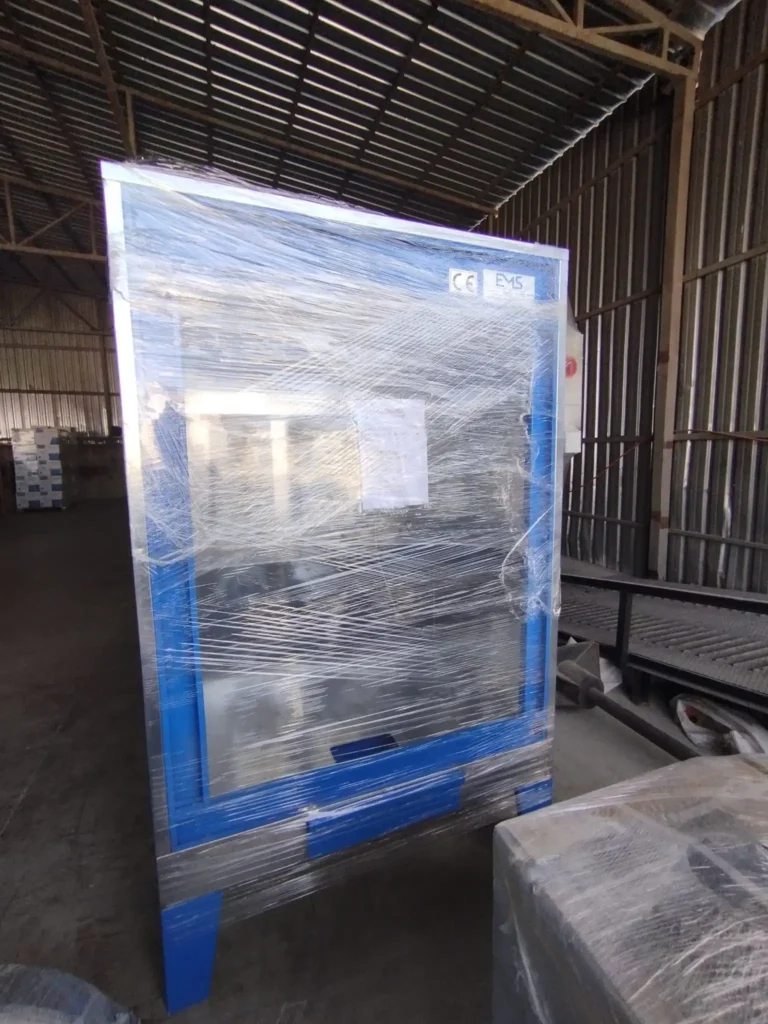
Transport of the powder coating equipment of our customers
Categories
Powder Coating Equipment Manufacturer

Fluidized Bed Powder Coating Machine

Fluidized Bed Powder Coating Machine

Fluidized Bed Powder Coating Machine: Fluidized bed coating equipment is used in various industries (such as pharmaceuticals, food, and chemicals) to coat solid particles or granules with a layer of material, typically to modify their properties like taste, dissolution rate, or appearance.

What is a Fluidized Bed Coating System?

fluidized bed involves suspending solid particles in an upward-flowing stream of gas (usually air), causing them to behave like a fluid. During coating, a liquid formulation (like a polymer solution or suspension) is sprayed onto the fluidized particles. The heated air dries the liquid, forming a solid coat.

Main Components of a Fluidized Bed Coater

  1. Product Chamber – Where the particles are fluidized and coated.
  2. Air Handling System – Provides and conditions the fluidizing air (heating, humidifying, filtering).
  3. Spray System – Includes nozzles to atomize the coating liquid (top-spray, bottom-spray [Wurster], or tangential-spray types).
  4. Exhaust System – Removes excess moisture and solvents.
  5. Control System – Monitors temperature, airflow, spray rate, etc.

Types of Fluidized Bed Coaters

  1. Top-Spray Coaters – Liquid is sprayed from the top; good for layering and granulation.
  2. Bottom-Spray (Wurster) Coaters – Precise coating with minimal agglomeration; ideal for controlled-release formulations.
  3. Tangential-Spray Coaters – Spray comes in from the side; suitable for larger particles or pellets.

Advantages

  • Uniform coating distribution.
  • Efficient drying and fast processing.
  • Scalable from lab to industrial scale.
  • Suitable for heat-sensitive materials (with appropriate control).

Applications

  • Pharmaceutical: Taste masking, enteric coating, sustained-release tablets or pellets.
  • Food: Flavor or nutrient encapsulation.
  • Agrochemical: Controlled release of pesticides or fertilizers.

Fluidized bed coating equipment works by suspending solid particles in a stream of gas, allowing for uniform coating with a liquid formulation. The particles are fluidized by air, and a liquid is sprayed onto them, then dried to form a coating. These systems are used in various industries like pharmaceuticals for controlled-release formulations, food for flavor encapsulation, and agrochemicals for slow-release pesticides. The equipment typically includes a product chamber, an air handling system, a spray system, and an exhaust system, all controlled to ensure optimal conditions for coating and drying. Fluidized bed coaters are versatile, scalable, and efficient, making them ideal for both small-scale laboratory work and large industrial processes. The ability to coat uniformly while controlling parameters like temperature and spray rate makes them valuable for applications requiring precision, such as in the pharmaceutical industry.

In a fluidized bed coating process, the fundamental principle is to create a state where solid particles—typically powders, granules, or pellets—are suspended in an upward stream of air or another gas. This fluid-like behavior ensures that each particle is well exposed and separated from others, enabling a uniform coating to be applied. The coating material, usually in liquid form such as a solution, suspension, or emulsion, is introduced into the fluidized bed through specially designed spray nozzles. As the liquid coating hits the moving particles, it adheres to their surfaces. The continuous flow of heated air rapidly evaporates the solvent or carrier fluid, leaving behind a dry and even film of the desired coating substance.

The entire system is carefully engineered to balance fluidization, spraying, and drying simultaneously. The airflow must be strong enough to suspend the particles but not so intense that it ejects them from the chamber. Spray parameters such as droplet size, spray angle, and flow rate are finely controlled to ensure that the coating is distributed uniformly and doesn’t cause particle agglomeration or wetting issues. Temperature and humidity of the air also play crucial roles, as they affect the drying rate and the physical properties of the final coating.

There are several spray configurations used depending on the nature of the coating and the application. Top-spray systems are often used for layering and granulation purposes, where the coating liquid is sprayed from above onto the fluidized particles. Bottom-spray configurations, also known as Wurster systems, are more precise and are widely employed for applications requiring uniform coating thickness, such as in pharmaceutical dosage forms like pellets or microgranules for controlled or delayed drug release. Tangential-spray systems involve a side entry of the spray and are particularly suited for coating larger or heavier particles that benefit from a more horizontal motion within the chamber.

The versatility of fluidized bed coating technology lies in its ability to handle a wide range of coating materials—polymers, sugars, waxes, resins—and substrates, making it suitable for multiple sectors. In pharmaceuticals, this equipment is used to modify drug release profiles, protect active ingredients from moisture or light, and mask unpleasant tastes. In the food industry, it helps in encapsulating flavors, vitamins, or minerals, improving shelf life and stability. In agriculture, it is used to prepare coated seeds, fertilizers, and pesticides that release gradually over time, enhancing efficiency and reducing environmental impact.

Moreover, the technology is scalable, allowing manufacturers to transfer a process from a laboratory-scale unit to a full-scale production system with relative ease. Modern fluidized bed coaters are equipped with automated control systems that continuously monitor and adjust key parameters, ensuring consistent product quality and regulatory compliance. The combination of high efficiency, reproducibility, and adaptability makes fluidized bed coating an essential part of modern manufacturing in several high-tech and high-precision industries.

The efficiency and precision of fluidized bed coating systems are largely due to the integration of advanced process controls and engineering designs that ensure repeatability and scalability. In pharmaceutical manufacturing, for instance, strict regulations such as Good Manufacturing Practices (GMP) and FDA requirements necessitate the use of equipment that can maintain tight control over process variables. Fluidized bed coaters meet this demand through features such as programmable logic controllers (PLCs), real-time monitoring of inlet and exhaust air temperatures, airflow rates, atomization pressure, spray rates, and bed temperature. These systems often include process analytical technology (PAT) tools, which allow operators to monitor coating thickness, moisture content, and even particle behavior in real time using sensors and feedback loops.

In terms of design, the internal structure of a fluidized bed coater is optimized to promote even fluidization and to avoid issues like dead zones (where particles may stagnate) or channeling (where airflow bypasses the product). The geometry of the product container, the location and number of spray nozzles, and the configuration of the air distributor plate are all critical. For example, in a Wurster coating setup, the product container includes a cylindrical partition or draft tube that directs the particles into a controlled circulation pattern: particles are pulled up through the center where they are sprayed and then fall down along the outer wall to re-enter the spraying zone. This allows for extremely uniform coatings and minimal cross-contamination.

The drying efficiency of the system is another important factor, particularly for heat-sensitive materials. Because fluidized bed coaters expose a large surface area of the product to hot air while keeping the particles in constant motion, they achieve very fast drying rates without exposing the material to excessively high temperatures. This is critical when working with pharmaceuticals, enzymes, probiotics, and other bioactive compounds that could degrade under thermal stress. Additionally, advanced systems offer features like multi-stage drying, adjustable humidity control, and even integrated solvent recovery for processes involving organic solvents.

From a maintenance and operational standpoint, fluidized bed coaters are designed for ease of cleaning and quick changeovers, especially in multiproduct facilities. Many systems are built to support clean-in-place (CIP) or wash-in-place (WIP) procedures, which reduce downtime and contamination risk. Material contact surfaces are typically made of stainless steel and are highly polished to prevent material buildup. Filters, gaskets, and seals are designed for quick disassembly and replacement.

Energy efficiency and environmental impact are also increasingly important in the design of modern fluidized bed coaters. Manufacturers are incorporating energy recovery systems, such as heat exchangers that reclaim waste heat from exhaust air to preheat incoming air. They also use low-energy spray technologies and systems to minimize overspray and material loss. In environmentally sensitive applications, exhaust air may be treated with scrubbers, HEPA filters, or solvent recovery systems to ensure emissions remain within permissible limits.

Ultimately, fluidized bed coating technology offers a highly customizable and robust platform for product development and commercial production across industries. It provides unparalleled control over coating quality, allows for integration with granulation or drying steps, and supports a wide range of formulation strategies. Its ability to adapt to different materials, batch sizes, and performance requirements ensures that it remains a cornerstone of advanced particle processing in the pharmaceutical, food, chemical, and agricultural sectors.

To understand the practical application of fluidized bed coating, consider the development of a sustained-release pharmaceutical pellet. The objective in such a case is to ensure that the active pharmaceutical ingredient (API) is released gradually over time, providing a prolonged therapeutic effect and reducing dosing frequency. The process typically starts with the formation of drug-loaded cores, often referred to as nonpareils or starter pellets, which are made using extrusion-spheronization or direct pelletization techniques. These cores are then coated using a fluidized bed coater to impart the desired release profile.

The coating formulation usually contains a polymer or a combination of polymers that control the rate at which the drug diffuses out of the pellet. Commonly used polymers include ethylcellulose, which forms a semi-permeable membrane, or methacrylate-based copolymers like Eudragit, which can be tailored for pH-dependent or time-dependent release. Plasticizers such as triethyl citrate or polyethylene glycol are added to enhance film flexibility and adhesion. The coating solution may also contain pigments, surfactants, or pore-forming agents, depending on the final product requirements.

During the coating process, the pellets are fluidized in a column while the polymer solution is sprayed from a bottom-spray nozzle (Wurster configuration). This setup ensures that each pellet repeatedly passes through the spray zone, receiving even layers of the coating material. As the heated air passes through the bed, it rapidly dries the wet coating, solidifying it into a uniform film. The process continues until the desired coating weight gain is achieved, which directly influences the drug release rate. For instance, a 10% weight gain might result in a 12-hour release profile, while a 15% weight gain could extend release to 18 or 24 hours.

Process parameters such as inlet air temperature, product temperature, spray rate, atomizing pressure, and fluidization air volume are critical and must be carefully optimized. If the spray rate is too high relative to drying capacity, the particles can become over-wet and stick together, leading to agglomeration or uneven coating. If the temperature is too low, the solvent may not evaporate efficiently, compromising film formation. Conversely, overly high temperatures might dry the droplets before they reach the particle surface, resulting in poor adhesion or dusty coatings.

Once coating is complete, the product undergoes a curing step, which may involve storing the coated pellets under controlled temperature and humidity to allow the polymer chains to coalesce fully and form a continuous film. This step is especially important for aqueous coatings, where initial film formation may be incomplete. Stability testing follows, to assess how the coated product behaves under various environmental conditions, such as heat, humidity, and light. Dissolution testing is used to confirm that the release profile meets the intended specifications.

A similar approach is applied in the food industry for encapsulating sensitive ingredients like flavors, vitamins, or probiotics. Here, the goal may not be controlled release over time, but rather protection against degradation due to heat, moisture, or oxygen. For instance, vitamin C, which is highly unstable in the presence of light and oxygen, can be coated with a protective layer that dissolves only in the stomach. In these cases, the coating formulation might use materials like modified starches, shellac, or maltodextrins. The equipment and process principles remain largely the same, but the formulations and critical parameters differ based on the nature of the core material and the function of the coating.

The adaptability of fluidized bed coaters also allows them to support multi-layer coating processes. A single pellet can receive a sequence of coatings: first a sub-coating to improve adhesion, then a drug-containing layer, followed by a barrier layer, and finally an outer enteric or color coating. All of these layers can be applied in the same equipment with minimal intervention, making the process efficient and cost-effective.

Overall, fluidized bed coating systems are not just tools for applying a film—they are sophisticated platforms for engineering the behavior of particles in precise and reproducible ways. Through the intelligent selection of materials, meticulous control of process parameters, and robust system design, these technologies make it possible to tailor the physical, chemical, and functional properties of particulate products for a wide range of advanced applications.

Let’s explore how a fluidized bed coater is used in a real-world laboratory setting by walking through a simplified protocol for applying a sustained-release coating to pharmaceutical pellets. This type of protocol is commonly used during product development before scaling up to commercial manufacturing.

The process begins with a clear definition of objectives: in this case, creating a sustained-release formulation that delivers the active pharmaceutical ingredient (API) over 12 hours. Drug-loaded pellets (about 200–500 microns in diameter) are already prepared and sieved to ensure uniformity in size, which is crucial for consistent fluidization and coating. The coating material selected might be ethylcellulose, chosen for its water-insoluble properties, which retard drug release by forming a semi-permeable membrane around each pellet.

A coating solution is prepared by dissolving ethylcellulose in a suitable organic solvent like ethanol or isopropanol, or in water if an aqueous dispersion is used (such as Aquacoat® or Surelease®). A plasticizer such as triethyl citrate is added at 10–20% of the polymer weight to improve flexibility and prevent film cracking. The solution is mixed using a high-shear or magnetic stirrer and filtered to remove particulates that could clog the spray nozzle.

Next, the fluidized bed coater is prepared. In a lab setting, this might be a small unit with a product capacity of 100 grams to 2 kilograms. The product container is loaded with the pellets, and preheating begins. The inlet air is heated to a setpoint typically between 35°C and 45°C, depending on the sensitivity of the product. The airflow is adjusted to achieve stable fluidization, which is visually confirmed through a sight glass or by monitoring bed pressure drop.

The bottom-spray nozzle (Wurster insert) is selected for precise control. Before coating starts, the system is balanced: airflow, temperature, and nozzle air pressure are stabilized. The coating solution is pumped to the nozzle and atomized at pressures ranging from 1.5 to 2.5 bar. Spray rate is usually initiated at a conservative setting—say, 1.0 g/min—and then gradually increased while monitoring the product temperature and fluidization behavior. Throughout the process, operators continuously check for signs of over-wetting (clumping or sticking) or under-wetting (dust generation or poor coating adherence).

The coating is applied until the target weight gain is reached—say, 12% for a 12-hour release target. This is monitored using either real-time weighing or by sampling and weighing a small amount of the product periodically. During coating, outlet air temperature and humidity are closely monitored as they reflect the drying capacity of the system. For organic coatings, exhaust air may be routed through solvent recovery units or scrubbers to meet safety and environmental regulations.

After coating, the pellets are removed and subjected to a curing step. In a lab, this might involve placing the coated pellets in an oven at 40°C for 24 hours to allow the polymer chains to coalesce and form a continuous, defect-free film. This step significantly influences the final release behavior of the coated product. Without it, the film may be porous or uneven, leading to burst release or dose dumping.

Finally, the product is evaluated. Tests include:

  • Particle size distribution using sieves or laser diffraction.
  • Coating uniformity via scanning electron microscopy (SEM) or optical microscopy.
  • Drug release testing in dissolution baths, simulating gastric and intestinal fluids under USP conditions.
  • Stability testing under accelerated conditions (e.g., 40°C and 75% RH) to assess coating integrity over time.

Once the lab-scale process meets specifications, a scale-up plan is developed. This involves recalculating airflow, spray rates, and batch size based on the equipment geometry and process dynamics of larger coaters—often 10–100 times the size of the lab unit. A key challenge during scale-up is maintaining similar particle trajectories and drying conditions, which requires a deep understanding of fluid dynamics and heat/mass transfer principles in fluidized systems.

In industrial practice, further layers of automation are added, such as automated recipe controls, real-time weight monitoring, and closed-loop spray feedback systems to optimize reproducibility. However, the foundational steps—formulation design, parameter optimization, controlled application, and post-coating treatment—remain essentially the same across all scales.

Fluidized bed coaters, therefore, bridge the gap between precise formulation science and scalable industrial manufacturing. They are especially valuable in regulated sectors where product performance, consistency, and process validation are critical. Beyond pharmaceuticals, similar protocols are adapted for food and agrochemical coatings, often using more robust and less sensitive materials, but following the same engineering principles.

To further appreciate the sophistication of fluidized bed coating, it’s useful to look into the nuanced relationship between process parameters and product characteristics. In practice, every variable—from inlet air temperature to atomizing air pressure—plays a role in determining the quality of the final coated product. Small deviations can result in significant variations in coating uniformity, release profile, and physical integrity.

One of the most critical parameters is inlet air temperature, which affects both the drying rate and the surface morphology of the coating. If the temperature is too high, it can cause the solvent to evaporate too quickly, leading to a rough or porous film. In pharmaceutical applications, this may result in an uncontrolled release profile or film cracking. Conversely, too low a temperature can slow drying to the point where droplets coalesce on the particle surface, causing tackiness and agglomeration. Therefore, temperature is typically set just high enough to promote efficient drying without degrading heat-sensitive ingredients—usually in the range of 35°C to 55°C for aqueous systems and slightly lower for organic solvent-based systems due to the volatility of the solvents involved.

Atomizing air pressure and spray rate are tightly interlinked. The pressure needs to be high enough to generate fine droplets that can coat uniformly but not so high that they rebound from the particle surface or cause excessive turbulence. A finely atomized spray ensures that the droplets quickly form a thin, even coating and dry almost instantaneously as they contact the heated particles. Too high a spray rate, on the other hand, can overload the bed with liquid, leading to agglomeration and uneven coating. Therefore, these two variables are often adjusted in tandem during process development to achieve a stable spray-drying balance. This is why design of experiments (DoE) approaches are often used in R&D to optimize such multivariate systems.

Fluidization air volume determines the mobility of the particles in the bed. Insufficient airflow results in poor particle movement, creating dead zones and inconsistent coating. Excessive airflow can lead to attrition of coated particles or loss of fines through the filters. Ideal fluidization provides enough lift to keep the particles suspended in a stable, circulating pattern without causing mechanical stress or excessive turbulence.

Nozzle design and positioning also significantly impact coating performance. In bottom-spray Wurster systems, the nozzle is located at the base of the partition column, ensuring that particles are directed vertically through a narrow spray zone. This results in highly repeatable, controlled trajectories for each particle and minimizes the chances of bypassing the spray. For sensitive applications where even tiny defects in coating uniformity can affect drug release, Wurster configurations offer unmatched control. In contrast, top-spray systems, while less precise, are more commonly used for layering or granulating, where exact uniformity is less critical.

Bed load (the amount of material in the product chamber) influences how well the particles interact with the spray. Overloading the bed reduces circulation space, leading to clumping and uneven coating. Underloading can result in turbulent motion and inefficient use of spray solution. Most manufacturers determine optimal bed load based on both the chamber geometry and the size/density of the particles being coated.

An often underappreciated aspect of the fluidized bed coating process is coating material rheology—the viscosity and surface tension of the liquid being sprayed. These properties govern how the coating spreads over the particle surface and how quickly it forms a continuous film. A higher-viscosity formulation may require higher atomizing pressure to achieve adequate droplet size, but it also carries a higher risk of nozzle clogging and uneven application. Conversely, very low-viscosity coatings can penetrate too deeply into porous cores or dry too quickly, leading to defects. Surfactants and cosolvents are sometimes used to modulate these properties and achieve optimal coating behavior.

Analytical testing is crucial for confirming that all these tightly controlled parameters result in a product that meets specifications. Tools like near-infrared spectroscopy (NIR) and Raman mapping are used to non-invasively analyze coating thickness and uniformity, while high-performance liquid chromatography (HPLC) is employed to verify drug content and purity. Advanced dissolution testing, often using USP Apparatus I (basket) or II (paddle), is used to confirm that the coated pellets release the active ingredient at the intended rate and under simulated physiological conditions.

Finally, process scale-up brings its own set of challenges, primarily due to differences in heat and mass transfer, airflow dynamics, and equipment geometry. During scale-up, empirical relationships such as maintaining a constant spray flux (spray rate per unit area) or specific fluidization velocity (airflow per unit of bed cross-sectional area) are used as guidelines. However, scale-up is rarely linear and usually requires iterative fine-tuning. Modern scale-up efforts are aided by computational fluid dynamics (CFD) modeling, which simulates particle movement and airflow to optimize equipment design and operating conditions.

The depth and complexity of fluidized bed coating as a technology are matched by its versatility and reliability. Whether the goal is to produce a delayed-release pharmaceutical pellet, a moisture-resistant food granule, or a biodegradable agrochemical bead, the principles remain consistent. Mastery of this process enables formulators and process engineers to design advanced, functional particulate products with precisely controlled characteristics—truly a cornerstone of modern solid dosage form manufacturing.

Fluidized Bed Powder coating equipment manufacturing

Fluidized bed powder coating equipment is a specialized technology used for applying a dry powder coating to a substrate, typically metal parts. The key difference from traditional liquid coatings is that in powder coating, the coating material is applied as a powder, which is then melted and cured to form a solid, durable finish. Fluidized bed powder coating utilizes the same basic principle of fluidization, where powder particles are suspended in a stream of air, ensuring uniform coating coverage over the surface of the part.

How Fluidized Bed Powder Coating Works

  1. Fluidization Process: The powder is placed in a chamber where an upward airflow (usually via a perforated plate or bed) is used to suspend the powder particles. As the particles become suspended, they take on a fluid-like behavior, which allows them to be evenly distributed and applied to the surface of the workpieces. This is similar to fluidized bed coating used in other industries, but in this case, the aim is to coat solid parts with a dry powder.
  2. Coating Application: The part to be coated is dipped into the fluidized bed. As the part enters the chamber, the suspended powder adheres to the heated surface. The part may be pre-heated before dipping to ensure that the powder sticks effectively, creating a uniform coating.
  3. Curing: After the part is coated with the powder, it typically undergoes a curing process. The coated part is heated in an oven where the powder melts and bonds to the substrate. The temperature and time of curing depend on the type of powder being used but typically range between 160°C and 200°C for 10–30 minutes.

Key Components of Fluidized Bed Powder Coating Equipment

  1. Fluidized Bed Chamber: The chamber contains a perforated plate or mesh, which allows the air to flow upward, suspending the powder particles. The part to be coated is immersed into this fluidized bed of powder, and it picks up a uniform layer of powder coating.
  2. Air Supply System: This system provides the airflow that suspends the powder in the fluidized bed. Air is typically filtered and regulated to ensure the correct airflow and fluidization of the powder.
  3. Powder Storage and Delivery: The powder is stored in a hopper and is often equipped with a vibration mechanism to prevent clumping and ensure consistent flow. Powder is delivered into the fluidized bed chamber, where it is aerated by the airflow.
  4. Temperature Control System: The parts are often preheated before dipping, and a curing oven or infrared heaters are used after coating to melt and bond the powder to the surface.
  5. Exhaust System: A system that removes excess air and ensures that no unwanted powder particles are released into the environment, maintaining a clean workspace and preventing contamination.
  6. Control System: Modern fluidized bed powder coating equipment comes with an automated control system to monitor and adjust temperature, air pressure, flow rates, and timing, ensuring consistent application and curing.

Advantages of Fluidized Bed Powder Coating

  • Durability: Powder coatings provide excellent resistance to abrasion, corrosion, and weathering. The coating typically has a thicker and more uniform layer compared to liquid coatings, making it more durable and long-lasting.
  • Environmentally Friendly: Unlike liquid coatings, which may contain volatile organic compounds (VOCs) and solvents, powder coatings are free from these harmful chemicals. There is also little to no waste, as excess powder can be reclaimed and reused.
  • Uniform Coating: The fluidized bed allows for a consistent and uniform coating across all surface areas of the part, even complex geometries, ensuring high-quality finishes.
  • No Drips or Runs: Since the coating is applied as a powder, there is no risk of drips, runs, or sags, which can sometimes occur with liquid coatings.

Applications of Fluidized Bed Powder Coating

  • Metal Parts: Commonly used for coating metal parts in industries such as automotive, appliances, and manufacturing. The equipment is especially useful for large or irregularly shaped parts, such as automotive components, that are difficult to coat uniformly using traditional methods.
  • Corrosion Resistance: Fluidized bed coating is particularly valuable for applications where parts need a durable, corrosion-resistant finish, such as in industrial equipment, pipelines, and outdoor fixtures.
  • Heat-Sensitive Materials: For applications where a high level of temperature resistance is required, fluidized bed powder coating can be used with powders designed to withstand extreme temperatures.
  • Rework and Repair: It can also be used for re-coating or repairing previously coated parts by reapplying the powder and curing it to restore the finish.

Advantages Over Other Coating Methods

  • No Solvents: Unlike liquid coatings that often require solvents, powder coating uses no liquid solvents, making the process more environmentally friendly and reducing health risks associated with solvent exposure.
  • Thicker Coatings: Fluidized bed coating can create thicker coatings in a single dip, which is ideal for certain applications such as heavy-duty equipment parts.
  • Low Operational Costs: The powder can be reclaimed and reused, reducing material costs over time. Additionally, energy consumption may be lower compared to spray powder coating, as the parts are dipped directly into the fluidized bed.

Challenges and Considerations

  • Part Preheating: Preheating the parts is crucial for successful fluidized bed powder coating, especially for parts with complex geometries or large surface areas. The parts must be heated to the correct temperature to ensure proper powder adhesion.
  • Powder Type and Composition: The selection of powder is important. Different powders (such as epoxy, polyester, or hybrid blends) have different curing requirements and environmental characteristics, such as resistance to chemicals, UV degradation, and temperature.
  • Complex Geometry: While fluidized bed coating works well for a wide variety of shapes, very small or intricate parts may present challenges due to powder distribution issues. Careful selection of the fluidized bed’s air pressure and powder type can help mitigate this.

Fluidized Bed vs. Spray Powder Coating

While both fluidized bed and spray powder coating are effective methods for applying powder coatings, they differ in the way the powder is applied and the type of parts they are suited for.

  • Fluidized Bed Powder Coating: Ideal for large, simple parts or batches of small parts that can be dipped in the bed. It is better for thicker coatings and is well-suited for applications like heavy-duty industrial equipment or metal components.
  • Spray Powder Coating: Involves spraying a charged powder onto the substrate, typically using an electrostatic charge to attract the powder. This method is better for complex geometries or parts that cannot be easily dipped into a fluidized bed. It also offers more precise control over the thickness of the coating.

Conclusion

Fluidized bed powder coating equipment is a reliable, efficient, and environmentally friendly method for applying a durable and uniform coating to parts, especially metal substrates. Its application spans industries such as automotive, aerospace, and manufacturing, where long-lasting, corrosion-resistant finishes are required. While it may not be the most suitable choice for highly intricate or small parts, its benefits of uniformity, environmental friendliness, and the ability to apply thicker coatings make it an excellent option for many industrial applications.

Fluidized bed powder coating equipment manufacturing involves a sophisticated process to design and produce machines capable of coating a variety of substrates, typically metal, with a powder coating. These machines use the principle of fluidization, where powdered coating material is suspended in an upward flow of air, creating a “fluid-like” effect. This allows the powder to evenly coat the surface of parts that are then cured in a high-temperature oven. The key benefits of fluidized bed powder coating include its ability to apply thick, durable coatings efficiently, without the need for solvents, which makes it an environmentally friendly option compared to traditional liquid coating methods. This process is particularly effective for coating parts that are large, have simple geometries, or are prone to corrosion. The typical industries that benefit from fluidized bed powder coating include automotive, industrial equipment manufacturing, and even some consumer goods like appliances. Fluidized bed coating is often used in situations where high durability and corrosion resistance are critical.

In manufacturing fluidized bed powder coating equipment, a primary challenge is ensuring precise airflow control and uniform powder distribution. The equipment is designed with a chamber where the powder is introduced and suspended by an air supply system. The powder is kept fluidized in the chamber by a combination of air pressure, temperature control, and mechanical vibration to keep the powder from clumping together. This powder is then applied to the parts that are dipped into the fluidized bed. Parts that are to be coated are preheated, which helps the powder adhere more effectively when they are immersed into the bed.

Once coated, the parts are moved into a curing oven where the powder melts and forms a solid, uniform coating on the part. The curing process generally requires heat in the range of 160°C to 200°C, with a curing time of 10 to 30 minutes depending on the size and type of powder used. The temperature and curing time need to be carefully controlled to ensure the coating is sufficiently hardened and bonded to the substrate.

The equipment itself includes several key components such as the fluidized bed chamber, air supply system, powder storage and delivery systems, temperature control systems, and curing ovens. The chamber is typically fitted with a perforated plate that allows air to be blown upward, keeping the powder suspended. The air supply system consists of a fan, filter, and air regulator to ensure a consistent flow and pressure of air. The powder is stored in hoppers and often features mechanisms to prevent clumping, such as vibrators that help maintain a steady flow of powder into the chamber.

Powder storage and delivery systems ensure that the powder remains consistent in flow and quality, and this often involves vibration or mechanical agitation to prevent powder from settling or becoming compacted. The temperature control system regulates the temperature of the air used to fluidize the powder and the temperature of the preheated part. A reliable temperature control system is crucial for maintaining the consistency of the coating and ensuring that parts are adequately preheated before they enter the fluidized bed. A proper exhaust system is also crucial to remove excess powder and prevent contamination of the workspace.

A significant advantage of fluidized bed powder coating equipment is its ability to provide thicker coatings in a single application, which makes it ideal for parts that need a robust finish to protect against wear and corrosion. The process itself is highly efficient, as excess powder can be reclaimed and reused, which reduces material waste. This characteristic is especially beneficial in industries where cost control is important and where the coating material is expensive. Additionally, fluidized bed powder coating requires no solvents, reducing environmental impact and worker exposure to harmful chemicals, making it a more sustainable choice compared to traditional liquid coatings that may contain volatile organic compounds (VOCs).

The equipment is particularly suited for large or simple-shaped parts, such as automotive components, metal frames, and appliance parts. However, it may not be the ideal choice for parts with complex shapes or very fine details, as it can be difficult to control the powder application precisely on such parts. In these cases, spray powder coating systems may be preferred, as they provide more precise application control through electrostatic charges.

In manufacturing these fluidized bed powder coating systems, suppliers typically work closely with end-users to understand their specific coating needs and then customize the equipment to ensure it meets the necessary specifications. This may include adjusting the size of the fluidized bed chamber, optimizing airflow systems, and fine-tuning the curing process. Advanced fluidized bed coating systems may even incorporate automated controls to adjust the spray rates, airflow, and temperature in real-time, ensuring a more consistent coating result and reducing the need for manual intervention.

Finally, after the equipment is assembled and tested, manufacturers ensure that it complies with industry standards and regulations, such as safety protocols for airflow and temperature control and compliance with environmental standards. The equipment must be robust enough to handle the continuous, high-demand operation often required in industrial environments. Therefore, material selection for components like the chamber, air supply system, and curing ovens is critical for the durability and longevity of the equipment. High-performance alloys or special coatings may be used for parts exposed to extreme temperatures or wear.

Overall, fluidized bed powder coating equipment manufacturing combines engineering precision, material science, and process control to create machines that deliver durable, consistent, and environmentally friendly coatings for a wide range of applications. As industries continue to demand higher-quality finishes and more sustainable practices, the role of fluidized bed powder coating is likely to expand, with ongoing advancements in equipment design and technology.

As the demand for efficient and sustainable manufacturing processes continues to grow, the design and advancement of fluidized bed powder coating equipment is also evolving. The future of fluidized bed coating involves improvements in automation, process control, and material recovery, all of which contribute to making the process even more efficient and cost-effective.

One of the most exciting areas of development is automation. Many fluidized bed powder coating systems are now being designed with integrated automation capabilities, such as robotic handling and automated coating thickness measurement. Robots can be used to handle the parts being coated, reducing the need for manual intervention and increasing throughput. Automation also allows for better consistency and quality control, as robots can follow pre-programmed movements and ensure that each part is coated in exactly the same way, at the same speed, and under the same conditions.

Another critical advancement is the integration of real-time process control. Modern fluidized bed powder coating systems are increasingly equipped with sensors and control systems that monitor key parameters such as airflow rate, temperature, powder density, and coating thickness. These systems can automatically adjust parameters to maintain consistent coating quality. This real-time feedback not only reduces human error but also allows manufacturers to fine-tune the process, making it possible to produce high-quality coatings even at larger scales.

To further optimize the material recovery process, many fluidized bed powder coating systems now feature advanced reclaim systems. In these systems, excess powder that is not used in the coating process is collected and reused, greatly reducing material waste. The powder is often recycled through sophisticated filtration systems that ensure only clean, non-contaminated powder is reused. This is especially important in applications where the powder is costly or where environmental concerns demand that waste be minimized. These reclaim systems can significantly reduce operational costs and minimize the environmental impact of the coating process.

Additionally, energy efficiency has become a major focus in the development of fluidized bed powder coating equipment. As energy consumption plays a significant role in operating costs, many modern systems are designed to be more energy-efficient. Advances in heat recovery systems, where excess heat from the curing process is recycled, are reducing the amount of energy required to maintain consistent curing temperatures. This not only lowers energy costs but also minimizes the environmental footprint of the manufacturing process.

Material innovations also play a key role in improving the overall performance of fluidized bed powder coating systems. For example, the development of new types of powders—such as low-temperature curing powders, high-temperature-resistant powders, or powders with enhanced adhesion properties—has expanded the range of applications for fluidized bed coating. These innovations allow manufacturers to coat materials that were previously difficult to coat or to achieve new, specialized finishes, such as coatings that are both heat- and chemical-resistant.

Another area of progress is improved powder storage and handling systems. Traditional powder storage methods often involved large, static hoppers, but modern systems have been designed with more advanced features. For instance, powder storage is increasingly becoming more automated and features integrated vibration mechanisms to prevent clumping and ensure a consistent flow of powder into the fluidized bed. This increases the efficiency of the coating process and reduces downtime caused by clogged powder lines or inconsistent powder flow.

Additionally, improvements in safety have been an ongoing focus in fluidized bed powder coating equipment manufacturing. Since powders can sometimes be combustible, safety features are incorporated into equipment to mitigate these risks. Equipment now comes with advanced explosion-proof designs and better filtration systems to prevent the accumulation of flammable powders. Furthermore, better ventilation and dust extraction systems are being integrated to protect workers from inhaling harmful dust, which is especially important in industrial settings.

One of the most important considerations in fluidized bed powder coating is the selection of appropriate powders for specific applications. For example, some coatings are designed to be highly resistant to abrasion, corrosion, or UV degradation, while others may focus on providing an aesthetically pleasing finish. As industries continue to develop new materials and coatings, manufacturers of fluidized bed equipment are adapting to these needs by offering systems capable of handling a wider variety of powders, including those for specialized coatings like metallic or textured finishes.

To support a diverse range of industries, fluidized bed systems are becoming more customizable. Manufacturers are offering modular systems that can be scaled up or down depending on the needs of the business. For instance, a small shop may require a compact, bench-top unit for coating small batches, while a larger manufacturer may require an industrial system capable of handling thousands of parts per day. The flexibility of these modular systems means that manufacturers can adapt their equipment to meet specific production requirements, without being limited by the size or configuration of the system.

Finally, environmental regulations are driving the demand for more sustainable and eco-friendly fluidized bed powder coating solutions. As stricter regulations are introduced worldwide concerning emissions, waste, and VOCs (volatile organic compounds), fluidized bed coating offers an effective solution due to its solvent-free nature. Moreover, manufacturers are also focusing on reducing the environmental impact of the curing process. Instead of relying solely on traditional electric or gas-powered curing ovens, newer technologies are being explored, such as infrared and UV curing, which can reduce energy consumption and improve processing speed.

The growing trend toward green manufacturing and sustainability is pushing fluidized bed powder coating equipment manufacturers to explore new ways to reduce environmental impact, such as designing equipment with reduced energy consumption and low-emission systems. Moreover, the ability to recycle and reuse coating powders makes fluidized bed powder coating one of the more sustainable coating methods available.

In conclusion, fluidized bed powder coating equipment manufacturing is experiencing significant advancements that make the process more efficient, sustainable, and versatile. These developments are responding to the needs of various industries, from automotive to heavy-duty equipment manufacturing, and will continue to evolve as new materials, powders, and process technologies emerge. The integration of automation, real-time monitoring, improved energy efficiency, material recovery, and sustainability ensures that fluidized bed powder coating remains a leading solution in the coating industry, providing durable, high-quality finishes while minimizing environmental impact and operational costs.

The future of fluidized bed powder coating equipment manufacturing is poised to evolve further with emerging trends and technological innovations, enhancing the overall efficiency and application versatility of the process. As industries continue to push the boundaries of performance, durability, and environmental responsibility, fluidized bed powder coating systems are being developed with even greater focus on automation, precision, and sustainability.

Advanced Automation and AI Integration

Automation has been a significant driver in optimizing fluidized bed powder coating processes. The next stage of development lies in the integration of artificial intelligence (AI) and machine learning. AI can be used to predict and control variables such as coating thickness, air pressure, and curing times in real time, ensuring consistent and high-quality finishes. This is particularly useful in high-volume production settings where maintaining uniform quality across hundreds or thousands of parts is critical. Machine learning can also be employed to optimize powder use, detect anomalies in the coating process, and make adjustments without human intervention, increasing the precision of the operation.

Furthermore, robotic systems are increasingly being integrated into fluidized bed systems, particularly in larger manufacturing environments. Robots can handle the movement of parts through the system, from preheating to powder coating to curing, all while ensuring minimal human involvement. This not only improves speed and reduces the risk of human error but also ensures safer working conditions, particularly in environments where powder handling may expose workers to hazardous materials or dust.

3D Printing and Fluidized Bed Powder Coating

One of the emerging trends that could reshape fluidized bed powder coating is the synergy between 3D printing and powder coating. As 3D printing technology becomes more advanced, particularly with metal additive manufacturing, the ability to apply a fluidized bed powder coating to 3D printed parts is becoming more common. 3D printed parts can often have rough surfaces or micro-porosities that make them difficult to finish without a protective coating. Fluidized bed coating is well-suited to these challenges, as it can provide an even, high-durability coating on complex geometries, adding a protective layer that enhances the performance of 3D printed metal parts. The combination of 3D printing and fluidized bed powder coating is especially valuable in industries such as aerospace, automotive, and medical device manufacturing, where precision, performance, and part durability are crucial.

Enhanced Powder Technologies

The continuous development of powder materials is one of the key drivers of change in fluidized bed coating. New powders with improved properties—such as nano-coatings, powders with embedded antimicrobial properties, or coatings that offer enhanced UV and heat resistance—are being developed for specific applications. For example, powders that can cure at lower temperatures allow manufacturers to coat heat-sensitive materials or reduce the energy required for curing. The inclusion of functional additives in powder formulations, such as conductive, anti-corrosion, or anti-fingerprint agents, enhances the versatility of fluidized bed powder coating for highly specialized applications, particularly in electronics and high-tech manufacturing sectors.

Hybrid powder systems, combining different powder types to take advantage of multiple performance characteristics, are also becoming more common. These hybrid powders can offer enhanced physical properties, such as increased impact resistance or flexibility, while maintaining the aesthetic qualities of a smooth, glossy finish.

Smart Powder Recovery Systems

As environmental concerns grow, the recycling and recovery of powder materials is becoming more important. Advanced powder recovery systems are designed to maximize the reuse of excess powder, reducing material waste and cutting costs. New vacuum recovery systems and automated sieving techniques have been developed to reclaim powder that has been removed from parts and filter out contaminants, ensuring that only clean powder is reused. These innovations make it possible to significantly reduce the amount of wasted powder, improving both cost-effectiveness and sustainability. Moreover, the integration of digital sensors can monitor powder quality during recovery, ensuring that the reclaimed powder meets the necessary specifications for reuse.

Sustainability and Energy Efficiency

The push toward green manufacturing continues to be a driving factor in the development of fluidized bed powder coating systems. Manufacturers are constantly looking for ways to reduce energy consumption and minimize waste in the powder coating process. Advances in energy-efficient curing ovens, which use technologies like infrared curing, are becoming more widespread. Infrared heating is more efficient because it directly heats the part rather than the surrounding air, reducing overall energy consumption and speeding up the curing process.

Additionally, the development of low-energy fluidized bed systems is aimed at reducing the amount of electricity required for powder fluidization. By optimizing the airflow and pressure control, manufacturers are able to minimize energy consumption while maintaining the coating quality and speed. The use of sustainable powders—such as those that are biodegradable or have a lower carbon footprint—is also gaining traction, ensuring that fluidized bed powder coating aligns with broader sustainability goals.

Globalization and Customization

As global supply chains continue to expand, the demand for customizable fluidized bed coating systems that can cater to different regional needs is increasing. Equipment manufacturers are focusing on offering modular designs that allow for quick adjustments and scalability. These modular systems can be easily upgraded or adjusted based on specific customer requirements, whether for changes in production volume, coating types, or part sizes.

Customization also extends to regional powder formulations, which are tailored to local environmental conditions. For example, manufacturers in areas with high humidity may require coatings that offer enhanced moisture resistance, while those in high-temperature regions may need coatings that are more heat-resistant. By offering equipment that can accommodate these specific needs, fluidized bed powder coating manufacturers are better able to serve diverse markets worldwide.

Increased Focus on Quality Control

With the increasing complexity of parts and coatings, manufacturers of fluidized bed powder coating equipment are focusing more on precision and quality control systems. The use of digital platforms that can track every aspect of the coating process—airflow, powder flow rate, part movement, temperature, curing time, and thickness—helps ensure consistent quality across all parts. These digital solutions can also provide real-time data, allowing for immediate adjustments to be made to the coating process if needed, reducing downtime and improving operational efficiency.

Vision-based inspection systems, integrated into coating lines, can automatically detect defects in coatings, such as thin spots, excessive coating, or uneven coverage. This is particularly useful in industries where even minor defects can be costly, such as aerospace or electronics.

Collaboration Across Industries

Finally, the future of fluidized bed powder coating will likely involve greater collaboration across industries. As the need for more specialized coatings and equipment grows, manufacturers of fluidized bed coating systems are increasingly working alongside material suppliers, industry researchers, and end-users to develop coatings that meet specific performance requirements. For example, aerospace companies may partner with coating equipment manufacturers to create coatings that provide both corrosion resistance and weight savings, while automotive manufacturers might focus on developing coatings that provide both a high-quality aesthetic finish and superior scratch resistance.

The ongoing collaboration across sectors will ensure that fluidized bed powder coating continues to meet the ever-changing demands of modern manufacturing, delivering high-quality, durable finishes in an environmentally responsible manner.

In conclusion, the fluidized bed powder coating industry is evolving with rapid technological advancements aimed at improving efficiency, sustainability, and quality. From automation and AI integration to the development of new powder materials and energy-efficient systems, these innovations are setting the stage for a more advanced and eco-friendly future in coating technology. Whether for automotive, aerospace, or consumer goods manufacturing, fluidized bed powder coating is adapting to meet the needs of diverse industries while also addressing global challenges such as sustainability and energy efficiency.

As the fluidized bed powder coating industry continues to advance, several emerging trends and innovations are shaping its future trajectory. These developments will not only impact the operational aspects of fluidized bed coating but also expand its applications across a variety of sectors. Let’s explore some of these future directions.

Emerging Coating Technologies

The integration of nanotechnology in fluidized bed powder coatings is one of the most exciting areas of development. Nanomaterials, due to their unique properties, offer a significant enhancement in the performance of coatings. For instance, nanocoatings can provide increased hardness, enhanced corrosion resistance, and better wear resistance compared to conventional coatings. These properties make nanotech powder coatings ideal for demanding applications in industries such as aerospace, automotive, and military manufacturing.

Further, self-healing coatings are being explored for fluidized bed systems. These coatings can automatically repair themselves when damaged, greatly extending the lifespan of coated parts. This technology is particularly useful for parts exposed to extreme environmental conditions or wear, such as in offshore oil rigs, transportation, and heavy machinery.

Graphene-based coatings, known for their strength, flexibility, and conductivity, are gaining traction in fluidized bed coating systems. Graphene can provide coatings that are lightweight yet incredibly strong, offering enhanced protection against corrosion, temperature extremes, and physical damage. These advanced materials are especially promising in industries where high performance and durability are critical, such as in electronics and battery manufacturing.

Digitalization and the Internet of Things (IoT)

Another key trend in fluidized bed powder coating equipment manufacturing is the increasing role of digitalization and IoT (Internet of Things). IoT-enabled coating equipment allows manufacturers to gather vast amounts of data from their systems, providing insights into every aspect of the coating process. Sensors embedded in fluidized bed systems can monitor variables like powder density, air velocity, temperature, and humidity. These sensors communicate in real time with a centralized control system, enabling automatic adjustments and providing predictive analytics to prevent downtime before it occurs.

The integration of cloud computing allows for the storage and analysis of large datasets from multiple coating lines, enabling manufacturers to optimize processes across entire plants. This enables manufacturers to run predictive maintenance schedules, forecast the need for repairs or replacements, and continuously fine-tune the coating process. In addition to improving performance, these digital tools help manufacturers comply with regulatory standards by providing traceability of the coating process, which can be critical for quality assurance in certain industries such as aerospace, automotive, and food manufacturing.

Eco-Friendly Powder Coatings

As sustainability continues to be a driving force in manufacturing, there is a growing emphasis on eco-friendly powder coatings. Manufacturers are working on developing coatings that not only perform well but also minimize environmental impact throughout their lifecycle. This includes reducing the energy consumption during curing, developing coatings made from renewable or non-toxic materials, and using biodegradable powders.

The shift towards water-based powder coatings is one of the significant eco-friendly innovations. Traditional powder coatings often rely on petroleum-based chemicals, but water-based alternatives are being developed to reduce the environmental footprint of the powder coating process. These water-based coatings are not only less harmful but also contribute to reducing the volatility of the overall production process. Waterborne powder coatings can be designed to perform at high levels while offering low environmental impact, making them an excellent choice for a wide range of applications.

Recyclability of both the powder itself and the coated parts is another critical consideration in the push for more sustainable manufacturing practices. Efforts to improve the end-of-life recyclability of coated products will reduce waste and contribute to the circular economy, where materials are reused and recycled rather than discarded. Advances in waste management systems in fluidized bed coating equipment are helping reduce the disposal of powder waste, while also enabling more efficient reclamation and reuse of powder materials.

Robotics and Additive Manufacturing in Coating

Robotics is not just revolutionizing the handling of parts through the coating process but also opening up possibilities for additive manufacturing (AM) and 3D printing to be integrated into the powder coating process. In industries like automotive and aerospace, where parts often have complex geometries or customized features, the ability to 3D print metal or plastic parts and then coat them using fluidized bed powder coating systems presents numerous advantages.

The combination of 3D printing with fluidized bed powder coating offers manufacturers the flexibility to create highly detailed or complex parts with tailored coatings. For example, 3D printed parts could be designed to have hollow sections, intricate patterns, or unusual shapes, which are then uniformly coated with powder to ensure durability and performance. Additive manufacturing also allows for the production of low-volume, highly specialized parts, reducing waste and inventory costs while still benefiting from the protective and aesthetic qualities of powder coatings.

Moreover, robotic arms are increasingly being used to handle these 3D-printed parts through fluidized bed coating processes. The precision of robotics allows for better control over the part positioning, ensuring uniform coating even on intricate designs. Robotic arms also improve efficiency by handling high-mix, low-volume runs, which is common in industries like prototyping and aerospace, where custom parts are often required.

Global Trends and Customization

As manufacturers continue to serve global markets, the need for customizable coating solutions grows. Manufacturers are increasingly focusing on flexible fluidized bed powder coating systems that can be adapted to local regulations, customer preferences, and product specifications. For instance, regions with extreme temperatures may require powder coatings that provide enhanced thermal protection, while coastal areas may require coatings with advanced corrosion resistance due to exposure to saltwater.

Additionally, local supply chains and regional manufacturing needs will play a larger role in shaping fluidized bed powder coating equipment. For example, some regions may prioritize equipment that can handle specific types of coatings or that comply with strict environmental regulations. Manufacturers will need to offer more modular systems that can be quickly adjusted or reconfigured to meet regional demands. The ability to produce coating equipment that can be tailored to a specific market will be a key competitive advantage in the global marketplace.

Consumer Demand for Aesthetic Finishes

With an increasing focus on aesthetics, particularly in consumer-facing industries such as automotive, electronics, and furniture, the demand for high-quality, visually appealing coatings is on the rise. Manufacturers are increasingly relying on fluidized bed powder coating systems to deliver smooth, uniform, and aesthetically pleasing finishes. Innovations in this area include the use of textured and metallic coatings that give products a distinctive look and feel while providing the durability expected from powder coatings.

High-performance clear coatings are also gaining popularity, particularly in applications like automotive wheels and consumer electronics, where the coating needs to provide a gloss finish without compromising the substrate’s performance. As demand for more complex aesthetic finishes rises, fluidized bed powder coating equipment manufacturers will need to continuously innovate to offer customers a broad range of surface finishes, including matte, gloss, and satin effects.

Future Challenges and Opportunities

Despite the advancements, several challenges remain for the future of fluidized bed powder coating. These include the need for greater precision in powder application for intricate parts, addressing safety risks associated with handling certain types of powders, and reducing the cost of advanced powders that can be prohibitively expensive for some manufacturers.

However, these challenges present opportunities for further innovation. Research into advanced coating materialsmore precise powder application technologies, and safety advancements will ensure that fluidized bed coating remains competitive. Additionally, as global manufacturing continues to evolve, the demand for customized, sustainable, and high-performance coatings will continue to drive the development of fluidized bed powder coating equipment.

In conclusion, the fluidized bed powder coating industry is entering an era of rapid innovation, driven by technological advancements, automation, sustainability initiatives, and growing consumer demand for higher-quality and more durable finishes. As these trends continue to unfold, the future of fluidized bed powder coating promises more efficient, flexible, and environmentally responsible solutions, capable of meeting the diverse and ever-evolving needs of manufacturers worldwide.

Fluidized bed powder coating machine

fluidized bed powder coating machine is a specialized piece of equipment used in the powder coating process, where a dry powder is applied to parts or substrates to create a durable and uniform finish. Unlike traditional spray coating, fluidized bed coating involves a bed of powder suspended in a stream of air, which helps to coat the parts. The fluidized bed process is particularly well-suited for coating metal components, especially those that are complex in shape or have intricate designs. Here’s an overview of how these machines work and their key components:

How Fluidized Bed Powder Coating Works

  1. Fluidized Bed: The key feature of the system is the fluidized bed, which is a container that holds the powder material. The powder is usually composed of thermosetting resins that will melt and cure when exposed to heat. The bed of powder is kept suspended by an upward stream of air supplied through the bed’s bottom. This makes the powder behave like a liquid, allowing it to coat objects evenly.
  2. Heating the Part: The part to be coated is typically preheated in an oven before being immersed in the fluidized bed. Preheating ensures that the powder adheres better to the surface. The part is usually heated to a temperature where the powder can easily melt and bond.
  3. Coating: When the preheated part is dipped or inserted into the fluidized bed, the fine powder particles attach themselves to the surface of the part due to electrostatic attraction and thermal bonding. The part is then gently removed from the fluidized bed, leaving a uniform coating on its surface.
  4. Curing: After coating, the part is typically placed in a curing oven. The heat causes the powder to melt, flow, and fuse into a smooth, durable, and hard finish. The curing process solidifies the coating, giving it the final desired characteristics such as toughness, resistance to corrosion, and color.

Key Components of a Fluidized Bed Powder Coating Machine

  1. Fluidized Bed Container: This is the part of the system where the powder is kept in suspension. The container is usually equipped with an air distribution plate or screen at the bottom to evenly distribute the airflow across the powder bed. The right air velocity is critical to maintaining an even fluidization of the powder.
  2. Air Supply System: The air supply system forces air through the fluidized bed, suspending the powder and allowing it to behave like a liquid. This air supply is typically controlled by a compressor, and adjustments to the airflow can control the density of the powder bed and its fluidization characteristics.
  3. Powder Material: The powder material used in fluidized bed coating is typically a thermosetting polymer, which melts and fuses upon heating. Common powders include epoxy, polyester, and hybrid formulations, depending on the application and desired properties such as corrosion resistance, hardness, and appearance.
  4. Preheating Oven: A preheating oven is used to bring the parts to the desired temperature before they are coated. The temperature of the parts typically ranges between 180–200°C (350–400°F) before immersion in the fluidized bed. Preheating is necessary for proper adhesion and to ensure an even coating.
  5. Curing Oven: After coating, the part must be cured in a separate oven. This oven maintains a specific temperature for a set period to allow the powder to fully melt, flow, and bond to the surface, creating a durable and solid finish.
  6. Control System: Modern fluidized bed powder coating machines are equipped with automated control systems that regulate the airflow, temperature, and timing of various processes to ensure consistency and quality. These systems allow for adjustments based on the size, type, and material of the parts being coated, as well as the type of powder used.

Advantages of Fluidized Bed Powder Coating

  • Uniform Coating: The fluidized bed system ensures that powder is evenly applied to the surface of the parts, providing a consistent finish even on complex geometries.
  • No Overspray: Unlike spray coating, fluidized bed coating minimizes the loss of powder due to overspray. This leads to better material utilization and reduced waste.
  • Durability: Powder coatings are generally more durable than liquid coatings. Fluidized bed coating is particularly beneficial for creating tough, abrasion-resistant finishes.
  • Low Environmental Impact: Fluidized bed coating does not require solvents, which means no harmful volatile organic compounds (VOCs) are emitted during the process, making it more environmentally friendly compared to conventional liquid coatings.
  • No Need for Chemical Substrates: Parts do not need to be chemically treated before coating, as the powder coating will naturally adhere to properly prepared or preheated metal surfaces.

Applications of Fluidized Bed Powder Coating

Fluidized bed powder coating machines are used across many industries due to their ability to provide high-quality, durable finishes. Some common applications include:

  • Automotive: For coating parts such as engine components, wheels, and chassis parts.
  • Aerospace: For coating high-performance parts exposed to extreme conditions.
  • Furniture: For creating scratch- and corrosion-resistant finishes on metal furniture.
  • Consumer Goods: For coating items like home appliances, garden equipment, and tools.
  • Industrial Equipment: For coating parts exposed to heavy wear, including machinery components and frames.
  • Architectural Coating: Used for exterior applications such as coatings on architectural metal frames, gates, and other structural components exposed to the elements.

Types of Fluidized Bed Powder Coating Machines

  1. Standard Fluidized Bed Systems: These are the traditional machines with a simple fluidized bed setup that works by immersing preheated parts directly into the bed of powder. They are ideal for low-volume, high-quality coating applications.
  2. Automated Fluidized Bed Systems: For high-volume production environments, automated fluidized bed systems can handle parts with minimal human intervention. These systems are often integrated with robotic arms or conveyors for continuous part movement, reducing labor costs and increasing throughput.
  3. Batch Systems: These machines are designed for processing small to medium-sized batches of parts. They are ideal for companies that need flexibility in handling different part sizes and types.
  4. Custom Fluidized Bed Systems: Some manufacturers offer custom fluidized bed coating machines designed for specialized applications, such as those involving unique powder formulations or specific process requirements. These systems may include advanced temperature control, dust collection systems, or specialty curing ovens.

Considerations When Selecting a Fluidized Bed Powder Coating Machine

  1. Part Size and Shape: Consider the size and complexity of the parts being coated. Some machines are better suited for smaller, more intricate components, while others are designed for larger, bulkier parts.
  2. Powder Type: The choice of powder is important for achieving the desired finish. Different powders have different properties in terms of curing temperature, flexibility, and appearance. Make sure the machine is compatible with the type of powder you plan to use.
  3. Production Volume: For high-volume production, look for machines that offer automation, precision, and consistent quality. Automated fluidized bed systems may be needed for high-throughput environments.
  4. Environmental Considerations: Consider the environmental impact, especially in terms of powder waste. Fluidized bed systems are more efficient in powder use, but the overall design should also incorporate waste reduction features like reclaim systems or air filtration.

Maintenance of Fluidized Bed Powder Coating Machines

To maintain the efficiency and effectiveness of a fluidized bed powder coating machine, regular maintenance is required:

  • Cleaning: Regular cleaning of the fluidized bed container and air distribution system is essential to prevent powder buildup and clogging.
  • Airflow Inspection: The airflow should be checked regularly to ensure uniform powder suspension and consistent coating. Over time, airflow may need adjustments due to wear or changes in the system.
  • Powder Quality Control: Monitoring and maintaining the quality of the powder material is crucial. Old or contaminated powder may not adhere well and can result in defects in the coating.
  • Inspection of Heating Systems: Preheating and curing ovens should be inspected regularly to ensure proper temperature control and uniform heating.

In summary, fluidized bed powder coating machines are an effective solution for applying uniform, durable, and environmentally friendly coatings to a wide range of parts. These machines are especially useful in industries that require high-quality finishes on complex parts or in high-volume production environments. By selecting the right system and regularly maintaining it, manufacturers can ensure optimal performance and consistent coating quality.

Fluidized bed powder coating machines are specialized pieces of equipment used in the application of dry powder coatings to parts or substrates. The fluidized bed coating process works by suspending powder particles in a stream of air, allowing them to behave like a liquid. The process involves several stages, including preheating the part to be coated, immersing it into the fluidized bed to apply the powder, and then curing the coated part in an oven to achieve a durable and uniform finish.

In a typical fluidized bed system, the powder material, usually composed of thermosetting resins, is contained in a bed that is kept in suspension by a controlled flow of air. This is done using an air distribution plate or screen at the bottom of the bed to ensure even airflow throughout the powder. The preheated part is immersed into this bed, and the powder adheres to the surface due to electrostatic attraction, which helps in forming a uniform layer.

After the coating has been applied, the part is removed and placed into a curing oven, where heat causes the powder to melt and fuse together, creating a smooth, durable, and hard finish. The part is left in the oven for a specified time at a controlled temperature, allowing the coating to solidify and bond to the substrate. The curing process also ensures that the final coating exhibits high-performance characteristics like resistance to corrosion, wear, and impacts.

These machines have several key components that work together to ensure the coating process is efficient and high-quality. The fluidized bed container holds the powder in suspension, the air supply system controls the airflow, and the preheating oven ensures the part’s surface is at the right temperature for proper powder adhesion. The curing oven is crucial for completing the powder coating process, ensuring the powder bonds and forms a solid, durable layer. Additionally, modern machines may include automated control systems that regulate variables such as temperature, airflow, and curing time, allowing for precision and consistency.

Fluidized bed powder coating offers several advantages over other coating methods. One of the primary benefits is the uniform application of the coating, even on parts with complex geometries or intricate shapes. Since the process minimizes overspray, it results in better powder utilization and less waste. The coating produced is highly durable, resistant to corrosion, and can be applied in various textures and finishes, from matte to gloss. Furthermore, fluidized bed coating is environmentally friendly since it does not require solvents or produce volatile organic compounds (VOCs), making it a more sustainable option than traditional liquid coatings.

These systems are widely used in industries like automotive, aerospace, and industrial manufacturing, where parts need to withstand harsh conditions and require robust, long-lasting coatings. The ability to coat parts in various sizes and shapes makes fluidized bed coating particularly versatile, and the process is suitable for both small and large production runs. For high-volume production, automated systems with robotic arms or conveyor belts may be incorporated to handle parts with minimal human intervention.

Customization is also a significant advantage of fluidized bed powder coating machines. Different powder formulations, such as epoxy, polyester, or hybrid coatings, can be used to meet specific application requirements, including performance characteristics like thermal resistance, impact resistance, or decorative appearance. Additionally, the system can be adapted to local environmental regulations and customer preferences, providing flexibility for manufacturers serving diverse markets.

As the industry moves forward, emerging trends such as the integration of nanotechnology, smart sensors, and digitalization are poised to further enhance the capabilities of fluidized bed powder coating machines. The development of more eco-friendly powder formulations and the use of advanced robotics and automation will continue to drive innovation, leading to faster processing times, improved coating quality, and reduced operational costs. The combination of these advancements, along with the continued focus on sustainability and efficiency, ensures that fluidized bed powder coating will remain a critical method in surface finishing technologies for years to come.

The future of fluidized bed powder coating systems will likely be shaped by ongoing advancements in both material science and manufacturing technologies. As the demand for high-performance coatings grows across industries, several key areas will continue to evolve, influencing how fluidized bed coating systems are designed and used.

One area of potential growth is the integration of advanced materials into the powder coatings themselves. With the continued rise of nanotechnology, coatings incorporating nanoparticles could offer exceptional properties like enhanced durability, conductivity, and resistance to extreme environmental conditions. For example, nanoparticles could improve the heat resistance or wear resistance of coatings, making them ideal for high-performance applications in sectors like aerospace, automotive, and electronics. Similarly, self-healing coatings, which use embedded microcapsules or other mechanisms to repair minor scratches and damage, may become more prevalent in fluidized bed systems, reducing the need for maintenance and extending the life of coated parts.

Another important aspect of the future of fluidized bed coating systems is automation and robotics. As the need for higher throughput and precision in manufacturing grows, the integration of robotics into fluidized bed systems will help improve both consistency and efficiency. Robotic arms or automated conveyors could handle parts through multiple stages of the coating process, from preheating to immersion in the fluidized bed, curing, and quality control. Automation will help minimize human error, reduce labor costs, and increase production speed, making fluidized bed coating systems even more appealing to manufacturers in industries with high-volume production needs.

Additionally, digitalization and smart manufacturing are likely to play an increasingly significant role in fluidized bed coating processes. By incorporating Internet of Things (IoT) technologies and advanced sensors, manufacturers can collect real-time data on various parameters like temperature, humidity, airflow, and coating thickness. This data can then be used for predictive maintenance, process optimization, and troubleshooting, ensuring that the coating process is consistently running at its peak performance. AI-powered algorithms could analyze this data to adjust the process in real-time, fine-tuning variables like airflow and powder density to ensure that the coating is always applied optimally. The ability to gather and analyze vast amounts of data could also help improve overall process efficiency, reduce waste, and ensure compliance with quality standards.

The demand for eco-friendly solutions will also continue to drive innovation in fluidized bed powder coating. Manufacturers will likely focus on developing more sustainable coatings that require less energy to cure and contain fewer harmful chemicals. For example, water-based and bio-based powder coatings are emerging as viable alternatives to traditional powder formulations. These eco-friendly powders reduce the environmental impact of the coating process by minimizing the need for harmful solvents or chemicals and reducing the carbon footprint of the production process. Additionally, low-temperature curing powders are being developed, which require less energy to cure, further reducing energy consumption in the manufacturing process.

The shift toward circular manufacturing will also influence the development of fluidized bed systems. Powder coating systems will likely evolve to accommodate easier powder recovery and reuse. Advanced powder recovery systems that efficiently reclaim overspray powder and reduce waste will help lower material costs and enhance sustainability. This will be especially important in industries where large volumes of powder are used, as it ensures that manufacturers can maintain quality while minimizing waste and the environmental impact of the coating process.

As manufacturers increasingly focus on customization and producing parts with complex geometries, fluidized bed systems will need to adapt to these changing demands. For example, systems may be designed to accommodate the coating of 3D-printed parts or components with intricate shapes that require precise, uniform coating. The flexibility of fluidized bed systems, combined with the ability to use specialized powders, allows manufacturers to meet the evolving demands of industries like aerospace, medical devices, and automotive, where custom, high-performance parts are often required.

In conclusion, the future of fluidized bed powder coating machines is bright, with ongoing advancements in materials, automation, digitalization, and sustainability driving the evolution of these systems. As manufacturers continue to demand faster, more precise, and environmentally friendly coating processes, fluidized bed coating systems will play a key role in meeting these needs, offering high-performance, efficient, and customizable solutions for a wide range of industries. The integration of advanced technologies will enable manufacturers to optimize their coating processes, improve quality, reduce waste, and stay competitive in an increasingly dynamic global marketplace.

As fluidized bed powder coating technology continues to evolve, attention is also being placed on expanding the range of materials that can be effectively coated using this method. While traditionally used for metals, advancements in both coating powders and process control are making it possible to apply fluidized bed coatings to other substrates such as glass, ceramics, and even some high-temperature-resistant plastics. These developments open up new applications in industries such as electronics, renewable energy, and consumer goods, where non-metallic components often require robust protective or functional coatings.

One of the most promising areas of research is the adaptation of fluidized bed systems for functional coatings—coatings that not only protect the substrate but also add specific properties. These can include electrical insulation, thermal conductivity, UV resistance, anti-bacterial properties, and more. For instance, applying a fluidized bed coating with high dielectric strength to electrical insulators or motor components can greatly extend their lifespan and improve operational safety. Similarly, using powders formulated with additives such as silver or copper ions can create surfaces with antimicrobial properties, which are valuable in the medical, food processing, and public infrastructure sectors.

The role of precision control in the coating process is becoming increasingly central. Modern fluidized bed machines are beginning to incorporate closed-loop feedback systems that continuously monitor coating thickness and uniformity during application. This ensures that parts meet exact specifications, reduces the rate of rework or rejects, and supports compliance with increasingly stringent industry standards. For sectors like aerospace or medical devices, where tolerances are tight and performance is critical, this level of control is essential.

In tandem with the need for greater precision, there is also a trend toward modular system design. Manufacturers are moving toward modular fluidized bed coating setups that can be easily reconfigured or scaled up based on production needs. This modularity allows for the integration of pre-treatment stations (e.g., cleaning or shot blasting), automated handling systems, multiple coating chambers for different powders, and inline curing ovens. As a result, production lines can be more flexible and adaptable, responding quickly to changes in product design, order volume, or coating requirements without major retooling or downtime.

Operator training and safety are also important considerations as systems become more complex and automated. Advanced machines are being designed with user-friendly interfaces, including touchscreen controls, process visualization software, and automated alerts for maintenance or process deviations. These features help reduce the learning curve for operators and ensure consistent process quality, even in environments where specialized technical staff may not always be available. Safety measures such as explosion-proof components, proper ventilation, and powder containment systems are also being improved to meet regulatory requirements and create safer working conditions.

Furthermore, the globalization of supply chains is influencing how fluidized bed coating systems are manufactured, sold, and supported. Manufacturers are increasingly offering machines that are compliant with international standards such as CE (Europe), UL (United States), and ISO certifications. They also provide remote diagnostics, virtual training modules, and localized service support to meet the needs of users across different geographies. This globalization ensures that even small and mid-sized enterprises in emerging markets can access advanced coating technology and integrate it into their production workflows effectively.

The trend toward digital twins and simulation is also beginning to influence the design and operation of fluidized bed powder coating systems. By creating a virtual model of the coating system and the parts to be coated, manufacturers can simulate the entire process before physical production begins. This helps identify potential bottlenecks, predict powder behavior, and optimize process parameters such as dwell time, airflow rate, and temperature. Digital twins can significantly reduce the time and cost associated with process development and improve first-time-right rates in production.

Lastly, collaborative innovation between coating powder manufacturers and equipment builders is yielding integrated solutions tailored to specific industry needs. For example, powder producers may develop a custom formulation designed to perform optimally under the airflow and temperature conditions of a particular fluidized bed system. This co-engineering approach ensures compatibility between materials and machinery, improving overall system performance and product quality.

All of these advancements are driving the fluidized bed powder coating process from a relatively niche technology to a more versatile and widely applicable solution across global industries. The convergence of materials science, automation, digital technologies, and customer-specific customization is transforming the way coatings are applied—making them faster, more efficient, and more intelligent than ever before. As industries continue to demand durable, functional, and environmentally responsible coatings, fluidized bed systems are poised to meet these needs through continuous innovation and refinement.

Fluidized bed powder coating

Fluidized bed powder coating is a coating process that involves the application of a dry powder to a preheated part by immersing it into a fluidized bed of coating material. Unlike traditional spray powder coating methods that rely on electrostatic attraction and spray guns, fluidized bed powder coating uses heat and fluid dynamics to ensure that the coating adheres uniformly to the entire surface of a part, including complex geometries and internal surfaces.

The process begins with the preheating of the substrate, typically to temperatures between 160°C and 300°C, depending on the type of powder being used. Once the part reaches the required temperature, it is lowered into a fluidized bed—a container filled with finely ground powder particles that are suspended in air. Air is pumped through a porous membrane or diffuser plate at the bottom of the bed, causing the powder to behave like a fluid. This fluidization allows the hot part to be fully enveloped by the powder, which melts upon contact and fuses to the surface of the part.

One of the most significant advantages of this method is the thickness and durability of the coating it produces. Fluidized bed powder coatings are typically thicker than those applied with electrostatic spray, often ranging from 250 to 500 microns, though this can be controlled to some extent. These thicker coatings provide excellent resistance to abrasion, corrosion, and chemicals, making the process especially useful for industrial applications such as pipe coatings, dishwasher baskets, automotive underbody parts, and tool handles.

There are two main types of powders used in fluidized bed coating: thermoplastic and thermosetting powders. Thermoplastic powders, like polyethylene and nylon, melt and flow when heated but do not chemically react, so they can be remelted. Thermosetting powders, such as epoxy or polyester resins, undergo a chemical crosslinking reaction during the curing phase, creating a harder, more heat-resistant finish that cannot be remelted.

After the part is coated, it may require a post-heat cure depending on the type of powder and the thermal mass of the part. Some applications are designed so that the preheat is sufficient to fully cure the coating, especially with thinner or small parts. In other cases, especially for thermosetting powders, the part must be placed into a curing oven to complete the crosslinking process and finalize the coating’s mechanical and chemical properties.

The equipment used in fluidized bed powder coating systems generally includes:

  • fluidized bed tank with powder and an air distributor system.
  • preheat oven to raise the temperature of parts before coating.
  • curing oven (when needed) for post-coating heat treatment.
  • Material handling systems such as conveyors or robotic arms for consistent part movement.

This technique is environmentally friendly because it produces minimal waste and no volatile organic compounds (VOCs), unlike solvent-based coatings. Overspray is virtually eliminated, and any unused powder remains in the bed for future use, reducing material loss.

Despite its many advantages, fluidized bed powder coating also has limitations. The need for preheating limits the types of substrates that can be coated—non-metallic or heat-sensitive materials are generally unsuitable. The thicker coatings can also be a disadvantage in applications requiring fine control of coating thickness or where aesthetics demand a thinner, more delicate finish.

Still, fluidized bed powder coating remains an important industrial process thanks to its simplicity, robustness, and excellent coating performance. It is particularly well-suited to high-durability applications and continues to evolve alongside advances in powder formulations, automation, and environmental compliance. Would you like to explore its comparison with electrostatic spray coating or details on specific applications?

Fluidized bed powder coating continues to be a preferred technique in many manufacturing sectors due to its unique ability to apply thick, consistent, and highly durable coatings in a single step. As industries push for greater efficiency, environmental compliance, and product performance, this method remains highly relevant and is seeing renewed interest and innovation. The ability of fluidized bed coating to uniformly cover even the most intricate geometries without the need for multiple passes or manual touch-up gives it a significant advantage in applications where coverage uniformity and robustness are paramount. For example, components such as dishwasher racks, which must withstand constant exposure to water and detergents, benefit greatly from this method. Similarly, automotive components that require protection against road salts, chemicals, and mechanical wear are ideal candidates for fluidized bed application. The process lends itself particularly well to batch production but is also adaptable to continuous operations with appropriate automation.

Technological advancements are further enhancing the performance and capabilities of fluidized bed coating systems. Modern fluidizing mechanisms ensure more precise control of air flow and powder density, resulting in better coating consistency and reduced energy consumption. The use of digitally controlled valves and pressure sensors allows operators to maintain optimal bed conditions at all times. Some systems now feature smart monitoring capabilities that track parameters such as bed pressure, temperature, and coating weight in real-time. These sensors feed data into centralized control software that can automatically adjust process conditions, alert operators of anomalies, and log production data for quality assurance purposes.

New powder formulations are also expanding the scope of applications for this technology. Improved adhesion promoters, heat stabilizers, and functional additives allow coatings to meet more stringent specifications for UV resistance, flame retardancy, thermal insulation, and dielectric strength. These advanced powders are enabling fluidized bed systems to move beyond traditional corrosion protection and into high-tech areas such as electronics, renewable energy, and medical devices. For instance, coating high-voltage insulators with epoxy-based powders provides both electrical isolation and mechanical protection, while medical-grade nylon powders can coat surgical instruments to ensure biocompatibility and ease of sterilization.

Energy efficiency is another area where manufacturers are making significant strides. New curing oven designs with better insulation, more efficient burners or electric heaters, and optimized airflow management reduce the energy required for post-heating. Additionally, the development of low-temperature curing powders allows for reduced preheat temperatures, making the process viable for more sensitive substrates and reducing energy consumption per coated part. Some operations are even incorporating waste heat recovery systems that use residual oven heat to preheat incoming parts or supply the fluidizing air, thereby enhancing overall system efficiency.

Despite its many strengths, the process requires careful control to avoid defects such as bubbling, uneven film thickness, or incomplete coverage. These issues are often linked to improper preheating, inconsistent fluidization, or powder contamination. As a result, routine maintenance and quality control are critical for ensuring long-term process reliability. Training for operators is increasingly being supplemented by simulation tools and virtual reality modules that teach proper handling, troubleshooting, and maintenance procedures without the need for extensive hands-on time.

Looking forward, the fluidized bed powder coating process is likely to become even more integrated into smart manufacturing ecosystems. The combination of real-time monitoring, predictive analytics, and adaptive control systems will lead to coating processes that are not only more efficient but also self-optimizing. These intelligent systems will be able to adjust for part variations, detect potential failures before they occur, and generate digital quality reports that can be fed directly into customer records or regulatory databases.

Moreover, as regulations around emissions and sustainability become more stringent worldwide, the inherently solvent-free and low-waste nature of fluidized bed coating will become even more attractive. Powder recyclability, energy efficiency, and the absence of hazardous air pollutants give this process a distinct advantage over liquid coatings and even electrostatic powder spraying in certain scenarios. The push toward green manufacturing is also encouraging the development of bio-based powder resins and coatings that can biodegrade at end-of-life, further enhancing the environmental profile of coated products.

In conclusion, fluidized bed powder coating remains a powerful, efficient, and increasingly advanced method for applying functional and protective coatings to a wide range of parts. Through continuous improvements in equipment design, material science, process control, and automation, it continues to evolve to meet the complex demands of modern industry. Its adaptability, durability, and eco-friendliness ensure it will remain a cornerstone of industrial coating technologies for years to come.

As the demand for high-performance, durable coatings grows in industries such as automotive, aerospace, construction, and medical devices, fluidized bed powder coating will likely continue to gain traction. New materials and formulations, such as high-temperature-resistant powders and coatings with added conductive or insulating properties, are being developed to meet the increasingly specific needs of these sectors. For instance, automotive manufacturers are looking for coatings that not only resist corrosion but also reduce friction and wear. Fluidized bed coating offers an effective solution for creating thicker, stronger coatings that improve the longevity and functionality of automotive parts exposed to harsh conditions.

In the aerospace sector, the need for lightweight, durable, and corrosion-resistant coatings for components like aircraft landing gear and engine parts is driving the development of more advanced powder coatings. These coatings must withstand extreme temperatures and environmental conditions, and fluidized bed powder coating’s ability to produce uniform and thick coatings makes it ideal for these demanding applications. Additionally, as more countries implement regulations to reduce emissions from aviation, fluidized bed systems can support the use of environmentally friendly coating materials that meet both regulatory standards and performance requirements.

In the renewable energy industry, where components such as wind turbine parts and solar panels need protection from environmental elements, fluidized bed powder coating can offer a more durable and long-lasting solution than traditional coatings. The ability to apply coatings to large, complex parts in a uniform manner, without the risk of overspray, is especially beneficial in these applications. The need for long-lasting coatings that can withstand outdoor conditions for decades aligns perfectly with fluidized bed technology’s ability to provide tough, corrosion-resistant finishes.

Medical device manufacturing is another area where fluidized bed powder coating is gaining momentum. Components like surgical tools, orthopedic implants, and dental equipment must not only be functional but also meet strict hygiene and safety standards. Fluidized bed powder coatings, particularly those made from biocompatible materials such as medical-grade polyamides or polyurethanes, provide a solution for coating these devices with a uniform, non-reactive layer. These coatings enhance the durability and ease of sterilization, important factors in medical environments.

The shift towards additive manufacturing (3D printing) is also influencing the use of fluidized bed coating. As 3D-printed parts, which often have complex shapes and surface finishes, become more prevalent, fluidized bed coating offers a way to provide uniform coverage across intricate geometries. This is particularly important for metal parts used in aerospace, automotive, and medical applications, where precision and performance are critical. The combination of 3D printing with fluidized bed powder coating allows manufacturers to produce custom parts with both structural integrity and high-performance coatings in a streamlined process.

Another critical area of development is the integration of artificial intelligence (AI) and machine learning (ML) in fluidized bed systems. AI can analyze data from sensors in real-time to predict when equipment maintenance is required or when powder batches may be inconsistent. Machine learning algorithms can also assist in adjusting the fluidization process or curing times based on historical data, optimizing coating uniformity and reducing waste. These advancements promise to reduce operational costs and improve coating quality, making fluidized bed systems even more attractive for high-volume applications.

The internet of things (IoT) is likely to play an essential role in making fluidized bed powder coating systems more interconnected. IoT-enabled machines can send real-time data to centralized monitoring systems, allowing manufacturers to track the performance of equipment, identify inefficiencies, and optimize workflow in a way that was previously difficult to achieve. This technology could also be used to develop smart systems that adjust fluidized bed parameters based on specific job requirements, ensuring that each product is coated according to its unique needs.

As industries push for greater customization, fluidized bed powder coating’s ability to accommodate a wide variety of powder types and finishes makes it increasingly versatile. Manufacturers are experimenting with different types of powders, such as nano-coatings and smart coatings that respond to external stimuli like temperature or moisture. These innovations could lead to coatings with unique properties, such as self-healing or color-changing finishes, expanding the applications of fluidized bed technology to even more industries.

Finally, as the global emphasis on sustainability and eco-friendly practices grows, fluidized bed powder coating offers clear advantages. The reduction of waste and emissions, coupled with the ability to recycle unused powder, makes it a highly sustainable option compared to liquid coatings, which rely on solvents that contribute to air pollution and waste. Powder coatings also have a significantly longer lifespan, which contributes to reduced maintenance and repair costs over the product’s life cycle, aligning with global trends toward reducing material consumption and waste.

In summary, the future of fluidized bed powder coating is marked by continuous innovation in materials, process control, and automation. As industries demand coatings that meet stricter performance criteria and environmental standards, fluidized bed systems are adapting by incorporating advanced materials, smart technologies, and improved energy efficiency. The growing focus on sustainability, combined with the versatility and durability of fluidized bed coatings, ensures that this process will continue to play a vital role in the production of high-quality, functional coatings across a variety of industries. The continued integration of AIIoT, and advanced materials science will enable fluidized bed powder coating to meet the evolving demands of the global marketplace for years to come.

One of the primary drivers of future growth for fluidized bed coating is the integration with sustainable manufacturing practices. The increasing pressure from governments, industries, and consumers for products that are environmentally responsible means that fluidized bed coating will continue to be a strong contender due to its low emissions and waste reduction benefits. Advances in eco-friendly powders—such as those derived from renewable sources or featuring reduced toxicity—are likely to play an important role. Manufacturers are increasingly seeking coatings that not only meet performance standards but also contribute to a circular economy by being more easily recyclable or biodegradable at the end of their life cycle. The push toward low-VOC or zero-VOC powders and the development of powders that require lower curing temperatures will further enhance the eco-credentials of the fluidized bed process.

In addition to environmental concerns, cost-effectiveness will continue to be a driving factor in the adoption and evolution of fluidized bed powder coating. As manufacturers seek to optimize production processes and reduce operational costs, fluidized bed systems will benefit from developments in automation. New technologies are enabling more efficient automation in the handling and coating of parts. Automated robotic systems and conveyors can be programmed to handle a wider range of part sizes and types, further improving the speed, consistency, and quality of the coating process. Additionally, automation allows for continuous monitoring, which helps ensure that variables like air pressure, temperature, and powder flow remain within optimal ranges, minimizing the potential for defects and maximizing the lifespan of equipment.

Furthermore, the continued development of smart coatings and functional powders will allow fluidized bed systems to meet increasingly complex demands in niche markets. For example, powders that exhibit anti-microbialanti-corrosive, or self-cleaning properties are likely to see more widespread use. Conductive coatings for electronic components, which require precision application, can also be optimized using fluidized bed techniques. Additionally, coatings that provide heat resistance or insulation, such as those used in industrial ovens, reactors, and engines, will benefit from the thick, uniform coatings provided by fluidized bed systems.

The adaptation of fluidized bed coating for 3D-printed parts is another area poised for significant growth. With the rise of additive manufacturing, there is a greater need for coating techniques that can effectively coat intricate or complex geometries—something fluidized bed is particularly good at. As 3D-printed parts often have rougher surfaces than traditionally manufactured parts, fluidized bed coating provides an efficient way to improve surface smoothness and durability. The growth of metal 3D printing technologies, particularly in industries like aerospace and defense, is likely to drive demand for fluidized bed systems that can handle the unique challenges of coating printed parts with high-performance coatings.

Moreover, high-throughput applications in industries like electronics and automotive parts manufacturing will benefit from continuous improvements in process automation and sensor technology. Real-time monitoring of parameters such as coating thickness, consistency, and curing time can drastically improve throughput while ensuring the quality and performance of the coatings. Machine learning and AI could further optimize coating processes, adjusting machine settings dynamically to improve yield and reduce waste. These advancements will make fluidized bed systems even more viable for manufacturers looking to scale up production without sacrificing quality.

Additionally, the globalization of manufacturing is driving the need for more versatile fluidized bed systems that can cater to a wide range of industries and materials. With industries increasingly relying on global supply chains, there is a push for coating systems that can handle a variety of materials, including metals, plastics, ceramics, and composites. Manufacturers in emerging markets, particularly in Asia and South America, are expected to adopt fluidized bed technology to keep pace with global demand for high-quality, durable coatings in sectors such as automotive, electronics, and heavy machinery.

The development of modular and customizable fluidized bed systems will also play a crucial role in the future of coating technologies. Manufacturers are looking for flexible solutions that can adapt to changing production needs, enabling rapid reconfiguration of machines for different product sizes, coatings, or production volumes. Modular systems can allow users to add or remove components, such as extra curing ovens, conveyor systems, or fluidized bed tanks, depending on the scope of their operations. This adaptability will be a major benefit for small to medium-sized businesses or for companies entering new markets that require customized coating solutions.

Lastly, as companies place more emphasis on predictive maintenance and data-driven decision-making, fluidized bed systems will become more intelligent. Predictive algorithms powered by AI will predict when parts of the coating system—such as fluidizing beds, curing ovens, or powder feeders—are likely to need maintenance or replacement. By preventing unexpected downtime, these systems will maximize operational efficiency and reduce maintenance costs. Real-time data can also be used to generate automated reports, track environmental performance, and ensure that companies are meeting regulatory requirements.

In conclusion, fluidized bed powder coating is evolving alongside broader trends in manufacturing, sustainability, and smart technology. As industries demand more customized, durable, and eco-friendly coatings, fluidized bed technology’s ability to provide thick, uniform coatings will continue to make it a go-to solution. The integration of automation, data analytics, advanced materials, and eco-friendly practices will ensure that fluidized bed powder coating remains a critical part of the manufacturing landscape. The future holds exciting possibilities for this technology as it continues to adapt to new challenges and opportunities, ensuring that it stays relevant for a wide range of applications in various industries.

Powder coating dipping process

The powder coating dipping process is a specific technique within the broader powder coating method that involves immersing a part into a fluidized bed of powder. This differs from traditional spray powder coating, which uses a spray gun to apply the powder. The dipping process offers unique advantages in certain applications, especially when uniform coating thickness and durability are critical. Here’s a breakdown of the powder coating dipping process:

1. Preparation of the Part

Before the dipping process begins, the part must be thoroughly cleaned and pretreated to ensure the powder coating adheres properly. This typically involves:

  • Cleaning: The part is cleaned to remove oils, dust, grease, or any contaminants that could affect the adhesion of the coating. Common cleaning methods include blasting, chemical cleaning, or using ultrasonic cleaners.
  • Pretreatment: For metals, the part might undergo a pretreatment process to enhance adhesion. This could include phosphate or chromate conversion coatings, or a passivation step for stainless steel.

2. Preheating the Part

Once the part is clean and dry, it is preheated to the appropriate temperature, usually between 160°C to 300°C (depending on the powder being used). Preheating is crucial because it ensures that the powder adheres immediately upon contact, melting and fusing to the surface. Preheating also helps avoid issues like uneven coating, as the powder will melt more evenly when it encounters a hot surface.

3. Immersion into the Fluidized Bed

In the fluidized bed, powder particles are suspended in air and behave like a liquid due to the upward airflow. The part is carefully immersed into the fluidized bed, where the heat from the preheated part causes the powder to melt and adhere uniformly to the surface. The part is submerged until the desired coating thickness is achieved.

The coating typically fuses as it comes in contact with the hot substrate, resulting in a smooth, uniform coating that is free from defects like sagging or dripping, which can sometimes occur with spray methods. The thickness of the coating can be controlled by adjusting the amount of time the part spends in the fluidized bed or by the temperature of the part.

4. Post-Heating/Curing

After the part has been coated, it is often placed in a curing oven to complete the fusion and curing process. The oven heats the coated part to a higher temperature, typically 180°C to 220°C, depending on the powder type. This curing process causes the powder to chemically bond, creating a hard, durable finish. The curing time can vary based on the thickness of the coating, the type of powder used, and the size of the part, but it typically ranges from 10 to 30 minutes.

For certain applications, the preheating of the part may be sufficient for curing, and the part might not need an additional curing cycle. However, the curing oven ensures that the coating reaches full hardness, providing optimal mechanical and chemical properties.

5. Cooling and Inspection

After curing, the part is allowed to cool down to room temperature. Once cooled, the coating hardens, and the part can be inspected for defects such as uneven coating, bubbles, or other imperfections. Post-cooling inspection ensures that the coating meets quality standards, including uniformity, thickness, and appearance.

Advantages of Powder Coating Dipping Process

  • Thicker Coatings: The dipping process often results in thicker coatings than spray applications, making it ideal for parts that require robust protection against abrasion, chemicals, or extreme environmental conditions.
  • Uniform Coating: Dipping ensures an even distribution of powder, particularly for complex or irregularly shaped parts, as the powder is allowed to melt and cover the surface uniformly.
  • Reduced Waste: Since the powder is fluidized and any excess powder can be reused, the dipping process is more material-efficient and less wasteful compared to spray methods, which often result in significant overspray.
  • No Overspray: One of the biggest advantages of the dipping process over spraying is that there is no overspray, which means less cleanup and less wasted powder.

Applications

The powder coating dipping process is commonly used for items like:

  • Industrial components: Parts that require high durability, such as conveyor parts, automotive underbody components, and tools.
  • Home appliances: Items like dishwasher racks, kitchen equipment, and other parts that need a protective and smooth coating.
  • Consumer goods: Household items such as furniture, exercise equipment, and hardware that benefit from a thick, protective finish.

Limitations of Powder Coating Dipping Process

  • Material Limitations: This method is generally limited to parts that can withstand the preheating and curing temperatures, making it unsuitable for heat-sensitive materials such as certain plastics or rubber.
  • Part Size: The process is often more suited for smaller or medium-sized parts. Larger parts may be difficult to handle, as they may not fit comfortably in a fluidized bed or curing oven.
  • Coating Uniformity: While the dipping process provides uniform coverage, achieving an even coating on certain geometries or parts with deep internal cavities can still be challenging.

In conclusion, the powder coating dipping process is a reliable and efficient method for applying durable coatings, particularly when a thick, uniform finish is needed. Its advantages in coating thickness, uniformity, and waste reduction make it a popular choice for industrial and commercial applications, although its limitations with material types and part sizes must be considered when selecting it for specific needs.

The powder coating dipping process continues to be favored for its simplicity and effectiveness in providing a durable, high-quality finish. As industries move toward more automated systems, the process of fluidized bed dipping is becoming more precise, with advanced controls for fluidization and temperature to ensure optimal results. While the basic steps remain consistent, advancements in technology have led to the development of more sophisticated equipment. For example, automated fluidized bed systems are now able to provide even better consistency and efficiency by integrating advanced sensors that monitor variables like powder flow, bed density, and air pressure, making real-time adjustments to maintain the perfect coating conditions.

One of the significant advancements is the development of modular systems that allow manufacturers to quickly reconfigure their setup for different types of powders or parts. These systems offer flexibility and scalability for manufacturers looking to meet varying production demands. Additionally, the ability to recycle excess powder efficiently has become a crucial feature of modern fluidized bed systems. New designs in powder recovery systems ensure that almost all excess powder can be captured, filtered, and reused in future coatings, which helps lower costs and reduce material waste. This feature aligns with the growing emphasis on sustainability in the manufacturing sector.

As industries look for coatings that provide added functionality, the application of specialized powders for specific purposes is becoming more common. Powders with added features like anti-microbial propertiesUV resistance, or corrosion resistance are being developed to meet the needs of industries such as healthcare, food processing, and marine environments. These innovations allow fluidized bed dipping systems to cater to a broader range of applications that require more than just a standard protective coating. For instance, powders that contain graphene or carbon nanotubes are being explored for their ability to provide electrical conductivity, which can be applied to parts used in electronics and energy storage devices.

The emergence of low-temperature curing powders is another trend in the fluidized bed dipping process. These powders enable coating on a wider range of substrates, including heat-sensitive materials such as certain plastics or composite parts. Traditional powder coatings require higher curing temperatures, which could warp or damage delicate parts. The development of these lower-temperature powders has expanded the applicability of fluidized bed coating to previously difficult-to-coat materials, making it a more versatile solution for modern manufacturing needs.

Another key factor driving the continued adoption of fluidized bed powder coating, including the dipping process, is the increasing demand for eco-friendly manufacturing practices. The reduction of volatile organic compounds (VOCs) and the elimination of harmful solvents make powder coating a more sustainable alternative to traditional liquid coatings. Fluidized bed dipping, in particular, reduces overspray, making it a cleaner process with less waste. Moreover, the durability and longevity of powder coatings contribute to sustainability, as coated products tend to last longer, reducing the need for frequent repairs or replacements.

The future of powder coating dipping is closely tied to automation and the internet of things (IoT). Smart systems that collect and analyze data from various points in the process will be able to predict potential issues, monitor the consistency of coatings, and even adjust parameters without human intervention. These AI-driven systems can optimize energy consumption, detect defects early, and improve product quality. The use of real-time data monitoring ensures that any deviations from the desired coating thickness or quality are quickly addressed, resulting in better consistency and fewer defects. This level of process control is likely to increase in importance as manufacturers move toward industry 4.0 practices, where interconnected systems and automated processes are the norm.

Furthermore, the trend towards customization in consumer goods and industrial products means that fluidized bed powder coating dipping will need to evolve to meet the needs of highly specific design requirements. Manufacturers may need coatings with unique textures, colors, or performance properties that cater to niche markets. The ability to easily modify or adapt fluidized bed systems to handle specialized powders or coating techniques will become an increasingly valuable asset.

In summary, the fluidized bed powder coating dipping process offers a robust, efficient, and environmentally friendly solution for applying durable coatings to a wide variety of products. As technology continues to evolve, the process will only become more precise, automated, and adaptable to meet the demands of diverse industries. From more sustainable practices and advanced materials to increased automation and IoT integration, the powder coating dipping process will remain a critical component of modern manufacturing, offering high-quality, cost-effective, and eco-friendly finishes.

The continued evolution of the powder coating dipping process is expected to introduce more advancements in terms of both equipment and material science. As industries push for faster production cycles, the development of high-speed fluidized bed systems capable of handling higher throughput while maintaining quality will become increasingly important. These systems will be designed to handle larger volumes of parts or parts of varying sizes without compromising coating consistency or efficiency. With better integration of robotics and automated handling, parts can be moved in and out of the fluidized bed more quickly, reducing cycle times and increasing productivity. Such improvements will allow manufacturers to cater to growing demands for mass production without sacrificing the precision that the powder coating process is known for.

Additionally, as more industries adopt advanced materials, the powder coatings used in these applications will need to keep pace. For instance, in the aerospace and automotive sectors, components often require coatings that are not only durable but also lightweight and heat-resistant. The development of lightweight metal powdersceramic coatings, and other specialized materials will make fluidized bed dipping more effective in these high-performance environments. The ability to combine these advanced powders with the fluidized bed process will result in coatings that enhance the structural integrity of components while reducing overall weight—critical factors for industries like aerospace, automotive, and even renewable energy, where every gram counts.

As industries become more interconnected globally, there will be a growing need for standardized coatings that can meet regulatory requirements across different markets. The fluidized bed process, with its consistent coating results, will play an important role in standardizing finishes across products manufactured in various locations worldwide. With a focus on ensuring products meet international standards for quality, environmental safety, and performance, manufacturers will rely on the high uniformity and durability that fluidized bed powder coating can provide. This standardization is especially relevant in industries such as medical devicesautomotive parts, and electronics, where coatings need to meet stringent regulatory requirements.

Moreover, the continuous development of smart materials—such as coatings that change properties in response to environmental conditions or coatings that self-repair when damaged—will likely drive new applications for fluidized bed coating technology. For example, thermochromic or photochromic coatings that change color based on temperature or light could be incorporated into products requiring aesthetic appeal and performance in extreme conditions. The ability of fluidized bed dipping to deliver thicker coatings may enhance the durability and effectiveness of these smart materials, making them a viable option for a wide range of applications.

The consumer electronics market is another area where the fluidized bed powder coating dipping process is likely to see increased demand. With the rise of smart devices and wearables, coatings are needed that provide protection against corrosionscratches, and water damage. Fluidized bed systems are ideal for coating complex geometries, ensuring that every nook and cranny of a device is protected without creating uneven surfaces or thick layers. The demand for customized finishes, including matteglossy, or textured effects, will also be met by fluidized bed coating’s ability to create varied surface finishes, offering more versatility for manufacturers producing consumer electronics.

The growing need for customized coating solutions will also lead to an increase in the use of modular fluidized bed systems that allow manufacturers to easily modify the coating process depending on the product requirements. These systems could be adjusted to handle different types of powders, curing conditions, or coating thicknesses depending on the application, all while maintaining the consistency and quality that fluidized bed processes are known for. This flexibility will be especially important for businesses that operate in dynamic markets or produce a wide variety of products with varying coating needs.

As digital transformation takes hold in manufacturing, the ability to collect, analyze, and act upon real-time data will further enhance the effectiveness of fluidized bed powder coating systems. Advanced sensors and machine learning algorithms will be integrated into these systems to monitor the coating process at every stage, from powder application to curing. These technologies will allow manufacturers to track parameters such as powder distribution, coating thickness, curing time, and temperature in real-time, making it possible to adjust conditions dynamically for optimal results. By integrating this data into broader manufacturing systems, companies can make more informed decisions about production scheduling, inventory management, and quality control.

Sustainability will continue to be a key focus in the future of powder coating, particularly as industries seek to meet environmental regulations and consumer demand for greener products. Fluidized bed systems, with their efficient powder use and minimal waste, are already one of the most sustainable coating options available. However, as eco-friendly materials and biodegradable powders become more accessible, the powder coating process will further align with global sustainability goals. Moreover, the energy efficiency of modern fluidized bed systems, which are designed to minimize energy consumption during the curing and powder application phases, will be a major advantage in reducing the environmental footprint of coating operations.

Finally, as more industries move toward customized production runs and shorter lead times, the fluidized bed powder coating process, with its rapid application and curing times, will be even more valuable. Manufacturers will be able to produce small batches of highly customized products, with a quick turnaround, without sacrificing the quality and durability of the coatings. This capability will make fluidized bed dipping especially attractive for industries like medical devicesconsumer electronics, and automotive parts, where rapid prototyping and low-volume production are becoming more common.

In conclusion, the future of fluidized bed powder coating dipping is poised to benefit from continued innovations in technology, materials, and sustainability. As industries demand more efficient, cost-effective, and environmentally friendly coating solutions, fluidized bed systems will remain a critical part of the manufacturing landscape, providing high-performance, durable coatings for a wide range of products. The integration of smart technologies, automation, and modular designs will further enhance the versatility and efficiency of fluidized bed powder coating, enabling manufacturers to meet the increasingly complex needs of modern production.

As the fluidized bed powder coating process continues to evolve, several more areas are likely to influence its future development, ensuring that it remains a competitive and versatile option in the manufacturing industry.

Integration with Advanced Manufacturing Techniques: One significant trend is the integration of fluidized bed powder coating with other advanced manufacturing technologies like 3D printing or additive manufacturing. As 3D printing becomes more widely used for producing complex geometries, fluidized bed coating is an ideal solution for applying durable, uniform finishes to 3D printed parts. Traditional coating methods may struggle with the intricacies and geometries produced by additive manufacturing, but fluidized bed systems can evenly coat complex and intricate surfaces, providing the necessary protection for these parts without compromising their design. This synergy between additive manufacturing and fluidized bed powder coating may be particularly valuable in industries like aerospacemedical devices, and automotive where precision and performance are critical.

Collaborations with Smart Factory Systems: The concept of the smart factory is revolutionizing how manufacturing processes are handled. In smart factories, machines, systems, and processes are interconnected through the Internet of Things (IoT), allowing for real-time data collection, predictive analytics, and autonomous adjustments. Fluidized bed systems are expected to become key players in smart manufacturing environments, as they will be integrated into factory-wide systems for monitoring, optimization, and maintenance. Sensors could track variables such as powder particle size, fluidized bed air velocity, and curing oven temperature, sending data to a centralized system for analysis. This data-driven approach will not only help in achieving more consistent coating quality but will also streamline production and reduce costs through the identification of inefficiencies.

Customization and Consumer Demand for Aesthetic Finishes: As consumer demand shifts toward personalized products, there will be a greater need for customized finishes in various sectors. Fluidized bed coating, with its ability to create a range of textures, colors, and finishes, is well-positioned to cater to this demand. Whether it’s the automotive industry offering custom finishes for car parts or consumer goods brands looking for unique coatings for home appliances or electronic devices, fluidized bed systems can provide the flexibility required for high-quality, custom coatings. Innovations in color-changing or multi-layered finishes may also find their way into fluidized bed technology, allowing products to stand out in a competitive market.

Expanding the Range of Materials: As new materials are developed, fluidized bed coating technology will need to adapt to ensure compatibility with these advanced substrates. Industries like biotechnology and pharmaceuticals, for example, may require coatings that are biocompatible, with the potential for fluidized bed coatings to be developed from non-toxic, medical-grade materials. Similarly, industries working with new composite materials or lightweight alloys will need coating systems that work effectively with these substrates, ensuring proper adhesion without damaging the material’s unique properties. This evolution could lead to the development of new powders specifically tailored to such materials.

Innovation in Powder Chemistry: The development of new powder types will continue to enhance the performance of fluidized bed coatings. For example, powders with higher resistance to environmental factors such as UV radiation, high temperatures, or chemicals will meet the needs of industries operating in extreme conditions. Additionally, powders that provide self-healing properties—where coatings can automatically repair themselves when scratched or damaged—are already being explored and could become more mainstream. As the demand for eco-friendly powders rises, manufacturers are focusing on creating low-energy curing powders or powders made from renewable resources, which can be processed at lower temperatures, further expanding the versatility and sustainability of fluidized bed systems.

High-Performance Coatings for Emerging Technologies: With the rise of renewable energy technologies, including solar panelswind turbines, and electric vehicles, the demand for specialized coatings is growing. Fluidized bed powder coating can offer high-performance finishes that are crucial for parts that must withstand outdoor environments or extreme weather conditions. In solar panel manufacturing, for example, fluidized bed coatings can protect sensitive components from UV rays, corrosion, and other environmental factors. In the case of electric vehicles, fluidized bed coatings can provide durable finishes to critical components like battery housings, ensuring they remain protected from environmental wear and tear while also improving the aesthetic appeal of these products.

Global Sustainability Standards: As sustainability continues to take center stage, manufacturers will increasingly be expected to meet global standards for environmental impact. Energy consumptionrecycling rates, and waste management will all be key metrics that industries need to monitor and optimize. Fluidized bed systems, with their inherent efficiency in powder use and ability to recycle oversprayed powder, are well-suited to meeting these demands. The systems’ low emissions and reduced solvent usage already contribute to cleaner production processes, and as regulations become more stringent, fluidized bed coating processes will need to evolve to ensure compliance with even more demanding environmental guidelines. These could include the adoption of zero-waste principles or achieving carbon neutrality in the coating process.

Increased Automation in Fluidized Bed Systems: While automation is already a critical component of many coating systems, the trend toward increased use of robotics and AI-based control systems will make fluidized bed coating processes even more efficient. Parts handling will become more streamlined, with robots taking over the task of moving parts in and out of the fluidized bed, as well as aligning parts for optimal coating coverage. Real-time data collection through sensors and cameras will further enhance the precision of these systems, allowing them to adjust dynamically to ensure that coating thickness and quality remain consistent throughout production runs. This reduction in human intervention will minimize errors, reduce labor costs, and enhance the repeatability of the coating process, making it more attractive for industries that require high-volume production.

Cross-Industry Collaboration: Lastly, collaboration across different industries and disciplines will spur further innovation. As fluidized bed technology finds applications in increasingly diverse sectors—from aerospace and automotive to food processing and construction—cross-industry partnerships will drive new solutions to common challenges. Companies might partner with research institutionsmaterial scientists, and equipment manufacturers to push the boundaries of powder coating technology, improving everything from the coatings themselves to the machines that apply them. This spirit of innovation and knowledge sharing will fuel the continued growth and advancement of the fluidized bed powder coating process.

In conclusion, the fluidized bed powder coating process stands poised to remain a cornerstone of industrial coating technology, particularly as manufacturers seek more efficient, sustainable, and customizable solutions. The integration of advanced materials, increased automation, and a focus on sustainability will only enhance its appeal across various industries. The ongoing evolution of the process will ensure that fluidized bed coating continues to meet the diverse and growing demands of the modern manufacturing world.

Electrostatic fluidized bed powder coating

Electrostatic fluidized bed powder coating is a specialized variation of the traditional fluidized bed coating process, where an electrostatic charge is applied to the powder particles as they are suspended in the fluidized bed. This process combines the benefits of electrostatic powder coating with the uniformity and efficiency of fluidized bed technology. It offers unique advantages, especially for certain types of applications where precision, adhesion, and coating uniformity are critical.

How It Works

In the electrostatic fluidized bed powder coating process, the basic principles of fluidized bed coating remain the same, but with the addition of electrostatic technology:

  1. Fluidized Bed Setup: Just like traditional fluidized bed coating, powder particles are suspended in an airflow within the fluidized bed. The air flows upward through a mesh or perforated surface, causing the powder particles to float, creating a uniform “fluid-like” bed of powder.
  2. Electrostatic Charging of Powder: In an electrostatic fluidized bed system, the powder particles are electrically charged using an electrostatic gun or a specialized device that imparts a negative or positive charge to the powder particles. The electrostatic charge causes the particles to repel each other, which helps maintain a consistent and evenly distributed coating.
  3. Part Heating and Powder Application: The part to be coated is preheated to the appropriate temperature (usually between 160°C to 300°C), just like in a standard fluidized bed process. When the part enters the fluidized bed, the electrostatically charged powder particles are attracted to the surface of the part, which is either grounded or oppositely charged. This attraction leads to a uniform coating being deposited on the part’s surface. The powder melts and fuses upon contact with the heated substrate, forming a smooth, durable finish.
  4. Curing: Once the part is fully coated, it is placed in an oven to cure the powder, typically at temperatures between 180°C to 220°C. The curing process allows the powder to chemically bond with the substrate, ensuring a hard, durable, and consistent finish.

Advantages of Electrostatic Fluidized Bed Powder Coating

Electrostatic fluidized bed powder coating offers several distinct advantages over both traditional fluidized bed coating and conventional spray powder coating systems:

  1. Improved Powder Adhesion: The electrostatic charge applied to the powder particles enhances their ability to adhere to the part’s surface, even in areas that are difficult to reach. This results in a more uniform coating, with fewer areas of overspray and less material waste.
  2. Higher Coating Efficiency: The electrostatic attraction significantly reduces the amount of powder that needs to be applied to achieve the desired coating thickness. This can lead to lower material consumption, making the process more cost-effective than traditional spray coating, where overspray and powder loss are more common.
  3. Reduced Overspray: The electrostatic charge helps reduce overspray, as the powder particles are attracted to the part rather than being dispersed into the surrounding environment. This characteristic is particularly useful for complex or intricate shapes where uniform coating is difficult to achieve through traditional spray methods.
  4. Thicker Coatings: The electrostatic effect can result in thicker coatings compared to conventional methods. The electrostatic charge keeps the powder particles tightly adhered to the part, ensuring that the powder builds up more evenly and quickly.
  5. Enhanced Coverage on Complex Geometries: Electrostatic powder coating is excellent for parts with complex shapes or deep recesses because the electrostatic attraction can direct powder into areas that would otherwise be difficult to coat, ensuring a more consistent and complete coverage.
  6. Eco-friendly and Low Waste: Like other powder coating processes, electrostatic fluidized bed coating is an environmentally friendly option, as it eliminates the need for solvents and significantly reduces volatile organic compound (VOC) emissions. The ability to capture and reuse excess powder further enhances the sustainability of the process.
  7. Faster Curing: The even and consistent application of the powder allows for faster curing times since the powder is applied uniformly across the part. This reduces production times, which can increase overall efficiency and output.
  8. Improved Durability: Electrostatic fluidized bed coatings typically have a smooth, uniform finish that is highly resistant to corrosion, wear, and weathering. These properties make electrostatic fluidized bed powder coating ideal for outdoor and industrial applications.

Applications

Electrostatic fluidized bed powder coating is widely used across various industries where durability, uniformity, and precision are paramount. Key applications include:

  • Automotive Parts: Coating automotive components like bumpers, wheels, and chassis parts, where a strong, durable finish is needed.
  • Industrial Equipment: Coating industrial machinery and components that require protection from harsh environments and frequent use.
  • Architectural Elements: Coating structural components, window frames, and outdoor furniture, where corrosion resistance is crucial.
  • Consumer Products: Coating products such as appliances, tools, and sporting goods where high-quality finishes are required.
  • Electrical Components: Coating parts like switches, enclosures, and circuit boards, where electrical insulation or conductive coatings may be necessary.

Challenges and Considerations

While the electrostatic fluidized bed powder coating process offers several benefits, there are also some challenges to consider:

  1. Equipment Costs: The initial investment in electrostatic fluidized bed systems can be higher compared to traditional fluidized bed systems or spray coating systems. This is due to the need for specialized electrostatic equipment, including charging systems and controls.
  2. Part Size and Shape Limitations: While electrostatic fluidized bed coating is excellent for coating complex geometries, extremely large parts or parts with intricate internal cavities might present challenges in achieving an even coating. The size of the fluidized bed may also limit the types of parts that can be coated effectively.
  3. Powder Compatibility: Not all powder types are suited for electrostatic fluidized bed coating. The process requires powders that can easily charge and flow evenly within the bed. Some specialized powders may not be ideal for this system, requiring adjustments or the use of a different coating process.
  4. Control Complexity: Maintaining the right balance of airflow, temperature, and electrostatic charge is critical to ensuring consistent coating quality. Operators must have a good understanding of these variables to avoid defects like uneven coating or insufficient adhesion.

Future Trends

The future of electrostatic fluidized bed powder coating is likely to be shaped by several emerging trends:

  • Integration with Automation and IoT: Like other coating processes, electrostatic fluidized bed coating systems will benefit from increased automation and the use of IoT devices. These technologies can help monitor and control the process in real-time, making it easier to maintain coating quality and improve efficiency.
  • Sustainability and Eco-friendly Materials: The continued push toward more sustainable manufacturing processes will drive the development of eco-friendly powders that are biodegradable, recyclable, or derived from renewable sources. These powders can further enhance the environmental benefits of the electrostatic fluidized bed coating process.
  • Advances in Powder Technology: The development of new and specialized powders, such as anti-microbialUV-resistant, or self-healing powders, will expand the potential applications of electrostatic fluidized bed powder coating. These innovations will allow industries to offer products with enhanced functionality and performance.

In conclusion, electrostatic fluidized bed powder coating represents a powerful and efficient solution for applying high-quality, durable finishes to a wide range of products. The integration of electrostatic technology with fluidized bed coating improves coating adhesion, uniformity, and material efficiency, making it an ideal choice for industries requiring precision and reliability. As technology continues to evolve, this process will likely see further innovations in terms of automation, materials, and sustainability, solidifying its place as a preferred coating method for many

Electrostatic fluidized bed powder coating is likely to see continuous improvements as manufacturers aim to address emerging challenges and take advantage of new technologies. One such area of improvement is in automation, where the coating process will become increasingly integrated with robotics and AI-driven control systems. Automation will enable more precise and consistent coating results, with sensors constantly monitoring variables such as airflow, powder distribution, temperature, and electrostatic charge. This level of integration could also lead to real-time adjustments, ensuring that the coating process remains stable even when production conditions fluctuate. AI algorithms could help in identifying any issues or inconsistencies in the coating, predicting when maintenance is needed, and optimizing settings to reduce material waste and improve efficiency.

Another area where electrostatic fluidized bed powder coating can benefit is in the development of smart powder coatings. For example, self-healing powders or coatings with built-in anti-microbial properties could become more prevalent in applications requiring durability and cleanliness, such as in the food industrymedical devices, or electronics. These coatings could respond to environmental factors, like moisture or temperature changes, by repairing themselves when damaged or offering built-in resistance to microbial growth. The electrostatic fluidized bed process, which is highly precise, would be ideal for applying these specialized powders uniformly and efficiently.

The expansion of eco-friendly technologies will also play a significant role in the future of electrostatic fluidized bed powder coating. As manufacturers become more conscious of their environmental impact, the demand for sustainable powders will increase. Powders made from renewable resourceslow-VOC formulations, or those that are fully recyclable will be increasingly integrated into fluidized bed systems. These powders can reduce the ecological footprint of the coating process, aligning with the growing global push for sustainability in manufacturing. The ability to reuse oversprayed powder effectively, which is a key advantage of fluidized bed systems, will continue to contribute to the environmental benefits of this method.

Energy efficiency will also be a major focus moving forward. Fluidized bed systems are already known for their relatively low energy consumption compared to traditional coating methods. However, manufacturers will continue to seek ways to reduce energy use even further by developing low-temperature curing powders and optimizing the curing process to reduce both the time and energy required. As energy costs rise and environmental regulations tighten, these advances will make electrostatic fluidized bed coating systems more attractive to manufacturers looking to reduce operating costs while maintaining high-quality standards.

The adaptation of fluidized bed systems for new industries will also continue to shape the future of electrostatic fluidized bed powder coating. As industries evolve and new technologies emerge, the need for specialized coatings in sectors such as aerospaceautomotive, and biotechnology will increase. These sectors demand coatings that can offer high performance, such as resistance to extreme temperatures, chemical exposure, or wear and tear. Electrostatic fluidized bed powder coating will likely see further development to meet these needs, with coatings that are more resilient, lightweight, or capable of withstanding harsh environments. The ability to achieve thick, uniform coatings with excellent adhesion will continue to make fluidized bed coating ideal for such applications.

The customization of finishes will also play a significant role in the future of the electrostatic fluidized bed coating process. As consumer demand for personalized products rises, manufacturers will need to offer a broader range of finishes, including unique textures, colors, and special effects. Electrostatic fluidized bed systems can easily accommodate these needs, offering the versatility to create finishes that enhance the aesthetic appeal of products while maintaining high-performance characteristics. This flexibility will make fluidized bed powder coating an attractive choice for companies in the consumer electronicsfurniture, and home appliance industries, where design and customization are key selling points.

Finally, the growth of smart manufacturing and Industry 4.0 technologies will continue to influence the future of electrostatic fluidized bed powder coating. The integration of Internet of Things (IoT) devices and big data analytics will enable manufacturers to gather vast amounts of data from the coating process, providing insights that can be used to further optimize production efficiency, quality control, and maintenance schedules. Predictive maintenance tools, for instance, can help reduce downtime by anticipating equipment issues before they occur, improving the overall reliability of the coating process.

In summary, the future of electrostatic fluidized bed powder coating is bright, with innovations in automation, sustainability, energy efficiency, and customization driving its continued evolution. As industries seek more efficient, environmentally friendly, and high-performance coating solutions, electrostatic fluidized bed systems will play a critical role in meeting these demands. With advancements in technology, materials, and process integration, the electrostatic fluidized bed coating process is poised to remain at the forefront of industrial coating technologies, offering a versatile, eco-friendly, and highly effective solution for a wide range of applications.

As the demand for high-quality, durable, and sustainable coatings continues to grow, electrostatic fluidized bed powder coating will become even more integral to industries that require precision and performance. The evolution of materials science will drive further advancements in powder coatings, allowing for even more specialized and high-performance coatings that meet the unique requirements of various industries. For example, corrosion-resistant coatings for marine and offshore equipment, fire-resistant coatings for construction, and bio-compatible coatings for medical devices are all areas where electrostatic fluidized bed powder coating can provide significant value.

With advanced materials such as nanoparticles and graphene being increasingly incorporated into powder formulations, electrostatic fluidized bed systems may be designed to handle these novel powders more effectively. Nanomaterial-infused powders can offer enhanced properties such as strengthconductivity, and thermal resistance, making them ideal for high-performance applications in sectors like electronicsaerospace, and automotive. Electrostatic fluidized bed coating’s ability to apply these materials with precision and uniformity will be a key driver of its adoption across these industries.

As electrostatic fluidized bed powder coating systems continue to mature, there will also be a shift towards modular and flexible systems. Manufacturers will increasingly demand equipment that can easily be customized or reconfigured to accommodate different types of parts, powders, and coating requirements. This flexibility will enable companies to adapt to changing market conditions, production schedules, and product specifications. Modular systems will also allow businesses to scale production up or down based on demand, offering cost-efficiency and greater operational agility.

In line with the growing focus on circular economy principles, the electrostatic fluidized bed coating process will play a role in reducing the environmental impact of manufacturing by promoting the reuse of materials. Beyond powder reuse, the system can also be adapted to recover excess powder more effectively, improving material efficiency and reducing waste. This could involve advanced filtration systems that capture powder particles with minimal loss, or the integration of closed-loop systems that ensure powder is efficiently recycled throughout the coating process. As regulations around sustainability and waste management become more stringent, these technologies will be crucial for companies looking to stay ahead of environmental requirements.

Additionally, advancements in machine learning (ML) and artificial intelligence (AI) will enhance the performance of electrostatic fluidized bed systems. These technologies will enable predictive analytics to optimize parameters such as airflow, temperature, and coating thickness in real-time, reducing material waste and ensuring the highest possible quality for every part. AI algorithms could also assist in adjusting parameters dynamically based on variations in the powder properties or the part surface, making the system adaptable to a broader range of production conditions.

The trend toward globalization and the rise of on-demand manufacturing will further influence the future of electrostatic fluidized bed powder coating. As companies expand their global supply chains and cater to diverse markets, there will be an increasing need for flexible, high-quality coatings that can be applied quickly and efficiently to a wide variety of products. Fluidized bed powder coating systems that are easily transportable and capable of accommodating large volumes of parts will be attractive to companies looking to meet diverse customer demands while maintaining strict quality control. Whether applied to large, mass-produced items or highly customized, small-scale products, these systems will ensure that manufacturers can respond quickly to market shifts without sacrificing performance.

At the same time, there will be an ongoing drive to make the entire production cycle faster and more efficient. Shorter curing times, higher throughput, and quicker changeover times will all be key considerations for manufacturers looking to stay competitive. Electrostatic fluidized bed powder coating, with its ability to achieve thick, durable coatings in a relatively short amount of time, will continue to offer distinct advantages over other coating methods, especially when combined with innovations in curing technology such as UV curing or infrared curing. These innovations could dramatically reduce cycle times and improve the overall productivity of the coating process.

The growing emphasis on user experience and the aesthetic quality of products will also push the boundaries of electrostatic fluidized bed powder coating technology. Manufacturers will be able to offer an expanded range of finishes, from gloss to matte, textured, or even multi-layer coatings that deliver unique visual effects. These advancements will be important not only for consumer products but also for luxury goods and high-end automotive applications, where the finish is often a key differentiator.

The future of electrostatic fluidized bed powder coating will also be shaped by the increasing emphasis on digitalization and remote monitoring. As Industry 4.0 technologies evolve, companies will have the capability to remotely monitor and control their coating systems in real time. This will allow for enhanced control over the coating process, with operators being able to track system performance, troubleshoot issues, and make adjustments without being physically present. For manufacturers with multiple coating lines or complex production schedules, this remote access could save time and resources while improving operational efficiency.

Finally, as more industries embrace customization and personalization in their products, electrostatic fluidized bed powder coating will be at the forefront of providing customizable finishes and coatings. The ability to apply unique textures, colors, and surface finishes in a precise and scalable manner will be a key selling point for industries ranging from fashion and accessories to electronics and consumer goods. Companies seeking to differentiate themselves in crowded markets will increasingly turn to electrostatic fluidized bed powder coating for its versatility and ability to create standout finishes that cater to specific customer needs.

In conclusion, electrostatic fluidized bed powder coating stands to benefit from a wide range of technological advancements and industry trends, making it a highly adaptable and future-proof process. Whether through automation, sustainability, material innovation, or enhanced performance, this coating method will continue to evolve to meet the growing demands of a fast-paced, high-tech manufacturing environment. As the need for efficiency, precision, and quality grows across industries, electrostatic fluidized bed powder coating will remain a key tool for manufacturers looking to achieve superior finishes while minimizing waste and

As electrostatic fluidized bed powder coating technology advances, it is also expected to align more closely with the principles of smart manufacturing and industry-wide standardization. As manufacturers look to streamline operations across multiple plants and locations, a unified approach to quality and consistency will become even more important. The integration of real-time data collection, cloud-based analytics, and advanced reporting systems into the fluidized bed process will help organizations monitor performance more effectively and ensure consistency in every batch of coating applied. This seamless connectivity will not only enhance quality control but will also improve transparency across the supply chain, providing manufacturers with more detailed insights into material usage, downtime, and production speed.

Furthermore, as manufacturers continue to embrace additive manufacturing (3D printing), there will be new opportunities to integrate fluidized bed powder coating with 3D printed parts. This hybrid approach will enable the coating of complex geometries or parts with intricate details that are often difficult to coat with traditional methods. Fluidized bed powder coating’s ability to apply an even and consistent layer of coating over 3D printed components will open up possibilities for industries such as aerospace, medical devices, and automotive, where precision and reliability are critical.

Customization of coatings will continue to play a crucial role in the adoption of fluidized bed powder coating. As consumer demand for unique, high-quality, and personalized products increases, the need for custom coating solutions will become even more pronounced. Electrostatic fluidized bed powder coating systems, with their ability to apply multiple layers, textures, and colors efficiently, will enable manufacturers to create highly specialized finishes tailored to specific customer preferences. This will allow companies to offer limited edition products, special features, or unique textures that make their products stand out in the marketplace.

As the process becomes more sophisticated, the development of multi-functional coatings will gain traction. These coatings could incorporate thermal insulationelectromagnetic shielding, or anti-fingerprint properties within the powder itself. Electrostatic fluidized bed systems, with their precise and consistent application methods, will be ideal for these high-performance coatings, which require careful control to ensure uniformity and the retention of their specialized properties. This will be particularly valuable in industries such as electronicsenergy storage, and telecommunications, where the performance and reliability of the coatings are paramount.

Post-coating operations are also evolving alongside the electrostatic fluidized bed powder coating process. For example, post-coating curing technologies may integrate more closely with the electrostatic fluidized bed process to reduce curing times further and enhance the coating’s performance. Advances in UV curinginfrared heating, or even laser curing could be used in combination with the fluidized bed process to create faster curing cycles, resulting in improved throughput and reduced production times.

In addition, as demand for more sustainable practices intensifies across industries, the development of zero-waste coating systems will likely become a key focus. Advances in recycling technologies will allow for more efficient capture and reuse of powder that doesn’t adhere to parts, reducing material waste and improving the sustainability of the coating process. The closed-loop powder recycling systems, which filter and return excess powder to the system, will become a common feature of electrostatic fluidized bed equipment, minimizing both the environmental impact and the cost of materials.

In line with sustainability trends, eco-friendly powder formulations will continue to gain popularity. Companies will develop powders with minimal environmental impact, such as those that are free from hazardous chemicals, made from renewable or biodegradable materials, or created using low-emission processes. Fluidized bed systems, which are inherently efficient and produce minimal waste, are well-suited for these eco-friendly formulations, helping manufacturers meet regulatory standards and the growing demand for environmentally responsible products.

The global market for electrostatic fluidized bed powder coating is also expanding, particularly in regions with increasing industrialization and infrastructure development. Countries in AsiaAfrica, and South America, which are seeing rapid growth in manufacturing sectors, will provide new opportunities for electrostatic fluidized bed technology. Manufacturers in these regions will seek cost-effectivehigh-quality coating solutions to support their growing industries, and fluidized bed systems are likely to become an attractive option due to their efficiency and ability to achieve superior finishes with minimal material waste.

Finally, global collaborations in research and development will accelerate the advancement of electrostatic fluidized bed technology. Partnerships between coating manufacturers, equipment suppliers, and academic institutions will likely drive the innovation of next-generation materials and coating technologies. Collaborative efforts will focus on finding new ways to optimize the electrostatic fluidized bed process, enhance its flexibility, and develop coatings that offer improved functional properties like resistance to extreme temperatureschemical stability, and anti-corrosion performance.

Overall, the future of electrostatic fluidized bed powder coating looks promising, with ongoing innovations in automation, sustainability, material science, and customization driving the evolution of the process. As industries continue to require coatings that meet higher performance standards while minimizing environmental impact, electrostatic fluidized bed systems will remain a critical technology for manufacturers looking to maintain their competitive edge. Whether applied to automotive partsconsumer electronicsmedical devices, or industrial components, electrostatic fluidized bed powder coating will play a key role in providing durable, high-quality, and environmentally friendly finishes for years to come.

Fluidized bed powder coating machine

fluidized bed powder coating machine is a specialized piece of equipment used in the powder coating process to apply a dry powder coating to metal and other substrate materials. This machine operates by using the fluidized bed method, where a bed of powder is kept in a suspended, or fluidized, state using air or gas. The substrate is preheated, and once it is dipped into the fluidized bed of powder, the powder adheres to the heated surface. The coated part is then cured in an oven to harden the powder and form a durable coating.

Key Components and Functionality:

  1. Fluidized Bed Chamber:
    • The core of the fluidized bed powder coating machine, where the powder is kept suspended in the air. This chamber contains a perforated plate at the bottom through which compressed air is blown, creating an even airflow that keeps the powder particles floating in a fluidized state.
    • The air pressure can be adjusted to control the density of the powder bed and ensure uniform coating.
  2. Preheating System:
    • The substrate (such as metal parts) is typically preheated before being immersed in the fluidized bed. This can be done using infrared heaters, electric heaters, or gas-fired ovens.
    • Preheating ensures that the powder adheres well to the surface and creates a uniform coating once cured.
  3. Powder Supply and Delivery:
    • A consistent and controlled supply of powder is essential for uniform coating. The machine has a powder reservoir that supplies the fluidized bed with a continuous flow of powder.
    • powder recapture system ensures that any overspray or unused powder is collected and reused, reducing material waste and improving cost efficiency.
  4. Curing Oven:
    • After the part is dipped in the fluidized bed, it is transferred to a curing oven, where heat is applied to the coated parts. The powder melts and forms a hard, durable coating. The curing process depends on the type of powder used and the desired properties of the coating.
    • Infrared or convection ovens are commonly used in this process.
  5. Airflow and Temperature Control:
    • A crucial part of the machine’s performance is the control over the airflow and temperature, which affects the quality of the coating. The fluidized bed’s airflow must be consistent to ensure an even layer of powder is applied. The substrate temperature must also be controlled to ensure proper powder adhesion.
  6. Powder Recycling System:
    • Fluidized bed powder coating systems typically include a powder recycling system that helps recover unused powder. This system captures oversprayed powder, filters it, and returns it to the fluidized bed for reuse, reducing waste and maximizing material efficiency.

Advantages of Fluidized Bed Powder Coating:

  1. Thicker Coatings:
    • Fluidized bed powder coating allows for thicker coatings compared to traditional electrostatic spraying methods. This makes it ideal for applications where a thicker, more durable coating is needed.
  2. Uniform Coating:
    • The fluidized bed ensures that the powder is evenly distributed over the part, resulting in a consistent and uniform coating, especially on complex geometries.
  3. Environmental Benefits:
    • The fluidized bed process minimizes the overspray of powder, leading to less waste and a cleaner working environment.
    • It also does not require solvents, making it an environmentally friendly coating method.
  4. Coating Durability:
    • The thick coatings applied using the fluidized bed process tend to be more durable and resistant to abrasion, corrosion, and weathering, making them suitable for harsh environments.
  5. Reduced Material Waste:
    • The powder recapture and recycling system ensures minimal material waste, improving cost-effectiveness and sustainability in the long term.
  6. Simplicity of Operation:
    • The fluidized bed system is relatively straightforward in terms of operation and setup, and is particularly beneficial for batch production of metal parts.

Applications of Fluidized Bed Powder Coating:

  • Automotive: Coating of parts such as wheels, bumpers, and chassis components, where durability and corrosion resistance are critical.
  • Industrial Equipment: Parts subjected to heavy wear and harsh conditions, like conveyor belts, valves, and industrial machinery.
  • Home Appliances: Coating metal parts in household products such as refrigerators, washing machines, and ovens.
  • Architectural: Coating structural metal components, including gates, fences, and other outdoor installations.
  • Outdoor Furniture: Durable coatings for metal furniture used in gardens, parks, and other public spaces.
  • Consumer Products: Coating items such as bike frames, furniture, and hardware to enhance appearance and durability.

Conclusion:

A fluidized bed powder coating machine offers several advantages, especially in applications requiring thicker and more durable coatings. The ability to efficiently recycle powder, combined with the uniform application process, makes it an attractive solution for high-volume manufacturing environments where sustainability, cost-efficiency, and quality are essential. The continued development of these machines will likely bring even more innovative features, such as increased automation and integration with smart manufacturing systems, making them an even more indispensable tool in the coating industry.

Fluidized bed powder coating machines are increasingly being recognized for their ability to provide a more efficient and cost-effective method for coating metal and other substrates. These machines allow manufacturers to achieve consistent, durable, and environmentally friendly coatings on a variety of parts. The growing demand for custom finishes, thicker coatings, and greater sustainability is driving the development of more advanced fluidized bed coating systems that are tailored to meet the specific needs of different industries.

The ability to recycle unused powder, along with innovations in powder formulations that offer improved durability and functionality, further enhances the appeal of fluidized bed powder coating machines. For instance, the introduction of new formulations that provide additional resistance to extreme weather conditionsabrasion, or chemical exposure expands the application of fluidized bed systems in industries such as automotiveaerospace, and energy. Furthermore, these machines are well-suited for use with eco-friendly powder coatings that are free of hazardous materials, reducing the environmental impact of manufacturing processes.

The shift towards automated systems is also influencing the evolution of fluidized bed machines. Automated powder coating systems that integrate robotics and AI-driven controls are allowing manufacturers to achieve greater precision and consistency in the coating process. These systems can adjust in real time to changes in part geometry, powder properties, or environmental conditions, ensuring that each part receives the ideal coating thickness and quality. This flexibility is especially important in industries where customization and tight tolerances are required.

As more manufacturers seek to enhance their production efficiency and minimize downtime, fluidized bed powder coating machines are incorporating features like quick-changeover mechanisms, allowing operators to easily switch between different powders or change the coating process based on production needs. These machines are also being designed with user-friendly interfaces, making it easier for operators to monitor and adjust settings, reducing the likelihood of errors and improving overall throughput.

With advancements in material science, fluidized bed powder coating machines are now capable of applying novel powders that incorporate advanced technologies such as nanomaterialsself-healing coatings, and antimicrobial properties. These innovations are particularly beneficial for industries where the performance of coatings is critical, such as medical deviceselectronics, and high-end consumer products. The versatility of fluidized bed systems in handling a wide range of powders with different properties makes them an essential tool in the future of coating applications.

In conclusion, fluidized bed powder coating machines offer significant advantages in terms of both performance and environmental impact. The ongoing advancements in automation, material science, and sustainability will continue to drive the adoption of these systems across diverse industries. As manufacturers seek solutions to improve quality, efficiency, and sustainability, fluidized bed powder coating will remain a central technology for producing durable, high-quality coatings that meet the needs of a wide range of applications.

The future of fluidized bed powder coating machines will likely see even more advancements aimed at improving the overall coating process. With the continued push toward digital transformation in manufacturing, we can expect fluidized bed systems to incorporate more IoT (Internet of Things) capabilities. This will enable machines to communicate with other systems across the production line, sharing data that can help optimize performance, improve predictive maintenance, and reduce downtime. For instance, sensors embedded in the system could continuously monitor parameters such as airflowtemperature, and powder flow rate, making real-time adjustments to maintain consistent coating quality. This level of automation will further streamline operations and reduce the reliance on manual labor, improving overall productivity.

One area where fluidized bed systems could significantly evolve is in the integration of smart technologies that support more personalized coatings. As the demand for custom or limited-run products grows, fluidized bed machines might be designed to automatically adjust to produce coatings that meet very specific aesthetic or functional requirements. For example, with the help of AI and machine learning algorithms, fluidized bed systems could learn from past production runs and recommend the optimal coating parameters for a given set of materials, enabling more precise control over the finish and performance of each product.

Moreover, the continued development of advanced powder materials will open new opportunities for fluidized bed powder coating. The inclusion of graphenecarbon nanotubes, or other high-performance additives in powder formulations will allow fluidized bed systems to deliver coatings with exceptional mechanical properties, such as higher strengthbetter heat resistance, or improved conductivity. This could be particularly important for industries where parts need to withstand extreme conditions, such as aerospacedefense, and energy sectors.

As the push for sustainability continues, closed-loop recycling systems will become a standard feature in fluidized bed powder coating machines. These systems will not only recover excess powder but also enable more efficient powder usage, reducing material waste to a minimum. Coupled with biodegradable or low-VOC powders, these systems will help manufacturers meet increasingly stringent environmental regulations while maintaining high-quality coatings. This commitment to sustainability will not only help businesses reduce their carbon footprint but also lower operating costs by optimizing powder usage and minimizing the need for disposal of excess materials.

Fluidized bed systems will also likely evolve in terms of flexibility and customization. The need to coat parts with varying shapes and sizes will require machines that can be easily adjusted or reconfigured for different types of substrates. As industries move toward more diversified product lines, fluidized bed systems with modular designs will allow manufacturers to adapt their processes more easily. Whether it’s a large, complex metal structure or a smaller, intricate component, the ability to modify the equipment to suit different types of parts will make fluidized bed coating machines even more versatile and cost-effective.

Another potential area of growth is the development of multifunctional coating capabilities within fluidized bed systems. Today, fluidized bed machines primarily focus on providing a single layer of coating, but future systems may be capable of applying multiple layers with different properties in a single run. This could allow manufacturers to produce coatings that provide a combination of benefits, such as corrosion resistancethermal insulationanti-microbial properties, and aesthetic finishes, all in one go. This would significantly reduce the number of production steps required and increase efficiency, especially for industries requiring multi-functional coatings, such as the automotive and electronics sectors.

Furthermore, advanced curing technologies could be integrated with fluidized bed systems to improve the overall coating process. UV curing, for instance, is becoming increasingly popular due to its ability to cure coatings quickly and at lower temperatures, which would be beneficial for sensitive substrates like plastics. If integrated with the fluidized bed process, UV curing systems could dramatically reduce the time required to cure powder coatings, increasing throughput and overall productivity. Likewise, infrared curing systems could be employed to accelerate the curing process, particularly for thick coatings or high-volume applications.

As fluidized bed powder coating machines continue to evolve, the industry may see more collaborative efforts between powder coating manufacturers, equipment developers, and research institutions. Such collaborations will drive further innovations in coating technologies, equipment design, and materials science. Together, these advancements will allow fluidized bed powder coating to become even more efficient, sustainable, and adaptable to the diverse needs of modern manufacturing.

In the coming years, fluidized bed powder coating will likely become a standard coating solution across a broader range of industries, supporting the demand for high-performance, durable, and eco-friendly coatings. With continued improvements in automation, powder materials, and energy efficiency, these systems will offer manufacturers a cost-effective and reliable way to achieve top-quality finishes for a wide variety of products. Whether applied to automotive componentsindustrial machineryconsumer electronics, or building materials, fluidized bed powder coating is poised to remain at the forefront of coating technology for years to come.

Looking ahead, the future of fluidized bed powder coating systems may also see increased integration with other advanced manufacturing technologies. The rise of Industry 4.0, which focuses on the digitalization and interconnectivity of manufacturing processes, is likely to influence fluidized bed powder coating systems. As more manufacturers adopt smart factories, fluidized bed machines will increasingly be integrated with advanced analyticspredictive maintenance, and real-time monitoring systems. This will enable greater precision in the coating process and provide detailed insights into machine performance, material usage, and product quality, further enhancing the efficiency of production lines.

One exciting possibility is the use of big data and machine learning algorithms to optimize the powder coating process. These algorithms could continuously analyze data from various sensors embedded within the fluidized bed machine, such as temperature, air pressure, and powder flow rate. The system could then use this information to automatically adjust parameters, ensuring the coating is applied consistently and optimally. For example, if the powder flow rate fluctuates or if there are variations in the temperature of the substrate, the system could make real-time adjustments to maintain the desired coating quality. This level of automation would minimize human error, increase consistency, and potentially reduce material costs by optimizing powder usage.

Additionally, real-time feedback loops could allow for greater quality control. For instance, an automated inspection system could be integrated into the fluidized bed powder coating process. After the part is coated, the system could assess the uniformity and thickness of the coating using optical sensors or 3D imaging technology. If the coating doesn’t meet predetermined specifications, the system could either correct the issue in real time or flag it for manual inspection, ensuring that every part is coated to the highest standards.

Another notable development on the horizon is the expansion of fluidized bed coating into more specialized markets. As manufacturers continue to demand higher-performance coatings for high-tech applications, fluidized bed systems will be pushed to meet new requirements. For example, in the electronics industry, there is an increasing need for coatings that offer electromagnetic interference (EMI) shieldingantistatic properties, or heat resistance. Fluidized bed machines will be adapted to handle high-performance powders designed to meet these needs, opening up new markets for the technology.

In industries like biotechnology and medicine, fluidized bed powder coating could be used to apply coatings with antimicrobial properties or coatings that are compatible with medical-grade applications. In the aerospace sector, where parts must endure extreme conditions, fluidized bed systems might be used to apply thermal barrier coatings or anti-corrosion coatings that help ensure the safety and longevity of critical components. These specialized coatings often require precise application, which fluidized bed systems are well-equipped to deliver.

Moreover, fluidized bed systems may see integration with robotic automation to handle parts that are particularly large or have complex geometries. Automated robotic arms could transfer parts into the fluidized bed chamber, ensuring that the coating process is done quickly and uniformly without the need for manual labor. These advancements will allow manufacturers to coat an even wider range of parts with diverse shapes and sizes, further increasing the versatility of fluidized bed powder coating machines.

As fluidized bed systems evolve, environmental sustainability will remain a key focus. More advanced systems will incorporate energy-efficient features and be designed to use less power during operation. For instance, low-energy fluidization techniques could be developed, reducing the amount of compressed air required for powder suspension, which could lower overall energy consumption. Additionally, advancements in curing technologies, such as low-temperature curing systems, could help minimize energy use during the post-coating curing stage, making the entire process more eco-friendly.

With the global trend towards circular economies and zero-waste production, fluidized bed powder coating machines will likely play an even greater role in helping manufacturers meet these sustainability goals. The ability to recycle powder and minimize waste through closed-loop systems is already a key feature of fluidized bed machines, but future innovations may allow for even greater efficiency in powder recovery, further reducing material costs and environmental impact.

In terms of global adoption, fluidized bed powder coating systems are poised to gain traction in emerging markets. As industrialization accelerates in regions such as AsiaAfrica, and Latin America, demand for high-quality, efficient coating solutions will continue to grow. Fluidized bed systems are particularly well-suited to meet the needs of these regions due to their efficiency, cost-effectiveness, and ability to handle a wide range of substrates. Additionally, as local regulatory standards become more stringent in terms of environmental impact, fluidized bed powder coating’s eco-friendly benefits will make it a preferred choice in these markets.

In summary, the future of fluidized bed powder coating machines is bright, with many exciting developments on the horizon. The continued advancement of smart manufacturingsustainability, and performance coatings will drive the evolution of these systems. As industries demand more specialized, eco-friendly, and high-performance coatings, fluidized bed systems will evolve to meet these needs, ensuring they remain at the forefront of powder coating technology for years to come.

Powder coating Dip tank

powder coating dip tank is a key component used in the powder coating process, particularly in the fluidized bed powder coating method. This tank is used for dipping metal or other substrates into a bed of powder that is suspended in an air stream. The purpose of the dip tank is to coat substrates by immersing them in a fluidized bed of powdered coating material. This process offers several advantages, including thicker coatings and the ability to coat parts with complex geometries.

Key Features of Powder Coating Dip Tanks:

  1. Fluidized Bed:
    • The dip tank typically contains a layer of powdered coating material, often mixed with a fluidizing medium like compressed air or gas. The fluidized bed keeps the powder in a suspended, floating state, making it easier for the part to be coated uniformly when dipped into the tank.
  2. Air or Gas Distribution System:
    • A perforated plate or mesh at the bottom of the dip tank allows compressed air or gas to flow upwards, creating a fluidized bed effect. The airflow must be carefully controlled to ensure that the powder particles are evenly suspended without creating turbulence that could disrupt the coating process.
  3. Preheating:
    • Before dipping the substrate into the powder, it is often preheated to a certain temperature. This ensures that the powder adheres better to the substrate as it melts and fuses onto the surface when immersed in the fluidized bed. Preheating can be done using electric heaters, gas-powered ovens, or infrared radiation.
  4. Powder Supply and Recycling:
    • The powder used in the dip tank is usually contained in a powder reservoir and is continually replenished to maintain the fluidized bed. In some systems, powder recovery or recycling systems are incorporated to collect unused powder. The recovered powder is filtered and reused, making the process more efficient and reducing material waste.
  5. Coating Thickness:
    • The thickness of the coating can be controlled by adjusting the dip time and the temperature of the substrate. The longer the substrate stays in the fluidized bed, the thicker the powder coating will be. This process is ideal for coating larger or thicker parts where more material is required to form a robust coating.
  6. Post-Dip Curing:
    • After the part is dipped and coated with powder, it must be cured to allow the coating to harden and form a durable finish. This is usually done by placing the part in an oven where the powder melts and bonds with the substrate. The curing process ensures that the powder coating achieves the desired hardness, adhesion, and durability.

Advantages of Using a Powder Coating Dip Tank:

  1. Thicker Coatings:
    • Dip tank systems are especially beneficial when a thicker coating is required, which is difficult to achieve using traditional spray coating methods. The powder is deposited in layers as the substrate is dipped, allowing for more uniform and thicker coatings, especially for parts with intricate or complex shapes.
  2. Consistent Coverage:
    • Fluidized bed dip coating systems ensure that the powder is evenly applied to all surfaces, even in hard-to-reach areas. The fluidized bed method provides more consistent coverage than some other coating methods, making it ideal for parts with irregular geometries.
  3. Reduced Material Waste:
    • The fluidized bed system allows for the recycling of unused powder, minimizing material waste. The excess powder is collected, filtered, and reused, making the process more efficient and cost-effective.
  4. No Need for Solvents:
    • Powder coating in a dip tank system does not require solvents, making it an environmentally friendly option. Unlike liquid paint systems, powder coatings produce fewer volatile organic compounds (VOCs), reducing the environmental impact of the coating process.
  5. Durability:
    • Powder-coated finishes applied through dip tanks tend to be more durable than liquid coatings. The resulting coatings are often more resistant to corrosion, abrasion, and environmental damage, making them ideal for use in industries such as automotive, industrial equipment, and outdoor furniture.
  6. Energy Efficiency:
    • The dip tank process can be more energy-efficient than other coating methods because it typically requires less energy to apply the coating. The use of preheated substrates allows for better powder adhesion, and the process minimizes the amount of wasted material.

Applications of Powder Coating Dip Tanks:

  • Automotive: Used for coating parts like wheels, bumpers, and chassis components, where a thick, durable coating is needed.
  • Industrial Equipment: Coating parts that are exposed to heavy wear and tear, such as gears, machinery, and metal frames.
  • Outdoor Furniture: Applying weather-resistant coatings to metal furniture that will be exposed to the elements.
  • Home Appliances: Powder coating metal parts in products like refrigerators, washing machines, and ovens to enhance durability and appearance.
  • Architectural Elements: Coating metal components such as gates, fences, and window frames for improved aesthetics and protection from the elements.
  • Consumer Products: Coating smaller parts such as bike frames, garden tools, and metal hardware.

Conclusion:

A powder coating dip tank provides an effective and efficient method for coating substrates with a thick, durable, and uniform powder finish. The fluidized bed method offers significant advantages, including reduced material waste, increased coating durability, and the ability to coat parts with complex shapes. With the ability to recycle powder and reduce the use of harmful solvents, dip tanks also offer environmental benefits, making them a preferred choice for many industries looking to improve their coating processes. As technology advances, we can expect fluidized bed powder coating dip tanks to become even more sophisticated, incorporating automation, smart features, and enhanced energy efficiency for more sustainable and cost-effective coating solutions.

Powder coating dip tanks continue to evolve as industries seek more efficient, sustainable, and high-performance coating methods. As manufacturers increasingly focus on reducing their environmental footprint, fluidized bed dip coating offers an attractive alternative due to its ability to eliminate the need for solvents and the reduced emissions compared to traditional liquid coatings. The ability to recycle unused powder also contributes to sustainability by minimizing waste and reducing material costs.

In addition to their environmental benefits, these dip tanks offer increased precision and consistency in the coating process. Unlike spray coating, where powder application can sometimes be uneven or inconsistent, the fluidized bed dip tank method allows for uniform coverage across complex geometries and large surfaces. This results in a smoother and more durable finish, which is especially important in industries where product quality and performance are critical.

The versatility of powder coating dip tanks also continues to expand. These systems can be used for a wide variety of applications across different industries, from heavy-duty industrial machinery to consumer goods. As the demand for customized, high-performance finishes increases, dip tank systems can accommodate specialized powders, such as those with metallictextured, or glossy finishes, allowing manufacturers to tailor their products to meet specific customer needs. The incorporation of advanced powder formulations that offer corrosion resistanceheat resistance, and UV stability further enhances the performance of the coating.

Technological advancements are also leading to smarter powder coating dip tank systems. These systems are increasingly integrated with real-time monitoring and data analytics capabilities, enabling manufacturers to track every aspect of the coating process. By collecting data on parameters like powder flow, temperature, air pressure, and coating thickness, manufacturers can make data-driven decisions to improve quality control and ensure consistency throughout the production cycle. Additionally, predictive maintenance features are being incorporated to minimize downtime and extend the life of the equipment.

Automation and robotics are becoming more prevalent in powder coating dip tank systems, reducing the need for manual labor and enhancing production efficiency. Robotic arms can handle parts, ensuring they are precisely dipped into the fluidized bed and moved through the post-coating processes without human intervention. These automated systems not only improve the speed and precision of the coating process but also help reduce the risk of contamination or defects caused by human error.

Looking ahead, the integration of Industry 4.0 technologies, such as artificial intelligence (AI), machine learning, and internet of things (IoT), will likely continue to influence the development of fluidized bed powder coating dip tanks. AI and machine learning algorithms could optimize coating parameters in real time based on continuous feedback from sensors embedded in the system. This would further reduce variability in the process and allow for adaptive adjustments that improve both product quality and production efficiency. IoT connectivity will allow manufacturers to remotely monitor and control dip tank systems, providing greater flexibility and control over the production process.

In terms of future trends, we can expect continued innovation in powder formulation. As demand grows for coatings that offer enhanced properties, manufacturers will likely develop more specialized powder coatings, such as those with antimicrobial properties for medical and food-related applications, or electromagnetic shielding for electronic devices. The ability to easily adjust the dip tank system to handle these specialized powders will ensure that fluidized bed coating remains a versatile and relevant technology for a wide range of industries.

As industries move towards more sustainable production processes, the role of fluidized bed powder coating systems will become increasingly important. Their ability to reduce waste, eliminate hazardous chemicals, and improve energy efficiency aligns well with the growing demand for eco-friendly manufacturing practices. The integration of energy-efficient technologies, such as low-energy fluidization systems, and the development of low-temperature curing powders, will further reduce the energy consumption and environmental impact of powder coating processes.

Overall, the future of powder coating dip tanks is promising, with ongoing innovations in automation, materials science, and sustainability set to drive further advancements in the field. As manufacturers continue to seek high-performance coatings that are environmentally responsible and cost-effective, fluidized bed powder coating systems will remain at the forefront of coating technology, providing a reliable, efficient, and versatile solution for a wide range of applications.

As the demand for more complex and customized coatings continues to grow, powder coating dip tanks will likely see innovations that address the unique needs of specialized industries. In particular, the automotive and aerospace sectors, which require coatings that are not only durable but also lightweight and resistant to extreme conditions, will benefit from advancements in fluidized bed systems. These industries will continue to drive demand for coatings that offer enhanced thermal stabilitycorrosion resistance, and aesthetic finishes while maintaining the performance characteristics necessary for high-stress environments.

The automotive industry, for example, has long relied on powder coating for its ability to create strong, durable finishes that can withstand exposure to road salts, chemicals, and other harsh conditions. Fluidized bed dip coating systems, with their ability to coat complex parts uniformly, will be increasingly used to meet the demands for more intricate and detailed parts, from chassis and wheel rims to engine components. As electric vehicles (EVs) and hybrid vehicles become more popular, the need for coatings that provide electromagnetic shieldingbattery protection, and heat dissipation will push the development of specialized powders that can be effectively applied using fluidized bed dip tanks.

In aerospace, where the performance of every component is critical, fluidized bed powder coating systems will likely be used to apply coatings that are resistant to extreme temperaturesabrasion, and corrosion. The lightweight and durable coatings provided by powder coating are crucial for ensuring that parts such as aircraft framesturbine blades, and exterior panels perform optimally under demanding conditions. As aerospace manufacturers strive for more fuel-efficient designs, powder coatings that reduce weight without compromising performance will become increasingly important. In addition, coatings that offer anti-icing and anti-corrosion properties will likely be incorporated into these systems to meet the specialized needs of the industry.

The rise of 3D printing and additive manufacturing presents another opportunity for fluidized bed powder coating systems. As more parts are produced using additive processes, such as metal 3D printing, the need for coatings that provide uniform coverage on intricate and fine geometries will become even more pressing. Fluidized bed systems, with their ability to coat complex and geometrically diverse parts, are well-suited to meet the needs of industries that rely heavily on 3D printed components. The ability to apply coatings that enhance the strengththermal resistance, and corrosion protection of these printed parts will be crucial as additive manufacturing continues to grow in sectors like medical devicesaerospace, and automotive.

In the medical industry, coatings with antimicrobial properties are becoming more important, especially for parts that come into contact with patients or are used in sterile environments. Fluidized bed powder coating systems can be designed to handle specialty powders containing antimicrobial agents or other bioactive compounds. These coatings can be applied to medical devicessurgical instrumentsimplants, and hospital equipment to reduce the risk of infections and improve patient safety. As the medical field continues to advance toward more personalized and minimally invasive treatments, the demand for biocompatible and functionalized coatings will drive further development in fluidized bed systems.

The electronics industry also presents an interesting frontier for fluidized bed powder coating. As electronic devices become smaller, more complex, and more integrated into daily life, the need for coatings that provide electromagnetic interference (EMI) shieldingheat dissipation, and moisture resistance is growing. Fluidized bed dip coating systems could be used to apply specialty coatings to sensitive electronic components, such as printed circuit boards (PCBs)battery housings, and consumer electronics. As the demand for wearable devices, smart technology, and internet of things (IoT) products increases, the need for high-performance coatings will continue to rise, and fluidized bed systems will be increasingly relied upon to meet these challenges.

Furthermore, sustainability will remain a driving force in the development of fluidized bed powder coating systems. As industries strive to meet stringent environmental regulations and corporate social responsibility goals, the push toward reducing the carbon footprint of manufacturing processes will intensify. Fluidized bed coating systems are already considered an eco-friendly option due to their minimal wastelow-emission, and solvent-free characteristics. In the future, we may see even more innovations in this area, such as the use of bio-based powderslow-energy fluidization techniques, and energy-efficient curing methods that further reduce the environmental impact of the coating process.

To meet the growing demand for sustainable solutions, manufacturers may adopt closed-loop systems that recycle not only the excess powder but also the energy used in the coating process. These systems will capture and reuse heat energy from the curing process, further improving the energy efficiency of the operation. Additionally, powder manufacturers may develop biodegradable or recyclable powders that contribute to a circular economy, allowing coated products to be more easily recycled at the end of their life cycle.

The future of fluidized bed powder coating systems will also see further advancements in automation. With the increasing demand for high-throughput production and customized finishes, automated fluidized bed systems will become more prevalent. Robotics will play a key role in streamlining the coating process, particularly for high-volume production runs. Robots equipped with vision systems and sensors will be able to identify parts, adjust settings, and ensure consistent coating quality without the need for manual intervention. This automation will not only increase production speed but also reduce the risk of errors and defects, further improving the efficiency and reliability of the coating process.

In conclusion, the future of fluidized bed powder coating systems is promising, with innovations in sustainability, customization, automation, and advanced materials driving the development of more efficient and versatile coating solutions. As industries across the globe continue to demand high-performance, durable, and environmentally friendly coatings, fluidized bed systems will remain an essential technology in the manufacturing sector, offering a reliable and eco-friendly way to achieve superior finishes on a wide range of products. As technology continues to evolve, the fluidized bed powder coating process will become even more sophisticated, offering manufacturers greater flexibility, precision, and control over the coating process.

Fluidized Dip Coating

Fluidized dip coating is a process that combines the principles of fluidized bed coating and dip coating to apply a consistent and uniform layer of coating material onto a substrate. This process is used primarily in industrial applications to coat metal, plastic, or other materials with a powder coating, often used for corrosion resistance, aesthetic finishes, and durability.

How Fluidized Dip Coating Works

In fluidized dip coating, the substrate is immersed in a fluidized bed of powdered material, which is suspended by air or gas flow. Here’s a breakdown of the process:

  1. Fluidized Bed: The powder coating material is placed in a container, and air is forced through a porous plate or mesh at the bottom. This creates a “fluidized” state where the powder particles are suspended in the air, almost like a liquid. The suspended particles become more easily fluid-like, which allows the coating to be uniformly applied to the substrate.
  2. Preheating the Substrate: To ensure good adhesion, the substrate (the object being coated) is typically preheated to a specific temperature. The heat allows the powder to melt and bond to the substrate once it is immersed in the fluidized bed. The preheating ensures the powder melts properly and adheres uniformly to the surface.
  3. Dipping: The preheated substrate is dipped into the fluidized powder bed. The fluidized powder adheres to the surface of the part as it is immersed. The powder particles stick to the surface due to the heat from the substrate. The part is typically dipped for a brief period to ensure an even coating.
  4. Powder Recovery: After the part is removed from the fluidized bed, excess powder that didn’t adhere to the substrate can be collected and recycled. Fluidized dip coating systems are designed to minimize waste, and excess powder is often captured through vacuum systems or collected in a filtration unit for reuse.
  5. Curing: After the substrate is coated, it is then typically placed in a curing oven or furnace. The heat melts the powder, causing it to form a smooth and durable coating that bonds to the substrate. The curing temperature and time are critical to ensuring the desired properties of the coating, such as hardness, adhesion, and resistance to wear and corrosion.

Advantages of Fluidized Dip Coating

  • Uniform Coating: The fluidized bed ensures that the coating material is evenly distributed over the substrate, leading to a consistent and uniform finish, especially on parts with complex geometries.
  • Thicker Coatings: Fluidized dip coating allows for thicker layers of powder to be applied compared to spray coating, which is ideal for parts that require enhanced protection, such as corrosion resistance or heat resistance.
  • Reduced Waste: The fluidized bed system makes it easy to recover and reuse excess powder, minimizing material waste. The powder that doesn’t adhere to the part is collected and can be reused in future coating processes.
  • Enhanced Durability: Powder coatings are known for their high durability, providing a strong finish that is resistant to wear, corrosion, and environmental damage.
  • No Solvents: Fluidized dip coating is solvent-free, making it a more environmentally friendly option compared to liquid coating methods that often require harmful solvents. This process produces fewer volatile organic compounds (VOCs), which is beneficial for both the environment and workers’ health.

Applications of Fluidized Dip Coating

  • Automotive: Fluidized dip coating is used for parts like chassiswheels, and engine components that need durable, wear-resistant finishes.
  • Industrial Equipment: The process is applied to components that require enhanced corrosion resistance, such as machine partsindustrial frames, and metal fittings.
  • Consumer Goods: Items such as outdoor furniturebicycles, and garden tools are often coated using fluidized dip systems to ensure long-lasting protection and aesthetics.
  • Electronics: Parts that need to be shielded from electromagnetic interference (EMI) or require thermal management are also coated with fluidized dip coating, such as electronic casings and battery housings.
  • Aerospace: The aerospace industry uses fluidized dip coating for critical parts that require a high level of durability, including engine componentsstructural frames, and turbine blades.

Challenges and Considerations

  • Size of Parts: Larger or irregularly shaped parts may present challenges in the dip coating process due to the need for a sufficiently large fluidized bed. Larger parts may also require adjustments in the preheating process to ensure proper adhesion.
  • Temperature Control: Since powder adhesion relies heavily on temperature, ensuring that the substrate is heated uniformly is essential. If the substrate is not at the correct temperature, the powder may not adhere properly.
  • Powder Choice: The type of powder used in fluidized dip coating must be selected carefully, as different powders have different melting points, curing times, and properties. It’s important to match the powder to the application’s requirements for things like corrosion resistanceabrasion resistance, and finish appearance.
  • Curing Process: Proper curing of the coated part is essential to ensure the coating forms a strong bond with the substrate. The curing temperature and time must be precisely controlled to avoid over or under-curing.

Conclusion

Fluidized dip coating is an effective and versatile method for applying thick, durable, and uniform coatings to a variety of parts and products. Its ability to coat complex geometries, coupled with its minimal waste and eco-friendly nature, makes it an attractive option for industries seeking high-quality finishes. With applications across automotive, aerospace, industrial, consumer goods, and electronics sectors, fluidized dip coating continues to play a key role in manufacturing, especially as demand for more durable, energy-efficient, and environmentally friendly solutions increases. As the technology continues to evolve, the potential for further improvements in automation, sustainability, and coating performance remains high, making it a valuable tool for manufacturers across multiple industries.

Fluidized dip coating is becoming an increasingly popular technique for various industries due to its ability to apply a high-quality and durable coating to a wide range of parts and products. As demand for more efficient, sustainable, and high-performance coatings continues to grow, fluidized dip coating is proving to be an ideal solution due to its minimal waste, uniform coverage, and versatility.

The process offers significant advantages in terms of both efficiency and product performance. Its use of fluidized powders eliminates the need for solvents, making it an eco-friendly option compared to liquid coatings, which typically release volatile organic compounds (VOCs) into the atmosphere. The ability to recycle excess powder further reduces material waste, which makes fluidized dip coating an economical option for manufacturers who need to minimize operational costs while maintaining high-quality standards.

This technology also plays a significant role in improving the durability of coated parts. Powder coatings are highly resistant to environmental factors like corrosion, wear, and abrasion, which makes fluidized dip coating an excellent choice for applications that require protection from harsh conditions. In industries such as automotiveaerospace, and industrial machinery, where parts are often exposed to extreme environments, fluidized dip coating ensures that components retain their integrity and appearance over time, thereby extending the lifespan of these products.

Moreover, fluidized dip coating is especially beneficial for applications that involve complex geometries. Due to the fluidized nature of the powder bed, the coating material can easily cover irregularly shaped parts, ensuring uniformity even in hard-to-reach areas. This makes the process suitable for industries like electronics and medical devices, where intricate designs and uniform coatings are often necessary for functionality, safety, and aesthetics.

In addition to its physical properties, the versatility of the powders used in fluidized dip coating allows for a wide range of finishes, from matte to glossy and textured to smooth. This adaptability makes it an ideal solution for manufacturers looking to meet specific design and performance requirements. For example, in the consumer goods sector, products like outdoor furniture and sporting equipment can be coated with powders that provide a smooth finish, while in the industrial sector, products may require coatings that offer additional protection from corrosion and wear.

As technology continues to evolve, so too does the potential for fluidized dip coating. Innovations in automation and robotics are increasingly incorporated into fluidized dip coating systems, reducing the need for manual labor and improving production efficiency. Robots equipped with sensors and vision systems can automatically detect and coat parts, ensuring consistency and reducing the risk of human error. This automation not only speeds up the process but also allows for greater precision, improving the quality of the finished product.

The growing emphasis on sustainability is another driving force behind the continued development of fluidized dip coating technology. As industries face increasing pressure to adopt more sustainable manufacturing practices, fluidized dip coating’s eco-friendly nature positions it as an attractive solution. The elimination of solvents, reduction in waste, and ability to recycle excess powder all contribute to its environmental appeal. Manufacturers are also exploring the use of bio-based powders and energy-efficient curing processes, which will further reduce the carbon footprint of powder coating systems.

Additionally, the ability to apply coatings with specialized properties, such as electromagnetic interference (EMI) shielding or antimicrobial finishes, opens up new possibilities for fluidized dip coating. As demand increases for coatings that offer enhanced functionality, particularly in industries like electronics and healthcare, the fluidized dip coating process will continue to evolve to meet these new challenges. The development of smart coatings that can respond to external stimuli or offer added benefits like self-healing or anti-fingerprint properties is an exciting area of research that could shape the future of the technology.

Looking ahead, fluidized dip coating systems will likely become even more integrated with data analytics and smart technology. By incorporating sensors that monitor parameters like temperature, powder flow, and coating thickness, manufacturers will be able to achieve even greater control over the coating process. These advancements in real-time monitoring will allow for quick adjustments to the system, reducing defects and improving the overall efficiency of the process.

The future of fluidized dip coating looks bright, with continued advancements in material science, automation, and sustainability driving the development of more efficient and versatile coating systems. As industries continue to demand high-performance coatings that are environmentally responsible, fluidized dip coating will remain a critical technology for manufacturers seeking to meet these evolving needs. Whether it is in the creation of durable consumer products, the protection of industrial machinery, or the coating of sensitive electronic components, fluidized dip coating will continue to play a key role in ensuring that products are not only functional but also durable, aesthetically pleasing, and environmentally friendly. As new applications emerge and new challenges arise, fluidized dip coating systems will evolve to keep pace with the ever-changing needs of the global marketplace.

As fluidized dip coating technology continues to progress, there are numerous opportunities to further optimize its efficiency and expand its capabilities. The integration of advanced materials and nano-coatings presents a compelling future for the process, particularly in industries where the performance of coatings must meet increasingly rigorous standards. For example, industries like aerospaceautomotive, and electronics could benefit from coatings that not only provide protective benefits like corrosion and abrasion resistance but also deliver enhanced functionalities such as thermal conductivityelectrical insulation, or self-cleaning surfaces.

The development of nano-coatings, which are ultra-thin layers of material engineered at the nanoscale, has the potential to revolutionize fluidized dip coating. These coatings can be used to impart extraordinary properties, such as superhydrophobicityantimicrobial activity, and improved adhesion to substrates. The ability to apply such coatings with fluidized dip coating systems could open up entirely new markets, from medical devices requiring ultra-smooth, bio-compatible surfaces to electronics that need coatings with superior electrical properties.

Moreover, as industries demand coatings that not only meet functional requirements but also cater to aesthetic preferences, fluidized dip coating will need to continue offering a broad spectrum of finishes. Advances in powder formulations and color customization will enable manufacturers to produce coatings that are both high-performing and visually appealing. The demand for metallic finishestextured surfaces, or matte/glossy contrasts will likely increase as design-conscious consumers seek products that align with their aesthetic values while maintaining durability.

In the realm of smart coatings, fluidized dip coating will likely play a role in the application of coatings that have self-regulating or reactive capabilities. For instance, coatings that change color based on temperature fluctuations or coatings that offer corrosion protection only when triggered by specific environmental conditions could be developed. These innovative coatings will require fluidized dip coating systems that can manage a range of specialized powders and ensure uniform application to even the most complex parts.

As global regulations around environmental sustainability tighten, fluidized dip coating systems are positioned to lead the way with eco-friendly innovations. In the pursuit of zero-waste production systems, manufacturers are focusing on minimizing energy consumption and material waste. Fluidized dip coating systems could be designed to not only capture and recycle excess powder but also optimize the curing process to reduce energy usage. Advances in low-energy curing technologies, such as using infrared radiation or LED curing instead of conventional ovens, will further enhance the energy efficiency of fluidized dip coating.

The evolution of automation in fluidized dip coating will continue to advance the capabilities of these systems. As robotics and artificial intelligence (AI) become more integrated, fluidized dip coating systems will be able to perform highly precise and customized coating applications at faster speeds. For example, robots could be equipped with machine vision systems to detect minute imperfections in coated parts and make real-time adjustments. This level of precision, combined with AI-driven process control, will allow manufacturers to optimize coating thickness, minimize defects, and improve overall product quality. Additionally, predictive maintenance powered by AI could minimize downtime by predicting when components of the system need to be serviced before issues arise, further improving the efficiency of production lines.

One of the exciting developments is the rise of Industry 4.0 technologies, which are bringing more connectivity and digital capabilities to manufacturing processes. Fluidized dip coating systems could become part of the broader trend of smart factories, where all equipment is connected and monitored in real-time via the Internet of Things (IoT). This would enable manufacturers to monitor performance metrics across multiple systems, track energy consumption, and manage the flow of materials more efficiently. The integration of big data analytics will also help identify patterns and areas for improvement, further optimizing the coating process and reducing operational costs.

Another area of growth for fluidized dip coating is in additive manufacturing or 3D printing. As more industries embrace 3D printing for producing custom and complex parts, the need for high-quality, durable coatings will increase. Fluidized dip coating offers an efficient way to apply protective coatings to 3D-printed parts, which may have complex geometries or require special finishes. With 3D printing technology continuing to improve, manufacturers will likely turn to fluidized dip coating to enhance the performance and longevity of 3D-printed products.

The growing trend toward global supply chains and outsourcing production will also influence the development of fluidized dip coating. As companies look for ways to increase production efficiency while maintaining high-quality standards across diverse manufacturing locations, fluidized dip coating systems will need to be flexible and scalable. This could involve the design of more modular systems that can be easily adapted to different production volumes and specialized coating needs, allowing manufacturers to scale operations without sacrificing quality.

As the demand for high-performance coatings continues to increase, fluidized dip coating will remain a key player in providing cost-effective, environmentally friendly, and reliable solutions across a wide range of industries. The technology will continue to evolve, with innovations in powder formulations, coating techniques, and system automation, ensuring that fluidized dip coating stays at the forefront of industrial coating applications.

In summary, fluidized dip coating is a versatile and efficient technology that has significant potential for growth and development. With its ability to provide high-quality coatings with minimal waste, its role in sustainable manufacturing, and its potential to be integrated with emerging technologies, fluidized dip coating will continue to play a crucial role in a variety of industries. Whether it’s for automotiveelectronicsaerospace, or consumer goods, fluidized dip coating systems will evolve to meet the changing needs of the market, offering solutions that are not only functional but also environmentally responsible and adaptable to future challenges.

As we look toward the future of fluidized dip coating, several emerging trends and challenges will shape its evolution, expanding its scope of application and refining its technical capabilities. The continuous push for higher throughput and greater precision will drive innovations in the equipment used for fluidized dip coating. Manufacturers will increasingly seek solutions that allow for faster processing times, particularly in industries where speed-to-market is a critical factor. For example, the automotive industry, with its high-volume production cycles, will benefit from advances in fluidized dip coating systems that can apply coatings more quickly without compromising the quality of the finish.

One area of focus will be the development of multi-layer coating systems. In some applications, it is necessary to apply multiple layers of coatings to achieve the desired result—such as enhanced protection, aesthetic appeal, or specialized functionality. Fluidized dip coating could be adapted to handle the application of multi-layer coatings, where each layer serves a different purpose, such as a base coattop coat, or functional layer (e.g., anti-corrosion or anti-static). This would be particularly beneficial for industries where complex coatings are needed for specific performance characteristics, like aerospace or electronics.

Another area where fluidized dip coating could evolve is in the use of composite coatings. In many cases, a single type of coating may not meet all the performance criteria for a specific application. For example, parts might need to be coated with a combination of different materials to achieve thermal resistancechemical resistancewear resistance, and electrical properties. By using a combination of powders with different characteristics in the fluidized bed, manufacturers could apply composite coatings that offer multi-functional properties in a single, streamlined process.

The development of more advanced coating powders is also on the horizon. As industries evolve and face new challenges, so too must the coatings that protect and enhance their products. The next generation of powders will likely incorporate functional additives that enhance properties such as UV resistancescratch resistanceself-healing properties, or even smart coatings that respond to environmental stimuli. Innovations in material science will lead to powders that are more efficient, easier to handle, and capable of offering superior performance across a wider range of applications. For instance, incorporating graphene or carbon nanotubes into coating powders could result in coatings that are not only stronger but also lighter and more conductive.

Additionally, the integration of AI and machine learning will provide new opportunities for optimization in fluidized dip coating systems. By utilizing real-time data gathered from sensors and production monitoring tools, machine learning algorithms can optimize coating parameters, predict potential issues, and ensure that the coating process stays within the ideal parameters for each part. This will help to minimize defects and improve the overall efficiency of the system. Moreover, predictive algorithms can offer insights into how different factors—such as powder characteristics, temperature fluctuations, and curing time—affect the final coating quality. By continuously adjusting parameters based on this data, manufacturers can achieve even higher levels of precision and reduce operational waste.

Sustainability will remain a key driver in the development of fluidized dip coating systems. The demand for green technologies is likely to intensify as global industries face stricter environmental regulations. As a result, fluidized dip coating will need to evolve to become even more sustainable. This could include innovations in biodegradable powders, which would be used to replace the traditional materials, making the coating process even more eco-friendly. Moreover, advances in the energy efficiency of fluidized dip coating systems will help reduce the overall environmental impact. More energy-efficient curing ovens, reduced emissions, and more sustainable materials will continue to be a priority for manufacturers striving to meet both regulatory requirements and consumer demand for greener products.

Customization will also play an increasingly significant role in the future of fluidized dip coating. As industries demand more unique and specialized products, the ability to tailor coating applications to meet specific needs will become even more important. Fluidized dip coating systems could be adapted for batch production with highly specialized coatings that meet the exact specifications required for each unique part. For instance, manufacturers could use a variety of coating powders to create custom colors, finishes, and textures, or coatings with highly specific performance characteristics. This ability to customize could be especially valuable in sectors like fashion or consumer electronics, where aesthetic appeal and individuality are paramount.

Remote monitoring and control of fluidized dip coating systems is also likely to grow in importance. With the rise of Industry 4.0, manufacturers will increasingly require systems that are not only automated but also connected to broader production networks. The ability to monitor coating processes remotely, analyze production data, and even adjust system settings from a distance can improve overall operational efficiency, reduce downtime, and allow for faster responses to issues. This will be especially valuable for large-scale production environments or for manufacturers with multiple production facilities across the globe.

As industries continue to push for higher levels of performance, fluidized dip coating systems will need to stay ahead of the curve by continually improving coating technologies and adapting to new challenges. By integrating the latest advances in material science, automation, sustainability, and customization, fluidized dip coating will remain a cutting-edge solution for industries seeking high-quality, durable, and environmentally friendly coatings.

In conclusion, the future of fluidized dip coating is filled with opportunities for growth and advancement. With new applications and emerging technologies, fluidized dip coating systems will continue to evolve and adapt to the needs of modern manufacturing. As industries become more complex and consumer demands shift, fluidized dip coating will remain an essential tool for achieving high-quality, functional, and sustainable finishes across a wide range of products and industries. By continuing to innovate, optimize, and respond to changing demands, fluidized dip coating will play a critical role in shaping the future of manufacturing.

Fluidized bed coating process

The fluidized bed coating process is a widely used technique for applying a protective coating to metal parts and components. This process involves immersing parts in a bed of fluidized powder particles, which are suspended by a flow of air, allowing the coating to adhere to the substrate surface. The coating is typically a thermoplastic or thermoset powder that melts onto the part’s surface, forming a uniform and durable layer once cooled. The fluidized bed coating process is often used in industries like automotive, aerospace, electronics, and consumer goods for its efficiency and the high quality of the resulting coating.

Basic Process of Fluidized Bed Coating:

  1. Preparation of the Substrate:
    • Before coating, the parts to be coated must be cleaned and pre-treated to remove contaminants like oil, dirt, rust, or old coatings. Common methods for surface preparation include sandblasting, acid cleaning, or shot peening. Proper preparation ensures good adhesion of the coating to the substrate.
  2. Fluidizing the Powder:
    • The coating powder, typically made of thermoplastic or thermoset polymers, is placed in a fluidized bed. The bed is a container that contains a fine mesh at the bottom through which air is passed. The air flow causes the powder particles to become suspended in the air, creating a fluid-like effect that allows the particles to flow freely.
    • The fluidized bed helps maintain the powder at a consistent temperature, ensuring uniform melting and coating during the application.
  3. Preheating the Part:
    • Before immersion into the fluidized bed, the part is often preheated to a certain temperature, which allows the powder to stick more effectively. The preheating temperature depends on the type of powder used, but typically ranges between 180°C to 250°C (356°F to 482°F).
  4. Coating the Part:
    • Once the part is preheated, it is immersed into the fluidized bed. The heat from the part causes the powder particles to melt upon contact, forming a liquid-like layer around the part. The fluidized bed’s uniform flow ensures the powder coats all surfaces of the part evenly, including hard-to-reach areas.
    • The powder particles that do not adhere to the part can be recycled, making the process efficient and minimizing material waste.
  5. Cooling and Curing:
    • After the coating is applied, the part is removed from the fluidized bed and cooled, which causes the coating to solidify and form a durable bond to the substrate. The coated part may then undergo a curing process in an oven or under infrared radiation, depending on the type of powder used.
    • For thermoset powders, curing involves heating the coated part to a specified temperature for a period of time to chemically cross-link the resin and achieve the desired hardness and performance.

Advantages of Fluidized Bed Coating:

  • Uniform Coating: The fluidized bed ensures that the powder is evenly distributed across the part’s surface, including complex geometries.
  • Minimal Waste: Excess powder that does not adhere to the part can be recycled and reused, reducing material waste and cost.
  • Durability: Coatings applied via the fluidized bed process are typically highly durable, offering excellent resistance to wear, corrosion, and environmental degradation.
  • No Need for Solvents: Since the process uses powder rather than liquid coatings, it eliminates the need for solvents, making it more environmentally friendly compared to traditional liquid coatings.
  • Low Equipment Costs: Fluidized bed coating systems are relatively simple and inexpensive compared to other coating technologies, such as electrostatic powder coating.

Applications of Fluidized Bed Coating:

  • Automotive: Fluidized bed coating is used to coat various automotive components, such as suspension parts, exhaust systems, and engine components, which require a tough, durable, and corrosion-resistant coating.
  • Aerospace: Aircraft parts are often coated with corrosion-resistant materials using fluidized bed coating, which is critical in aerospace due to the harsh operating conditions.
  • Consumer Goods: The process is used to coat items such as outdoor furniture, sports equipment, and appliances, providing an attractive, durable finish.
  • Industrial Equipment: Many industrial components such as pipes, valves, and fittings are coated using fluidized bed coating for corrosion protection and durability.
  • Medical Devices: Some medical devices or parts require coatings that are biocompatible and can be achieved using fluidized bed coating techniques.

Types of Coating Materials Used:

  • Thermoplastic Powders: These are powders that become soft and pliable when heated but solidify when cooled. Examples include polyethylenepolypropylene, and nylon.
  • Thermoset Powders: These powders undergo a chemical reaction when heated, forming a hardened, cross-linked coating. Examples include epoxypolyester, and polyurethane.

Challenges of Fluidized Bed Coating:

  • Limited Thickness Control: It can be challenging to precisely control the thickness of the coating, especially for parts with very intricate geometries.
  • Coating of Very Small Parts: The process is less effective for coating small parts, as the fluidized bed can be difficult to control for smaller components.
  • Powder Characteristics: The success of fluidized bed coating depends heavily on the characteristics of the powder used, including its size, flowability, and melting point. Inappropriate powder selection can lead to uneven coatings or poor adhesion.

Recent Innovations:

  • Automation: Modern fluidized bed coating systems increasingly incorporate automated controls to improve precision, reduce cycle times, and lower labor costs.
  • Energy Efficiency: With increasing demand for sustainability, there is a push toward improving energy efficiency in fluidized bed coating systems. Advances in infrared curing and low-temperature powders are contributing to reducing the energy consumption of the process.
  • Nano-Coatings: Research is being conducted into the use of nano-particles in fluidized bed coatings, which could offer enhanced properties like self-healing capabilities, anti-fingerprint resistance, and even antimicrobial effects.

In conclusion, fluidized bed coating is a highly effective, environmentally friendly, and versatile process that is utilized across various industries for creating durable and high-quality coatings. Its ability to apply uniform, durable coatings to a wide range of part geometries, along with its potential for sustainability, makes it a key technology in modern manufacturing. As advancements continue to be made in materials, automation, and energy efficiency, the fluidized bed coating process will continue to evolve to meet the increasing demands of global industries.

Fluidized bed coating remains one of the most efficient and cost-effective methods for applying coatings to parts, offering both practical and aesthetic advantages. The process continues to evolve as industries look for more sustainable, durable, and cost-effective solutions for part protection. Beyond its traditional use in automotive, aerospace, and industrial equipment, fluidized bed coating is becoming increasingly popular in areas such as electronicsconsumer goods, and even medical devices. As environmental regulations tighten and manufacturers seek to reduce material waste and improve energy efficiency, the process’s inherent low-waste and environmentally friendly characteristics make it an attractive option. With innovations such as energy-efficient curing systems and advanced powder formulations, fluidized bed coating is expected to become even more versatile in the future, adapting to new materials, substrates, and design needs.

Furthermore, the advent of Industry 4.0 technologies could revolutionize how fluidized bed coating systems are managed and operated. Smart monitoring, enabled by sensors and connected devices, will allow real-time data collection on factors such as temperaturepowder flow, and coating thickness. This data can be analyzed to optimize the coating process, detect potential problems before they occur, and enhance product quality. The integration of artificial intelligence (AI) and machine learning in the future will further improve these systems by enabling predictive maintenance, automated adjustments to operating parameters, and overall performance improvements. Such advancements will not only increase the efficiency and precision of the coating process but also help reduce downtime and operational costs.

The push for high-performance coatings will likely lead to the development of multi-functional powders that offer a combination of properties like heat resistancecorrosion resistance, and aesthetic appeal in a single layer. These powders can be engineered for specific needs, making the fluidized bed coating process more adaptable to new and evolving industries. As industries look to create products that are both functional and aesthetically appealing, coatings that offer a high-quality finish along with improved performance will be in demand. The combination of custom finishes and advanced powder types will make fluidized bed coating even more attractive for manufacturers looking to differentiate their products in a competitive market.

Another area where fluidized bed coating is poised for growth is in the nano-coating and smart coating space. With advances in nanotechnology, powders that contain nano-particles are being developed to offer coatings with specialized properties, such as self-healinganti-fingerprint, or anti-corrosion capabilities. These advanced coatings could be applied via fluidized bed systems, opening up entirely new possibilities for industries where high-performance coatings are critical. For instance, the use of nano-coatings could be transformative in sectors like electronics, where sensitive parts need to be protected from environmental stressors, or in medical devices, where bio-compatibility and functionality must be combined in the same product.

As global supply chains continue to become more interconnected, fluidized bed coating systems will also need to adapt to meet the needs of manufacturers operating on a global scale. Manufacturers will need systems that can accommodate large production volumes while maintaining the high quality and consistency that fluidized bed coating offers. This could mean designing systems that are more modular and flexible, capable of scaling production to meet demand without compromising on quality. The ability to quickly adjust coating formulations, curing processes, and coating thickness for different types of parts will be essential for companies that need to meet diverse customer specifications.

The recycling of coating powders will continue to be an important consideration, especially as sustainability becomes a higher priority. One of the major advantages of fluidized bed coating is its ability to reuse excess powder, but further innovations in powder recovery and reuse systems will further reduce waste and improve cost-effectiveness. Technologies that help separate, reclaim, and filter excess powders efficiently will make the process even more sustainable, enabling companies to reduce the amount of material they use and lower production costs. At the same time, new types of environmentally friendly powders, made from renewable resources or biodegradable materials, could become more widely available, aligning fluidized bed coating with the growing emphasis on green manufacturing.

As the manufacturing sector becomes more digitally driven, fluidized bed coating systems will likely be integrated into the broader ecosystem of smart factories. This will involve real-time tracking of production processesinventory management, and even automated adjustments to the coating process based on the specific needs of each part or product. Manufacturers will be able to monitor coating systems remotely, ensuring that every part receives the appropriate coating treatment while also optimizing for factors like energy use, material costs, and production timelines. This level of automation and real-time data analysis will enable manufacturers to be more responsive to market demands and production challenges, leading to faster turnaround times and increased productivity.

The future of fluidized bed coating is undoubtedly focused on improving efficiencysustainability, and customization. As industries continue to push for more specialized coatings and faster production times, fluidized bed coating systems will evolve to meet these demands, ensuring that the process remains a critical component of modern manufacturing. Whether it’s through the use of advanced materials, the incorporation of smart technologies, or the development of highly customizable coating options, fluidized bed coating is set to play a pivotal

As fluidized bed coating technology continues to mature, the focus on advanced automation and process optimization will be pivotal in enhancing production efficiency. Automation will not only streamline the physical coating process but also improve the precision of coating application, leading to better consistency and fewer defects. For instance, robotic arms equipped with advanced sensors and AI-driven systems could be used to manipulate parts within the fluidized bed, ensuring uniform coating even for irregularly shaped components. Additionally, the integration of real-time monitoring systems will allow operators to track key parameters such as airflowpowder density, and substrate temperature. These systems will provide valuable feedback that can be used to adjust variables in real-time, improving both the quality and speed of the coating process.

Smart technologies integrated into fluidized bed coating equipment can predict equipment failures before they occur, which will help minimize downtime and improve operational reliability. Using predictive maintenance tools, manufacturers can identify wear-and-tear patterns or deviations in system behavior, allowing for repairs or adjustments to be made proactively rather than reactively. These intelligent systems can also optimize energy consumption by automatically adjusting heating and curing parameters based on real-time data, reducing operational costs and making the process even more sustainable.

Further driving this efficiency are innovations in powder formulations. As industries demand coatings with increasingly specialized properties, new types of powders are being developed to meet these needs. Powders with added functional properties, such as enhanced corrosion resistancethermal conductivity, and anti-microbial effects, are likely to see greater adoption in fluidized bed coating applications. This will open up possibilities for coating components in industries such as energymedical technology, and electronics, where precise material performance is critical. These new formulations might also be engineered to cure at lower temperatures or have faster curing times, which could reduce energy consumption during production, a key factor in improving both cost-effectiveness and sustainability.

Another area of growth will be the integration of fluidized bed coating with other coating techniques. Hybrid systems that combine fluidized bed coating with electrostatic spray coating or dip coating could offer more versatility in meeting specific coating requirements. For instance, the ability to combine the uniformity of fluidized bed coating with the fine control of electrostatic spraying could create coatings with the benefits of both techniques—durability, corrosion resistance, and smooth, even coverage with precision detailing. This would be particularly valuable for industries that require multifunctional coatings with both aesthetic appeal and performance attributes, such as consumer electronics or high-end appliances.

In terms of sustainability, a key area of interest is the development of eco-friendly powders. Traditional coating powders, while effective, can have environmental impacts, particularly when it comes to disposal or recycling. New materials that are more biodegradable or renewable will help to mitigate some of these concerns. For instance, bio-based thermoset powders made from renewable resources like plant-derived polymers or recycled materials could significantly reduce the environmental footprint of fluidized bed coating processes. Advances in closed-loop systems will also ensure that the powder used in the coating process is recycled more efficiently, reducing waste and contributing to a circular economy in manufacturing.

The push for lightweight materials in industries like automotive and aerospace will also likely drive the demand for specialized coatings applied using fluidized bed systems. With the emphasis on fuel efficiency and carbon footprint reduction, manufacturers are increasingly looking for lightweight yet durable materials to replace heavier metals. Fluidized bed coating can help protect these lightweight materials (such as aluminum, magnesium, and advanced composites) from environmental damage, wear, and corrosion, extending the lifespan of these materials and improving their overall performance in challenging environments.

Customization will continue to be a growing trend in fluidized bed coating applications. As manufacturers strive for differentiation in competitive markets, the ability to offer a wide range of texturescolors, and finishes in their products will become increasingly important. Personalized coatings that meet specific customer requirements, whether for aesthetic purposes or for specialized performance, will see more demand in industries like furnitureconsumer goods, and luxury products. The flexibility of fluidized bed coating systems to accommodate different powders, colors, and part geometries will be a key advantage as industries seek more tailored solutions.

Looking to the future, the continuous evolution of additive manufacturing (3D printing) might also influence the fluidized bed coating process. As 3D-printed parts become more common in industries like aerospace and automotive, there will be an increased need to coat parts with precise, durable finishes. Fluidized bed coating offers a viable solution for these complex, often intricate parts due to its ability to coat even the most detailed geometries with a consistent, high-quality finish. The compatibility of fluidized bed coating with additive manufacturing will help bridge the gap between the growing use of 3D-printed metal parts and the need for high-performance surface coatings.

In addition to all these advancements, regulatory compliance and environmental standards will continue to shape the fluidized bed coating process. As governments and international organizations impose stricter regulations on VOC emissionstoxic chemicals, and energy consumption, fluidized bed coating systems will need to adapt. Manufacturers that invest in environmentally friendly technologies and incorporate sustainable practices in their operations will be better positioned to meet these requirements while also improving the long-term profitability of their businesses.

Ultimately, fluidized bed coating will continue to play a vital role in various industries, offering a combination of cost-effectivenessefficiency, and high-quality coatings. As the technology evolves, it will likely become even more integrated into the broader trend of smart manufacturing, with greater automation, data analytics, and sustainability driving its future. With advancements in materials science, process optimization, and environmental responsibility, fluidized bed coating will remain a critical tool for manufacturers looking to produce durable, functional, and aesthetically appealing products.

Not only do we manufacture our powder coating equipment, we also ship them worldwide to your facility with care

We’re not just the manufacturers of your powder coating equipment, we’re also your worldwide delivery partners.

At EMS Powder Coating Equipment, we understand that getting your powder coating equipment to you quickly and safely is just as important as manufacturing it to the highest standards. That’s why we offer worldwide delivery services to all of our customers.

We work with a network of experienced and reliable shipping partners to ensure that your equipment arrives on time and in perfect condition. We also offer a variety of shipping options to fit your budget and needs.

Whether you need your equipment shipped to a local address or to an international destination, we can help. We’ll work with you to choose the best shipping option for your needs and to keep you updated on the status of your shipment every step of the way.

So when you choose EMS for your powder coating equipment, you’re not just getting the best products on the market, you’re also getting the best possible delivery experience.

Contact us today to learn more about our worldwide delivery services.
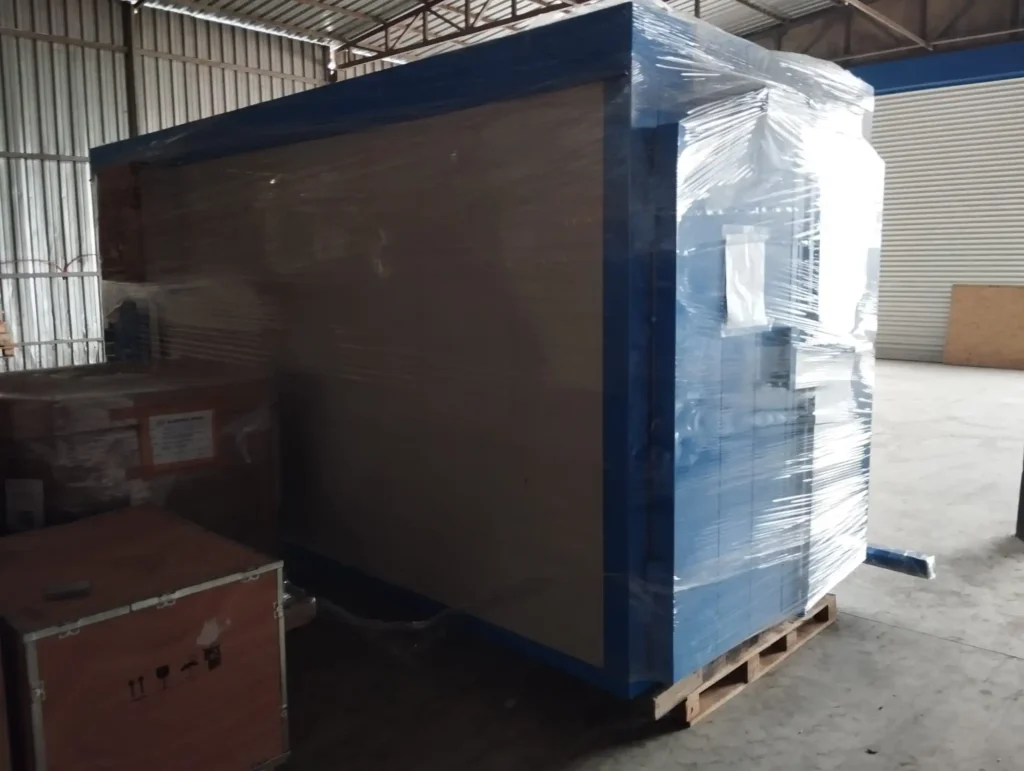
Transport of the powder coating equipment of our customers
Categories
Powder Coating Equipment Manufacturer

Fluidized Bed Powder Coating Equipment for Sale

Fluidized Bed Powder Coating Equipment for Sale

Fluidized Bed Powder Coating Equipment for Sale: Fluidized bed coating equipment is used in various industries (such as pharmaceuticals, food, and chemicals) to coat solid particles or granules with a layer of material, typically to modify their properties like taste, dissolution rate, or appearance.

What is a Fluidized Bed Coating System?

fluidized bed involves suspending solid particles in an upward-flowing stream of gas (usually air), causing them to behave like a fluid. During coating, a liquid formulation (like a polymer solution or suspension) is sprayed onto the fluidized particles. The heated air dries the liquid, forming a solid coat.

Main Components of a Fluidized Bed Coater

  1. Product Chamber – Where the particles are fluidized and coated.
  2. Air Handling System – Provides and conditions the fluidizing air (heating, humidifying, filtering).
  3. Spray System – Includes nozzles to atomize the coating liquid (top-spray, bottom-spray [Wurster], or tangential-spray types).
  4. Exhaust System – Removes excess moisture and solvents.
  5. Control System – Monitors temperature, airflow, spray rate, etc.

Types of Fluidized Bed Coaters

  1. Top-Spray Coaters – Liquid is sprayed from the top; good for layering and granulation.
  2. Bottom-Spray (Wurster) Coaters – Precise coating with minimal agglomeration; ideal for controlled-release formulations.
  3. Tangential-Spray Coaters – Spray comes in from the side; suitable for larger particles or pellets.

Advantages

  • Uniform coating distribution.
  • Efficient drying and fast processing.
  • Scalable from lab to industrial scale.
  • Suitable for heat-sensitive materials (with appropriate control).

Applications

  • Pharmaceutical: Taste masking, enteric coating, sustained-release tablets or pellets.
  • Food: Flavor or nutrient encapsulation.
  • Agrochemical: Controlled release of pesticides or fertilizers.

Fluidized bed coating equipment works by suspending solid particles in a stream of gas, allowing for uniform coating with a liquid formulation. The particles are fluidized by air, and a liquid is sprayed onto them, then dried to form a coating. These systems are used in various industries like pharmaceuticals for controlled-release formulations, food for flavor encapsulation, and agrochemicals for slow-release pesticides. The equipment typically includes a product chamber, an air handling system, a spray system, and an exhaust system, all controlled to ensure optimal conditions for coating and drying. Fluidized bed coaters are versatile, scalable, and efficient, making them ideal for both small-scale laboratory work and large industrial processes. The ability to coat uniformly while controlling parameters like temperature and spray rate makes them valuable for applications requiring precision, such as in the pharmaceutical industry.

In a fluidized bed coating process, the fundamental principle is to create a state where solid particles—typically powders, granules, or pellets—are suspended in an upward stream of air or another gas. This fluid-like behavior ensures that each particle is well exposed and separated from others, enabling a uniform coating to be applied. The coating material, usually in liquid form such as a solution, suspension, or emulsion, is introduced into the fluidized bed through specially designed spray nozzles. As the liquid coating hits the moving particles, it adheres to their surfaces. The continuous flow of heated air rapidly evaporates the solvent or carrier fluid, leaving behind a dry and even film of the desired coating substance.

The entire system is carefully engineered to balance fluidization, spraying, and drying simultaneously. The airflow must be strong enough to suspend the particles but not so intense that it ejects them from the chamber. Spray parameters such as droplet size, spray angle, and flow rate are finely controlled to ensure that the coating is distributed uniformly and doesn’t cause particle agglomeration or wetting issues. Temperature and humidity of the air also play crucial roles, as they affect the drying rate and the physical properties of the final coating.

There are several spray configurations used depending on the nature of the coating and the application. Top-spray systems are often used for layering and granulation purposes, where the coating liquid is sprayed from above onto the fluidized particles. Bottom-spray configurations, also known as Wurster systems, are more precise and are widely employed for applications requiring uniform coating thickness, such as in pharmaceutical dosage forms like pellets or microgranules for controlled or delayed drug release. Tangential-spray systems involve a side entry of the spray and are particularly suited for coating larger or heavier particles that benefit from a more horizontal motion within the chamber.

The versatility of fluidized bed coating technology lies in its ability to handle a wide range of coating materials—polymers, sugars, waxes, resins—and substrates, making it suitable for multiple sectors. In pharmaceuticals, this equipment is used to modify drug release profiles, protect active ingredients from moisture or light, and mask unpleasant tastes. In the food industry, it helps in encapsulating flavors, vitamins, or minerals, improving shelf life and stability. In agriculture, it is used to prepare coated seeds, fertilizers, and pesticides that release gradually over time, enhancing efficiency and reducing environmental impact.

Moreover, the technology is scalable, allowing manufacturers to transfer a process from a laboratory-scale unit to a full-scale production system with relative ease. Modern fluidized bed coaters are equipped with automated control systems that continuously monitor and adjust key parameters, ensuring consistent product quality and regulatory compliance. The combination of high efficiency, reproducibility, and adaptability makes fluidized bed coating an essential part of modern manufacturing in several high-tech and high-precision industries.

The efficiency and precision of fluidized bed coating systems are largely due to the integration of advanced process controls and engineering designs that ensure repeatability and scalability. In pharmaceutical manufacturing, for instance, strict regulations such as Good Manufacturing Practices (GMP) and FDA requirements necessitate the use of equipment that can maintain tight control over process variables. Fluidized bed coaters meet this demand through features such as programmable logic controllers (PLCs), real-time monitoring of inlet and exhaust air temperatures, airflow rates, atomization pressure, spray rates, and bed temperature. These systems often include process analytical technology (PAT) tools, which allow operators to monitor coating thickness, moisture content, and even particle behavior in real time using sensors and feedback loops.

In terms of design, the internal structure of a fluidized bed coater is optimized to promote even fluidization and to avoid issues like dead zones (where particles may stagnate) or channeling (where airflow bypasses the product). The geometry of the product container, the location and number of spray nozzles, and the configuration of the air distributor plate are all critical. For example, in a Wurster coating setup, the product container includes a cylindrical partition or draft tube that directs the particles into a controlled circulation pattern: particles are pulled up through the center where they are sprayed and then fall down along the outer wall to re-enter the spraying zone. This allows for extremely uniform coatings and minimal cross-contamination.

The drying efficiency of the system is another important factor, particularly for heat-sensitive materials. Because fluidized bed coaters expose a large surface area of the product to hot air while keeping the particles in constant motion, they achieve very fast drying rates without exposing the material to excessively high temperatures. This is critical when working with pharmaceuticals, enzymes, probiotics, and other bioactive compounds that could degrade under thermal stress. Additionally, advanced systems offer features like multi-stage drying, adjustable humidity control, and even integrated solvent recovery for processes involving organic solvents.

From a maintenance and operational standpoint, fluidized bed coaters are designed for ease of cleaning and quick changeovers, especially in multiproduct facilities. Many systems are built to support clean-in-place (CIP) or wash-in-place (WIP) procedures, which reduce downtime and contamination risk. Material contact surfaces are typically made of stainless steel and are highly polished to prevent material buildup. Filters, gaskets, and seals are designed for quick disassembly and replacement.

Energy efficiency and environmental impact are also increasingly important in the design of modern fluidized bed coaters. Manufacturers are incorporating energy recovery systems, such as heat exchangers that reclaim waste heat from exhaust air to preheat incoming air. They also use low-energy spray technologies and systems to minimize overspray and material loss. In environmentally sensitive applications, exhaust air may be treated with scrubbers, HEPA filters, or solvent recovery systems to ensure emissions remain within permissible limits.

Ultimately, fluidized bed coating technology offers a highly customizable and robust platform for product development and commercial production across industries. It provides unparalleled control over coating quality, allows for integration with granulation or drying steps, and supports a wide range of formulation strategies. Its ability to adapt to different materials, batch sizes, and performance requirements ensures that it remains a cornerstone of advanced particle processing in the pharmaceutical, food, chemical, and agricultural sectors.

To understand the practical application of fluidized bed coating, consider the development of a sustained-release pharmaceutical pellet. The objective in such a case is to ensure that the active pharmaceutical ingredient (API) is released gradually over time, providing a prolonged therapeutic effect and reducing dosing frequency. The process typically starts with the formation of drug-loaded cores, often referred to as nonpareils or starter pellets, which are made using extrusion-spheronization or direct pelletization techniques. These cores are then coated using a fluidized bed coater to impart the desired release profile.

The coating formulation usually contains a polymer or a combination of polymers that control the rate at which the drug diffuses out of the pellet. Commonly used polymers include ethylcellulose, which forms a semi-permeable membrane, or methacrylate-based copolymers like Eudragit, which can be tailored for pH-dependent or time-dependent release. Plasticizers such as triethyl citrate or polyethylene glycol are added to enhance film flexibility and adhesion. The coating solution may also contain pigments, surfactants, or pore-forming agents, depending on the final product requirements.

During the coating process, the pellets are fluidized in a column while the polymer solution is sprayed from a bottom-spray nozzle (Wurster configuration). This setup ensures that each pellet repeatedly passes through the spray zone, receiving even layers of the coating material. As the heated air passes through the bed, it rapidly dries the wet coating, solidifying it into a uniform film. The process continues until the desired coating weight gain is achieved, which directly influences the drug release rate. For instance, a 10% weight gain might result in a 12-hour release profile, while a 15% weight gain could extend release to 18 or 24 hours.

Process parameters such as inlet air temperature, product temperature, spray rate, atomizing pressure, and fluidization air volume are critical and must be carefully optimized. If the spray rate is too high relative to drying capacity, the particles can become over-wet and stick together, leading to agglomeration or uneven coating. If the temperature is too low, the solvent may not evaporate efficiently, compromising film formation. Conversely, overly high temperatures might dry the droplets before they reach the particle surface, resulting in poor adhesion or dusty coatings.

Once coating is complete, the product undergoes a curing step, which may involve storing the coated pellets under controlled temperature and humidity to allow the polymer chains to coalesce fully and form a continuous film. This step is especially important for aqueous coatings, where initial film formation may be incomplete. Stability testing follows, to assess how the coated product behaves under various environmental conditions, such as heat, humidity, and light. Dissolution testing is used to confirm that the release profile meets the intended specifications.

A similar approach is applied in the food industry for encapsulating sensitive ingredients like flavors, vitamins, or probiotics. Here, the goal may not be controlled release over time, but rather protection against degradation due to heat, moisture, or oxygen. For instance, vitamin C, which is highly unstable in the presence of light and oxygen, can be coated with a protective layer that dissolves only in the stomach. In these cases, the coating formulation might use materials like modified starches, shellac, or maltodextrins. The equipment and process principles remain largely the same, but the formulations and critical parameters differ based on the nature of the core material and the function of the coating.

The adaptability of fluidized bed coaters also allows them to support multi-layer coating processes. A single pellet can receive a sequence of coatings: first a sub-coating to improve adhesion, then a drug-containing layer, followed by a barrier layer, and finally an outer enteric or color coating. All of these layers can be applied in the same equipment with minimal intervention, making the process efficient and cost-effective.

Overall, fluidized bed coating systems are not just tools for applying a film—they are sophisticated platforms for engineering the behavior of particles in precise and reproducible ways. Through the intelligent selection of materials, meticulous control of process parameters, and robust system design, these technologies make it possible to tailor the physical, chemical, and functional properties of particulate products for a wide range of advanced applications.

Let’s explore how a fluidized bed coater is used in a real-world laboratory setting by walking through a simplified protocol for applying a sustained-release coating to pharmaceutical pellets. This type of protocol is commonly used during product development before scaling up to commercial manufacturing.

The process begins with a clear definition of objectives: in this case, creating a sustained-release formulation that delivers the active pharmaceutical ingredient (API) over 12 hours. Drug-loaded pellets (about 200–500 microns in diameter) are already prepared and sieved to ensure uniformity in size, which is crucial for consistent fluidization and coating. The coating material selected might be ethylcellulose, chosen for its water-insoluble properties, which retard drug release by forming a semi-permeable membrane around each pellet.

A coating solution is prepared by dissolving ethylcellulose in a suitable organic solvent like ethanol or isopropanol, or in water if an aqueous dispersion is used (such as Aquacoat® or Surelease®). A plasticizer such as triethyl citrate is added at 10–20% of the polymer weight to improve flexibility and prevent film cracking. The solution is mixed using a high-shear or magnetic stirrer and filtered to remove particulates that could clog the spray nozzle.

Next, the fluidized bed coater is prepared. In a lab setting, this might be a small unit with a product capacity of 100 grams to 2 kilograms. The product container is loaded with the pellets, and preheating begins. The inlet air is heated to a setpoint typically between 35°C and 45°C, depending on the sensitivity of the product. The airflow is adjusted to achieve stable fluidization, which is visually confirmed through a sight glass or by monitoring bed pressure drop.

The bottom-spray nozzle (Wurster insert) is selected for precise control. Before coating starts, the system is balanced: airflow, temperature, and nozzle air pressure are stabilized. The coating solution is pumped to the nozzle and atomized at pressures ranging from 1.5 to 2.5 bar. Spray rate is usually initiated at a conservative setting—say, 1.0 g/min—and then gradually increased while monitoring the product temperature and fluidization behavior. Throughout the process, operators continuously check for signs of over-wetting (clumping or sticking) or under-wetting (dust generation or poor coating adherence).

The coating is applied until the target weight gain is reached—say, 12% for a 12-hour release target. This is monitored using either real-time weighing or by sampling and weighing a small amount of the product periodically. During coating, outlet air temperature and humidity are closely monitored as they reflect the drying capacity of the system. For organic coatings, exhaust air may be routed through solvent recovery units or scrubbers to meet safety and environmental regulations.

After coating, the pellets are removed and subjected to a curing step. In a lab, this might involve placing the coated pellets in an oven at 40°C for 24 hours to allow the polymer chains to coalesce and form a continuous, defect-free film. This step significantly influences the final release behavior of the coated product. Without it, the film may be porous or uneven, leading to burst release or dose dumping.

Finally, the product is evaluated. Tests include:

  • Particle size distribution using sieves or laser diffraction.
  • Coating uniformity via scanning electron microscopy (SEM) or optical microscopy.
  • Drug release testing in dissolution baths, simulating gastric and intestinal fluids under USP conditions.
  • Stability testing under accelerated conditions (e.g., 40°C and 75% RH) to assess coating integrity over time.

Once the lab-scale process meets specifications, a scale-up plan is developed. This involves recalculating airflow, spray rates, and batch size based on the equipment geometry and process dynamics of larger coaters—often 10–100 times the size of the lab unit. A key challenge during scale-up is maintaining similar particle trajectories and drying conditions, which requires a deep understanding of fluid dynamics and heat/mass transfer principles in fluidized systems.

In industrial practice, further layers of automation are added, such as automated recipe controls, real-time weight monitoring, and closed-loop spray feedback systems to optimize reproducibility. However, the foundational steps—formulation design, parameter optimization, controlled application, and post-coating treatment—remain essentially the same across all scales.

Fluidized bed coaters, therefore, bridge the gap between precise formulation science and scalable industrial manufacturing. They are especially valuable in regulated sectors where product performance, consistency, and process validation are critical. Beyond pharmaceuticals, similar protocols are adapted for food and agrochemical coatings, often using more robust and less sensitive materials, but following the same engineering principles.

To further appreciate the sophistication of fluidized bed coating, it’s useful to look into the nuanced relationship between process parameters and product characteristics. In practice, every variable—from inlet air temperature to atomizing air pressure—plays a role in determining the quality of the final coated product. Small deviations can result in significant variations in coating uniformity, release profile, and physical integrity.

One of the most critical parameters is inlet air temperature, which affects both the drying rate and the surface morphology of the coating. If the temperature is too high, it can cause the solvent to evaporate too quickly, leading to a rough or porous film. In pharmaceutical applications, this may result in an uncontrolled release profile or film cracking. Conversely, too low a temperature can slow drying to the point where droplets coalesce on the particle surface, causing tackiness and agglomeration. Therefore, temperature is typically set just high enough to promote efficient drying without degrading heat-sensitive ingredients—usually in the range of 35°C to 55°C for aqueous systems and slightly lower for organic solvent-based systems due to the volatility of the solvents involved.

Atomizing air pressure and spray rate are tightly interlinked. The pressure needs to be high enough to generate fine droplets that can coat uniformly but not so high that they rebound from the particle surface or cause excessive turbulence. A finely atomized spray ensures that the droplets quickly form a thin, even coating and dry almost instantaneously as they contact the heated particles. Too high a spray rate, on the other hand, can overload the bed with liquid, leading to agglomeration and uneven coating. Therefore, these two variables are often adjusted in tandem during process development to achieve a stable spray-drying balance. This is why design of experiments (DoE) approaches are often used in R&D to optimize such multivariate systems.

Fluidization air volume determines the mobility of the particles in the bed. Insufficient airflow results in poor particle movement, creating dead zones and inconsistent coating. Excessive airflow can lead to attrition of coated particles or loss of fines through the filters. Ideal fluidization provides enough lift to keep the particles suspended in a stable, circulating pattern without causing mechanical stress or excessive turbulence.

Nozzle design and positioning also significantly impact coating performance. In bottom-spray Wurster systems, the nozzle is located at the base of the partition column, ensuring that particles are directed vertically through a narrow spray zone. This results in highly repeatable, controlled trajectories for each particle and minimizes the chances of bypassing the spray. For sensitive applications where even tiny defects in coating uniformity can affect drug release, Wurster configurations offer unmatched control. In contrast, top-spray systems, while less precise, are more commonly used for layering or granulating, where exact uniformity is less critical.

Bed load (the amount of material in the product chamber) influences how well the particles interact with the spray. Overloading the bed reduces circulation space, leading to clumping and uneven coating. Underloading can result in turbulent motion and inefficient use of spray solution. Most manufacturers determine optimal bed load based on both the chamber geometry and the size/density of the particles being coated.

An often underappreciated aspect of the fluidized bed coating process is coating material rheology—the viscosity and surface tension of the liquid being sprayed. These properties govern how the coating spreads over the particle surface and how quickly it forms a continuous film. A higher-viscosity formulation may require higher atomizing pressure to achieve adequate droplet size, but it also carries a higher risk of nozzle clogging and uneven application. Conversely, very low-viscosity coatings can penetrate too deeply into porous cores or dry too quickly, leading to defects. Surfactants and cosolvents are sometimes used to modulate these properties and achieve optimal coating behavior.

Analytical testing is crucial for confirming that all these tightly controlled parameters result in a product that meets specifications. Tools like near-infrared spectroscopy (NIR) and Raman mapping are used to non-invasively analyze coating thickness and uniformity, while high-performance liquid chromatography (HPLC) is employed to verify drug content and purity. Advanced dissolution testing, often using USP Apparatus I (basket) or II (paddle), is used to confirm that the coated pellets release the active ingredient at the intended rate and under simulated physiological conditions.

Finally, process scale-up brings its own set of challenges, primarily due to differences in heat and mass transfer, airflow dynamics, and equipment geometry. During scale-up, empirical relationships such as maintaining a constant spray flux (spray rate per unit area) or specific fluidization velocity (airflow per unit of bed cross-sectional area) are used as guidelines. However, scale-up is rarely linear and usually requires iterative fine-tuning. Modern scale-up efforts are aided by computational fluid dynamics (CFD) modeling, which simulates particle movement and airflow to optimize equipment design and operating conditions.

The depth and complexity of fluidized bed coating as a technology are matched by its versatility and reliability. Whether the goal is to produce a delayed-release pharmaceutical pellet, a moisture-resistant food granule, or a biodegradable agrochemical bead, the principles remain consistent. Mastery of this process enables formulators and process engineers to design advanced, functional particulate products with precisely controlled characteristics—truly a cornerstone of modern solid dosage form manufacturing.

Fluidized Bed Powder coating equipment manufacturing

Fluidized bed powder coating equipment is a specialized technology used for applying a dry powder coating to a substrate, typically metal parts. The key difference from traditional liquid coatings is that in powder coating, the coating material is applied as a powder, which is then melted and cured to form a solid, durable finish. Fluidized bed powder coating utilizes the same basic principle of fluidization, where powder particles are suspended in a stream of air, ensuring uniform coating coverage over the surface of the part.

How Fluidized Bed Powder Coating Works

  1. Fluidization Process: The powder is placed in a chamber where an upward airflow (usually via a perforated plate or bed) is used to suspend the powder particles. As the particles become suspended, they take on a fluid-like behavior, which allows them to be evenly distributed and applied to the surface of the workpieces. This is similar to fluidized bed coating used in other industries, but in this case, the aim is to coat solid parts with a dry powder.
  2. Coating Application: The part to be coated is dipped into the fluidized bed. As the part enters the chamber, the suspended powder adheres to the heated surface. The part may be pre-heated before dipping to ensure that the powder sticks effectively, creating a uniform coating.
  3. Curing: After the part is coated with the powder, it typically undergoes a curing process. The coated part is heated in an oven where the powder melts and bonds to the substrate. The temperature and time of curing depend on the type of powder being used but typically range between 160°C and 200°C for 10–30 minutes.

Key Components of Fluidized Bed Powder Coating Equipment

  1. Fluidized Bed Chamber: The chamber contains a perforated plate or mesh, which allows the air to flow upward, suspending the powder particles. The part to be coated is immersed into this fluidized bed of powder, and it picks up a uniform layer of powder coating.
  2. Air Supply System: This system provides the airflow that suspends the powder in the fluidized bed. Air is typically filtered and regulated to ensure the correct airflow and fluidization of the powder.
  3. Powder Storage and Delivery: The powder is stored in a hopper and is often equipped with a vibration mechanism to prevent clumping and ensure consistent flow. Powder is delivered into the fluidized bed chamber, where it is aerated by the airflow.
  4. Temperature Control System: The parts are often preheated before dipping, and a curing oven or infrared heaters are used after coating to melt and bond the powder to the surface.
  5. Exhaust System: A system that removes excess air and ensures that no unwanted powder particles are released into the environment, maintaining a clean workspace and preventing contamination.
  6. Control System: Modern fluidized bed powder coating equipment comes with an automated control system to monitor and adjust temperature, air pressure, flow rates, and timing, ensuring consistent application and curing.

Advantages of Fluidized Bed Powder Coating

  • Durability: Powder coatings provide excellent resistance to abrasion, corrosion, and weathering. The coating typically has a thicker and more uniform layer compared to liquid coatings, making it more durable and long-lasting.
  • Environmentally Friendly: Unlike liquid coatings, which may contain volatile organic compounds (VOCs) and solvents, powder coatings are free from these harmful chemicals. There is also little to no waste, as excess powder can be reclaimed and reused.
  • Uniform Coating: The fluidized bed allows for a consistent and uniform coating across all surface areas of the part, even complex geometries, ensuring high-quality finishes.
  • No Drips or Runs: Since the coating is applied as a powder, there is no risk of drips, runs, or sags, which can sometimes occur with liquid coatings.

Applications of Fluidized Bed Powder Coating

  • Metal Parts: Commonly used for coating metal parts in industries such as automotive, appliances, and manufacturing. The equipment is especially useful for large or irregularly shaped parts, such as automotive components, that are difficult to coat uniformly using traditional methods.
  • Corrosion Resistance: Fluidized bed coating is particularly valuable for applications where parts need a durable, corrosion-resistant finish, such as in industrial equipment, pipelines, and outdoor fixtures.
  • Heat-Sensitive Materials: For applications where a high level of temperature resistance is required, fluidized bed powder coating can be used with powders designed to withstand extreme temperatures.
  • Rework and Repair: It can also be used for re-coating or repairing previously coated parts by reapplying the powder and curing it to restore the finish.

Advantages Over Other Coating Methods

  • No Solvents: Unlike liquid coatings that often require solvents, powder coating uses no liquid solvents, making the process more environmentally friendly and reducing health risks associated with solvent exposure.
  • Thicker Coatings: Fluidized bed coating can create thicker coatings in a single dip, which is ideal for certain applications such as heavy-duty equipment parts.
  • Low Operational Costs: The powder can be reclaimed and reused, reducing material costs over time. Additionally, energy consumption may be lower compared to spray powder coating, as the parts are dipped directly into the fluidized bed.

Challenges and Considerations

  • Part Preheating: Preheating the parts is crucial for successful fluidized bed powder coating, especially for parts with complex geometries or large surface areas. The parts must be heated to the correct temperature to ensure proper powder adhesion.
  • Powder Type and Composition: The selection of powder is important. Different powders (such as epoxy, polyester, or hybrid blends) have different curing requirements and environmental characteristics, such as resistance to chemicals, UV degradation, and temperature.
  • Complex Geometry: While fluidized bed coating works well for a wide variety of shapes, very small or intricate parts may present challenges due to powder distribution issues. Careful selection of the fluidized bed’s air pressure and powder type can help mitigate this.

Fluidized Bed vs. Spray Powder Coating

While both fluidized bed and spray powder coating are effective methods for applying powder coatings, they differ in the way the powder is applied and the type of parts they are suited for.

  • Fluidized Bed Powder Coating: Ideal for large, simple parts or batches of small parts that can be dipped in the bed. It is better for thicker coatings and is well-suited for applications like heavy-duty industrial equipment or metal components.
  • Spray Powder Coating: Involves spraying a charged powder onto the substrate, typically using an electrostatic charge to attract the powder. This method is better for complex geometries or parts that cannot be easily dipped into a fluidized bed. It also offers more precise control over the thickness of the coating.

Conclusion

Fluidized bed powder coating equipment is a reliable, efficient, and environmentally friendly method for applying a durable and uniform coating to parts, especially metal substrates. Its application spans industries such as automotive, aerospace, and manufacturing, where long-lasting, corrosion-resistant finishes are required. While it may not be the most suitable choice for highly intricate or small parts, its benefits of uniformity, environmental friendliness, and the ability to apply thicker coatings make it an excellent option for many industrial applications.

Fluidized bed powder coating equipment manufacturing involves a sophisticated process to design and produce machines capable of coating a variety of substrates, typically metal, with a powder coating. These machines use the principle of fluidization, where powdered coating material is suspended in an upward flow of air, creating a “fluid-like” effect. This allows the powder to evenly coat the surface of parts that are then cured in a high-temperature oven. The key benefits of fluidized bed powder coating include its ability to apply thick, durable coatings efficiently, without the need for solvents, which makes it an environmentally friendly option compared to traditional liquid coating methods. This process is particularly effective for coating parts that are large, have simple geometries, or are prone to corrosion. The typical industries that benefit from fluidized bed powder coating include automotive, industrial equipment manufacturing, and even some consumer goods like appliances. Fluidized bed coating is often used in situations where high durability and corrosion resistance are critical.

In manufacturing fluidized bed powder coating equipment, a primary challenge is ensuring precise airflow control and uniform powder distribution. The equipment is designed with a chamber where the powder is introduced and suspended by an air supply system. The powder is kept fluidized in the chamber by a combination of air pressure, temperature control, and mechanical vibration to keep the powder from clumping together. This powder is then applied to the parts that are dipped into the fluidized bed. Parts that are to be coated are preheated, which helps the powder adhere more effectively when they are immersed into the bed.

Once coated, the parts are moved into a curing oven where the powder melts and forms a solid, uniform coating on the part. The curing process generally requires heat in the range of 160°C to 200°C, with a curing time of 10 to 30 minutes depending on the size and type of powder used. The temperature and curing time need to be carefully controlled to ensure the coating is sufficiently hardened and bonded to the substrate.

The equipment itself includes several key components such as the fluidized bed chamber, air supply system, powder storage and delivery systems, temperature control systems, and curing ovens. The chamber is typically fitted with a perforated plate that allows air to be blown upward, keeping the powder suspended. The air supply system consists of a fan, filter, and air regulator to ensure a consistent flow and pressure of air. The powder is stored in hoppers and often features mechanisms to prevent clumping, such as vibrators that help maintain a steady flow of powder into the chamber.

Powder storage and delivery systems ensure that the powder remains consistent in flow and quality, and this often involves vibration or mechanical agitation to prevent powder from settling or becoming compacted. The temperature control system regulates the temperature of the air used to fluidize the powder and the temperature of the preheated part. A reliable temperature control system is crucial for maintaining the consistency of the coating and ensuring that parts are adequately preheated before they enter the fluidized bed. A proper exhaust system is also crucial to remove excess powder and prevent contamination of the workspace.

A significant advantage of fluidized bed powder coating equipment is its ability to provide thicker coatings in a single application, which makes it ideal for parts that need a robust finish to protect against wear and corrosion. The process itself is highly efficient, as excess powder can be reclaimed and reused, which reduces material waste. This characteristic is especially beneficial in industries where cost control is important and where the coating material is expensive. Additionally, fluidized bed powder coating requires no solvents, reducing environmental impact and worker exposure to harmful chemicals, making it a more sustainable choice compared to traditional liquid coatings that may contain volatile organic compounds (VOCs).

The equipment is particularly suited for large or simple-shaped parts, such as automotive components, metal frames, and appliance parts. However, it may not be the ideal choice for parts with complex shapes or very fine details, as it can be difficult to control the powder application precisely on such parts. In these cases, spray powder coating systems may be preferred, as they provide more precise application control through electrostatic charges.

In manufacturing these fluidized bed powder coating systems, suppliers typically work closely with end-users to understand their specific coating needs and then customize the equipment to ensure it meets the necessary specifications. This may include adjusting the size of the fluidized bed chamber, optimizing airflow systems, and fine-tuning the curing process. Advanced fluidized bed coating systems may even incorporate automated controls to adjust the spray rates, airflow, and temperature in real-time, ensuring a more consistent coating result and reducing the need for manual intervention.

Finally, after the equipment is assembled and tested, manufacturers ensure that it complies with industry standards and regulations, such as safety protocols for airflow and temperature control and compliance with environmental standards. The equipment must be robust enough to handle the continuous, high-demand operation often required in industrial environments. Therefore, material selection for components like the chamber, air supply system, and curing ovens is critical for the durability and longevity of the equipment. High-performance alloys or special coatings may be used for parts exposed to extreme temperatures or wear.

Overall, fluidized bed powder coating equipment manufacturing combines engineering precision, material science, and process control to create machines that deliver durable, consistent, and environmentally friendly coatings for a wide range of applications. As industries continue to demand higher-quality finishes and more sustainable practices, the role of fluidized bed powder coating is likely to expand, with ongoing advancements in equipment design and technology.

As the demand for efficient and sustainable manufacturing processes continues to grow, the design and advancement of fluidized bed powder coating equipment is also evolving. The future of fluidized bed coating involves improvements in automation, process control, and material recovery, all of which contribute to making the process even more efficient and cost-effective.

One of the most exciting areas of development is automation. Many fluidized bed powder coating systems are now being designed with integrated automation capabilities, such as robotic handling and automated coating thickness measurement. Robots can be used to handle the parts being coated, reducing the need for manual intervention and increasing throughput. Automation also allows for better consistency and quality control, as robots can follow pre-programmed movements and ensure that each part is coated in exactly the same way, at the same speed, and under the same conditions.

Another critical advancement is the integration of real-time process control. Modern fluidized bed powder coating systems are increasingly equipped with sensors and control systems that monitor key parameters such as airflow rate, temperature, powder density, and coating thickness. These systems can automatically adjust parameters to maintain consistent coating quality. This real-time feedback not only reduces human error but also allows manufacturers to fine-tune the process, making it possible to produce high-quality coatings even at larger scales.

To further optimize the material recovery process, many fluidized bed powder coating systems now feature advanced reclaim systems. In these systems, excess powder that is not used in the coating process is collected and reused, greatly reducing material waste. The powder is often recycled through sophisticated filtration systems that ensure only clean, non-contaminated powder is reused. This is especially important in applications where the powder is costly or where environmental concerns demand that waste be minimized. These reclaim systems can significantly reduce operational costs and minimize the environmental impact of the coating process.

Additionally, energy efficiency has become a major focus in the development of fluidized bed powder coating equipment. As energy consumption plays a significant role in operating costs, many modern systems are designed to be more energy-efficient. Advances in heat recovery systems, where excess heat from the curing process is recycled, are reducing the amount of energy required to maintain consistent curing temperatures. This not only lowers energy costs but also minimizes the environmental footprint of the manufacturing process.

Material innovations also play a key role in improving the overall performance of fluidized bed powder coating systems. For example, the development of new types of powders—such as low-temperature curing powders, high-temperature-resistant powders, or powders with enhanced adhesion properties—has expanded the range of applications for fluidized bed coating. These innovations allow manufacturers to coat materials that were previously difficult to coat or to achieve new, specialized finishes, such as coatings that are both heat- and chemical-resistant.

Another area of progress is improved powder storage and handling systems. Traditional powder storage methods often involved large, static hoppers, but modern systems have been designed with more advanced features. For instance, powder storage is increasingly becoming more automated and features integrated vibration mechanisms to prevent clumping and ensure a consistent flow of powder into the fluidized bed. This increases the efficiency of the coating process and reduces downtime caused by clogged powder lines or inconsistent powder flow.

Additionally, improvements in safety have been an ongoing focus in fluidized bed powder coating equipment manufacturing. Since powders can sometimes be combustible, safety features are incorporated into equipment to mitigate these risks. Equipment now comes with advanced explosion-proof designs and better filtration systems to prevent the accumulation of flammable powders. Furthermore, better ventilation and dust extraction systems are being integrated to protect workers from inhaling harmful dust, which is especially important in industrial settings.

One of the most important considerations in fluidized bed powder coating is the selection of appropriate powders for specific applications. For example, some coatings are designed to be highly resistant to abrasion, corrosion, or UV degradation, while others may focus on providing an aesthetically pleasing finish. As industries continue to develop new materials and coatings, manufacturers of fluidized bed equipment are adapting to these needs by offering systems capable of handling a wider variety of powders, including those for specialized coatings like metallic or textured finishes.

To support a diverse range of industries, fluidized bed systems are becoming more customizable. Manufacturers are offering modular systems that can be scaled up or down depending on the needs of the business. For instance, a small shop may require a compact, bench-top unit for coating small batches, while a larger manufacturer may require an industrial system capable of handling thousands of parts per day. The flexibility of these modular systems means that manufacturers can adapt their equipment to meet specific production requirements, without being limited by the size or configuration of the system.

Finally, environmental regulations are driving the demand for more sustainable and eco-friendly fluidized bed powder coating solutions. As stricter regulations are introduced worldwide concerning emissions, waste, and VOCs (volatile organic compounds), fluidized bed coating offers an effective solution due to its solvent-free nature. Moreover, manufacturers are also focusing on reducing the environmental impact of the curing process. Instead of relying solely on traditional electric or gas-powered curing ovens, newer technologies are being explored, such as infrared and UV curing, which can reduce energy consumption and improve processing speed.

The growing trend toward green manufacturing and sustainability is pushing fluidized bed powder coating equipment manufacturers to explore new ways to reduce environmental impact, such as designing equipment with reduced energy consumption and low-emission systems. Moreover, the ability to recycle and reuse coating powders makes fluidized bed powder coating one of the more sustainable coating methods available.

In conclusion, fluidized bed powder coating equipment manufacturing is experiencing significant advancements that make the process more efficient, sustainable, and versatile. These developments are responding to the needs of various industries, from automotive to heavy-duty equipment manufacturing, and will continue to evolve as new materials, powders, and process technologies emerge. The integration of automation, real-time monitoring, improved energy efficiency, material recovery, and sustainability ensures that fluidized bed powder coating remains a leading solution in the coating industry, providing durable, high-quality finishes while minimizing environmental impact and operational costs.

The future of fluidized bed powder coating equipment manufacturing is poised to evolve further with emerging trends and technological innovations, enhancing the overall efficiency and application versatility of the process. As industries continue to push the boundaries of performance, durability, and environmental responsibility, fluidized bed powder coating systems are being developed with even greater focus on automation, precision, and sustainability.

Advanced Automation and AI Integration

Automation has been a significant driver in optimizing fluidized bed powder coating processes. The next stage of development lies in the integration of artificial intelligence (AI) and machine learning. AI can be used to predict and control variables such as coating thickness, air pressure, and curing times in real time, ensuring consistent and high-quality finishes. This is particularly useful in high-volume production settings where maintaining uniform quality across hundreds or thousands of parts is critical. Machine learning can also be employed to optimize powder use, detect anomalies in the coating process, and make adjustments without human intervention, increasing the precision of the operation.

Furthermore, robotic systems are increasingly being integrated into fluidized bed systems, particularly in larger manufacturing environments. Robots can handle the movement of parts through the system, from preheating to powder coating to curing, all while ensuring minimal human involvement. This not only improves speed and reduces the risk of human error but also ensures safer working conditions, particularly in environments where powder handling may expose workers to hazardous materials or dust.

3D Printing and Fluidized Bed Powder Coating

One of the emerging trends that could reshape fluidized bed powder coating is the synergy between 3D printing and powder coating. As 3D printing technology becomes more advanced, particularly with metal additive manufacturing, the ability to apply a fluidized bed powder coating to 3D printed parts is becoming more common. 3D printed parts can often have rough surfaces or micro-porosities that make them difficult to finish without a protective coating. Fluidized bed coating is well-suited to these challenges, as it can provide an even, high-durability coating on complex geometries, adding a protective layer that enhances the performance of 3D printed metal parts. The combination of 3D printing and fluidized bed powder coating is especially valuable in industries such as aerospace, automotive, and medical device manufacturing, where precision, performance, and part durability are crucial.

Enhanced Powder Technologies

The continuous development of powder materials is one of the key drivers of change in fluidized bed coating. New powders with improved properties—such as nano-coatings, powders with embedded antimicrobial properties, or coatings that offer enhanced UV and heat resistance—are being developed for specific applications. For example, powders that can cure at lower temperatures allow manufacturers to coat heat-sensitive materials or reduce the energy required for curing. The inclusion of functional additives in powder formulations, such as conductive, anti-corrosion, or anti-fingerprint agents, enhances the versatility of fluidized bed powder coating for highly specialized applications, particularly in electronics and high-tech manufacturing sectors.

Hybrid powder systems, combining different powder types to take advantage of multiple performance characteristics, are also becoming more common. These hybrid powders can offer enhanced physical properties, such as increased impact resistance or flexibility, while maintaining the aesthetic qualities of a smooth, glossy finish.

Smart Powder Recovery Systems

As environmental concerns grow, the recycling and recovery of powder materials is becoming more important. Advanced powder recovery systems are designed to maximize the reuse of excess powder, reducing material waste and cutting costs. New vacuum recovery systems and automated sieving techniques have been developed to reclaim powder that has been removed from parts and filter out contaminants, ensuring that only clean powder is reused. These innovations make it possible to significantly reduce the amount of wasted powder, improving both cost-effectiveness and sustainability. Moreover, the integration of digital sensors can monitor powder quality during recovery, ensuring that the reclaimed powder meets the necessary specifications for reuse.

Sustainability and Energy Efficiency

The push toward green manufacturing continues to be a driving factor in the development of fluidized bed powder coating systems. Manufacturers are constantly looking for ways to reduce energy consumption and minimize waste in the powder coating process. Advances in energy-efficient curing ovens, which use technologies like infrared curing, are becoming more widespread. Infrared heating is more efficient because it directly heats the part rather than the surrounding air, reducing overall energy consumption and speeding up the curing process.

Additionally, the development of low-energy fluidized bed systems is aimed at reducing the amount of electricity required for powder fluidization. By optimizing the airflow and pressure control, manufacturers are able to minimize energy consumption while maintaining the coating quality and speed. The use of sustainable powders—such as those that are biodegradable or have a lower carbon footprint—is also gaining traction, ensuring that fluidized bed powder coating aligns with broader sustainability goals.

Globalization and Customization

As global supply chains continue to expand, the demand for customizable fluidized bed coating systems that can cater to different regional needs is increasing. Equipment manufacturers are focusing on offering modular designs that allow for quick adjustments and scalability. These modular systems can be easily upgraded or adjusted based on specific customer requirements, whether for changes in production volume, coating types, or part sizes.

Customization also extends to regional powder formulations, which are tailored to local environmental conditions. For example, manufacturers in areas with high humidity may require coatings that offer enhanced moisture resistance, while those in high-temperature regions may need coatings that are more heat-resistant. By offering equipment that can accommodate these specific needs, fluidized bed powder coating manufacturers are better able to serve diverse markets worldwide.

Increased Focus on Quality Control

With the increasing complexity of parts and coatings, manufacturers of fluidized bed powder coating equipment are focusing more on precision and quality control systems. The use of digital platforms that can track every aspect of the coating process—airflow, powder flow rate, part movement, temperature, curing time, and thickness—helps ensure consistent quality across all parts. These digital solutions can also provide real-time data, allowing for immediate adjustments to be made to the coating process if needed, reducing downtime and improving operational efficiency.

Vision-based inspection systems, integrated into coating lines, can automatically detect defects in coatings, such as thin spots, excessive coating, or uneven coverage. This is particularly useful in industries where even minor defects can be costly, such as aerospace or electronics.

Collaboration Across Industries

Finally, the future of fluidized bed powder coating will likely involve greater collaboration across industries. As the need for more specialized coatings and equipment grows, manufacturers of fluidized bed coating systems are increasingly working alongside material suppliers, industry researchers, and end-users to develop coatings that meet specific performance requirements. For example, aerospace companies may partner with coating equipment manufacturers to create coatings that provide both corrosion resistance and weight savings, while automotive manufacturers might focus on developing coatings that provide both a high-quality aesthetic finish and superior scratch resistance.

The ongoing collaboration across sectors will ensure that fluidized bed powder coating continues to meet the ever-changing demands of modern manufacturing, delivering high-quality, durable finishes in an environmentally responsible manner.

In conclusion, the fluidized bed powder coating industry is evolving with rapid technological advancements aimed at improving efficiency, sustainability, and quality. From automation and AI integration to the development of new powder materials and energy-efficient systems, these innovations are setting the stage for a more advanced and eco-friendly future in coating technology. Whether for automotive, aerospace, or consumer goods manufacturing, fluidized bed powder coating is adapting to meet the needs of diverse industries while also addressing global challenges such as sustainability and energy efficiency.

As the fluidized bed powder coating industry continues to advance, several emerging trends and innovations are shaping its future trajectory. These developments will not only impact the operational aspects of fluidized bed coating but also expand its applications across a variety of sectors. Let’s explore some of these future directions.

Emerging Coating Technologies

The integration of nanotechnology in fluidized bed powder coatings is one of the most exciting areas of development. Nanomaterials, due to their unique properties, offer a significant enhancement in the performance of coatings. For instance, nanocoatings can provide increased hardness, enhanced corrosion resistance, and better wear resistance compared to conventional coatings. These properties make nanotech powder coatings ideal for demanding applications in industries such as aerospace, automotive, and military manufacturing.

Further, self-healing coatings are being explored for fluidized bed systems. These coatings can automatically repair themselves when damaged, greatly extending the lifespan of coated parts. This technology is particularly useful for parts exposed to extreme environmental conditions or wear, such as in offshore oil rigs, transportation, and heavy machinery.

Graphene-based coatings, known for their strength, flexibility, and conductivity, are gaining traction in fluidized bed coating systems. Graphene can provide coatings that are lightweight yet incredibly strong, offering enhanced protection against corrosion, temperature extremes, and physical damage. These advanced materials are especially promising in industries where high performance and durability are critical, such as in electronics and battery manufacturing.

Digitalization and the Internet of Things (IoT)

Another key trend in fluidized bed powder coating equipment manufacturing is the increasing role of digitalization and IoT (Internet of Things). IoT-enabled coating equipment allows manufacturers to gather vast amounts of data from their systems, providing insights into every aspect of the coating process. Sensors embedded in fluidized bed systems can monitor variables like powder density, air velocity, temperature, and humidity. These sensors communicate in real time with a centralized control system, enabling automatic adjustments and providing predictive analytics to prevent downtime before it occurs.

The integration of cloud computing allows for the storage and analysis of large datasets from multiple coating lines, enabling manufacturers to optimize processes across entire plants. This enables manufacturers to run predictive maintenance schedules, forecast the need for repairs or replacements, and continuously fine-tune the coating process. In addition to improving performance, these digital tools help manufacturers comply with regulatory standards by providing traceability of the coating process, which can be critical for quality assurance in certain industries such as aerospace, automotive, and food manufacturing.

Eco-Friendly Powder Coatings

As sustainability continues to be a driving force in manufacturing, there is a growing emphasis on eco-friendly powder coatings. Manufacturers are working on developing coatings that not only perform well but also minimize environmental impact throughout their lifecycle. This includes reducing the energy consumption during curing, developing coatings made from renewable or non-toxic materials, and using biodegradable powders.

The shift towards water-based powder coatings is one of the significant eco-friendly innovations. Traditional powder coatings often rely on petroleum-based chemicals, but water-based alternatives are being developed to reduce the environmental footprint of the powder coating process. These water-based coatings are not only less harmful but also contribute to reducing the volatility of the overall production process. Waterborne powder coatings can be designed to perform at high levels while offering low environmental impact, making them an excellent choice for a wide range of applications.

Recyclability of both the powder itself and the coated parts is another critical consideration in the push for more sustainable manufacturing practices. Efforts to improve the end-of-life recyclability of coated products will reduce waste and contribute to the circular economy, where materials are reused and recycled rather than discarded. Advances in waste management systems in fluidized bed coating equipment are helping reduce the disposal of powder waste, while also enabling more efficient reclamation and reuse of powder materials.

Robotics and Additive Manufacturing in Coating

Robotics is not just revolutionizing the handling of parts through the coating process but also opening up possibilities for additive manufacturing (AM) and 3D printing to be integrated into the powder coating process. In industries like automotive and aerospace, where parts often have complex geometries or customized features, the ability to 3D print metal or plastic parts and then coat them using fluidized bed powder coating systems presents numerous advantages.

The combination of 3D printing with fluidized bed powder coating offers manufacturers the flexibility to create highly detailed or complex parts with tailored coatings. For example, 3D printed parts could be designed to have hollow sections, intricate patterns, or unusual shapes, which are then uniformly coated with powder to ensure durability and performance. Additive manufacturing also allows for the production of low-volume, highly specialized parts, reducing waste and inventory costs while still benefiting from the protective and aesthetic qualities of powder coatings.

Moreover, robotic arms are increasingly being used to handle these 3D-printed parts through fluidized bed coating processes. The precision of robotics allows for better control over the part positioning, ensuring uniform coating even on intricate designs. Robotic arms also improve efficiency by handling high-mix, low-volume runs, which is common in industries like prototyping and aerospace, where custom parts are often required.

Global Trends and Customization

As manufacturers continue to serve global markets, the need for customizable coating solutions grows. Manufacturers are increasingly focusing on flexible fluidized bed powder coating systems that can be adapted to local regulations, customer preferences, and product specifications. For instance, regions with extreme temperatures may require powder coatings that provide enhanced thermal protection, while coastal areas may require coatings with advanced corrosion resistance due to exposure to saltwater.

Additionally, local supply chains and regional manufacturing needs will play a larger role in shaping fluidized bed powder coating equipment. For example, some regions may prioritize equipment that can handle specific types of coatings or that comply with strict environmental regulations. Manufacturers will need to offer more modular systems that can be quickly adjusted or reconfigured to meet regional demands. The ability to produce coating equipment that can be tailored to a specific market will be a key competitive advantage in the global marketplace.

Consumer Demand for Aesthetic Finishes

With an increasing focus on aesthetics, particularly in consumer-facing industries such as automotive, electronics, and furniture, the demand for high-quality, visually appealing coatings is on the rise. Manufacturers are increasingly relying on fluidized bed powder coating systems to deliver smooth, uniform, and aesthetically pleasing finishes. Innovations in this area include the use of textured and metallic coatings that give products a distinctive look and feel while providing the durability expected from powder coatings.

High-performance clear coatings are also gaining popularity, particularly in applications like automotive wheels and consumer electronics, where the coating needs to provide a gloss finish without compromising the substrate’s performance. As demand for more complex aesthetic finishes rises, fluidized bed powder coating equipment manufacturers will need to continuously innovate to offer customers a broad range of surface finishes, including matte, gloss, and satin effects.

Future Challenges and Opportunities

Despite the advancements, several challenges remain for the future of fluidized bed powder coating. These include the need for greater precision in powder application for intricate parts, addressing safety risks associated with handling certain types of powders, and reducing the cost of advanced powders that can be prohibitively expensive for some manufacturers.

However, these challenges present opportunities for further innovation. Research into advanced coating materialsmore precise powder application technologies, and safety advancements will ensure that fluidized bed coating remains competitive. Additionally, as global manufacturing continues to evolve, the demand for customized, sustainable, and high-performance coatings will continue to drive the development of fluidized bed powder coating equipment.

In conclusion, the fluidized bed powder coating industry is entering an era of rapid innovation, driven by technological advancements, automation, sustainability initiatives, and growing consumer demand for higher-quality and more durable finishes. As these trends continue to unfold, the future of fluidized bed powder coating promises more efficient, flexible, and environmentally responsible solutions, capable of meeting the diverse and ever-evolving needs of manufacturers worldwide.

Fluidized bed powder coating machine

fluidized bed powder coating machine is a specialized piece of equipment used in the powder coating process, where a dry powder is applied to parts or substrates to create a durable and uniform finish. Unlike traditional spray coating, fluidized bed coating involves a bed of powder suspended in a stream of air, which helps to coat the parts. The fluidized bed process is particularly well-suited for coating metal components, especially those that are complex in shape or have intricate designs. Here’s an overview of how these machines work and their key components:

How Fluidized Bed Powder Coating Works

  1. Fluidized Bed: The key feature of the system is the fluidized bed, which is a container that holds the powder material. The powder is usually composed of thermosetting resins that will melt and cure when exposed to heat. The bed of powder is kept suspended by an upward stream of air supplied through the bed’s bottom. This makes the powder behave like a liquid, allowing it to coat objects evenly.
  2. Heating the Part: The part to be coated is typically preheated in an oven before being immersed in the fluidized bed. Preheating ensures that the powder adheres better to the surface. The part is usually heated to a temperature where the powder can easily melt and bond.
  3. Coating: When the preheated part is dipped or inserted into the fluidized bed, the fine powder particles attach themselves to the surface of the part due to electrostatic attraction and thermal bonding. The part is then gently removed from the fluidized bed, leaving a uniform coating on its surface.
  4. Curing: After coating, the part is typically placed in a curing oven. The heat causes the powder to melt, flow, and fuse into a smooth, durable, and hard finish. The curing process solidifies the coating, giving it the final desired characteristics such as toughness, resistance to corrosion, and color.

Key Components of a Fluidized Bed Powder Coating Machine

  1. Fluidized Bed Container: This is the part of the system where the powder is kept in suspension. The container is usually equipped with an air distribution plate or screen at the bottom to evenly distribute the airflow across the powder bed. The right air velocity is critical to maintaining an even fluidization of the powder.
  2. Air Supply System: The air supply system forces air through the fluidized bed, suspending the powder and allowing it to behave like a liquid. This air supply is typically controlled by a compressor, and adjustments to the airflow can control the density of the powder bed and its fluidization characteristics.
  3. Powder Material: The powder material used in fluidized bed coating is typically a thermosetting polymer, which melts and fuses upon heating. Common powders include epoxy, polyester, and hybrid formulations, depending on the application and desired properties such as corrosion resistance, hardness, and appearance.
  4. Preheating Oven: A preheating oven is used to bring the parts to the desired temperature before they are coated. The temperature of the parts typically ranges between 180–200°C (350–400°F) before immersion in the fluidized bed. Preheating is necessary for proper adhesion and to ensure an even coating.
  5. Curing Oven: After coating, the part must be cured in a separate oven. This oven maintains a specific temperature for a set period to allow the powder to fully melt, flow, and bond to the surface, creating a durable and solid finish.
  6. Control System: Modern fluidized bed powder coating machines are equipped with automated control systems that regulate the airflow, temperature, and timing of various processes to ensure consistency and quality. These systems allow for adjustments based on the size, type, and material of the parts being coated, as well as the type of powder used.

Advantages of Fluidized Bed Powder Coating

  • Uniform Coating: The fluidized bed system ensures that powder is evenly applied to the surface of the parts, providing a consistent finish even on complex geometries.
  • No Overspray: Unlike spray coating, fluidized bed coating minimizes the loss of powder due to overspray. This leads to better material utilization and reduced waste.
  • Durability: Powder coatings are generally more durable than liquid coatings. Fluidized bed coating is particularly beneficial for creating tough, abrasion-resistant finishes.
  • Low Environmental Impact: Fluidized bed coating does not require solvents, which means no harmful volatile organic compounds (VOCs) are emitted during the process, making it more environmentally friendly compared to conventional liquid coatings.
  • No Need for Chemical Substrates: Parts do not need to be chemically treated before coating, as the powder coating will naturally adhere to properly prepared or preheated metal surfaces.

Applications of Fluidized Bed Powder Coating

Fluidized bed powder coating machines are used across many industries due to their ability to provide high-quality, durable finishes. Some common applications include:

  • Automotive: For coating parts such as engine components, wheels, and chassis parts.
  • Aerospace: For coating high-performance parts exposed to extreme conditions.
  • Furniture: For creating scratch- and corrosion-resistant finishes on metal furniture.
  • Consumer Goods: For coating items like home appliances, garden equipment, and tools.
  • Industrial Equipment: For coating parts exposed to heavy wear, including machinery components and frames.
  • Architectural Coating: Used for exterior applications such as coatings on architectural metal frames, gates, and other structural components exposed to the elements.

Types of Fluidized Bed Powder Coating Machines

  1. Standard Fluidized Bed Systems: These are the traditional machines with a simple fluidized bed setup that works by immersing preheated parts directly into the bed of powder. They are ideal for low-volume, high-quality coating applications.
  2. Automated Fluidized Bed Systems: For high-volume production environments, automated fluidized bed systems can handle parts with minimal human intervention. These systems are often integrated with robotic arms or conveyors for continuous part movement, reducing labor costs and increasing throughput.
  3. Batch Systems: These machines are designed for processing small to medium-sized batches of parts. They are ideal for companies that need flexibility in handling different part sizes and types.
  4. Custom Fluidized Bed Systems: Some manufacturers offer custom fluidized bed coating machines designed for specialized applications, such as those involving unique powder formulations or specific process requirements. These systems may include advanced temperature control, dust collection systems, or specialty curing ovens.

Considerations When Selecting a Fluidized Bed Powder Coating Machine

  1. Part Size and Shape: Consider the size and complexity of the parts being coated. Some machines are better suited for smaller, more intricate components, while others are designed for larger, bulkier parts.
  2. Powder Type: The choice of powder is important for achieving the desired finish. Different powders have different properties in terms of curing temperature, flexibility, and appearance. Make sure the machine is compatible with the type of powder you plan to use.
  3. Production Volume: For high-volume production, look for machines that offer automation, precision, and consistent quality. Automated fluidized bed systems may be needed for high-throughput environments.
  4. Environmental Considerations: Consider the environmental impact, especially in terms of powder waste. Fluidized bed systems are more efficient in powder use, but the overall design should also incorporate waste reduction features like reclaim systems or air filtration.

Maintenance of Fluidized Bed Powder Coating Machines

To maintain the efficiency and effectiveness of a fluidized bed powder coating machine, regular maintenance is required:

  • Cleaning: Regular cleaning of the fluidized bed container and air distribution system is essential to prevent powder buildup and clogging.
  • Airflow Inspection: The airflow should be checked regularly to ensure uniform powder suspension and consistent coating. Over time, airflow may need adjustments due to wear or changes in the system.
  • Powder Quality Control: Monitoring and maintaining the quality of the powder material is crucial. Old or contaminated powder may not adhere well and can result in defects in the coating.
  • Inspection of Heating Systems: Preheating and curing ovens should be inspected regularly to ensure proper temperature control and uniform heating.

In summary, fluidized bed powder coating machines are an effective solution for applying uniform, durable, and environmentally friendly coatings to a wide range of parts. These machines are especially useful in industries that require high-quality finishes on complex parts or in high-volume production environments. By selecting the right system and regularly maintaining it, manufacturers can ensure optimal performance and consistent coating quality.

Fluidized bed powder coating machines are specialized pieces of equipment used in the application of dry powder coatings to parts or substrates. The fluidized bed coating process works by suspending powder particles in a stream of air, allowing them to behave like a liquid. The process involves several stages, including preheating the part to be coated, immersing it into the fluidized bed to apply the powder, and then curing the coated part in an oven to achieve a durable and uniform finish.

In a typical fluidized bed system, the powder material, usually composed of thermosetting resins, is contained in a bed that is kept in suspension by a controlled flow of air. This is done using an air distribution plate or screen at the bottom of the bed to ensure even airflow throughout the powder. The preheated part is immersed into this bed, and the powder adheres to the surface due to electrostatic attraction, which helps in forming a uniform layer.

After the coating has been applied, the part is removed and placed into a curing oven, where heat causes the powder to melt and fuse together, creating a smooth, durable, and hard finish. The part is left in the oven for a specified time at a controlled temperature, allowing the coating to solidify and bond to the substrate. The curing process also ensures that the final coating exhibits high-performance characteristics like resistance to corrosion, wear, and impacts.

These machines have several key components that work together to ensure the coating process is efficient and high-quality. The fluidized bed container holds the powder in suspension, the air supply system controls the airflow, and the preheating oven ensures the part’s surface is at the right temperature for proper powder adhesion. The curing oven is crucial for completing the powder coating process, ensuring the powder bonds and forms a solid, durable layer. Additionally, modern machines may include automated control systems that regulate variables such as temperature, airflow, and curing time, allowing for precision and consistency.

Fluidized bed powder coating offers several advantages over other coating methods. One of the primary benefits is the uniform application of the coating, even on parts with complex geometries or intricate shapes. Since the process minimizes overspray, it results in better powder utilization and less waste. The coating produced is highly durable, resistant to corrosion, and can be applied in various textures and finishes, from matte to gloss. Furthermore, fluidized bed coating is environmentally friendly since it does not require solvents or produce volatile organic compounds (VOCs), making it a more sustainable option than traditional liquid coatings.

These systems are widely used in industries like automotive, aerospace, and industrial manufacturing, where parts need to withstand harsh conditions and require robust, long-lasting coatings. The ability to coat parts in various sizes and shapes makes fluidized bed coating particularly versatile, and the process is suitable for both small and large production runs. For high-volume production, automated systems with robotic arms or conveyor belts may be incorporated to handle parts with minimal human intervention.

Customization is also a significant advantage of fluidized bed powder coating machines. Different powder formulations, such as epoxy, polyester, or hybrid coatings, can be used to meet specific application requirements, including performance characteristics like thermal resistance, impact resistance, or decorative appearance. Additionally, the system can be adapted to local environmental regulations and customer preferences, providing flexibility for manufacturers serving diverse markets.

As the industry moves forward, emerging trends such as the integration of nanotechnology, smart sensors, and digitalization are poised to further enhance the capabilities of fluidized bed powder coating machines. The development of more eco-friendly powder formulations and the use of advanced robotics and automation will continue to drive innovation, leading to faster processing times, improved coating quality, and reduced operational costs. The combination of these advancements, along with the continued focus on sustainability and efficiency, ensures that fluidized bed powder coating will remain a critical method in surface finishing technologies for years to come.

The future of fluidized bed powder coating systems will likely be shaped by ongoing advancements in both material science and manufacturing technologies. As the demand for high-performance coatings grows across industries, several key areas will continue to evolve, influencing how fluidized bed coating systems are designed and used.

One area of potential growth is the integration of advanced materials into the powder coatings themselves. With the continued rise of nanotechnology, coatings incorporating nanoparticles could offer exceptional properties like enhanced durability, conductivity, and resistance to extreme environmental conditions. For example, nanoparticles could improve the heat resistance or wear resistance of coatings, making them ideal for high-performance applications in sectors like aerospace, automotive, and electronics. Similarly, self-healing coatings, which use embedded microcapsules or other mechanisms to repair minor scratches and damage, may become more prevalent in fluidized bed systems, reducing the need for maintenance and extending the life of coated parts.

Another important aspect of the future of fluidized bed coating systems is automation and robotics. As the need for higher throughput and precision in manufacturing grows, the integration of robotics into fluidized bed systems will help improve both consistency and efficiency. Robotic arms or automated conveyors could handle parts through multiple stages of the coating process, from preheating to immersion in the fluidized bed, curing, and quality control. Automation will help minimize human error, reduce labor costs, and increase production speed, making fluidized bed coating systems even more appealing to manufacturers in industries with high-volume production needs.

Additionally, digitalization and smart manufacturing are likely to play an increasingly significant role in fluidized bed coating processes. By incorporating Internet of Things (IoT) technologies and advanced sensors, manufacturers can collect real-time data on various parameters like temperature, humidity, airflow, and coating thickness. This data can then be used for predictive maintenance, process optimization, and troubleshooting, ensuring that the coating process is consistently running at its peak performance. AI-powered algorithms could analyze this data to adjust the process in real-time, fine-tuning variables like airflow and powder density to ensure that the coating is always applied optimally. The ability to gather and analyze vast amounts of data could also help improve overall process efficiency, reduce waste, and ensure compliance with quality standards.

The demand for eco-friendly solutions will also continue to drive innovation in fluidized bed powder coating. Manufacturers will likely focus on developing more sustainable coatings that require less energy to cure and contain fewer harmful chemicals. For example, water-based and bio-based powder coatings are emerging as viable alternatives to traditional powder formulations. These eco-friendly powders reduce the environmental impact of the coating process by minimizing the need for harmful solvents or chemicals and reducing the carbon footprint of the production process. Additionally, low-temperature curing powders are being developed, which require less energy to cure, further reducing energy consumption in the manufacturing process.

The shift toward circular manufacturing will also influence the development of fluidized bed systems. Powder coating systems will likely evolve to accommodate easier powder recovery and reuse. Advanced powder recovery systems that efficiently reclaim overspray powder and reduce waste will help lower material costs and enhance sustainability. This will be especially important in industries where large volumes of powder are used, as it ensures that manufacturers can maintain quality while minimizing waste and the environmental impact of the coating process.

As manufacturers increasingly focus on customization and producing parts with complex geometries, fluidized bed systems will need to adapt to these changing demands. For example, systems may be designed to accommodate the coating of 3D-printed parts or components with intricate shapes that require precise, uniform coating. The flexibility of fluidized bed systems, combined with the ability to use specialized powders, allows manufacturers to meet the evolving demands of industries like aerospace, medical devices, and automotive, where custom, high-performance parts are often required.

In conclusion, the future of fluidized bed powder coating machines is bright, with ongoing advancements in materials, automation, digitalization, and sustainability driving the evolution of these systems. As manufacturers continue to demand faster, more precise, and environmentally friendly coating processes, fluidized bed coating systems will play a key role in meeting these needs, offering high-performance, efficient, and customizable solutions for a wide range of industries. The integration of advanced technologies will enable manufacturers to optimize their coating processes, improve quality, reduce waste, and stay competitive in an increasingly dynamic global marketplace.

As fluidized bed powder coating technology continues to evolve, attention is also being placed on expanding the range of materials that can be effectively coated using this method. While traditionally used for metals, advancements in both coating powders and process control are making it possible to apply fluidized bed coatings to other substrates such as glass, ceramics, and even some high-temperature-resistant plastics. These developments open up new applications in industries such as electronics, renewable energy, and consumer goods, where non-metallic components often require robust protective or functional coatings.

One of the most promising areas of research is the adaptation of fluidized bed systems for functional coatings—coatings that not only protect the substrate but also add specific properties. These can include electrical insulation, thermal conductivity, UV resistance, anti-bacterial properties, and more. For instance, applying a fluidized bed coating with high dielectric strength to electrical insulators or motor components can greatly extend their lifespan and improve operational safety. Similarly, using powders formulated with additives such as silver or copper ions can create surfaces with antimicrobial properties, which are valuable in the medical, food processing, and public infrastructure sectors.

The role of precision control in the coating process is becoming increasingly central. Modern fluidized bed machines are beginning to incorporate closed-loop feedback systems that continuously monitor coating thickness and uniformity during application. This ensures that parts meet exact specifications, reduces the rate of rework or rejects, and supports compliance with increasingly stringent industry standards. For sectors like aerospace or medical devices, where tolerances are tight and performance is critical, this level of control is essential.

In tandem with the need for greater precision, there is also a trend toward modular system design. Manufacturers are moving toward modular fluidized bed coating setups that can be easily reconfigured or scaled up based on production needs. This modularity allows for the integration of pre-treatment stations (e.g., cleaning or shot blasting), automated handling systems, multiple coating chambers for different powders, and inline curing ovens. As a result, production lines can be more flexible and adaptable, responding quickly to changes in product design, order volume, or coating requirements without major retooling or downtime.

Operator training and safety are also important considerations as systems become more complex and automated. Advanced machines are being designed with user-friendly interfaces, including touchscreen controls, process visualization software, and automated alerts for maintenance or process deviations. These features help reduce the learning curve for operators and ensure consistent process quality, even in environments where specialized technical staff may not always be available. Safety measures such as explosion-proof components, proper ventilation, and powder containment systems are also being improved to meet regulatory requirements and create safer working conditions.

Furthermore, the globalization of supply chains is influencing how fluidized bed coating systems are manufactured, sold, and supported. Manufacturers are increasingly offering machines that are compliant with international standards such as CE (Europe), UL (United States), and ISO certifications. They also provide remote diagnostics, virtual training modules, and localized service support to meet the needs of users across different geographies. This globalization ensures that even small and mid-sized enterprises in emerging markets can access advanced coating technology and integrate it into their production workflows effectively.

The trend toward digital twins and simulation is also beginning to influence the design and operation of fluidized bed powder coating systems. By creating a virtual model of the coating system and the parts to be coated, manufacturers can simulate the entire process before physical production begins. This helps identify potential bottlenecks, predict powder behavior, and optimize process parameters such as dwell time, airflow rate, and temperature. Digital twins can significantly reduce the time and cost associated with process development and improve first-time-right rates in production.

Lastly, collaborative innovation between coating powder manufacturers and equipment builders is yielding integrated solutions tailored to specific industry needs. For example, powder producers may develop a custom formulation designed to perform optimally under the airflow and temperature conditions of a particular fluidized bed system. This co-engineering approach ensures compatibility between materials and machinery, improving overall system performance and product quality.

All of these advancements are driving the fluidized bed powder coating process from a relatively niche technology to a more versatile and widely applicable solution across global industries. The convergence of materials science, automation, digital technologies, and customer-specific customization is transforming the way coatings are applied—making them faster, more efficient, and more intelligent than ever before. As industries continue to demand durable, functional, and environmentally responsible coatings, fluidized bed systems are poised to meet these needs through continuous innovation and refinement.

Fluidized bed powder coating

Fluidized bed powder coating is a coating process that involves the application of a dry powder to a preheated part by immersing it into a fluidized bed of coating material. Unlike traditional spray powder coating methods that rely on electrostatic attraction and spray guns, fluidized bed powder coating uses heat and fluid dynamics to ensure that the coating adheres uniformly to the entire surface of a part, including complex geometries and internal surfaces.

The process begins with the preheating of the substrate, typically to temperatures between 160°C and 300°C, depending on the type of powder being used. Once the part reaches the required temperature, it is lowered into a fluidized bed—a container filled with finely ground powder particles that are suspended in air. Air is pumped through a porous membrane or diffuser plate at the bottom of the bed, causing the powder to behave like a fluid. This fluidization allows the hot part to be fully enveloped by the powder, which melts upon contact and fuses to the surface of the part.

One of the most significant advantages of this method is the thickness and durability of the coating it produces. Fluidized bed powder coatings are typically thicker than those applied with electrostatic spray, often ranging from 250 to 500 microns, though this can be controlled to some extent. These thicker coatings provide excellent resistance to abrasion, corrosion, and chemicals, making the process especially useful for industrial applications such as pipe coatings, dishwasher baskets, automotive underbody parts, and tool handles.

There are two main types of powders used in fluidized bed coating: thermoplastic and thermosetting powders. Thermoplastic powders, like polyethylene and nylon, melt and flow when heated but do not chemically react, so they can be remelted. Thermosetting powders, such as epoxy or polyester resins, undergo a chemical crosslinking reaction during the curing phase, creating a harder, more heat-resistant finish that cannot be remelted.

After the part is coated, it may require a post-heat cure depending on the type of powder and the thermal mass of the part. Some applications are designed so that the preheat is sufficient to fully cure the coating, especially with thinner or small parts. In other cases, especially for thermosetting powders, the part must be placed into a curing oven to complete the crosslinking process and finalize the coating’s mechanical and chemical properties.

The equipment used in fluidized bed powder coating systems generally includes:

  • fluidized bed tank with powder and an air distributor system.
  • preheat oven to raise the temperature of parts before coating.
  • curing oven (when needed) for post-coating heat treatment.
  • Material handling systems such as conveyors or robotic arms for consistent part movement.

This technique is environmentally friendly because it produces minimal waste and no volatile organic compounds (VOCs), unlike solvent-based coatings. Overspray is virtually eliminated, and any unused powder remains in the bed for future use, reducing material loss.

Despite its many advantages, fluidized bed powder coating also has limitations. The need for preheating limits the types of substrates that can be coated—non-metallic or heat-sensitive materials are generally unsuitable. The thicker coatings can also be a disadvantage in applications requiring fine control of coating thickness or where aesthetics demand a thinner, more delicate finish.

Still, fluidized bed powder coating remains an important industrial process thanks to its simplicity, robustness, and excellent coating performance. It is particularly well-suited to high-durability applications and continues to evolve alongside advances in powder formulations, automation, and environmental compliance. Would you like to explore its comparison with electrostatic spray coating or details on specific applications?

Fluidized bed powder coating continues to be a preferred technique in many manufacturing sectors due to its unique ability to apply thick, consistent, and highly durable coatings in a single step. As industries push for greater efficiency, environmental compliance, and product performance, this method remains highly relevant and is seeing renewed interest and innovation. The ability of fluidized bed coating to uniformly cover even the most intricate geometries without the need for multiple passes or manual touch-up gives it a significant advantage in applications where coverage uniformity and robustness are paramount. For example, components such as dishwasher racks, which must withstand constant exposure to water and detergents, benefit greatly from this method. Similarly, automotive components that require protection against road salts, chemicals, and mechanical wear are ideal candidates for fluidized bed application. The process lends itself particularly well to batch production but is also adaptable to continuous operations with appropriate automation.

Technological advancements are further enhancing the performance and capabilities of fluidized bed coating systems. Modern fluidizing mechanisms ensure more precise control of air flow and powder density, resulting in better coating consistency and reduced energy consumption. The use of digitally controlled valves and pressure sensors allows operators to maintain optimal bed conditions at all times. Some systems now feature smart monitoring capabilities that track parameters such as bed pressure, temperature, and coating weight in real-time. These sensors feed data into centralized control software that can automatically adjust process conditions, alert operators of anomalies, and log production data for quality assurance purposes.

New powder formulations are also expanding the scope of applications for this technology. Improved adhesion promoters, heat stabilizers, and functional additives allow coatings to meet more stringent specifications for UV resistance, flame retardancy, thermal insulation, and dielectric strength. These advanced powders are enabling fluidized bed systems to move beyond traditional corrosion protection and into high-tech areas such as electronics, renewable energy, and medical devices. For instance, coating high-voltage insulators with epoxy-based powders provides both electrical isolation and mechanical protection, while medical-grade nylon powders can coat surgical instruments to ensure biocompatibility and ease of sterilization.

Energy efficiency is another area where manufacturers are making significant strides. New curing oven designs with better insulation, more efficient burners or electric heaters, and optimized airflow management reduce the energy required for post-heating. Additionally, the development of low-temperature curing powders allows for reduced preheat temperatures, making the process viable for more sensitive substrates and reducing energy consumption per coated part. Some operations are even incorporating waste heat recovery systems that use residual oven heat to preheat incoming parts or supply the fluidizing air, thereby enhancing overall system efficiency.

Despite its many strengths, the process requires careful control to avoid defects such as bubbling, uneven film thickness, or incomplete coverage. These issues are often linked to improper preheating, inconsistent fluidization, or powder contamination. As a result, routine maintenance and quality control are critical for ensuring long-term process reliability. Training for operators is increasingly being supplemented by simulation tools and virtual reality modules that teach proper handling, troubleshooting, and maintenance procedures without the need for extensive hands-on time.

Looking forward, the fluidized bed powder coating process is likely to become even more integrated into smart manufacturing ecosystems. The combination of real-time monitoring, predictive analytics, and adaptive control systems will lead to coating processes that are not only more efficient but also self-optimizing. These intelligent systems will be able to adjust for part variations, detect potential failures before they occur, and generate digital quality reports that can be fed directly into customer records or regulatory databases.

Moreover, as regulations around emissions and sustainability become more stringent worldwide, the inherently solvent-free and low-waste nature of fluidized bed coating will become even more attractive. Powder recyclability, energy efficiency, and the absence of hazardous air pollutants give this process a distinct advantage over liquid coatings and even electrostatic powder spraying in certain scenarios. The push toward green manufacturing is also encouraging the development of bio-based powder resins and coatings that can biodegrade at end-of-life, further enhancing the environmental profile of coated products.

In conclusion, fluidized bed powder coating remains a powerful, efficient, and increasingly advanced method for applying functional and protective coatings to a wide range of parts. Through continuous improvements in equipment design, material science, process control, and automation, it continues to evolve to meet the complex demands of modern industry. Its adaptability, durability, and eco-friendliness ensure it will remain a cornerstone of industrial coating technologies for years to come.

As the demand for high-performance, durable coatings grows in industries such as automotive, aerospace, construction, and medical devices, fluidized bed powder coating will likely continue to gain traction. New materials and formulations, such as high-temperature-resistant powders and coatings with added conductive or insulating properties, are being developed to meet the increasingly specific needs of these sectors. For instance, automotive manufacturers are looking for coatings that not only resist corrosion but also reduce friction and wear. Fluidized bed coating offers an effective solution for creating thicker, stronger coatings that improve the longevity and functionality of automotive parts exposed to harsh conditions.

In the aerospace sector, the need for lightweight, durable, and corrosion-resistant coatings for components like aircraft landing gear and engine parts is driving the development of more advanced powder coatings. These coatings must withstand extreme temperatures and environmental conditions, and fluidized bed powder coating’s ability to produce uniform and thick coatings makes it ideal for these demanding applications. Additionally, as more countries implement regulations to reduce emissions from aviation, fluidized bed systems can support the use of environmentally friendly coating materials that meet both regulatory standards and performance requirements.

In the renewable energy industry, where components such as wind turbine parts and solar panels need protection from environmental elements, fluidized bed powder coating can offer a more durable and long-lasting solution than traditional coatings. The ability to apply coatings to large, complex parts in a uniform manner, without the risk of overspray, is especially beneficial in these applications. The need for long-lasting coatings that can withstand outdoor conditions for decades aligns perfectly with fluidized bed technology’s ability to provide tough, corrosion-resistant finishes.

Medical device manufacturing is another area where fluidized bed powder coating is gaining momentum. Components like surgical tools, orthopedic implants, and dental equipment must not only be functional but also meet strict hygiene and safety standards. Fluidized bed powder coatings, particularly those made from biocompatible materials such as medical-grade polyamides or polyurethanes, provide a solution for coating these devices with a uniform, non-reactive layer. These coatings enhance the durability and ease of sterilization, important factors in medical environments.

The shift towards additive manufacturing (3D printing) is also influencing the use of fluidized bed coating. As 3D-printed parts, which often have complex shapes and surface finishes, become more prevalent, fluidized bed coating offers a way to provide uniform coverage across intricate geometries. This is particularly important for metal parts used in aerospace, automotive, and medical applications, where precision and performance are critical. The combination of 3D printing with fluidized bed powder coating allows manufacturers to produce custom parts with both structural integrity and high-performance coatings in a streamlined process.

Another critical area of development is the integration of artificial intelligence (AI) and machine learning (ML) in fluidized bed systems. AI can analyze data from sensors in real-time to predict when equipment maintenance is required or when powder batches may be inconsistent. Machine learning algorithms can also assist in adjusting the fluidization process or curing times based on historical data, optimizing coating uniformity and reducing waste. These advancements promise to reduce operational costs and improve coating quality, making fluidized bed systems even more attractive for high-volume applications.

The internet of things (IoT) is likely to play an essential role in making fluidized bed powder coating systems more interconnected. IoT-enabled machines can send real-time data to centralized monitoring systems, allowing manufacturers to track the performance of equipment, identify inefficiencies, and optimize workflow in a way that was previously difficult to achieve. This technology could also be used to develop smart systems that adjust fluidized bed parameters based on specific job requirements, ensuring that each product is coated according to its unique needs.

As industries push for greater customization, fluidized bed powder coating’s ability to accommodate a wide variety of powder types and finishes makes it increasingly versatile. Manufacturers are experimenting with different types of powders, such as nano-coatings and smart coatings that respond to external stimuli like temperature or moisture. These innovations could lead to coatings with unique properties, such as self-healing or color-changing finishes, expanding the applications of fluidized bed technology to even more industries.

Finally, as the global emphasis on sustainability and eco-friendly practices grows, fluidized bed powder coating offers clear advantages. The reduction of waste and emissions, coupled with the ability to recycle unused powder, makes it a highly sustainable option compared to liquid coatings, which rely on solvents that contribute to air pollution and waste. Powder coatings also have a significantly longer lifespan, which contributes to reduced maintenance and repair costs over the product’s life cycle, aligning with global trends toward reducing material consumption and waste.

In summary, the future of fluidized bed powder coating is marked by continuous innovation in materials, process control, and automation. As industries demand coatings that meet stricter performance criteria and environmental standards, fluidized bed systems are adapting by incorporating advanced materials, smart technologies, and improved energy efficiency. The growing focus on sustainability, combined with the versatility and durability of fluidized bed coatings, ensures that this process will continue to play a vital role in the production of high-quality, functional coatings across a variety of industries. The continued integration of AIIoT, and advanced materials science will enable fluidized bed powder coating to meet the evolving demands of the global marketplace for years to come.

One of the primary drivers of future growth for fluidized bed coating is the integration with sustainable manufacturing practices. The increasing pressure from governments, industries, and consumers for products that are environmentally responsible means that fluidized bed coating will continue to be a strong contender due to its low emissions and waste reduction benefits. Advances in eco-friendly powders—such as those derived from renewable sources or featuring reduced toxicity—are likely to play an important role. Manufacturers are increasingly seeking coatings that not only meet performance standards but also contribute to a circular economy by being more easily recyclable or biodegradable at the end of their life cycle. The push toward low-VOC or zero-VOC powders and the development of powders that require lower curing temperatures will further enhance the eco-credentials of the fluidized bed process.

In addition to environmental concerns, cost-effectiveness will continue to be a driving factor in the adoption and evolution of fluidized bed powder coating. As manufacturers seek to optimize production processes and reduce operational costs, fluidized bed systems will benefit from developments in automation. New technologies are enabling more efficient automation in the handling and coating of parts. Automated robotic systems and conveyors can be programmed to handle a wider range of part sizes and types, further improving the speed, consistency, and quality of the coating process. Additionally, automation allows for continuous monitoring, which helps ensure that variables like air pressure, temperature, and powder flow remain within optimal ranges, minimizing the potential for defects and maximizing the lifespan of equipment.

Furthermore, the continued development of smart coatings and functional powders will allow fluidized bed systems to meet increasingly complex demands in niche markets. For example, powders that exhibit anti-microbialanti-corrosive, or self-cleaning properties are likely to see more widespread use. Conductive coatings for electronic components, which require precision application, can also be optimized using fluidized bed techniques. Additionally, coatings that provide heat resistance or insulation, such as those used in industrial ovens, reactors, and engines, will benefit from the thick, uniform coatings provided by fluidized bed systems.

The adaptation of fluidized bed coating for 3D-printed parts is another area poised for significant growth. With the rise of additive manufacturing, there is a greater need for coating techniques that can effectively coat intricate or complex geometries—something fluidized bed is particularly good at. As 3D-printed parts often have rougher surfaces than traditionally manufactured parts, fluidized bed coating provides an efficient way to improve surface smoothness and durability. The growth of metal 3D printing technologies, particularly in industries like aerospace and defense, is likely to drive demand for fluidized bed systems that can handle the unique challenges of coating printed parts with high-performance coatings.

Moreover, high-throughput applications in industries like electronics and automotive parts manufacturing will benefit from continuous improvements in process automation and sensor technology. Real-time monitoring of parameters such as coating thickness, consistency, and curing time can drastically improve throughput while ensuring the quality and performance of the coatings. Machine learning and AI could further optimize coating processes, adjusting machine settings dynamically to improve yield and reduce waste. These advancements will make fluidized bed systems even more viable for manufacturers looking to scale up production without sacrificing quality.

Additionally, the globalization of manufacturing is driving the need for more versatile fluidized bed systems that can cater to a wide range of industries and materials. With industries increasingly relying on global supply chains, there is a push for coating systems that can handle a variety of materials, including metals, plastics, ceramics, and composites. Manufacturers in emerging markets, particularly in Asia and South America, are expected to adopt fluidized bed technology to keep pace with global demand for high-quality, durable coatings in sectors such as automotive, electronics, and heavy machinery.

The development of modular and customizable fluidized bed systems will also play a crucial role in the future of coating technologies. Manufacturers are looking for flexible solutions that can adapt to changing production needs, enabling rapid reconfiguration of machines for different product sizes, coatings, or production volumes. Modular systems can allow users to add or remove components, such as extra curing ovens, conveyor systems, or fluidized bed tanks, depending on the scope of their operations. This adaptability will be a major benefit for small to medium-sized businesses or for companies entering new markets that require customized coating solutions.

Lastly, as companies place more emphasis on predictive maintenance and data-driven decision-making, fluidized bed systems will become more intelligent. Predictive algorithms powered by AI will predict when parts of the coating system—such as fluidizing beds, curing ovens, or powder feeders—are likely to need maintenance or replacement. By preventing unexpected downtime, these systems will maximize operational efficiency and reduce maintenance costs. Real-time data can also be used to generate automated reports, track environmental performance, and ensure that companies are meeting regulatory requirements.

In conclusion, fluidized bed powder coating is evolving alongside broader trends in manufacturing, sustainability, and smart technology. As industries demand more customized, durable, and eco-friendly coatings, fluidized bed technology’s ability to provide thick, uniform coatings will continue to make it a go-to solution. The integration of automation, data analytics, advanced materials, and eco-friendly practices will ensure that fluidized bed powder coating remains a critical part of the manufacturing landscape. The future holds exciting possibilities for this technology as it continues to adapt to new challenges and opportunities, ensuring that it stays relevant for a wide range of applications in various industries.

Powder coating dipping process

The powder coating dipping process is a specific technique within the broader powder coating method that involves immersing a part into a fluidized bed of powder. This differs from traditional spray powder coating, which uses a spray gun to apply the powder. The dipping process offers unique advantages in certain applications, especially when uniform coating thickness and durability are critical. Here’s a breakdown of the powder coating dipping process:

1. Preparation of the Part

Before the dipping process begins, the part must be thoroughly cleaned and pretreated to ensure the powder coating adheres properly. This typically involves:

  • Cleaning: The part is cleaned to remove oils, dust, grease, or any contaminants that could affect the adhesion of the coating. Common cleaning methods include blasting, chemical cleaning, or using ultrasonic cleaners.
  • Pretreatment: For metals, the part might undergo a pretreatment process to enhance adhesion. This could include phosphate or chromate conversion coatings, or a passivation step for stainless steel.

2. Preheating the Part

Once the part is clean and dry, it is preheated to the appropriate temperature, usually between 160°C to 300°C (depending on the powder being used). Preheating is crucial because it ensures that the powder adheres immediately upon contact, melting and fusing to the surface. Preheating also helps avoid issues like uneven coating, as the powder will melt more evenly when it encounters a hot surface.

3. Immersion into the Fluidized Bed

In the fluidized bed, powder particles are suspended in air and behave like a liquid due to the upward airflow. The part is carefully immersed into the fluidized bed, where the heat from the preheated part causes the powder to melt and adhere uniformly to the surface. The part is submerged until the desired coating thickness is achieved.

The coating typically fuses as it comes in contact with the hot substrate, resulting in a smooth, uniform coating that is free from defects like sagging or dripping, which can sometimes occur with spray methods. The thickness of the coating can be controlled by adjusting the amount of time the part spends in the fluidized bed or by the temperature of the part.

4. Post-Heating/Curing

After the part has been coated, it is often placed in a curing oven to complete the fusion and curing process. The oven heats the coated part to a higher temperature, typically 180°C to 220°C, depending on the powder type. This curing process causes the powder to chemically bond, creating a hard, durable finish. The curing time can vary based on the thickness of the coating, the type of powder used, and the size of the part, but it typically ranges from 10 to 30 minutes.

For certain applications, the preheating of the part may be sufficient for curing, and the part might not need an additional curing cycle. However, the curing oven ensures that the coating reaches full hardness, providing optimal mechanical and chemical properties.

5. Cooling and Inspection

After curing, the part is allowed to cool down to room temperature. Once cooled, the coating hardens, and the part can be inspected for defects such as uneven coating, bubbles, or other imperfections. Post-cooling inspection ensures that the coating meets quality standards, including uniformity, thickness, and appearance.

Advantages of Powder Coating Dipping Process

  • Thicker Coatings: The dipping process often results in thicker coatings than spray applications, making it ideal for parts that require robust protection against abrasion, chemicals, or extreme environmental conditions.
  • Uniform Coating: Dipping ensures an even distribution of powder, particularly for complex or irregularly shaped parts, as the powder is allowed to melt and cover the surface uniformly.
  • Reduced Waste: Since the powder is fluidized and any excess powder can be reused, the dipping process is more material-efficient and less wasteful compared to spray methods, which often result in significant overspray.
  • No Overspray: One of the biggest advantages of the dipping process over spraying is that there is no overspray, which means less cleanup and less wasted powder.

Applications

The powder coating dipping process is commonly used for items like:

  • Industrial components: Parts that require high durability, such as conveyor parts, automotive underbody components, and tools.
  • Home appliances: Items like dishwasher racks, kitchen equipment, and other parts that need a protective and smooth coating.
  • Consumer goods: Household items such as furniture, exercise equipment, and hardware that benefit from a thick, protective finish.

Limitations of Powder Coating Dipping Process

  • Material Limitations: This method is generally limited to parts that can withstand the preheating and curing temperatures, making it unsuitable for heat-sensitive materials such as certain plastics or rubber.
  • Part Size: The process is often more suited for smaller or medium-sized parts. Larger parts may be difficult to handle, as they may not fit comfortably in a fluidized bed or curing oven.
  • Coating Uniformity: While the dipping process provides uniform coverage, achieving an even coating on certain geometries or parts with deep internal cavities can still be challenging.

In conclusion, the powder coating dipping process is a reliable and efficient method for applying durable coatings, particularly when a thick, uniform finish is needed. Its advantages in coating thickness, uniformity, and waste reduction make it a popular choice for industrial and commercial applications, although its limitations with material types and part sizes must be considered when selecting it for specific needs.

The powder coating dipping process continues to be favored for its simplicity and effectiveness in providing a durable, high-quality finish. As industries move toward more automated systems, the process of fluidized bed dipping is becoming more precise, with advanced controls for fluidization and temperature to ensure optimal results. While the basic steps remain consistent, advancements in technology have led to the development of more sophisticated equipment. For example, automated fluidized bed systems are now able to provide even better consistency and efficiency by integrating advanced sensors that monitor variables like powder flow, bed density, and air pressure, making real-time adjustments to maintain the perfect coating conditions.

One of the significant advancements is the development of modular systems that allow manufacturers to quickly reconfigure their setup for different types of powders or parts. These systems offer flexibility and scalability for manufacturers looking to meet varying production demands. Additionally, the ability to recycle excess powder efficiently has become a crucial feature of modern fluidized bed systems. New designs in powder recovery systems ensure that almost all excess powder can be captured, filtered, and reused in future coatings, which helps lower costs and reduce material waste. This feature aligns with the growing emphasis on sustainability in the manufacturing sector.

As industries look for coatings that provide added functionality, the application of specialized powders for specific purposes is becoming more common. Powders with added features like anti-microbial propertiesUV resistance, or corrosion resistance are being developed to meet the needs of industries such as healthcare, food processing, and marine environments. These innovations allow fluidized bed dipping systems to cater to a broader range of applications that require more than just a standard protective coating. For instance, powders that contain graphene or carbon nanotubes are being explored for their ability to provide electrical conductivity, which can be applied to parts used in electronics and energy storage devices.

The emergence of low-temperature curing powders is another trend in the fluidized bed dipping process. These powders enable coating on a wider range of substrates, including heat-sensitive materials such as certain plastics or composite parts. Traditional powder coatings require higher curing temperatures, which could warp or damage delicate parts. The development of these lower-temperature powders has expanded the applicability of fluidized bed coating to previously difficult-to-coat materials, making it a more versatile solution for modern manufacturing needs.

Another key factor driving the continued adoption of fluidized bed powder coating, including the dipping process, is the increasing demand for eco-friendly manufacturing practices. The reduction of volatile organic compounds (VOCs) and the elimination of harmful solvents make powder coating a more sustainable alternative to traditional liquid coatings. Fluidized bed dipping, in particular, reduces overspray, making it a cleaner process with less waste. Moreover, the durability and longevity of powder coatings contribute to sustainability, as coated products tend to last longer, reducing the need for frequent repairs or replacements.

The future of powder coating dipping is closely tied to automation and the internet of things (IoT). Smart systems that collect and analyze data from various points in the process will be able to predict potential issues, monitor the consistency of coatings, and even adjust parameters without human intervention. These AI-driven systems can optimize energy consumption, detect defects early, and improve product quality. The use of real-time data monitoring ensures that any deviations from the desired coating thickness or quality are quickly addressed, resulting in better consistency and fewer defects. This level of process control is likely to increase in importance as manufacturers move toward industry 4.0 practices, where interconnected systems and automated processes are the norm.

Furthermore, the trend towards customization in consumer goods and industrial products means that fluidized bed powder coating dipping will need to evolve to meet the needs of highly specific design requirements. Manufacturers may need coatings with unique textures, colors, or performance properties that cater to niche markets. The ability to easily modify or adapt fluidized bed systems to handle specialized powders or coating techniques will become an increasingly valuable asset.

In summary, the fluidized bed powder coating dipping process offers a robust, efficient, and environmentally friendly solution for applying durable coatings to a wide variety of products. As technology continues to evolve, the process will only become more precise, automated, and adaptable to meet the demands of diverse industries. From more sustainable practices and advanced materials to increased automation and IoT integration, the powder coating dipping process will remain a critical component of modern manufacturing, offering high-quality, cost-effective, and eco-friendly finishes.

The continued evolution of the powder coating dipping process is expected to introduce more advancements in terms of both equipment and material science. As industries push for faster production cycles, the development of high-speed fluidized bed systems capable of handling higher throughput while maintaining quality will become increasingly important. These systems will be designed to handle larger volumes of parts or parts of varying sizes without compromising coating consistency or efficiency. With better integration of robotics and automated handling, parts can be moved in and out of the fluidized bed more quickly, reducing cycle times and increasing productivity. Such improvements will allow manufacturers to cater to growing demands for mass production without sacrificing the precision that the powder coating process is known for.

Additionally, as more industries adopt advanced materials, the powder coatings used in these applications will need to keep pace. For instance, in the aerospace and automotive sectors, components often require coatings that are not only durable but also lightweight and heat-resistant. The development of lightweight metal powdersceramic coatings, and other specialized materials will make fluidized bed dipping more effective in these high-performance environments. The ability to combine these advanced powders with the fluidized bed process will result in coatings that enhance the structural integrity of components while reducing overall weight—critical factors for industries like aerospace, automotive, and even renewable energy, where every gram counts.

As industries become more interconnected globally, there will be a growing need for standardized coatings that can meet regulatory requirements across different markets. The fluidized bed process, with its consistent coating results, will play an important role in standardizing finishes across products manufactured in various locations worldwide. With a focus on ensuring products meet international standards for quality, environmental safety, and performance, manufacturers will rely on the high uniformity and durability that fluidized bed powder coating can provide. This standardization is especially relevant in industries such as medical devicesautomotive parts, and electronics, where coatings need to meet stringent regulatory requirements.

Moreover, the continuous development of smart materials—such as coatings that change properties in response to environmental conditions or coatings that self-repair when damaged—will likely drive new applications for fluidized bed coating technology. For example, thermochromic or photochromic coatings that change color based on temperature or light could be incorporated into products requiring aesthetic appeal and performance in extreme conditions. The ability of fluidized bed dipping to deliver thicker coatings may enhance the durability and effectiveness of these smart materials, making them a viable option for a wide range of applications.

The consumer electronics market is another area where the fluidized bed powder coating dipping process is likely to see increased demand. With the rise of smart devices and wearables, coatings are needed that provide protection against corrosionscratches, and water damage. Fluidized bed systems are ideal for coating complex geometries, ensuring that every nook and cranny of a device is protected without creating uneven surfaces or thick layers. The demand for customized finishes, including matteglossy, or textured effects, will also be met by fluidized bed coating’s ability to create varied surface finishes, offering more versatility for manufacturers producing consumer electronics.

The growing need for customized coating solutions will also lead to an increase in the use of modular fluidized bed systems that allow manufacturers to easily modify the coating process depending on the product requirements. These systems could be adjusted to handle different types of powders, curing conditions, or coating thicknesses depending on the application, all while maintaining the consistency and quality that fluidized bed processes are known for. This flexibility will be especially important for businesses that operate in dynamic markets or produce a wide variety of products with varying coating needs.

As digital transformation takes hold in manufacturing, the ability to collect, analyze, and act upon real-time data will further enhance the effectiveness of fluidized bed powder coating systems. Advanced sensors and machine learning algorithms will be integrated into these systems to monitor the coating process at every stage, from powder application to curing. These technologies will allow manufacturers to track parameters such as powder distribution, coating thickness, curing time, and temperature in real-time, making it possible to adjust conditions dynamically for optimal results. By integrating this data into broader manufacturing systems, companies can make more informed decisions about production scheduling, inventory management, and quality control.

Sustainability will continue to be a key focus in the future of powder coating, particularly as industries seek to meet environmental regulations and consumer demand for greener products. Fluidized bed systems, with their efficient powder use and minimal waste, are already one of the most sustainable coating options available. However, as eco-friendly materials and biodegradable powders become more accessible, the powder coating process will further align with global sustainability goals. Moreover, the energy efficiency of modern fluidized bed systems, which are designed to minimize energy consumption during the curing and powder application phases, will be a major advantage in reducing the environmental footprint of coating operations.

Finally, as more industries move toward customized production runs and shorter lead times, the fluidized bed powder coating process, with its rapid application and curing times, will be even more valuable. Manufacturers will be able to produce small batches of highly customized products, with a quick turnaround, without sacrificing the quality and durability of the coatings. This capability will make fluidized bed dipping especially attractive for industries like medical devicesconsumer electronics, and automotive parts, where rapid prototyping and low-volume production are becoming more common.

In conclusion, the future of fluidized bed powder coating dipping is poised to benefit from continued innovations in technology, materials, and sustainability. As industries demand more efficient, cost-effective, and environmentally friendly coating solutions, fluidized bed systems will remain a critical part of the manufacturing landscape, providing high-performance, durable coatings for a wide range of products. The integration of smart technologies, automation, and modular designs will further enhance the versatility and efficiency of fluidized bed powder coating, enabling manufacturers to meet the increasingly complex needs of modern production.

As the fluidized bed powder coating process continues to evolve, several more areas are likely to influence its future development, ensuring that it remains a competitive and versatile option in the manufacturing industry.

Integration with Advanced Manufacturing Techniques: One significant trend is the integration of fluidized bed powder coating with other advanced manufacturing technologies like 3D printing or additive manufacturing. As 3D printing becomes more widely used for producing complex geometries, fluidized bed coating is an ideal solution for applying durable, uniform finishes to 3D printed parts. Traditional coating methods may struggle with the intricacies and geometries produced by additive manufacturing, but fluidized bed systems can evenly coat complex and intricate surfaces, providing the necessary protection for these parts without compromising their design. This synergy between additive manufacturing and fluidized bed powder coating may be particularly valuable in industries like aerospacemedical devices, and automotive where precision and performance are critical.

Collaborations with Smart Factory Systems: The concept of the smart factory is revolutionizing how manufacturing processes are handled. In smart factories, machines, systems, and processes are interconnected through the Internet of Things (IoT), allowing for real-time data collection, predictive analytics, and autonomous adjustments. Fluidized bed systems are expected to become key players in smart manufacturing environments, as they will be integrated into factory-wide systems for monitoring, optimization, and maintenance. Sensors could track variables such as powder particle size, fluidized bed air velocity, and curing oven temperature, sending data to a centralized system for analysis. This data-driven approach will not only help in achieving more consistent coating quality but will also streamline production and reduce costs through the identification of inefficiencies.

Customization and Consumer Demand for Aesthetic Finishes: As consumer demand shifts toward personalized products, there will be a greater need for customized finishes in various sectors. Fluidized bed coating, with its ability to create a range of textures, colors, and finishes, is well-positioned to cater to this demand. Whether it’s the automotive industry offering custom finishes for car parts or consumer goods brands looking for unique coatings for home appliances or electronic devices, fluidized bed systems can provide the flexibility required for high-quality, custom coatings. Innovations in color-changing or multi-layered finishes may also find their way into fluidized bed technology, allowing products to stand out in a competitive market.

Expanding the Range of Materials: As new materials are developed, fluidized bed coating technology will need to adapt to ensure compatibility with these advanced substrates. Industries like biotechnology and pharmaceuticals, for example, may require coatings that are biocompatible, with the potential for fluidized bed coatings to be developed from non-toxic, medical-grade materials. Similarly, industries working with new composite materials or lightweight alloys will need coating systems that work effectively with these substrates, ensuring proper adhesion without damaging the material’s unique properties. This evolution could lead to the development of new powders specifically tailored to such materials.

Innovation in Powder Chemistry: The development of new powder types will continue to enhance the performance of fluidized bed coatings. For example, powders with higher resistance to environmental factors such as UV radiation, high temperatures, or chemicals will meet the needs of industries operating in extreme conditions. Additionally, powders that provide self-healing properties—where coatings can automatically repair themselves when scratched or damaged—are already being explored and could become more mainstream. As the demand for eco-friendly powders rises, manufacturers are focusing on creating low-energy curing powders or powders made from renewable resources, which can be processed at lower temperatures, further expanding the versatility and sustainability of fluidized bed systems.

High-Performance Coatings for Emerging Technologies: With the rise of renewable energy technologies, including solar panelswind turbines, and electric vehicles, the demand for specialized coatings is growing. Fluidized bed powder coating can offer high-performance finishes that are crucial for parts that must withstand outdoor environments or extreme weather conditions. In solar panel manufacturing, for example, fluidized bed coatings can protect sensitive components from UV rays, corrosion, and other environmental factors. In the case of electric vehicles, fluidized bed coatings can provide durable finishes to critical components like battery housings, ensuring they remain protected from environmental wear and tear while also improving the aesthetic appeal of these products.

Global Sustainability Standards: As sustainability continues to take center stage, manufacturers will increasingly be expected to meet global standards for environmental impact. Energy consumptionrecycling rates, and waste management will all be key metrics that industries need to monitor and optimize. Fluidized bed systems, with their inherent efficiency in powder use and ability to recycle oversprayed powder, are well-suited to meeting these demands. The systems’ low emissions and reduced solvent usage already contribute to cleaner production processes, and as regulations become more stringent, fluidized bed coating processes will need to evolve to ensure compliance with even more demanding environmental guidelines. These could include the adoption of zero-waste principles or achieving carbon neutrality in the coating process.

Increased Automation in Fluidized Bed Systems: While automation is already a critical component of many coating systems, the trend toward increased use of robotics and AI-based control systems will make fluidized bed coating processes even more efficient. Parts handling will become more streamlined, with robots taking over the task of moving parts in and out of the fluidized bed, as well as aligning parts for optimal coating coverage. Real-time data collection through sensors and cameras will further enhance the precision of these systems, allowing them to adjust dynamically to ensure that coating thickness and quality remain consistent throughout production runs. This reduction in human intervention will minimize errors, reduce labor costs, and enhance the repeatability of the coating process, making it more attractive for industries that require high-volume production.

Cross-Industry Collaboration: Lastly, collaboration across different industries and disciplines will spur further innovation. As fluidized bed technology finds applications in increasingly diverse sectors—from aerospace and automotive to food processing and construction—cross-industry partnerships will drive new solutions to common challenges. Companies might partner with research institutionsmaterial scientists, and equipment manufacturers to push the boundaries of powder coating technology, improving everything from the coatings themselves to the machines that apply them. This spirit of innovation and knowledge sharing will fuel the continued growth and advancement of the fluidized bed powder coating process.

In conclusion, the fluidized bed powder coating process stands poised to remain a cornerstone of industrial coating technology, particularly as manufacturers seek more efficient, sustainable, and customizable solutions. The integration of advanced materials, increased automation, and a focus on sustainability will only enhance its appeal across various industries. The ongoing evolution of the process will ensure that fluidized bed coating continues to meet the diverse and growing demands of the modern manufacturing world.

Electrostatic fluidized bed powder coating

Electrostatic fluidized bed powder coating is a specialized variation of the traditional fluidized bed coating process, where an electrostatic charge is applied to the powder particles as they are suspended in the fluidized bed. This process combines the benefits of electrostatic powder coating with the uniformity and efficiency of fluidized bed technology. It offers unique advantages, especially for certain types of applications where precision, adhesion, and coating uniformity are critical.

How It Works

In the electrostatic fluidized bed powder coating process, the basic principles of fluidized bed coating remain the same, but with the addition of electrostatic technology:

  1. Fluidized Bed Setup: Just like traditional fluidized bed coating, powder particles are suspended in an airflow within the fluidized bed. The air flows upward through a mesh or perforated surface, causing the powder particles to float, creating a uniform “fluid-like” bed of powder.
  2. Electrostatic Charging of Powder: In an electrostatic fluidized bed system, the powder particles are electrically charged using an electrostatic gun or a specialized device that imparts a negative or positive charge to the powder particles. The electrostatic charge causes the particles to repel each other, which helps maintain a consistent and evenly distributed coating.
  3. Part Heating and Powder Application: The part to be coated is preheated to the appropriate temperature (usually between 160°C to 300°C), just like in a standard fluidized bed process. When the part enters the fluidized bed, the electrostatically charged powder particles are attracted to the surface of the part, which is either grounded or oppositely charged. This attraction leads to a uniform coating being deposited on the part’s surface. The powder melts and fuses upon contact with the heated substrate, forming a smooth, durable finish.
  4. Curing: Once the part is fully coated, it is placed in an oven to cure the powder, typically at temperatures between 180°C to 220°C. The curing process allows the powder to chemically bond with the substrate, ensuring a hard, durable, and consistent finish.

Advantages of Electrostatic Fluidized Bed Powder Coating

Electrostatic fluidized bed powder coating offers several distinct advantages over both traditional fluidized bed coating and conventional spray powder coating systems:

  1. Improved Powder Adhesion: The electrostatic charge applied to the powder particles enhances their ability to adhere to the part’s surface, even in areas that are difficult to reach. This results in a more uniform coating, with fewer areas of overspray and less material waste.
  2. Higher Coating Efficiency: The electrostatic attraction significantly reduces the amount of powder that needs to be applied to achieve the desired coating thickness. This can lead to lower material consumption, making the process more cost-effective than traditional spray coating, where overspray and powder loss are more common.
  3. Reduced Overspray: The electrostatic charge helps reduce overspray, as the powder particles are attracted to the part rather than being dispersed into the surrounding environment. This characteristic is particularly useful for complex or intricate shapes where uniform coating is difficult to achieve through traditional spray methods.
  4. Thicker Coatings: The electrostatic effect can result in thicker coatings compared to conventional methods. The electrostatic charge keeps the powder particles tightly adhered to the part, ensuring that the powder builds up more evenly and quickly.
  5. Enhanced Coverage on Complex Geometries: Electrostatic powder coating is excellent for parts with complex shapes or deep recesses because the electrostatic attraction can direct powder into areas that would otherwise be difficult to coat, ensuring a more consistent and complete coverage.
  6. Eco-friendly and Low Waste: Like other powder coating processes, electrostatic fluidized bed coating is an environmentally friendly option, as it eliminates the need for solvents and significantly reduces volatile organic compound (VOC) emissions. The ability to capture and reuse excess powder further enhances the sustainability of the process.
  7. Faster Curing: The even and consistent application of the powder allows for faster curing times since the powder is applied uniformly across the part. This reduces production times, which can increase overall efficiency and output.
  8. Improved Durability: Electrostatic fluidized bed coatings typically have a smooth, uniform finish that is highly resistant to corrosion, wear, and weathering. These properties make electrostatic fluidized bed powder coating ideal for outdoor and industrial applications.

Applications

Electrostatic fluidized bed powder coating is widely used across various industries where durability, uniformity, and precision are paramount. Key applications include:

  • Automotive Parts: Coating automotive components like bumpers, wheels, and chassis parts, where a strong, durable finish is needed.
  • Industrial Equipment: Coating industrial machinery and components that require protection from harsh environments and frequent use.
  • Architectural Elements: Coating structural components, window frames, and outdoor furniture, where corrosion resistance is crucial.
  • Consumer Products: Coating products such as appliances, tools, and sporting goods where high-quality finishes are required.
  • Electrical Components: Coating parts like switches, enclosures, and circuit boards, where electrical insulation or conductive coatings may be necessary.

Challenges and Considerations

While the electrostatic fluidized bed powder coating process offers several benefits, there are also some challenges to consider:

  1. Equipment Costs: The initial investment in electrostatic fluidized bed systems can be higher compared to traditional fluidized bed systems or spray coating systems. This is due to the need for specialized electrostatic equipment, including charging systems and controls.
  2. Part Size and Shape Limitations: While electrostatic fluidized bed coating is excellent for coating complex geometries, extremely large parts or parts with intricate internal cavities might present challenges in achieving an even coating. The size of the fluidized bed may also limit the types of parts that can be coated effectively.
  3. Powder Compatibility: Not all powder types are suited for electrostatic fluidized bed coating. The process requires powders that can easily charge and flow evenly within the bed. Some specialized powders may not be ideal for this system, requiring adjustments or the use of a different coating process.
  4. Control Complexity: Maintaining the right balance of airflow, temperature, and electrostatic charge is critical to ensuring consistent coating quality. Operators must have a good understanding of these variables to avoid defects like uneven coating or insufficient adhesion.

Future Trends

The future of electrostatic fluidized bed powder coating is likely to be shaped by several emerging trends:

  • Integration with Automation and IoT: Like other coating processes, electrostatic fluidized bed coating systems will benefit from increased automation and the use of IoT devices. These technologies can help monitor and control the process in real-time, making it easier to maintain coating quality and improve efficiency.
  • Sustainability and Eco-friendly Materials: The continued push toward more sustainable manufacturing processes will drive the development of eco-friendly powders that are biodegradable, recyclable, or derived from renewable sources. These powders can further enhance the environmental benefits of the electrostatic fluidized bed coating process.
  • Advances in Powder Technology: The development of new and specialized powders, such as anti-microbialUV-resistant, or self-healing powders, will expand the potential applications of electrostatic fluidized bed powder coating. These innovations will allow industries to offer products with enhanced functionality and performance.

In conclusion, electrostatic fluidized bed powder coating represents a powerful and efficient solution for applying high-quality, durable finishes to a wide range of products. The integration of electrostatic technology with fluidized bed coating improves coating adhesion, uniformity, and material efficiency, making it an ideal choice for industries requiring precision and reliability. As technology continues to evolve, this process will likely see further innovations in terms of automation, materials, and sustainability, solidifying its place as a preferred coating method for many

Electrostatic fluidized bed powder coating is likely to see continuous improvements as manufacturers aim to address emerging challenges and take advantage of new technologies. One such area of improvement is in automation, where the coating process will become increasingly integrated with robotics and AI-driven control systems. Automation will enable more precise and consistent coating results, with sensors constantly monitoring variables such as airflow, powder distribution, temperature, and electrostatic charge. This level of integration could also lead to real-time adjustments, ensuring that the coating process remains stable even when production conditions fluctuate. AI algorithms could help in identifying any issues or inconsistencies in the coating, predicting when maintenance is needed, and optimizing settings to reduce material waste and improve efficiency.

Another area where electrostatic fluidized bed powder coating can benefit is in the development of smart powder coatings. For example, self-healing powders or coatings with built-in anti-microbial properties could become more prevalent in applications requiring durability and cleanliness, such as in the food industrymedical devices, or electronics. These coatings could respond to environmental factors, like moisture or temperature changes, by repairing themselves when damaged or offering built-in resistance to microbial growth. The electrostatic fluidized bed process, which is highly precise, would be ideal for applying these specialized powders uniformly and efficiently.

The expansion of eco-friendly technologies will also play a significant role in the future of electrostatic fluidized bed powder coating. As manufacturers become more conscious of their environmental impact, the demand for sustainable powders will increase. Powders made from renewable resourceslow-VOC formulations, or those that are fully recyclable will be increasingly integrated into fluidized bed systems. These powders can reduce the ecological footprint of the coating process, aligning with the growing global push for sustainability in manufacturing. The ability to reuse oversprayed powder effectively, which is a key advantage of fluidized bed systems, will continue to contribute to the environmental benefits of this method.

Energy efficiency will also be a major focus moving forward. Fluidized bed systems are already known for their relatively low energy consumption compared to traditional coating methods. However, manufacturers will continue to seek ways to reduce energy use even further by developing low-temperature curing powders and optimizing the curing process to reduce both the time and energy required. As energy costs rise and environmental regulations tighten, these advances will make electrostatic fluidized bed coating systems more attractive to manufacturers looking to reduce operating costs while maintaining high-quality standards.

The adaptation of fluidized bed systems for new industries will also continue to shape the future of electrostatic fluidized bed powder coating. As industries evolve and new technologies emerge, the need for specialized coatings in sectors such as aerospaceautomotive, and biotechnology will increase. These sectors demand coatings that can offer high performance, such as resistance to extreme temperatures, chemical exposure, or wear and tear. Electrostatic fluidized bed powder coating will likely see further development to meet these needs, with coatings that are more resilient, lightweight, or capable of withstanding harsh environments. The ability to achieve thick, uniform coatings with excellent adhesion will continue to make fluidized bed coating ideal for such applications.

The customization of finishes will also play a significant role in the future of the electrostatic fluidized bed coating process. As consumer demand for personalized products rises, manufacturers will need to offer a broader range of finishes, including unique textures, colors, and special effects. Electrostatic fluidized bed systems can easily accommodate these needs, offering the versatility to create finishes that enhance the aesthetic appeal of products while maintaining high-performance characteristics. This flexibility will make fluidized bed powder coating an attractive choice for companies in the consumer electronicsfurniture, and home appliance industries, where design and customization are key selling points.

Finally, the growth of smart manufacturing and Industry 4.0 technologies will continue to influence the future of electrostatic fluidized bed powder coating. The integration of Internet of Things (IoT) devices and big data analytics will enable manufacturers to gather vast amounts of data from the coating process, providing insights that can be used to further optimize production efficiency, quality control, and maintenance schedules. Predictive maintenance tools, for instance, can help reduce downtime by anticipating equipment issues before they occur, improving the overall reliability of the coating process.

In summary, the future of electrostatic fluidized bed powder coating is bright, with innovations in automation, sustainability, energy efficiency, and customization driving its continued evolution. As industries seek more efficient, environmentally friendly, and high-performance coating solutions, electrostatic fluidized bed systems will play a critical role in meeting these demands. With advancements in technology, materials, and process integration, the electrostatic fluidized bed coating process is poised to remain at the forefront of industrial coating technologies, offering a versatile, eco-friendly, and highly effective solution for a wide range of applications.

As the demand for high-quality, durable, and sustainable coatings continues to grow, electrostatic fluidized bed powder coating will become even more integral to industries that require precision and performance. The evolution of materials science will drive further advancements in powder coatings, allowing for even more specialized and high-performance coatings that meet the unique requirements of various industries. For example, corrosion-resistant coatings for marine and offshore equipment, fire-resistant coatings for construction, and bio-compatible coatings for medical devices are all areas where electrostatic fluidized bed powder coating can provide significant value.

With advanced materials such as nanoparticles and graphene being increasingly incorporated into powder formulations, electrostatic fluidized bed systems may be designed to handle these novel powders more effectively. Nanomaterial-infused powders can offer enhanced properties such as strengthconductivity, and thermal resistance, making them ideal for high-performance applications in sectors like electronicsaerospace, and automotive. Electrostatic fluidized bed coating’s ability to apply these materials with precision and uniformity will be a key driver of its adoption across these industries.

As electrostatic fluidized bed powder coating systems continue to mature, there will also be a shift towards modular and flexible systems. Manufacturers will increasingly demand equipment that can easily be customized or reconfigured to accommodate different types of parts, powders, and coating requirements. This flexibility will enable companies to adapt to changing market conditions, production schedules, and product specifications. Modular systems will also allow businesses to scale production up or down based on demand, offering cost-efficiency and greater operational agility.

In line with the growing focus on circular economy principles, the electrostatic fluidized bed coating process will play a role in reducing the environmental impact of manufacturing by promoting the reuse of materials. Beyond powder reuse, the system can also be adapted to recover excess powder more effectively, improving material efficiency and reducing waste. This could involve advanced filtration systems that capture powder particles with minimal loss, or the integration of closed-loop systems that ensure powder is efficiently recycled throughout the coating process. As regulations around sustainability and waste management become more stringent, these technologies will be crucial for companies looking to stay ahead of environmental requirements.

Additionally, advancements in machine learning (ML) and artificial intelligence (AI) will enhance the performance of electrostatic fluidized bed systems. These technologies will enable predictive analytics to optimize parameters such as airflow, temperature, and coating thickness in real-time, reducing material waste and ensuring the highest possible quality for every part. AI algorithms could also assist in adjusting parameters dynamically based on variations in the powder properties or the part surface, making the system adaptable to a broader range of production conditions.

The trend toward globalization and the rise of on-demand manufacturing will further influence the future of electrostatic fluidized bed powder coating. As companies expand their global supply chains and cater to diverse markets, there will be an increasing need for flexible, high-quality coatings that can be applied quickly and efficiently to a wide variety of products. Fluidized bed powder coating systems that are easily transportable and capable of accommodating large volumes of parts will be attractive to companies looking to meet diverse customer demands while maintaining strict quality control. Whether applied to large, mass-produced items or highly customized, small-scale products, these systems will ensure that manufacturers can respond quickly to market shifts without sacrificing performance.

At the same time, there will be an ongoing drive to make the entire production cycle faster and more efficient. Shorter curing times, higher throughput, and quicker changeover times will all be key considerations for manufacturers looking to stay competitive. Electrostatic fluidized bed powder coating, with its ability to achieve thick, durable coatings in a relatively short amount of time, will continue to offer distinct advantages over other coating methods, especially when combined with innovations in curing technology such as UV curing or infrared curing. These innovations could dramatically reduce cycle times and improve the overall productivity of the coating process.

The growing emphasis on user experience and the aesthetic quality of products will also push the boundaries of electrostatic fluidized bed powder coating technology. Manufacturers will be able to offer an expanded range of finishes, from gloss to matte, textured, or even multi-layer coatings that deliver unique visual effects. These advancements will be important not only for consumer products but also for luxury goods and high-end automotive applications, where the finish is often a key differentiator.

The future of electrostatic fluidized bed powder coating will also be shaped by the increasing emphasis on digitalization and remote monitoring. As Industry 4.0 technologies evolve, companies will have the capability to remotely monitor and control their coating systems in real time. This will allow for enhanced control over the coating process, with operators being able to track system performance, troubleshoot issues, and make adjustments without being physically present. For manufacturers with multiple coating lines or complex production schedules, this remote access could save time and resources while improving operational efficiency.

Finally, as more industries embrace customization and personalization in their products, electrostatic fluidized bed powder coating will be at the forefront of providing customizable finishes and coatings. The ability to apply unique textures, colors, and surface finishes in a precise and scalable manner will be a key selling point for industries ranging from fashion and accessories to electronics and consumer goods. Companies seeking to differentiate themselves in crowded markets will increasingly turn to electrostatic fluidized bed powder coating for its versatility and ability to create standout finishes that cater to specific customer needs.

In conclusion, electrostatic fluidized bed powder coating stands to benefit from a wide range of technological advancements and industry trends, making it a highly adaptable and future-proof process. Whether through automation, sustainability, material innovation, or enhanced performance, this coating method will continue to evolve to meet the growing demands of a fast-paced, high-tech manufacturing environment. As the need for efficiency, precision, and quality grows across industries, electrostatic fluidized bed powder coating will remain a key tool for manufacturers looking to achieve superior finishes while minimizing waste and

As electrostatic fluidized bed powder coating technology advances, it is also expected to align more closely with the principles of smart manufacturing and industry-wide standardization. As manufacturers look to streamline operations across multiple plants and locations, a unified approach to quality and consistency will become even more important. The integration of real-time data collection, cloud-based analytics, and advanced reporting systems into the fluidized bed process will help organizations monitor performance more effectively and ensure consistency in every batch of coating applied. This seamless connectivity will not only enhance quality control but will also improve transparency across the supply chain, providing manufacturers with more detailed insights into material usage, downtime, and production speed.

Furthermore, as manufacturers continue to embrace additive manufacturing (3D printing), there will be new opportunities to integrate fluidized bed powder coating with 3D printed parts. This hybrid approach will enable the coating of complex geometries or parts with intricate details that are often difficult to coat with traditional methods. Fluidized bed powder coating’s ability to apply an even and consistent layer of coating over 3D printed components will open up possibilities for industries such as aerospace, medical devices, and automotive, where precision and reliability are critical.

Customization of coatings will continue to play a crucial role in the adoption of fluidized bed powder coating. As consumer demand for unique, high-quality, and personalized products increases, the need for custom coating solutions will become even more pronounced. Electrostatic fluidized bed powder coating systems, with their ability to apply multiple layers, textures, and colors efficiently, will enable manufacturers to create highly specialized finishes tailored to specific customer preferences. This will allow companies to offer limited edition products, special features, or unique textures that make their products stand out in the marketplace.

As the process becomes more sophisticated, the development of multi-functional coatings will gain traction. These coatings could incorporate thermal insulationelectromagnetic shielding, or anti-fingerprint properties within the powder itself. Electrostatic fluidized bed systems, with their precise and consistent application methods, will be ideal for these high-performance coatings, which require careful control to ensure uniformity and the retention of their specialized properties. This will be particularly valuable in industries such as electronicsenergy storage, and telecommunications, where the performance and reliability of the coatings are paramount.

Post-coating operations are also evolving alongside the electrostatic fluidized bed powder coating process. For example, post-coating curing technologies may integrate more closely with the electrostatic fluidized bed process to reduce curing times further and enhance the coating’s performance. Advances in UV curinginfrared heating, or even laser curing could be used in combination with the fluidized bed process to create faster curing cycles, resulting in improved throughput and reduced production times.

In addition, as demand for more sustainable practices intensifies across industries, the development of zero-waste coating systems will likely become a key focus. Advances in recycling technologies will allow for more efficient capture and reuse of powder that doesn’t adhere to parts, reducing material waste and improving the sustainability of the coating process. The closed-loop powder recycling systems, which filter and return excess powder to the system, will become a common feature of electrostatic fluidized bed equipment, minimizing both the environmental impact and the cost of materials.

In line with sustainability trends, eco-friendly powder formulations will continue to gain popularity. Companies will develop powders with minimal environmental impact, such as those that are free from hazardous chemicals, made from renewable or biodegradable materials, or created using low-emission processes. Fluidized bed systems, which are inherently efficient and produce minimal waste, are well-suited for these eco-friendly formulations, helping manufacturers meet regulatory standards and the growing demand for environmentally responsible products.

The global market for electrostatic fluidized bed powder coating is also expanding, particularly in regions with increasing industrialization and infrastructure development. Countries in AsiaAfrica, and South America, which are seeing rapid growth in manufacturing sectors, will provide new opportunities for electrostatic fluidized bed technology. Manufacturers in these regions will seek cost-effectivehigh-quality coating solutions to support their growing industries, and fluidized bed systems are likely to become an attractive option due to their efficiency and ability to achieve superior finishes with minimal material waste.

Finally, global collaborations in research and development will accelerate the advancement of electrostatic fluidized bed technology. Partnerships between coating manufacturers, equipment suppliers, and academic institutions will likely drive the innovation of next-generation materials and coating technologies. Collaborative efforts will focus on finding new ways to optimize the electrostatic fluidized bed process, enhance its flexibility, and develop coatings that offer improved functional properties like resistance to extreme temperatureschemical stability, and anti-corrosion performance.

Overall, the future of electrostatic fluidized bed powder coating looks promising, with ongoing innovations in automation, sustainability, material science, and customization driving the evolution of the process. As industries continue to require coatings that meet higher performance standards while minimizing environmental impact, electrostatic fluidized bed systems will remain a critical technology for manufacturers looking to maintain their competitive edge. Whether applied to automotive partsconsumer electronicsmedical devices, or industrial components, electrostatic fluidized bed powder coating will play a key role in providing durable, high-quality, and environmentally friendly finishes for years to come.

Fluidized bed powder coating machine

fluidized bed powder coating machine is a specialized piece of equipment used in the powder coating process to apply a dry powder coating to metal and other substrate materials. This machine operates by using the fluidized bed method, where a bed of powder is kept in a suspended, or fluidized, state using air or gas. The substrate is preheated, and once it is dipped into the fluidized bed of powder, the powder adheres to the heated surface. The coated part is then cured in an oven to harden the powder and form a durable coating.

Key Components and Functionality:

  1. Fluidized Bed Chamber:
    • The core of the fluidized bed powder coating machine, where the powder is kept suspended in the air. This chamber contains a perforated plate at the bottom through which compressed air is blown, creating an even airflow that keeps the powder particles floating in a fluidized state.
    • The air pressure can be adjusted to control the density of the powder bed and ensure uniform coating.
  2. Preheating System:
    • The substrate (such as metal parts) is typically preheated before being immersed in the fluidized bed. This can be done using infrared heaters, electric heaters, or gas-fired ovens.
    • Preheating ensures that the powder adheres well to the surface and creates a uniform coating once cured.
  3. Powder Supply and Delivery:
    • A consistent and controlled supply of powder is essential for uniform coating. The machine has a powder reservoir that supplies the fluidized bed with a continuous flow of powder.
    • powder recapture system ensures that any overspray or unused powder is collected and reused, reducing material waste and improving cost efficiency.
  4. Curing Oven:
    • After the part is dipped in the fluidized bed, it is transferred to a curing oven, where heat is applied to the coated parts. The powder melts and forms a hard, durable coating. The curing process depends on the type of powder used and the desired properties of the coating.
    • Infrared or convection ovens are commonly used in this process.
  5. Airflow and Temperature Control:
    • A crucial part of the machine’s performance is the control over the airflow and temperature, which affects the quality of the coating. The fluidized bed’s airflow must be consistent to ensure an even layer of powder is applied. The substrate temperature must also be controlled to ensure proper powder adhesion.
  6. Powder Recycling System:
    • Fluidized bed powder coating systems typically include a powder recycling system that helps recover unused powder. This system captures oversprayed powder, filters it, and returns it to the fluidized bed for reuse, reducing waste and maximizing material efficiency.

Advantages of Fluidized Bed Powder Coating:

  1. Thicker Coatings:
    • Fluidized bed powder coating allows for thicker coatings compared to traditional electrostatic spraying methods. This makes it ideal for applications where a thicker, more durable coating is needed.
  2. Uniform Coating:
    • The fluidized bed ensures that the powder is evenly distributed over the part, resulting in a consistent and uniform coating, especially on complex geometries.
  3. Environmental Benefits:
    • The fluidized bed process minimizes the overspray of powder, leading to less waste and a cleaner working environment.
    • It also does not require solvents, making it an environmentally friendly coating method.
  4. Coating Durability:
    • The thick coatings applied using the fluidized bed process tend to be more durable and resistant to abrasion, corrosion, and weathering, making them suitable for harsh environments.
  5. Reduced Material Waste:
    • The powder recapture and recycling system ensures minimal material waste, improving cost-effectiveness and sustainability in the long term.
  6. Simplicity of Operation:
    • The fluidized bed system is relatively straightforward in terms of operation and setup, and is particularly beneficial for batch production of metal parts.

Applications of Fluidized Bed Powder Coating:

  • Automotive: Coating of parts such as wheels, bumpers, and chassis components, where durability and corrosion resistance are critical.
  • Industrial Equipment: Parts subjected to heavy wear and harsh conditions, like conveyor belts, valves, and industrial machinery.
  • Home Appliances: Coating metal parts in household products such as refrigerators, washing machines, and ovens.
  • Architectural: Coating structural metal components, including gates, fences, and other outdoor installations.
  • Outdoor Furniture: Durable coatings for metal furniture used in gardens, parks, and other public spaces.
  • Consumer Products: Coating items such as bike frames, furniture, and hardware to enhance appearance and durability.

Conclusion:

A fluidized bed powder coating machine offers several advantages, especially in applications requiring thicker and more durable coatings. The ability to efficiently recycle powder, combined with the uniform application process, makes it an attractive solution for high-volume manufacturing environments where sustainability, cost-efficiency, and quality are essential. The continued development of these machines will likely bring even more innovative features, such as increased automation and integration with smart manufacturing systems, making them an even more indispensable tool in the coating industry.

Fluidized bed powder coating machines are increasingly being recognized for their ability to provide a more efficient and cost-effective method for coating metal and other substrates. These machines allow manufacturers to achieve consistent, durable, and environmentally friendly coatings on a variety of parts. The growing demand for custom finishes, thicker coatings, and greater sustainability is driving the development of more advanced fluidized bed coating systems that are tailored to meet the specific needs of different industries.

The ability to recycle unused powder, along with innovations in powder formulations that offer improved durability and functionality, further enhances the appeal of fluidized bed powder coating machines. For instance, the introduction of new formulations that provide additional resistance to extreme weather conditionsabrasion, or chemical exposure expands the application of fluidized bed systems in industries such as automotiveaerospace, and energy. Furthermore, these machines are well-suited for use with eco-friendly powder coatings that are free of hazardous materials, reducing the environmental impact of manufacturing processes.

The shift towards automated systems is also influencing the evolution of fluidized bed machines. Automated powder coating systems that integrate robotics and AI-driven controls are allowing manufacturers to achieve greater precision and consistency in the coating process. These systems can adjust in real time to changes in part geometry, powder properties, or environmental conditions, ensuring that each part receives the ideal coating thickness and quality. This flexibility is especially important in industries where customization and tight tolerances are required.

As more manufacturers seek to enhance their production efficiency and minimize downtime, fluidized bed powder coating machines are incorporating features like quick-changeover mechanisms, allowing operators to easily switch between different powders or change the coating process based on production needs. These machines are also being designed with user-friendly interfaces, making it easier for operators to monitor and adjust settings, reducing the likelihood of errors and improving overall throughput.

With advancements in material science, fluidized bed powder coating machines are now capable of applying novel powders that incorporate advanced technologies such as nanomaterialsself-healing coatings, and antimicrobial properties. These innovations are particularly beneficial for industries where the performance of coatings is critical, such as medical deviceselectronics, and high-end consumer products. The versatility of fluidized bed systems in handling a wide range of powders with different properties makes them an essential tool in the future of coating applications.

In conclusion, fluidized bed powder coating machines offer significant advantages in terms of both performance and environmental impact. The ongoing advancements in automation, material science, and sustainability will continue to drive the adoption of these systems across diverse industries. As manufacturers seek solutions to improve quality, efficiency, and sustainability, fluidized bed powder coating will remain a central technology for producing durable, high-quality coatings that meet the needs of a wide range of applications.

The future of fluidized bed powder coating machines will likely see even more advancements aimed at improving the overall coating process. With the continued push toward digital transformation in manufacturing, we can expect fluidized bed systems to incorporate more IoT (Internet of Things) capabilities. This will enable machines to communicate with other systems across the production line, sharing data that can help optimize performance, improve predictive maintenance, and reduce downtime. For instance, sensors embedded in the system could continuously monitor parameters such as airflowtemperature, and powder flow rate, making real-time adjustments to maintain consistent coating quality. This level of automation will further streamline operations and reduce the reliance on manual labor, improving overall productivity.

One area where fluidized bed systems could significantly evolve is in the integration of smart technologies that support more personalized coatings. As the demand for custom or limited-run products grows, fluidized bed machines might be designed to automatically adjust to produce coatings that meet very specific aesthetic or functional requirements. For example, with the help of AI and machine learning algorithms, fluidized bed systems could learn from past production runs and recommend the optimal coating parameters for a given set of materials, enabling more precise control over the finish and performance of each product.

Moreover, the continued development of advanced powder materials will open new opportunities for fluidized bed powder coating. The inclusion of graphenecarbon nanotubes, or other high-performance additives in powder formulations will allow fluidized bed systems to deliver coatings with exceptional mechanical properties, such as higher strengthbetter heat resistance, or improved conductivity. This could be particularly important for industries where parts need to withstand extreme conditions, such as aerospacedefense, and energy sectors.

As the push for sustainability continues, closed-loop recycling systems will become a standard feature in fluidized bed powder coating machines. These systems will not only recover excess powder but also enable more efficient powder usage, reducing material waste to a minimum. Coupled with biodegradable or low-VOC powders, these systems will help manufacturers meet increasingly stringent environmental regulations while maintaining high-quality coatings. This commitment to sustainability will not only help businesses reduce their carbon footprint but also lower operating costs by optimizing powder usage and minimizing the need for disposal of excess materials.

Fluidized bed systems will also likely evolve in terms of flexibility and customization. The need to coat parts with varying shapes and sizes will require machines that can be easily adjusted or reconfigured for different types of substrates. As industries move toward more diversified product lines, fluidized bed systems with modular designs will allow manufacturers to adapt their processes more easily. Whether it’s a large, complex metal structure or a smaller, intricate component, the ability to modify the equipment to suit different types of parts will make fluidized bed coating machines even more versatile and cost-effective.

Another potential area of growth is the development of multifunctional coating capabilities within fluidized bed systems. Today, fluidized bed machines primarily focus on providing a single layer of coating, but future systems may be capable of applying multiple layers with different properties in a single run. This could allow manufacturers to produce coatings that provide a combination of benefits, such as corrosion resistancethermal insulationanti-microbial properties, and aesthetic finishes, all in one go. This would significantly reduce the number of production steps required and increase efficiency, especially for industries requiring multi-functional coatings, such as the automotive and electronics sectors.

Furthermore, advanced curing technologies could be integrated with fluidized bed systems to improve the overall coating process. UV curing, for instance, is becoming increasingly popular due to its ability to cure coatings quickly and at lower temperatures, which would be beneficial for sensitive substrates like plastics. If integrated with the fluidized bed process, UV curing systems could dramatically reduce the time required to cure powder coatings, increasing throughput and overall productivity. Likewise, infrared curing systems could be employed to accelerate the curing process, particularly for thick coatings or high-volume applications.

As fluidized bed powder coating machines continue to evolve, the industry may see more collaborative efforts between powder coating manufacturers, equipment developers, and research institutions. Such collaborations will drive further innovations in coating technologies, equipment design, and materials science. Together, these advancements will allow fluidized bed powder coating to become even more efficient, sustainable, and adaptable to the diverse needs of modern manufacturing.

In the coming years, fluidized bed powder coating will likely become a standard coating solution across a broader range of industries, supporting the demand for high-performance, durable, and eco-friendly coatings. With continued improvements in automation, powder materials, and energy efficiency, these systems will offer manufacturers a cost-effective and reliable way to achieve top-quality finishes for a wide variety of products. Whether applied to automotive componentsindustrial machineryconsumer electronics, or building materials, fluidized bed powder coating is poised to remain at the forefront of coating technology for years to come.

Looking ahead, the future of fluidized bed powder coating systems may also see increased integration with other advanced manufacturing technologies. The rise of Industry 4.0, which focuses on the digitalization and interconnectivity of manufacturing processes, is likely to influence fluidized bed powder coating systems. As more manufacturers adopt smart factories, fluidized bed machines will increasingly be integrated with advanced analyticspredictive maintenance, and real-time monitoring systems. This will enable greater precision in the coating process and provide detailed insights into machine performance, material usage, and product quality, further enhancing the efficiency of production lines.

One exciting possibility is the use of big data and machine learning algorithms to optimize the powder coating process. These algorithms could continuously analyze data from various sensors embedded within the fluidized bed machine, such as temperature, air pressure, and powder flow rate. The system could then use this information to automatically adjust parameters, ensuring the coating is applied consistently and optimally. For example, if the powder flow rate fluctuates or if there are variations in the temperature of the substrate, the system could make real-time adjustments to maintain the desired coating quality. This level of automation would minimize human error, increase consistency, and potentially reduce material costs by optimizing powder usage.

Additionally, real-time feedback loops could allow for greater quality control. For instance, an automated inspection system could be integrated into the fluidized bed powder coating process. After the part is coated, the system could assess the uniformity and thickness of the coating using optical sensors or 3D imaging technology. If the coating doesn’t meet predetermined specifications, the system could either correct the issue in real time or flag it for manual inspection, ensuring that every part is coated to the highest standards.

Another notable development on the horizon is the expansion of fluidized bed coating into more specialized markets. As manufacturers continue to demand higher-performance coatings for high-tech applications, fluidized bed systems will be pushed to meet new requirements. For example, in the electronics industry, there is an increasing need for coatings that offer electromagnetic interference (EMI) shieldingantistatic properties, or heat resistance. Fluidized bed machines will be adapted to handle high-performance powders designed to meet these needs, opening up new markets for the technology.

In industries like biotechnology and medicine, fluidized bed powder coating could be used to apply coatings with antimicrobial properties or coatings that are compatible with medical-grade applications. In the aerospace sector, where parts must endure extreme conditions, fluidized bed systems might be used to apply thermal barrier coatings or anti-corrosion coatings that help ensure the safety and longevity of critical components. These specialized coatings often require precise application, which fluidized bed systems are well-equipped to deliver.

Moreover, fluidized bed systems may see integration with robotic automation to handle parts that are particularly large or have complex geometries. Automated robotic arms could transfer parts into the fluidized bed chamber, ensuring that the coating process is done quickly and uniformly without the need for manual labor. These advancements will allow manufacturers to coat an even wider range of parts with diverse shapes and sizes, further increasing the versatility of fluidized bed powder coating machines.

As fluidized bed systems evolve, environmental sustainability will remain a key focus. More advanced systems will incorporate energy-efficient features and be designed to use less power during operation. For instance, low-energy fluidization techniques could be developed, reducing the amount of compressed air required for powder suspension, which could lower overall energy consumption. Additionally, advancements in curing technologies, such as low-temperature curing systems, could help minimize energy use during the post-coating curing stage, making the entire process more eco-friendly.

With the global trend towards circular economies and zero-waste production, fluidized bed powder coating machines will likely play an even greater role in helping manufacturers meet these sustainability goals. The ability to recycle powder and minimize waste through closed-loop systems is already a key feature of fluidized bed machines, but future innovations may allow for even greater efficiency in powder recovery, further reducing material costs and environmental impact.

In terms of global adoption, fluidized bed powder coating systems are poised to gain traction in emerging markets. As industrialization accelerates in regions such as AsiaAfrica, and Latin America, demand for high-quality, efficient coating solutions will continue to grow. Fluidized bed systems are particularly well-suited to meet the needs of these regions due to their efficiency, cost-effectiveness, and ability to handle a wide range of substrates. Additionally, as local regulatory standards become more stringent in terms of environmental impact, fluidized bed powder coating’s eco-friendly benefits will make it a preferred choice in these markets.

In summary, the future of fluidized bed powder coating machines is bright, with many exciting developments on the horizon. The continued advancement of smart manufacturingsustainability, and performance coatings will drive the evolution of these systems. As industries demand more specialized, eco-friendly, and high-performance coatings, fluidized bed systems will evolve to meet these needs, ensuring they remain at the forefront of powder coating technology for years to come.

Powder coating Dip tank

powder coating dip tank is a key component used in the powder coating process, particularly in the fluidized bed powder coating method. This tank is used for dipping metal or other substrates into a bed of powder that is suspended in an air stream. The purpose of the dip tank is to coat substrates by immersing them in a fluidized bed of powdered coating material. This process offers several advantages, including thicker coatings and the ability to coat parts with complex geometries.

Key Features of Powder Coating Dip Tanks:

  1. Fluidized Bed:
    • The dip tank typically contains a layer of powdered coating material, often mixed with a fluidizing medium like compressed air or gas. The fluidized bed keeps the powder in a suspended, floating state, making it easier for the part to be coated uniformly when dipped into the tank.
  2. Air or Gas Distribution System:
    • A perforated plate or mesh at the bottom of the dip tank allows compressed air or gas to flow upwards, creating a fluidized bed effect. The airflow must be carefully controlled to ensure that the powder particles are evenly suspended without creating turbulence that could disrupt the coating process.
  3. Preheating:
    • Before dipping the substrate into the powder, it is often preheated to a certain temperature. This ensures that the powder adheres better to the substrate as it melts and fuses onto the surface when immersed in the fluidized bed. Preheating can be done using electric heaters, gas-powered ovens, or infrared radiation.
  4. Powder Supply and Recycling:
    • The powder used in the dip tank is usually contained in a powder reservoir and is continually replenished to maintain the fluidized bed. In some systems, powder recovery or recycling systems are incorporated to collect unused powder. The recovered powder is filtered and reused, making the process more efficient and reducing material waste.
  5. Coating Thickness:
    • The thickness of the coating can be controlled by adjusting the dip time and the temperature of the substrate. The longer the substrate stays in the fluidized bed, the thicker the powder coating will be. This process is ideal for coating larger or thicker parts where more material is required to form a robust coating.
  6. Post-Dip Curing:
    • After the part is dipped and coated with powder, it must be cured to allow the coating to harden and form a durable finish. This is usually done by placing the part in an oven where the powder melts and bonds with the substrate. The curing process ensures that the powder coating achieves the desired hardness, adhesion, and durability.

Advantages of Using a Powder Coating Dip Tank:

  1. Thicker Coatings:
    • Dip tank systems are especially beneficial when a thicker coating is required, which is difficult to achieve using traditional spray coating methods. The powder is deposited in layers as the substrate is dipped, allowing for more uniform and thicker coatings, especially for parts with intricate or complex shapes.
  2. Consistent Coverage:
    • Fluidized bed dip coating systems ensure that the powder is evenly applied to all surfaces, even in hard-to-reach areas. The fluidized bed method provides more consistent coverage than some other coating methods, making it ideal for parts with irregular geometries.
  3. Reduced Material Waste:
    • The fluidized bed system allows for the recycling of unused powder, minimizing material waste. The excess powder is collected, filtered, and reused, making the process more efficient and cost-effective.
  4. No Need for Solvents:
    • Powder coating in a dip tank system does not require solvents, making it an environmentally friendly option. Unlike liquid paint systems, powder coatings produce fewer volatile organic compounds (VOCs), reducing the environmental impact of the coating process.
  5. Durability:
    • Powder-coated finishes applied through dip tanks tend to be more durable than liquid coatings. The resulting coatings are often more resistant to corrosion, abrasion, and environmental damage, making them ideal for use in industries such as automotive, industrial equipment, and outdoor furniture.
  6. Energy Efficiency:
    • The dip tank process can be more energy-efficient than other coating methods because it typically requires less energy to apply the coating. The use of preheated substrates allows for better powder adhesion, and the process minimizes the amount of wasted material.

Applications of Powder Coating Dip Tanks:

  • Automotive: Used for coating parts like wheels, bumpers, and chassis components, where a thick, durable coating is needed.
  • Industrial Equipment: Coating parts that are exposed to heavy wear and tear, such as gears, machinery, and metal frames.
  • Outdoor Furniture: Applying weather-resistant coatings to metal furniture that will be exposed to the elements.
  • Home Appliances: Powder coating metal parts in products like refrigerators, washing machines, and ovens to enhance durability and appearance.
  • Architectural Elements: Coating metal components such as gates, fences, and window frames for improved aesthetics and protection from the elements.
  • Consumer Products: Coating smaller parts such as bike frames, garden tools, and metal hardware.

Conclusion:

A powder coating dip tank provides an effective and efficient method for coating substrates with a thick, durable, and uniform powder finish. The fluidized bed method offers significant advantages, including reduced material waste, increased coating durability, and the ability to coat parts with complex shapes. With the ability to recycle powder and reduce the use of harmful solvents, dip tanks also offer environmental benefits, making them a preferred choice for many industries looking to improve their coating processes. As technology advances, we can expect fluidized bed powder coating dip tanks to become even more sophisticated, incorporating automation, smart features, and enhanced energy efficiency for more sustainable and cost-effective coating solutions.

Powder coating dip tanks continue to evolve as industries seek more efficient, sustainable, and high-performance coating methods. As manufacturers increasingly focus on reducing their environmental footprint, fluidized bed dip coating offers an attractive alternative due to its ability to eliminate the need for solvents and the reduced emissions compared to traditional liquid coatings. The ability to recycle unused powder also contributes to sustainability by minimizing waste and reducing material costs.

In addition to their environmental benefits, these dip tanks offer increased precision and consistency in the coating process. Unlike spray coating, where powder application can sometimes be uneven or inconsistent, the fluidized bed dip tank method allows for uniform coverage across complex geometries and large surfaces. This results in a smoother and more durable finish, which is especially important in industries where product quality and performance are critical.

The versatility of powder coating dip tanks also continues to expand. These systems can be used for a wide variety of applications across different industries, from heavy-duty industrial machinery to consumer goods. As the demand for customized, high-performance finishes increases, dip tank systems can accommodate specialized powders, such as those with metallictextured, or glossy finishes, allowing manufacturers to tailor their products to meet specific customer needs. The incorporation of advanced powder formulations that offer corrosion resistanceheat resistance, and UV stability further enhances the performance of the coating.

Technological advancements are also leading to smarter powder coating dip tank systems. These systems are increasingly integrated with real-time monitoring and data analytics capabilities, enabling manufacturers to track every aspect of the coating process. By collecting data on parameters like powder flow, temperature, air pressure, and coating thickness, manufacturers can make data-driven decisions to improve quality control and ensure consistency throughout the production cycle. Additionally, predictive maintenance features are being incorporated to minimize downtime and extend the life of the equipment.

Automation and robotics are becoming more prevalent in powder coating dip tank systems, reducing the need for manual labor and enhancing production efficiency. Robotic arms can handle parts, ensuring they are precisely dipped into the fluidized bed and moved through the post-coating processes without human intervention. These automated systems not only improve the speed and precision of the coating process but also help reduce the risk of contamination or defects caused by human error.

Looking ahead, the integration of Industry 4.0 technologies, such as artificial intelligence (AI), machine learning, and internet of things (IoT), will likely continue to influence the development of fluidized bed powder coating dip tanks. AI and machine learning algorithms could optimize coating parameters in real time based on continuous feedback from sensors embedded in the system. This would further reduce variability in the process and allow for adaptive adjustments that improve both product quality and production efficiency. IoT connectivity will allow manufacturers to remotely monitor and control dip tank systems, providing greater flexibility and control over the production process.

In terms of future trends, we can expect continued innovation in powder formulation. As demand grows for coatings that offer enhanced properties, manufacturers will likely develop more specialized powder coatings, such as those with antimicrobial properties for medical and food-related applications, or electromagnetic shielding for electronic devices. The ability to easily adjust the dip tank system to handle these specialized powders will ensure that fluidized bed coating remains a versatile and relevant technology for a wide range of industries.

As industries move towards more sustainable production processes, the role of fluidized bed powder coating systems will become increasingly important. Their ability to reduce waste, eliminate hazardous chemicals, and improve energy efficiency aligns well with the growing demand for eco-friendly manufacturing practices. The integration of energy-efficient technologies, such as low-energy fluidization systems, and the development of low-temperature curing powders, will further reduce the energy consumption and environmental impact of powder coating processes.

Overall, the future of powder coating dip tanks is promising, with ongoing innovations in automation, materials science, and sustainability set to drive further advancements in the field. As manufacturers continue to seek high-performance coatings that are environmentally responsible and cost-effective, fluidized bed powder coating systems will remain at the forefront of coating technology, providing a reliable, efficient, and versatile solution for a wide range of applications.

As the demand for more complex and customized coatings continues to grow, powder coating dip tanks will likely see innovations that address the unique needs of specialized industries. In particular, the automotive and aerospace sectors, which require coatings that are not only durable but also lightweight and resistant to extreme conditions, will benefit from advancements in fluidized bed systems. These industries will continue to drive demand for coatings that offer enhanced thermal stabilitycorrosion resistance, and aesthetic finishes while maintaining the performance characteristics necessary for high-stress environments.

The automotive industry, for example, has long relied on powder coating for its ability to create strong, durable finishes that can withstand exposure to road salts, chemicals, and other harsh conditions. Fluidized bed dip coating systems, with their ability to coat complex parts uniformly, will be increasingly used to meet the demands for more intricate and detailed parts, from chassis and wheel rims to engine components. As electric vehicles (EVs) and hybrid vehicles become more popular, the need for coatings that provide electromagnetic shieldingbattery protection, and heat dissipation will push the development of specialized powders that can be effectively applied using fluidized bed dip tanks.

In aerospace, where the performance of every component is critical, fluidized bed powder coating systems will likely be used to apply coatings that are resistant to extreme temperaturesabrasion, and corrosion. The lightweight and durable coatings provided by powder coating are crucial for ensuring that parts such as aircraft framesturbine blades, and exterior panels perform optimally under demanding conditions. As aerospace manufacturers strive for more fuel-efficient designs, powder coatings that reduce weight without compromising performance will become increasingly important. In addition, coatings that offer anti-icing and anti-corrosion properties will likely be incorporated into these systems to meet the specialized needs of the industry.

The rise of 3D printing and additive manufacturing presents another opportunity for fluidized bed powder coating systems. As more parts are produced using additive processes, such as metal 3D printing, the need for coatings that provide uniform coverage on intricate and fine geometries will become even more pressing. Fluidized bed systems, with their ability to coat complex and geometrically diverse parts, are well-suited to meet the needs of industries that rely heavily on 3D printed components. The ability to apply coatings that enhance the strengththermal resistance, and corrosion protection of these printed parts will be crucial as additive manufacturing continues to grow in sectors like medical devicesaerospace, and automotive.

In the medical industry, coatings with antimicrobial properties are becoming more important, especially for parts that come into contact with patients or are used in sterile environments. Fluidized bed powder coating systems can be designed to handle specialty powders containing antimicrobial agents or other bioactive compounds. These coatings can be applied to medical devicessurgical instrumentsimplants, and hospital equipment to reduce the risk of infections and improve patient safety. As the medical field continues to advance toward more personalized and minimally invasive treatments, the demand for biocompatible and functionalized coatings will drive further development in fluidized bed systems.

The electronics industry also presents an interesting frontier for fluidized bed powder coating. As electronic devices become smaller, more complex, and more integrated into daily life, the need for coatings that provide electromagnetic interference (EMI) shieldingheat dissipation, and moisture resistance is growing. Fluidized bed dip coating systems could be used to apply specialty coatings to sensitive electronic components, such as printed circuit boards (PCBs)battery housings, and consumer electronics. As the demand for wearable devices, smart technology, and internet of things (IoT) products increases, the need for high-performance coatings will continue to rise, and fluidized bed systems will be increasingly relied upon to meet these challenges.

Furthermore, sustainability will remain a driving force in the development of fluidized bed powder coating systems. As industries strive to meet stringent environmental regulations and corporate social responsibility goals, the push toward reducing the carbon footprint of manufacturing processes will intensify. Fluidized bed coating systems are already considered an eco-friendly option due to their minimal wastelow-emission, and solvent-free characteristics. In the future, we may see even more innovations in this area, such as the use of bio-based powderslow-energy fluidization techniques, and energy-efficient curing methods that further reduce the environmental impact of the coating process.

To meet the growing demand for sustainable solutions, manufacturers may adopt closed-loop systems that recycle not only the excess powder but also the energy used in the coating process. These systems will capture and reuse heat energy from the curing process, further improving the energy efficiency of the operation. Additionally, powder manufacturers may develop biodegradable or recyclable powders that contribute to a circular economy, allowing coated products to be more easily recycled at the end of their life cycle.

The future of fluidized bed powder coating systems will also see further advancements in automation. With the increasing demand for high-throughput production and customized finishes, automated fluidized bed systems will become more prevalent. Robotics will play a key role in streamlining the coating process, particularly for high-volume production runs. Robots equipped with vision systems and sensors will be able to identify parts, adjust settings, and ensure consistent coating quality without the need for manual intervention. This automation will not only increase production speed but also reduce the risk of errors and defects, further improving the efficiency and reliability of the coating process.

In conclusion, the future of fluidized bed powder coating systems is promising, with innovations in sustainability, customization, automation, and advanced materials driving the development of more efficient and versatile coating solutions. As industries across the globe continue to demand high-performance, durable, and environmentally friendly coatings, fluidized bed systems will remain an essential technology in the manufacturing sector, offering a reliable and eco-friendly way to achieve superior finishes on a wide range of products. As technology continues to evolve, the fluidized bed powder coating process will become even more sophisticated, offering manufacturers greater flexibility, precision, and control over the coating process.

Fluidized Dip Coating

Fluidized dip coating is a process that combines the principles of fluidized bed coating and dip coating to apply a consistent and uniform layer of coating material onto a substrate. This process is used primarily in industrial applications to coat metal, plastic, or other materials with a powder coating, often used for corrosion resistance, aesthetic finishes, and durability.

How Fluidized Dip Coating Works

In fluidized dip coating, the substrate is immersed in a fluidized bed of powdered material, which is suspended by air or gas flow. Here’s a breakdown of the process:

  1. Fluidized Bed: The powder coating material is placed in a container, and air is forced through a porous plate or mesh at the bottom. This creates a “fluidized” state where the powder particles are suspended in the air, almost like a liquid. The suspended particles become more easily fluid-like, which allows the coating to be uniformly applied to the substrate.
  2. Preheating the Substrate: To ensure good adhesion, the substrate (the object being coated) is typically preheated to a specific temperature. The heat allows the powder to melt and bond to the substrate once it is immersed in the fluidized bed. The preheating ensures the powder melts properly and adheres uniformly to the surface.
  3. Dipping: The preheated substrate is dipped into the fluidized powder bed. The fluidized powder adheres to the surface of the part as it is immersed. The powder particles stick to the surface due to the heat from the substrate. The part is typically dipped for a brief period to ensure an even coating.
  4. Powder Recovery: After the part is removed from the fluidized bed, excess powder that didn’t adhere to the substrate can be collected and recycled. Fluidized dip coating systems are designed to minimize waste, and excess powder is often captured through vacuum systems or collected in a filtration unit for reuse.
  5. Curing: After the substrate is coated, it is then typically placed in a curing oven or furnace. The heat melts the powder, causing it to form a smooth and durable coating that bonds to the substrate. The curing temperature and time are critical to ensuring the desired properties of the coating, such as hardness, adhesion, and resistance to wear and corrosion.

Advantages of Fluidized Dip Coating

  • Uniform Coating: The fluidized bed ensures that the coating material is evenly distributed over the substrate, leading to a consistent and uniform finish, especially on parts with complex geometries.
  • Thicker Coatings: Fluidized dip coating allows for thicker layers of powder to be applied compared to spray coating, which is ideal for parts that require enhanced protection, such as corrosion resistance or heat resistance.
  • Reduced Waste: The fluidized bed system makes it easy to recover and reuse excess powder, minimizing material waste. The powder that doesn’t adhere to the part is collected and can be reused in future coating processes.
  • Enhanced Durability: Powder coatings are known for their high durability, providing a strong finish that is resistant to wear, corrosion, and environmental damage.
  • No Solvents: Fluidized dip coating is solvent-free, making it a more environmentally friendly option compared to liquid coating methods that often require harmful solvents. This process produces fewer volatile organic compounds (VOCs), which is beneficial for both the environment and workers’ health.

Applications of Fluidized Dip Coating

  • Automotive: Fluidized dip coating is used for parts like chassiswheels, and engine components that need durable, wear-resistant finishes.
  • Industrial Equipment: The process is applied to components that require enhanced corrosion resistance, such as machine partsindustrial frames, and metal fittings.
  • Consumer Goods: Items such as outdoor furniturebicycles, and garden tools are often coated using fluidized dip systems to ensure long-lasting protection and aesthetics.
  • Electronics: Parts that need to be shielded from electromagnetic interference (EMI) or require thermal management are also coated with fluidized dip coating, such as electronic casings and battery housings.
  • Aerospace: The aerospace industry uses fluidized dip coating for critical parts that require a high level of durability, including engine componentsstructural frames, and turbine blades.

Challenges and Considerations

  • Size of Parts: Larger or irregularly shaped parts may present challenges in the dip coating process due to the need for a sufficiently large fluidized bed. Larger parts may also require adjustments in the preheating process to ensure proper adhesion.
  • Temperature Control: Since powder adhesion relies heavily on temperature, ensuring that the substrate is heated uniformly is essential. If the substrate is not at the correct temperature, the powder may not adhere properly.
  • Powder Choice: The type of powder used in fluidized dip coating must be selected carefully, as different powders have different melting points, curing times, and properties. It’s important to match the powder to the application’s requirements for things like corrosion resistanceabrasion resistance, and finish appearance.
  • Curing Process: Proper curing of the coated part is essential to ensure the coating forms a strong bond with the substrate. The curing temperature and time must be precisely controlled to avoid over or under-curing.

Conclusion

Fluidized dip coating is an effective and versatile method for applying thick, durable, and uniform coatings to a variety of parts and products. Its ability to coat complex geometries, coupled with its minimal waste and eco-friendly nature, makes it an attractive option for industries seeking high-quality finishes. With applications across automotive, aerospace, industrial, consumer goods, and electronics sectors, fluidized dip coating continues to play a key role in manufacturing, especially as demand for more durable, energy-efficient, and environmentally friendly solutions increases. As the technology continues to evolve, the potential for further improvements in automation, sustainability, and coating performance remains high, making it a valuable tool for manufacturers across multiple industries.

Fluidized dip coating is becoming an increasingly popular technique for various industries due to its ability to apply a high-quality and durable coating to a wide range of parts and products. As demand for more efficient, sustainable, and high-performance coatings continues to grow, fluidized dip coating is proving to be an ideal solution due to its minimal waste, uniform coverage, and versatility.

The process offers significant advantages in terms of both efficiency and product performance. Its use of fluidized powders eliminates the need for solvents, making it an eco-friendly option compared to liquid coatings, which typically release volatile organic compounds (VOCs) into the atmosphere. The ability to recycle excess powder further reduces material waste, which makes fluidized dip coating an economical option for manufacturers who need to minimize operational costs while maintaining high-quality standards.

This technology also plays a significant role in improving the durability of coated parts. Powder coatings are highly resistant to environmental factors like corrosion, wear, and abrasion, which makes fluidized dip coating an excellent choice for applications that require protection from harsh conditions. In industries such as automotiveaerospace, and industrial machinery, where parts are often exposed to extreme environments, fluidized dip coating ensures that components retain their integrity and appearance over time, thereby extending the lifespan of these products.

Moreover, fluidized dip coating is especially beneficial for applications that involve complex geometries. Due to the fluidized nature of the powder bed, the coating material can easily cover irregularly shaped parts, ensuring uniformity even in hard-to-reach areas. This makes the process suitable for industries like electronics and medical devices, where intricate designs and uniform coatings are often necessary for functionality, safety, and aesthetics.

In addition to its physical properties, the versatility of the powders used in fluidized dip coating allows for a wide range of finishes, from matte to glossy and textured to smooth. This adaptability makes it an ideal solution for manufacturers looking to meet specific design and performance requirements. For example, in the consumer goods sector, products like outdoor furniture and sporting equipment can be coated with powders that provide a smooth finish, while in the industrial sector, products may require coatings that offer additional protection from corrosion and wear.

As technology continues to evolve, so too does the potential for fluidized dip coating. Innovations in automation and robotics are increasingly incorporated into fluidized dip coating systems, reducing the need for manual labor and improving production efficiency. Robots equipped with sensors and vision systems can automatically detect and coat parts, ensuring consistency and reducing the risk of human error. This automation not only speeds up the process but also allows for greater precision, improving the quality of the finished product.

The growing emphasis on sustainability is another driving force behind the continued development of fluidized dip coating technology. As industries face increasing pressure to adopt more sustainable manufacturing practices, fluidized dip coating’s eco-friendly nature positions it as an attractive solution. The elimination of solvents, reduction in waste, and ability to recycle excess powder all contribute to its environmental appeal. Manufacturers are also exploring the use of bio-based powders and energy-efficient curing processes, which will further reduce the carbon footprint of powder coating systems.

Additionally, the ability to apply coatings with specialized properties, such as electromagnetic interference (EMI) shielding or antimicrobial finishes, opens up new possibilities for fluidized dip coating. As demand increases for coatings that offer enhanced functionality, particularly in industries like electronics and healthcare, the fluidized dip coating process will continue to evolve to meet these new challenges. The development of smart coatings that can respond to external stimuli or offer added benefits like self-healing or anti-fingerprint properties is an exciting area of research that could shape the future of the technology.

Looking ahead, fluidized dip coating systems will likely become even more integrated with data analytics and smart technology. By incorporating sensors that monitor parameters like temperature, powder flow, and coating thickness, manufacturers will be able to achieve even greater control over the coating process. These advancements in real-time monitoring will allow for quick adjustments to the system, reducing defects and improving the overall efficiency of the process.

The future of fluidized dip coating looks bright, with continued advancements in material science, automation, and sustainability driving the development of more efficient and versatile coating systems. As industries continue to demand high-performance coatings that are environmentally responsible, fluidized dip coating will remain a critical technology for manufacturers seeking to meet these evolving needs. Whether it is in the creation of durable consumer products, the protection of industrial machinery, or the coating of sensitive electronic components, fluidized dip coating will continue to play a key role in ensuring that products are not only functional but also durable, aesthetically pleasing, and environmentally friendly. As new applications emerge and new challenges arise, fluidized dip coating systems will evolve to keep pace with the ever-changing needs of the global marketplace.

As fluidized dip coating technology continues to progress, there are numerous opportunities to further optimize its efficiency and expand its capabilities. The integration of advanced materials and nano-coatings presents a compelling future for the process, particularly in industries where the performance of coatings must meet increasingly rigorous standards. For example, industries like aerospaceautomotive, and electronics could benefit from coatings that not only provide protective benefits like corrosion and abrasion resistance but also deliver enhanced functionalities such as thermal conductivityelectrical insulation, or self-cleaning surfaces.

The development of nano-coatings, which are ultra-thin layers of material engineered at the nanoscale, has the potential to revolutionize fluidized dip coating. These coatings can be used to impart extraordinary properties, such as superhydrophobicityantimicrobial activity, and improved adhesion to substrates. The ability to apply such coatings with fluidized dip coating systems could open up entirely new markets, from medical devices requiring ultra-smooth, bio-compatible surfaces to electronics that need coatings with superior electrical properties.

Moreover, as industries demand coatings that not only meet functional requirements but also cater to aesthetic preferences, fluidized dip coating will need to continue offering a broad spectrum of finishes. Advances in powder formulations and color customization will enable manufacturers to produce coatings that are both high-performing and visually appealing. The demand for metallic finishestextured surfaces, or matte/glossy contrasts will likely increase as design-conscious consumers seek products that align with their aesthetic values while maintaining durability.

In the realm of smart coatings, fluidized dip coating will likely play a role in the application of coatings that have self-regulating or reactive capabilities. For instance, coatings that change color based on temperature fluctuations or coatings that offer corrosion protection only when triggered by specific environmental conditions could be developed. These innovative coatings will require fluidized dip coating systems that can manage a range of specialized powders and ensure uniform application to even the most complex parts.

As global regulations around environmental sustainability tighten, fluidized dip coating systems are positioned to lead the way with eco-friendly innovations. In the pursuit of zero-waste production systems, manufacturers are focusing on minimizing energy consumption and material waste. Fluidized dip coating systems could be designed to not only capture and recycle excess powder but also optimize the curing process to reduce energy usage. Advances in low-energy curing technologies, such as using infrared radiation or LED curing instead of conventional ovens, will further enhance the energy efficiency of fluidized dip coating.

The evolution of automation in fluidized dip coating will continue to advance the capabilities of these systems. As robotics and artificial intelligence (AI) become more integrated, fluidized dip coating systems will be able to perform highly precise and customized coating applications at faster speeds. For example, robots could be equipped with machine vision systems to detect minute imperfections in coated parts and make real-time adjustments. This level of precision, combined with AI-driven process control, will allow manufacturers to optimize coating thickness, minimize defects, and improve overall product quality. Additionally, predictive maintenance powered by AI could minimize downtime by predicting when components of the system need to be serviced before issues arise, further improving the efficiency of production lines.

One of the exciting developments is the rise of Industry 4.0 technologies, which are bringing more connectivity and digital capabilities to manufacturing processes. Fluidized dip coating systems could become part of the broader trend of smart factories, where all equipment is connected and monitored in real-time via the Internet of Things (IoT). This would enable manufacturers to monitor performance metrics across multiple systems, track energy consumption, and manage the flow of materials more efficiently. The integration of big data analytics will also help identify patterns and areas for improvement, further optimizing the coating process and reducing operational costs.

Another area of growth for fluidized dip coating is in additive manufacturing or 3D printing. As more industries embrace 3D printing for producing custom and complex parts, the need for high-quality, durable coatings will increase. Fluidized dip coating offers an efficient way to apply protective coatings to 3D-printed parts, which may have complex geometries or require special finishes. With 3D printing technology continuing to improve, manufacturers will likely turn to fluidized dip coating to enhance the performance and longevity of 3D-printed products.

The growing trend toward global supply chains and outsourcing production will also influence the development of fluidized dip coating. As companies look for ways to increase production efficiency while maintaining high-quality standards across diverse manufacturing locations, fluidized dip coating systems will need to be flexible and scalable. This could involve the design of more modular systems that can be easily adapted to different production volumes and specialized coating needs, allowing manufacturers to scale operations without sacrificing quality.

As the demand for high-performance coatings continues to increase, fluidized dip coating will remain a key player in providing cost-effective, environmentally friendly, and reliable solutions across a wide range of industries. The technology will continue to evolve, with innovations in powder formulations, coating techniques, and system automation, ensuring that fluidized dip coating stays at the forefront of industrial coating applications.

In summary, fluidized dip coating is a versatile and efficient technology that has significant potential for growth and development. With its ability to provide high-quality coatings with minimal waste, its role in sustainable manufacturing, and its potential to be integrated with emerging technologies, fluidized dip coating will continue to play a crucial role in a variety of industries. Whether it’s for automotiveelectronicsaerospace, or consumer goods, fluidized dip coating systems will evolve to meet the changing needs of the market, offering solutions that are not only functional but also environmentally responsible and adaptable to future challenges.

As we look toward the future of fluidized dip coating, several emerging trends and challenges will shape its evolution, expanding its scope of application and refining its technical capabilities. The continuous push for higher throughput and greater precision will drive innovations in the equipment used for fluidized dip coating. Manufacturers will increasingly seek solutions that allow for faster processing times, particularly in industries where speed-to-market is a critical factor. For example, the automotive industry, with its high-volume production cycles, will benefit from advances in fluidized dip coating systems that can apply coatings more quickly without compromising the quality of the finish.

One area of focus will be the development of multi-layer coating systems. In some applications, it is necessary to apply multiple layers of coatings to achieve the desired result—such as enhanced protection, aesthetic appeal, or specialized functionality. Fluidized dip coating could be adapted to handle the application of multi-layer coatings, where each layer serves a different purpose, such as a base coattop coat, or functional layer (e.g., anti-corrosion or anti-static). This would be particularly beneficial for industries where complex coatings are needed for specific performance characteristics, like aerospace or electronics.

Another area where fluidized dip coating could evolve is in the use of composite coatings. In many cases, a single type of coating may not meet all the performance criteria for a specific application. For example, parts might need to be coated with a combination of different materials to achieve thermal resistancechemical resistancewear resistance, and electrical properties. By using a combination of powders with different characteristics in the fluidized bed, manufacturers could apply composite coatings that offer multi-functional properties in a single, streamlined process.

The development of more advanced coating powders is also on the horizon. As industries evolve and face new challenges, so too must the coatings that protect and enhance their products. The next generation of powders will likely incorporate functional additives that enhance properties such as UV resistancescratch resistanceself-healing properties, or even smart coatings that respond to environmental stimuli. Innovations in material science will lead to powders that are more efficient, easier to handle, and capable of offering superior performance across a wider range of applications. For instance, incorporating graphene or carbon nanotubes into coating powders could result in coatings that are not only stronger but also lighter and more conductive.

Additionally, the integration of AI and machine learning will provide new opportunities for optimization in fluidized dip coating systems. By utilizing real-time data gathered from sensors and production monitoring tools, machine learning algorithms can optimize coating parameters, predict potential issues, and ensure that the coating process stays within the ideal parameters for each part. This will help to minimize defects and improve the overall efficiency of the system. Moreover, predictive algorithms can offer insights into how different factors—such as powder characteristics, temperature fluctuations, and curing time—affect the final coating quality. By continuously adjusting parameters based on this data, manufacturers can achieve even higher levels of precision and reduce operational waste.

Sustainability will remain a key driver in the development of fluidized dip coating systems. The demand for green technologies is likely to intensify as global industries face stricter environmental regulations. As a result, fluidized dip coating will need to evolve to become even more sustainable. This could include innovations in biodegradable powders, which would be used to replace the traditional materials, making the coating process even more eco-friendly. Moreover, advances in the energy efficiency of fluidized dip coating systems will help reduce the overall environmental impact. More energy-efficient curing ovens, reduced emissions, and more sustainable materials will continue to be a priority for manufacturers striving to meet both regulatory requirements and consumer demand for greener products.

Customization will also play an increasingly significant role in the future of fluidized dip coating. As industries demand more unique and specialized products, the ability to tailor coating applications to meet specific needs will become even more important. Fluidized dip coating systems could be adapted for batch production with highly specialized coatings that meet the exact specifications required for each unique part. For instance, manufacturers could use a variety of coating powders to create custom colors, finishes, and textures, or coatings with highly specific performance characteristics. This ability to customize could be especially valuable in sectors like fashion or consumer electronics, where aesthetic appeal and individuality are paramount.

Remote monitoring and control of fluidized dip coating systems is also likely to grow in importance. With the rise of Industry 4.0, manufacturers will increasingly require systems that are not only automated but also connected to broader production networks. The ability to monitor coating processes remotely, analyze production data, and even adjust system settings from a distance can improve overall operational efficiency, reduce downtime, and allow for faster responses to issues. This will be especially valuable for large-scale production environments or for manufacturers with multiple production facilities across the globe.

As industries continue to push for higher levels of performance, fluidized dip coating systems will need to stay ahead of the curve by continually improving coating technologies and adapting to new challenges. By integrating the latest advances in material science, automation, sustainability, and customization, fluidized dip coating will remain a cutting-edge solution for industries seeking high-quality, durable, and environmentally friendly coatings.

In conclusion, the future of fluidized dip coating is filled with opportunities for growth and advancement. With new applications and emerging technologies, fluidized dip coating systems will continue to evolve and adapt to the needs of modern manufacturing. As industries become more complex and consumer demands shift, fluidized dip coating will remain an essential tool for achieving high-quality, functional, and sustainable finishes across a wide range of products and industries. By continuing to innovate, optimize, and respond to changing demands, fluidized dip coating will play a critical role in shaping the future of manufacturing.

Fluidized bed coating process

The fluidized bed coating process is a widely used technique for applying a protective coating to metal parts and components. This process involves immersing parts in a bed of fluidized powder particles, which are suspended by a flow of air, allowing the coating to adhere to the substrate surface. The coating is typically a thermoplastic or thermoset powder that melts onto the part’s surface, forming a uniform and durable layer once cooled. The fluidized bed coating process is often used in industries like automotive, aerospace, electronics, and consumer goods for its efficiency and the high quality of the resulting coating.

Basic Process of Fluidized Bed Coating:

  1. Preparation of the Substrate:
    • Before coating, the parts to be coated must be cleaned and pre-treated to remove contaminants like oil, dirt, rust, or old coatings. Common methods for surface preparation include sandblasting, acid cleaning, or shot peening. Proper preparation ensures good adhesion of the coating to the substrate.
  2. Fluidizing the Powder:
    • The coating powder, typically made of thermoplastic or thermoset polymers, is placed in a fluidized bed. The bed is a container that contains a fine mesh at the bottom through which air is passed. The air flow causes the powder particles to become suspended in the air, creating a fluid-like effect that allows the particles to flow freely.
    • The fluidized bed helps maintain the powder at a consistent temperature, ensuring uniform melting and coating during the application.
  3. Preheating the Part:
    • Before immersion into the fluidized bed, the part is often preheated to a certain temperature, which allows the powder to stick more effectively. The preheating temperature depends on the type of powder used, but typically ranges between 180°C to 250°C (356°F to 482°F).
  4. Coating the Part:
    • Once the part is preheated, it is immersed into the fluidized bed. The heat from the part causes the powder particles to melt upon contact, forming a liquid-like layer around the part. The fluidized bed’s uniform flow ensures the powder coats all surfaces of the part evenly, including hard-to-reach areas.
    • The powder particles that do not adhere to the part can be recycled, making the process efficient and minimizing material waste.
  5. Cooling and Curing:
    • After the coating is applied, the part is removed from the fluidized bed and cooled, which causes the coating to solidify and form a durable bond to the substrate. The coated part may then undergo a curing process in an oven or under infrared radiation, depending on the type of powder used.
    • For thermoset powders, curing involves heating the coated part to a specified temperature for a period of time to chemically cross-link the resin and achieve the desired hardness and performance.

Advantages of Fluidized Bed Coating:

  • Uniform Coating: The fluidized bed ensures that the powder is evenly distributed across the part’s surface, including complex geometries.
  • Minimal Waste: Excess powder that does not adhere to the part can be recycled and reused, reducing material waste and cost.
  • Durability: Coatings applied via the fluidized bed process are typically highly durable, offering excellent resistance to wear, corrosion, and environmental degradation.
  • No Need for Solvents: Since the process uses powder rather than liquid coatings, it eliminates the need for solvents, making it more environmentally friendly compared to traditional liquid coatings.
  • Low Equipment Costs: Fluidized bed coating systems are relatively simple and inexpensive compared to other coating technologies, such as electrostatic powder coating.

Applications of Fluidized Bed Coating:

  • Automotive: Fluidized bed coating is used to coat various automotive components, such as suspension parts, exhaust systems, and engine components, which require a tough, durable, and corrosion-resistant coating.
  • Aerospace: Aircraft parts are often coated with corrosion-resistant materials using fluidized bed coating, which is critical in aerospace due to the harsh operating conditions.
  • Consumer Goods: The process is used to coat items such as outdoor furniture, sports equipment, and appliances, providing an attractive, durable finish.
  • Industrial Equipment: Many industrial components such as pipes, valves, and fittings are coated using fluidized bed coating for corrosion protection and durability.
  • Medical Devices: Some medical devices or parts require coatings that are biocompatible and can be achieved using fluidized bed coating techniques.

Types of Coating Materials Used:

  • Thermoplastic Powders: These are powders that become soft and pliable when heated but solidify when cooled. Examples include polyethylenepolypropylene, and nylon.
  • Thermoset Powders: These powders undergo a chemical reaction when heated, forming a hardened, cross-linked coating. Examples include epoxypolyester, and polyurethane.

Challenges of Fluidized Bed Coating:

  • Limited Thickness Control: It can be challenging to precisely control the thickness of the coating, especially for parts with very intricate geometries.
  • Coating of Very Small Parts: The process is less effective for coating small parts, as the fluidized bed can be difficult to control for smaller components.
  • Powder Characteristics: The success of fluidized bed coating depends heavily on the characteristics of the powder used, including its size, flowability, and melting point. Inappropriate powder selection can lead to uneven coatings or poor adhesion.

Recent Innovations:

  • Automation: Modern fluidized bed coating systems increasingly incorporate automated controls to improve precision, reduce cycle times, and lower labor costs.
  • Energy Efficiency: With increasing demand for sustainability, there is a push toward improving energy efficiency in fluidized bed coating systems. Advances in infrared curing and low-temperature powders are contributing to reducing the energy consumption of the process.
  • Nano-Coatings: Research is being conducted into the use of nano-particles in fluidized bed coatings, which could offer enhanced properties like self-healing capabilities, anti-fingerprint resistance, and even antimicrobial effects.

In conclusion, fluidized bed coating is a highly effective, environmentally friendly, and versatile process that is utilized across various industries for creating durable and high-quality coatings. Its ability to apply uniform, durable coatings to a wide range of part geometries, along with its potential for sustainability, makes it a key technology in modern manufacturing. As advancements continue to be made in materials, automation, and energy efficiency, the fluidized bed coating process will continue to evolve to meet the increasing demands of global industries.

Fluidized bed coating remains one of the most efficient and cost-effective methods for applying coatings to parts, offering both practical and aesthetic advantages. The process continues to evolve as industries look for more sustainable, durable, and cost-effective solutions for part protection. Beyond its traditional use in automotive, aerospace, and industrial equipment, fluidized bed coating is becoming increasingly popular in areas such as electronicsconsumer goods, and even medical devices. As environmental regulations tighten and manufacturers seek to reduce material waste and improve energy efficiency, the process’s inherent low-waste and environmentally friendly characteristics make it an attractive option. With innovations such as energy-efficient curing systems and advanced powder formulations, fluidized bed coating is expected to become even more versatile in the future, adapting to new materials, substrates, and design needs.

Furthermore, the advent of Industry 4.0 technologies could revolutionize how fluidized bed coating systems are managed and operated. Smart monitoring, enabled by sensors and connected devices, will allow real-time data collection on factors such as temperaturepowder flow, and coating thickness. This data can be analyzed to optimize the coating process, detect potential problems before they occur, and enhance product quality. The integration of artificial intelligence (AI) and machine learning in the future will further improve these systems by enabling predictive maintenance, automated adjustments to operating parameters, and overall performance improvements. Such advancements will not only increase the efficiency and precision of the coating process but also help reduce downtime and operational costs.

The push for high-performance coatings will likely lead to the development of multi-functional powders that offer a combination of properties like heat resistancecorrosion resistance, and aesthetic appeal in a single layer. These powders can be engineered for specific needs, making the fluidized bed coating process more adaptable to new and evolving industries. As industries look to create products that are both functional and aesthetically appealing, coatings that offer a high-quality finish along with improved performance will be in demand. The combination of custom finishes and advanced powder types will make fluidized bed coating even more attractive for manufacturers looking to differentiate their products in a competitive market.

Another area where fluidized bed coating is poised for growth is in the nano-coating and smart coating space. With advances in nanotechnology, powders that contain nano-particles are being developed to offer coatings with specialized properties, such as self-healinganti-fingerprint, or anti-corrosion capabilities. These advanced coatings could be applied via fluidized bed systems, opening up entirely new possibilities for industries where high-performance coatings are critical. For instance, the use of nano-coatings could be transformative in sectors like electronics, where sensitive parts need to be protected from environmental stressors, or in medical devices, where bio-compatibility and functionality must be combined in the same product.

As global supply chains continue to become more interconnected, fluidized bed coating systems will also need to adapt to meet the needs of manufacturers operating on a global scale. Manufacturers will need systems that can accommodate large production volumes while maintaining the high quality and consistency that fluidized bed coating offers. This could mean designing systems that are more modular and flexible, capable of scaling production to meet demand without compromising on quality. The ability to quickly adjust coating formulations, curing processes, and coating thickness for different types of parts will be essential for companies that need to meet diverse customer specifications.

The recycling of coating powders will continue to be an important consideration, especially as sustainability becomes a higher priority. One of the major advantages of fluidized bed coating is its ability to reuse excess powder, but further innovations in powder recovery and reuse systems will further reduce waste and improve cost-effectiveness. Technologies that help separate, reclaim, and filter excess powders efficiently will make the process even more sustainable, enabling companies to reduce the amount of material they use and lower production costs. At the same time, new types of environmentally friendly powders, made from renewable resources or biodegradable materials, could become more widely available, aligning fluidized bed coating with the growing emphasis on green manufacturing.

As the manufacturing sector becomes more digitally driven, fluidized bed coating systems will likely be integrated into the broader ecosystem of smart factories. This will involve real-time tracking of production processesinventory management, and even automated adjustments to the coating process based on the specific needs of each part or product. Manufacturers will be able to monitor coating systems remotely, ensuring that every part receives the appropriate coating treatment while also optimizing for factors like energy use, material costs, and production timelines. This level of automation and real-time data analysis will enable manufacturers to be more responsive to market demands and production challenges, leading to faster turnaround times and increased productivity.

The future of fluidized bed coating is undoubtedly focused on improving efficiencysustainability, and customization. As industries continue to push for more specialized coatings and faster production times, fluidized bed coating systems will evolve to meet these demands, ensuring that the process remains a critical component of modern manufacturing. Whether it’s through the use of advanced materials, the incorporation of smart technologies, or the development of highly customizable coating options, fluidized bed coating is set to play a pivotal

As fluidized bed coating technology continues to mature, the focus on advanced automation and process optimization will be pivotal in enhancing production efficiency. Automation will not only streamline the physical coating process but also improve the precision of coating application, leading to better consistency and fewer defects. For instance, robotic arms equipped with advanced sensors and AI-driven systems could be used to manipulate parts within the fluidized bed, ensuring uniform coating even for irregularly shaped components. Additionally, the integration of real-time monitoring systems will allow operators to track key parameters such as airflowpowder density, and substrate temperature. These systems will provide valuable feedback that can be used to adjust variables in real-time, improving both the quality and speed of the coating process.

Smart technologies integrated into fluidized bed coating equipment can predict equipment failures before they occur, which will help minimize downtime and improve operational reliability. Using predictive maintenance tools, manufacturers can identify wear-and-tear patterns or deviations in system behavior, allowing for repairs or adjustments to be made proactively rather than reactively. These intelligent systems can also optimize energy consumption by automatically adjusting heating and curing parameters based on real-time data, reducing operational costs and making the process even more sustainable.

Further driving this efficiency are innovations in powder formulations. As industries demand coatings with increasingly specialized properties, new types of powders are being developed to meet these needs. Powders with added functional properties, such as enhanced corrosion resistancethermal conductivity, and anti-microbial effects, are likely to see greater adoption in fluidized bed coating applications. This will open up possibilities for coating components in industries such as energymedical technology, and electronics, where precise material performance is critical. These new formulations might also be engineered to cure at lower temperatures or have faster curing times, which could reduce energy consumption during production, a key factor in improving both cost-effectiveness and sustainability.

Another area of growth will be the integration of fluidized bed coating with other coating techniques. Hybrid systems that combine fluidized bed coating with electrostatic spray coating or dip coating could offer more versatility in meeting specific coating requirements. For instance, the ability to combine the uniformity of fluidized bed coating with the fine control of electrostatic spraying could create coatings with the benefits of both techniques—durability, corrosion resistance, and smooth, even coverage with precision detailing. This would be particularly valuable for industries that require multifunctional coatings with both aesthetic appeal and performance attributes, such as consumer electronics or high-end appliances.

In terms of sustainability, a key area of interest is the development of eco-friendly powders. Traditional coating powders, while effective, can have environmental impacts, particularly when it comes to disposal or recycling. New materials that are more biodegradable or renewable will help to mitigate some of these concerns. For instance, bio-based thermoset powders made from renewable resources like plant-derived polymers or recycled materials could significantly reduce the environmental footprint of fluidized bed coating processes. Advances in closed-loop systems will also ensure that the powder used in the coating process is recycled more efficiently, reducing waste and contributing to a circular economy in manufacturing.

The push for lightweight materials in industries like automotive and aerospace will also likely drive the demand for specialized coatings applied using fluidized bed systems. With the emphasis on fuel efficiency and carbon footprint reduction, manufacturers are increasingly looking for lightweight yet durable materials to replace heavier metals. Fluidized bed coating can help protect these lightweight materials (such as aluminum, magnesium, and advanced composites) from environmental damage, wear, and corrosion, extending the lifespan of these materials and improving their overall performance in challenging environments.

Customization will continue to be a growing trend in fluidized bed coating applications. As manufacturers strive for differentiation in competitive markets, the ability to offer a wide range of texturescolors, and finishes in their products will become increasingly important. Personalized coatings that meet specific customer requirements, whether for aesthetic purposes or for specialized performance, will see more demand in industries like furnitureconsumer goods, and luxury products. The flexibility of fluidized bed coating systems to accommodate different powders, colors, and part geometries will be a key advantage as industries seek more tailored solutions.

Looking to the future, the continuous evolution of additive manufacturing (3D printing) might also influence the fluidized bed coating process. As 3D-printed parts become more common in industries like aerospace and automotive, there will be an increased need to coat parts with precise, durable finishes. Fluidized bed coating offers a viable solution for these complex, often intricate parts due to its ability to coat even the most detailed geometries with a consistent, high-quality finish. The compatibility of fluidized bed coating with additive manufacturing will help bridge the gap between the growing use of 3D-printed metal parts and the need for high-performance surface coatings.

In addition to all these advancements, regulatory compliance and environmental standards will continue to shape the fluidized bed coating process. As governments and international organizations impose stricter regulations on VOC emissionstoxic chemicals, and energy consumption, fluidized bed coating systems will need to adapt. Manufacturers that invest in environmentally friendly technologies and incorporate sustainable practices in their operations will be better positioned to meet these requirements while also improving the long-term profitability of their businesses.

Ultimately, fluidized bed coating will continue to play a vital role in various industries, offering a combination of cost-effectivenessefficiency, and high-quality coatings. As the technology evolves, it will likely become even more integrated into the broader trend of smart manufacturing, with greater automation, data analytics, and sustainability driving its future. With advancements in materials science, process optimization, and environmental responsibility, fluidized bed coating will remain a critical tool for manufacturers looking to produce durable, functional, and aesthetically appealing products.

Not only do we manufacture our powder coating equipment, we also ship them worldwide to your facility with care

We’re not just the manufacturers of your powder coating equipment, we’re also your worldwide delivery partners.

At EMS Powder Coating Equipment, we understand that getting your powder coating equipment to you quickly and safely is just as important as manufacturing it to the highest standards. That’s why we offer worldwide delivery services to all of our customers.

We work with a network of experienced and reliable shipping partners to ensure that your equipment arrives on time and in perfect condition. We also offer a variety of shipping options to fit your budget and needs.

Whether you need your equipment shipped to a local address or to an international destination, we can help. We’ll work with you to choose the best shipping option for your needs and to keep you updated on the status of your shipment every step of the way.

So when you choose EMS for your powder coating equipment, you’re not just getting the best products on the market, you’re also getting the best possible delivery experience.

Contact us today to learn more about our worldwide delivery services.
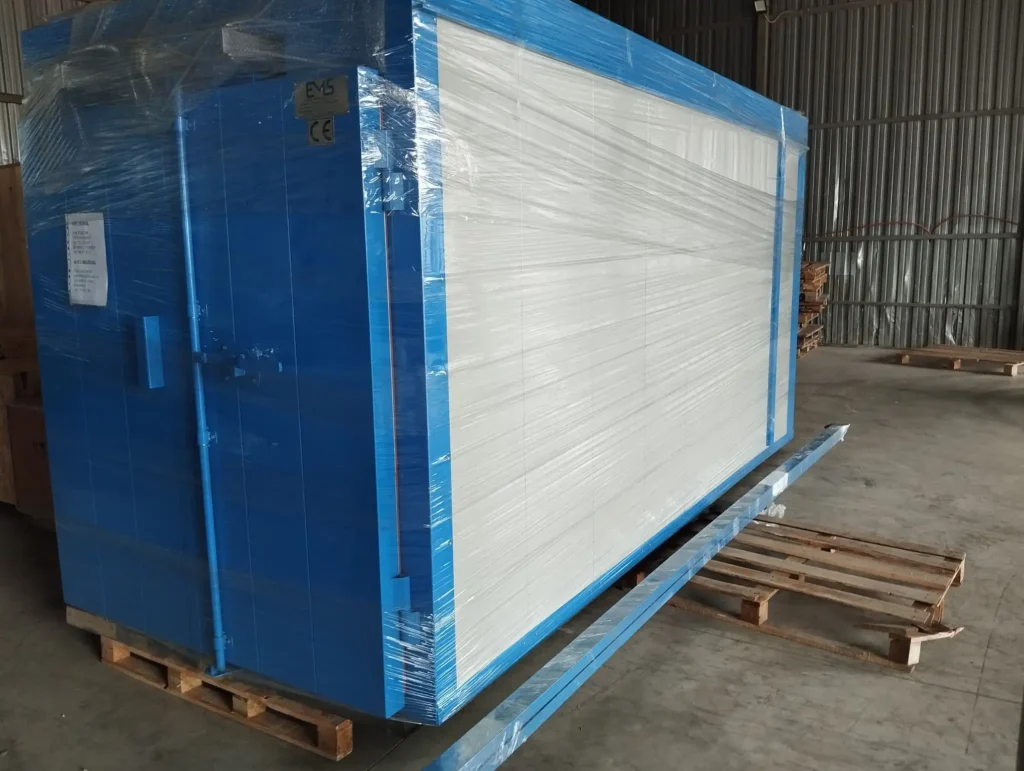
Transport of the powder coating equipment of our customers
Categories
Powder Coating Equipment Manufacturer

Fluidized Bed Coating Equipment

Fluidized Bed Coating Equipment

Fluidized Bed Coating Equipment: Fluidized bed coating equipment is used in various industries (such as pharmaceuticals, food, and chemicals) to coat solid particles or granules with a layer of material, typically to modify their properties like taste, dissolution rate, or appearance.

What is a Fluidized Bed Coating System?

A fluidized bed involves suspending solid particles in an upward-flowing stream of gas (usually air), causing them to behave like a fluid. During coating, a liquid formulation (like a polymer solution or suspension) is sprayed onto the fluidized particles. The heated air dries the liquid, forming a solid coat.

Main Components of a Fluidized Bed Coater

  1. Product Chamber – Where the particles are fluidized and coated.
  2. Air Handling System – Provides and conditions the fluidizing air (heating, humidifying, filtering).
  3. Spray System – Includes nozzles to atomize the coating liquid (top-spray, bottom-spray [Wurster], or tangential-spray types).
  4. Exhaust System – Removes excess moisture and solvents.
  5. Control System – Monitors temperature, airflow, spray rate, etc.

Types of Fluidized Bed Coaters

  1. Top-Spray Coaters – Liquid is sprayed from the top; good for layering and granulation.
  2. Bottom-Spray (Wurster) Coaters – Precise coating with minimal agglomeration; ideal for controlled-release formulations.
  3. Tangential-Spray Coaters – Spray comes in from the side; suitable for larger particles or pellets.

Advantages

  • Uniform coating distribution.
  • Efficient drying and fast processing.
  • Scalable from lab to industrial scale.
  • Suitable for heat-sensitive materials (with appropriate control).

Applications

  • Pharmaceutical: Taste masking, enteric coating, sustained-release tablets or pellets.
  • Food: Flavor or nutrient encapsulation.
  • Agrochemical: Controlled release of pesticides or fertilizers.

Fluidized bed coating equipment works by suspending solid particles in a stream of gas, allowing for uniform coating with a liquid formulation. The particles are fluidized by air, and a liquid is sprayed onto them, then dried to form a coating. These systems are used in various industries like pharmaceuticals for controlled-release formulations, food for flavor encapsulation, and agrochemicals for slow-release pesticides. The equipment typically includes a product chamber, an air handling system, a spray system, and an exhaust system, all controlled to ensure optimal conditions for coating and drying. Fluidized bed coaters are versatile, scalable, and efficient, making them ideal for both small-scale laboratory work and large industrial processes. The ability to coat uniformly while controlling parameters like temperature and spray rate makes them valuable for applications requiring precision, such as in the pharmaceutical industry.

In a fluidized bed coating process, the fundamental principle is to create a state where solid particles—typically powders, granules, or pellets—are suspended in an upward stream of air or another gas. This fluid-like behavior ensures that each particle is well exposed and separated from others, enabling a uniform coating to be applied. The coating material, usually in liquid form such as a solution, suspension, or emulsion, is introduced into the fluidized bed through specially designed spray nozzles. As the liquid coating hits the moving particles, it adheres to their surfaces. The continuous flow of heated air rapidly evaporates the solvent or carrier fluid, leaving behind a dry and even film of the desired coating substance.

The entire system is carefully engineered to balance fluidization, spraying, and drying simultaneously. The airflow must be strong enough to suspend the particles but not so intense that it ejects them from the chamber. Spray parameters such as droplet size, spray angle, and flow rate are finely controlled to ensure that the coating is distributed uniformly and doesn’t cause particle agglomeration or wetting issues. Temperature and humidity of the air also play crucial roles, as they affect the drying rate and the physical properties of the final coating.

There are several spray configurations used depending on the nature of the coating and the application. Top-spray systems are often used for layering and granulation purposes, where the coating liquid is sprayed from above onto the fluidized particles. Bottom-spray configurations, also known as Wurster systems, are more precise and are widely employed for applications requiring uniform coating thickness, such as in pharmaceutical dosage forms like pellets or microgranules for controlled or delayed drug release. Tangential-spray systems involve a side entry of the spray and are particularly suited for coating larger or heavier particles that benefit from a more horizontal motion within the chamber.

The versatility of fluidized bed coating technology lies in its ability to handle a wide range of coating materials—polymers, sugars, waxes, resins—and substrates, making it suitable for multiple sectors. In pharmaceuticals, this equipment is used to modify drug release profiles, protect active ingredients from moisture or light, and mask unpleasant tastes. In the food industry, it helps in encapsulating flavors, vitamins, or minerals, improving shelf life and stability. In agriculture, it is used to prepare coated seeds, fertilizers, and pesticides that release gradually over time, enhancing efficiency and reducing environmental impact.

Moreover, the technology is scalable, allowing manufacturers to transfer a process from a laboratory-scale unit to a full-scale production system with relative ease. Modern fluidized bed coaters are equipped with automated control systems that continuously monitor and adjust key parameters, ensuring consistent product quality and regulatory compliance. The combination of high efficiency, reproducibility, and adaptability makes fluidized bed coating an essential part of modern manufacturing in several high-tech and high-precision industries.

The efficiency and precision of fluidized bed coating systems are largely due to the integration of advanced process controls and engineering designs that ensure repeatability and scalability. In pharmaceutical manufacturing, for instance, strict regulations such as Good Manufacturing Practices (GMP) and FDA requirements necessitate the use of equipment that can maintain tight control over process variables. Fluidized bed coaters meet this demand through features such as programmable logic controllers (PLCs), real-time monitoring of inlet and exhaust air temperatures, airflow rates, atomization pressure, spray rates, and bed temperature. These systems often include process analytical technology (PAT) tools, which allow operators to monitor coating thickness, moisture content, and even particle behavior in real time using sensors and feedback loops.

In terms of design, the internal structure of a fluidized bed coater is optimized to promote even fluidization and to avoid issues like dead zones (where particles may stagnate) or channeling (where airflow bypasses the product). The geometry of the product container, the location and number of spray nozzles, and the configuration of the air distributor plate are all critical. For example, in a Wurster coating setup, the product container includes a cylindrical partition or draft tube that directs the particles into a controlled circulation pattern: particles are pulled up through the center where they are sprayed and then fall down along the outer wall to re-enter the spraying zone. This allows for extremely uniform coatings and minimal cross-contamination.

The drying efficiency of the system is another important factor, particularly for heat-sensitive materials. Because fluidized bed coaters expose a large surface area of the product to hot air while keeping the particles in constant motion, they achieve very fast drying rates without exposing the material to excessively high temperatures. This is critical when working with pharmaceuticals, enzymes, probiotics, and other bioactive compounds that could degrade under thermal stress. Additionally, advanced systems offer features like multi-stage drying, adjustable humidity control, and even integrated solvent recovery for processes involving organic solvents.

From a maintenance and operational standpoint, fluidized bed coaters are designed for ease of cleaning and quick changeovers, especially in multiproduct facilities. Many systems are built to support clean-in-place (CIP) or wash-in-place (WIP) procedures, which reduce downtime and contamination risk. Material contact surfaces are typically made of stainless steel and are highly polished to prevent material buildup. Filters, gaskets, and seals are designed for quick disassembly and replacement.

Energy efficiency and environmental impact are also increasingly important in the design of modern fluidized bed coaters. Manufacturers are incorporating energy recovery systems, such as heat exchangers that reclaim waste heat from exhaust air to preheat incoming air. They also use low-energy spray technologies and systems to minimize overspray and material loss. In environmentally sensitive applications, exhaust air may be treated with scrubbers, HEPA filters, or solvent recovery systems to ensure emissions remain within permissible limits.

Ultimately, fluidized bed coating technology offers a highly customizable and robust platform for product development and commercial production across industries. It provides unparalleled control over coating quality, allows for integration with granulation or drying steps, and supports a wide range of formulation strategies. Its ability to adapt to different materials, batch sizes, and performance requirements ensures that it remains a cornerstone of advanced particle processing in the pharmaceutical, food, chemical, and agricultural sectors.

To understand the practical application of fluidized bed coating, consider the development of a sustained-release pharmaceutical pellet. The objective in such a case is to ensure that the active pharmaceutical ingredient (API) is released gradually over time, providing a prolonged therapeutic effect and reducing dosing frequency. The process typically starts with the formation of drug-loaded cores, often referred to as nonpareils or starter pellets, which are made using extrusion-spheronization or direct pelletization techniques. These cores are then coated using a fluidized bed coater to impart the desired release profile.

The coating formulation usually contains a polymer or a combination of polymers that control the rate at which the drug diffuses out of the pellet. Commonly used polymers include ethylcellulose, which forms a semi-permeable membrane, or methacrylate-based copolymers like Eudragit, which can be tailored for pH-dependent or time-dependent release. Plasticizers such as triethyl citrate or polyethylene glycol are added to enhance film flexibility and adhesion. The coating solution may also contain pigments, surfactants, or pore-forming agents, depending on the final product requirements.

During the coating process, the pellets are fluidized in a column while the polymer solution is sprayed from a bottom-spray nozzle (Wurster configuration). This setup ensures that each pellet repeatedly passes through the spray zone, receiving even layers of the coating material. As the heated air passes through the bed, it rapidly dries the wet coating, solidifying it into a uniform film. The process continues until the desired coating weight gain is achieved, which directly influences the drug release rate. For instance, a 10% weight gain might result in a 12-hour release profile, while a 15% weight gain could extend release to 18 or 24 hours.

Process parameters such as inlet air temperature, product temperature, spray rate, atomizing pressure, and fluidization air volume are critical and must be carefully optimized. If the spray rate is too high relative to drying capacity, the particles can become over-wet and stick together, leading to agglomeration or uneven coating. If the temperature is too low, the solvent may not evaporate efficiently, compromising film formation. Conversely, overly high temperatures might dry the droplets before they reach the particle surface, resulting in poor adhesion or dusty coatings.

Once coating is complete, the product undergoes a curing step, which may involve storing the coated pellets under controlled temperature and humidity to allow the polymer chains to coalesce fully and form a continuous film. This step is especially important for aqueous coatings, where initial film formation may be incomplete. Stability testing follows, to assess how the coated product behaves under various environmental conditions, such as heat, humidity, and light. Dissolution testing is used to confirm that the release profile meets the intended specifications.

A similar approach is applied in the food industry for encapsulating sensitive ingredients like flavors, vitamins, or probiotics. Here, the goal may not be controlled release over time, but rather protection against degradation due to heat, moisture, or oxygen. For instance, vitamin C, which is highly unstable in the presence of light and oxygen, can be coated with a protective layer that dissolves only in the stomach. In these cases, the coating formulation might use materials like modified starches, shellac, or maltodextrins. The equipment and process principles remain largely the same, but the formulations and critical parameters differ based on the nature of the core material and the function of the coating.

The adaptability of fluidized bed coaters also allows them to support multi-layer coating processes. A single pellet can receive a sequence of coatings: first a sub-coating to improve adhesion, then a drug-containing layer, followed by a barrier layer, and finally an outer enteric or color coating. All of these layers can be applied in the same equipment with minimal intervention, making the process efficient and cost-effective.

Overall, fluidized bed coating systems are not just tools for applying a film—they are sophisticated platforms for engineering the behavior of particles in precise and reproducible ways. Through the intelligent selection of materials, meticulous control of process parameters, and robust system design, these technologies make it possible to tailor the physical, chemical, and functional properties of particulate products for a wide range of advanced applications.

Let’s explore how a fluidized bed coater is used in a real-world laboratory setting by walking through a simplified protocol for applying a sustained-release coating to pharmaceutical pellets. This type of protocol is commonly used during product development before scaling up to commercial manufacturing.

The process begins with a clear definition of objectives: in this case, creating a sustained-release formulation that delivers the active pharmaceutical ingredient (API) over 12 hours. Drug-loaded pellets (about 200–500 microns in diameter) are already prepared and sieved to ensure uniformity in size, which is crucial for consistent fluidization and coating. The coating material selected might be ethylcellulose, chosen for its water-insoluble properties, which retard drug release by forming a semi-permeable membrane around each pellet.

A coating solution is prepared by dissolving ethylcellulose in a suitable organic solvent like ethanol or isopropanol, or in water if an aqueous dispersion is used (such as Aquacoat® or Surelease®). A plasticizer such as triethyl citrate is added at 10–20% of the polymer weight to improve flexibility and prevent film cracking. The solution is mixed using a high-shear or magnetic stirrer and filtered to remove particulates that could clog the spray nozzle.

Next, the fluidized bed coater is prepared. In a lab setting, this might be a small unit with a product capacity of 100 grams to 2 kilograms. The product container is loaded with the pellets, and preheating begins. The inlet air is heated to a setpoint typically between 35°C and 45°C, depending on the sensitivity of the product. The airflow is adjusted to achieve stable fluidization, which is visually confirmed through a sight glass or by monitoring bed pressure drop.

The bottom-spray nozzle (Wurster insert) is selected for precise control. Before coating starts, the system is balanced: airflow, temperature, and nozzle air pressure are stabilized. The coating solution is pumped to the nozzle and atomized at pressures ranging from 1.5 to 2.5 bar. Spray rate is usually initiated at a conservative setting—say, 1.0 g/min—and then gradually increased while monitoring the product temperature and fluidization behavior. Throughout the process, operators continuously check for signs of over-wetting (clumping or sticking) or under-wetting (dust generation or poor coating adherence).

The coating is applied until the target weight gain is reached—say, 12% for a 12-hour release target. This is monitored using either real-time weighing or by sampling and weighing a small amount of the product periodically. During coating, outlet air temperature and humidity are closely monitored as they reflect the drying capacity of the system. For organic coatings, exhaust air may be routed through solvent recovery units or scrubbers to meet safety and environmental regulations.

After coating, the pellets are removed and subjected to a curing step. In a lab, this might involve placing the coated pellets in an oven at 40°C for 24 hours to allow the polymer chains to coalesce and form a continuous, defect-free film. This step significantly influences the final release behavior of the coated product. Without it, the film may be porous or uneven, leading to burst release or dose dumping.

Finally, the product is evaluated. Tests include:

  • Particle size distribution using sieves or laser diffraction.
  • Coating uniformity via scanning electron microscopy (SEM) or optical microscopy.
  • Drug release testing in dissolution baths, simulating gastric and intestinal fluids under USP conditions.
  • Stability testing under accelerated conditions (e.g., 40°C and 75% RH) to assess coating integrity over time.

Once the lab-scale process meets specifications, a scale-up plan is developed. This involves recalculating airflow, spray rates, and batch size based on the equipment geometry and process dynamics of larger coaters—often 10–100 times the size of the lab unit. A key challenge during scale-up is maintaining similar particle trajectories and drying conditions, which requires a deep understanding of fluid dynamics and heat/mass transfer principles in fluidized systems.

In industrial practice, further layers of automation are added, such as automated recipe controls, real-time weight monitoring, and closed-loop spray feedback systems to optimize reproducibility. However, the foundational steps—formulation design, parameter optimization, controlled application, and post-coating treatment—remain essentially the same across all scales.

Fluidized bed coaters, therefore, bridge the gap between precise formulation science and scalable industrial manufacturing. They are especially valuable in regulated sectors where product performance, consistency, and process validation are critical. Beyond pharmaceuticals, similar protocols are adapted for food and agrochemical coatings, often using more robust and less sensitive materials, but following the same engineering principles.

To further appreciate the sophistication of fluidized bed coating, it’s useful to look into the nuanced relationship between process parameters and product characteristics. In practice, every variable—from inlet air temperature to atomizing air pressure—plays a role in determining the quality of the final coated product. Small deviations can result in significant variations in coating uniformity, release profile, and physical integrity.

One of the most critical parameters is inlet air temperature, which affects both the drying rate and the surface morphology of the coating. If the temperature is too high, it can cause the solvent to evaporate too quickly, leading to a rough or porous film. In pharmaceutical applications, this may result in an uncontrolled release profile or film cracking. Conversely, too low a temperature can slow drying to the point where droplets coalesce on the particle surface, causing tackiness and agglomeration. Therefore, temperature is typically set just high enough to promote efficient drying without degrading heat-sensitive ingredients—usually in the range of 35°C to 55°C for aqueous systems and slightly lower for organic solvent-based systems due to the volatility of the solvents involved.

Atomizing air pressure and spray rate are tightly interlinked. The pressure needs to be high enough to generate fine droplets that can coat uniformly but not so high that they rebound from the particle surface or cause excessive turbulence. A finely atomized spray ensures that the droplets quickly form a thin, even coating and dry almost instantaneously as they contact the heated particles. Too high a spray rate, on the other hand, can overload the bed with liquid, leading to agglomeration and uneven coating. Therefore, these two variables are often adjusted in tandem during process development to achieve a stable spray-drying balance. This is why design of experiments (DoE) approaches are often used in R&D to optimize such multivariate systems.

Fluidization air volume determines the mobility of the particles in the bed. Insufficient airflow results in poor particle movement, creating dead zones and inconsistent coating. Excessive airflow can lead to attrition of coated particles or loss of fines through the filters. Ideal fluidization provides enough lift to keep the particles suspended in a stable, circulating pattern without causing mechanical stress or excessive turbulence.

Nozzle design and positioning also significantly impact coating performance. In bottom-spray Wurster systems, the nozzle is located at the base of the partition column, ensuring that particles are directed vertically through a narrow spray zone. This results in highly repeatable, controlled trajectories for each particle and minimizes the chances of bypassing the spray. For sensitive applications where even tiny defects in coating uniformity can affect drug release, Wurster configurations offer unmatched control. In contrast, top-spray systems, while less precise, are more commonly used for layering or granulating, where exact uniformity is less critical.

Bed load (the amount of material in the product chamber) influences how well the particles interact with the spray. Overloading the bed reduces circulation space, leading to clumping and uneven coating. Underloading can result in turbulent motion and inefficient use of spray solution. Most manufacturers determine optimal bed load based on both the chamber geometry and the size/density of the particles being coated.

An often underappreciated aspect of the fluidized bed coating process is coating material rheology—the viscosity and surface tension of the liquid being sprayed. These properties govern how the coating spreads over the particle surface and how quickly it forms a continuous film. A higher-viscosity formulation may require higher atomizing pressure to achieve adequate droplet size, but it also carries a higher risk of nozzle clogging and uneven application. Conversely, very low-viscosity coatings can penetrate too deeply into porous cores or dry too quickly, leading to defects. Surfactants and cosolvents are sometimes used to modulate these properties and achieve optimal coating behavior.

Analytical testing is crucial for confirming that all these tightly controlled parameters result in a product that meets specifications. Tools like near-infrared spectroscopy (NIR) and Raman mapping are used to non-invasively analyze coating thickness and uniformity, while high-performance liquid chromatography (HPLC) is employed to verify drug content and purity. Advanced dissolution testing, often using USP Apparatus I (basket) or II (paddle), is used to confirm that the coated pellets release the active ingredient at the intended rate and under simulated physiological conditions.

Finally, process scale-up brings its own set of challenges, primarily due to differences in heat and mass transfer, airflow dynamics, and equipment geometry. During scale-up, empirical relationships such as maintaining a constant spray flux (spray rate per unit area) or specific fluidization velocity (airflow per unit of bed cross-sectional area) are used as guidelines. However, scale-up is rarely linear and usually requires iterative fine-tuning. Modern scale-up efforts are aided by computational fluid dynamics (CFD) modeling, which simulates particle movement and airflow to optimize equipment design and operating conditions.

The depth and complexity of fluidized bed coating as a technology are matched by its versatility and reliability. Whether the goal is to produce a delayed-release pharmaceutical pellet, a moisture-resistant food granule, or a biodegradable agrochemical bead, the principles remain consistent. Mastery of this process enables formulators and process engineers to design advanced, functional particulate products with precisely controlled characteristics—truly a cornerstone of modern solid dosage form manufacturing.

Fluidized Bed Powder coating equipment manufacturing

Fluidized bed powder coating equipment is a specialized technology used for applying a dry powder coating to a substrate, typically metal parts. The key difference from traditional liquid coatings is that in powder coating, the coating material is applied as a powder, which is then melted and cured to form a solid, durable finish. Fluidized bed powder coating utilizes the same basic principle of fluidization, where powder particles are suspended in a stream of air, ensuring uniform coating coverage over the surface of the part.

How Fluidized Bed Powder Coating Works

  1. Fluidization Process: The powder is placed in a chamber where an upward airflow (usually via a perforated plate or bed) is used to suspend the powder particles. As the particles become suspended, they take on a fluid-like behavior, which allows them to be evenly distributed and applied to the surface of the workpieces. This is similar to fluidized bed coating used in other industries, but in this case, the aim is to coat solid parts with a dry powder.
  2. Coating Application: The part to be coated is dipped into the fluidized bed. As the part enters the chamber, the suspended powder adheres to the heated surface. The part may be pre-heated before dipping to ensure that the powder sticks effectively, creating a uniform coating.
  3. Curing: After the part is coated with the powder, it typically undergoes a curing process. The coated part is heated in an oven where the powder melts and bonds to the substrate. The temperature and time of curing depend on the type of powder being used but typically range between 160°C and 200°C for 10–30 minutes.

Key Components of Fluidized Bed Powder Coating Equipment

  1. Fluidized Bed Chamber: The chamber contains a perforated plate or mesh, which allows the air to flow upward, suspending the powder particles. The part to be coated is immersed into this fluidized bed of powder, and it picks up a uniform layer of powder coating.
  2. Air Supply System: This system provides the airflow that suspends the powder in the fluidized bed. Air is typically filtered and regulated to ensure the correct airflow and fluidization of the powder.
  3. Powder Storage and Delivery: The powder is stored in a hopper and is often equipped with a vibration mechanism to prevent clumping and ensure consistent flow. Powder is delivered into the fluidized bed chamber, where it is aerated by the airflow.
  4. Temperature Control System: The parts are often preheated before dipping, and a curing oven or infrared heaters are used after coating to melt and bond the powder to the surface.
  5. Exhaust System: A system that removes excess air and ensures that no unwanted powder particles are released into the environment, maintaining a clean workspace and preventing contamination.
  6. Control System: Modern fluidized bed powder coating equipment comes with an automated control system to monitor and adjust temperature, air pressure, flow rates, and timing, ensuring consistent application and curing.

Advantages of Fluidized Bed Powder Coating

  • Durability: Powder coatings provide excellent resistance to abrasion, corrosion, and weathering. The coating typically has a thicker and more uniform layer compared to liquid coatings, making it more durable and long-lasting.
  • Environmentally Friendly: Unlike liquid coatings, which may contain volatile organic compounds (VOCs) and solvents, powder coatings are free from these harmful chemicals. There is also little to no waste, as excess powder can be reclaimed and reused.
  • Uniform Coating: The fluidized bed allows for a consistent and uniform coating across all surface areas of the part, even complex geometries, ensuring high-quality finishes.
  • No Drips or Runs: Since the coating is applied as a powder, there is no risk of drips, runs, or sags, which can sometimes occur with liquid coatings.

Applications of Fluidized Bed Powder Coating

  • Metal Parts: Commonly used for coating metal parts in industries such as automotive, appliances, and manufacturing. The equipment is especially useful for large or irregularly shaped parts, such as automotive components, that are difficult to coat uniformly using traditional methods.
  • Corrosion Resistance: Fluidized bed coating is particularly valuable for applications where parts need a durable, corrosion-resistant finish, such as in industrial equipment, pipelines, and outdoor fixtures.
  • Heat-Sensitive Materials: For applications where a high level of temperature resistance is required, fluidized bed powder coating can be used with powders designed to withstand extreme temperatures.
  • Rework and Repair: It can also be used for re-coating or repairing previously coated parts by reapplying the powder and curing it to restore the finish.

Advantages Over Other Coating Methods

  • No Solvents: Unlike liquid coatings that often require solvents, powder coating uses no liquid solvents, making the process more environmentally friendly and reducing health risks associated with solvent exposure.
  • Thicker Coatings: Fluidized bed coating can create thicker coatings in a single dip, which is ideal for certain applications such as heavy-duty equipment parts.
  • Low Operational Costs: The powder can be reclaimed and reused, reducing material costs over time. Additionally, energy consumption may be lower compared to spray powder coating, as the parts are dipped directly into the fluidized bed.

Challenges and Considerations

  • Part Preheating: Preheating the parts is crucial for successful fluidized bed powder coating, especially for parts with complex geometries or large surface areas. The parts must be heated to the correct temperature to ensure proper powder adhesion.
  • Powder Type and Composition: The selection of powder is important. Different powders (such as epoxy, polyester, or hybrid blends) have different curing requirements and environmental characteristics, such as resistance to chemicals, UV degradation, and temperature.
  • Complex Geometry: While fluidized bed coating works well for a wide variety of shapes, very small or intricate parts may present challenges due to powder distribution issues. Careful selection of the fluidized bed’s air pressure and powder type can help mitigate this.

Fluidized Bed vs. Spray Powder Coating

While both fluidized bed and spray powder coating are effective methods for applying powder coatings, they differ in the way the powder is applied and the type of parts they are suited for.

  • Fluidized Bed Powder Coating: Ideal for large, simple parts or batches of small parts that can be dipped in the bed. It is better for thicker coatings and is well-suited for applications like heavy-duty industrial equipment or metal components.
  • Spray Powder Coating: Involves spraying a charged powder onto the substrate, typically using an electrostatic charge to attract the powder. This method is better for complex geometries or parts that cannot be easily dipped into a fluidized bed. It also offers more precise control over the thickness of the coating.

Conclusion

Fluidized bed powder coating equipment is a reliable, efficient, and environmentally friendly method for applying a durable and uniform coating to parts, especially metal substrates. Its application spans industries such as automotive, aerospace, and manufacturing, where long-lasting, corrosion-resistant finishes are required. While it may not be the most suitable choice for highly intricate or small parts, its benefits of uniformity, environmental friendliness, and the ability to apply thicker coatings make it an excellent option for many industrial applications.

Fluidized bed powder coating equipment manufacturing involves a sophisticated process to design and produce machines capable of coating a variety of substrates, typically metal, with a powder coating. These machines use the principle of fluidization, where powdered coating material is suspended in an upward flow of air, creating a “fluid-like” effect. This allows the powder to evenly coat the surface of parts that are then cured in a high-temperature oven. The key benefits of fluidized bed powder coating include its ability to apply thick, durable coatings efficiently, without the need for solvents, which makes it an environmentally friendly option compared to traditional liquid coating methods. This process is particularly effective for coating parts that are large, have simple geometries, or are prone to corrosion. The typical industries that benefit from fluidized bed powder coating include automotive, industrial equipment manufacturing, and even some consumer goods like appliances. Fluidized bed coating is often used in situations where high durability and corrosion resistance are critical.

In manufacturing fluidized bed powder coating equipment, a primary challenge is ensuring precise airflow control and uniform powder distribution. The equipment is designed with a chamber where the powder is introduced and suspended by an air supply system. The powder is kept fluidized in the chamber by a combination of air pressure, temperature control, and mechanical vibration to keep the powder from clumping together. This powder is then applied to the parts that are dipped into the fluidized bed. Parts that are to be coated are preheated, which helps the powder adhere more effectively when they are immersed into the bed.

Once coated, the parts are moved into a curing oven where the powder melts and forms a solid, uniform coating on the part. The curing process generally requires heat in the range of 160°C to 200°C, with a curing time of 10 to 30 minutes depending on the size and type of powder used. The temperature and curing time need to be carefully controlled to ensure the coating is sufficiently hardened and bonded to the substrate.

The equipment itself includes several key components such as the fluidized bed chamber, air supply system, powder storage and delivery systems, temperature control systems, and curing ovens. The chamber is typically fitted with a perforated plate that allows air to be blown upward, keeping the powder suspended. The air supply system consists of a fan, filter, and air regulator to ensure a consistent flow and pressure of air. The powder is stored in hoppers and often features mechanisms to prevent clumping, such as vibrators that help maintain a steady flow of powder into the chamber.

Powder storage and delivery systems ensure that the powder remains consistent in flow and quality, and this often involves vibration or mechanical agitation to prevent powder from settling or becoming compacted. The temperature control system regulates the temperature of the air used to fluidize the powder and the temperature of the preheated part. A reliable temperature control system is crucial for maintaining the consistency of the coating and ensuring that parts are adequately preheated before they enter the fluidized bed. A proper exhaust system is also crucial to remove excess powder and prevent contamination of the workspace.

A significant advantage of fluidized bed powder coating equipment is its ability to provide thicker coatings in a single application, which makes it ideal for parts that need a robust finish to protect against wear and corrosion. The process itself is highly efficient, as excess powder can be reclaimed and reused, which reduces material waste. This characteristic is especially beneficial in industries where cost control is important and where the coating material is expensive. Additionally, fluidized bed powder coating requires no solvents, reducing environmental impact and worker exposure to harmful chemicals, making it a more sustainable choice compared to traditional liquid coatings that may contain volatile organic compounds (VOCs).

The equipment is particularly suited for large or simple-shaped parts, such as automotive components, metal frames, and appliance parts. However, it may not be the ideal choice for parts with complex shapes or very fine details, as it can be difficult to control the powder application precisely on such parts. In these cases, spray powder coating systems may be preferred, as they provide more precise application control through electrostatic charges.

In manufacturing these fluidized bed powder coating systems, suppliers typically work closely with end-users to understand their specific coating needs and then customize the equipment to ensure it meets the necessary specifications. This may include adjusting the size of the fluidized bed chamber, optimizing airflow systems, and fine-tuning the curing process. Advanced fluidized bed coating systems may even incorporate automated controls to adjust the spray rates, airflow, and temperature in real-time, ensuring a more consistent coating result and reducing the need for manual intervention.

Finally, after the equipment is assembled and tested, manufacturers ensure that it complies with industry standards and regulations, such as safety protocols for airflow and temperature control and compliance with environmental standards. The equipment must be robust enough to handle the continuous, high-demand operation often required in industrial environments. Therefore, material selection for components like the chamber, air supply system, and curing ovens is critical for the durability and longevity of the equipment. High-performance alloys or special coatings may be used for parts exposed to extreme temperatures or wear.

Overall, fluidized bed powder coating equipment manufacturing combines engineering precision, material science, and process control to create machines that deliver durable, consistent, and environmentally friendly coatings for a wide range of applications. As industries continue to demand higher-quality finishes and more sustainable practices, the role of fluidized bed powder coating is likely to expand, with ongoing advancements in equipment design and technology.

As the demand for efficient and sustainable manufacturing processes continues to grow, the design and advancement of fluidized bed powder coating equipment is also evolving. The future of fluidized bed coating involves improvements in automation, process control, and material recovery, all of which contribute to making the process even more efficient and cost-effective.

One of the most exciting areas of development is automation. Many fluidized bed powder coating systems are now being designed with integrated automation capabilities, such as robotic handling and automated coating thickness measurement. Robots can be used to handle the parts being coated, reducing the need for manual intervention and increasing throughput. Automation also allows for better consistency and quality control, as robots can follow pre-programmed movements and ensure that each part is coated in exactly the same way, at the same speed, and under the same conditions.

Another critical advancement is the integration of real-time process control. Modern fluidized bed powder coating systems are increasingly equipped with sensors and control systems that monitor key parameters such as airflow rate, temperature, powder density, and coating thickness. These systems can automatically adjust parameters to maintain consistent coating quality. This real-time feedback not only reduces human error but also allows manufacturers to fine-tune the process, making it possible to produce high-quality coatings even at larger scales.

To further optimize the material recovery process, many fluidized bed powder coating systems now feature advanced reclaim systems. In these systems, excess powder that is not used in the coating process is collected and reused, greatly reducing material waste. The powder is often recycled through sophisticated filtration systems that ensure only clean, non-contaminated powder is reused. This is especially important in applications where the powder is costly or where environmental concerns demand that waste be minimized. These reclaim systems can significantly reduce operational costs and minimize the environmental impact of the coating process.

Additionally, energy efficiency has become a major focus in the development of fluidized bed powder coating equipment. As energy consumption plays a significant role in operating costs, many modern systems are designed to be more energy-efficient. Advances in heat recovery systems, where excess heat from the curing process is recycled, are reducing the amount of energy required to maintain consistent curing temperatures. This not only lowers energy costs but also minimizes the environmental footprint of the manufacturing process.

Material innovations also play a key role in improving the overall performance of fluidized bed powder coating systems. For example, the development of new types of powders—such as low-temperature curing powders, high-temperature-resistant powders, or powders with enhanced adhesion properties—has expanded the range of applications for fluidized bed coating. These innovations allow manufacturers to coat materials that were previously difficult to coat or to achieve new, specialized finishes, such as coatings that are both heat- and chemical-resistant.

Another area of progress is improved powder storage and handling systems. Traditional powder storage methods often involved large, static hoppers, but modern systems have been designed with more advanced features. For instance, powder storage is increasingly becoming more automated and features integrated vibration mechanisms to prevent clumping and ensure a consistent flow of powder into the fluidized bed. This increases the efficiency of the coating process and reduces downtime caused by clogged powder lines or inconsistent powder flow.

Additionally, improvements in safety have been an ongoing focus in fluidized bed powder coating equipment manufacturing. Since powders can sometimes be combustible, safety features are incorporated into equipment to mitigate these risks. Equipment now comes with advanced explosion-proof designs and better filtration systems to prevent the accumulation of flammable powders. Furthermore, better ventilation and dust extraction systems are being integrated to protect workers from inhaling harmful dust, which is especially important in industrial settings.

One of the most important considerations in fluidized bed powder coating is the selection of appropriate powders for specific applications. For example, some coatings are designed to be highly resistant to abrasion, corrosion, or UV degradation, while others may focus on providing an aesthetically pleasing finish. As industries continue to develop new materials and coatings, manufacturers of fluidized bed equipment are adapting to these needs by offering systems capable of handling a wider variety of powders, including those for specialized coatings like metallic or textured finishes.

To support a diverse range of industries, fluidized bed systems are becoming more customizable. Manufacturers are offering modular systems that can be scaled up or down depending on the needs of the business. For instance, a small shop may require a compact, bench-top unit for coating small batches, while a larger manufacturer may require an industrial system capable of handling thousands of parts per day. The flexibility of these modular systems means that manufacturers can adapt their equipment to meet specific production requirements, without being limited by the size or configuration of the system.

Finally, environmental regulations are driving the demand for more sustainable and eco-friendly fluidized bed powder coating solutions. As stricter regulations are introduced worldwide concerning emissions, waste, and VOCs (volatile organic compounds), fluidized bed coating offers an effective solution due to its solvent-free nature. Moreover, manufacturers are also focusing on reducing the environmental impact of the curing process. Instead of relying solely on traditional electric or gas-powered curing ovens, newer technologies are being explored, such as infrared and UV curing, which can reduce energy consumption and improve processing speed.

The growing trend toward green manufacturing and sustainability is pushing fluidized bed powder coating equipment manufacturers to explore new ways to reduce environmental impact, such as designing equipment with reduced energy consumption and low-emission systems. Moreover, the ability to recycle and reuse coating powders makes fluidized bed powder coating one of the more sustainable coating methods available.

In conclusion, fluidized bed powder coating equipment manufacturing is experiencing significant advancements that make the process more efficient, sustainable, and versatile. These developments are responding to the needs of various industries, from automotive to heavy-duty equipment manufacturing, and will continue to evolve as new materials, powders, and process technologies emerge. The integration of automation, real-time monitoring, improved energy efficiency, material recovery, and sustainability ensures that fluidized bed powder coating remains a leading solution in the coating industry, providing durable, high-quality finishes while minimizing environmental impact and operational costs.

The future of fluidized bed powder coating equipment manufacturing is poised to evolve further with emerging trends and technological innovations, enhancing the overall efficiency and application versatility of the process. As industries continue to push the boundaries of performance, durability, and environmental responsibility, fluidized bed powder coating systems are being developed with even greater focus on automation, precision, and sustainability.

Advanced Automation and AI Integration

Automation has been a significant driver in optimizing fluidized bed powder coating processes. The next stage of development lies in the integration of artificial intelligence (AI) and machine learning. AI can be used to predict and control variables such as coating thickness, air pressure, and curing times in real time, ensuring consistent and high-quality finishes. This is particularly useful in high-volume production settings where maintaining uniform quality across hundreds or thousands of parts is critical. Machine learning can also be employed to optimize powder use, detect anomalies in the coating process, and make adjustments without human intervention, increasing the precision of the operation.

Furthermore, robotic systems are increasingly being integrated into fluidized bed systems, particularly in larger manufacturing environments. Robots can handle the movement of parts through the system, from preheating to powder coating to curing, all while ensuring minimal human involvement. This not only improves speed and reduces the risk of human error but also ensures safer working conditions, particularly in environments where powder handling may expose workers to hazardous materials or dust.

3D Printing and Fluidized Bed Powder Coating

One of the emerging trends that could reshape fluidized bed powder coating is the synergy between 3D printing and powder coating. As 3D printing technology becomes more advanced, particularly with metal additive manufacturing, the ability to apply a fluidized bed powder coating to 3D printed parts is becoming more common. 3D printed parts can often have rough surfaces or micro-porosities that make them difficult to finish without a protective coating. Fluidized bed coating is well-suited to these challenges, as it can provide an even, high-durability coating on complex geometries, adding a protective layer that enhances the performance of 3D printed metal parts. The combination of 3D printing and fluidized bed powder coating is especially valuable in industries such as aerospace, automotive, and medical device manufacturing, where precision, performance, and part durability are crucial.

Enhanced Powder Technologies

The continuous development of powder materials is one of the key drivers of change in fluidized bed coating. New powders with improved properties—such as nano-coatings, powders with embedded antimicrobial properties, or coatings that offer enhanced UV and heat resistance—are being developed for specific applications. For example, powders that can cure at lower temperatures allow manufacturers to coat heat-sensitive materials or reduce the energy required for curing. The inclusion of functional additives in powder formulations, such as conductive, anti-corrosion, or anti-fingerprint agents, enhances the versatility of fluidized bed powder coating for highly specialized applications, particularly in electronics and high-tech manufacturing sectors.

Hybrid powder systems, combining different powder types to take advantage of multiple performance characteristics, are also becoming more common. These hybrid powders can offer enhanced physical properties, such as increased impact resistance or flexibility, while maintaining the aesthetic qualities of a smooth, glossy finish.

Smart Powder Recovery Systems

As environmental concerns grow, the recycling and recovery of powder materials is becoming more important. Advanced powder recovery systems are designed to maximize the reuse of excess powder, reducing material waste and cutting costs. New vacuum recovery systems and automated sieving techniques have been developed to reclaim powder that has been removed from parts and filter out contaminants, ensuring that only clean powder is reused. These innovations make it possible to significantly reduce the amount of wasted powder, improving both cost-effectiveness and sustainability. Moreover, the integration of digital sensors can monitor powder quality during recovery, ensuring that the reclaimed powder meets the necessary specifications for reuse.

Sustainability and Energy Efficiency

The push toward green manufacturing continues to be a driving factor in the development of fluidized bed powder coating systems. Manufacturers are constantly looking for ways to reduce energy consumption and minimize waste in the powder coating process. Advances in energy-efficient curing ovens, which use technologies like infrared curing, are becoming more widespread. Infrared heating is more efficient because it directly heats the part rather than the surrounding air, reducing overall energy consumption and speeding up the curing process.

Additionally, the development of low-energy fluidized bed systems is aimed at reducing the amount of electricity required for powder fluidization. By optimizing the airflow and pressure control, manufacturers are able to minimize energy consumption while maintaining the coating quality and speed. The use of sustainable powders—such as those that are biodegradable or have a lower carbon footprint—is also gaining traction, ensuring that fluidized bed powder coating aligns with broader sustainability goals.

Globalization and Customization

As global supply chains continue to expand, the demand for customizable fluidized bed coating systems that can cater to different regional needs is increasing. Equipment manufacturers are focusing on offering modular designs that allow for quick adjustments and scalability. These modular systems can be easily upgraded or adjusted based on specific customer requirements, whether for changes in production volume, coating types, or part sizes.

Customization also extends to regional powder formulations, which are tailored to local environmental conditions. For example, manufacturers in areas with high humidity may require coatings that offer enhanced moisture resistance, while those in high-temperature regions may need coatings that are more heat-resistant. By offering equipment that can accommodate these specific needs, fluidized bed powder coating manufacturers are better able to serve diverse markets worldwide.

Increased Focus on Quality Control

With the increasing complexity of parts and coatings, manufacturers of fluidized bed powder coating equipment are focusing more on precision and quality control systems. The use of digital platforms that can track every aspect of the coating process—airflow, powder flow rate, part movement, temperature, curing time, and thickness—helps ensure consistent quality across all parts. These digital solutions can also provide real-time data, allowing for immediate adjustments to be made to the coating process if needed, reducing downtime and improving operational efficiency.

Vision-based inspection systems, integrated into coating lines, can automatically detect defects in coatings, such as thin spots, excessive coating, or uneven coverage. This is particularly useful in industries where even minor defects can be costly, such as aerospace or electronics.

Collaboration Across Industries

Finally, the future of fluidized bed powder coating will likely involve greater collaboration across industries. As the need for more specialized coatings and equipment grows, manufacturers of fluidized bed coating systems are increasingly working alongside material suppliers, industry researchers, and end-users to develop coatings that meet specific performance requirements. For example, aerospace companies may partner with coating equipment manufacturers to create coatings that provide both corrosion resistance and weight savings, while automotive manufacturers might focus on developing coatings that provide both a high-quality aesthetic finish and superior scratch resistance.

The ongoing collaboration across sectors will ensure that fluidized bed powder coating continues to meet the ever-changing demands of modern manufacturing, delivering high-quality, durable finishes in an environmentally responsible manner.

In conclusion, the fluidized bed powder coating industry is evolving with rapid technological advancements aimed at improving efficiency, sustainability, and quality. From automation and AI integration to the development of new powder materials and energy-efficient systems, these innovations are setting the stage for a more advanced and eco-friendly future in coating technology. Whether for automotive, aerospace, or consumer goods manufacturing, fluidized bed powder coating is adapting to meet the needs of diverse industries while also addressing global challenges such as sustainability and energy efficiency.

As the fluidized bed powder coating industry continues to advance, several emerging trends and innovations are shaping its future trajectory. These developments will not only impact the operational aspects of fluidized bed coating but also expand its applications across a variety of sectors. Let’s explore some of these future directions.

Emerging Coating Technologies

The integration of nanotechnology in fluidized bed powder coatings is one of the most exciting areas of development. Nanomaterials, due to their unique properties, offer a significant enhancement in the performance of coatings. For instance, nanocoatings can provide increased hardness, enhanced corrosion resistance, and better wear resistance compared to conventional coatings. These properties make nanotech powder coatings ideal for demanding applications in industries such as aerospace, automotive, and military manufacturing.

Further, self-healing coatings are being explored for fluidized bed systems. These coatings can automatically repair themselves when damaged, greatly extending the lifespan of coated parts. This technology is particularly useful for parts exposed to extreme environmental conditions or wear, such as in offshore oil rigs, transportation, and heavy machinery.

Graphene-based coatings, known for their strength, flexibility, and conductivity, are gaining traction in fluidized bed coating systems. Graphene can provide coatings that are lightweight yet incredibly strong, offering enhanced protection against corrosion, temperature extremes, and physical damage. These advanced materials are especially promising in industries where high performance and durability are critical, such as in electronics and battery manufacturing.

Digitalization and the Internet of Things (IoT)

Another key trend in fluidized bed powder coating equipment manufacturing is the increasing role of digitalization and IoT (Internet of Things). IoT-enabled coating equipment allows manufacturers to gather vast amounts of data from their systems, providing insights into every aspect of the coating process. Sensors embedded in fluidized bed systems can monitor variables like powder density, air velocity, temperature, and humidity. These sensors communicate in real time with a centralized control system, enabling automatic adjustments and providing predictive analytics to prevent downtime before it occurs.

The integration of cloud computing allows for the storage and analysis of large datasets from multiple coating lines, enabling manufacturers to optimize processes across entire plants. This enables manufacturers to run predictive maintenance schedules, forecast the need for repairs or replacements, and continuously fine-tune the coating process. In addition to improving performance, these digital tools help manufacturers comply with regulatory standards by providing traceability of the coating process, which can be critical for quality assurance in certain industries such as aerospace, automotive, and food manufacturing.

Eco-Friendly Powder Coatings

As sustainability continues to be a driving force in manufacturing, there is a growing emphasis on eco-friendly powder coatings. Manufacturers are working on developing coatings that not only perform well but also minimize environmental impact throughout their lifecycle. This includes reducing the energy consumption during curing, developing coatings made from renewable or non-toxic materials, and using biodegradable powders.

The shift towards water-based powder coatings is one of the significant eco-friendly innovations. Traditional powder coatings often rely on petroleum-based chemicals, but water-based alternatives are being developed to reduce the environmental footprint of the powder coating process. These water-based coatings are not only less harmful but also contribute to reducing the volatility of the overall production process. Waterborne powder coatings can be designed to perform at high levels while offering low environmental impact, making them an excellent choice for a wide range of applications.

Recyclability of both the powder itself and the coated parts is another critical consideration in the push for more sustainable manufacturing practices. Efforts to improve the end-of-life recyclability of coated products will reduce waste and contribute to the circular economy, where materials are reused and recycled rather than discarded. Advances in waste management systems in fluidized bed coating equipment are helping reduce the disposal of powder waste, while also enabling more efficient reclamation and reuse of powder materials.

Robotics and Additive Manufacturing in Coating

Robotics is not just revolutionizing the handling of parts through the coating process but also opening up possibilities for additive manufacturing (AM) and 3D printing to be integrated into the powder coating process. In industries like automotive and aerospace, where parts often have complex geometries or customized features, the ability to 3D print metal or plastic parts and then coat them using fluidized bed powder coating systems presents numerous advantages.

The combination of 3D printing with fluidized bed powder coating offers manufacturers the flexibility to create highly detailed or complex parts with tailored coatings. For example, 3D printed parts could be designed to have hollow sections, intricate patterns, or unusual shapes, which are then uniformly coated with powder to ensure durability and performance. Additive manufacturing also allows for the production of low-volume, highly specialized parts, reducing waste and inventory costs while still benefiting from the protective and aesthetic qualities of powder coatings.

Moreover, robotic arms are increasingly being used to handle these 3D-printed parts through fluidized bed coating processes. The precision of robotics allows for better control over the part positioning, ensuring uniform coating even on intricate designs. Robotic arms also improve efficiency by handling high-mix, low-volume runs, which is common in industries like prototyping and aerospace, where custom parts are often required.

Global Trends and Customization

As manufacturers continue to serve global markets, the need for customizable coating solutions grows. Manufacturers are increasingly focusing on flexible fluidized bed powder coating systems that can be adapted to local regulations, customer preferences, and product specifications. For instance, regions with extreme temperatures may require powder coatings that provide enhanced thermal protection, while coastal areas may require coatings with advanced corrosion resistance due to exposure to saltwater.

Additionally, local supply chains and regional manufacturing needs will play a larger role in shaping fluidized bed powder coating equipment. For example, some regions may prioritize equipment that can handle specific types of coatings or that comply with strict environmental regulations. Manufacturers will need to offer more modular systems that can be quickly adjusted or reconfigured to meet regional demands. The ability to produce coating equipment that can be tailored to a specific market will be a key competitive advantage in the global marketplace.

Consumer Demand for Aesthetic Finishes

With an increasing focus on aesthetics, particularly in consumer-facing industries such as automotive, electronics, and furniture, the demand for high-quality, visually appealing coatings is on the rise. Manufacturers are increasingly relying on fluidized bed powder coating systems to deliver smooth, uniform, and aesthetically pleasing finishes. Innovations in this area include the use of textured and metallic coatings that give products a distinctive look and feel while providing the durability expected from powder coatings.

High-performance clear coatings are also gaining popularity, particularly in applications like automotive wheels and consumer electronics, where the coating needs to provide a gloss finish without compromising the substrate’s performance. As demand for more complex aesthetic finishes rises, fluidized bed powder coating equipment manufacturers will need to continuously innovate to offer customers a broad range of surface finishes, including matte, gloss, and satin effects.

Future Challenges and Opportunities

Despite the advancements, several challenges remain for the future of fluidized bed powder coating. These include the need for greater precision in powder application for intricate parts, addressing safety risks associated with handling certain types of powders, and reducing the cost of advanced powders that can be prohibitively expensive for some manufacturers.

However, these challenges present opportunities for further innovation. Research into advanced coating materials, more precise powder application technologies, and safety advancements will ensure that fluidized bed coating remains competitive. Additionally, as global manufacturing continues to evolve, the demand for customized, sustainable, and high-performance coatings will continue to drive the development of fluidized bed powder coating equipment.

In conclusion, the fluidized bed powder coating industry is entering an era of rapid innovation, driven by technological advancements, automation, sustainability initiatives, and growing consumer demand for higher-quality and more durable finishes. As these trends continue to unfold, the future of fluidized bed powder coating promises more efficient, flexible, and environmentally responsible solutions, capable of meeting the diverse and ever-evolving needs of manufacturers worldwide.

Fluidized bed powder coating machine

A fluidized bed powder coating machine is a specialized piece of equipment used in the powder coating process, where a dry powder is applied to parts or substrates to create a durable and uniform finish. Unlike traditional spray coating, fluidized bed coating involves a bed of powder suspended in a stream of air, which helps to coat the parts. The fluidized bed process is particularly well-suited for coating metal components, especially those that are complex in shape or have intricate designs. Here’s an overview of how these machines work and their key components:

How Fluidized Bed Powder Coating Works

  1. Fluidized Bed: The key feature of the system is the fluidized bed, which is a container that holds the powder material. The powder is usually composed of thermosetting resins that will melt and cure when exposed to heat. The bed of powder is kept suspended by an upward stream of air supplied through the bed’s bottom. This makes the powder behave like a liquid, allowing it to coat objects evenly.
  2. Heating the Part: The part to be coated is typically preheated in an oven before being immersed in the fluidized bed. Preheating ensures that the powder adheres better to the surface. The part is usually heated to a temperature where the powder can easily melt and bond.
  3. Coating: When the preheated part is dipped or inserted into the fluidized bed, the fine powder particles attach themselves to the surface of the part due to electrostatic attraction and thermal bonding. The part is then gently removed from the fluidized bed, leaving a uniform coating on its surface.
  4. Curing: After coating, the part is typically placed in a curing oven. The heat causes the powder to melt, flow, and fuse into a smooth, durable, and hard finish. The curing process solidifies the coating, giving it the final desired characteristics such as toughness, resistance to corrosion, and color.

Key Components of a Fluidized Bed Powder Coating Machine

  1. Fluidized Bed Container: This is the part of the system where the powder is kept in suspension. The container is usually equipped with an air distribution plate or screen at the bottom to evenly distribute the airflow across the powder bed. The right air velocity is critical to maintaining an even fluidization of the powder.
  2. Air Supply System: The air supply system forces air through the fluidized bed, suspending the powder and allowing it to behave like a liquid. This air supply is typically controlled by a compressor, and adjustments to the airflow can control the density of the powder bed and its fluidization characteristics.
  3. Powder Material: The powder material used in fluidized bed coating is typically a thermosetting polymer, which melts and fuses upon heating. Common powders include epoxy, polyester, and hybrid formulations, depending on the application and desired properties such as corrosion resistance, hardness, and appearance.
  4. Preheating Oven: A preheating oven is used to bring the parts to the desired temperature before they are coated. The temperature of the parts typically ranges between 180–200°C (350–400°F) before immersion in the fluidized bed. Preheating is necessary for proper adhesion and to ensure an even coating.
  5. Curing Oven: After coating, the part must be cured in a separate oven. This oven maintains a specific temperature for a set period to allow the powder to fully melt, flow, and bond to the surface, creating a durable and solid finish.
  6. Control System: Modern fluidized bed powder coating machines are equipped with automated control systems that regulate the airflow, temperature, and timing of various processes to ensure consistency and quality. These systems allow for adjustments based on the size, type, and material of the parts being coated, as well as the type of powder used.

Advantages of Fluidized Bed Powder Coating

  • Uniform Coating: The fluidized bed system ensures that powder is evenly applied to the surface of the parts, providing a consistent finish even on complex geometries.
  • No Overspray: Unlike spray coating, fluidized bed coating minimizes the loss of powder due to overspray. This leads to better material utilization and reduced waste.
  • Durability: Powder coatings are generally more durable than liquid coatings. Fluidized bed coating is particularly beneficial for creating tough, abrasion-resistant finishes.
  • Low Environmental Impact: Fluidized bed coating does not require solvents, which means no harmful volatile organic compounds (VOCs) are emitted during the process, making it more environmentally friendly compared to conventional liquid coatings.
  • No Need for Chemical Substrates: Parts do not need to be chemically treated before coating, as the powder coating will naturally adhere to properly prepared or preheated metal surfaces.

Applications of Fluidized Bed Powder Coating

Fluidized bed powder coating machines are used across many industries due to their ability to provide high-quality, durable finishes. Some common applications include:

  • Automotive: For coating parts such as engine components, wheels, and chassis parts.
  • Aerospace: For coating high-performance parts exposed to extreme conditions.
  • Furniture: For creating scratch- and corrosion-resistant finishes on metal furniture.
  • Consumer Goods: For coating items like home appliances, garden equipment, and tools.
  • Industrial Equipment: For coating parts exposed to heavy wear, including machinery components and frames.
  • Architectural Coating: Used for exterior applications such as coatings on architectural metal frames, gates, and other structural components exposed to the elements.

Types of Fluidized Bed Powder Coating Machines

  1. Standard Fluidized Bed Systems: These are the traditional machines with a simple fluidized bed setup that works by immersing preheated parts directly into the bed of powder. They are ideal for low-volume, high-quality coating applications.
  2. Automated Fluidized Bed Systems: For high-volume production environments, automated fluidized bed systems can handle parts with minimal human intervention. These systems are often integrated with robotic arms or conveyors for continuous part movement, reducing labor costs and increasing throughput.
  3. Batch Systems: These machines are designed for processing small to medium-sized batches of parts. They are ideal for companies that need flexibility in handling different part sizes and types.
  4. Custom Fluidized Bed Systems: Some manufacturers offer custom fluidized bed coating machines designed for specialized applications, such as those involving unique powder formulations or specific process requirements. These systems may include advanced temperature control, dust collection systems, or specialty curing ovens.

Considerations When Selecting a Fluidized Bed Powder Coating Machine

  1. Part Size and Shape: Consider the size and complexity of the parts being coated. Some machines are better suited for smaller, more intricate components, while others are designed for larger, bulkier parts.
  2. Powder Type: The choice of powder is important for achieving the desired finish. Different powders have different properties in terms of curing temperature, flexibility, and appearance. Make sure the machine is compatible with the type of powder you plan to use.
  3. Production Volume: For high-volume production, look for machines that offer automation, precision, and consistent quality. Automated fluidized bed systems may be needed for high-throughput environments.
  4. Environmental Considerations: Consider the environmental impact, especially in terms of powder waste. Fluidized bed systems are more efficient in powder use, but the overall design should also incorporate waste reduction features like reclaim systems or air filtration.

Maintenance of Fluidized Bed Powder Coating Machines

To maintain the efficiency and effectiveness of a fluidized bed powder coating machine, regular maintenance is required:

  • Cleaning: Regular cleaning of the fluidized bed container and air distribution system is essential to prevent powder buildup and clogging.
  • Airflow Inspection: The airflow should be checked regularly to ensure uniform powder suspension and consistent coating. Over time, airflow may need adjustments due to wear or changes in the system.
  • Powder Quality Control: Monitoring and maintaining the quality of the powder material is crucial. Old or contaminated powder may not adhere well and can result in defects in the coating.
  • Inspection of Heating Systems: Preheating and curing ovens should be inspected regularly to ensure proper temperature control and uniform heating.

In summary, fluidized bed powder coating machines are an effective solution for applying uniform, durable, and environmentally friendly coatings to a wide range of parts. These machines are especially useful in industries that require high-quality finishes on complex parts or in high-volume production environments. By selecting the right system and regularly maintaining it, manufacturers can ensure optimal performance and consistent coating quality.

Fluidized bed powder coating machines are specialized pieces of equipment used in the application of dry powder coatings to parts or substrates. The fluidized bed coating process works by suspending powder particles in a stream of air, allowing them to behave like a liquid. The process involves several stages, including preheating the part to be coated, immersing it into the fluidized bed to apply the powder, and then curing the coated part in an oven to achieve a durable and uniform finish.

In a typical fluidized bed system, the powder material, usually composed of thermosetting resins, is contained in a bed that is kept in suspension by a controlled flow of air. This is done using an air distribution plate or screen at the bottom of the bed to ensure even airflow throughout the powder. The preheated part is immersed into this bed, and the powder adheres to the surface due to electrostatic attraction, which helps in forming a uniform layer.

After the coating has been applied, the part is removed and placed into a curing oven, where heat causes the powder to melt and fuse together, creating a smooth, durable, and hard finish. The part is left in the oven for a specified time at a controlled temperature, allowing the coating to solidify and bond to the substrate. The curing process also ensures that the final coating exhibits high-performance characteristics like resistance to corrosion, wear, and impacts.

These machines have several key components that work together to ensure the coating process is efficient and high-quality. The fluidized bed container holds the powder in suspension, the air supply system controls the airflow, and the preheating oven ensures the part’s surface is at the right temperature for proper powder adhesion. The curing oven is crucial for completing the powder coating process, ensuring the powder bonds and forms a solid, durable layer. Additionally, modern machines may include automated control systems that regulate variables such as temperature, airflow, and curing time, allowing for precision and consistency.

Fluidized bed powder coating offers several advantages over other coating methods. One of the primary benefits is the uniform application of the coating, even on parts with complex geometries or intricate shapes. Since the process minimizes overspray, it results in better powder utilization and less waste. The coating produced is highly durable, resistant to corrosion, and can be applied in various textures and finishes, from matte to gloss. Furthermore, fluidized bed coating is environmentally friendly since it does not require solvents or produce volatile organic compounds (VOCs), making it a more sustainable option than traditional liquid coatings.

These systems are widely used in industries like automotive, aerospace, and industrial manufacturing, where parts need to withstand harsh conditions and require robust, long-lasting coatings. The ability to coat parts in various sizes and shapes makes fluidized bed coating particularly versatile, and the process is suitable for both small and large production runs. For high-volume production, automated systems with robotic arms or conveyor belts may be incorporated to handle parts with minimal human intervention.

Customization is also a significant advantage of fluidized bed powder coating machines. Different powder formulations, such as epoxy, polyester, or hybrid coatings, can be used to meet specific application requirements, including performance characteristics like thermal resistance, impact resistance, or decorative appearance. Additionally, the system can be adapted to local environmental regulations and customer preferences, providing flexibility for manufacturers serving diverse markets.

As the industry moves forward, emerging trends such as the integration of nanotechnology, smart sensors, and digitalization are poised to further enhance the capabilities of fluidized bed powder coating machines. The development of more eco-friendly powder formulations and the use of advanced robotics and automation will continue to drive innovation, leading to faster processing times, improved coating quality, and reduced operational costs. The combination of these advancements, along with the continued focus on sustainability and efficiency, ensures that fluidized bed powder coating will remain a critical method in surface finishing technologies for years to come.

The future of fluidized bed powder coating systems will likely be shaped by ongoing advancements in both material science and manufacturing technologies. As the demand for high-performance coatings grows across industries, several key areas will continue to evolve, influencing how fluidized bed coating systems are designed and used.

One area of potential growth is the integration of advanced materials into the powder coatings themselves. With the continued rise of nanotechnology, coatings incorporating nanoparticles could offer exceptional properties like enhanced durability, conductivity, and resistance to extreme environmental conditions. For example, nanoparticles could improve the heat resistance or wear resistance of coatings, making them ideal for high-performance applications in sectors like aerospace, automotive, and electronics. Similarly, self-healing coatings, which use embedded microcapsules or other mechanisms to repair minor scratches and damage, may become more prevalent in fluidized bed systems, reducing the need for maintenance and extending the life of coated parts.

Another important aspect of the future of fluidized bed coating systems is automation and robotics. As the need for higher throughput and precision in manufacturing grows, the integration of robotics into fluidized bed systems will help improve both consistency and efficiency. Robotic arms or automated conveyors could handle parts through multiple stages of the coating process, from preheating to immersion in the fluidized bed, curing, and quality control. Automation will help minimize human error, reduce labor costs, and increase production speed, making fluidized bed coating systems even more appealing to manufacturers in industries with high-volume production needs.

Additionally, digitalization and smart manufacturing are likely to play an increasingly significant role in fluidized bed coating processes. By incorporating Internet of Things (IoT) technologies and advanced sensors, manufacturers can collect real-time data on various parameters like temperature, humidity, airflow, and coating thickness. This data can then be used for predictive maintenance, process optimization, and troubleshooting, ensuring that the coating process is consistently running at its peak performance. AI-powered algorithms could analyze this data to adjust the process in real-time, fine-tuning variables like airflow and powder density to ensure that the coating is always applied optimally. The ability to gather and analyze vast amounts of data could also help improve overall process efficiency, reduce waste, and ensure compliance with quality standards.

The demand for eco-friendly solutions will also continue to drive innovation in fluidized bed powder coating. Manufacturers will likely focus on developing more sustainable coatings that require less energy to cure and contain fewer harmful chemicals. For example, water-based and bio-based powder coatings are emerging as viable alternatives to traditional powder formulations. These eco-friendly powders reduce the environmental impact of the coating process by minimizing the need for harmful solvents or chemicals and reducing the carbon footprint of the production process. Additionally, low-temperature curing powders are being developed, which require less energy to cure, further reducing energy consumption in the manufacturing process.

The shift toward circular manufacturing will also influence the development of fluidized bed systems. Powder coating systems will likely evolve to accommodate easier powder recovery and reuse. Advanced powder recovery systems that efficiently reclaim overspray powder and reduce waste will help lower material costs and enhance sustainability. This will be especially important in industries where large volumes of powder are used, as it ensures that manufacturers can maintain quality while minimizing waste and the environmental impact of the coating process.

As manufacturers increasingly focus on customization and producing parts with complex geometries, fluidized bed systems will need to adapt to these changing demands. For example, systems may be designed to accommodate the coating of 3D-printed parts or components with intricate shapes that require precise, uniform coating. The flexibility of fluidized bed systems, combined with the ability to use specialized powders, allows manufacturers to meet the evolving demands of industries like aerospace, medical devices, and automotive, where custom, high-performance parts are often required.

In conclusion, the future of fluidized bed powder coating machines is bright, with ongoing advancements in materials, automation, digitalization, and sustainability driving the evolution of these systems. As manufacturers continue to demand faster, more precise, and environmentally friendly coating processes, fluidized bed coating systems will play a key role in meeting these needs, offering high-performance, efficient, and customizable solutions for a wide range of industries. The integration of advanced technologies will enable manufacturers to optimize their coating processes, improve quality, reduce waste, and stay competitive in an increasingly dynamic global marketplace.

As fluidized bed powder coating technology continues to evolve, attention is also being placed on expanding the range of materials that can be effectively coated using this method. While traditionally used for metals, advancements in both coating powders and process control are making it possible to apply fluidized bed coatings to other substrates such as glass, ceramics, and even some high-temperature-resistant plastics. These developments open up new applications in industries such as electronics, renewable energy, and consumer goods, where non-metallic components often require robust protective or functional coatings.

One of the most promising areas of research is the adaptation of fluidized bed systems for functional coatings—coatings that not only protect the substrate but also add specific properties. These can include electrical insulation, thermal conductivity, UV resistance, anti-bacterial properties, and more. For instance, applying a fluidized bed coating with high dielectric strength to electrical insulators or motor components can greatly extend their lifespan and improve operational safety. Similarly, using powders formulated with additives such as silver or copper ions can create surfaces with antimicrobial properties, which are valuable in the medical, food processing, and public infrastructure sectors.

The role of precision control in the coating process is becoming increasingly central. Modern fluidized bed machines are beginning to incorporate closed-loop feedback systems that continuously monitor coating thickness and uniformity during application. This ensures that parts meet exact specifications, reduces the rate of rework or rejects, and supports compliance with increasingly stringent industry standards. For sectors like aerospace or medical devices, where tolerances are tight and performance is critical, this level of control is essential.

In tandem with the need for greater precision, there is also a trend toward modular system design. Manufacturers are moving toward modular fluidized bed coating setups that can be easily reconfigured or scaled up based on production needs. This modularity allows for the integration of pre-treatment stations (e.g., cleaning or shot blasting), automated handling systems, multiple coating chambers for different powders, and inline curing ovens. As a result, production lines can be more flexible and adaptable, responding quickly to changes in product design, order volume, or coating requirements without major retooling or downtime.

Operator training and safety are also important considerations as systems become more complex and automated. Advanced machines are being designed with user-friendly interfaces, including touchscreen controls, process visualization software, and automated alerts for maintenance or process deviations. These features help reduce the learning curve for operators and ensure consistent process quality, even in environments where specialized technical staff may not always be available. Safety measures such as explosion-proof components, proper ventilation, and powder containment systems are also being improved to meet regulatory requirements and create safer working conditions.

Furthermore, the globalization of supply chains is influencing how fluidized bed coating systems are manufactured, sold, and supported. Manufacturers are increasingly offering machines that are compliant with international standards such as CE (Europe), UL (United States), and ISO certifications. They also provide remote diagnostics, virtual training modules, and localized service support to meet the needs of users across different geographies. This globalization ensures that even small and mid-sized enterprises in emerging markets can access advanced coating technology and integrate it into their production workflows effectively.

The trend toward digital twins and simulation is also beginning to influence the design and operation of fluidized bed powder coating systems. By creating a virtual model of the coating system and the parts to be coated, manufacturers can simulate the entire process before physical production begins. This helps identify potential bottlenecks, predict powder behavior, and optimize process parameters such as dwell time, airflow rate, and temperature. Digital twins can significantly reduce the time and cost associated with process development and improve first-time-right rates in production.

Lastly, collaborative innovation between coating powder manufacturers and equipment builders is yielding integrated solutions tailored to specific industry needs. For example, powder producers may develop a custom formulation designed to perform optimally under the airflow and temperature conditions of a particular fluidized bed system. This co-engineering approach ensures compatibility between materials and machinery, improving overall system performance and product quality.

All of these advancements are driving the fluidized bed powder coating process from a relatively niche technology to a more versatile and widely applicable solution across global industries. The convergence of materials science, automation, digital technologies, and customer-specific customization is transforming the way coatings are applied—making them faster, more efficient, and more intelligent than ever before. As industries continue to demand durable, functional, and environmentally responsible coatings, fluidized bed systems are poised to meet these needs through continuous innovation and refinement.

Fluidized bed powder coating

Fluidized bed powder coating is a coating process that involves the application of a dry powder to a preheated part by immersing it into a fluidized bed of coating material. Unlike traditional spray powder coating methods that rely on electrostatic attraction and spray guns, fluidized bed powder coating uses heat and fluid dynamics to ensure that the coating adheres uniformly to the entire surface of a part, including complex geometries and internal surfaces.

The process begins with the preheating of the substrate, typically to temperatures between 160°C and 300°C, depending on the type of powder being used. Once the part reaches the required temperature, it is lowered into a fluidized bed—a container filled with finely ground powder particles that are suspended in air. Air is pumped through a porous membrane or diffuser plate at the bottom of the bed, causing the powder to behave like a fluid. This fluidization allows the hot part to be fully enveloped by the powder, which melts upon contact and fuses to the surface of the part.

One of the most significant advantages of this method is the thickness and durability of the coating it produces. Fluidized bed powder coatings are typically thicker than those applied with electrostatic spray, often ranging from 250 to 500 microns, though this can be controlled to some extent. These thicker coatings provide excellent resistance to abrasion, corrosion, and chemicals, making the process especially useful for industrial applications such as pipe coatings, dishwasher baskets, automotive underbody parts, and tool handles.

There are two main types of powders used in fluidized bed coating: thermoplastic and thermosetting powders. Thermoplastic powders, like polyethylene and nylon, melt and flow when heated but do not chemically react, so they can be remelted. Thermosetting powders, such as epoxy or polyester resins, undergo a chemical crosslinking reaction during the curing phase, creating a harder, more heat-resistant finish that cannot be remelted.

After the part is coated, it may require a post-heat cure depending on the type of powder and the thermal mass of the part. Some applications are designed so that the preheat is sufficient to fully cure the coating, especially with thinner or small parts. In other cases, especially for thermosetting powders, the part must be placed into a curing oven to complete the crosslinking process and finalize the coating’s mechanical and chemical properties.

The equipment used in fluidized bed powder coating systems generally includes:

  • A fluidized bed tank with powder and an air distributor system.
  • A preheat oven to raise the temperature of parts before coating.
  • A curing oven (when needed) for post-coating heat treatment.
  • Material handling systems such as conveyors or robotic arms for consistent part movement.

This technique is environmentally friendly because it produces minimal waste and no volatile organic compounds (VOCs), unlike solvent-based coatings. Overspray is virtually eliminated, and any unused powder remains in the bed for future use, reducing material loss.

Despite its many advantages, fluidized bed powder coating also has limitations. The need for preheating limits the types of substrates that can be coated—non-metallic or heat-sensitive materials are generally unsuitable. The thicker coatings can also be a disadvantage in applications requiring fine control of coating thickness or where aesthetics demand a thinner, more delicate finish.

Still, fluidized bed powder coating remains an important industrial process thanks to its simplicity, robustness, and excellent coating performance. It is particularly well-suited to high-durability applications and continues to evolve alongside advances in powder formulations, automation, and environmental compliance. Would you like to explore its comparison with electrostatic spray coating or details on specific applications?

Fluidized bed powder coating continues to be a preferred technique in many manufacturing sectors due to its unique ability to apply thick, consistent, and highly durable coatings in a single step. As industries push for greater efficiency, environmental compliance, and product performance, this method remains highly relevant and is seeing renewed interest and innovation. The ability of fluidized bed coating to uniformly cover even the most intricate geometries without the need for multiple passes or manual touch-up gives it a significant advantage in applications where coverage uniformity and robustness are paramount. For example, components such as dishwasher racks, which must withstand constant exposure to water and detergents, benefit greatly from this method. Similarly, automotive components that require protection against road salts, chemicals, and mechanical wear are ideal candidates for fluidized bed application. The process lends itself particularly well to batch production but is also adaptable to continuous operations with appropriate automation.

Technological advancements are further enhancing the performance and capabilities of fluidized bed coating systems. Modern fluidizing mechanisms ensure more precise control of air flow and powder density, resulting in better coating consistency and reduced energy consumption. The use of digitally controlled valves and pressure sensors allows operators to maintain optimal bed conditions at all times. Some systems now feature smart monitoring capabilities that track parameters such as bed pressure, temperature, and coating weight in real-time. These sensors feed data into centralized control software that can automatically adjust process conditions, alert operators of anomalies, and log production data for quality assurance purposes.

New powder formulations are also expanding the scope of applications for this technology. Improved adhesion promoters, heat stabilizers, and functional additives allow coatings to meet more stringent specifications for UV resistance, flame retardancy, thermal insulation, and dielectric strength. These advanced powders are enabling fluidized bed systems to move beyond traditional corrosion protection and into high-tech areas such as electronics, renewable energy, and medical devices. For instance, coating high-voltage insulators with epoxy-based powders provides both electrical isolation and mechanical protection, while medical-grade nylon powders can coat surgical instruments to ensure biocompatibility and ease of sterilization.

Energy efficiency is another area where manufacturers are making significant strides. New curing oven designs with better insulation, more efficient burners or electric heaters, and optimized airflow management reduce the energy required for post-heating. Additionally, the development of low-temperature curing powders allows for reduced preheat temperatures, making the process viable for more sensitive substrates and reducing energy consumption per coated part. Some operations are even incorporating waste heat recovery systems that use residual oven heat to preheat incoming parts or supply the fluidizing air, thereby enhancing overall system efficiency.

Despite its many strengths, the process requires careful control to avoid defects such as bubbling, uneven film thickness, or incomplete coverage. These issues are often linked to improper preheating, inconsistent fluidization, or powder contamination. As a result, routine maintenance and quality control are critical for ensuring long-term process reliability. Training for operators is increasingly being supplemented by simulation tools and virtual reality modules that teach proper handling, troubleshooting, and maintenance procedures without the need for extensive hands-on time.

Looking forward, the fluidized bed powder coating process is likely to become even more integrated into smart manufacturing ecosystems. The combination of real-time monitoring, predictive analytics, and adaptive control systems will lead to coating processes that are not only more efficient but also self-optimizing. These intelligent systems will be able to adjust for part variations, detect potential failures before they occur, and generate digital quality reports that can be fed directly into customer records or regulatory databases.

Moreover, as regulations around emissions and sustainability become more stringent worldwide, the inherently solvent-free and low-waste nature of fluidized bed coating will become even more attractive. Powder recyclability, energy efficiency, and the absence of hazardous air pollutants give this process a distinct advantage over liquid coatings and even electrostatic powder spraying in certain scenarios. The push toward green manufacturing is also encouraging the development of bio-based powder resins and coatings that can biodegrade at end-of-life, further enhancing the environmental profile of coated products.

In conclusion, fluidized bed powder coating remains a powerful, efficient, and increasingly advanced method for applying functional and protective coatings to a wide range of parts. Through continuous improvements in equipment design, material science, process control, and automation, it continues to evolve to meet the complex demands of modern industry. Its adaptability, durability, and eco-friendliness ensure it will remain a cornerstone of industrial coating technologies for years to come.

As the demand for high-performance, durable coatings grows in industries such as automotive, aerospace, construction, and medical devices, fluidized bed powder coating will likely continue to gain traction. New materials and formulations, such as high-temperature-resistant powders and coatings with added conductive or insulating properties, are being developed to meet the increasingly specific needs of these sectors. For instance, automotive manufacturers are looking for coatings that not only resist corrosion but also reduce friction and wear. Fluidized bed coating offers an effective solution for creating thicker, stronger coatings that improve the longevity and functionality of automotive parts exposed to harsh conditions.

In the aerospace sector, the need for lightweight, durable, and corrosion-resistant coatings for components like aircraft landing gear and engine parts is driving the development of more advanced powder coatings. These coatings must withstand extreme temperatures and environmental conditions, and fluidized bed powder coating’s ability to produce uniform and thick coatings makes it ideal for these demanding applications. Additionally, as more countries implement regulations to reduce emissions from aviation, fluidized bed systems can support the use of environmentally friendly coating materials that meet both regulatory standards and performance requirements.

In the renewable energy industry, where components such as wind turbine parts and solar panels need protection from environmental elements, fluidized bed powder coating can offer a more durable and long-lasting solution than traditional coatings. The ability to apply coatings to large, complex parts in a uniform manner, without the risk of overspray, is especially beneficial in these applications. The need for long-lasting coatings that can withstand outdoor conditions for decades aligns perfectly with fluidized bed technology’s ability to provide tough, corrosion-resistant finishes.

Medical device manufacturing is another area where fluidized bed powder coating is gaining momentum. Components like surgical tools, orthopedic implants, and dental equipment must not only be functional but also meet strict hygiene and safety standards. Fluidized bed powder coatings, particularly those made from biocompatible materials such as medical-grade polyamides or polyurethanes, provide a solution for coating these devices with a uniform, non-reactive layer. These coatings enhance the durability and ease of sterilization, important factors in medical environments.

The shift towards additive manufacturing (3D printing) is also influencing the use of fluidized bed coating. As 3D-printed parts, which often have complex shapes and surface finishes, become more prevalent, fluidized bed coating offers a way to provide uniform coverage across intricate geometries. This is particularly important for metal parts used in aerospace, automotive, and medical applications, where precision and performance are critical. The combination of 3D printing with fluidized bed powder coating allows manufacturers to produce custom parts with both structural integrity and high-performance coatings in a streamlined process.

Another critical area of development is the integration of artificial intelligence (AI) and machine learning (ML) in fluidized bed systems. AI can analyze data from sensors in real-time to predict when equipment maintenance is required or when powder batches may be inconsistent. Machine learning algorithms can also assist in adjusting the fluidization process or curing times based on historical data, optimizing coating uniformity and reducing waste. These advancements promise to reduce operational costs and improve coating quality, making fluidized bed systems even more attractive for high-volume applications.

The internet of things (IoT) is likely to play an essential role in making fluidized bed powder coating systems more interconnected. IoT-enabled machines can send real-time data to centralized monitoring systems, allowing manufacturers to track the performance of equipment, identify inefficiencies, and optimize workflow in a way that was previously difficult to achieve. This technology could also be used to develop smart systems that adjust fluidized bed parameters based on specific job requirements, ensuring that each product is coated according to its unique needs.

As industries push for greater customization, fluidized bed powder coating’s ability to accommodate a wide variety of powder types and finishes makes it increasingly versatile. Manufacturers are experimenting with different types of powders, such as nano-coatings and smart coatings that respond to external stimuli like temperature or moisture. These innovations could lead to coatings with unique properties, such as self-healing or color-changing finishes, expanding the applications of fluidized bed technology to even more industries.

Finally, as the global emphasis on sustainability and eco-friendly practices grows, fluidized bed powder coating offers clear advantages. The reduction of waste and emissions, coupled with the ability to recycle unused powder, makes it a highly sustainable option compared to liquid coatings, which rely on solvents that contribute to air pollution and waste. Powder coatings also have a significantly longer lifespan, which contributes to reduced maintenance and repair costs over the product’s life cycle, aligning with global trends toward reducing material consumption and waste.

In summary, the future of fluidized bed powder coating is marked by continuous innovation in materials, process control, and automation. As industries demand coatings that meet stricter performance criteria and environmental standards, fluidized bed systems are adapting by incorporating advanced materials, smart technologies, and improved energy efficiency. The growing focus on sustainability, combined with the versatility and durability of fluidized bed coatings, ensures that this process will continue to play a vital role in the production of high-quality, functional coatings across a variety of industries. The continued integration of AI, IoT, and advanced materials science will enable fluidized bed powder coating to meet the evolving demands of the global marketplace for years to come.

One of the primary drivers of future growth for fluidized bed coating is the integration with sustainable manufacturing practices. The increasing pressure from governments, industries, and consumers for products that are environmentally responsible means that fluidized bed coating will continue to be a strong contender due to its low emissions and waste reduction benefits. Advances in eco-friendly powders—such as those derived from renewable sources or featuring reduced toxicity—are likely to play an important role. Manufacturers are increasingly seeking coatings that not only meet performance standards but also contribute to a circular economy by being more easily recyclable or biodegradable at the end of their life cycle. The push toward low-VOC or zero-VOC powders and the development of powders that require lower curing temperatures will further enhance the eco-credentials of the fluidized bed process.

In addition to environmental concerns, cost-effectiveness will continue to be a driving factor in the adoption and evolution of fluidized bed powder coating. As manufacturers seek to optimize production processes and reduce operational costs, fluidized bed systems will benefit from developments in automation. New technologies are enabling more efficient automation in the handling and coating of parts. Automated robotic systems and conveyors can be programmed to handle a wider range of part sizes and types, further improving the speed, consistency, and quality of the coating process. Additionally, automation allows for continuous monitoring, which helps ensure that variables like air pressure, temperature, and powder flow remain within optimal ranges, minimizing the potential for defects and maximizing the lifespan of equipment.

Furthermore, the continued development of smart coatings and functional powders will allow fluidized bed systems to meet increasingly complex demands in niche markets. For example, powders that exhibit anti-microbial, anti-corrosive, or self-cleaning properties are likely to see more widespread use. Conductive coatings for electronic components, which require precision application, can also be optimized using fluidized bed techniques. Additionally, coatings that provide heat resistance or insulation, such as those used in industrial ovens, reactors, and engines, will benefit from the thick, uniform coatings provided by fluidized bed systems.

The adaptation of fluidized bed coating for 3D-printed parts is another area poised for significant growth. With the rise of additive manufacturing, there is a greater need for coating techniques that can effectively coat intricate or complex geometries—something fluidized bed is particularly good at. As 3D-printed parts often have rougher surfaces than traditionally manufactured parts, fluidized bed coating provides an efficient way to improve surface smoothness and durability. The growth of metal 3D printing technologies, particularly in industries like aerospace and defense, is likely to drive demand for fluidized bed systems that can handle the unique challenges of coating printed parts with high-performance coatings.

Moreover, high-throughput applications in industries like electronics and automotive parts manufacturing will benefit from continuous improvements in process automation and sensor technology. Real-time monitoring of parameters such as coating thickness, consistency, and curing time can drastically improve throughput while ensuring the quality and performance of the coatings. Machine learning and AI could further optimize coating processes, adjusting machine settings dynamically to improve yield and reduce waste. These advancements will make fluidized bed systems even more viable for manufacturers looking to scale up production without sacrificing quality.

Additionally, the globalization of manufacturing is driving the need for more versatile fluidized bed systems that can cater to a wide range of industries and materials. With industries increasingly relying on global supply chains, there is a push for coating systems that can handle a variety of materials, including metals, plastics, ceramics, and composites. Manufacturers in emerging markets, particularly in Asia and South America, are expected to adopt fluidized bed technology to keep pace with global demand for high-quality, durable coatings in sectors such as automotive, electronics, and heavy machinery.

The development of modular and customizable fluidized bed systems will also play a crucial role in the future of coating technologies. Manufacturers are looking for flexible solutions that can adapt to changing production needs, enabling rapid reconfiguration of machines for different product sizes, coatings, or production volumes. Modular systems can allow users to add or remove components, such as extra curing ovens, conveyor systems, or fluidized bed tanks, depending on the scope of their operations. This adaptability will be a major benefit for small to medium-sized businesses or for companies entering new markets that require customized coating solutions.

Lastly, as companies place more emphasis on predictive maintenance and data-driven decision-making, fluidized bed systems will become more intelligent. Predictive algorithms powered by AI will predict when parts of the coating system—such as fluidizing beds, curing ovens, or powder feeders—are likely to need maintenance or replacement. By preventing unexpected downtime, these systems will maximize operational efficiency and reduce maintenance costs. Real-time data can also be used to generate automated reports, track environmental performance, and ensure that companies are meeting regulatory requirements.

In conclusion, fluidized bed powder coating is evolving alongside broader trends in manufacturing, sustainability, and smart technology. As industries demand more customized, durable, and eco-friendly coatings, fluidized bed technology’s ability to provide thick, uniform coatings will continue to make it a go-to solution. The integration of automation, data analytics, advanced materials, and eco-friendly practices will ensure that fluidized bed powder coating remains a critical part of the manufacturing landscape. The future holds exciting possibilities for this technology as it continues to adapt to new challenges and opportunities, ensuring that it stays relevant for a wide range of applications in various industries.

Powder coating dipping process

The powder coating dipping process is a specific technique within the broader powder coating method that involves immersing a part into a fluidized bed of powder. This differs from traditional spray powder coating, which uses a spray gun to apply the powder. The dipping process offers unique advantages in certain applications, especially when uniform coating thickness and durability are critical. Here’s a breakdown of the powder coating dipping process:

1. Preparation of the Part

Before the dipping process begins, the part must be thoroughly cleaned and pretreated to ensure the powder coating adheres properly. This typically involves:

  • Cleaning: The part is cleaned to remove oils, dust, grease, or any contaminants that could affect the adhesion of the coating. Common cleaning methods include blasting, chemical cleaning, or using ultrasonic cleaners.
  • Pretreatment: For metals, the part might undergo a pretreatment process to enhance adhesion. This could include phosphate or chromate conversion coatings, or a passivation step for stainless steel.

2. Preheating the Part

Once the part is clean and dry, it is preheated to the appropriate temperature, usually between 160°C to 300°C (depending on the powder being used). Preheating is crucial because it ensures that the powder adheres immediately upon contact, melting and fusing to the surface. Preheating also helps avoid issues like uneven coating, as the powder will melt more evenly when it encounters a hot surface.

3. Immersion into the Fluidized Bed

In the fluidized bed, powder particles are suspended in air and behave like a liquid due to the upward airflow. The part is carefully immersed into the fluidized bed, where the heat from the preheated part causes the powder to melt and adhere uniformly to the surface. The part is submerged until the desired coating thickness is achieved.

The coating typically fuses as it comes in contact with the hot substrate, resulting in a smooth, uniform coating that is free from defects like sagging or dripping, which can sometimes occur with spray methods. The thickness of the coating can be controlled by adjusting the amount of time the part spends in the fluidized bed or by the temperature of the part.

4. Post-Heating/Curing

After the part has been coated, it is often placed in a curing oven to complete the fusion and curing process. The oven heats the coated part to a higher temperature, typically 180°C to 220°C, depending on the powder type. This curing process causes the powder to chemically bond, creating a hard, durable finish. The curing time can vary based on the thickness of the coating, the type of powder used, and the size of the part, but it typically ranges from 10 to 30 minutes.

For certain applications, the preheating of the part may be sufficient for curing, and the part might not need an additional curing cycle. However, the curing oven ensures that the coating reaches full hardness, providing optimal mechanical and chemical properties.

5. Cooling and Inspection

After curing, the part is allowed to cool down to room temperature. Once cooled, the coating hardens, and the part can be inspected for defects such as uneven coating, bubbles, or other imperfections. Post-cooling inspection ensures that the coating meets quality standards, including uniformity, thickness, and appearance.

Advantages of Powder Coating Dipping Process

  • Thicker Coatings: The dipping process often results in thicker coatings than spray applications, making it ideal for parts that require robust protection against abrasion, chemicals, or extreme environmental conditions.
  • Uniform Coating: Dipping ensures an even distribution of powder, particularly for complex or irregularly shaped parts, as the powder is allowed to melt and cover the surface uniformly.
  • Reduced Waste: Since the powder is fluidized and any excess powder can be reused, the dipping process is more material-efficient and less wasteful compared to spray methods, which often result in significant overspray.
  • No Overspray: One of the biggest advantages of the dipping process over spraying is that there is no overspray, which means less cleanup and less wasted powder.

Applications

The powder coating dipping process is commonly used for items like:

  • Industrial components: Parts that require high durability, such as conveyor parts, automotive underbody components, and tools.
  • Home appliances: Items like dishwasher racks, kitchen equipment, and other parts that need a protective and smooth coating.
  • Consumer goods: Household items such as furniture, exercise equipment, and hardware that benefit from a thick, protective finish.

Limitations of Powder Coating Dipping Process

  • Material Limitations: This method is generally limited to parts that can withstand the preheating and curing temperatures, making it unsuitable for heat-sensitive materials such as certain plastics or rubber.
  • Part Size: The process is often more suited for smaller or medium-sized parts. Larger parts may be difficult to handle, as they may not fit comfortably in a fluidized bed or curing oven.
  • Coating Uniformity: While the dipping process provides uniform coverage, achieving an even coating on certain geometries or parts with deep internal cavities can still be challenging.

In conclusion, the powder coating dipping process is a reliable and efficient method for applying durable coatings, particularly when a thick, uniform finish is needed. Its advantages in coating thickness, uniformity, and waste reduction make it a popular choice for industrial and commercial applications, although its limitations with material types and part sizes must be considered when selecting it for specific needs.

The powder coating dipping process continues to be favored for its simplicity and effectiveness in providing a durable, high-quality finish. As industries move toward more automated systems, the process of fluidized bed dipping is becoming more precise, with advanced controls for fluidization and temperature to ensure optimal results. While the basic steps remain consistent, advancements in technology have led to the development of more sophisticated equipment. For example, automated fluidized bed systems are now able to provide even better consistency and efficiency by integrating advanced sensors that monitor variables like powder flow, bed density, and air pressure, making real-time adjustments to maintain the perfect coating conditions.

One of the significant advancements is the development of modular systems that allow manufacturers to quickly reconfigure their setup for different types of powders or parts. These systems offer flexibility and scalability for manufacturers looking to meet varying production demands. Additionally, the ability to recycle excess powder efficiently has become a crucial feature of modern fluidized bed systems. New designs in powder recovery systems ensure that almost all excess powder can be captured, filtered, and reused in future coatings, which helps lower costs and reduce material waste. This feature aligns with the growing emphasis on sustainability in the manufacturing sector.

As industries look for coatings that provide added functionality, the application of specialized powders for specific purposes is becoming more common. Powders with added features like anti-microbial properties, UV resistance, or corrosion resistance are being developed to meet the needs of industries such as healthcare, food processing, and marine environments. These innovations allow fluidized bed dipping systems to cater to a broader range of applications that require more than just a standard protective coating. For instance, powders that contain graphene or carbon nanotubes are being explored for their ability to provide electrical conductivity, which can be applied to parts used in electronics and energy storage devices.

The emergence of low-temperature curing powders is another trend in the fluidized bed dipping process. These powders enable coating on a wider range of substrates, including heat-sensitive materials such as certain plastics or composite parts. Traditional powder coatings require higher curing temperatures, which could warp or damage delicate parts. The development of these lower-temperature powders has expanded the applicability of fluidized bed coating to previously difficult-to-coat materials, making it a more versatile solution for modern manufacturing needs.

Another key factor driving the continued adoption of fluidized bed powder coating, including the dipping process, is the increasing demand for eco-friendly manufacturing practices. The reduction of volatile organic compounds (VOCs) and the elimination of harmful solvents make powder coating a more sustainable alternative to traditional liquid coatings. Fluidized bed dipping, in particular, reduces overspray, making it a cleaner process with less waste. Moreover, the durability and longevity of powder coatings contribute to sustainability, as coated products tend to last longer, reducing the need for frequent repairs or replacements.

The future of powder coating dipping is closely tied to automation and the internet of things (IoT). Smart systems that collect and analyze data from various points in the process will be able to predict potential issues, monitor the consistency of coatings, and even adjust parameters without human intervention. These AI-driven systems can optimize energy consumption, detect defects early, and improve product quality. The use of real-time data monitoring ensures that any deviations from the desired coating thickness or quality are quickly addressed, resulting in better consistency and fewer defects. This level of process control is likely to increase in importance as manufacturers move toward industry 4.0 practices, where interconnected systems and automated processes are the norm.

Furthermore, the trend towards customization in consumer goods and industrial products means that fluidized bed powder coating dipping will need to evolve to meet the needs of highly specific design requirements. Manufacturers may need coatings with unique textures, colors, or performance properties that cater to niche markets. The ability to easily modify or adapt fluidized bed systems to handle specialized powders or coating techniques will become an increasingly valuable asset.

In summary, the fluidized bed powder coating dipping process offers a robust, efficient, and environmentally friendly solution for applying durable coatings to a wide variety of products. As technology continues to evolve, the process will only become more precise, automated, and adaptable to meet the demands of diverse industries. From more sustainable practices and advanced materials to increased automation and IoT integration, the powder coating dipping process will remain a critical component of modern manufacturing, offering high-quality, cost-effective, and eco-friendly finishes.

The continued evolution of the powder coating dipping process is expected to introduce more advancements in terms of both equipment and material science. As industries push for faster production cycles, the development of high-speed fluidized bed systems capable of handling higher throughput while maintaining quality will become increasingly important. These systems will be designed to handle larger volumes of parts or parts of varying sizes without compromising coating consistency or efficiency. With better integration of robotics and automated handling, parts can be moved in and out of the fluidized bed more quickly, reducing cycle times and increasing productivity. Such improvements will allow manufacturers to cater to growing demands for mass production without sacrificing the precision that the powder coating process is known for.

Additionally, as more industries adopt advanced materials, the powder coatings used in these applications will need to keep pace. For instance, in the aerospace and automotive sectors, components often require coatings that are not only durable but also lightweight and heat-resistant. The development of lightweight metal powders, ceramic coatings, and other specialized materials will make fluidized bed dipping more effective in these high-performance environments. The ability to combine these advanced powders with the fluidized bed process will result in coatings that enhance the structural integrity of components while reducing overall weight—critical factors for industries like aerospace, automotive, and even renewable energy, where every gram counts.

As industries become more interconnected globally, there will be a growing need for standardized coatings that can meet regulatory requirements across different markets. The fluidized bed process, with its consistent coating results, will play an important role in standardizing finishes across products manufactured in various locations worldwide. With a focus on ensuring products meet international standards for quality, environmental safety, and performance, manufacturers will rely on the high uniformity and durability that fluidized bed powder coating can provide. This standardization is especially relevant in industries such as medical devices, automotive parts, and electronics, where coatings need to meet stringent regulatory requirements.

Moreover, the continuous development of smart materials—such as coatings that change properties in response to environmental conditions or coatings that self-repair when damaged—will likely drive new applications for fluidized bed coating technology. For example, thermochromic or photochromic coatings that change color based on temperature or light could be incorporated into products requiring aesthetic appeal and performance in extreme conditions. The ability of fluidized bed dipping to deliver thicker coatings may enhance the durability and effectiveness of these smart materials, making them a viable option for a wide range of applications.

The consumer electronics market is another area where the fluidized bed powder coating dipping process is likely to see increased demand. With the rise of smart devices and wearables, coatings are needed that provide protection against corrosion, scratches, and water damage. Fluidized bed systems are ideal for coating complex geometries, ensuring that every nook and cranny of a device is protected without creating uneven surfaces or thick layers. The demand for customized finishes, including matte, glossy, or textured effects, will also be met by fluidized bed coating’s ability to create varied surface finishes, offering more versatility for manufacturers producing consumer electronics.

The growing need for customized coating solutions will also lead to an increase in the use of modular fluidized bed systems that allow manufacturers to easily modify the coating process depending on the product requirements. These systems could be adjusted to handle different types of powders, curing conditions, or coating thicknesses depending on the application, all while maintaining the consistency and quality that fluidized bed processes are known for. This flexibility will be especially important for businesses that operate in dynamic markets or produce a wide variety of products with varying coating needs.

As digital transformation takes hold in manufacturing, the ability to collect, analyze, and act upon real-time data will further enhance the effectiveness of fluidized bed powder coating systems. Advanced sensors and machine learning algorithms will be integrated into these systems to monitor the coating process at every stage, from powder application to curing. These technologies will allow manufacturers to track parameters such as powder distribution, coating thickness, curing time, and temperature in real-time, making it possible to adjust conditions dynamically for optimal results. By integrating this data into broader manufacturing systems, companies can make more informed decisions about production scheduling, inventory management, and quality control.

Sustainability will continue to be a key focus in the future of powder coating, particularly as industries seek to meet environmental regulations and consumer demand for greener products. Fluidized bed systems, with their efficient powder use and minimal waste, are already one of the most sustainable coating options available. However, as eco-friendly materials and biodegradable powders become more accessible, the powder coating process will further align with global sustainability goals. Moreover, the energy efficiency of modern fluidized bed systems, which are designed to minimize energy consumption during the curing and powder application phases, will be a major advantage in reducing the environmental footprint of coating operations.

Finally, as more industries move toward customized production runs and shorter lead times, the fluidized bed powder coating process, with its rapid application and curing times, will be even more valuable. Manufacturers will be able to produce small batches of highly customized products, with a quick turnaround, without sacrificing the quality and durability of the coatings. This capability will make fluidized bed dipping especially attractive for industries like medical devices, consumer electronics, and automotive parts, where rapid prototyping and low-volume production are becoming more common.

In conclusion, the future of fluidized bed powder coating dipping is poised to benefit from continued innovations in technology, materials, and sustainability. As industries demand more efficient, cost-effective, and environmentally friendly coating solutions, fluidized bed systems will remain a critical part of the manufacturing landscape, providing high-performance, durable coatings for a wide range of products. The integration of smart technologies, automation, and modular designs will further enhance the versatility and efficiency of fluidized bed powder coating, enabling manufacturers to meet the increasingly complex needs of modern production.

As the fluidized bed powder coating process continues to evolve, several more areas are likely to influence its future development, ensuring that it remains a competitive and versatile option in the manufacturing industry.

Integration with Advanced Manufacturing Techniques: One significant trend is the integration of fluidized bed powder coating with other advanced manufacturing technologies like 3D printing or additive manufacturing. As 3D printing becomes more widely used for producing complex geometries, fluidized bed coating is an ideal solution for applying durable, uniform finishes to 3D printed parts. Traditional coating methods may struggle with the intricacies and geometries produced by additive manufacturing, but fluidized bed systems can evenly coat complex and intricate surfaces, providing the necessary protection for these parts without compromising their design. This synergy between additive manufacturing and fluidized bed powder coating may be particularly valuable in industries like aerospace, medical devices, and automotive where precision and performance are critical.

Collaborations with Smart Factory Systems: The concept of the smart factory is revolutionizing how manufacturing processes are handled. In smart factories, machines, systems, and processes are interconnected through the Internet of Things (IoT), allowing for real-time data collection, predictive analytics, and autonomous adjustments. Fluidized bed systems are expected to become key players in smart manufacturing environments, as they will be integrated into factory-wide systems for monitoring, optimization, and maintenance. Sensors could track variables such as powder particle size, fluidized bed air velocity, and curing oven temperature, sending data to a centralized system for analysis. This data-driven approach will not only help in achieving more consistent coating quality but will also streamline production and reduce costs through the identification of inefficiencies.

Customization and Consumer Demand for Aesthetic Finishes: As consumer demand shifts toward personalized products, there will be a greater need for customized finishes in various sectors. Fluidized bed coating, with its ability to create a range of textures, colors, and finishes, is well-positioned to cater to this demand. Whether it’s the automotive industry offering custom finishes for car parts or consumer goods brands looking for unique coatings for home appliances or electronic devices, fluidized bed systems can provide the flexibility required for high-quality, custom coatings. Innovations in color-changing or multi-layered finishes may also find their way into fluidized bed technology, allowing products to stand out in a competitive market.

Expanding the Range of Materials: As new materials are developed, fluidized bed coating technology will need to adapt to ensure compatibility with these advanced substrates. Industries like biotechnology and pharmaceuticals, for example, may require coatings that are biocompatible, with the potential for fluidized bed coatings to be developed from non-toxic, medical-grade materials. Similarly, industries working with new composite materials or lightweight alloys will need coating systems that work effectively with these substrates, ensuring proper adhesion without damaging the material’s unique properties. This evolution could lead to the development of new powders specifically tailored to such materials.

Innovation in Powder Chemistry: The development of new powder types will continue to enhance the performance of fluidized bed coatings. For example, powders with higher resistance to environmental factors such as UV radiation, high temperatures, or chemicals will meet the needs of industries operating in extreme conditions. Additionally, powders that provide self-healing properties—where coatings can automatically repair themselves when scratched or damaged—are already being explored and could become more mainstream. As the demand for eco-friendly powders rises, manufacturers are focusing on creating low-energy curing powders or powders made from renewable resources, which can be processed at lower temperatures, further expanding the versatility and sustainability of fluidized bed systems.

High-Performance Coatings for Emerging Technologies: With the rise of renewable energy technologies, including solar panels, wind turbines, and electric vehicles, the demand for specialized coatings is growing. Fluidized bed powder coating can offer high-performance finishes that are crucial for parts that must withstand outdoor environments or extreme weather conditions. In solar panel manufacturing, for example, fluidized bed coatings can protect sensitive components from UV rays, corrosion, and other environmental factors. In the case of electric vehicles, fluidized bed coatings can provide durable finishes to critical components like battery housings, ensuring they remain protected from environmental wear and tear while also improving the aesthetic appeal of these products.

Global Sustainability Standards: As sustainability continues to take center stage, manufacturers will increasingly be expected to meet global standards for environmental impact. Energy consumption, recycling rates, and waste management will all be key metrics that industries need to monitor and optimize. Fluidized bed systems, with their inherent efficiency in powder use and ability to recycle oversprayed powder, are well-suited to meeting these demands. The systems’ low emissions and reduced solvent usage already contribute to cleaner production processes, and as regulations become more stringent, fluidized bed coating processes will need to evolve to ensure compliance with even more demanding environmental guidelines. These could include the adoption of zero-waste principles or achieving carbon neutrality in the coating process.

Increased Automation in Fluidized Bed Systems: While automation is already a critical component of many coating systems, the trend toward increased use of robotics and AI-based control systems will make fluidized bed coating processes even more efficient. Parts handling will become more streamlined, with robots taking over the task of moving parts in and out of the fluidized bed, as well as aligning parts for optimal coating coverage. Real-time data collection through sensors and cameras will further enhance the precision of these systems, allowing them to adjust dynamically to ensure that coating thickness and quality remain consistent throughout production runs. This reduction in human intervention will minimize errors, reduce labor costs, and enhance the repeatability of the coating process, making it more attractive for industries that require high-volume production.

Cross-Industry Collaboration: Lastly, collaboration across different industries and disciplines will spur further innovation. As fluidized bed technology finds applications in increasingly diverse sectors—from aerospace and automotive to food processing and construction—cross-industry partnerships will drive new solutions to common challenges. Companies might partner with research institutions, material scientists, and equipment manufacturers to push the boundaries of powder coating technology, improving everything from the coatings themselves to the machines that apply them. This spirit of innovation and knowledge sharing will fuel the continued growth and advancement of the fluidized bed powder coating process.

In conclusion, the fluidized bed powder coating process stands poised to remain a cornerstone of industrial coating technology, particularly as manufacturers seek more efficient, sustainable, and customizable solutions. The integration of advanced materials, increased automation, and a focus on sustainability will only enhance its appeal across various industries. The ongoing evolution of the process will ensure that fluidized bed coating continues to meet the diverse and growing demands of the modern manufacturing world.

Electrostatic fluidized bed powder coating

Electrostatic fluidized bed powder coating is a specialized variation of the traditional fluidized bed coating process, where an electrostatic charge is applied to the powder particles as they are suspended in the fluidized bed. This process combines the benefits of electrostatic powder coating with the uniformity and efficiency of fluidized bed technology. It offers unique advantages, especially for certain types of applications where precision, adhesion, and coating uniformity are critical.

How It Works

In the electrostatic fluidized bed powder coating process, the basic principles of fluidized bed coating remain the same, but with the addition of electrostatic technology:

  1. Fluidized Bed Setup: Just like traditional fluidized bed coating, powder particles are suspended in an airflow within the fluidized bed. The air flows upward through a mesh or perforated surface, causing the powder particles to float, creating a uniform “fluid-like” bed of powder.
  2. Electrostatic Charging of Powder: In an electrostatic fluidized bed system, the powder particles are electrically charged using an electrostatic gun or a specialized device that imparts a negative or positive charge to the powder particles. The electrostatic charge causes the particles to repel each other, which helps maintain a consistent and evenly distributed coating.
  3. Part Heating and Powder Application: The part to be coated is preheated to the appropriate temperature (usually between 160°C to 300°C), just like in a standard fluidized bed process. When the part enters the fluidized bed, the electrostatically charged powder particles are attracted to the surface of the part, which is either grounded or oppositely charged. This attraction leads to a uniform coating being deposited on the part’s surface. The powder melts and fuses upon contact with the heated substrate, forming a smooth, durable finish.
  4. Curing: Once the part is fully coated, it is placed in an oven to cure the powder, typically at temperatures between 180°C to 220°C. The curing process allows the powder to chemically bond with the substrate, ensuring a hard, durable, and consistent finish.

Advantages of Electrostatic Fluidized Bed Powder Coating

Electrostatic fluidized bed powder coating offers several distinct advantages over both traditional fluidized bed coating and conventional spray powder coating systems:

  1. Improved Powder Adhesion: The electrostatic charge applied to the powder particles enhances their ability to adhere to the part’s surface, even in areas that are difficult to reach. This results in a more uniform coating, with fewer areas of overspray and less material waste.
  2. Higher Coating Efficiency: The electrostatic attraction significantly reduces the amount of powder that needs to be applied to achieve the desired coating thickness. This can lead to lower material consumption, making the process more cost-effective than traditional spray coating, where overspray and powder loss are more common.
  3. Reduced Overspray: The electrostatic charge helps reduce overspray, as the powder particles are attracted to the part rather than being dispersed into the surrounding environment. This characteristic is particularly useful for complex or intricate shapes where uniform coating is difficult to achieve through traditional spray methods.
  4. Thicker Coatings: The electrostatic effect can result in thicker coatings compared to conventional methods. The electrostatic charge keeps the powder particles tightly adhered to the part, ensuring that the powder builds up more evenly and quickly.
  5. Enhanced Coverage on Complex Geometries: Electrostatic powder coating is excellent for parts with complex shapes or deep recesses because the electrostatic attraction can direct powder into areas that would otherwise be difficult to coat, ensuring a more consistent and complete coverage.
  6. Eco-friendly and Low Waste: Like other powder coating processes, electrostatic fluidized bed coating is an environmentally friendly option, as it eliminates the need for solvents and significantly reduces volatile organic compound (VOC) emissions. The ability to capture and reuse excess powder further enhances the sustainability of the process.
  7. Faster Curing: The even and consistent application of the powder allows for faster curing times since the powder is applied uniformly across the part. This reduces production times, which can increase overall efficiency and output.
  8. Improved Durability: Electrostatic fluidized bed coatings typically have a smooth, uniform finish that is highly resistant to corrosion, wear, and weathering. These properties make electrostatic fluidized bed powder coating ideal for outdoor and industrial applications.

Applications

Electrostatic fluidized bed powder coating is widely used across various industries where durability, uniformity, and precision are paramount. Key applications include:

  • Automotive Parts: Coating automotive components like bumpers, wheels, and chassis parts, where a strong, durable finish is needed.
  • Industrial Equipment: Coating industrial machinery and components that require protection from harsh environments and frequent use.
  • Architectural Elements: Coating structural components, window frames, and outdoor furniture, where corrosion resistance is crucial.
  • Consumer Products: Coating products such as appliances, tools, and sporting goods where high-quality finishes are required.
  • Electrical Components: Coating parts like switches, enclosures, and circuit boards, where electrical insulation or conductive coatings may be necessary.

Challenges and Considerations

While the electrostatic fluidized bed powder coating process offers several benefits, there are also some challenges to consider:

  1. Equipment Costs: The initial investment in electrostatic fluidized bed systems can be higher compared to traditional fluidized bed systems or spray coating systems. This is due to the need for specialized electrostatic equipment, including charging systems and controls.
  2. Part Size and Shape Limitations: While electrostatic fluidized bed coating is excellent for coating complex geometries, extremely large parts or parts with intricate internal cavities might present challenges in achieving an even coating. The size of the fluidized bed may also limit the types of parts that can be coated effectively.
  3. Powder Compatibility: Not all powder types are suited for electrostatic fluidized bed coating. The process requires powders that can easily charge and flow evenly within the bed. Some specialized powders may not be ideal for this system, requiring adjustments or the use of a different coating process.
  4. Control Complexity: Maintaining the right balance of airflow, temperature, and electrostatic charge is critical to ensuring consistent coating quality. Operators must have a good understanding of these variables to avoid defects like uneven coating or insufficient adhesion.

Future Trends

The future of electrostatic fluidized bed powder coating is likely to be shaped by several emerging trends:

  • Integration with Automation and IoT: Like other coating processes, electrostatic fluidized bed coating systems will benefit from increased automation and the use of IoT devices. These technologies can help monitor and control the process in real-time, making it easier to maintain coating quality and improve efficiency.
  • Sustainability and Eco-friendly Materials: The continued push toward more sustainable manufacturing processes will drive the development of eco-friendly powders that are biodegradable, recyclable, or derived from renewable sources. These powders can further enhance the environmental benefits of the electrostatic fluidized bed coating process.
  • Advances in Powder Technology: The development of new and specialized powders, such as anti-microbial, UV-resistant, or self-healing powders, will expand the potential applications of electrostatic fluidized bed powder coating. These innovations will allow industries to offer products with enhanced functionality and performance.

In conclusion, electrostatic fluidized bed powder coating represents a powerful and efficient solution for applying high-quality, durable finishes to a wide range of products. The integration of electrostatic technology with fluidized bed coating improves coating adhesion, uniformity, and material efficiency, making it an ideal choice for industries requiring precision and reliability. As technology continues to evolve, this process will likely see further innovations in terms of automation, materials, and sustainability, solidifying its place as a preferred coating method for many

Electrostatic fluidized bed powder coating is likely to see continuous improvements as manufacturers aim to address emerging challenges and take advantage of new technologies. One such area of improvement is in automation, where the coating process will become increasingly integrated with robotics and AI-driven control systems. Automation will enable more precise and consistent coating results, with sensors constantly monitoring variables such as airflow, powder distribution, temperature, and electrostatic charge. This level of integration could also lead to real-time adjustments, ensuring that the coating process remains stable even when production conditions fluctuate. AI algorithms could help in identifying any issues or inconsistencies in the coating, predicting when maintenance is needed, and optimizing settings to reduce material waste and improve efficiency.

Another area where electrostatic fluidized bed powder coating can benefit is in the development of smart powder coatings. For example, self-healing powders or coatings with built-in anti-microbial properties could become more prevalent in applications requiring durability and cleanliness, such as in the food industry, medical devices, or electronics. These coatings could respond to environmental factors, like moisture or temperature changes, by repairing themselves when damaged or offering built-in resistance to microbial growth. The electrostatic fluidized bed process, which is highly precise, would be ideal for applying these specialized powders uniformly and efficiently.

The expansion of eco-friendly technologies will also play a significant role in the future of electrostatic fluidized bed powder coating. As manufacturers become more conscious of their environmental impact, the demand for sustainable powders will increase. Powders made from renewable resources, low-VOC formulations, or those that are fully recyclable will be increasingly integrated into fluidized bed systems. These powders can reduce the ecological footprint of the coating process, aligning with the growing global push for sustainability in manufacturing. The ability to reuse oversprayed powder effectively, which is a key advantage of fluidized bed systems, will continue to contribute to the environmental benefits of this method.

Energy efficiency will also be a major focus moving forward. Fluidized bed systems are already known for their relatively low energy consumption compared to traditional coating methods. However, manufacturers will continue to seek ways to reduce energy use even further by developing low-temperature curing powders and optimizing the curing process to reduce both the time and energy required. As energy costs rise and environmental regulations tighten, these advances will make electrostatic fluidized bed coating systems more attractive to manufacturers looking to reduce operating costs while maintaining high-quality standards.

The adaptation of fluidized bed systems for new industries will also continue to shape the future of electrostatic fluidized bed powder coating. As industries evolve and new technologies emerge, the need for specialized coatings in sectors such as aerospace, automotive, and biotechnology will increase. These sectors demand coatings that can offer high performance, such as resistance to extreme temperatures, chemical exposure, or wear and tear. Electrostatic fluidized bed powder coating will likely see further development to meet these needs, with coatings that are more resilient, lightweight, or capable of withstanding harsh environments. The ability to achieve thick, uniform coatings with excellent adhesion will continue to make fluidized bed coating ideal for such applications.

The customization of finishes will also play a significant role in the future of the electrostatic fluidized bed coating process. As consumer demand for personalized products rises, manufacturers will need to offer a broader range of finishes, including unique textures, colors, and special effects. Electrostatic fluidized bed systems can easily accommodate these needs, offering the versatility to create finishes that enhance the aesthetic appeal of products while maintaining high-performance characteristics. This flexibility will make fluidized bed powder coating an attractive choice for companies in the consumer electronics, furniture, and home appliance industries, where design and customization are key selling points.

Finally, the growth of smart manufacturing and Industry 4.0 technologies will continue to influence the future of electrostatic fluidized bed powder coating. The integration of Internet of Things (IoT) devices and big data analytics will enable manufacturers to gather vast amounts of data from the coating process, providing insights that can be used to further optimize production efficiency, quality control, and maintenance schedules. Predictive maintenance tools, for instance, can help reduce downtime by anticipating equipment issues before they occur, improving the overall reliability of the coating process.

In summary, the future of electrostatic fluidized bed powder coating is bright, with innovations in automation, sustainability, energy efficiency, and customization driving its continued evolution. As industries seek more efficient, environmentally friendly, and high-performance coating solutions, electrostatic fluidized bed systems will play a critical role in meeting these demands. With advancements in technology, materials, and process integration, the electrostatic fluidized bed coating process is poised to remain at the forefront of industrial coating technologies, offering a versatile, eco-friendly, and highly effective solution for a wide range of applications.

As the demand for high-quality, durable, and sustainable coatings continues to grow, electrostatic fluidized bed powder coating will become even more integral to industries that require precision and performance. The evolution of materials science will drive further advancements in powder coatings, allowing for even more specialized and high-performance coatings that meet the unique requirements of various industries. For example, corrosion-resistant coatings for marine and offshore equipment, fire-resistant coatings for construction, and bio-compatible coatings for medical devices are all areas where electrostatic fluidized bed powder coating can provide significant value.

With advanced materials such as nanoparticles and graphene being increasingly incorporated into powder formulations, electrostatic fluidized bed systems may be designed to handle these novel powders more effectively. Nanomaterial-infused powders can offer enhanced properties such as strength, conductivity, and thermal resistance, making them ideal for high-performance applications in sectors like electronics, aerospace, and automotive. Electrostatic fluidized bed coating’s ability to apply these materials with precision and uniformity will be a key driver of its adoption across these industries.

As electrostatic fluidized bed powder coating systems continue to mature, there will also be a shift towards modular and flexible systems. Manufacturers will increasingly demand equipment that can easily be customized or reconfigured to accommodate different types of parts, powders, and coating requirements. This flexibility will enable companies to adapt to changing market conditions, production schedules, and product specifications. Modular systems will also allow businesses to scale production up or down based on demand, offering cost-efficiency and greater operational agility.

In line with the growing focus on circular economy principles, the electrostatic fluidized bed coating process will play a role in reducing the environmental impact of manufacturing by promoting the reuse of materials. Beyond powder reuse, the system can also be adapted to recover excess powder more effectively, improving material efficiency and reducing waste. This could involve advanced filtration systems that capture powder particles with minimal loss, or the integration of closed-loop systems that ensure powder is efficiently recycled throughout the coating process. As regulations around sustainability and waste management become more stringent, these technologies will be crucial for companies looking to stay ahead of environmental requirements.

Additionally, advancements in machine learning (ML) and artificial intelligence (AI) will enhance the performance of electrostatic fluidized bed systems. These technologies will enable predictive analytics to optimize parameters such as airflow, temperature, and coating thickness in real-time, reducing material waste and ensuring the highest possible quality for every part. AI algorithms could also assist in adjusting parameters dynamically based on variations in the powder properties or the part surface, making the system adaptable to a broader range of production conditions.

The trend toward globalization and the rise of on-demand manufacturing will further influence the future of electrostatic fluidized bed powder coating. As companies expand their global supply chains and cater to diverse markets, there will be an increasing need for flexible, high-quality coatings that can be applied quickly and efficiently to a wide variety of products. Fluidized bed powder coating systems that are easily transportable and capable of accommodating large volumes of parts will be attractive to companies looking to meet diverse customer demands while maintaining strict quality control. Whether applied to large, mass-produced items or highly customized, small-scale products, these systems will ensure that manufacturers can respond quickly to market shifts without sacrificing performance.

At the same time, there will be an ongoing drive to make the entire production cycle faster and more efficient. Shorter curing times, higher throughput, and quicker changeover times will all be key considerations for manufacturers looking to stay competitive. Electrostatic fluidized bed powder coating, with its ability to achieve thick, durable coatings in a relatively short amount of time, will continue to offer distinct advantages over other coating methods, especially when combined with innovations in curing technology such as UV curing or infrared curing. These innovations could dramatically reduce cycle times and improve the overall productivity of the coating process.

The growing emphasis on user experience and the aesthetic quality of products will also push the boundaries of electrostatic fluidized bed powder coating technology. Manufacturers will be able to offer an expanded range of finishes, from gloss to matte, textured, or even multi-layer coatings that deliver unique visual effects. These advancements will be important not only for consumer products but also for luxury goods and high-end automotive applications, where the finish is often a key differentiator.

The future of electrostatic fluidized bed powder coating will also be shaped by the increasing emphasis on digitalization and remote monitoring. As Industry 4.0 technologies evolve, companies will have the capability to remotely monitor and control their coating systems in real time. This will allow for enhanced control over the coating process, with operators being able to track system performance, troubleshoot issues, and make adjustments without being physically present. For manufacturers with multiple coating lines or complex production schedules, this remote access could save time and resources while improving operational efficiency.

Finally, as more industries embrace customization and personalization in their products, electrostatic fluidized bed powder coating will be at the forefront of providing customizable finishes and coatings. The ability to apply unique textures, colors, and surface finishes in a precise and scalable manner will be a key selling point for industries ranging from fashion and accessories to electronics and consumer goods. Companies seeking to differentiate themselves in crowded markets will increasingly turn to electrostatic fluidized bed powder coating for its versatility and ability to create standout finishes that cater to specific customer needs.

In conclusion, electrostatic fluidized bed powder coating stands to benefit from a wide range of technological advancements and industry trends, making it a highly adaptable and future-proof process. Whether through automation, sustainability, material innovation, or enhanced performance, this coating method will continue to evolve to meet the growing demands of a fast-paced, high-tech manufacturing environment. As the need for efficiency, precision, and quality grows across industries, electrostatic fluidized bed powder coating will remain a key tool for manufacturers looking to achieve superior finishes while minimizing waste and

As electrostatic fluidized bed powder coating technology advances, it is also expected to align more closely with the principles of smart manufacturing and industry-wide standardization. As manufacturers look to streamline operations across multiple plants and locations, a unified approach to quality and consistency will become even more important. The integration of real-time data collection, cloud-based analytics, and advanced reporting systems into the fluidized bed process will help organizations monitor performance more effectively and ensure consistency in every batch of coating applied. This seamless connectivity will not only enhance quality control but will also improve transparency across the supply chain, providing manufacturers with more detailed insights into material usage, downtime, and production speed.

Furthermore, as manufacturers continue to embrace additive manufacturing (3D printing), there will be new opportunities to integrate fluidized bed powder coating with 3D printed parts. This hybrid approach will enable the coating of complex geometries or parts with intricate details that are often difficult to coat with traditional methods. Fluidized bed powder coating’s ability to apply an even and consistent layer of coating over 3D printed components will open up possibilities for industries such as aerospace, medical devices, and automotive, where precision and reliability are critical.

Customization of coatings will continue to play a crucial role in the adoption of fluidized bed powder coating. As consumer demand for unique, high-quality, and personalized products increases, the need for custom coating solutions will become even more pronounced. Electrostatic fluidized bed powder coating systems, with their ability to apply multiple layers, textures, and colors efficiently, will enable manufacturers to create highly specialized finishes tailored to specific customer preferences. This will allow companies to offer limited edition products, special features, or unique textures that make their products stand out in the marketplace.

As the process becomes more sophisticated, the development of multi-functional coatings will gain traction. These coatings could incorporate thermal insulation, electromagnetic shielding, or anti-fingerprint properties within the powder itself. Electrostatic fluidized bed systems, with their precise and consistent application methods, will be ideal for these high-performance coatings, which require careful control to ensure uniformity and the retention of their specialized properties. This will be particularly valuable in industries such as electronics, energy storage, and telecommunications, where the performance and reliability of the coatings are paramount.

Post-coating operations are also evolving alongside the electrostatic fluidized bed powder coating process. For example, post-coating curing technologies may integrate more closely with the electrostatic fluidized bed process to reduce curing times further and enhance the coating’s performance. Advances in UV curing, infrared heating, or even laser curing could be used in combination with the fluidized bed process to create faster curing cycles, resulting in improved throughput and reduced production times.

In addition, as demand for more sustainable practices intensifies across industries, the development of zero-waste coating systems will likely become a key focus. Advances in recycling technologies will allow for more efficient capture and reuse of powder that doesn’t adhere to parts, reducing material waste and improving the sustainability of the coating process. The closed-loop powder recycling systems, which filter and return excess powder to the system, will become a common feature of electrostatic fluidized bed equipment, minimizing both the environmental impact and the cost of materials.

In line with sustainability trends, eco-friendly powder formulations will continue to gain popularity. Companies will develop powders with minimal environmental impact, such as those that are free from hazardous chemicals, made from renewable or biodegradable materials, or created using low-emission processes. Fluidized bed systems, which are inherently efficient and produce minimal waste, are well-suited for these eco-friendly formulations, helping manufacturers meet regulatory standards and the growing demand for environmentally responsible products.

The global market for electrostatic fluidized bed powder coating is also expanding, particularly in regions with increasing industrialization and infrastructure development. Countries in Asia, Africa, and South America, which are seeing rapid growth in manufacturing sectors, will provide new opportunities for electrostatic fluidized bed technology. Manufacturers in these regions will seek cost-effective, high-quality coating solutions to support their growing industries, and fluidized bed systems are likely to become an attractive option due to their efficiency and ability to achieve superior finishes with minimal material waste.

Finally, global collaborations in research and development will accelerate the advancement of electrostatic fluidized bed technology. Partnerships between coating manufacturers, equipment suppliers, and academic institutions will likely drive the innovation of next-generation materials and coating technologies. Collaborative efforts will focus on finding new ways to optimize the electrostatic fluidized bed process, enhance its flexibility, and develop coatings that offer improved functional properties like resistance to extreme temperatures, chemical stability, and anti-corrosion performance.

Overall, the future of electrostatic fluidized bed powder coating looks promising, with ongoing innovations in automation, sustainability, material science, and customization driving the evolution of the process. As industries continue to require coatings that meet higher performance standards while minimizing environmental impact, electrostatic fluidized bed systems will remain a critical technology for manufacturers looking to maintain their competitive edge. Whether applied to automotive parts, consumer electronics, medical devices, or industrial components, electrostatic fluidized bed powder coating will play a key role in providing durable, high-quality, and environmentally friendly finishes for years to come.

Fluidized bed powder coating machine

A fluidized bed powder coating machine is a specialized piece of equipment used in the powder coating process to apply a dry powder coating to metal and other substrate materials. This machine operates by using the fluidized bed method, where a bed of powder is kept in a suspended, or fluidized, state using air or gas. The substrate is preheated, and once it is dipped into the fluidized bed of powder, the powder adheres to the heated surface. The coated part is then cured in an oven to harden the powder and form a durable coating.

Key Components and Functionality:

  1. Fluidized Bed Chamber:
    • The core of the fluidized bed powder coating machine, where the powder is kept suspended in the air. This chamber contains a perforated plate at the bottom through which compressed air is blown, creating an even airflow that keeps the powder particles floating in a fluidized state.
    • The air pressure can be adjusted to control the density of the powder bed and ensure uniform coating.
  2. Preheating System:
    • The substrate (such as metal parts) is typically preheated before being immersed in the fluidized bed. This can be done using infrared heaters, electric heaters, or gas-fired ovens.
    • Preheating ensures that the powder adheres well to the surface and creates a uniform coating once cured.
  3. Powder Supply and Delivery:
    • A consistent and controlled supply of powder is essential for uniform coating. The machine has a powder reservoir that supplies the fluidized bed with a continuous flow of powder.
    • A powder recapture system ensures that any overspray or unused powder is collected and reused, reducing material waste and improving cost efficiency.
  4. Curing Oven:
    • After the part is dipped in the fluidized bed, it is transferred to a curing oven, where heat is applied to the coated parts. The powder melts and forms a hard, durable coating. The curing process depends on the type of powder used and the desired properties of the coating.
    • Infrared or convection ovens are commonly used in this process.
  5. Airflow and Temperature Control:
    • A crucial part of the machine’s performance is the control over the airflow and temperature, which affects the quality of the coating. The fluidized bed’s airflow must be consistent to ensure an even layer of powder is applied. The substrate temperature must also be controlled to ensure proper powder adhesion.
  6. Powder Recycling System:
    • Fluidized bed powder coating systems typically include a powder recycling system that helps recover unused powder. This system captures oversprayed powder, filters it, and returns it to the fluidized bed for reuse, reducing waste and maximizing material efficiency.

Advantages of Fluidized Bed Powder Coating:

  1. Thicker Coatings:
    • Fluidized bed powder coating allows for thicker coatings compared to traditional electrostatic spraying methods. This makes it ideal for applications where a thicker, more durable coating is needed.
  2. Uniform Coating:
    • The fluidized bed ensures that the powder is evenly distributed over the part, resulting in a consistent and uniform coating, especially on complex geometries.
  3. Environmental Benefits:
    • The fluidized bed process minimizes the overspray of powder, leading to less waste and a cleaner working environment.
    • It also does not require solvents, making it an environmentally friendly coating method.
  4. Coating Durability:
    • The thick coatings applied using the fluidized bed process tend to be more durable and resistant to abrasion, corrosion, and weathering, making them suitable for harsh environments.
  5. Reduced Material Waste:
    • The powder recapture and recycling system ensures minimal material waste, improving cost-effectiveness and sustainability in the long term.
  6. Simplicity of Operation:
    • The fluidized bed system is relatively straightforward in terms of operation and setup, and is particularly beneficial for batch production of metal parts.

Applications of Fluidized Bed Powder Coating:

  • Automotive: Coating of parts such as wheels, bumpers, and chassis components, where durability and corrosion resistance are critical.
  • Industrial Equipment: Parts subjected to heavy wear and harsh conditions, like conveyor belts, valves, and industrial machinery.
  • Home Appliances: Coating metal parts in household products such as refrigerators, washing machines, and ovens.
  • Architectural: Coating structural metal components, including gates, fences, and other outdoor installations.
  • Outdoor Furniture: Durable coatings for metal furniture used in gardens, parks, and other public spaces.
  • Consumer Products: Coating items such as bike frames, furniture, and hardware to enhance appearance and durability.

Conclusion:

A fluidized bed powder coating machine offers several advantages, especially in applications requiring thicker and more durable coatings. The ability to efficiently recycle powder, combined with the uniform application process, makes it an attractive solution for high-volume manufacturing environments where sustainability, cost-efficiency, and quality are essential. The continued development of these machines will likely bring even more innovative features, such as increased automation and integration with smart manufacturing systems, making them an even more indispensable tool in the coating industry.

Fluidized bed powder coating machines are increasingly being recognized for their ability to provide a more efficient and cost-effective method for coating metal and other substrates. These machines allow manufacturers to achieve consistent, durable, and environmentally friendly coatings on a variety of parts. The growing demand for custom finishes, thicker coatings, and greater sustainability is driving the development of more advanced fluidized bed coating systems that are tailored to meet the specific needs of different industries.

The ability to recycle unused powder, along with innovations in powder formulations that offer improved durability and functionality, further enhances the appeal of fluidized bed powder coating machines. For instance, the introduction of new formulations that provide additional resistance to extreme weather conditions, abrasion, or chemical exposure expands the application of fluidized bed systems in industries such as automotive, aerospace, and energy. Furthermore, these machines are well-suited for use with eco-friendly powder coatings that are free of hazardous materials, reducing the environmental impact of manufacturing processes.

The shift towards automated systems is also influencing the evolution of fluidized bed machines. Automated powder coating systems that integrate robotics and AI-driven controls are allowing manufacturers to achieve greater precision and consistency in the coating process. These systems can adjust in real time to changes in part geometry, powder properties, or environmental conditions, ensuring that each part receives the ideal coating thickness and quality. This flexibility is especially important in industries where customization and tight tolerances are required.

As more manufacturers seek to enhance their production efficiency and minimize downtime, fluidized bed powder coating machines are incorporating features like quick-changeover mechanisms, allowing operators to easily switch between different powders or change the coating process based on production needs. These machines are also being designed with user-friendly interfaces, making it easier for operators to monitor and adjust settings, reducing the likelihood of errors and improving overall throughput.

With advancements in material science, fluidized bed powder coating machines are now capable of applying novel powders that incorporate advanced technologies such as nanomaterials, self-healing coatings, and antimicrobial properties. These innovations are particularly beneficial for industries where the performance of coatings is critical, such as medical devices, electronics, and high-end consumer products. The versatility of fluidized bed systems in handling a wide range of powders with different properties makes them an essential tool in the future of coating applications.

In conclusion, fluidized bed powder coating machines offer significant advantages in terms of both performance and environmental impact. The ongoing advancements in automation, material science, and sustainability will continue to drive the adoption of these systems across diverse industries. As manufacturers seek solutions to improve quality, efficiency, and sustainability, fluidized bed powder coating will remain a central technology for producing durable, high-quality coatings that meet the needs of a wide range of applications.

The future of fluidized bed powder coating machines will likely see even more advancements aimed at improving the overall coating process. With the continued push toward digital transformation in manufacturing, we can expect fluidized bed systems to incorporate more IoT (Internet of Things) capabilities. This will enable machines to communicate with other systems across the production line, sharing data that can help optimize performance, improve predictive maintenance, and reduce downtime. For instance, sensors embedded in the system could continuously monitor parameters such as airflow, temperature, and powder flow rate, making real-time adjustments to maintain consistent coating quality. This level of automation will further streamline operations and reduce the reliance on manual labor, improving overall productivity.

One area where fluidized bed systems could significantly evolve is in the integration of smart technologies that support more personalized coatings. As the demand for custom or limited-run products grows, fluidized bed machines might be designed to automatically adjust to produce coatings that meet very specific aesthetic or functional requirements. For example, with the help of AI and machine learning algorithms, fluidized bed systems could learn from past production runs and recommend the optimal coating parameters for a given set of materials, enabling more precise control over the finish and performance of each product.

Moreover, the continued development of advanced powder materials will open new opportunities for fluidized bed powder coating. The inclusion of graphene, carbon nanotubes, or other high-performance additives in powder formulations will allow fluidized bed systems to deliver coatings with exceptional mechanical properties, such as higher strength, better heat resistance, or improved conductivity. This could be particularly important for industries where parts need to withstand extreme conditions, such as aerospace, defense, and energy sectors.

As the push for sustainability continues, closed-loop recycling systems will become a standard feature in fluidized bed powder coating machines. These systems will not only recover excess powder but also enable more efficient powder usage, reducing material waste to a minimum. Coupled with biodegradable or low-VOC powders, these systems will help manufacturers meet increasingly stringent environmental regulations while maintaining high-quality coatings. This commitment to sustainability will not only help businesses reduce their carbon footprint but also lower operating costs by optimizing powder usage and minimizing the need for disposal of excess materials.

Fluidized bed systems will also likely evolve in terms of flexibility and customization. The need to coat parts with varying shapes and sizes will require machines that can be easily adjusted or reconfigured for different types of substrates. As industries move toward more diversified product lines, fluidized bed systems with modular designs will allow manufacturers to adapt their processes more easily. Whether it’s a large, complex metal structure or a smaller, intricate component, the ability to modify the equipment to suit different types of parts will make fluidized bed coating machines even more versatile and cost-effective.

Another potential area of growth is the development of multifunctional coating capabilities within fluidized bed systems. Today, fluidized bed machines primarily focus on providing a single layer of coating, but future systems may be capable of applying multiple layers with different properties in a single run. This could allow manufacturers to produce coatings that provide a combination of benefits, such as corrosion resistance, thermal insulation, anti-microbial properties, and aesthetic finishes, all in one go. This would significantly reduce the number of production steps required and increase efficiency, especially for industries requiring multi-functional coatings, such as the automotive and electronics sectors.

Furthermore, advanced curing technologies could be integrated with fluidized bed systems to improve the overall coating process. UV curing, for instance, is becoming increasingly popular due to its ability to cure coatings quickly and at lower temperatures, which would be beneficial for sensitive substrates like plastics. If integrated with the fluidized bed process, UV curing systems could dramatically reduce the time required to cure powder coatings, increasing throughput and overall productivity. Likewise, infrared curing systems could be employed to accelerate the curing process, particularly for thick coatings or high-volume applications.

As fluidized bed powder coating machines continue to evolve, the industry may see more collaborative efforts between powder coating manufacturers, equipment developers, and research institutions. Such collaborations will drive further innovations in coating technologies, equipment design, and materials science. Together, these advancements will allow fluidized bed powder coating to become even more efficient, sustainable, and adaptable to the diverse needs of modern manufacturing.

In the coming years, fluidized bed powder coating will likely become a standard coating solution across a broader range of industries, supporting the demand for high-performance, durable, and eco-friendly coatings. With continued improvements in automation, powder materials, and energy efficiency, these systems will offer manufacturers a cost-effective and reliable way to achieve top-quality finishes for a wide variety of products. Whether applied to automotive components, industrial machinery, consumer electronics, or building materials, fluidized bed powder coating is poised to remain at the forefront of coating technology for years to come.

Looking ahead, the future of fluidized bed powder coating systems may also see increased integration with other advanced manufacturing technologies. The rise of Industry 4.0, which focuses on the digitalization and interconnectivity of manufacturing processes, is likely to influence fluidized bed powder coating systems. As more manufacturers adopt smart factories, fluidized bed machines will increasingly be integrated with advanced analytics, predictive maintenance, and real-time monitoring systems. This will enable greater precision in the coating process and provide detailed insights into machine performance, material usage, and product quality, further enhancing the efficiency of production lines.

One exciting possibility is the use of big data and machine learning algorithms to optimize the powder coating process. These algorithms could continuously analyze data from various sensors embedded within the fluidized bed machine, such as temperature, air pressure, and powder flow rate. The system could then use this information to automatically adjust parameters, ensuring the coating is applied consistently and optimally. For example, if the powder flow rate fluctuates or if there are variations in the temperature of the substrate, the system could make real-time adjustments to maintain the desired coating quality. This level of automation would minimize human error, increase consistency, and potentially reduce material costs by optimizing powder usage.

Additionally, real-time feedback loops could allow for greater quality control. For instance, an automated inspection system could be integrated into the fluidized bed powder coating process. After the part is coated, the system could assess the uniformity and thickness of the coating using optical sensors or 3D imaging technology. If the coating doesn’t meet predetermined specifications, the system could either correct the issue in real time or flag it for manual inspection, ensuring that every part is coated to the highest standards.

Another notable development on the horizon is the expansion of fluidized bed coating into more specialized markets. As manufacturers continue to demand higher-performance coatings for high-tech applications, fluidized bed systems will be pushed to meet new requirements. For example, in the electronics industry, there is an increasing need for coatings that offer electromagnetic interference (EMI) shielding, antistatic properties, or heat resistance. Fluidized bed machines will be adapted to handle high-performance powders designed to meet these needs, opening up new markets for the technology.

In industries like biotechnology and medicine, fluidized bed powder coating could be used to apply coatings with antimicrobial properties or coatings that are compatible with medical-grade applications. In the aerospace sector, where parts must endure extreme conditions, fluidized bed systems might be used to apply thermal barrier coatings or anti-corrosion coatings that help ensure the safety and longevity of critical components. These specialized coatings often require precise application, which fluidized bed systems are well-equipped to deliver.

Moreover, fluidized bed systems may see integration with robotic automation to handle parts that are particularly large or have complex geometries. Automated robotic arms could transfer parts into the fluidized bed chamber, ensuring that the coating process is done quickly and uniformly without the need for manual labor. These advancements will allow manufacturers to coat an even wider range of parts with diverse shapes and sizes, further increasing the versatility of fluidized bed powder coating machines.

As fluidized bed systems evolve, environmental sustainability will remain a key focus. More advanced systems will incorporate energy-efficient features and be designed to use less power during operation. For instance, low-energy fluidization techniques could be developed, reducing the amount of compressed air required for powder suspension, which could lower overall energy consumption. Additionally, advancements in curing technologies, such as low-temperature curing systems, could help minimize energy use during the post-coating curing stage, making the entire process more eco-friendly.

With the global trend towards circular economies and zero-waste production, fluidized bed powder coating machines will likely play an even greater role in helping manufacturers meet these sustainability goals. The ability to recycle powder and minimize waste through closed-loop systems is already a key feature of fluidized bed machines, but future innovations may allow for even greater efficiency in powder recovery, further reducing material costs and environmental impact.

In terms of global adoption, fluidized bed powder coating systems are poised to gain traction in emerging markets. As industrialization accelerates in regions such as Asia, Africa, and Latin America, demand for high-quality, efficient coating solutions will continue to grow. Fluidized bed systems are particularly well-suited to meet the needs of these regions due to their efficiency, cost-effectiveness, and ability to handle a wide range of substrates. Additionally, as local regulatory standards become more stringent in terms of environmental impact, fluidized bed powder coating’s eco-friendly benefits will make it a preferred choice in these markets.

In summary, the future of fluidized bed powder coating machines is bright, with many exciting developments on the horizon. The continued advancement of smart manufacturing, sustainability, and performance coatings will drive the evolution of these systems. As industries demand more specialized, eco-friendly, and high-performance coatings, fluidized bed systems will evolve to meet these needs, ensuring they remain at the forefront of powder coating technology for years to come.

Powder coating Dip tank

A powder coating dip tank is a key component used in the powder coating process, particularly in the fluidized bed powder coating method. This tank is used for dipping metal or other substrates into a bed of powder that is suspended in an air stream. The purpose of the dip tank is to coat substrates by immersing them in a fluidized bed of powdered coating material. This process offers several advantages, including thicker coatings and the ability to coat parts with complex geometries.

Key Features of Powder Coating Dip Tanks:

  1. Fluidized Bed:
    • The dip tank typically contains a layer of powdered coating material, often mixed with a fluidizing medium like compressed air or gas. The fluidized bed keeps the powder in a suspended, floating state, making it easier for the part to be coated uniformly when dipped into the tank.
  2. Air or Gas Distribution System:
    • A perforated plate or mesh at the bottom of the dip tank allows compressed air or gas to flow upwards, creating a fluidized bed effect. The airflow must be carefully controlled to ensure that the powder particles are evenly suspended without creating turbulence that could disrupt the coating process.
  3. Preheating:
    • Before dipping the substrate into the powder, it is often preheated to a certain temperature. This ensures that the powder adheres better to the substrate as it melts and fuses onto the surface when immersed in the fluidized bed. Preheating can be done using electric heaters, gas-powered ovens, or infrared radiation.
  4. Powder Supply and Recycling:
    • The powder used in the dip tank is usually contained in a powder reservoir and is continually replenished to maintain the fluidized bed. In some systems, powder recovery or recycling systems are incorporated to collect unused powder. The recovered powder is filtered and reused, making the process more efficient and reducing material waste.
  5. Coating Thickness:
    • The thickness of the coating can be controlled by adjusting the dip time and the temperature of the substrate. The longer the substrate stays in the fluidized bed, the thicker the powder coating will be. This process is ideal for coating larger or thicker parts where more material is required to form a robust coating.
  6. Post-Dip Curing:
    • After the part is dipped and coated with powder, it must be cured to allow the coating to harden and form a durable finish. This is usually done by placing the part in an oven where the powder melts and bonds with the substrate. The curing process ensures that the powder coating achieves the desired hardness, adhesion, and durability.

Advantages of Using a Powder Coating Dip Tank:

  1. Thicker Coatings:
    • Dip tank systems are especially beneficial when a thicker coating is required, which is difficult to achieve using traditional spray coating methods. The powder is deposited in layers as the substrate is dipped, allowing for more uniform and thicker coatings, especially for parts with intricate or complex shapes.
  2. Consistent Coverage:
    • Fluidized bed dip coating systems ensure that the powder is evenly applied to all surfaces, even in hard-to-reach areas. The fluidized bed method provides more consistent coverage than some other coating methods, making it ideal for parts with irregular geometries.
  3. Reduced Material Waste:
    • The fluidized bed system allows for the recycling of unused powder, minimizing material waste. The excess powder is collected, filtered, and reused, making the process more efficient and cost-effective.
  4. No Need for Solvents:
    • Powder coating in a dip tank system does not require solvents, making it an environmentally friendly option. Unlike liquid paint systems, powder coatings produce fewer volatile organic compounds (VOCs), reducing the environmental impact of the coating process.
  5. Durability:
    • Powder-coated finishes applied through dip tanks tend to be more durable than liquid coatings. The resulting coatings are often more resistant to corrosion, abrasion, and environmental damage, making them ideal for use in industries such as automotive, industrial equipment, and outdoor furniture.
  6. Energy Efficiency:
    • The dip tank process can be more energy-efficient than other coating methods because it typically requires less energy to apply the coating. The use of preheated substrates allows for better powder adhesion, and the process minimizes the amount of wasted material.

Applications of Powder Coating Dip Tanks:

  • Automotive: Used for coating parts like wheels, bumpers, and chassis components, where a thick, durable coating is needed.
  • Industrial Equipment: Coating parts that are exposed to heavy wear and tear, such as gears, machinery, and metal frames.
  • Outdoor Furniture: Applying weather-resistant coatings to metal furniture that will be exposed to the elements.
  • Home Appliances: Powder coating metal parts in products like refrigerators, washing machines, and ovens to enhance durability and appearance.
  • Architectural Elements: Coating metal components such as gates, fences, and window frames for improved aesthetics and protection from the elements.
  • Consumer Products: Coating smaller parts such as bike frames, garden tools, and metal hardware.

Conclusion:

A powder coating dip tank provides an effective and efficient method for coating substrates with a thick, durable, and uniform powder finish. The fluidized bed method offers significant advantages, including reduced material waste, increased coating durability, and the ability to coat parts with complex shapes. With the ability to recycle powder and reduce the use of harmful solvents, dip tanks also offer environmental benefits, making them a preferred choice for many industries looking to improve their coating processes. As technology advances, we can expect fluidized bed powder coating dip tanks to become even more sophisticated, incorporating automation, smart features, and enhanced energy efficiency for more sustainable and cost-effective coating solutions.

Powder coating dip tanks continue to evolve as industries seek more efficient, sustainable, and high-performance coating methods. As manufacturers increasingly focus on reducing their environmental footprint, fluidized bed dip coating offers an attractive alternative due to its ability to eliminate the need for solvents and the reduced emissions compared to traditional liquid coatings. The ability to recycle unused powder also contributes to sustainability by minimizing waste and reducing material costs.

In addition to their environmental benefits, these dip tanks offer increased precision and consistency in the coating process. Unlike spray coating, where powder application can sometimes be uneven or inconsistent, the fluidized bed dip tank method allows for uniform coverage across complex geometries and large surfaces. This results in a smoother and more durable finish, which is especially important in industries where product quality and performance are critical.

The versatility of powder coating dip tanks also continues to expand. These systems can be used for a wide variety of applications across different industries, from heavy-duty industrial machinery to consumer goods. As the demand for customized, high-performance finishes increases, dip tank systems can accommodate specialized powders, such as those with metallic, textured, or glossy finishes, allowing manufacturers to tailor their products to meet specific customer needs. The incorporation of advanced powder formulations that offer corrosion resistance, heat resistance, and UV stability further enhances the performance of the coating.

Technological advancements are also leading to smarter powder coating dip tank systems. These systems are increasingly integrated with real-time monitoring and data analytics capabilities, enabling manufacturers to track every aspect of the coating process. By collecting data on parameters like powder flow, temperature, air pressure, and coating thickness, manufacturers can make data-driven decisions to improve quality control and ensure consistency throughout the production cycle. Additionally, predictive maintenance features are being incorporated to minimize downtime and extend the life of the equipment.

Automation and robotics are becoming more prevalent in powder coating dip tank systems, reducing the need for manual labor and enhancing production efficiency. Robotic arms can handle parts, ensuring they are precisely dipped into the fluidized bed and moved through the post-coating processes without human intervention. These automated systems not only improve the speed and precision of the coating process but also help reduce the risk of contamination or defects caused by human error.

Looking ahead, the integration of Industry 4.0 technologies, such as artificial intelligence (AI), machine learning, and internet of things (IoT), will likely continue to influence the development of fluidized bed powder coating dip tanks. AI and machine learning algorithms could optimize coating parameters in real time based on continuous feedback from sensors embedded in the system. This would further reduce variability in the process and allow for adaptive adjustments that improve both product quality and production efficiency. IoT connectivity will allow manufacturers to remotely monitor and control dip tank systems, providing greater flexibility and control over the production process.

In terms of future trends, we can expect continued innovation in powder formulation. As demand grows for coatings that offer enhanced properties, manufacturers will likely develop more specialized powder coatings, such as those with antimicrobial properties for medical and food-related applications, or electromagnetic shielding for electronic devices. The ability to easily adjust the dip tank system to handle these specialized powders will ensure that fluidized bed coating remains a versatile and relevant technology for a wide range of industries.

As industries move towards more sustainable production processes, the role of fluidized bed powder coating systems will become increasingly important. Their ability to reduce waste, eliminate hazardous chemicals, and improve energy efficiency aligns well with the growing demand for eco-friendly manufacturing practices. The integration of energy-efficient technologies, such as low-energy fluidization systems, and the development of low-temperature curing powders, will further reduce the energy consumption and environmental impact of powder coating processes.

Overall, the future of powder coating dip tanks is promising, with ongoing innovations in automation, materials science, and sustainability set to drive further advancements in the field. As manufacturers continue to seek high-performance coatings that are environmentally responsible and cost-effective, fluidized bed powder coating systems will remain at the forefront of coating technology, providing a reliable, efficient, and versatile solution for a wide range of applications.

As the demand for more complex and customized coatings continues to grow, powder coating dip tanks will likely see innovations that address the unique needs of specialized industries. In particular, the automotive and aerospace sectors, which require coatings that are not only durable but also lightweight and resistant to extreme conditions, will benefit from advancements in fluidized bed systems. These industries will continue to drive demand for coatings that offer enhanced thermal stability, corrosion resistance, and aesthetic finishes while maintaining the performance characteristics necessary for high-stress environments.

The automotive industry, for example, has long relied on powder coating for its ability to create strong, durable finishes that can withstand exposure to road salts, chemicals, and other harsh conditions. Fluidized bed dip coating systems, with their ability to coat complex parts uniformly, will be increasingly used to meet the demands for more intricate and detailed parts, from chassis and wheel rims to engine components. As electric vehicles (EVs) and hybrid vehicles become more popular, the need for coatings that provide electromagnetic shielding, battery protection, and heat dissipation will push the development of specialized powders that can be effectively applied using fluidized bed dip tanks.

In aerospace, where the performance of every component is critical, fluidized bed powder coating systems will likely be used to apply coatings that are resistant to extreme temperatures, abrasion, and corrosion. The lightweight and durable coatings provided by powder coating are crucial for ensuring that parts such as aircraft frames, turbine blades, and exterior panels perform optimally under demanding conditions. As aerospace manufacturers strive for more fuel-efficient designs, powder coatings that reduce weight without compromising performance will become increasingly important. In addition, coatings that offer anti-icing and anti-corrosion properties will likely be incorporated into these systems to meet the specialized needs of the industry.

The rise of 3D printing and additive manufacturing presents another opportunity for fluidized bed powder coating systems. As more parts are produced using additive processes, such as metal 3D printing, the need for coatings that provide uniform coverage on intricate and fine geometries will become even more pressing. Fluidized bed systems, with their ability to coat complex and geometrically diverse parts, are well-suited to meet the needs of industries that rely heavily on 3D printed components. The ability to apply coatings that enhance the strength, thermal resistance, and corrosion protection of these printed parts will be crucial as additive manufacturing continues to grow in sectors like medical devices, aerospace, and automotive.

In the medical industry, coatings with antimicrobial properties are becoming more important, especially for parts that come into contact with patients or are used in sterile environments. Fluidized bed powder coating systems can be designed to handle specialty powders containing antimicrobial agents or other bioactive compounds. These coatings can be applied to medical devices, surgical instruments, implants, and hospital equipment to reduce the risk of infections and improve patient safety. As the medical field continues to advance toward more personalized and minimally invasive treatments, the demand for biocompatible and functionalized coatings will drive further development in fluidized bed systems.

The electronics industry also presents an interesting frontier for fluidized bed powder coating. As electronic devices become smaller, more complex, and more integrated into daily life, the need for coatings that provide electromagnetic interference (EMI) shielding, heat dissipation, and moisture resistance is growing. Fluidized bed dip coating systems could be used to apply specialty coatings to sensitive electronic components, such as printed circuit boards (PCBs), battery housings, and consumer electronics. As the demand for wearable devices, smart technology, and internet of things (IoT) products increases, the need for high-performance coatings will continue to rise, and fluidized bed systems will be increasingly relied upon to meet these challenges.

Furthermore, sustainability will remain a driving force in the development of fluidized bed powder coating systems. As industries strive to meet stringent environmental regulations and corporate social responsibility goals, the push toward reducing the carbon footprint of manufacturing processes will intensify. Fluidized bed coating systems are already considered an eco-friendly option due to their minimal waste, low-emission, and solvent-free characteristics. In the future, we may see even more innovations in this area, such as the use of bio-based powders, low-energy fluidization techniques, and energy-efficient curing methods that further reduce the environmental impact of the coating process.

To meet the growing demand for sustainable solutions, manufacturers may adopt closed-loop systems that recycle not only the excess powder but also the energy used in the coating process. These systems will capture and reuse heat energy from the curing process, further improving the energy efficiency of the operation. Additionally, powder manufacturers may develop biodegradable or recyclable powders that contribute to a circular economy, allowing coated products to be more easily recycled at the end of their life cycle.

The future of fluidized bed powder coating systems will also see further advancements in automation. With the increasing demand for high-throughput production and customized finishes, automated fluidized bed systems will become more prevalent. Robotics will play a key role in streamlining the coating process, particularly for high-volume production runs. Robots equipped with vision systems and sensors will be able to identify parts, adjust settings, and ensure consistent coating quality without the need for manual intervention. This automation will not only increase production speed but also reduce the risk of errors and defects, further improving the efficiency and reliability of the coating process.

In conclusion, the future of fluidized bed powder coating systems is promising, with innovations in sustainability, customization, automation, and advanced materials driving the development of more efficient and versatile coating solutions. As industries across the globe continue to demand high-performance, durable, and environmentally friendly coatings, fluidized bed systems will remain an essential technology in the manufacturing sector, offering a reliable and eco-friendly way to achieve superior finishes on a wide range of products. As technology continues to evolve, the fluidized bed powder coating process will become even more sophisticated, offering manufacturers greater flexibility, precision, and control over the coating process.

Fluidized Dip Coating

Fluidized dip coating is a process that combines the principles of fluidized bed coating and dip coating to apply a consistent and uniform layer of coating material onto a substrate. This process is used primarily in industrial applications to coat metal, plastic, or other materials with a powder coating, often used for corrosion resistance, aesthetic finishes, and durability.

How Fluidized Dip Coating Works

In fluidized dip coating, the substrate is immersed in a fluidized bed of powdered material, which is suspended by air or gas flow. Here’s a breakdown of the process:

  1. Fluidized Bed: The powder coating material is placed in a container, and air is forced through a porous plate or mesh at the bottom. This creates a “fluidized” state where the powder particles are suspended in the air, almost like a liquid. The suspended particles become more easily fluid-like, which allows the coating to be uniformly applied to the substrate.
  2. Preheating the Substrate: To ensure good adhesion, the substrate (the object being coated) is typically preheated to a specific temperature. The heat allows the powder to melt and bond to the substrate once it is immersed in the fluidized bed. The preheating ensures the powder melts properly and adheres uniformly to the surface.
  3. Dipping: The preheated substrate is dipped into the fluidized powder bed. The fluidized powder adheres to the surface of the part as it is immersed. The powder particles stick to the surface due to the heat from the substrate. The part is typically dipped for a brief period to ensure an even coating.
  4. Powder Recovery: After the part is removed from the fluidized bed, excess powder that didn’t adhere to the substrate can be collected and recycled. Fluidized dip coating systems are designed to minimize waste, and excess powder is often captured through vacuum systems or collected in a filtration unit for reuse.
  5. Curing: After the substrate is coated, it is then typically placed in a curing oven or furnace. The heat melts the powder, causing it to form a smooth and durable coating that bonds to the substrate. The curing temperature and time are critical to ensuring the desired properties of the coating, such as hardness, adhesion, and resistance to wear and corrosion.

Advantages of Fluidized Dip Coating

  • Uniform Coating: The fluidized bed ensures that the coating material is evenly distributed over the substrate, leading to a consistent and uniform finish, especially on parts with complex geometries.
  • Thicker Coatings: Fluidized dip coating allows for thicker layers of powder to be applied compared to spray coating, which is ideal for parts that require enhanced protection, such as corrosion resistance or heat resistance.
  • Reduced Waste: The fluidized bed system makes it easy to recover and reuse excess powder, minimizing material waste. The powder that doesn’t adhere to the part is collected and can be reused in future coating processes.
  • Enhanced Durability: Powder coatings are known for their high durability, providing a strong finish that is resistant to wear, corrosion, and environmental damage.
  • No Solvents: Fluidized dip coating is solvent-free, making it a more environmentally friendly option compared to liquid coating methods that often require harmful solvents. This process produces fewer volatile organic compounds (VOCs), which is beneficial for both the environment and workers’ health.

Applications of Fluidized Dip Coating

  • Automotive: Fluidized dip coating is used for parts like chassis, wheels, and engine components that need durable, wear-resistant finishes.
  • Industrial Equipment: The process is applied to components that require enhanced corrosion resistance, such as machine parts, industrial frames, and metal fittings.
  • Consumer Goods: Items such as outdoor furniture, bicycles, and garden tools are often coated using fluidized dip systems to ensure long-lasting protection and aesthetics.
  • Electronics: Parts that need to be shielded from electromagnetic interference (EMI) or require thermal management are also coated with fluidized dip coating, such as electronic casings and battery housings.
  • Aerospace: The aerospace industry uses fluidized dip coating for critical parts that require a high level of durability, including engine components, structural frames, and turbine blades.

Challenges and Considerations

  • Size of Parts: Larger or irregularly shaped parts may present challenges in the dip coating process due to the need for a sufficiently large fluidized bed. Larger parts may also require adjustments in the preheating process to ensure proper adhesion.
  • Temperature Control: Since powder adhesion relies heavily on temperature, ensuring that the substrate is heated uniformly is essential. If the substrate is not at the correct temperature, the powder may not adhere properly.
  • Powder Choice: The type of powder used in fluidized dip coating must be selected carefully, as different powders have different melting points, curing times, and properties. It’s important to match the powder to the application’s requirements for things like corrosion resistance, abrasion resistance, and finish appearance.
  • Curing Process: Proper curing of the coated part is essential to ensure the coating forms a strong bond with the substrate. The curing temperature and time must be precisely controlled to avoid over or under-curing.

Conclusion

Fluidized dip coating is an effective and versatile method for applying thick, durable, and uniform coatings to a variety of parts and products. Its ability to coat complex geometries, coupled with its minimal waste and eco-friendly nature, makes it an attractive option for industries seeking high-quality finishes. With applications across automotive, aerospace, industrial, consumer goods, and electronics sectors, fluidized dip coating continues to play a key role in manufacturing, especially as demand for more durable, energy-efficient, and environmentally friendly solutions increases. As the technology continues to evolve, the potential for further improvements in automation, sustainability, and coating performance remains high, making it a valuable tool for manufacturers across multiple industries.

Fluidized dip coating is becoming an increasingly popular technique for various industries due to its ability to apply a high-quality and durable coating to a wide range of parts and products. As demand for more efficient, sustainable, and high-performance coatings continues to grow, fluidized dip coating is proving to be an ideal solution due to its minimal waste, uniform coverage, and versatility.

The process offers significant advantages in terms of both efficiency and product performance. Its use of fluidized powders eliminates the need for solvents, making it an eco-friendly option compared to liquid coatings, which typically release volatile organic compounds (VOCs) into the atmosphere. The ability to recycle excess powder further reduces material waste, which makes fluidized dip coating an economical option for manufacturers who need to minimize operational costs while maintaining high-quality standards.

This technology also plays a significant role in improving the durability of coated parts. Powder coatings are highly resistant to environmental factors like corrosion, wear, and abrasion, which makes fluidized dip coating an excellent choice for applications that require protection from harsh conditions. In industries such as automotive, aerospace, and industrial machinery, where parts are often exposed to extreme environments, fluidized dip coating ensures that components retain their integrity and appearance over time, thereby extending the lifespan of these products.

Moreover, fluidized dip coating is especially beneficial for applications that involve complex geometries. Due to the fluidized nature of the powder bed, the coating material can easily cover irregularly shaped parts, ensuring uniformity even in hard-to-reach areas. This makes the process suitable for industries like electronics and medical devices, where intricate designs and uniform coatings are often necessary for functionality, safety, and aesthetics.

In addition to its physical properties, the versatility of the powders used in fluidized dip coating allows for a wide range of finishes, from matte to glossy and textured to smooth. This adaptability makes it an ideal solution for manufacturers looking to meet specific design and performance requirements. For example, in the consumer goods sector, products like outdoor furniture and sporting equipment can be coated with powders that provide a smooth finish, while in the industrial sector, products may require coatings that offer additional protection from corrosion and wear.

As technology continues to evolve, so too does the potential for fluidized dip coating. Innovations in automation and robotics are increasingly incorporated into fluidized dip coating systems, reducing the need for manual labor and improving production efficiency. Robots equipped with sensors and vision systems can automatically detect and coat parts, ensuring consistency and reducing the risk of human error. This automation not only speeds up the process but also allows for greater precision, improving the quality of the finished product.

The growing emphasis on sustainability is another driving force behind the continued development of fluidized dip coating technology. As industries face increasing pressure to adopt more sustainable manufacturing practices, fluidized dip coating’s eco-friendly nature positions it as an attractive solution. The elimination of solvents, reduction in waste, and ability to recycle excess powder all contribute to its environmental appeal. Manufacturers are also exploring the use of bio-based powders and energy-efficient curing processes, which will further reduce the carbon footprint of powder coating systems.

Additionally, the ability to apply coatings with specialized properties, such as electromagnetic interference (EMI) shielding or antimicrobial finishes, opens up new possibilities for fluidized dip coating. As demand increases for coatings that offer enhanced functionality, particularly in industries like electronics and healthcare, the fluidized dip coating process will continue to evolve to meet these new challenges. The development of smart coatings that can respond to external stimuli or offer added benefits like self-healing or anti-fingerprint properties is an exciting area of research that could shape the future of the technology.

Looking ahead, fluidized dip coating systems will likely become even more integrated with data analytics and smart technology. By incorporating sensors that monitor parameters like temperature, powder flow, and coating thickness, manufacturers will be able to achieve even greater control over the coating process. These advancements in real-time monitoring will allow for quick adjustments to the system, reducing defects and improving the overall efficiency of the process.

The future of fluidized dip coating looks bright, with continued advancements in material science, automation, and sustainability driving the development of more efficient and versatile coating systems. As industries continue to demand high-performance coatings that are environmentally responsible, fluidized dip coating will remain a critical technology for manufacturers seeking to meet these evolving needs. Whether it is in the creation of durable consumer products, the protection of industrial machinery, or the coating of sensitive electronic components, fluidized dip coating will continue to play a key role in ensuring that products are not only functional but also durable, aesthetically pleasing, and environmentally friendly. As new applications emerge and new challenges arise, fluidized dip coating systems will evolve to keep pace with the ever-changing needs of the global marketplace.

As fluidized dip coating technology continues to progress, there are numerous opportunities to further optimize its efficiency and expand its capabilities. The integration of advanced materials and nano-coatings presents a compelling future for the process, particularly in industries where the performance of coatings must meet increasingly rigorous standards. For example, industries like aerospace, automotive, and electronics could benefit from coatings that not only provide protective benefits like corrosion and abrasion resistance but also deliver enhanced functionalities such as thermal conductivity, electrical insulation, or self-cleaning surfaces.

The development of nano-coatings, which are ultra-thin layers of material engineered at the nanoscale, has the potential to revolutionize fluidized dip coating. These coatings can be used to impart extraordinary properties, such as superhydrophobicity, antimicrobial activity, and improved adhesion to substrates. The ability to apply such coatings with fluidized dip coating systems could open up entirely new markets, from medical devices requiring ultra-smooth, bio-compatible surfaces to electronics that need coatings with superior electrical properties.

Moreover, as industries demand coatings that not only meet functional requirements but also cater to aesthetic preferences, fluidized dip coating will need to continue offering a broad spectrum of finishes. Advances in powder formulations and color customization will enable manufacturers to produce coatings that are both high-performing and visually appealing. The demand for metallic finishes, textured surfaces, or matte/glossy contrasts will likely increase as design-conscious consumers seek products that align with their aesthetic values while maintaining durability.

In the realm of smart coatings, fluidized dip coating will likely play a role in the application of coatings that have self-regulating or reactive capabilities. For instance, coatings that change color based on temperature fluctuations or coatings that offer corrosion protection only when triggered by specific environmental conditions could be developed. These innovative coatings will require fluidized dip coating systems that can manage a range of specialized powders and ensure uniform application to even the most complex parts.

As global regulations around environmental sustainability tighten, fluidized dip coating systems are positioned to lead the way with eco-friendly innovations. In the pursuit of zero-waste production systems, manufacturers are focusing on minimizing energy consumption and material waste. Fluidized dip coating systems could be designed to not only capture and recycle excess powder but also optimize the curing process to reduce energy usage. Advances in low-energy curing technologies, such as using infrared radiation or LED curing instead of conventional ovens, will further enhance the energy efficiency of fluidized dip coating.

The evolution of automation in fluidized dip coating will continue to advance the capabilities of these systems. As robotics and artificial intelligence (AI) become more integrated, fluidized dip coating systems will be able to perform highly precise and customized coating applications at faster speeds. For example, robots could be equipped with machine vision systems to detect minute imperfections in coated parts and make real-time adjustments. This level of precision, combined with AI-driven process control, will allow manufacturers to optimize coating thickness, minimize defects, and improve overall product quality. Additionally, predictive maintenance powered by AI could minimize downtime by predicting when components of the system need to be serviced before issues arise, further improving the efficiency of production lines.

One of the exciting developments is the rise of Industry 4.0 technologies, which are bringing more connectivity and digital capabilities to manufacturing processes. Fluidized dip coating systems could become part of the broader trend of smart factories, where all equipment is connected and monitored in real-time via the Internet of Things (IoT). This would enable manufacturers to monitor performance metrics across multiple systems, track energy consumption, and manage the flow of materials more efficiently. The integration of big data analytics will also help identify patterns and areas for improvement, further optimizing the coating process and reducing operational costs.

Another area of growth for fluidized dip coating is in additive manufacturing or 3D printing. As more industries embrace 3D printing for producing custom and complex parts, the need for high-quality, durable coatings will increase. Fluidized dip coating offers an efficient way to apply protective coatings to 3D-printed parts, which may have complex geometries or require special finishes. With 3D printing technology continuing to improve, manufacturers will likely turn to fluidized dip coating to enhance the performance and longevity of 3D-printed products.

The growing trend toward global supply chains and outsourcing production will also influence the development of fluidized dip coating. As companies look for ways to increase production efficiency while maintaining high-quality standards across diverse manufacturing locations, fluidized dip coating systems will need to be flexible and scalable. This could involve the design of more modular systems that can be easily adapted to different production volumes and specialized coating needs, allowing manufacturers to scale operations without sacrificing quality.

As the demand for high-performance coatings continues to increase, fluidized dip coating will remain a key player in providing cost-effective, environmentally friendly, and reliable solutions across a wide range of industries. The technology will continue to evolve, with innovations in powder formulations, coating techniques, and system automation, ensuring that fluidized dip coating stays at the forefront of industrial coating applications.

In summary, fluidized dip coating is a versatile and efficient technology that has significant potential for growth and development. With its ability to provide high-quality coatings with minimal waste, its role in sustainable manufacturing, and its potential to be integrated with emerging technologies, fluidized dip coating will continue to play a crucial role in a variety of industries. Whether it’s for automotive, electronics, aerospace, or consumer goods, fluidized dip coating systems will evolve to meet the changing needs of the market, offering solutions that are not only functional but also environmentally responsible and adaptable to future challenges.

As we look toward the future of fluidized dip coating, several emerging trends and challenges will shape its evolution, expanding its scope of application and refining its technical capabilities. The continuous push for higher throughput and greater precision will drive innovations in the equipment used for fluidized dip coating. Manufacturers will increasingly seek solutions that allow for faster processing times, particularly in industries where speed-to-market is a critical factor. For example, the automotive industry, with its high-volume production cycles, will benefit from advances in fluidized dip coating systems that can apply coatings more quickly without compromising the quality of the finish.

One area of focus will be the development of multi-layer coating systems. In some applications, it is necessary to apply multiple layers of coatings to achieve the desired result—such as enhanced protection, aesthetic appeal, or specialized functionality. Fluidized dip coating could be adapted to handle the application of multi-layer coatings, where each layer serves a different purpose, such as a base coat, top coat, or functional layer (e.g., anti-corrosion or anti-static). This would be particularly beneficial for industries where complex coatings are needed for specific performance characteristics, like aerospace or electronics.

Another area where fluidized dip coating could evolve is in the use of composite coatings. In many cases, a single type of coating may not meet all the performance criteria for a specific application. For example, parts might need to be coated with a combination of different materials to achieve thermal resistance, chemical resistance, wear resistance, and electrical properties. By using a combination of powders with different characteristics in the fluidized bed, manufacturers could apply composite coatings that offer multi-functional properties in a single, streamlined process.

The development of more advanced coating powders is also on the horizon. As industries evolve and face new challenges, so too must the coatings that protect and enhance their products. The next generation of powders will likely incorporate functional additives that enhance properties such as UV resistance, scratch resistance, self-healing properties, or even smart coatings that respond to environmental stimuli. Innovations in material science will lead to powders that are more efficient, easier to handle, and capable of offering superior performance across a wider range of applications. For instance, incorporating graphene or carbon nanotubes into coating powders could result in coatings that are not only stronger but also lighter and more conductive.

Additionally, the integration of AI and machine learning will provide new opportunities for optimization in fluidized dip coating systems. By utilizing real-time data gathered from sensors and production monitoring tools, machine learning algorithms can optimize coating parameters, predict potential issues, and ensure that the coating process stays within the ideal parameters for each part. This will help to minimize defects and improve the overall efficiency of the system. Moreover, predictive algorithms can offer insights into how different factors—such as powder characteristics, temperature fluctuations, and curing time—affect the final coating quality. By continuously adjusting parameters based on this data, manufacturers can achieve even higher levels of precision and reduce operational waste.

Sustainability will remain a key driver in the development of fluidized dip coating systems. The demand for green technologies is likely to intensify as global industries face stricter environmental regulations. As a result, fluidized dip coating will need to evolve to become even more sustainable. This could include innovations in biodegradable powders, which would be used to replace the traditional materials, making the coating process even more eco-friendly. Moreover, advances in the energy efficiency of fluidized dip coating systems will help reduce the overall environmental impact. More energy-efficient curing ovens, reduced emissions, and more sustainable materials will continue to be a priority for manufacturers striving to meet both regulatory requirements and consumer demand for greener products.

Customization will also play an increasingly significant role in the future of fluidized dip coating. As industries demand more unique and specialized products, the ability to tailor coating applications to meet specific needs will become even more important. Fluidized dip coating systems could be adapted for batch production with highly specialized coatings that meet the exact specifications required for each unique part. For instance, manufacturers could use a variety of coating powders to create custom colors, finishes, and textures, or coatings with highly specific performance characteristics. This ability to customize could be especially valuable in sectors like fashion or consumer electronics, where aesthetic appeal and individuality are paramount.

Remote monitoring and control of fluidized dip coating systems is also likely to grow in importance. With the rise of Industry 4.0, manufacturers will increasingly require systems that are not only automated but also connected to broader production networks. The ability to monitor coating processes remotely, analyze production data, and even adjust system settings from a distance can improve overall operational efficiency, reduce downtime, and allow for faster responses to issues. This will be especially valuable for large-scale production environments or for manufacturers with multiple production facilities across the globe.

As industries continue to push for higher levels of performance, fluidized dip coating systems will need to stay ahead of the curve by continually improving coating technologies and adapting to new challenges. By integrating the latest advances in material science, automation, sustainability, and customization, fluidized dip coating will remain a cutting-edge solution for industries seeking high-quality, durable, and environmentally friendly coatings.

In conclusion, the future of fluidized dip coating is filled with opportunities for growth and advancement. With new applications and emerging technologies, fluidized dip coating systems will continue to evolve and adapt to the needs of modern manufacturing. As industries become more complex and consumer demands shift, fluidized dip coating will remain an essential tool for achieving high-quality, functional, and sustainable finishes across a wide range of products and industries. By continuing to innovate, optimize, and respond to changing demands, fluidized dip coating will play a critical role in shaping the future of manufacturing.

Fluidized bed coating process

The fluidized bed coating process is a widely used technique for applying a protective coating to metal parts and components. This process involves immersing parts in a bed of fluidized powder particles, which are suspended by a flow of air, allowing the coating to adhere to the substrate surface. The coating is typically a thermoplastic or thermoset powder that melts onto the part’s surface, forming a uniform and durable layer once cooled. The fluidized bed coating process is often used in industries like automotive, aerospace, electronics, and consumer goods for its efficiency and the high quality of the resulting coating.

Basic Process of Fluidized Bed Coating:

  1. Preparation of the Substrate:
    • Before coating, the parts to be coated must be cleaned and pre-treated to remove contaminants like oil, dirt, rust, or old coatings. Common methods for surface preparation include sandblasting, acid cleaning, or shot peening. Proper preparation ensures good adhesion of the coating to the substrate.
  2. Fluidizing the Powder:
    • The coating powder, typically made of thermoplastic or thermoset polymers, is placed in a fluidized bed. The bed is a container that contains a fine mesh at the bottom through which air is passed. The air flow causes the powder particles to become suspended in the air, creating a fluid-like effect that allows the particles to flow freely.
    • The fluidized bed helps maintain the powder at a consistent temperature, ensuring uniform melting and coating during the application.
  3. Preheating the Part:
    • Before immersion into the fluidized bed, the part is often preheated to a certain temperature, which allows the powder to stick more effectively. The preheating temperature depends on the type of powder used, but typically ranges between 180°C to 250°C (356°F to 482°F).
  4. Coating the Part:
    • Once the part is preheated, it is immersed into the fluidized bed. The heat from the part causes the powder particles to melt upon contact, forming a liquid-like layer around the part. The fluidized bed’s uniform flow ensures the powder coats all surfaces of the part evenly, including hard-to-reach areas.
    • The powder particles that do not adhere to the part can be recycled, making the process efficient and minimizing material waste.
  5. Cooling and Curing:
    • After the coating is applied, the part is removed from the fluidized bed and cooled, which causes the coating to solidify and form a durable bond to the substrate. The coated part may then undergo a curing process in an oven or under infrared radiation, depending on the type of powder used.
    • For thermoset powders, curing involves heating the coated part to a specified temperature for a period of time to chemically cross-link the resin and achieve the desired hardness and performance.

Advantages of Fluidized Bed Coating:

  • Uniform Coating: The fluidized bed ensures that the powder is evenly distributed across the part’s surface, including complex geometries.
  • Minimal Waste: Excess powder that does not adhere to the part can be recycled and reused, reducing material waste and cost.
  • Durability: Coatings applied via the fluidized bed process are typically highly durable, offering excellent resistance to wear, corrosion, and environmental degradation.
  • No Need for Solvents: Since the process uses powder rather than liquid coatings, it eliminates the need for solvents, making it more environmentally friendly compared to traditional liquid coatings.
  • Low Equipment Costs: Fluidized bed coating systems are relatively simple and inexpensive compared to other coating technologies, such as electrostatic powder coating.

Applications of Fluidized Bed Coating:

  • Automotive: Fluidized bed coating is used to coat various automotive components, such as suspension parts, exhaust systems, and engine components, which require a tough, durable, and corrosion-resistant coating.
  • Aerospace: Aircraft parts are often coated with corrosion-resistant materials using fluidized bed coating, which is critical in aerospace due to the harsh operating conditions.
  • Consumer Goods: The process is used to coat items such as outdoor furniture, sports equipment, and appliances, providing an attractive, durable finish.
  • Industrial Equipment: Many industrial components such as pipes, valves, and fittings are coated using fluidized bed coating for corrosion protection and durability.
  • Medical Devices: Some medical devices or parts require coatings that are biocompatible and can be achieved using fluidized bed coating techniques.

Types of Coating Materials Used:

  • Thermoplastic Powders: These are powders that become soft and pliable when heated but solidify when cooled. Examples include polyethylene, polypropylene, and nylon.
  • Thermoset Powders: These powders undergo a chemical reaction when heated, forming a hardened, cross-linked coating. Examples include epoxy, polyester, and polyurethane.

Challenges of Fluidized Bed Coating:

  • Limited Thickness Control: It can be challenging to precisely control the thickness of the coating, especially for parts with very intricate geometries.
  • Coating of Very Small Parts: The process is less effective for coating small parts, as the fluidized bed can be difficult to control for smaller components.
  • Powder Characteristics: The success of fluidized bed coating depends heavily on the characteristics of the powder used, including its size, flowability, and melting point. Inappropriate powder selection can lead to uneven coatings or poor adhesion.

Recent Innovations:

  • Automation: Modern fluidized bed coating systems increasingly incorporate automated controls to improve precision, reduce cycle times, and lower labor costs.
  • Energy Efficiency: With increasing demand for sustainability, there is a push toward improving energy efficiency in fluidized bed coating systems. Advances in infrared curing and low-temperature powders are contributing to reducing the energy consumption of the process.
  • Nano-Coatings: Research is being conducted into the use of nano-particles in fluidized bed coatings, which could offer enhanced properties like self-healing capabilities, anti-fingerprint resistance, and even antimicrobial effects.

In conclusion, fluidized bed coating is a highly effective, environmentally friendly, and versatile process that is utilized across various industries for creating durable and high-quality coatings. Its ability to apply uniform, durable coatings to a wide range of part geometries, along with its potential for sustainability, makes it a key technology in modern manufacturing. As advancements continue to be made in materials, automation, and energy efficiency, the fluidized bed coating process will continue to evolve to meet the increasing demands of global industries.

Fluidized bed coating remains one of the most efficient and cost-effective methods for applying coatings to parts, offering both practical and aesthetic advantages. The process continues to evolve as industries look for more sustainable, durable, and cost-effective solutions for part protection. Beyond its traditional use in automotive, aerospace, and industrial equipment, fluidized bed coating is becoming increasingly popular in areas such as electronics, consumer goods, and even medical devices. As environmental regulations tighten and manufacturers seek to reduce material waste and improve energy efficiency, the process’s inherent low-waste and environmentally friendly characteristics make it an attractive option. With innovations such as energy-efficient curing systems and advanced powder formulations, fluidized bed coating is expected to become even more versatile in the future, adapting to new materials, substrates, and design needs.

Furthermore, the advent of Industry 4.0 technologies could revolutionize how fluidized bed coating systems are managed and operated. Smart monitoring, enabled by sensors and connected devices, will allow real-time data collection on factors such as temperature, powder flow, and coating thickness. This data can be analyzed to optimize the coating process, detect potential problems before they occur, and enhance product quality. The integration of artificial intelligence (AI) and machine learning in the future will further improve these systems by enabling predictive maintenance, automated adjustments to operating parameters, and overall performance improvements. Such advancements will not only increase the efficiency and precision of the coating process but also help reduce downtime and operational costs.

The push for high-performance coatings will likely lead to the development of multi-functional powders that offer a combination of properties like heat resistance, corrosion resistance, and aesthetic appeal in a single layer. These powders can be engineered for specific needs, making the fluidized bed coating process more adaptable to new and evolving industries. As industries look to create products that are both functional and aesthetically appealing, coatings that offer a high-quality finish along with improved performance will be in demand. The combination of custom finishes and advanced powder types will make fluidized bed coating even more attractive for manufacturers looking to differentiate their products in a competitive market.

Another area where fluidized bed coating is poised for growth is in the nano-coating and smart coating space. With advances in nanotechnology, powders that contain nano-particles are being developed to offer coatings with specialized properties, such as self-healing, anti-fingerprint, or anti-corrosion capabilities. These advanced coatings could be applied via fluidized bed systems, opening up entirely new possibilities for industries where high-performance coatings are critical. For instance, the use of nano-coatings could be transformative in sectors like electronics, where sensitive parts need to be protected from environmental stressors, or in medical devices, where bio-compatibility and functionality must be combined in the same product.

As global supply chains continue to become more interconnected, fluidized bed coating systems will also need to adapt to meet the needs of manufacturers operating on a global scale. Manufacturers will need systems that can accommodate large production volumes while maintaining the high quality and consistency that fluidized bed coating offers. This could mean designing systems that are more modular and flexible, capable of scaling production to meet demand without compromising on quality. The ability to quickly adjust coating formulations, curing processes, and coating thickness for different types of parts will be essential for companies that need to meet diverse customer specifications.

The recycling of coating powders will continue to be an important consideration, especially as sustainability becomes a higher priority. One of the major advantages of fluidized bed coating is its ability to reuse excess powder, but further innovations in powder recovery and reuse systems will further reduce waste and improve cost-effectiveness. Technologies that help separate, reclaim, and filter excess powders efficiently will make the process even more sustainable, enabling companies to reduce the amount of material they use and lower production costs. At the same time, new types of environmentally friendly powders, made from renewable resources or biodegradable materials, could become more widely available, aligning fluidized bed coating with the growing emphasis on green manufacturing.

As the manufacturing sector becomes more digitally driven, fluidized bed coating systems will likely be integrated into the broader ecosystem of smart factories. This will involve real-time tracking of production processes, inventory management, and even automated adjustments to the coating process based on the specific needs of each part or product. Manufacturers will be able to monitor coating systems remotely, ensuring that every part receives the appropriate coating treatment while also optimizing for factors like energy use, material costs, and production timelines. This level of automation and real-time data analysis will enable manufacturers to be more responsive to market demands and production challenges, leading to faster turnaround times and increased productivity.

The future of fluidized bed coating is undoubtedly focused on improving efficiency, sustainability, and customization. As industries continue to push for more specialized coatings and faster production times, fluidized bed coating systems will evolve to meet these demands, ensuring that the process remains a critical component of modern manufacturing. Whether it’s through the use of advanced materials, the incorporation of smart technologies, or the development of highly customizable coating options, fluidized bed coating is set to play a pivotal

As fluidized bed coating technology continues to mature, the focus on advanced automation and process optimization will be pivotal in enhancing production efficiency. Automation will not only streamline the physical coating process but also improve the precision of coating application, leading to better consistency and fewer defects. For instance, robotic arms equipped with advanced sensors and AI-driven systems could be used to manipulate parts within the fluidized bed, ensuring uniform coating even for irregularly shaped components. Additionally, the integration of real-time monitoring systems will allow operators to track key parameters such as airflow, powder density, and substrate temperature. These systems will provide valuable feedback that can be used to adjust variables in real-time, improving both the quality and speed of the coating process.

Smart technologies integrated into fluidized bed coating equipment can predict equipment failures before they occur, which will help minimize downtime and improve operational reliability. Using predictive maintenance tools, manufacturers can identify wear-and-tear patterns or deviations in system behavior, allowing for repairs or adjustments to be made proactively rather than reactively. These intelligent systems can also optimize energy consumption by automatically adjusting heating and curing parameters based on real-time data, reducing operational costs and making the process even more sustainable.

Further driving this efficiency are innovations in powder formulations. As industries demand coatings with increasingly specialized properties, new types of powders are being developed to meet these needs. Powders with added functional properties, such as enhanced corrosion resistance, thermal conductivity, and anti-microbial effects, are likely to see greater adoption in fluidized bed coating applications. This will open up possibilities for coating components in industries such as energy, medical technology, and electronics, where precise material performance is critical. These new formulations might also be engineered to cure at lower temperatures or have faster curing times, which could reduce energy consumption during production, a key factor in improving both cost-effectiveness and sustainability.

Another area of growth will be the integration of fluidized bed coating with other coating techniques. Hybrid systems that combine fluidized bed coating with electrostatic spray coating or dip coating could offer more versatility in meeting specific coating requirements. For instance, the ability to combine the uniformity of fluidized bed coating with the fine control of electrostatic spraying could create coatings with the benefits of both techniques—durability, corrosion resistance, and smooth, even coverage with precision detailing. This would be particularly valuable for industries that require multifunctional coatings with both aesthetic appeal and performance attributes, such as consumer electronics or high-end appliances.

In terms of sustainability, a key area of interest is the development of eco-friendly powders. Traditional coating powders, while effective, can have environmental impacts, particularly when it comes to disposal or recycling. New materials that are more biodegradable or renewable will help to mitigate some of these concerns. For instance, bio-based thermoset powders made from renewable resources like plant-derived polymers or recycled materials could significantly reduce the environmental footprint of fluidized bed coating processes. Advances in closed-loop systems will also ensure that the powder used in the coating process is recycled more efficiently, reducing waste and contributing to a circular economy in manufacturing.

The push for lightweight materials in industries like automotive and aerospace will also likely drive the demand for specialized coatings applied using fluidized bed systems. With the emphasis on fuel efficiency and carbon footprint reduction, manufacturers are increasingly looking for lightweight yet durable materials to replace heavier metals. Fluidized bed coating can help protect these lightweight materials (such as aluminum, magnesium, and advanced composites) from environmental damage, wear, and corrosion, extending the lifespan of these materials and improving their overall performance in challenging environments.

Customization will continue to be a growing trend in fluidized bed coating applications. As manufacturers strive for differentiation in competitive markets, the ability to offer a wide range of textures, colors, and finishes in their products will become increasingly important. Personalized coatings that meet specific customer requirements, whether for aesthetic purposes or for specialized performance, will see more demand in industries like furniture, consumer goods, and luxury products. The flexibility of fluidized bed coating systems to accommodate different powders, colors, and part geometries will be a key advantage as industries seek more tailored solutions.

Looking to the future, the continuous evolution of additive manufacturing (3D printing) might also influence the fluidized bed coating process. As 3D-printed parts become more common in industries like aerospace and automotive, there will be an increased need to coat parts with precise, durable finishes. Fluidized bed coating offers a viable solution for these complex, often intricate parts due to its ability to coat even the most detailed geometries with a consistent, high-quality finish. The compatibility of fluidized bed coating with additive manufacturing will help bridge the gap between the growing use of 3D-printed metal parts and the need for high-performance surface coatings.

In addition to all these advancements, regulatory compliance and environmental standards will continue to shape the fluidized bed coating process. As governments and international organizations impose stricter regulations on VOC emissions, toxic chemicals, and energy consumption, fluidized bed coating systems will need to adapt. Manufacturers that invest in environmentally friendly technologies and incorporate sustainable practices in their operations will be better positioned to meet these requirements while also improving the long-term profitability of their businesses.

Ultimately, fluidized bed coating will continue to play a vital role in various industries, offering a combination of cost-effectiveness, efficiency, and high-quality coatings. As the technology evolves, it will likely become even more integrated into the broader trend of smart manufacturing, with greater automation, data analytics, and sustainability driving its future. With advancements in materials science, process optimization, and environmental responsibility, fluidized bed coating will remain a critical tool for manufacturers looking to produce durable, functional, and aesthetically appealing products.

Not only do we manufacture our powder coating equipment, we also ship them worldwide to your facility with care

We’re not just the manufacturers of your powder coating equipment, we’re also your worldwide delivery partners.

At EMS Powder Coating Equipment, we understand that getting your powder coating equipment to you quickly and safely is just as important as manufacturing it to the highest standards. That’s why we offer worldwide delivery services to all of our customers.

We work with a network of experienced and reliable shipping partners to ensure that your equipment arrives on time and in perfect condition. We also offer a variety of shipping options to fit your budget and needs.

Whether you need your equipment shipped to a local address or to an international destination, we can help. We’ll work with you to choose the best shipping option for your needs and to keep you updated on the status of your shipment every step of the way.

So when you choose EMS for your powder coating equipment, you’re not just getting the best products on the market, you’re also getting the best possible delivery experience.

Contact us today to learn more about our worldwide delivery services.
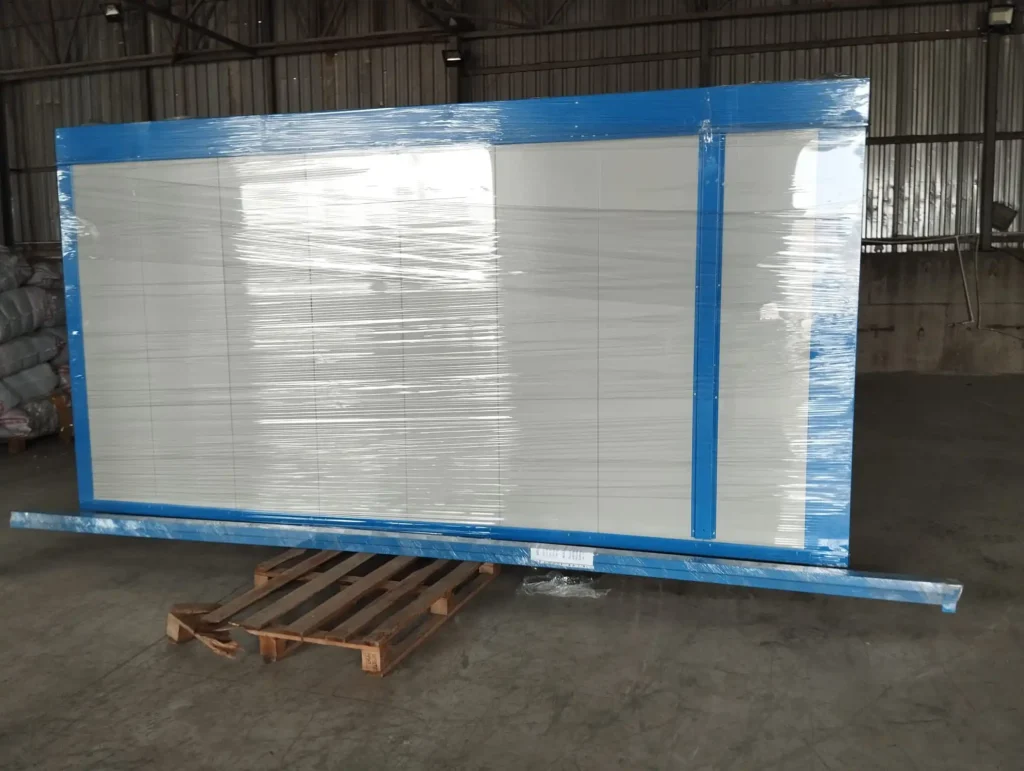
Transport of the powder coating equipment of our customers
Categories
Powder Coating Equipment Manufacturer

Batch Curing Oven

Batch Curing Oven
Batch Curing Oven

Batch Curing Oven: Electric coil burn-off ovens are specialized industrial ovens designed to clean electric coils, motors, transformers, and similar components by safely removing insulating materials, coatings, varnishes, and other contaminants. These ovens are crucial in industries that require frequent maintenance or refurbishment of electrical equipment, ensuring that the components are cleaned effectively without causing damage to the metal parts or windings. The process employed by these ovens is often referred to as “pyrolytic cleaning,” where heat is used to decompose organic materials into simpler compounds, which can then be easily collected and disposed of.

The basic principle of electric coil burn-off ovens is to apply controlled heat in a carefully managed environment. This controlled environment ensures that the insulating materials on the electrical coils, such as varnishes or resins, break down into gases or ash without igniting into an open flame. This is achieved through precise temperature regulation, typically keeping the internal oven temperature within a range that avoids exceeding the ignition point of the materials being processed. Temperatures in these ovens are generally maintained between 800°F and 1,000°F, though the specific range may vary depending on the materials involved and the design of the oven.

One of the critical features of these ovens is their ability to manage emissions. As the insulating materials break down, they release volatile organic compounds (VOCs) and other byproducts. To handle these emissions, burn-off ovens are equipped with an afterburner system. The afterburner operates at a significantly higher temperature, often exceeding 1,400°F, to ensure the complete combustion of VOCs and other harmful substances, reducing them to harmless gases like carbon dioxide and water vapor. This system not only ensures compliance with environmental regulations but also enhances workplace safety by minimizing exposure to hazardous fumes.

Another essential aspect of electric coil burn-off ovens is their structural design. These ovens are constructed with heavy-duty materials to withstand prolonged exposure to high temperatures. The internal chamber is typically lined with refractory materials that provide excellent thermal insulation, ensuring efficient heat retention while protecting the external structure from heat damage. The ovens are also equipped with advanced temperature control systems, which include thermocouples and programmable controllers. These systems allow operators to set and monitor the temperature precisely, ensuring optimal cleaning without risking damage to the electrical components.

Safety is a paramount concern in the operation of electric coil burn-off ovens. Most ovens are designed with several safety features to prevent accidents, including automatic shut-off systems that activate if the temperature exceeds safe limits or if there is a failure in the ventilation system. Additionally, many models incorporate oxygen monitoring systems to ensure that the atmosphere within the oven remains below the levels required to support combustion, reducing the risk of fire.

The application of electric coil burn-off ovens extends across various industries, including automotive, aerospace, manufacturing, and electrical repair facilities. In these settings, the ability to clean and refurbish electrical components quickly and efficiently translates to significant cost savings. Instead of replacing entire motors or transformers, businesses can use burn-off ovens to restore the functionality of these components, extending their lifespan and reducing waste. This process also supports sustainability efforts by promoting the reuse of materials rather than contributing to landfills.

In summary, electric coil burn-off ovens play a vital role in maintaining and refurbishing electrical components. Their ability to safely and effectively remove insulating materials while managing emissions and ensuring operational safety makes them indispensable in industrial settings. With their advanced temperature controls, robust construction, and emission management systems, these ovens provide a reliable and environmentally responsible solution for cleaning and restoring electric coils and other similar components.

Heating Element for Powder Coating Oven

Electric coil burn-off ovens are also celebrated for their efficiency and versatility in handling a wide range of components and materials. Whether dealing with small motors or large industrial transformers, these ovens can accommodate varying sizes and complexities of components, making them an adaptable solution for businesses of all scales. Many ovens feature modular designs or adjustable racks and shelves, allowing operators to configure the internal space based on the specific needs of the equipment being cleaned. This adaptability ensures that the cleaning process is as efficient as possible, regardless of the workload.

A key advantage of using these ovens is the preservation of the base metal during the cleaning process. Traditional cleaning methods, such as manual scraping or abrasive techniques, often risk damaging the delicate windings or structural integrity of the electrical components. Burn-off ovens, however, use heat to decompose unwanted materials, leaving the underlying metal intact and ready for re-insulation or further processing. This precision is particularly important in industries where the reliability and safety of electrical systems are non-negotiable, such as in power generation or transportation.

The operational lifecycle of electric coil burn-off ovens is another factor contributing to their value. Built with durability in mind, these ovens are designed to withstand years of continuous operation in demanding environments. Regular maintenance, such as cleaning the afterburner and checking the refractory lining, ensures their long-term performance. Many manufacturers also offer upgrades or customization options, allowing businesses to retrofit older models with modern features like improved temperature controls or more efficient afterburner systems.

Energy efficiency is a growing focus in the design and operation of burn-off ovens. Modern models incorporate advanced insulation and heat recovery systems to minimize energy consumption. For instance, some ovens use heat generated by the afterburner to preheat the incoming air, reducing the energy required to maintain the internal temperature. Additionally, programmable control systems enable operators to optimize cleaning cycles, ensuring that the oven only uses as much energy as necessary for a given load. These energy-saving features not only lower operational costs but also support sustainability initiatives by reducing the oven’s carbon footprint.

In terms of installation and integration, electric coil burn-off ovens are designed to fit seamlessly into various industrial workflows. They are typically installed in well-ventilated areas with access to appropriate exhaust systems to manage emissions. Many ovens come with user-friendly interfaces and digital controls, making them easy to operate even for those with minimal training. Manufacturers often provide comprehensive training and support services to ensure that operators can use the equipment effectively and safely.

The environmental benefits of using electric coil burn-off ovens extend beyond emission control. By enabling the refurbishment and reuse of electrical components, these ovens contribute to the reduction of industrial waste. This aligns with global efforts to promote circular economies, where materials are continually reused and recycled rather than discarded. In industries where equipment replacement costs are high, the ability to refurbish components also provides significant economic benefits, reducing the need for new production and the associated resource consumption.

Research and development in the field of burn-off ovens continue to push the boundaries of what these machines can achieve. Innovations in materials science, for instance, have led to the development of more durable and heat-resistant linings for oven chambers, improving efficiency and longevity. Advances in automation and smart technologies are also transforming how these ovens are operated. Features like remote monitoring, predictive maintenance alerts, and data logging capabilities enable businesses to optimize their processes further, reducing downtime and improving productivity.

In conclusion, electric coil burn-off ovens are indispensable tools for industries that depend on the reliable performance of electrical components. Their ability to safely and efficiently clean and refurbish equipment ensures not only cost savings and operational efficiency but also environmental responsibility. With ongoing advancements in technology and design, these ovens are poised to remain a cornerstone of industrial maintenance and refurbishment practices, supporting both economic and ecological goals in an increasingly sustainability-conscious world.

The role of electric coil burn-off ovens is expanding as industries face growing demands for sustainability, efficiency, and operational resilience. These ovens are increasingly being recognized not only for their functional capabilities but also for their broader contribution to industrial ecosystems. By facilitating the recovery and reuse of electrical components, they support industries in reducing dependence on raw materials, thereby mitigating the environmental impact of mining and manufacturing. This capability aligns with global trends toward greener technologies and practices, making burn-off ovens a vital part of modern industrial strategies.

A significant trend in the development of these ovens is their integration with Industry 4.0 technologies. Many contemporary models are equipped with IoT-enabled sensors and connectivity features, allowing for real-time monitoring and control. These smart systems enable operators to track temperature fluctuations, emission levels, and other critical parameters remotely, ensuring optimal performance and compliance with stringent safety and environmental standards. Predictive maintenance capabilities, powered by machine learning algorithms, further enhance reliability by identifying potential issues before they lead to equipment failure, reducing unplanned downtime and associated costs.

Electric coil burn-off ovens are also evolving to accommodate a broader range of materials and components. Traditional models were primarily designed for standard varnishes and resins, but newer versions can handle advanced materials used in modern electrical and electronic equipment. These include high-performance polymers, composite insulations, and even certain types of metal coatings. This adaptability ensures that the ovens remain relevant as manufacturing processes and materials continue to evolve.

Another area of innovation is the incorporation of alternative energy sources to power the ovens. While most traditional models rely on natural gas or electricity, some manufacturers are exploring hybrid systems that integrate renewable energy sources such as solar or biomass. These innovations not only reduce operational costs but also contribute to reducing the carbon footprint of industrial processes. In regions with stringent environmental regulations, such advancements are particularly valuable, helping businesses meet compliance requirements while maintaining competitive advantages.

The importance of training and operational support cannot be overstated when it comes to using burn-off ovens. As these systems become more advanced, proper training ensures that operators understand both the technical and safety aspects of the equipment. Many manufacturers provide detailed user manuals, on-site training, and even virtual reality (VR)-based simulations to help operators gain hands-on experience. Additionally, customer support services, including remote diagnostics and troubleshooting, enhance the user experience and ensure that issues are resolved quickly and efficiently.

From a financial perspective, the investment in an electric coil burn-off oven often yields substantial returns over time. The cost savings achieved through component refurbishment, reduced waste disposal fees, and lower energy consumption can offset the initial purchase price relatively quickly. Furthermore, the extended lifespan of motors and coils treated in these ovens reduces the frequency and cost of replacements, further contributing to overall cost efficiency.

The environmental compliance aspect of burn-off ovens is becoming increasingly critical as governments and regulatory bodies impose stricter limits on industrial emissions. Advanced afterburner systems, coupled with catalytic converters in some models, ensure that these ovens not only meet but often exceed regulatory requirements. By converting harmful byproducts into harmless substances, these systems contribute to cleaner air and a safer working environment. For industries aiming to achieve certifications such as ISO 14001 for environmental management, burn-off ovens play a crucial role in meeting these standards.

Customization options are another hallmark of modern electric coil burn-off ovens. Depending on the specific needs of a business, ovens can be tailored in terms of size, configuration, and operational features. For instance, companies dealing with exceptionally large transformers or motors may require oversized chambers or enhanced lifting mechanisms. Similarly, businesses with high throughput demands may benefit from ovens designed for rapid cycling or continuous operation.

In conclusion, electric coil burn-off ovens represent a fusion of traditional utility and modern innovation. They address critical industrial needs while adapting to emerging challenges and opportunities in sustainability, technology, and efficiency. Their versatility, reliability, and environmental benefits make them indispensable across diverse sectors, from automotive manufacturing to power generation and beyond. As advancements in materials science, automation, and energy efficiency continue to shape their development, these ovens are set to remain at the forefront of industrial cleaning and refurbishment solutions, supporting a more sustainable and efficient future.

Electric Batch Ovens

The long-term outlook for electric coil burn-off ovens is promising, driven by their adaptability to meet the ever-changing demands of modern industries. Their role in fostering circular economies, where components are refurbished and reused instead of discarded, positions them as critical tools in reducing industrial waste and conserving resources. This importance is amplified as industries across the globe commit to achieving net-zero emissions and implementing sustainable manufacturing practices.

One of the most notable trends in the continued evolution of burn-off ovens is their increasing efficiency. Advances in insulation materials and thermal management systems have significantly reduced energy losses, making these ovens more cost-effective to operate. For example, multi-layer refractory linings with improved heat retention properties minimize the amount of energy required to maintain operational temperatures. Combined with intelligent control systems, these improvements ensure that every kilowatt of energy contributes directly to the cleaning process, reducing overhead costs and improving the overall energy profile of industrial facilities.

Further integration of automation in burn-off ovens has also streamlined their operation. Automated loading and unloading systems reduce manual labor and improve safety by minimizing the need for operators to handle components in high-temperature environments. Robotics and conveyor systems can be customized to handle delicate or oversized parts, ensuring precise handling without risking damage. This level of automation not only increases productivity but also allows facilities to handle higher volumes of components with minimal additional effort.

On the environmental front, the emphasis on reducing emissions has led to significant advancements in afterburner technology. State-of-the-art systems now feature dual-stage afterburners, which achieve even higher combustion efficiency. These systems effectively capture and neutralize harmful byproducts released during the cleaning process, including volatile organic compounds (VOCs), particulate matter, and other pollutants. The resulting emissions are often well below regulatory thresholds, enabling industries to operate in compliance with the strictest environmental standards. Additionally, some manufacturers have incorporated regenerative thermal oxidizers (RTOs), which capture waste heat from the combustion process and reuse it to further improve energy efficiency.

The versatility of burn-off ovens is continually being enhanced to cater to specialized industrial needs. For instance, some models are now equipped with advanced air circulation systems that provide uniform heating across complex or irregularly shaped components. This ensures consistent cleaning results, even for intricate parts that would otherwise pose challenges using traditional methods. Furthermore, ovens designed for specific applications, such as cleaning aerospace components or high-voltage transformers, incorporate unique features tailored to these industries, such as precise temperature control or additional safety mechanisms to protect sensitive materials.

In terms of maintenance, modern burn-off ovens are becoming easier to service and more resilient to wear and tear. Features like modular designs and accessible components simplify the process of replacing worn parts or upgrading systems. Predictive maintenance tools, enabled by sensors and analytics, notify operators of potential issues before they lead to operational disruptions. For example, monitoring systems may detect anomalies in temperature distribution or airflow, prompting proactive interventions that prevent costly downtime.

The economic impact of adopting burn-off ovens extends beyond direct cost savings. By enabling the refurbishment of components, these ovens allow industries to maintain high-quality standards without incurring the expenses associated with new parts. This is particularly advantageous in sectors where equipment downtime is costly, such as power generation, manufacturing, and transportation. The ability to clean and restore components on-site reduces reliance on external service providers, further lowering operational costs and improving turnaround times.

Looking ahead, the development of burn-off ovens is likely to focus on even greater levels of customization, energy efficiency, and environmental performance. Collaborative efforts between manufacturers and end-users will continue to drive innovations that address specific industrial challenges. For example, industries working with emerging materials, such as composites or nanomaterials, may require ovens designed to handle these unique substrates. Similarly, the integration of renewable energy sources, such as solar-assisted heating systems, is likely to become more prevalent as industries strive to reduce their carbon footprint.

In conclusion, electric coil burn-off ovens are a cornerstone of modern industrial maintenance and sustainability practices. Their ability to adapt to evolving technologies, materials, and environmental standards ensures their relevance in a wide range of applications. As advancements in design, automation, and energy efficiency continue to shape their capabilities, these ovens will play an increasingly vital role in supporting industrial growth while promoting resource conservation and environmental stewardship. Their importance in enabling industries to balance operational efficiency with sustainability goals cements their position as indispensable tools in the future of manufacturing and maintenance.

Heating Element for Powder Coating Oven

Heating elements for powder coating ovens are critical components responsible for generating the precise and consistent heat required for curing powder-coated surfaces. Powder coating is a finishing process where powdered resin is electrostatically applied to a surface and then heated to melt and form a smooth, durable coating. The heating element ensures that the oven reaches and maintains the necessary temperature range, typically between 300°F and 500°F, depending on the type of powder being used and the substrate being coated. This process is highly sensitive to temperature uniformity, making the design and functionality of the heating element essential for achieving high-quality results.

The primary function of the heating element is to convert energy, usually from electricity or gas, into heat that is distributed evenly throughout the oven chamber. Electric heating elements are commonly used in smaller or medium-sized powder coating ovens, while gas-fired elements are more typical in larger, industrial-scale operations. Regardless of the energy source, the heating element must deliver consistent heat to ensure that the powder coating cures evenly across the entire surface of the coated object, avoiding defects like under-curing or over-curing.

Electric heating elements are often made from high-resistance materials such as nichrome (an alloy of nickel and chromium) or other advanced alloys. These materials are chosen for their ability to withstand prolonged exposure to high temperatures without degrading. The design of the heating element varies but typically includes coils, rods, or panels strategically placed within the oven to maximize heat distribution. Infrared (IR) heating elements are also popular in some powder coating applications, as they provide direct and efficient heat transfer to the coated surface, reducing energy consumption and curing times.

Gas-fired heating elements use burners to produce heat, which is then circulated throughout the oven chamber by fans. These systems are particularly effective for larger ovens where maintaining uniform temperature over a wide area is critical. Gas burners can be designed to operate with natural gas or propane, and modern systems are often equipped with advanced controls to regulate fuel flow and combustion efficiency. Heat exchangers are sometimes incorporated into gas-fired ovens to improve energy efficiency by capturing and reusing waste heat.

Temperature control is a crucial feature of heating elements in powder coating ovens. Precise regulation is achieved through integrated control systems that use sensors, such as thermocouples, to monitor the oven’s internal temperature. These sensors provide real-time feedback to the control unit, which adjusts the output of the heating element to maintain the desired curing conditions. Programmable logic controllers (PLCs) or digital interfaces are commonly used to set and monitor temperature profiles, ensuring that the oven operates consistently and efficiently.

Another key aspect of heating elements for powder coating ovens is their durability and resistance to wear. Since powder coating processes often involve extended operating hours at high temperatures, heating elements must be designed to withstand thermal cycling, oxidation, and other forms of wear and tear. Protective coatings or housings are sometimes applied to the elements to enhance their lifespan and prevent contamination within the oven.

Energy efficiency is an ongoing focus in the design of heating elements for powder coating ovens. Modern elements are engineered to minimize heat loss and maximize energy transfer to the curing process. Insulation within the oven chamber and advanced airflow designs help retain heat, reducing the workload on the heating element. Some systems also incorporate energy recovery technologies, such as capturing exhaust heat to preheat incoming air, which further reduces energy consumption.

The uniformity of heat distribution is a critical performance metric for heating elements. Uneven heating can lead to inconsistent curing, resulting in defects such as orange peel textures, discoloration, or reduced adhesion of the coating. To address this, heating elements are often paired with advanced air circulation systems. Fans or blowers distribute heated air evenly throughout the oven chamber, ensuring consistent temperature across all surfaces of the coated objects.

Maintenance and replacement of heating elements are essential considerations for powder coating ovens. Regular inspections are necessary to identify signs of wear, such as cracking, warping, or reduced heating efficiency. Many ovens are designed with easily accessible heating elements to simplify replacement and minimize downtime. Manufacturers often provide detailed maintenance guidelines and recommend using OEM (original equipment manufacturer) parts to ensure compatibility and optimal performance.

In recent years, the development of smart heating technologies has begun to influence the design of heating elements for powder coating ovens. IoT-enabled sensors and controls allow for remote monitoring and adjustments, providing operators with greater flexibility and control over the curing process. Predictive maintenance features, powered by data analytics, can alert operators to potential issues before they result in equipment failure, reducing unplanned downtime and improving overall operational efficiency.

Customizability is another advantage of modern heating elements. Depending on the size, shape, and throughput requirements of the powder coating oven, heating elements can be tailored to meet specific operational needs. For example, compact ovens used in small-scale operations may use low-profile heating panels, while large industrial ovens may require high-capacity burners or multiple heating zones for optimal performance.

In summary, heating elements for powder coating ovens are indispensable components that ensure the success of the powder coating process. Their ability to generate and maintain consistent, precise heat directly impacts the quality, durability, and appearance of the finished coating. Advances in materials, design, and technology continue to enhance the performance, efficiency, and longevity of these elements, making them integral to the powder coating industry’s efforts to meet increasing demands for high-quality, sustainable, and cost-effective solutions. As industries evolve and adopt new technologies, heating elements will remain at the forefront of innovation, ensuring that powder coating ovens deliver superior results while maintaining energy efficiency and operational reliability.

The evolution of heating elements for powder coating ovens continues to align with advancements in technology and the growing demand for sustainable, energy-efficient solutions. Modern heating elements are not only optimized for performance but are also designed to meet stricter environmental regulations and reduce operational costs. These developments are transforming how powder coating processes are executed, ensuring that industries can maintain high production standards while minimizing their environmental impact.

One of the most significant trends in heating element design is the use of advanced materials to improve efficiency and durability. High-performance alloys, ceramic composites, and quartz materials are increasingly being used in electric heating elements. These materials offer superior resistance to high temperatures, oxidation, and thermal cycling, ensuring longer service life and reduced maintenance needs. For infrared heating elements, materials like halogen-filled quartz tubes provide rapid heating and excellent energy transfer, making them particularly effective for applications requiring precise heat targeting.

In addition to material advancements, the design of heating elements has become more sophisticated to ensure even heat distribution. Customizable configurations, such as modular panels, coils, or tubular elements, allow manufacturers to tailor the heat output to specific oven designs and curing requirements. This flexibility ensures that components of various sizes and shapes can be evenly heated, eliminating potential hot spots or cold zones that could compromise the quality of the powder-coated finish.

Energy efficiency remains a top priority in the development of heating elements. Innovations such as zone-controlled heating enable operators to target specific areas of the oven chamber, reducing energy waste when full-capacity heating is unnecessary. Variable frequency drives (VFDs) and smart controllers also play a crucial role in optimizing energy consumption. By adjusting the power supplied to the heating element based on real-time demand, these systems ensure that energy is used efficiently throughout the curing process.

Hybrid heating systems are another area of innovation, combining multiple heating technologies to maximize efficiency and performance. For instance, some powder coating ovens integrate electric and gas-fired heating elements to take advantage of the rapid response time of electric elements and the cost-efficiency of gas burners. In such systems, electric heating elements may be used for preheating or fine-tuning temperatures, while gas burners provide the primary heat source for curing larger loads.

Smart technology is increasingly shaping the functionality of heating elements in powder coating ovens. IoT-enabled sensors and control systems allow for real-time monitoring of temperature, energy usage, and system performance. These technologies enable predictive maintenance, alerting operators to potential issues such as wear or inefficiency in the heating element before they lead to system failure. Remote access capabilities further enhance operational flexibility, allowing technicians to monitor and adjust settings from off-site locations.

The integration of renewable energy sources into heating systems is gaining traction as industries seek to reduce their carbon footprint. Solar-assisted heating systems and biomass burners are examples of alternative energy solutions being explored for powder coating ovens. These systems complement traditional heating elements, reducing reliance on fossil fuels and lowering overall energy costs. As renewable energy technologies become more accessible and affordable, their integration with heating elements is expected to expand.

Safety is another critical aspect of heating element design. Modern powder coating ovens are equipped with multiple safety features to protect both operators and the equipment. Over-temperature protection systems, for example, automatically shut down the heating element if the temperature exceeds safe limits. Oxygen monitoring systems are also common in gas-fired ovens, ensuring proper combustion and reducing the risk of incomplete fuel burn or hazardous gas buildup.

The industrial applications of powder coating ovens, and by extension their heating elements, are diverse. Industries such as automotive, aerospace, consumer goods, and industrial machinery rely on powder coating for its durability, aesthetic appeal, and resistance to corrosion. Each of these sectors has unique requirements, driving the need for customizable heating element solutions. For example, automotive manufacturers may require ovens with fast heat-up times to support high-volume production, while aerospace applications might demand precise temperature control for delicate components.

In conclusion, heating elements for powder coating ovens are a cornerstone of the finishing process, providing the consistent and precise heat required to cure powder coatings effectively. Advances in materials, design, and smart technology continue to enhance their performance, efficiency, and lifespan. As industries prioritize sustainability and cost-effectiveness, heating elements are evolving to meet these demands, offering innovative solutions that align with modern manufacturing goals. The adaptability of these components ensures their relevance in a wide range of applications, making them indispensable in achieving high-quality, durable, and environmentally responsible powder-coated finishes.

Looking ahead, the continued innovation of heating elements for powder coating ovens is expected to focus on enhancing their efficiency, adaptability, and integration with emerging technologies. These advancements will cater to the growing demands of industries for faster, more cost-effective, and environmentally friendly solutions, while also addressing increasingly stringent regulatory requirements for energy consumption and emissions.

Emerging Materials and Advanced Manufacturing Techniques

One area poised for significant development is the use of advanced materials and manufacturing techniques to create more efficient and durable heating elements. The advent of additive manufacturing (3D printing) has the potential to revolutionize the production of heating elements, enabling complex designs that maximize surface area and heat distribution. Materials like graphene and other nanocomposites, known for their exceptional thermal conductivity and resistance to degradation, are being explored to replace traditional alloys. These materials could enable heating elements that operate at higher efficiencies while maintaining longer lifespans, even under demanding conditions.

Enhanced Thermal Control and Multi-Zone Heating

Temperature precision and uniformity are critical for achieving consistent powder coating results. Future heating elements are likely to incorporate advanced thermal control systems capable of managing multiple heating zones independently within a single oven chamber. Multi-zone heating allows operators to target specific areas of the oven with different temperature settings, accommodating diverse curing requirements simultaneously. This capability is particularly valuable for industries dealing with mixed-load applications, where components of varying sizes and materials need to be cured in the same batch.

Integration with AI and Machine Learning

Artificial intelligence (AI) and machine learning are increasingly being applied to optimize industrial processes, and heating systems are no exception. AI-driven control systems can learn from historical data to predict the most efficient heating profiles for different types of powder coatings and substrates. These systems can automatically adjust heating element outputs to minimize energy use while maintaining the desired curing quality. Furthermore, machine learning algorithms can analyze patterns in system performance to anticipate maintenance needs, ensuring maximum uptime and reducing the risk of unexpected failures.

Environmental Innovations and Energy Recovery

As industries strive to meet carbon reduction targets, the environmental performance of heating elements is becoming a focal point. Innovations such as regenerative heating systems, which capture and reuse waste heat from the curing process, are expected to become more widespread. Similarly, the integration of renewable energy sources, such as solar or wind power, with traditional heating systems will provide hybrid solutions that reduce reliance on nonrenewable energy. Additionally, advanced insulation materials and techniques are being developed to further reduce heat loss, enhancing the overall efficiency of powder coating ovens.

Compact and Modular Designs

With the rise of small-scale manufacturing and localized production, there is increasing demand for compact and modular powder coating ovens. Heating elements for these systems are being designed to offer high performance in smaller footprints, ensuring that even small or portable ovens can deliver professional-grade results. Modular heating elements, which can be easily replaced or reconfigured, provide flexibility for businesses that need to scale their operations or adapt to new production requirements without investing in entirely new equipment.

Industry-Specific Customization

The versatility of heating elements allows for their adaptation to meet the unique needs of various industries. For example, in the aerospace sector, where components often have complex geometries and require precision curing, heating elements are designed to provide highly targeted and controlled heat. In contrast, the automotive industry may prioritize elements with rapid heat-up and cooldown capabilities to support high-throughput production lines. Such customization ensures that heating systems remain aligned with the specific goals and constraints of different industries.

Safety and Compliance Enhancements

As safety standards continue to evolve, heating elements are being designed with increasingly sophisticated safety features. Overheat protection systems, automatic shutdown mechanisms, and real-time monitoring of gas or electrical inputs are becoming standard in modern powder coating ovens. These features not only protect operators but also prevent damage to components and the oven itself, reducing the long-term costs associated with repairs or replacements. Compliance with global safety and environmental standards, such as CE, UL, or ISO certifications, is also driving innovation in heating element design and manufacturing.

Future Market and Industrial Trends

The demand for powder coating ovens and their heating elements is expected to grow alongside the expansion of industries like renewable energy, where powder-coated components are used in solar panels and wind turbines. The rising popularity of consumer electronics, which often feature powder-coated finishes for durability and aesthetics, will further drive the need for advanced heating technologies. Additionally, the growing emphasis on sustainability and resource conservation will push manufacturers to adopt energy-efficient ovens with cutting-edge heating elements.

Conclusion

Heating elements for powder coating ovens are integral to the evolution of the powder coating process. Their ability to adapt to changing industrial demands, embrace technological advancements, and contribute to sustainability makes them a cornerstone of modern manufacturing. Future developments in materials science, energy efficiency, automation, and customization promise to enhance the performance and versatility of these components further. By aligning with trends such as digitalization, environmental responsibility, and industry-specific needs, heating elements will continue to play a pivotal role in delivering high-quality, efficient, and sustainable powder coating solutions across a broad range of applications.

10×10 Powder Coating Oven

10x10 Powder Coating Oven
10×10 Powder Coating Oven

A 10×10 powder coating oven, with its sizable dimensions, is a key piece of equipment for businesses engaged in powder coating larger components or handling higher production volumes. Measuring 10 feet by 10 feet, this oven provides a spacious interior capable of accommodating large or irregularly shaped objects such as automotive parts, metal furniture, and industrial machinery components. The design and functionality of such ovens are optimized for efficient curing, consistent temperature distribution, and robust performance, making them indispensable in industries where durable and aesthetically pleasing finishes are critical.

Core Features and Design

The 10×10 powder coating oven is built with industrial-grade materials to ensure durability and long-term reliability under continuous operation. The walls are typically constructed with heavy-duty steel and insulated with high-performance materials, such as mineral wool or ceramic fiber, to minimize heat loss and improve energy efficiency. These ovens feature double-sealed doors with locking mechanisms to maintain an airtight chamber, ensuring that the internal temperature remains stable during the curing process.

The size of a 10×10 oven provides flexibility in accommodating multiple items simultaneously, optimizing throughput. Adjustable racks or hanging systems within the oven allow operators to position parts for maximum heat exposure and ensure uniform curing. For larger operations, the ovens can be integrated with conveyor systems, enabling continuous production cycles and reducing manual handling.

Heating System

The heating system is the heart of the 10×10 powder coating oven, designed to deliver precise and consistent temperatures throughout the chamber. These ovens typically employ electric heating elements or gas-fired burners, depending on the facility’s energy resources and cost considerations. Electric systems are often preferred for their ability to provide precise temperature control and lower environmental emissions, while gas-fired systems offer cost-efficiency and faster heat-up times, particularly in regions with lower gas prices.

Advanced heating systems include multi-zone temperature controls, which allow operators to customize the heat output in different sections of the oven. This feature is especially valuable for curing components with varying thicknesses or materials, as it ensures that each part of the object receives the appropriate heat treatment without overcuring or undercuring.

Air Circulation and Temperature Uniformity

Uniform heat distribution is critical in a powder coating oven, particularly for larger units like the 10×10 model. High-capacity fans and air circulation systems ensure that heated air flows evenly throughout the chamber, eliminating temperature gradients that could compromise the quality of the cured finish. These systems are carefully engineered to prevent hotspots or cold zones, which can lead to defects such as inconsistent gloss, poor adhesion, or uneven coating thickness.

In some models, laminar airflow technology is used to provide a consistent flow of heated air across the surface of the coated parts. This is particularly beneficial for intricate or densely packed components, as it ensures that all surfaces receive equal exposure to heat.

Control Systems

Modern 10×10 powder coating ovens are equipped with sophisticated control systems that enhance precision and ease of operation. Digital interfaces or programmable logic controllers (PLCs) allow operators to set and monitor key parameters such as temperature, curing time, and airflow. These systems often include pre-programmed settings for different types of powder coatings, simplifying the operation for less experienced users.

Some ovens also feature smart technology integration, enabling remote monitoring and control through IoT-enabled devices. This functionality allows operators to adjust settings, receive alerts, and monitor performance metrics from any location, providing greater flexibility and minimizing downtime.

Energy Efficiency

Given the size of a 10×10 oven, energy efficiency is a critical design consideration. High-performance insulation, efficient heating elements, and advanced airflow systems work together to reduce energy consumption while maintaining optimal curing conditions. Many ovens incorporate energy recovery systems, such as heat exchangers, which capture and reuse waste heat to preheat incoming air. These innovations not only lower operational costs but also contribute to sustainability efforts by reducing the oven’s carbon footprint.

Maintenance and Durability

The robust construction of a 10×10 powder coating oven ensures minimal maintenance requirements, even under heavy use. Key components, such as heating elements, fans, and control systems, are designed for easy access, allowing for straightforward servicing or replacement. Predictive maintenance tools, available in some advanced models, use sensors and analytics to identify potential issues before they lead to equipment failure, further enhancing reliability and reducing downtime.

Safety Features

Safety is a paramount concern in large-scale powder coating operations. 10×10 ovens are equipped with multiple safety mechanisms, including over-temperature protection systems, automatic shutdown features, and emergency ventilation systems. These features ensure that the oven operates within safe parameters at all times, protecting both operators and equipment.

Applications and Industry Use

The 10×10 powder coating oven is widely used across various industries, including automotive, aerospace, construction, and manufacturing. Its size and versatility make it ideal for curing large components such as car frames, machinery parts, railings, and architectural structures. The ability to process multiple items simultaneously enhances productivity, making it a preferred choice for medium to high-volume production facilities.

Customization and Scalability

Many manufacturers offer customizable options for 10×10 powder coating ovens, allowing businesses to tailor the equipment to their specific needs. Customization options may include additional heating zones, enhanced insulation, integrated conveyor systems, or specialized airflow designs. This flexibility ensures that the oven can meet the unique demands of various production environments.

Future Trends

As the industry evolves, 10×10 powder coating ovens are expected to incorporate even more advanced technologies, such as AI-driven control systems, renewable energy integration, and improved automation. These developments will further enhance their efficiency, reliability, and environmental performance, making them indispensable tools for modern manufacturing.

In conclusion, a 10×10 powder coating oven is a versatile and powerful solution for curing large or complex components. Its robust design, advanced heating and airflow systems, and state-of-the-art controls ensure consistent, high-quality results across a wide range of applications. As industries continue to prioritize efficiency, sustainability, and precision, the role of these ovens in supporting production goals and delivering exceptional finishes will only grow in importance.

As the demand for high-quality finishes and efficient manufacturing processes continues to increase across industries, the future of 10×10 powder coating ovens will be shaped by innovations in automation, technology integration, and sustainability practices. Here are several emerging trends and enhancements expected to influence the design and operation of 10×10 powder coating ovens:

Automation and Integration with Smart Manufacturing

The future of 10×10 powder coating ovens will see greater integration with automated systems, improving production efficiency and reducing labor costs. Fully automated systems, including robotic arms and conveyors, are expected to become more common in powder coating facilities. These systems will automatically load and unload parts from the oven, significantly reducing manual handling, improving throughput, and increasing operational safety.

Furthermore, integration with broader smart manufacturing ecosystems will allow powder coating ovens to connect seamlessly with other equipment in the production line. By using industrial IoT (Internet of Things) devices, data from the oven can be shared in real-time with other machines and central management systems, enabling synchronized operations. This connected system can optimize production schedules, monitor energy usage, and enhance overall efficiency, providing operators with real-time insights to adjust processes as needed.

Precision and Adaptive Curing Profiles

As powder coating technology evolves, the need for even greater precision in curing processes will continue to grow. In the future, 10×10 ovens may feature adaptive curing profiles powered by advanced sensors and AI-driven algorithms. These systems will monitor key variables, such as temperature, humidity, and airflow, adjusting the heating and curing processes in real-time to accommodate changes in the powder coating materials or the substrate being coated.

For instance, some powder coatings may require different curing conditions based on their chemical composition or thickness. The ability to automatically adjust the oven’s temperature and airflow based on specific material requirements will result in better finished products, enhanced uniformity, and reduced waste due to improper curing.

Enhanced Energy Efficiency and Sustainable Practices

Sustainability will be a critical driver of innovation for 10×10 powder coating ovens. The push towards green manufacturing practices will encourage the development of ovens that consume less energy and generate fewer emissions. To achieve this, manufacturers will likely continue to focus on improving insulation technology and incorporating more energy-efficient heating elements. High-performance insulation materials, such as aerogels or advanced ceramic coatings, will reduce heat loss, keeping the oven chamber at a consistent temperature while using less energy.

Additionally, the future of powder coating ovens may involve the adoption of renewable energy sources. Solar-powered or hybrid systems that combine renewable energy with traditional gas or electric heating are expected to reduce operational costs and lower the carbon footprint of manufacturing processes. The integration of energy recovery systems, where waste heat from the curing process is captured and reused, will also contribute to greater energy savings.

Advanced Material Handling and Coating Automation

As powder coating applications continue to grow in complexity, advancements in material handling and coating automation will play a significant role in enhancing the functionality of 10×10 powder coating ovens. The ability to handle larger or more complex parts, as well as the integration of automated spraying systems, will ensure a more consistent and efficient coating process.

Automated coating systems equipped with precision spray guns and robotic arms will allow for consistent, high-quality coverage, reducing human error and increasing throughput. These systems can be integrated into the oven’s design, allowing the entire process from application to curing to be automated, ensuring high-quality results without the need for extensive manual intervention.

Improved Environmental Control and Air Quality Management

As manufacturing industries increasingly focus on worker safety and environmental impact, the future design of 10×10 powder coating ovens will likely feature enhanced air quality management systems. These systems will incorporate advanced filtration technology to capture overspray and particulate matter, reducing the release of pollutants into the environment. The integration of HEPA (High-Efficiency Particulate Air) filters or electrostatic precipitators will improve air quality, ensuring that powder coating operations meet stringent environmental regulations and create safer working conditions for employees.

Additionally, the proper management of curing gases and emissions, particularly in gas-fired ovens, will become a major focus. The incorporation of advanced combustion systems and scrubbers can help reduce harmful emissions, making powder coating processes more eco-friendly and compliant with regulatory standards.

Customization for Specialized Applications

As industries become more specialized and demand custom finishes, there will be a greater need for 10×10 powder coating ovens that can be tailored to specific applications. For example, the automotive industry may require ovens with specialized features to handle the specific needs of car parts, such as heat resistance or UV stability. Similarly, the aerospace sector may demand highly precise temperature control and air circulation for components that require specific curing conditions.

To address these diverse needs, powder coating ovens will become more customizable. Manufacturers will offer a variety of options such as adjustable heating zones, variable airflow controls, and modular oven designs that can be configured to meet specific coating or curing requirements. The ability to easily reconfigure or upgrade ovens to suit evolving customer needs will be a key competitive advantage in the market.

Advanced Diagnostics and Predictive Maintenance

Predictive maintenance will be another area of significant growth for 10×10 powder coating ovens. Using sensors and machine learning algorithms, future ovens will be able to monitor the health of critical components like heating elements, fans, and temperature sensors. These systems will predict potential failures before they occur, enabling operators to perform maintenance tasks proactively and reduce the likelihood of unplanned downtime.

Diagnostic systems will also allow operators to troubleshoot any issues with greater precision, pinpointing the source of a problem quickly and efficiently. This can significantly reduce maintenance costs and increase the overall lifespan of the equipment.

Conclusion

The future of 10×10 powder coating ovens is marked by continued innovation and the integration of advanced technologies to enhance energy efficiency, automation, precision, and sustainability. With the growing demand for high-quality finishes and environmentally responsible manufacturing, these ovens will continue to play a crucial role in industries ranging from automotive to aerospace to consumer goods. The incorporation of smart technology, renewable energy solutions, and highly customizable designs will ensure that 10×10 powder coating ovens remain a vital part of the manufacturing process, helping companies meet the ever-evolving demands of modern production while delivering exceptional, durable finishes.

As industries continue to evolve, the future of 10×10 powder coating ovens will likely focus on refining the operational efficiency, customization options, and environmental sustainability of these systems. The following areas will be critical in shaping the next generation of powder coating ovens:

Digitalization and Real-Time Monitoring

One of the most significant advances in manufacturing equipment, including powder coating ovens, is the continued shift towards digitalization and real-time monitoring. In the future, 10×10 powder coating ovens will be equipped with even more sophisticated sensors and IoT devices that allow operators to monitor critical parameters—such as temperature, airflow, and curing times—in real time. This data will be available via cloud platforms or centralized control systems, allowing for greater oversight and remote access.

The use of AI and machine learning will further improve process control, enabling the oven to learn from historical data and optimize future curing cycles. For example, if a particular powder coating recipe consistently performs best at a certain set of conditions, the oven can automatically adjust to these optimal settings for similar parts. This level of precision ensures that the curing process is not only more efficient but also more reliable, resulting in consistently high-quality finishes.

High-Speed Curing Technologies

To meet the growing demands of high-volume manufacturing environments, future 10×10 powder coating ovens may incorporate high-speed curing technologies that accelerate the coating process without compromising quality. One such innovation is the use of infrared (IR) and ultraviolet (UV) curing systems alongside traditional convection heating. These technologies offer the ability to rapidly heat parts and cure powder coatings in a fraction of the time compared to conventional ovens, increasing throughput and reducing energy consumption.

IR curing works by emitting infrared radiation that heats the part directly, rather than relying on heated air. This method can significantly reduce curing times, making it ideal for industries with tight production schedules. UV curing, on the other hand, uses ultraviolet light to cure specialized coatings, providing rapid curing for coatings with UV-sensitive resins. Combining these technologies with traditional convection heating could enable 10×10 powder coating ovens to offer faster processing times without sacrificing the finish quality or durability of the coating.

Enhanced User Experience with Intuitive Interfaces

With the increasing complexity of powder coating processes, future 10×10 powder coating ovens will prioritize user experience by offering more intuitive control interfaces. These may include touchscreen displays, advanced HMI (Human-Machine Interface) systems, or even augmented reality (AR) interfaces that help operators better understand the oven’s performance and provide step-by-step guidance for optimal operation.

Operators will benefit from user-friendly, customizable dashboards that provide real-time feedback on key performance indicators (KPIs) and troubleshooting insights. For example, a touchscreen display could alert operators to temperature fluctuations or deviations in airflow, allowing them to make adjustments immediately. In addition, operators could input specific coating recipes directly into the system, with the oven automatically adjusting settings for optimal performance. This ease of use will reduce training time and enhance the overall productivity of the system.

High-Performance Energy Storage and Regeneration Systems

As energy efficiency becomes an even higher priority, future 10×10 powder coating ovens may incorporate advanced energy storage systems and regenerative technologies. These systems could capture excess heat generated during the curing process and store it for later use, creating a closed-loop energy system. This would significantly reduce the overall energy consumption of the oven by reusing the heat rather than allowing it to escape into the atmosphere. Technologies such as thermal storage units (e.g., phase-change materials) or heat recovery steam generators can collect excess heat during non-peak hours and store it for use during the curing process.

Regenerative burners could also play a role in the next generation of 10×10 powder coating ovens. These burners capture and reuse heat from exhaust gases, ensuring that the oven operates at optimal temperatures with minimal energy waste. This system would contribute to substantial cost savings while improving the sustainability of powder coating operations.

Modular Designs for Flexibility and Scalability

The future of 10×10 powder coating ovens will likely see a greater emphasis on modular designs that offer increased flexibility and scalability. Businesses that face fluctuating production volumes or expanding product lines can benefit from modular ovens that can be easily expanded or reconfigured as needed. For example, modular heating zones, additional curing chambers, or customizable airflow systems can be added to existing ovens without the need for complete system replacements.

Such flexibility also allows manufacturers to modify their ovens for different applications, whether that’s adapting the oven to accommodate larger parts or adjusting the internal configuration to handle delicate, precision components. Modular ovens also facilitate the integration of different technologies, enabling businesses to upgrade or customize the oven to meet emerging demands without incurring the high costs associated with new equipment.

Focus on Sustainable Coatings and Eco-Friendly Powder Materials

Sustainability will continue to be a major driving force in the development of powder coating ovens. As the demand for eco-friendly coatings increases, the use of low-VOC (volatile organic compounds) powders and water-based powders will continue to rise. These coatings not only improve the environmental footprint of the powder coating process but also require different curing parameters. The next generation of 10×10 powder coating ovens will be designed to handle these emerging materials with ease, ensuring that they can efficiently cure eco-friendly powders without sacrificing performance or finish quality.

Smart Performance Analytics for Continuous Improvement

Advanced analytics will play a central role in improving the efficiency of powder coating ovens. As more data is collected from the oven’s operation, businesses will be able to identify trends and patterns that help optimize the curing process over time. Machine learning algorithms will analyze historical performance data to predict optimal curing cycles, detect anomalies, and suggest process improvements.

Additionally, operators will have access to real-time performance analytics, providing insight into oven efficiency, energy consumption, coating quality, and throughput. This data-driven approach enables continuous improvement and allows businesses to make data-backed decisions to improve operational efficiency and reduce waste.

Greater Focus on Worker Safety and Ergonomics

As automation and digitalization evolve, worker safety will remain a top priority in powder coating operations. Future 10×10 powder coating ovens will incorporate additional safety features, such as automated door-opening mechanisms to reduce operator exposure to high temperatures, as well as advanced gas detection systems that monitor for the presence of hazardous fumes. Sensors could also detect dangerous conditions, such as overheating or equipment malfunctions, and trigger automatic safety shutdowns to prevent accidents.

Ergonomics will also play a key role in future oven designs, with features such as height-adjustable loading/unloading stationsautomatic part-handling systems, and user-friendly interfaces that minimize the physical strain on operators. With automation reducing manual labor, workers will be able to focus on more critical tasks, ensuring both operational efficiency and safety.

Conclusion

As the manufacturing landscape continues to evolve, 10×10 powder coating ovens will undergo significant transformations driven by advances in automation, energy efficiency, sustainability, and precision. The combination of smart technologies, modular designs, and eco-friendly innovations will make these ovens even more effective at meeting the demands of modern industries. Businesses will benefit from higher productivity, reduced operational costs, and improved quality assurance, all while meeting increasingly stringent environmental and safety regulations. The future of 10×10 powder coating ovens promises greater versatility, customization, and optimization, enabling industries to continue producing high-quality, durable coatings while embracing the future of manufacturing.

Powder Coat Oven Heating Element

Heating Element for Powder Coating Oven

The heating element in a powder coat oven is a critical component that directly impacts the efficiency, consistency, and quality of the coating process. The primary function of the heating element is to provide the heat required to cure the powder coating material, ensuring that the finish adheres properly to the substrate and achieves the desired durability, appearance, and performance characteristics. Heating elements come in various designs, sizes, and materials depending on the type of oven, the heating method, and the specific requirements of the powder coating process.

Types of Heating Elements for Powder Coat Ovens

Powder coat ovens utilize several types of heating elements, each with distinct advantages. The most common heating methods include electric heating elementsgas-fired burners, and infrared (IR) heaters. The choice of heating element depends on factors such as energy efficiency, curing time, cost, and the size of the oven.

1. Electric Heating Elements

Electric heating elements are among the most widely used heating solutions in powder coating ovens. They offer precise temperature control, reliability, and ease of use, making them ideal for smaller to medium-sized ovens and operations that require tight temperature control. These heating elements are often constructed from high-resistance metal alloys such as nichrome (a nickel-chromium alloy), kanthal (a type of iron-chromium-aluminum alloy), or stainless steel. These materials are known for their ability to withstand high temperatures and their resistance to oxidation, ensuring long service life even under continuous use.

Electric heating elements are typically arranged in various configurations inside the oven, either mounted on the walls or placed in separate units such as air ducts or heat chambers. The elements work by converting electrical energy into heat, which is then transferred to the air inside the oven. The heating process is controlled by temperature sensors and a thermostat or programmable control system that ensures the oven maintains a constant, uniform temperature throughout the curing cycle.

Advantages:

  • Precise temperature control
  • No emissions or fumes, making it more eco-friendly
  • Suitable for small and medium-sized powder coating operations
  • Quick heat-up times and efficient energy use

2. Gas-Fired Burners

Gas-fired heating elements are often found in larger powder coating ovens, particularly in high-production environments. These systems use natural gas or propane as a fuel source to generate heat, which is then transferred into the oven through a system of burners. The gas is burned to produce heat, and the hot air circulates throughout the oven chamber, raising the temperature to the required levels for curing the powder coating.

Gas-fired burners tend to be more cost-effective than electric elements for larger ovens, especially when the oven is used for high-volume production. Gas is generally a less expensive energy source in many regions, making it an attractive option for businesses looking to reduce operational costs. Additionally, gas ovens heat up more quickly than electric ovens, which can be beneficial for fast-paced production environments.

Advantages:

  • Cost-efficient, especially for larger ovens and high-volume operations
  • Faster heat-up times compared to electric ovens
  • Lower operational costs if gas is readily available and inexpensive

3. Infrared (IR) Heating Elements

Infrared (IR) heating elements are becoming more popular in powder coating ovens due to their efficiency in heating parts directly. Unlike traditional heating methods, which heat the air inside the oven and then transfer that heat to the parts, infrared radiation heats the parts themselves, reducing the time required for the oven to reach the desired temperature.

Infrared heating elements work by emitting infrared radiation, which is absorbed by the surface of the parts, causing them to heat up quickly and evenly. This technology can be particularly effective for curing smaller parts or parts with intricate shapes, as it allows for precise, localized heating. Infrared systems can be used in conjunction with traditional convection heating to provide a more efficient and rapid curing process, reducing overall cycle times.

Advantages:

  • Faster curing times due to direct heating of parts
  • Energy-efficient, as less heat is lost to the surrounding air
  • Ideal for small parts or complex geometries that require precise curing
  • Can be used in combination with other heating methods for enhanced performance

Key Factors to Consider in Heating Element Selection

1. Power Requirements

When selecting a heating element, it’s essential to consider the power requirements of the oven. Electric heating elements require a significant amount of electrical energy to reach high temperatures, especially in large ovens. This can be a key consideration for facilities with limited electrical capacity or those looking to optimize energy costs. Gas-fired burners, on the other hand, may require a steady supply of natural gas or propane, but the operating cost can be lower than electric heating for large ovens.

2. Temperature Control

Precise temperature control is essential in powder coating ovens, as the curing process depends on maintaining the correct temperature over a set period of time. Inconsistent heating can lead to defects in the coating, such as poor adhesion, bubbles, or uneven finishes. Heating elements should be paired with reliable temperature control systems to ensure even heat distribution throughout the oven and avoid any hot or cold spots.

3. Energy Efficiency

Energy efficiency is another critical consideration when selecting heating elements. Electric heating elements tend to be more energy-efficient than gas systems in smaller ovens, as they produce minimal waste heat and provide precise control over energy consumption. However, gas-fired systems can be more cost-efficient for large ovens or operations with high throughput, where gas prices are low. Infrared heating, while offering rapid heating times, may also contribute to energy savings by reducing overall curing cycle times.

4. Oven Size and Production Volume

The size of the oven and the production volume will heavily influence the choice of heating elements. Smaller ovens or operations with lower production volumes are better suited to electric heating elements, which can be easily controlled and offer a compact solution. Larger ovens, on the other hand, may require gas-fired systems to accommodate higher heating demands and provide more cost-effective operation for larger parts and longer curing cycles.

5. Heat Distribution

Uniform heat distribution is critical in powder coating ovens. Inefficient heat distribution can result in uneven curing, leading to defects in the coating. Heating elements should be placed strategically throughout the oven to ensure that the heat is evenly distributed. In many ovens, fans or blowers are used to circulate the heated air, improving heat distribution and reducing temperature gradients within the oven.

Maintenance and Longevity of Heating Elements

Proper maintenance of heating elements is essential to ensuring long service life and consistent performance. Electric heating elements may need periodic cleaning to remove dust or debris that could interfere with heat transfer. Gas burners should be inspected regularly for blockages in the burner ports and for proper combustion to ensure efficient fuel use.

Infrared heating elements, while generally more durable than electric or gas systems, may require occasional calibration to maintain their optimal performance. Regular maintenance schedules should be followed to keep heating elements in good working condition, minimize downtime, and extend the lifespan of the oven.

Conclusion

The heating element in a powder coat oven plays a pivotal role in determining the quality, efficiency, and cost-effectiveness of the powder coating process. Whether electric, gas-fired, or infrared, each heating element type has its unique benefits, with considerations ranging from energy efficiency and temperature control to oven size and production volume. By selecting the right heating element for the specific needs of the powder coating operation, businesses can ensure consistent, high-quality finishes, improved productivity, and reduced operational costs. As powder coating technology continues to evolve, advancements in heating element materials, energy management, and automation will drive further improvements in oven performance, offering businesses more reliable, energy-efficient solutions for powder coating applications.

Innovations in Heating Elements for Powder Coating Ovens

As industries continue to prioritize efficiency, sustainability, and cost-effectiveness, advancements in heating elements for powder coating ovens will remain a focal point. Several emerging technologies and trends are expected to shape the future of heating elements, offering better performance, energy savings, and environmental benefits. Here are some of the key innovations on the horizon for powder coat oven heating elements:

1. Enhanced Energy Efficiency with Smart Heating Elements

The next generation of heating elements is likely to incorporate smart technology, including sensors and embedded AI. These smart heating elements can provide real-time feedback on oven performance, temperature fluctuations, and overall energy consumption. By continuously monitoring the oven’s internal environment, smart heating elements can adjust their output automatically to maintain optimal curing conditions, reducing energy waste and ensuring a more consistent finish. This real-time adaptive system can help manufacturers minimize energy costs and reduce the carbon footprint of their operations.

Additionally, predictive maintenance could be integrated into heating elements to anticipate potential failures before they occur. Through monitoring performance data, manufacturers can receive alerts about issues like wear and tear or inefficient energy consumption, enabling them to schedule repairs before the system fails, thus avoiding costly downtime and extending the lifespan of the heating elements.

2. Hybrid Heating Systems

The integration of hybrid heating systems—which combine electric, gas, and infrared heating elements—offers the potential for more versatile and efficient powder coating ovens. These systems can take advantage of the strengths of each heating technology depending on the specific requirements of the process. For instance, infrared heating elements may be used for faster curing times in smaller parts, while electric or gas heating elements can handle the bulk of the energy demand in larger parts or longer production runs.

Hybrid systems can also adjust the combination of heating sources based on real-time conditions within the oven. This flexibility enables manufacturers to optimize energy use, reduce curing times, and improve the overall efficiency of the coating process. For example, the oven could start with infrared heating to quickly raise the temperature of the parts, and then transition to electric or gas heating to maintain the desired curing temperature throughout the cycle.

3. High-Performance Ceramic Heating Elements

Ceramic heating elements are expected to play a more prominent role in the future of powder coating ovens. These elements have several advantages over traditional metal-based heating elements, such as improved energy efficiency, longer lifespan, and better resistance to extreme temperatures. Ceramic heating elements can maintain stable heat for longer periods and are less prone to damage from rapid temperature changes, making them ideal for powder coating environments where high temperatures are constantly required.

Additionally, ceramics can help distribute heat more evenly, minimizing hot spots and ensuring that the parts are cured uniformly. As the materials science behind ceramics advances, we can expect even more efficient, durable, and cost-effective ceramic heating elements to emerge, particularly for use in high-volume, industrial powder coating applications.

4. Advanced Coatings for Heating Elements

As manufacturers continue to innovate in the field of materials, advanced coatings for heating elements could further enhance the efficiency and longevity of the components. For example, ceramic-coated heating elements can offer superior resistance to oxidation and corrosion, extending the service life of the element even in demanding environments. These coatings also help improve heat distribution by creating a smooth surface that facilitates better thermal transfer.

Another promising development is advanced heat-resistant coatings that can improve the thermal efficiency of heating elements by minimizing heat loss. These coatings could allow elements to operate at higher temperatures without degrading, which would be particularly beneficial for gas-fired or electric heating elements operating at maximum capacity.

5. Use of Renewable Energy for Heating

With increasing pressure to reduce carbon footprints and operate in more sustainable ways, there may be a shift towards using renewable energy sources to power heating elements in powder coating ovens. Solar energy, wind power, and biomass fuels can all be considered as alternatives or supplementary sources of energy for ovens.

For instance, in regions with ample sunlight, solar power can be used to provide electricity for electric heating elements. Similarly, wind-generated electricity could help power ovens in facilities located in areas with high wind availability. By integrating renewable energy sources into the heating system, manufacturers can reduce reliance on fossil fuels, lower operational costs, and align with global sustainability goals.

Additionally, biomass burners may be used in gas-fired ovens as an alternative to conventional natural gas or propane, creating a more sustainable heating solution for larger powder coating operations. Biomass-based fuels such as wood pellets or agricultural waste could be used to generate heat, significantly reducing the carbon footprint of powder coating processes.

6. Enhanced Thermal Insulation

Alongside advancements in heating elements, the development of high-performance insulation materials will further improve the efficiency of powder coating ovens. Materials like aerogelsvacuum insulation panels (VIPs), and advanced ceramic-based insulations will help reduce heat loss during the curing process, making ovens more energy-efficient.

Thermal insulation not only helps retain heat within the oven but also ensures that the heating elements operate more effectively, as less energy is wasted in maintaining the necessary temperatures. As insulation technology improves, ovens will require less energy to maintain consistent curing temperatures, reducing operational costs and improving overall system efficiency.

7. Integration of Heat Recovery Systems

Heat recovery systems are another key area of development for the next generation of powder coating ovens. These systems capture waste heat produced by the heating elements during the curing process and reuse it to preheat incoming air or to maintain oven temperatures. This recovery of heat can drastically reduce the amount of energy needed to operate the oven, making it more environmentally friendly and cost-effective.

Heat recovery systems can also help reduce energy consumption by utilizing exhaust gases or hot air that would otherwise be wasted. For example, a heat exchanger could capture hot exhaust air from the oven and use it to preheat fresh air entering the oven, minimizing the need for additional heating. This type of system is particularly effective in large-scale operations with long curing cycles or high production volumes, where significant amounts of heat are produced and could otherwise be wasted.

Conclusion

The future of powder coat oven heating elements is driven by innovations aimed at increasing energy efficiency, improving performance, and reducing environmental impact. As industries push for faster production times, lower energy consumption, and better sustainability, heating elements will evolve to meet these demands. From smart heating systems and hybrid technologies to advanced ceramic elements and renewable energy integration, the next generation of heating elements promises to deliver higher efficiency, greater versatility, and more environmentally friendly solutions.

By embracing these innovations, manufacturers can expect to see improvements in powder coating oven performance, reduced operational costs, and more consistent product quality. As technology continues to advance, the adoption of these cutting-edge heating solutions will be critical in meeting the ever-growing demand for high-quality, eco-conscious powder coating processes.

The Future of Powder Coat Oven Heating Elements: Trends and Challenges

As the demand for more sustainable and efficient manufacturing practices continues to grow, the future of powder coating ovens and their heating elements is poised for significant transformation. The ongoing evolution of materials, energy management, and technology will play a crucial role in shaping the next generation of powder coating systems. Below are additional trends and challenges that will influence the development and implementation of heating elements in powder coat ovens.

1. Integration with Industry 4.0 and Smart Manufacturing

The transition to Industry 4.0—characterized by the integration of IoT (Internet of Things)automation, and data analytics—is set to revolutionize powder coating oven operations. Heating elements will increasingly be integrated with smart manufacturing systems that provide data-driven insights into every aspect of the production process. This will enable manufacturers to optimize their heating elements by using real-time data for precise control and adjustments.

For example, heating elements could be linked to sensors that monitor temperature, humidity, and airflow. This data will be sent to a central control system, which will then analyze it to adjust the power of heating elements dynamically. By continuously adjusting heat output based on real-time conditions, such systems will ensure consistent curing performance, reduce energy consumption, and enhance overall efficiency.

With predictive maintenance algorithms, operators can also foresee when heating elements are likely to need repairs or replacements based on patterns in their operation, reducing downtime and avoiding unexpected equipment failures. Additionally, this integration will allow for remote monitoring and control, where operators can adjust settings from anywhere in the world, improving operational flexibility and convenience.

2. Sustainability as a Key Driver

Sustainability is becoming a crucial consideration in all sectors of manufacturing, and powder coating is no exception. With increasing regulatory pressures and a growing focus on green manufacturing practices, the future of powder coating oven heating elements will be driven by the need to minimize energy consumption, emissions, and environmental impact.

Heating elements will evolve to use eco-friendly materials and incorporate energy-saving features. This includes the development of low-energy consumption elements that can operate at higher efficiency with minimal power use. Additionally, the industry will see the rise of carbon-neutral technologies, where renewable energy sources such as solar, wind, or hydropower will increasingly replace fossil fuels in oven operations, reducing the carbon footprint of the coating process.

Moreover, advancements in waste heat recovery and closed-loop heating systems will enable manufacturers to recycle the heat produced during the curing process, reducing reliance on external energy sources. As sustainability becomes a core objective, heating elements will also need to be designed for recyclability and longevity to minimize the impact of waste from used components.

3. Improved Uniformity and Precision in Curing

One of the ongoing challenges in powder coating ovens is ensuring the uniformity of the curing process. Even slight variations in temperature or airflow can lead to inconsistent finishes, affecting product quality and customer satisfaction. As heating technology advances, there will be a greater emphasis on developing heating elements that provide more precise and uniform temperature control.

The future of heating elements will likely see the introduction of more advanced control mechanisms that ensure even heat distribution throughout the entire oven. This could involve innovations such as advanced convection fansmultiple temperature zones, and modular heating units that can be individually controlled to tailor heat application for different parts or batch sizes.

In combination with infrared heating, which can provide direct and localized heat to the parts being coated, this approach will help achieve more uniform curing, especially for complex or oversized components. With precise temperature control, manufacturers can reduce the likelihood of defects such as over-curing or under-curing, which affect the durability, appearance, and performance of the finished product.

4. Customization and Flexibility in Heating Systems

Another key trend shaping the future of powder coating ovens is the increasing demand for customization and flexibility in heating systems. Manufacturers are looking for solutions that can adapt to a wide range of production requirements, from high-volume, large-batch production to specialized, low-volume runs.

Modular heating systems, where individual heating elements or zones can be added or removed, will allow businesses to scale their ovens according to their needs. This modular approach also enables manufacturers to customize the oven to handle parts of various sizes, shapes, and materials, as different types of parts may require different curing temperatures or profiles.

For example, larger parts with complex geometries may require slower, more controlled heating to ensure even curing, while smaller parts may benefit from faster infrared or electric heating. Hybrid heating systems that combine multiple technologies—such as gaselectric, and infrared—will provide manufacturers with the flexibility to tailor the heating process for each specific application.

5. Challenges in Material Compatibility and Coating Requirements

As manufacturers experiment with new materials and coatings, there will be challenges in ensuring that heating elements are compatible with these evolving requirements. For instance, low-temperature curing powders or specialty coatings may require different temperature profiles than standard powders. This could demand adjustments to oven designs and the development of more versatile heating systems that can handle a range of curing temperatures.

The use of high-performance coatings—such as those designed for use in aerospaceautomotive, or high-end consumer electronics—may also require higher curing temperatures or specialized heating technologies, such as flash curing or dual-cure processes. Heating elements will need to be adapted to accommodate these specialized coatings, requiring research into new materials, heating techniques, and more accurate temperature control mechanisms.

Moreover, powder coating ovens will need to be able to adapt to different substrates, such as metalplasticwood, or composite materials. Each of these materials may have unique thermal properties that require specific heat application strategies, and heating elements will need to be customizable to meet these diverse needs.

6. Globalization and Standardization of Heating Elements

As powder coating systems continue to expand globally, standardization of heating elements and their associated technologies will become increasingly important. Manufacturers will need to ensure that heating elements are compatible with international standards for safety, energy efficiency, and environmental impact.

Global demand for high-quality coatings, especially in emerging markets, will drive the need for universal heating solutions that can be easily adapted to various power grids, fuel sources, and environmental conditions. Standardizing heating elements will help streamline production processes, reduce costs, and improve the overall reliability of powder coating systems worldwide.

7. Cost Considerations and Return on Investment (ROI)

While innovation in heating elements will bring numerous benefits in terms of performance, efficiency, and sustainability, cost considerations will always play a significant role in the adoption of new technologies. Businesses will need to evaluate the return on investment (ROI) for upgrading to newer heating systems, considering both initial capital costs and long-term operational savings.

New heating elements—such as hybrid systems, advanced ceramic heaters, and renewable energy-powered solutions—may come with higher upfront costs but could provide substantial savings over time through reduced energy consumption, lower maintenance requirements, and increased lifespan. The challenge for manufacturers will be balancing these long-term savings with the immediate costs associated with upgrading or purchasing new equipment.

Conclusion: Embracing the Future of Powder Coating Oven Heating Elements

The future of powder coat oven heating elements is undeniably focused on efficiencyflexibilitysustainability, and technological integration. As manufacturers continue to push the boundaries of production capabilities, the heating elements powering these ovens will evolve to meet new challenges and demands. Innovations such as smart control systemshybrid heating technologies, and advanced materials will enable manufacturers to optimize their processes, reduce energy consumption, and improve the quality of their finishes.

The continued focus on sustainability will drive the development of more environmentally friendly and energy-efficient heating elements, while the demand for greater precision and uniformity in curing will push the boundaries of temperature control and system customization. Moreover, as powder coating applications expand across industries, heating elements will need to adapt to handle a wider range of materials, coatings, and production volumes.

Ultimately, businesses that embrace these innovations will not only improve their bottom line but will also contribute to a more sustainable, efficient, and technologically advanced future for the powder coating industry. By investing in next-generation heating elements, manufacturers can stay ahead of the curve, ensuring high-quality products, improved productivity, and a more sustainable manufacturing process.

Electric Batch Ovens: Evolution, Trends, and Innovations

Curing Oven for Powder Coating

Electric batch ovens are integral to numerous industries, ranging from powder coating and curing to heat treating, drying, and aging of materials. As industrial processes evolve and demand increases for more energy-efficient and sustainable solutions, electric batch ovens are undergoing significant transformation. The future of electric batch ovens will see advancements driven by automation, sustainability, and enhanced temperature control systems, improving productivity, energy efficiency, and environmental performance.

1. Energy Efficiency and Sustainability in Electric Batch Ovens

With rising energy costs and growing concerns over environmental impact, energy efficiency remains a top priority in the design and operation of electric batch ovens. Manufacturers are increasingly focusing on incorporating advanced heating technologies that reduce energy consumption while maintaining optimal performance.

High-efficiency heating elements, such as ceramicquartz, and silicon carbide, are being widely used for their ability to deliver targeted heat with minimal energy loss. These elements not only heat up faster but also retain heat longer, allowing ovens to maintain temperature consistency without constant power input.

Insulation technology also plays a crucial role in improving energy efficiency. Ovens are being designed with high-performance insulation materials such as aerogelsvacuum insulation panels (VIPs), and ceramic-based insulation to minimize heat loss. These materials significantly reduce the amount of energy required to maintain high temperatures, resulting in lower operational costs and a smaller carbon footprint.

Furthermore, the use of heat recovery systems is becoming more common. These systems capture and reuse waste heat generated during the oven’s operation. By redirecting this heat to preheat incoming air or materials, manufacturers can reduce the need for additional energy input, thus improving overall efficiency.

2. Advanced Control Systems and Automation

The integration of smart control systems and automation is transforming electric batch ovens. Modern ovens are now equipped with digital controllers and sensors that allow for precise control over temperature, humidity, and airflow. These advanced control systems provide manufacturers with more flexibility and precision, allowing them to tailor heating cycles to specific applications and materials.

For instance, programmable logic controllers (PLCs) enable users to set up complex heating profiles for different processes. This means that the oven can gradually ramp up to the desired temperature, hold at a precise set point, and then cool down in a controlled manner. This level of control ensures consistent product quality, reduces energy consumption, and minimizes the chances of defects.

Additionally, the advent of Industry 4.0 technologies has allowed electric batch ovens to become more integrated into the larger production system. IoT (Internet of Things) capabilities allow ovens to communicate with other equipment and systems, providing real-time monitoring and analytics. This integration enables manufacturers to track oven performance, detect inefficiencies, and implement predictive maintenance strategies, reducing downtime and extending the lifespan of the equipment.

Automated batch loading and unloading are also becoming more common, reducing the need for manual labor and increasing throughput. Robots and conveyor systems can be used to move materials in and out of the oven, ensuring faster turnaround times and more consistent processing.

3. Customization and Flexibility for Diverse Applications

One of the key advantages of electric batch ovens is their flexibility. These ovens are used for a variety of processes, including curingbakingdrying, and heat treating. As industries demand more customized and specialized solutions, electric batch ovens are being designed to accommodate a wide range of applications.

For example, modular ovens are gaining popularity in industries where production requirements can change frequently. These ovens consist of interchangeable components that can be added or removed depending on the specific process requirements. Manufacturers can expand or downsize their oven capacity, modify the internal configurations, or change the heating zones to accommodate different materials, part sizes, or temperature profiles.

The ability to adjust oven sizetemperature range, and heating zones is particularly beneficial for industries with varying production demands, such as aerospaceautomotiveelectronics, and medical device manufacturing. This adaptability enables businesses to scale their operations without requiring the purchase of entirely new equipment, offering a more cost-effective and versatile solution.

4. Enhanced Temperature Uniformity and Precision

Achieving consistent and uniform heating is critical in many industrial processes, particularly when the goal is to cure, dry, or treat materials evenly. Electric batch ovens are increasingly being designed to ensure uniform heat distribution across the entire workspace.

One of the key innovations in this area is the incorporation of advanced air circulation systemsForced air circulationrecirculating fans, and variable-speed blowers help to distribute heat evenly throughout the oven chamber, ensuring that all parts or materials inside the oven are subjected to the same temperature profile. This reduces the likelihood of hot spots and ensures uniform treatment of the material, leading to better quality and consistency in the finished product.

Additionally, multi-zone temperature control is being implemented to allow for different temperature profiles within a single oven. For example, one zone of the oven may need a higher temperature for a specific process, while another zone requires a lower temperature. With precise zone control, manufacturers can tailor the heating environment to the specific needs of each product or batch, leading to more efficient and accurate processing.

5. Improved Safety Features

As electric batch ovens are used for high-temperature processes, safety remains a key concern. The development of advanced safety features is critical to ensuring that operators and products are protected from heat-related risks.

Electric batch ovens now incorporate safety interlocks that prevent the oven from operating if safety conditions are not met. For example, if the door is open or if the temperature exceeds preset safety thresholds, the oven may automatically shut off or trigger an alarm. Overheat protection systemstemperature limiters, and pressure relief valves are also standard features that protect against the risks of overheating, thermal runaway, or electrical malfunctions.

Some ovens are now equipped with intelligent sensors that can detect potential issues in real-time, alerting operators before a critical failure occurs. These sensors continuously monitor the oven’s internal environment, looking for anomalies in temperature, humidity, or airflow, and triggering alerts when the system goes out of specification. This predictive maintenance feature reduces the chances of unexpected downtime and costly repairs.

6. Integration with Renewable Energy Sources

As industries strive for sustainability, the use of renewable energy to power electric batch ovens is becoming increasingly viable. While electric batch ovens traditionally rely on grid power, many manufacturers are beginning to integrate solarwind, or biomass energy sources into their operations. This shift not only reduces dependence on fossil fuels but also helps companies meet their environmental goals and reduce their carbon footprint.

For instance, solar-powered electric batch ovens are being explored in regions with high solar potential. Solar panels can provide a portion of the energy required to run the ovens, either by directly powering the heating elements or by supplying electricity to other parts of the system. Wind-powered systems could also be used to generate electricity for batch ovens, particularly in locations with consistent wind patterns.

The use of biomass energy in conjunction with electric heating is another promising development. Biomass burners or biogas-powered generators can be used to generate heat, which is then converted into electricity to power the oven. Integrating renewable energy sources allows manufacturers to reduce energy costs, lower their environmental impact, and increase operational sustainability.

7. Smaller, Compact Electric Batch Ovens

While traditional electric batch ovens are large, heavy-duty systems designed for industrial use, there is an increasing trend toward the development of smallermore compact models. These ovens are designed to accommodate smaller batches, reducing the space and energy requirements of the equipment.

Compact electric batch ovens are ideal for industries with lower production volumes or where space is limited. For instance, small manufacturers or specialty coating companies can benefit from these smaller, more energy-efficient systems that still provide high levels of performance. These ovens can be easily integrated into existing production lines, and their smaller footprint makes them ideal for tight spaces or crowded manufacturing environments.

8. Cost Considerations and Return on Investment

The adoption of advanced electric batch ovens must be balanced with the need for cost-effectiveness. While new features and technologies offer enhanced performance, they often come with higher initial costs. Manufacturers will need to assess the return on investment (ROI) for upgrading or replacing existing ovens.

In the long run, many of these innovations, such as improved energy efficiencyautomated controls, and predictive maintenance, can lead to significant savings in energy costs, reduced downtime, and increased throughput. However, the initial cost of advanced systems may be prohibitive for some businesses. Companies must evaluate these factors carefully to ensure that the investment is justified by the potential savings and operational improvements over time.

Conclusion: The Future of Electric Batch Ovens

The future of electric batch ovens is marked by innovation, sustainability, and enhanced performance. From energy-efficient heating technologies and advanced automation to smart controlsrenewable energy integration, and improved safety systems, electric batch ovens are evolving to meet the demands of modern manufacturing. As industries continue to prioritize efficiency, flexibility, and environmental responsibility, electric batch ovens will play a critical role in enabling businesses to stay competitive and sustainable.

By embracing these innovations, manufacturers can look forward to more precise, flexible, and energy-efficient batch processing systems that reduce costs, enhance product quality, and support global sustainability efforts. As electric batch ovens continue to evolve, they will provide businesses with the tools necessary to succeed in an increasingly competitive and environmentally conscious marketplace.

9. Advanced Materials for Electric Batch Oven Construction

The materials used to construct electric batch ovens play a pivotal role in their performance, durability, and overall efficiency. As the industry evolves, advancements in high-performance materials are contributing to better heat retention, durability, and resistance to extreme conditions.

The use of high-temperature-resistant alloys and advanced ceramics is becoming increasingly common in oven construction. These materials allow ovens to operate at higher temperatures without compromising the structural integrity of the oven. Refractory materials that can withstand high thermal shock and thermal cycling are often used in areas subjected to the highest heat, such as the walls, doors, and heating elements.

Thermal barrier coatings are another area of development. These coatings can be applied to the interior of ovens to improve insulation, reduce heat loss, and protect surfaces from wear and corrosion. Additionally, these coatings help maintain a more uniform temperature distribution within the oven, further enhancing the energy efficiency and performance of the oven.

Another emerging trend is the use of lightweight composite materials for oven construction, which can provide a balance of durability, heat resistance, and reduced weight. These materials can improve oven mobility, making it easier to transport or modify oven setups as production requirements change.

10. Advances in Curing Technology for Electric Batch Ovens

One of the most critical functions of electric batch ovens is curing, a process that involves applying heat to materials to harden or set them. Industries such as powder coatingautomotiveaerospace, and electronics rely on curing processes to achieve durable, high-quality finishes. The future of curing technologies in electric batch ovens lies in more precise control, better heat transfer, and the ability to handle a broader range of materials.

A major advancement in curing technology is the use of infrared heating elements. Infrared heating offers the advantage of directly heating the material instead of the air, leading to faster curing times and more energy-efficient operation. Short-wave infrared (SWIR) and medium-wave infrared (MWIR) elements are increasingly being used for precise and targeted heating, especially in curing processes where time and energy efficiency are critical.

Another innovation is the integration of microwave-assisted curing, where microwave energy is used in combination with conventional heating methods. This hybrid approach has shown promise in reducing curing times and improving the overall energy efficiency of the process. Induction heating, which uses electromagnetic fields to heat conductive materials directly, is also gaining popularity in certain industries for curing and hardening processes.

With the demand for higher-performance coatings and finishes, electric batch ovens are evolving to support more advanced curing technologies, such as multi-step curing cycles and rapid curing processes for specialty coatings. These technologies will allow manufacturers to meet the growing expectations for faster throughput without sacrificing quality.

11. Digitalization and Data-Driven Manufacturing

As the manufacturing sector continues to embrace digital transformation, electric batch ovens are incorporating more data-driven features that allow for enhanced monitoring, control, and optimization. The role of data analytics in industrial processes is increasing, and electric batch ovens are no exception.

Real-time data collection through sensors and IoT-enabled systems allows operators to monitor key parameters, including temperature, humidity, and airflow, during the entire batch process. This data can then be analyzed to identify trends, detect inefficiencies, and make adjustments to optimize performance.

Advanced machine learning algorithms can further enhance these systems by providing predictive insights, such as estimating when the oven might require maintenance or adjusting oven conditions based on predictive performance. For instance, if a sensor detects a gradual increase in oven temperature beyond the desired range, the system can automatically adjust heating elements to bring the temperature back within tolerance.

By enabling remote monitoring and diagnostics, operators can track the performance of multiple ovens from a central location. This feature is particularly useful for large-scale manufacturing operations with multiple ovens, allowing for quicker response times and less downtime. Additionally, remote access provides the opportunity for predictive maintenance, where potential issues can be addressed before they lead to costly repairs or production stoppages.

12. Enhanced Environmental Control for Specific Processes

Many industries require precise environmental control during batch processing. For example, when manufacturing sensitive electronics or applying delicate coatings, it is essential to control not only the temperature but also the humidityairflow, and particular atmospheric conditions within the oven.

Electric batch ovens are increasingly equipped with advanced climate control systems that maintain consistent temperature and humidity levels. These systems can be particularly important for processes like drying, where too much moisture in the air can affect the quality of the product, or for aging processes in pharmaceuticals or specialized materials that require strict atmospheric control.

Inert gas environments, such as nitrogen or argon, are also being used in specific industries to prevent oxidation or other chemical reactions during curing or heat treatment. Electric batch ovens that can accommodate these environments are becoming more common in industries such as aerospace and electronics, where the integrity of the product is critical.

13. Compact and Modular Electric Batch Ovens for Small-Scale Production

As mentioned earlier, the demand for more compact and modular electric batch ovens is growing, particularly in industries that require small-scale, specialized batch processing. Smaller businesses or those with specialized needs, such as custom fabrication shopsprototype developers, and small-scale coating operations, are increasingly relying on compact electric batch ovens.

These ovens are designed to take up less floor space while still offering high performance. They are typically modular in nature, allowing users to add additional features such as temperature zones or customized racks as needed. Modular electric batch ovens offer flexibility and customization for smaller operations that may have fluctuating production volumes or unique product requirements.

Additionally, these compact ovens can be designed to support a wide range of applications, from curing powder coatings and paint to performing heat treatment and drying processes. As the trend toward personalized production and on-demand manufacturing continues to grow, modular and flexible batch ovens will provide businesses with the agility to adapt to changing market demands.

14. Cost-Effectiveness and Investment Considerations

As new technologies and innovations emerge, the cost of adopting electric batch ovens may initially increase. However, businesses must carefully evaluate the total cost of ownership (TCO) when considering the adoption of new ovens or upgrading existing ones. The TCO includes not just the initial purchase price, but also the long-term costs associated with energy consumptionmaintenance, and downtime.

As electric batch ovens evolve to become more energy-efficient and incorporate features such as predictive maintenance and remote monitoring, the long-term savings associated with their use will make them more cost-effective in the long run. The ability to reduce energy costs through more efficient heating, along with the extended lifespan of ovens due to predictive maintenance, will ensure that businesses see a positive return on investment (ROI).

Moreover, the flexibility offered by modular ovens and the ability to integrate renewable energy sources will further reduce operating costs. For manufacturers who are looking to balance upfront costs with long-term savings, the investment in an advanced electric batch oven should be evaluated in terms of both cost savings and improved operational efficiency.

Conclusion: The Future of Electric Batch Ovens

Electric batch ovens are poised for continued advancements in efficiencyautomationenergy savings, and process optimization. From smart control systems and energy-efficient heating elements to advanced environmental control and modular designs, the future of electric batch ovens promises significant improvements in manufacturing performance.

As manufacturers across various industries look to enhance product quality, reduce energy consumption, and minimize environmental impact, the evolution of electric batch ovens will play a critical role. With innovations in heating technology, data-driven automation, and sustainable practices, businesses will be able to improve both their production processes and the overall sustainability of their operations.

By embracing these technologies, companies will be able to meet the growing demands of modern manufacturing while maintaining competitive pricing, improving product consistency, and reducing their carbon footprint. The future of electric batch ovens will be shaped by the drive for efficiency, precision, and adaptability—key factors that will continue to push the boundaries of what’s possible in industrial heating applications.

15. Integration with Robotics and Artificial Intelligence (AI)

As the manufacturing industry embraces Industry 4.0, electric batch ovens are increasingly being integrated with robotics and artificial intelligence (AI) to automate and optimize batch processing. The combination of these technologies allows for autonomous operation, improved process accuracy, and increased productivity.

Robotic arms can be used for automated loading and unloading of materials, reducing the need for manual labor and improving throughput. These robotic systems can be programmed to handle delicate materials, place products precisely, and remove them after the specified curing or heat treatment process is complete. This level of automation can significantly reduce human error and process variability, ensuring that each batch is treated in the same optimal way.

In addition, AI-powered systems can optimize batch oven processes by learning from historical data and real-time sensor inputs. AI algorithms can analyze factors such as temperature trendshumidity levels, and cycle times to predict the best settings for achieving the desired result. By continuously learning from data, AI can make real-time adjustments to heating profiles, airflow, or other environmental factors to ensure the best possible outcome for each batch.

AI is also used for predictive maintenance. By analyzing data from sensors embedded in the oven, AI can detect early signs of component wear or malfunction. The system can predict when specific parts will require maintenance or replacement, allowing companies to schedule repairs before a failure occurs. This minimizes downtime and ensures the oven operates at peak performance throughout its lifecycle.

16. Hybrid Ovens for Diverse Applications

As industries increasingly demand versatility in their production lines, hybrid ovens that combine electric heating with other energy sources are gaining traction. For example, some electric batch ovens are being designed to use both electric heating and gas or steam heating, offering a more flexible and energy-efficient solution depending on the production requirements.

Hybrid systems can switch between energy sources to optimize efficiency based on the time of day, available energy, or environmental conditions. This flexibility allows manufacturers to take advantage of cheaper energy rates or renewable energy when available, while still ensuring that the required heating is maintained for the batch process.

Additionally, electric-gas hybrid ovens are increasingly used in industries where both types of heating provide distinct advantages. Electric heating offers high precision, while gas heating provides a faster response time and more heat output. The combination of these two methods in a single oven helps to balance the need for precision with the need for speed, making hybrid ovens a great option for high-throughput or specialized processes.

17. Advanced Safety and Ergonomics

Safety and ergonomics continue to be a focus in the development of electric batch ovens. As ovens are used in high-temperature applications, both operator safety and product integrity are critical concerns. Manufacturers are implementing more safety features to ensure that the ovens operate without compromising worker safety.

For instance, automated door systems that open and close with minimal human interaction help to reduce the risk of burns and accidents. Protective barriers and interlocking mechanisms prevent access to hot oven areas while the equipment is in operation. Additionally, ovens are increasingly designed with self-cleaning features, reducing the need for workers to manually clean the ovens after each cycle, which can be a hazardous task, especially in high-temperature environments.

Ergonomics is another important aspect of oven design. Many modern batch ovens are now being designed with user-friendly interfaces that allow operators to monitor and control the system with ease. Touchscreens, remote control capabilities, and customized settings enable operators to fine-tune processes without having to physically manipulate complex controls.

Moreover, heat-resistant materials are often used in the construction of doors, handles, and interior components, reducing the risk of burns and improving the comfort of operators working in proximity to the oven. Adjustable height options for ovens are also being developed to ensure that workers don’t strain their backs while loading or unloading materials.

18. Upgrading Existing Ovens: Retrofitting and Refurbishment

As electric batch ovens become more advanced, many businesses with older equipment are considering upgrading or retrofitting their existing ovens instead of replacing them entirely. Retrofitting involves adding new technology or components to existing ovens, such as digital control systemsadvanced insulation, or energy-efficient heating elements, to extend the lifespan and improve performance.

This approach can be a cost-effective solution for businesses that want to take advantage of new technologies without the significant capital investment required for purchasing new ovens. Refurbishment is another option where ovens are thoroughly inspected, cleaned, and repaired to restore them to optimal operating condition. Businesses can also upgrade parts of the system such as the temperature control mechanismsfans, or heating elements to improve performance and energy efficiency.

Upgrading existing ovens can also improve compatibility with newer materials or processes. For example, older ovens may not be designed to accommodate advanced powder coating or specialty curing processes. Retrofitting an oven with updated components can enable it to handle more complex processes without the need for an entirely new system.

19. Customized Oven Designs for Niche Applications

Electric batch ovens are becoming increasingly customizable, with manufacturers offering tailored solutions to meet the specific needs of niche industries. These customized ovens are designed with specialized features or configurations to handle unique materials, production processes, or environments.

For example, industries like aerospacemedical device manufacturing, and automotive often require ovens with specific temperature profiles, unique heating methods, or the ability to work with advanced materials. Manufacturers of batch ovens are developing customized oven designs that cater to these industries’ unique needs.

These ovens may include features such as vacuum chambers to create an oxygen-free environment for certain heat treatments, or temperature zones with different heating profiles to cater to varying material requirements. For example, a medical device manufacturer might need an oven that can maintain extremely precise temperatures for curing certain polymers used in implants, while an automotive company might require an oven that can handle larger components at higher temperatures.

20. Global Standards and Regulations for Electric Batch Ovens

As manufacturing continues to globalize, the importance of meeting international standards and regulations for electric batch ovens becomes even more critical. Manufacturers must comply with a variety of safety, environmental, and performance standards set by regulatory bodies such as the International Organization for Standardization (ISO), the European Union (EU) regulations, and local agencies like the Occupational Safety and Health Administration (OSHA) in the United States.

The safety standards for electric batch ovens focus on areas such as electrical safetythermal insulation, and ventilation. For example, ovens must be designed to prevent the risk of electrical hazards, such as short circuits, grounding issues, and fire risks. Compliance with these standards ensures that the oven operates safely under high temperatures and minimizes the risk of accidents.

Environmental regulations are also becoming stricter, with increasing emphasis on energy efficiency and carbon emissions. Manufacturers must ensure that their electric batch ovens adhere to guidelines set for reducing greenhouse gas emissions and energy consumption, helping companies meet sustainability goals and comply with local and global environmental standards.

Conclusion: The Ongoing Evolution of Electric Batch Ovens

The future of electric batch ovens is undoubtedly shaped by innovation and continuous improvements in efficiency, automation, safety, and sustainability. From intelligent control systems and AI-powered process optimization to customized designs and energy-efficient solutions, electric batch ovens are evolving to meet the increasingly complex needs of industries worldwide.

As these ovens become more integrated into smart manufacturing environments and begin to incorporate renewable energy sources, the potential for increased productivity, reduced costs, and better-quality products will be immense. With the combination of advanced technologies, sustainability initiatives, and the growing demand for flexible manufacturing solutions, electric batch ovens are set to play an essential role in the future of industrial processing.

In conclusion, the ongoing development of electric batch ovens will not only help companies meet current production demands but also position them for future success in an increasingly competitive and environmentally conscious market. Whether through enhanced energy efficiencypredictive maintenanceautomation, or sustainable practices, electric batch ovens will continue to drive improvements in manufacturing productivity and operational efficiency across industries.

The continued evolution of electric batch ovens is largely driven by the demand for higher productivity, increased efficiency, and the ability to adapt to a wider range of manufacturing processes. Manufacturers are increasingly looking for ovens that offer more precise control over their heating cycles, enabling the creation of products that meet the highest quality standards while maintaining energy efficiency. Automation and smart technologies are playing a pivotal role in this transformation. Automated systems now allow for greater precision in managing temperature profiles and curing times, ensuring uniformity across batches.

With advancements in sensor technology, electric batch ovens can be equipped with real-time monitoring systems that track temperature, humidity, and other critical parameters throughout the process. These sensors provide valuable data that can be used for process optimization and predictive maintenance, helping to prevent downtime before a failure occurs. This transition to data-driven systems means that companies can operate ovens more efficiently, using less energy while improving the consistency and quality of the final product.

In addition to sensor integration, many modern ovens are now designed with user-friendly interfaces that make them easier to operate. Touchscreen controls, remote monitoring, and customizable settings are becoming standard features, giving operators greater flexibility in managing oven processes. These intuitive controls also allow manufacturers to adjust settings in real time, making it easier to handle varying production requirements without compromising efficiency.

At the same time, manufacturers are focusing on environmental sustainability. With stricter environmental regulations being enforced worldwide, businesses are investing in energy-efficient ovens that reduce power consumption and lower carbon emissions. By using high-performance insulation and advanced heating technologies, electric batch ovens are becoming more energy-efficient, enabling manufacturers to reduce operating costs while maintaining high throughput and product quality.

As industries move towards personalized production and just-in-time manufacturing, the demand for more modular and flexible ovens is growing. Modular ovens can be easily scaled up or adapted to suit specific production needs. This flexibility is particularly valuable in industries that require specialized processing, such as medical device manufacturingaerospace, and electronics, where ovens need to meet stringent quality standards for complex or delicate materials.

Moreover, the increasing use of hybrid heating systems—which combine electric heating with other energy sources like gas or steam—is another trend gaining traction. These hybrid ovens offer manufacturers the ability to optimize energy consumption, adjusting between energy sources based on availability or cost-effectiveness. Such systems provide the best of both worlds, offering the precision of electric heating and the speed or heat output of alternative sources.

As the demand for high-performance coatings and finishes grows in industries such as automotiveconstruction, and electronics, the need for specialized curing processes becomes more important. Advances in curing technology, such as infrared heating and microwave-assisted curing, are helping to reduce curing times while improving the overall quality of the finished product. These technologies also make it possible to cure more complex materials and coatings, giving manufacturers the ability to meet increasingly complex customer demands.

The focus on safety and ergonomics remains a top priority in oven design. Electric batch ovens are being equipped with more sophisticated safety features, such as automated door mechanismsoverheat protection, and protective barriers to keep operators safe from exposure to high temperatures. This helps reduce the risk of accidents and ensures that workers can operate the equipment without significant safety concerns. Additionally, ergonomic considerations are being integrated into the design of ovens, making it easier for workers to load and unload materials, often with less physical strain.

While many manufacturers are focusing on upgrading existing ovens rather than purchasing new ones, the opportunity for retrofitting older systems with modern technologies is growing. By adding digital control systemsadvanced insulation, and energy-efficient components, businesses can improve the performance and efficiency of their current ovens without the high capital investment required for new equipment. This approach not only extends the lifespan of the oven but also ensures that the system is capable of handling the latest industry demands.

Customization has also become a key feature of modern electric batch ovens. As industries become more specialized, the need for ovens tailored to specific applications is increasing. From vacuum ovens used in high-precision applications to temperature-zone ovens that offer different heat profiles for different materials, customization allows businesses to optimize their processes for unique needs. Manufacturers are now offering tailored solutions that cater to niche markets, providing greater versatility in the production of specialized products.

As the world continues to move towards a more sustainable future, regulations and standards are becoming more stringent. Compliance with international safety, environmental, and performance standards is essential for businesses operating in multiple markets. Manufacturers of electric batch ovens are continuously adapting their designs to meet these regulations, ensuring that their products are energy-efficient, safe, and environmentally friendly.

Looking ahead, the integration of artificial intelligence (AI) and machine learning will likely continue to transform how electric batch ovens are operated and maintained. AI algorithms can analyze real-time data from sensors to predict the optimal operating conditions for each batch, while also identifying potential problems before they arise. This will further improve production efficiency, reduce downtime, and extend the lifespan of the equipment.

Overall, electric batch ovens are becoming more efficient, safer, and flexible to meet the evolving needs of industries worldwide. As technologies continue to improve, these ovens will play a central role in helping manufacturers optimize production, reduce energy consumption, and meet the growing demand for high-quality products. Whether through intelligent automationhybrid heating technologies, or customized designs, the future of electric batch ovens is bright, promising enhanced performance and sustainability for businesses across a wide range of sectors.

Powder Coat Oven for Sale

The future of electric batch ovens will likely be shaped by several emerging trends, particularly as industries strive for greater automation and sustainability. One of the most impactful developments will be the growing role of smart manufacturing technologies. As manufacturers increasingly implement Internet of Things (IoT) devices and sensors, electric batch ovens will become interconnected systems that are seamlessly integrated with production lines, enabling real-time data sharing and feedback across various stages of the manufacturing process.

These smart ovens will not only provide detailed insights into oven performance but will also enable operators to adjust conditions remotely, ensuring that each batch is processed under the most optimal circumstances. With the introduction of cloud-based platforms and advanced analytics, the collected data can be analyzed for trends that can inform process improvements, further reducing costs and improving product quality. By leveraging the Internet of Things (IoT), businesses will also be able to track maintenance schedules, monitor energy consumption, and identify areas for improvement in production efficiency.

The integration of predictive maintenance into electric batch ovens will become increasingly sophisticated. Rather than relying on scheduled maintenance, these ovens will be equipped with systems that predict when components are likely to fail, allowing for repairs or replacements before breakdowns occur. This can result in a significant reduction in unplanned downtime and improve overall operational efficiency. By analyzing trends in oven performance data, predictive maintenance tools can forecast potential problems, such as heating element degradation or airflow restrictions, and recommend corrective actions. As the technology matures, this proactive approach to maintenance will become a standard feature in many industrial environments.

The next generation of electric batch ovens will also be more energy-efficient, helping manufacturers meet stricter environmental regulations while lowering operating costs. The development of advanced insulation materialshigh-efficiency heating elements, and heat recovery systems will further reduce energy consumption. In addition to improving the energy performance of ovens, manufacturers will be focused on making their operations more sustainable by incorporating renewable energy sources into their systems. Solar energy, for example, may be harnessed to power ovens, especially in facilities that can generate their own power or those located in sunny regions. Similarly, the integration of geothermal energy could be explored as a means of heating batch ovens more sustainably.

A key factor in the growth of sustainable practices will be the increased use of environmentally friendly coatings and finishes. Many industries are transitioning towards greener materials, and the need for electric batch ovens that can handle these eco-friendly coatings will continue to grow. Manufacturers are already experimenting with low-VOC (volatile organic compound) coatings, water-based paints, and biodegradable finishes, which require precise curing processes. As the shift to more sustainable coatings accelerates, electric batch ovens will be further adapted to accommodate these materials, ensuring that they cure effectively while maintaining their environmentally friendly properties.

The continued advancement of oven controls will also play a significant role in the future of electric batch ovens. Enhanced temperature control systems will improve the uniformity of heating, ensuring that the entire oven environment remains consistent throughout the curing or heat treatment process. This precise control will be essential for industries that require high-quality finishes or complex curing processes. These ovens will also feature multi-zone control systems, allowing different sections of the oven to operate at different temperatures, which is especially useful for batch processes that involve multiple materials or steps.

As the need for customization and flexibility grows in manufacturing, the demand for modular ovens will increase. These ovens can be easily reconfigured to handle different product sizes, materials, or processes. Modular designs offer businesses the ability to scale up or down based on changing production needs, while also providing options for adding new features such as advanced ventilation systems or specialized drying chambers. This level of adaptability makes modular electric batch ovens ideal for manufacturers who need to quickly pivot in response to new products or fluctuating production volumes.

Moreover, the trend toward smaller batch sizes and just-in-time manufacturing is driving the development of ovens that are capable of handling smaller, more specialized production runs. Electric batch ovens will become more compact and efficient, allowing manufacturers to produce high-quality products in smaller quantities without sacrificing speed or energy efficiency. These smaller ovens will also be ideal for industries that require frequent changes in batch processing, such as automotive refinishingcustomized coatings, or precision components.

Another area of focus will be the digital twin technology, which allows manufacturers to create virtual replicas of their batch ovens. By collecting real-time data from the physical oven and simulating it in a digital environment, operators can monitor performance, test new settings, and even troubleshoot issues before they occur. This virtualization will allow for more effective testing and optimization of oven processes, ultimately improving production outcomes and reducing risks.

The transition to cleaner production methods and greener technologies will continue to drive innovation in the electric batch oven market. Manufacturers will need ovens that can handle more advanced and varied materials, including those used in the electronics and pharmaceutical industries, where stringent quality control standards are essential. Ovens that can support these specialized processes with minimal environmental impact will be in high demand.

Furthermore, remote management and AI-assisted control will become increasingly important in overseeing oven operations. As batch ovens become more connected and data-driven, managers will be able to access real-time data from anywhere, enabling them to monitor performance and adjust settings as necessary. This remote access will reduce the need for on-site supervision and streamline operations, leading to greater flexibility and responsiveness in batch processing.

In addition to these advancements, manufacturers will also need to address supply chain considerations. As the demand for electric batch ovens grows globally, ensuring reliable access to the necessary components—such as high-quality heating elementsadvanced sensors, and specialized insulation materials—will be key. Global supply chain disruptions, such as those experienced in recent years, may encourage manufacturers to source materials locally or develop more robust contingency plans to avoid production delays.

The integration of advanced materials into electric batch ovens will continue to improve both their efficiency and durability. Nanomaterials and graphene-based coatings are being explored for their heat-resistant properties and ability to enhance the overall lifespan of oven components. These materials can be used to improve the heat retention of ovens, as well as their resistance to wear and tear, making them a valuable addition to the next generation of electric batch ovens.

In conclusion, the future of electric batch ovens will be characterized by their ability to adapt to a wide range of production needs, offering high precision, energy efficiency, and flexibility. As automation, data analytics, and sustainability continue to shape manufacturing practices, electric batch ovens will evolve to become more intelligentsustainable, and customizable. With advancements in smart technologypredictive maintenance, and energy-efficient design, these ovens will help manufacturers stay competitive, meet the demands of modern production, and reduce their environmental footprint. By embracing these innovations, companies can improve production quality, enhance operational efficiency, and maintain a commitment to sustainability in a rapidly changing industrial landscape.

Powder coating technology represents a significant evolution in the field of industrial coating processes. Unlike traditional liquid coatings, which rely on solvent-based applications, powder coating uses finely ground particles of resin and pigment, electrostatically charged and sprayed onto a surface. The result is a uniform, high-quality finish that offers enhanced durability, corrosion resistance, and aesthetic appeal.

Powder coating has gained widespread acceptance across various industries, including automotive, aerospace, appliances, and architecture, due to its environmentally friendly properties. The absence of harmful volatile organic compounds (VOCs) makes powder coating a preferred choice for companies seeking sustainable manufacturing practices. Additionally, the efficient application process ensures minimal waste, as any overspray can be collected and reused.

At its core, powder coating technology involves four key stages:

  1. Surface Preparation – Cleaning and treating the surface to ensure proper adhesion of the powder.
  2. Powder Application – Electrostatically applying the powder particles to the surface.
  3. Curing Process – Heating the coated object in an oven to fuse the powder into a smooth, durable layer.
  4. Final Inspection – Quality control measures to ensure the coating meets industry standards.

Each of these steps is supported by specialized equipment designed to enhance precision, consistency, and efficiency. In the following sections, we will delve into the specifics of the equipment, tools, and systems essential for a high-quality powder coating operation.

Powder Coating Equipment

Paint Spray and Coatings Systems
Powder Coating Small Parts

Powder coating equipment encompasses a broad range of machines and tools that facilitate the efficient and high-quality application of powder coatings across industries. Whether for large industrial operations or smaller businesses, the right equipment is essential for achieving consistent, high-quality results.

The essential components of a typical powder coating system include:

  1. Powder Spray Guns – These guns are responsible for electrostatically charging and applying powder to the workpiece.
  2. Powder Coating Booths – Enclosures designed to contain the powder during application and ensure a clean, controlled environment.
  3. Curing Ovens – Specialized ovens used to bake and cure the powder, creating a durable, finished surface.
  4. Recovery Systems – Systems that collect and recycle excess powder to minimize waste and increase cost-efficiency.

Advanced powder coating equipment also includes automated conveyor systems, designed to move parts through each stage of the process seamlessly. For larger industries, automation significantly increases production speed while maintaining consistency and reducing labor costs. Key considerations when selecting powder coating equipment include:

  • Production Capacity – The volume of parts that need to be coated.
  • Energy Efficiency – Choosing energy-efficient curing ovens and recovery systems can greatly reduce operating costs.
  • Customization Options – The ability to adjust settings for different types of powder and workpieces ensures versatility in operations.

Selecting the right equipment is critical to maintaining a balance between cost, efficiency, and product quality. The following section will discuss paint spray and coating systems, which play a complementary role in powder coating operations.

Paint Spray and Coatings Systems

Powdercoating Tools
Powdercoating Tools

In the realm of industrial coatings, paint spray and coatings systems are integral components for achieving uniform and high-quality finishes. While powder coating has gained prominence for its eco-friendly and durable nature, traditional paint spray systems remain widely used in various industries for liquid coatings. The interplay between paint spray systems and powder coating technologies offers manufacturers the flexibility to choose the most suitable method depending on the material, surface, and application requirements.

Types of Paint Spray Systems

  1. Air Spray Systems
    Air spray systems use compressed air to atomize liquid paint and apply it to the surface. These systems are known for their ability to achieve a smooth and fine finish, making them ideal for applications where surface aesthetics are critical, such as in automotive or consumer goods. However, they tend to produce higher levels of overspray compared to other systems, resulting in material waste and potential environmental concerns.
  2. Airless Spray Systems
    Airless spray systems, as the name suggests, do not rely on compressed air. Instead, high-pressure pumps force the coating material through a small orifice, creating a fine mist. Airless systems are often preferred for high-volume applications, such as coating large industrial structures or heavy machinery. They provide excellent coverage and minimize overspray, making them more efficient for large-scale projects.
  3. Electrostatic Spray Systems
    Similar to powder coating, electrostatic spray systems charge the paint particles, causing them to adhere more uniformly to the surface. This method significantly reduces overspray and waste while ensuring even coverage, especially on irregular or complex surfaces. Electrostatic systems are often used in combination with powder coating processes in industries that demand both liquid and powder finishes.

Compatibility with Powder Coating Systems

While liquid coatings and powder coatings have different application methods, they are often used together in manufacturing processes to provide complementary benefits. For example, certain substrates may require a liquid primer for better adhesion, followed by a powder topcoat for enhanced durability and environmental protection.

Paint spray systems, especially those using electrostatic principles, offer manufacturers the flexibility to switch between powder and liquid applications as needed. This capability is particularly valuable in industries such as automotive manufacturing, where certain components may require different types of coatings depending on their function and exposure to environmental factors.

Powder Coating Installation

Industrial Spray Coating System

The installation of a powder coating system is a complex process that requires careful planning, precise equipment selection, and seamless integration into the existing production workflow. Whether for small businesses or large-scale industrial facilities, installing a powder coating line involves numerous steps to ensure efficiency, safety, and high-quality results.

Key Considerations for Powder Coating Installation

  1. Facility Layout and Space Requirements
    Before selecting equipment, it is essential to evaluate the available space in the facility. Powder coating booths, curing ovens, and conveyor systems all require sufficient space for proper operation. Additionally, the layout should accommodate the workflow, ensuring that parts move smoothly through surface preparation, coating, curing, and final inspection stages without bottlenecks.
  2. Electrical and Ventilation Requirements
    Powder coating systems, particularly curing ovens, require significant electrical power. Ensuring that the facility’s electrical system can support the equipment is critical to preventing power shortages or system failures. Additionally, proper ventilation is necessary to maintain air quality, prevent contamination, and protect workers from exposure to particulate matter and fumes generated during the coating process.
  3. Equipment Selection and Integration
    Selecting the right powder coating equipment depends on production volume, material types, and finish quality requirements. For large-scale installations, automated conveyor systems can significantly improve efficiency by moving parts through the coating and curing stages without manual intervention. Smaller operations may opt for manual or semi-automated systems, which offer more flexibility for coating different parts or materials.
  4. Compliance with Environmental Regulations
    One of the key advantages of powder coating is its minimal environmental impact, thanks to the absence of VOCs and hazardous solvents. However, the installation of a powder coating system must still comply with local environmental regulations, particularly regarding air emissions, waste management, and worker safety. Ensuring that the powder coating booth has proper filtration and recovery systems in place is critical to meeting these regulatory requirements.
  5. Maintenance and Support Infrastructure
    Once the powder coating installation is complete, ongoing maintenance is crucial to ensure that the system continues to operate at peak efficiency. This includes regular cleaning of spray guns and booths, checking the performance of heating elements in the curing ovens, and monitoring the electrical systems. Having access to reliable technical support and spare parts can reduce downtime and prolong the life of the equipment.

Mini Lab Oven

Mini Lab Oven
Mini Lab Oven

A mini lab oven is a compact and highly specialized piece of equipment used in small-scale powder coating applications, quality control testing, and product development environments. These ovens play a crucial role in helping businesses refine their coating processes by providing precise control over curing temperatures and times.

Applications of Mini Lab Ovens

  1. Quality Control Testing
    In industries where the quality of the powder coating finish is paramount, such as automotive or aerospace manufacturing, mini lab ovens allow engineers and technicians to perform rapid testing on small samples. This ensures that the coating meets the required standards for adhesion, thickness, and durability before moving on to full-scale production.
  2. Small Batch Production
    For businesses that produce limited quantities of powder-coated products or prototypes, mini lab ovens offer a cost-effective and space-efficient solution. These ovens allow small parts or components to be coated and cured without the need for a large-scale oven, reducing operational costs.
  3. Product Development and Research
    In R&D settings, mini lab ovens enable companies to experiment with different powder formulations and curing cycles. This flexibility is essential for developing new products or refining existing coatings to meet specific performance requirements, such as increased corrosion resistance or improved UV stability.

Technical Specifications of Mini Lab Ovens

Mini lab ovens come in a variety of sizes and configurations, depending on the specific needs of the user. Common features include:

  • Temperature Control: Precise control over curing temperatures is essential to ensure that the powder properly adheres and forms a durable finish.
  • Uniform Heating: Mini lab ovens are designed to ensure uniform heat distribution throughout the chamber, preventing uneven curing or defects in the coating.
  • Compact Design: These ovens are typically much smaller than industrial curing ovens, making them ideal for use in labs or small production environments.
  • Energy Efficiency: Many modern mini lab ovens are designed with energy efficiency in mind, reducing operating costs while still providing the necessary heat for powder curing.

Wheel Powder Coating Equipment

Wheel Powder Coating Equipment

Powder coating wheels has become increasingly popular, particularly in the automotive aftermarket, where both aesthetic customization and durability are paramount. Wheel powder coating equipment is specifically designed to handle the unique challenges of coating wheel rims and other automotive components, providing a high-quality, long-lasting finish.

Why Powder Coating for Wheels?

Powder coating offers several distinct advantages over traditional paint for wheel finishes:

  • Durability: Powder coating is known for its resistance to chips, scratches, and corrosion, making it ideal for parts that are exposed to harsh road conditions.
  • Aesthetic Variety: With powder coating, wheels can be finished in a wide range of colors and textures, allowing for customization that is difficult to achieve with traditional liquid paints.
  • Environmentally Friendly: Powder coating produces no VOCs, making it a more environmentally responsible choice for both manufacturers and consumers.

Types of Wheel Powder Coating Equipment

  1. Automated Powder Coating Systems
    For high-volume wheel manufacturers or refurbishment businesses, automated powder coating systems provide consistent results with minimal manual intervention. These systems typically include automated spray guns and conveyor systems that move wheels through the coating and curing processes seamlessly.
  2. Manual Powder Coating Systems
    Smaller businesses or those focusing on custom wheel finishes may opt for manual powder coating systems. These systems allow for more flexibility in terms of color changes and customization, though they require skilled operators to ensure even coverage and a high-quality finish.
  3. Wheel-Specific Fixtures
    One of the key components of wheel powder coating equipment is the specialized fixtures used to hold the wheels during the coating process. These fixtures are designed to allow for full coverage without obstructing any part of the wheel, ensuring a smooth and even finish.

Curing Ovens for Wheels

The curing process is critical for ensuring that the powder adheres properly to the wheel and forms a durable coating. Wheel powder coating ovens are designed to accommodate the unique shape and size of wheels, providing uniform heat distribution to prevent any defects in the finish. These ovens typically operate at temperatures between 350°F and 400°F, depending on the type of powder being used.

Small Batch Powder Coating

Paint Spray and Coatings Systems

Small batch powder coating is an ideal solution for businesses that do not require high-volume production or for companies that specialize in custom, low-quantity orders. Unlike large-scale powder coating operations, small batch systems offer more flexibility in terms of color changes, part sizes, and customization.

Advantages of Small Batch Powder Coating

  1. Cost-Effective for Low Volume Production
    For manufacturers who produce limited quantities of products, small batch powder coating provides a more cost-effective alternative to large-scale automated systems. Small batch operations typically require less space, less energy, and fewer resources, resulting in lower overall costs.
  2. Flexibility in Color Changes
    One of the major benefits of small batch powder coating is the ability to quickly switch between different colors or types of powder. This is particularly useful for businesses that offer custom powder coating services or for manufacturers who need to coat different parts in different finishes.
  3. Faster Turnaround Times
    Because small batch powder coating systems are more flexible, they can often achieve faster turnaround times compared to larger systems. This is especially beneficial for companies that need to quickly fulfill custom orders or meet tight production deadlines.
  4. Reduced Waste
    Small batch powder coating systems typically produce less waste compared to large-scale operations. This is due in part to the more efficient use of powder, as well as the ability to recover and reuse excess powder. This not only helps reduce costs but also minimizes the environmental impact of the coating process.

Equipment for Small Batch Powder Coating

Small batch powder coating systems generally consist of:

  • Manual or Semi-Automatic Spray Guns: These allow for more control and precision when applying the powder, which is essential for achieving a high-quality finish on small or custom parts.
  • Small-Scale Powder Booths: Compact powder coating booths are designed for smaller operations, providing the necessary containment and filtration to ensure a clean and safe working environment.
  • Curing Ovens: Small batch ovens are typically more compact and energy-efficient, making them ideal for businesses that do not require large-scale production.

Industrial Spray Coating System

Industrial Spray Coating System

Industrial spray coating systems are designed for high-volume operations where speed, efficiency, and precision are critical. These systems are commonly used in industries such as automotive, aerospace, heavy machinery, and electronics, where large quantities of parts need to be coated consistently and quickly. Industrial spray systems are known for their ability to handle a wide variety of coatings, including both liquid and powder, depending on the requirements of the application.

Types of Industrial Spray Coating Systems

  1. Conveyorized Spray Systems
    Conveyorized systems are fully automated and are designed for large-scale production lines. These systems are capable of moving parts through multiple stages of the coating process, including pre-treatment, coating, and curing, without the need for manual intervention. Conveyorized spray systems are ideal for industries that require high throughput and consistent coating quality. The automation in these systems reduces the risk of human error and increases overall production efficiency.
  2. Batch Spray Systems
    Batch spray systems are typically used for smaller-scale operations or when a high level of customization is required. Unlike conveyorized systems, batch systems allow operators to manually load and unload parts, making them more flexible for businesses that deal with a variety of different products. These systems are often paired with manual or semi-automated spray guns, allowing for greater control over the coating process.
  3. Robotic Spray Systems
    In highly automated industrial environments, robotic spray systems are becoming increasingly common. These systems use programmed robots to apply coatings with a high degree of precision, ensuring even coverage on complex or irregularly shaped parts. Robotic systems are particularly useful for applications where consistency and repeatability are critical, such as in automotive manufacturing.

Benefits of Industrial Spray Coating Systems

  • High Production Rates: Industrial spray systems are designed to handle large volumes of parts, making them ideal for industries with high production demands.
  • Consistency and Precision: Automated and robotic systems ensure that each part receives a uniform coating, reducing the likelihood of defects or variations.
  • Efficiency: By automating the coating process, industrial spray systems reduce the amount of labor required and improve the overall efficiency of the production line.
  • Versatility: These systems can be used with a variety of coatings, including liquid, powder, and specialty coatings, depending on the specific needs of the industry.

Powdercoating Tools

Powdercoating Tools
Powdercoating Tools

Powdercoating tools are essential for achieving a high-quality finish and ensuring that the powder coating process runs smoothly. From surface preparation to the final application of the powder, a wide range of tools is used to improve the efficiency, precision, and safety of the coating process.

Key Powdercoating Tools

  1. Powder Coating Spray Guns
    The spray gun is the most critical tool in the powder coating process. It is responsible for applying the powder evenly to the surface of the workpiece. Modern powder coating spray guns use electrostatic technology to charge the powder particles, which helps them adhere to the surface. There are several types of spray guns, including manual and automatic models, each suited to different production environments.
  2. Surface Preparation Tools
    Proper surface preparation is essential for ensuring that the powder adheres correctly and forms a durable bond with the substrate. Surface preparation tools include sandblasters, grinders, and chemical cleaners. These tools are used to remove dirt, rust, and other contaminants from the surface before the powder is applied.
  3. Masking Tools
    Masking is used to protect certain areas of a part from being coated. Specialized masking tools, such as high-temperature tapes, silicone plugs, and caps, are used to block off areas that should remain uncoated during the powder application process. These tools ensure precision, especially in parts with complex geometries.
  4. Powder Recovery Systems
    To reduce waste and improve cost efficiency, many powder coating systems are equipped with powder recovery systems. These systems capture and recycle overspray, allowing the excess powder to be reused in future applications. Tools like cartridge filters, cyclones, and hoppers are integral components of the recovery process.
  5. Curing Lamps and Ovens
    Curing tools are necessary to properly heat the coated parts and allow the powder to flow and bond to the substrate. For smaller operations, infrared curing lamps are often used as a portable and cost-effective option. For larger-scale production, curing ovens are necessary to handle bigger parts or larger volumes of coated items.

Importance of Maintenance and Calibration
Regular maintenance and calibration of powdercoating tools are crucial for achieving consistent results. Spray guns must be cleaned and calibrated frequently to ensure that the powder is applied evenly. Similarly, recovery systems and curing ovens require regular inspections to maintain their efficiency and performance.

Powder Paint Gun

Powder Paint Gun
Powder Paint Gun

The powder paint gun is a key component in the powder coating process, responsible for applying the powder evenly onto a substrate. Powder paint guns use electrostatic energy to charge the powder particles, which are then attracted to the grounded workpiece. This electrostatic attraction ensures an even coat and minimizes waste during the application process.

Types of Powder Paint Guns

  1. Manual Powder Paint Guns
    Manual powder paint guns are used in smaller or more customized applications where flexibility is required. These guns are operated by skilled technicians who manually control the application of the powder. Manual guns offer more precision and control, making them ideal for coating parts with intricate designs or hard-to-reach areas.
  2. Automatic Powder Paint Guns
    Automatic powder paint guns are used in large-scale industrial applications where high production speeds and consistent results are critical. These guns are typically integrated into automated systems, where they apply powder to parts moving along a conveyor system. Automatic guns reduce the need for manual labor and can operate at much higher speeds than manual guns.

Key Features of Powder Paint Guns

  • Electrostatic Charging: The core technology behind powder paint guns is electrostatic charging, which ensures that the powder particles are attracted to the workpiece and adhere evenly. This process also minimizes overspray and waste, making the coating process more efficient.
  • Adjustable Flow Rates: Many powder paint guns allow users to adjust the flow rate of the powder, giving operators control over the thickness of the coating. This feature is essential for applications that require different coating thicknesses for different parts or materials.
  • Interchangeable Nozzles: To accommodate different part sizes and shapes, powder paint guns often come with interchangeable nozzles. These nozzles allow operators to adjust the spray pattern, ensuring complete coverage of the workpiece.

Choosing the Right Powder Paint Gun

When selecting a powder paint gun, businesses must consider factors such as production volume, part complexity, and coating requirements. For small operations or custom projects, manual guns may be the best option, offering flexibility and control. For larger production lines, automatic guns are more efficient and can significantly increase throughput while maintaining consistent quality.

Powder Coating Paint Gun

Powder Coating Unit Manufacturer

A powder coating paint gun is specifically designed for the application of powder coatings, which differ from liquid paints in both composition and application techniques. The powder coating process involves electrostatically charging powdered particles and spraying them onto a substrate, where they adhere and form a durable finish after curing. The powder coating paint gun is the tool that facilitates this application, ensuring even coverage and efficiency.

Components of a Powder Coating Paint Gun

  1. Electrostatic Charging Unit
    The charging unit is the heart of the powder coating paint gun. This component generates the electrostatic charge that helps powder particles adhere to the workpiece. Powder particles become positively or negatively charged as they pass through the gun, and they are attracted to the grounded substrate.
  2. Powder Hopper and Pump
    The hopper stores the powder and feeds it into the gun. The pump controls the flow of powder, ensuring a steady and controlled delivery to the spray nozzle. The design and capacity of the hopper and pump vary depending on the application and the volume of powder being applied.
  3. Spray Nozzle
    The spray nozzle controls the pattern and density of the powder being sprayed. Different nozzles are available to suit different applications, from wide, even sprays for large, flat surfaces to more concentrated sprays for intricate or hard-to-reach areas. The nozzle must be selected carefully based on the type of part being coated and the required finish.
  4. Grounding System
    The grounding system is critical to the powder coating process. Without proper grounding, the electrostatic charge will not work effectively, and the powder will not adhere uniformly. Powder coating guns are designed to ensure that the workpiece is properly grounded, reducing the risk of uneven coverage or defects in the finish.

Advantages of Powder Coating Paint Guns

  • Even Application: The electrostatic process ensures that powder particles are evenly distributed across the surface of the workpiece, resulting in a smooth and consistent finish.
  • Reduced Waste: Powder coating paint guns are designed to minimize overspray, reducing the amount of wasted powder and improving overall efficiency.
  • Flexibility: Powder coating paint guns can be used on a wide variety of substrates, including metal, glass, and plastic. They are also suitable for both small-scale custom jobs and large-scale industrial applications.

Maintenance of Powder Coating Paint Guns

Regular maintenance is essential to keep powder coating paint guns operating at peak performance. This includes cleaning the spray nozzles to prevent clogging, checking the electrostatic charging unit for proper functionality, and ensuring that the grounding system is working correctly. Proper maintenance not only extends the life of the equipment but also ensures consistent, high-quality results.

Professional Powder Coating Gun

Powder Coating Machinery

A professional powder coating gun is a high-performance tool designed for industrial-grade powder coating applications. These guns are built to handle large-scale production environments, where durability, precision, and efficiency are critical. Professional powder coating guns are often equipped with advanced features that allow operators to fine-tune the application process, ensuring optimal results even in the most demanding conditions.

Key Features of Professional Powder Coating Guns

  1. High Output Capability
    Professional powder coating guns are designed to handle high volumes of powder, making them suitable for large-scale industrial operations. These guns can deliver consistent coverage at high speeds, reducing production time and increasing throughput.
  2. Precision Control
    Advanced professional powder coating guns come with features that allow operators to adjust the spray pattern, powder flow rate, and electrostatic charge. These controls provide a high degree of precision, ensuring that the coating is applied evenly, regardless of the complexity of the part being coated.
  3. Durability and Reliability
    In industrial environments, powder coating guns are subjected to heavy use. Professional-grade guns are built with durable materials and components that can withstand the rigors of continuous operation. These guns are also designed for easy maintenance, with replaceable parts that can be swapped out as needed to keep the equipment running smoothly.
  4. Compatibility with Automation
    Many professional powder coating guns are designed to be compatible with automated systems, such as conveyorized or robotic powder coating lines. This allows businesses to integrate the guns into fully automated production environments, increasing efficiency and reducing the need for manual intervention.

Applications of Professional Powder Coating Guns

Professional powder coating guns are used in a wide range of industries, including:

  • Automotive: Coating car bodies, wheels, and other metal components with durable finishes that resist corrosion and wear.
  • Aerospace: Applying protective coatings to aircraft components, ensuring they can withstand harsh environmental conditions.
  • Furniture: Coating metal furniture parts with colorful, durable finishes that enhance both appearance and longevity.
  • Electronics: Providing protective coatings for metal enclosures and components used in electronic devices, preventing corrosion and electrical interference.

Manual Powder Coating Machine

Powder Coating Machinery

A manual powder coating machine is designed for businesses or operations that need flexibility, precision, and control in the powder coating process. Unlike automated systems, manual powder coating machines rely on human operators to handle the application of the powder, making them suitable for custom or small-batch projects.

Advantages of Manual Powder Coating Machines

  1. Flexibility in Operations
    Manual powder coating machines allow operators to adjust settings and techniques to suit different parts and surfaces. This flexibility is particularly valuable in small-scale or custom jobs where each part may require a slightly different application process. For example, small or intricately designed parts may need more careful attention during the coating process, which is easily managed using a manual machine.
  2. Cost-Effective for Small Productions
    Small businesses or companies that specialize in limited production runs can benefit from manual powder coating machines due to their lower cost compared to fully automated systems. Manual machines do not require the same level of infrastructure, such as conveyor belts or robotics, making them more affordable and accessible for businesses with lower production volumes.
  3. Precision and Customization
    Skilled operators can control the spray pattern, powder flow, and application technique to ensure the coating is applied precisely. This is especially useful when working with complex or custom parts that require detailed attention. Manual powder coating machines are often used in industries that require highly customized finishes, such as automotive customizations or artistic metalwork.

Key Components of a Manual Powder Coating Machine

  1. Spray Gun: The operator uses a manual powder coating spray gun to apply the powder. The spray gun contains an electrostatic charging mechanism, ensuring that the powder adheres to the workpiece evenly.
  2. Control Unit: The control unit allows operators to adjust the voltage, powder flow rate, and air pressure, providing control over how the powder is applied. This unit is critical in ensuring the flexibility and precision of manual operations.
  3. Powder Hopper: The powder hopper stores the powder and feeds it into the spray gun. It is an essential part of the machine, ensuring that the correct amount of powder is delivered during the coating process.
  4. Grounding System: Proper grounding is essential to ensure that the powder adheres to the surface of the workpiece. Manual machines come with grounding clamps or systems that ensure safety and coating efficiency.

Applications of Manual Powder Coating Machines

Manual powder coating machines are commonly used in:

  • Custom Automotive Coatings: Offering customized finishes for car parts, such as wheels or chassis components.
  • Small-Scale Manufacturing: Ideal for small production runs where automation would not be cost-effective.
  • Prototyping and Product Development: Useful in R&D settings where new powder formulations or coating processes are being tested.

Used Powder Coating Oven

Curing Oven Machine
Curing Oven Machine

Used powder coating ovens are a popular choice for businesses looking to expand their production capabilities while minimizing costs. These ovens are a critical part of the powder coating process, providing the heat needed to cure the powder and create a durable finish. While purchasing a brand-new oven can be expensive, used ovens offer a more budget-friendly alternative.

Advantages of Purchasing a Used Powder Coating Oven

  1. Cost Savings
    The primary reason businesses choose to buy used powder coating ovens is the significant cost savings. Used ovens can often be purchased at a fraction of the price of a new one, making them an attractive option for smaller businesses or those just starting out in the powder coating industry.
  2. Faster Availability
    New powder coating ovens often have long lead times due to manufacturing and customization requirements. By purchasing a used oven, businesses can have the equipment installed and operational much faster, helping them meet production deadlines more efficiently.
  3. Proven Reliability
    Many used powder coating ovens have been in operation for years, proving their reliability and durability. As long as the oven has been well-maintained, it can continue to deliver high-quality results for many years after its initial use.

Considerations When Buying a Used Powder Coating Oven

  1. Condition and Maintenance History
    It is essential to thoroughly inspect the condition of the used oven before purchasing. Ask for maintenance records and check for any signs of wear or damage, such as malfunctioning heating elements, broken seals, or uneven temperature distribution. A well-maintained oven is more likely to provide consistent performance over the long term.
  2. Energy Efficiency
    Older ovens may not be as energy-efficient as newer models. Businesses should consider the long-term operating costs of a used oven, particularly if it consumes more energy than a newer, more efficient model. Investing in a used oven that is energy-efficient can still offer significant savings over time.
  3. Size and Capacity
    Ensure that the used oven is appropriately sized for the business’s production needs. Too small an oven will limit productivity, while an overly large oven can result in unnecessary energy consumption. Consider the types of parts or products that will be coated and choose an oven with sufficient capacity to handle them.
  4. Warranty and Support
    Many used equipment dealers offer limited warranties or support packages. Be sure to inquire about any warranties that come with the used oven and whether the dealer provides installation, maintenance, or repair services.

Powder Coat Oven

Powder Oven
Powder Oven

A powder coat oven is a critical component of the powder coating process, providing the heat necessary to cure the powder and create a durable, high-quality finish. These ovens are designed to maintain consistent temperatures and ensure that the powder melts, flows, and bonds to the substrate, forming a strong and aesthetically pleasing surface.

Types of Powder Coat Ovens

  1. Batch Ovens
    Batch powder coat ovens are commonly used in smaller operations or for custom jobs where parts are loaded and unloaded manually. These ovens are ideal for low-volume production or for businesses that coat a variety of different-sized parts. Batch ovens allow for more flexibility in the production process, as parts can be cured in small quantities.
  2. Conveyorized Ovens
    Conveyorized powder coat ovens are used in large-scale industrial operations where high production volumes are required. These ovens are part of an automated system in which parts move along a conveyor belt through the coating and curing stages. Conveyorized ovens are highly efficient and reduce the need for manual labor, making them ideal for industries with high throughput demands.
  3. Infrared Curing Ovens
    Infrared (IR) powder coat ovens use infrared radiation to heat the powder and cure the coating. These ovens are often used for curing smaller parts or for operations that require fast curing times. Infrared ovens can reduce energy consumption and cure times compared to traditional convection ovens, making them more efficient for certain applications.

Key Features of Powder Coat Ovens

  1. Temperature Control
    Precise temperature control is essential for ensuring consistent curing and avoiding defects in the powder coating finish. Most powder coat ovens are equipped with digital controllers that allow operators to set and maintain the desired temperature throughout the curing process.
  2. Uniform Heat Distribution
    One of the critical factors in a powder coat oven’s performance is its ability to distribute heat evenly across all parts of the workpiece. Uneven heating can result in poor adhesion or an inconsistent finish. Modern ovens are designed with advanced airflow systems that ensure uniform temperature throughout the chamber.
  3. Energy Efficiency
    With energy consumption being a significant factor in operational costs, many powder coat ovens are designed with energy efficiency in mind. Features such as insulated walls, high-efficiency burners, and heat recovery systems can reduce the amount of energy required to maintain the curing temperature.

Applications of Powder Coat Ovens

Powder coat ovens are used in a wide variety of industries, including:

  • Automotive: Curing powder coatings on car bodies, wheels, and other metal components.
  • Appliances: Applying protective and decorative coatings to household appliances such as refrigerators and washing machines.
  • Furniture: Curing powder coatings on metal furniture frames, providing durable finishes that resist wear and corrosion.

Curing Oven Machine

Curing Oven for Powder Coating

A curing oven machine is an essential piece of equipment in the powder coating process, responsible for heating the coated parts to the required temperature, causing the powder to melt, flow, and form a durable finish. Curing ovens are also used in other industrial processes, such as adhesive curing, drying, and polymerization, but their role in powder coating is crucial for achieving a long-lasting, high-quality finish.

Types of Curing Ovens

  1. Convection Curing Ovens
    Convection curing ovens are the most commonly used type of oven in powder coating. They use heated air to evenly distribute heat around the coated parts, ensuring a consistent curing process. Convection ovens are available in both batch and continuous configurations, making them suitable for small to large-scale operations.
  2. Infrared (IR) Curing Ovens
    Infrared curing ovens use IR radiation to quickly heat the powder and cure the coating. IR ovens are often used for smaller parts or applications where fast curing times are required. Because they can heat parts more rapidly than convection ovens, IR curing ovens can improve production efficiency in certain industries.
  3. Combination Curing Ovens
    Combination curing ovens use both convection and infrared heating elements to provide a more versatile curing process. These ovens are often used in industries where different types of coatings or parts need to be cured with varying heat requirements. By combining both heat sources, these ovens offer greater flexibility and efficiency.

Key Features of a Curing Oven Machine

  1. Precise Temperature Control
    The temperature in a curing oven must be carefully controlled to ensure that the powder coating cures correctly. Most curing ovens are equipped with advanced temperature control systems that allow operators to set and maintain the ideal temperature for the specific powder being used.
  2. Airflow and Heat Distribution
    Uniform airflow and heat distribution are essential to prevent defects in the cured coating. Modern curing ovens are designed with efficient airflow systems that ensure heat is evenly distributed throughout the oven chamber. This prevents hot spots and ensures that all parts are cured consistently.
  3. Energy Efficiency
    With energy costs being a significant factor in powder coating operations, many curing ovens are designed to maximize energy efficiency. Features such as insulated walls, efficient burners, and heat recovery systems help reduce the amount of energy required to operate the oven.

Applications of Curing Ovens in Powder Coating

Curing ovens are used in a wide variety of industries that require durable, high-quality finishes. Some common applications include:

  • Automotive Parts: Wheels, frames, and other metal parts are often powder-coated and cured in large-scale curing ovens.
  • Appliances: Household appliances like refrigerators and ovens are coated with durable finishes to prevent rust and wear.
  • Metal Furniture: Powder-coated metal furniture is cured in curing ovens to achieve finishes that resist chipping and corrosion.

Can Coating Machinery

Can Coating Machinery

Can coating machinery plays an essential role in the manufacturing of metal cans, particularly in industries like food, beverage, and chemical packaging. The coating process is crucial for both protecting the can from corrosion and ensuring the safety of its contents by preventing interaction between the metal and the stored materials. This machinery is highly specialized to apply both internal and external coatings efficiently and consistently.

Types of Can Coating Machinery

  1. Internal Coating Machines
    Internal coatings are applied to the inner surfaces of cans to prevent the contents from coming into contact with the metal. These coatings are vital in industries like food and beverage, where acids from the contents could react with the metal and compromise the product. Internal coating machines ensure an even application of food-safe or chemically inert coatings inside the can.
  2. External Coating Machines
    External coatings protect the outside of the can from environmental damage, corrosion, and wear. These coatings can also provide a surface for labeling and decoration. External coating machines typically apply a primer coat followed by a final decorative or protective topcoat.
  3. Spray Coating Machines
    Spray coating machines are commonly used for internal can coating applications. These machines use precision nozzles to apply a fine, even layer of coating material to the interior surfaces of the can, ensuring full coverage without overspray.

Key Features of Can Coating Machinery

  1. High-Speed Operation
    Modern can coating machinery is designed to operate at high speeds, coating hundreds or even thousands of cans per minute. This high throughput is essential for industries with large production volumes, such as beverage can manufacturing.
  2. Precision Application
    The application of coatings must be precise to ensure that all surfaces are covered without waste or defects. Advanced can coating machines are equipped with precision nozzles and automated control systems to ensure consistent application on every can.
  3. Temperature Control
    Some coatings, especially those used on the exterior of cans, require curing at high temperatures. Can coating machinery is often integrated with curing ovens or equipped with heating elements to ensure that the coatings properly cure, creating a durable finish.

Benefits of Can Coating Machinery

  • Corrosion Resistance: By applying protective coatings, the machinery helps prevent cans from corroding, especially in environments where moisture and other corrosive elements are present.
  • Increased Shelf Life: For food and beverage cans, the application of internal coatings ensures that the contents remain safe and unspoiled by interaction with the metal, extending the product’s shelf life.
  • Customization: Can coating machinery can be adjusted to apply a wide range of coatings, including decorative finishes and labels, allowing manufacturers to create branded products that stand out on store shelves.

Powder Coating Heating Elements

Powder Coating Heating Elements

Heating elements are critical components in powder coating systems, particularly in curing ovens. These elements are responsible for generating the heat needed to melt the powder and cause it to flow and bond to the surface of the workpiece. The quality and performance of the heating elements directly impact the efficiency of the powder coating process and the quality of the final finish.

Types of Heating Elements in Powder Coating Ovens

  1. Electric Heating Elements
    Electric heating elements are the most common type used in powder coating ovens. These elements use electrical resistance to generate heat and are often made from materials such as nichrome (nickel-chromium alloy), which can withstand high temperatures and maintain consistent heat output. Electric elements are highly efficient and can be precisely controlled, making them ideal for applications where temperature consistency is critical.
  2. Gas-Fired Heating Elements
    Gas-fired heating elements use natural gas or propane to generate heat. These systems are typically used in larger industrial ovens due to their ability to generate high levels of heat quickly and efficiently. Gas-fired systems are often more cost-effective for large-scale operations but may require more complex installation and ventilation systems compared to electric elements.
  3. Infrared Heating Elements
    Infrared heating elements generate heat through electromagnetic radiation. These elements are often used in powder coating applications that require fast curing times, as they can heat parts directly without the need for air circulation. Infrared heating is highly efficient and can be targeted to specific areas, making it ideal for curing coatings on small or complex parts.

Factors Affecting the Choice of Heating Elements

  1. Temperature Requirements
    The choice of heating elements depends on the temperature requirements of the powder coating process. Different powders require specific curing temperatures, typically ranging from 350°F to 400°F. The heating elements must be capable of reaching and maintaining these temperatures consistently throughout the curing process.
  2. Energy Efficiency
    Energy consumption is a significant consideration when selecting heating elements for powder coating ovens. Electric elements are often more energy-efficient for small to medium-sized operations, while gas-fired elements may offer cost savings for larger facilities that require higher heat output.
  3. Control and Precision
    Precise temperature control is essential to prevent overcuring or undercuring of the powder. Modern heating elements are often integrated with digital control systems that allow operators to set and maintain exact temperatures, ensuring consistent quality across all coated parts.

Maintenance and Longevity of Heating Elements

Proper maintenance is critical to ensuring the longevity and performance of heating elements. Regular inspection of the elements for wear, corrosion, or damage can help prevent unexpected failures and ensure that the powder coating system continues to operate efficiently. Additionally, keeping the elements clean and free from dust or debris can improve their performance and reduce energy consumption.

Aluminum Powder Coating Machine

Aluminum Powder Coating Machine

Aluminum powder coating machines are specialized systems designed to apply powder coatings to aluminum surfaces. Aluminum is widely used in industries such as construction, automotive, and aerospace due to its strength, lightweight properties, and resistance to corrosion. However, to further enhance its durability and appearance, aluminum is often coated with a protective powder layer.

Key Components of an Aluminum Powder Coating Machine

  1. Powder Spray Gun
    The powder spray gun is the core component of the powder coating machine. It electrostatically charges the powder particles, ensuring they adhere evenly to the aluminum surface. For aluminum parts, the spray gun must be calibrated to account for the conductivity of the metal, ensuring uniform coverage.
  2. Powder Coating Booth
    The powder coating booth contains the powder during the application process, ensuring a clean and controlled environment. Aluminum powder coating machines are often equipped with booths that have advanced filtration systems to recover excess powder, improving cost-efficiency and reducing waste.
  3. Curing Oven
    Once the aluminum part is coated, it is cured in a specialized oven that melts the powder and causes it to flow and bond to the surface. The curing oven is designed to maintain precise temperatures to ensure that the coating adheres properly and forms a smooth, durable finish.

Benefits of Powder Coating for Aluminum

  1. Enhanced Corrosion Resistance
    Powder coating provides an additional layer of protection against corrosion, which is particularly important for aluminum parts exposed to harsh environments, such as outdoor structures or automotive components. The powder coating prevents moisture and other corrosive elements from penetrating the metal.
  2. Improved Aesthetic Appeal
    Aluminum powder coating allows for a wide range of colors and finishes, from high-gloss to matte textures. This makes it a popular choice for architectural applications, where aesthetics are as important as functionality. Powder coating also provides a more uniform and durable finish compared to traditional liquid paints.
  3. Durability and Scratch Resistance
    Powder-coated aluminum is highly resistant to chipping, scratching, and fading. This durability makes it an ideal choice for products that need to maintain their appearance over time, such as window frames, doors, and automotive parts.

Applications of Aluminum Powder Coating Machines

  • Architectural Components: Aluminum used in windows, doors, and curtain walls is often powder-coated to improve its resistance to the elements and enhance its aesthetic appeal.
  • Automotive Parts: Powder coating is applied to aluminum wheels, engine components, and other automotive parts to protect them from corrosion and wear.
  • Furniture: Outdoor aluminum furniture is powder-coated to prevent rusting and provide a durable, weather-resistant finish.

Zinc Phosphate Conversion Coating

Powder Coating Pretreatment Process

Zinc phosphate conversion coating is a widely used surface treatment process that improves the adhesion of powder coatings and enhances corrosion resistance. The coating is applied to metal surfaces, creating a crystalline layer that helps bind the powder to the substrate, particularly in environments where corrosion protection is essential.

How Zinc Phosphate Conversion Coating Works

The zinc phosphate coating process involves immersing the metal part in a solution containing zinc phosphate chemicals. The solution reacts with the metal surface, forming a layer of zinc phosphate crystals. This layer creates a textured surface that improves the adhesion of subsequent coatings, such as powder or paint, and provides a degree of corrosion protection on its own.

Steps in the Zinc Phosphate Conversion Coating Process

  1. Surface Cleaning
    Before applying the zinc phosphate coating, the metal surface must be thoroughly cleaned to remove oils, dirt, and other contaminants. This step is crucial, as any remaining residue can prevent the zinc phosphate from bonding properly with the metal.
  2. Zinc Phosphate Bath
    After cleaning, the metal part is immersed in a zinc phosphate bath. The duration of the immersion depends on the desired thickness of the coating and the type of metal being treated. The solution reacts with the metal surface, forming a crystalline zinc phosphate layer.
  3. Rinsing
    Once the coating is applied, the part is rinsed to remove any excess chemicals. This step ensures that no residue remains on the surface, which could interfere with the adhesion of subsequent coatings.
  4. Drying and Inspection
    After rinsing, the part is dried and inspected for uniformity. A well-applied zinc phosphate coating should appear as a thin, even layer of crystals across the entire surface of the part.

Benefits of Zinc Phosphate Conversion Coating

  1. Improved Adhesion
    The primary benefit of zinc phosphate coating is its ability to improve the adhesion of powder coatings or paints. The crystalline structure of the coating provides a roughened surface that allows the powder to bond more effectively with the metal, resulting in a stronger and more durable finish.
  2. Corrosion Resistance
    Zinc phosphate conversion coating provides an additional layer of protection against corrosion. While it is not as effective as a full powder coating or paint system on its own, it enhances the overall corrosion resistance when used as part of a multi-coating process.
  3. Enhanced Durability
    When combined with powder coating, zinc phosphate conversion coating improves the durability of metal parts. It helps prevent chipping, peeling, and other forms of damage that can occur over time, especially in harsh environments.

Applications of Zinc Phosphate Conversion Coating

Zinc phosphate conversion coating is used in a variety of industries, including:

  • Automotive: Used on car bodies and components to improve the adhesion of primer and paint while providing corrosion resistance.
  • Construction: Applied to metal structures, such as steel beams and girders, to protect them from corrosion and enhance their lifespan.
  • Appliance Manufacturing: Household appliances that are exposed to moisture, such as washing machines or refrigerators, benefit from the added protection offered by zinc phosphate conversion coating.

Powder Coating Equipment

Industrial Painting Systems

Powder coating equipment is an essential component in the powder coating process, ensuring that a durable and high-quality finish is applied to a wide range of materials. Powder coating is a dry finishing process where fine particles of powder are electrostatically charged and sprayed onto a surface, adhering to the material and providing a strong protective coating. The process is popular for its durability, efficiency, and environmental friendliness compared to traditional liquid paints. Key industries such as automotive, aerospace, appliance manufacturing, and architecture heavily rely on powder coating for their products.

Types of Powder Coating Equipment

  1. Spray Guns (Electrostatic)
    The electrostatic spray gun is the cornerstone of powder coating equipment. It charges powder particles using electricity, making them adhere to the surface of grounded objects. Spray guns can be either manual or automatic, depending on the application. Manual guns are used in smaller operations or custom jobs, while automatic guns are integrated into large-scale production lines.
  2. Powder Coating Booths
    A powder coating booth contains the powder within a designated space, ensuring that the work environment remains clean and free from powder contamination. These booths are equipped with filtration systems that collect excess powder, allowing it to be reused, making the process more efficient and reducing waste. There are two primary types of booths: open-face booths, which are ideal for smaller operations, and enclosed booths, typically used in large-scale or automated setups.
  3. Curing Ovens
    Once the powder is applied, curing ovens heat the coated part to the required temperature, typically between 350°F and 400°F, to melt the powder and form a smooth, durable finish. These ovens come in various sizes, including batch ovens for smaller operations and conveyorized ovens for continuous, high-volume production. The type of curing oven used depends on the size and type of part being coated.
  4. Conveyor Systems
    For high-production environments, conveyor systems move parts automatically through the various stages of the powder coating process, including surface preparation, coating, and curing. These systems are highly efficient, reducing manual labor and increasing throughput. They are widely used in industries where speed and consistency are critical, such as in automotive and appliance manufacturing.

Benefits of Powder Coating Equipment

  1. Durability
    Powder-coated surfaces are highly resistant to chipping, scratching, and corrosion, providing long-lasting protection. This durability makes powder coating the preferred method for products exposed to harsh environments, such as outdoor furniture, automotive parts, and industrial machinery.
  2. Efficiency
    Powder coating equipment is designed to minimize waste. The powder that does not adhere to the surface during the coating process is captured by recovery systems and reused, making it more cost-effective and environmentally friendly than traditional liquid coatings.
  3. Environmentally Friendly
    Powder coating produces virtually no volatile organic compounds (VOCs), which are harmful to both the environment and workers’ health. The absence of solvents in powder coating also makes it easier to comply with environmental regulations and reduces the need for costly waste disposal.
  4. Versatility
    Powder coating equipment can be used on a wide range of materials, including metals, plastics, and glass. This versatility allows businesses to coat various products without the need for multiple types of equipment, streamlining operations and reducing costs.

Challenges and Considerations

  1. Initial Investment
    The initial cost of setting up a powder coating operation can be significant, especially for automated systems. Businesses must consider the long-term benefits of powder coating, such as reduced waste and increased durability, to justify the upfront costs.
  2. Maintenance
    Regular maintenance is essential for ensuring that powder coating equipment operates at peak efficiency. This includes cleaning spray guns, replacing filters in the powder booths, and ensuring that ovens are heating evenly. Neglecting maintenance can lead to uneven coatings, equipment breakdowns, and increased operational costs.
  3. Training
    Skilled operators are crucial for successful powder coating operations. Whether using manual spray guns or overseeing automated systems, operators must be trained to ensure proper coating application, troubleshoot equipment issues, and maintain safety protocols.

Applications of Powder Coating Equipment

Powder coating equipment is used across a wide range of industries, each with unique requirements:

  • Automotive Industry: Powder coating is widely used to finish car parts, including wheels, engine components, and frames, due to its durability and corrosion resistance.
  • Appliance Manufacturing: Many household appliances, such as refrigerators and washing machines, are powder coated to protect against wear and corrosion.
  • Architectural Applications: Aluminum window frames, railings, and other architectural components are often powder-coated to provide a protective and aesthetically pleasing finish.
  • Industrial Equipment: Machinery and equipment used in harsh industrial environments benefit from the protective properties of powder coatings, extending the life of the equipment and reducing maintenance costs.

Future Trends in Powder Coating Equipment

The powder coating industry continues to evolve, with new technologies and innovations being developed to improve efficiency, reduce costs, and expand the range of materials that can be coated.

  1. Automation and Robotics
    The increasing demand for high production rates and consistent quality has led to the development of automated powder coating systems. Robotic arms equipped with spray guns can apply coatings with greater precision, reducing waste and improving the uniformity of the finish. Automation also reduces the need for manual labor, lowering operational costs and increasing efficiency.
  2. Advanced Curing Technologies
    As energy efficiency becomes a more significant concern, new curing technologies, such as infrared (IR) and ultraviolet (UV) curing, are being developed. These technologies offer faster curing times and lower energy consumption compared to traditional convection ovens, making them more cost-effective and environmentally friendly.
  3. Sustainable Powders
    The development of eco-friendly powders that require lower curing temperatures or emit fewer emissions during the coating process is an area of ongoing research. These powders can help businesses reduce their environmental impact while maintaining the high performance of traditional powder coatings.

In conclusion, powder coating equipment plays a vital role in modern manufacturing, providing businesses with an efficient, cost-effective, and environmentally friendly way to protect and enhance their products. As technology advances, the industry is likely to see continued improvements in equipment efficiency, sustainability, and versatility, making powder coating an increasingly attractive option for a wide range of applications.

11 Tank Process for Powder Coating

Aluminium Section Powder Coating

The 11 tank process for powder coating is a highly effective surface treatment method used to prepare metal parts, particularly steel and aluminum, before the powder coating application. This pre-treatment process ensures that the metal surface is thoroughly cleaned, degreased, and conditioned to improve the adhesion and durability of the powder coating. The 11 tank process involves a series of chemical baths and rinses, each with a specific function, culminating in a surface that is ideal for powder coating application.

This process is widely used in industries such as automotive, construction, aerospace, and consumer goods manufacturing, where high-quality, durable finishes are required to protect metal components from corrosion, wear, and environmental factors. The 11 tank process plays a critical role in enhancing the performance and longevity of the powder-coated finish, making it a crucial step in the overall powder coating workflow.

Overview of the 11 Tank Process

The 11 tank process consists of multiple stages that involve cleaning, degreasing, phosphating, passivation, and rinsing. Each tank contains a specific chemical solution designed to prepare the metal surface for the next step, ultimately resulting in a surface that is clean, free from contaminants, and ready to accept the powder coating.

Here is an overview of the steps involved in the 11 tank process:

  1. Tank 1: Degreasing
    The first tank is used for degreasing the metal surface, removing oils, greases, and other organic contaminants that may interfere with the adhesion of the powder coating. An alkaline degreasing solution is typically used for this purpose. Degreasing is critical for ensuring that the surface is clean and free from substances that could prevent the powder from bonding to the metal.
    • Purpose: Remove oils, grease, and organic contaminants.
    • Solution: Alkaline degreaser.
  2. Tank 2: Water Rinse
    After degreasing, the part is rinsed with water to remove any residual degreasing solution. This rinse helps prevent contamination of subsequent tanks and ensures that the surface is clean before moving to the next stage.
    • Purpose: Remove degreasing chemicals.
    • Solution: Water.
  3. Tank 3: Acid Pickling
    In the third tank, the metal is treated with an acid pickling solution to remove rust, mill scale, and oxidation from the surface. Acid pickling is particularly important for steel parts that may have rust or other corrosion that needs to be removed before coating. The acid etches the surface of the metal, creating a slightly rough texture that improves the adhesion of the powder coating.
    • Purpose: Remove rust, mill scale, and oxides from the metal surface.
    • Solution: Acid pickling solution.
  4. Tank 4: Water Rinse
    Another water rinse is performed after acid pickling to remove any residual acid from the surface. This rinse helps neutralize the acid and ensures that the surface is clean before moving on to the next step.
    • Purpose: Remove acid residues.
    • Solution: Water.
  5. Tank 5: Surface Activation
    In this stage, the metal surface is treated with a surface activation solution that promotes better adhesion of the phosphate coating. Surface activation creates microcrystals on the metal surface, which act as nucleation sites for the formation of the phosphate layer in the next step. This step is essential for achieving a uniform and durable phosphate coating.
    • Purpose: Promote better adhesion of the phosphate coating.
    • Solution: Surface activation solution.
  6. Tank 6: Zinc Phosphating
    The sixth tank is where the zinc phosphate coating is applied to the metal surface. Zinc phosphate is a crystalline coating that enhances the corrosion resistance of the metal and improves the adhesion of the powder coating. This layer acts as a protective barrier, helping to prevent rust and oxidation while also providing a textured surface that helps the powder coating adhere more effectively.
    • Purpose: Apply a zinc phosphate coating for corrosion resistance and improved adhesion.
    • Solution: Zinc phosphate solution.
  7. Tank 7: Water Rinse
    After the phosphating stage, the part is rinsed again with water to remove any excess phosphate solution. This rinse ensures that no chemical residues remain on the surface that could interfere with the powder coating application.
    • Purpose: Remove excess phosphate solution.
    • Solution: Water.
  8. Tank 8: Chromic Acid Passivation (Optional)
    In some cases, a chromic acid passivation stage is included to further enhance the corrosion resistance of the metal. This step is particularly useful for parts that will be exposed to harsh environments, such as outdoor or marine applications. The chromic acid passivation layer seals the zinc phosphate coating, providing an additional barrier against corrosion.
    • Purpose: Enhance corrosion resistance (optional).
    • Solution: Chromic acid passivation.
  9. Tank 9: Water Rinse
    Another water rinse is performed after the passivation stage to remove any remaining passivation chemicals from the surface. This rinse helps ensure that the surface is clean and ready for the final stages of the process.
    • Purpose: Remove passivation chemicals.
    • Solution: Water.
  10. Tank 10: Deionized Water Rinse
    The penultimate stage involves rinsing the part with deionized water. Deionized water is used to ensure that no mineral deposits or impurities are left on the metal surface, which could affect the quality of the powder coating. This rinse helps to achieve a clean, residue-free surface before drying.
  • Purpose: Ensure a clean, residue-free surface.
  • Solution: Deionized water.
  1. Tank 11: Drying
    The final stage of the 11 tank process is drying. The part is dried using hot air or another method to remove all moisture from the surface. This is critical for preventing flash rusting or moisture entrapment, which could affect the quality and adhesion of the powder coating.
  • Purpose: Remove moisture from the surface.
  • Method: Hot air drying or similar method.

Benefits of the 11 Tank Process for Powder Coating

  1. Improved Powder Coating Adhesion
    The 11 tank process ensures that the metal surface is thoroughly cleaned and treated, providing an ideal foundation for powder coating. The zinc phosphate coating and surface activation steps help create a textured surface that allows the powder to adhere more effectively, reducing the risk of peeling, flaking, or delamination.
  2. Enhanced Corrosion Resistance
    Zinc phosphate and optional passivation layers provide excellent corrosion protection for metal parts. By creating a barrier between the metal surface and environmental factors such as moisture, oxygen, and chemicals, the 11 tank process helps extend the lifespan of powder-coated parts, reducing the need for maintenance or repairs.
  3. Uniform Surface Preparation
    The multiple stages of the 11 tank process ensure that the metal surface is prepared uniformly, with no contaminants or residues that could interfere with the powder coating. This uniformity is essential for achieving a consistent, high-quality finish, especially on large or complex parts.
  4. Versatility Across Metals
    The 11 tank process can be used on a wide range of metals, including steel, aluminum, and galvanized steel. This versatility makes it suitable for a variety of industries and applications, from automotive parts and construction materials to consumer goods and electronics.
  5. Increased Durability
    By combining thorough cleaning, surface activation, and zinc phosphating, the 11 tank process enhances the overall durability of the powder coating. Parts treated with this process are better able to withstand wear, impact, and environmental exposure, ensuring long-lasting performance.

Applications of the 11 Tank Process

  1. Automotive Industry
    The 11 tank process is widely used in the automotive industry to prepare steel and aluminum components for powder coating. Parts such as chassis components, engine blocks, and body panels undergo the 11 tank process to ensure that they are corrosion-resistant and ready for a durable powder-coated finish.
  2. Construction and Infrastructure
    In the construction industry, the 11 tank process is used to prepare steel beams, bridges, and other metal structures for powder coating. The process ensures that these components are protected from corrosion and wear, helping to extend the lifespan of critical infrastructure.
  3. Appliance Manufacturing
    Appliance manufacturers use the 11 tank process to prepare metal panels, frames, and other components for powder coating. This process ensures that the powder coating adheres properly to the metal, providing a smooth, durable finish that can withstand daily use.
  4. Aerospace Industry
    In aerospace applications, the 11 tank process is used to prepare aluminum and steel parts for powder coating. These parts must be corrosion-resistant and able to withstand the extreme conditions of flight, making the 11 tank process an essential step in the manufacturing process.
  5. General Manufacturing
    Many general manufacturing industries, including consumer goods, electronics, and industrial equipment, rely on the 11 tank process to prepare metal parts for powder coating. The process ensures that these parts have a clean, corrosion-resistant surface that is ready for a high-quality finish.

Challenges of the 11 Tank Process

  1. Complexity and Time-Consuming
    The 11 tank process involves multiple stages, each requiring careful control and monitoring. This can make the process time-consuming and complex, especially for large-scale production. Manufacturers must ensure that each stage is performed correctly to achieve the desired results.
  2. Water and Chemical Usage
    The process requires significant amounts of water and chemicals, particularly for the rinsing stages. Managing water usage and chemical waste is critical to minimizing the environmental impact of the process. Many manufacturers implement water recycling and waste treatment systems to reduce their environmental footprint.
  3. Maintenance of Equipment
    The equipment used in the 11 tank process, including immersion tanks, spray nozzles, and drying systems, requires regular maintenance to ensure consistent performance. Any malfunction or contamination in one stage of the process can affect the quality of the entire batch, leading to defects or rework.

Best Practices for the 11 Tank Process

  1. Regular Monitoring and Control
    Closely monitor and control the chemical concentrations, temperatures, and immersion times in each tank to ensure that the process runs smoothly and consistently. Proper process control helps prevent issues such as under-phosphating or over-pickling, which can affect the quality of the powder coating.
  2. Efficient Water and Chemical Management
    Implement water recycling systems and chemical management practices to reduce the environmental impact of the 11 tank process. This includes treating and recycling rinse water, as well as minimizing chemical waste through careful monitoring and dosing of the phosphating and pickling solutions.
  3. Surface Preparation Consistency
    Ensure that the metal surface is consistently prepared across all parts. This may involve regularly cleaning and maintaining the immersion tanks and spray systems to prevent contamination or uneven treatment. Consistent surface preparation is critical for achieving a uniform powder-coated finish.
  4. Equipment Maintenance and Calibration
    Regularly maintain and calibrate the equipment used in the 11 tank process to ensure that it operates efficiently and consistently. This includes inspecting and cleaning the tanks, checking the condition of spray nozzles, and calibrating the drying systems.

Conclusion

The 11 tank process is a comprehensive and highly effective method for preparing metal parts for powder coating. By thoroughly cleaning, treating, and conditioning the metal surface, this process ensures that powder coatings adhere properly and provide long-lasting protection against corrosion and wear. Although the process is complex and requires careful control, the benefits of improved adhesion, enhanced corrosion resistance, and increased durability make it a valuable step in the powder coating workflow. By following best practices and maintaining the equipment properly, manufacturers can achieve high-quality, consistent results across a wide range of applications.

7 Tank Process for Powder Coating

Aluminium Section Powder Coating

The 7 tank process for powder coating is another method of surface pre-treatment used to prepare metal surfaces before the application of powder coatings. While it is a more streamlined version compared to the 11 tank process, it still provides an effective way to clean, degrease, and apply a protective phosphate coating to metal parts. This process is used in various industries such as automotive, construction, and manufacturing, where a durable and corrosion-resistant powder coating is essential.

The 7 tank process involves fewer stages than the 11 tank process but retains the core steps necessary for achieving a clean, corrosion-resistant surface. By eliminating some of the more complex steps, the 7 tank process is ideal for operations where speed and efficiency are important, yet surface quality and corrosion protection are still critical. This section will explore the 7 tank process in detail, its benefits, applications, and best practices for successful surface pre-treatment.

Overview of the 7 Tank Process

The 7 tank process is a series of chemical treatments designed to prepare metal surfaces for powder coating. Like the 11 tank process, it involves cleaning, degreasing, phosphating, and rinsing stages, but it is optimized for applications that may not require the full complexity of the 11 tank process. The goal of the 7 tank process is to create a surface that is free of contaminants and ready for powder coating, while also improving the adhesion and durability of the coating.

Here are the stages involved in the 7 tank process:

  1. Tank 1: Degreasing
    The first stage in the 7 tank process is degreasing, where the metal part is cleaned to remove any oils, grease, and other organic contaminants. An alkaline degreasing solution is typically used for this purpose. Degreasing is essential for ensuring that the surface is clean and free of contaminants that could interfere with the adhesion of the powder coating.
    • Purpose: Remove oils, grease, and organic contaminants.
    • Solution: Alkaline degreasing solution.
  2. Tank 2: Water Rinse
    After degreasing, the part is rinsed with water to remove any residual degreasing solution. This rinse ensures that no contaminants remain on the surface before moving on to the next step, helping to prevent interference with the phosphating stage.
    • Purpose: Remove degreasing chemicals.
    • Solution: Water.
  3. Tank 3: Acid Pickling
    The third stage is acid pickling, where the metal is treated with an acidic solution to remove rust, mill scale, and oxides. This step is particularly important for steel parts that may have rust or surface oxidation. Acid pickling creates a clean, bare metal surface that is ready for the phosphate coating, improving the coating’s adhesion and corrosion resistance.
    • Purpose: Remove rust, mill scale, and oxides.
    • Solution: Acid pickling solution.
  4. Tank 4: Water Rinse
    After the acid pickling stage, the part is rinsed again with water to remove any residual acid from the surface. This rinse is important for neutralizing the acid and preventing any unwanted chemical reactions in the subsequent phosphating stage.
    • Purpose: Remove acid residues.
    • Solution: Water.
  5. Tank 5: Zinc Phosphating
    The fifth stage is the application of a zinc phosphate coating. This phosphate layer improves the corrosion resistance of the metal and provides a roughened surface that enhances the adhesion of the powder coating. Zinc phosphating is a critical step in the 7 tank process, as it provides the primary protection against corrosion and improves the overall durability of the powder-coated finish.
    • Purpose: Apply a zinc phosphate coating for corrosion resistance and improved adhesion.
    • Solution: Zinc phosphate solution.
  6. Tank 6: Water Rinse
    Following the phosphating stage, the part is rinsed with water to remove any excess phosphate solution. This rinse ensures that no residual chemicals remain on the surface that could interfere with the powder coating application.
    • Purpose: Remove excess phosphate solution.
    • Solution: Water.
  7. Tank 7: Drying
    The final stage in the 7 tank process is drying. The part is thoroughly dried using hot air or another method to remove all moisture from the surface. Proper drying is essential to prevent flash rusting or moisture entrapment, which could affect the quality and adhesion of the powder coating.
    • Purpose: Remove moisture from the surface.
    • Method: Hot air drying or similar method.

Benefits of the 7 Tank Process for Powder Coating

  1. Streamlined and Efficient
    The 7 tank process is a more streamlined version of the 11 tank process, making it ideal for operations that require faster throughput without sacrificing surface quality. By eliminating some of the more complex stages, the 7 tank process allows manufacturers to prepare metal surfaces quickly and efficiently, reducing production times and costs.
  2. Effective Corrosion Protection
    Zinc phosphate coating, which is a key part of the 7 tank process, provides excellent corrosion protection for metal parts. The phosphate layer acts as a barrier between the metal and corrosive elements, such as moisture and oxygen, helping to prevent rust and oxidation. This corrosion resistance is particularly important for parts that will be exposed to harsh environments.
  3. Improved Adhesion for Powder Coating
    One of the primary goals of the 7 tank process is to improve the adhesion of the powder coating. The zinc phosphate layer creates a textured surface that allows the powder coating to bond more effectively to the metal, reducing the risk of peeling, flaking, or delamination. This strong adhesion ensures that the powder coating remains intact, even under mechanical stress or environmental exposure.
  4. Cost-Effective Surface Preparation
    The 7 tank process is a cost-effective method of preparing metal surfaces for powder coating. It uses fewer stages and fewer chemicals compared to the 11 tank process, reducing the overall cost of the pre-treatment process. This makes it an attractive option for manufacturers who need to prepare large volumes of parts without significantly increasing production costs.
  5. Versatility Across Different Metals
    Like the 11 tank process, the 7 tank process can be used on a variety of metals, including steel and aluminum. This versatility makes it suitable for a wide range of industries and applications, from automotive components to consumer goods and industrial equipment.

Applications of the 7 Tank Process

  1. Automotive Industry
    The 7 tank process is commonly used in the automotive industry to prepare steel and aluminum components for powder coating. Parts such as chassis components, engine blocks, and suspension parts benefit from the corrosion resistance and improved adhesion provided by the 7 tank process, ensuring long-lasting protection in harsh environments.
  2. Construction and Infrastructure
    In the construction industry, the 7 tank process is used to prepare steel beams, railings, and other metal structures for powder coating. The process helps protect these components from rust and corrosion, extending their lifespan and reducing maintenance costs.
  3. Appliance Manufacturing
    Appliance manufacturers use the 7 tank process to prepare metal panels, frames, and other components for powder coating. The process ensures that the powder coating adheres properly to the metal, providing a smooth, durable finish that can withstand daily use.
  4. General Manufacturing
    The 7 tank process is widely used in general manufacturing to prepare metal parts for powder coating. This includes consumer goods, electronics, and industrial equipment. The process ensures that metal parts have a clean, corrosion-resistant surface that is ready for a high-quality powder-coated finish.

Challenges of the 7 Tank Process

  1. Limited Corrosion Protection Compared to 11 Tank Process
    While the 7 tank process provides good corrosion protection, it may not be as effective as the 11 tank process for parts exposed to extreme environments, such as marine or outdoor applications. For parts that require enhanced corrosion resistance, the 11 tank process or additional passivation steps may be more appropriate.
  2. Process Control and Maintenance
    As with any surface treatment process, the 7 tank process requires careful monitoring and control to ensure consistent results. The concentration of the chemicals, immersion times, and rinse stages must be carefully controlled to achieve the desired level of surface preparation. Regular maintenance of the equipment is also necessary to prevent contamination or inconsistent treatment.
  3. Water and Chemical Usage
    The 7 tank process requires significant amounts of water and chemicals, particularly for the rinsing stages. Managing water usage and chemical waste is important to minimize the environmental impact of the process. Manufacturers must implement water recycling and waste treatment systems to reduce their environmental footprint and comply with regulations.

Best Practices for the 7 Tank Process

  1. Regular Monitoring of Chemical Concentrations
    Ensure that the concentrations of the degreasing, acid pickling, and zinc phosphating solutions are regularly monitored and adjusted as needed. Maintaining the proper chemical balance is essential for achieving consistent results and ensuring that the surface is properly prepared for powder coating.
  2. Efficient Water Management
    Implement water recycling and treatment systems to reduce water usage and minimize waste. The rinse stages in the 7 tank process can consume large amounts of water, so recycling rinse water and treating it before disposal can help reduce the environmental impact of the process.
  3. Ensure Proper Surface Drying
    Thorough drying of the metal surface after the final rinse is critical to preventing flash rusting or moisture entrapment, which could affect the quality of the powder coating. Use hot air drying or other methods to ensure that all moisture is removed from the surface before the powder coating is applied.
  4. Regular Equipment Maintenance
    Regularly inspect and maintain the tanks, immersion systems, and drying equipment used in the 7 tank process. Preventive maintenance helps ensure that the process runs smoothly and consistently, reducing the risk of defects or rework.

Conclusion

The 7 tank process for powder coating is an efficient and cost-effective method of preparing metal surfaces for powder coating. By providing thorough cleaning, degreasing, and zinc phosphating, this process improves the adhesion of the powder coating and enhances the corrosion resistance of the metal. While it may not offer the same level of protection as the 11 tank process, the 7 tank process is ideal for applications where speed, efficiency, and cost-effectiveness are important. By following best practices for process control, water management, and equipment maintenance, manufacturers can achieve high-quality, consistent results across a wide range of industries and applications.

Aluminium Section Powder Coating

Aluminum Powder Coating Machine

Aluminium section powder coating is the process of applying a protective and decorative powder coating to aluminum profiles and sections used in a variety of industries, including construction, automotive, and furniture manufacturing. Powder coating aluminum sections is highly valued for its ability to provide corrosion resistance, aesthetic appeal, and durability, all while being an environmentally friendly finishing process.

Aluminum sections are widely used in applications such as window frames, doors, curtain walls, structural components, and extrusions. These sections often require a durable finish that can withstand environmental exposure, mechanical wear, and long-term use. Powder coating provides a high-quality, durable finish that not only enhances the appearance of aluminum but also protects it from corrosion, UV radiation, and other external factors.

In this section, we will explore the process of powder coating aluminum sections, the benefits of this method, and the best practices for achieving optimal results.

The Powder Coating Process for Aluminium Sections

The powder coating process for aluminum sections involves several key stages, including surface preparation, powder application, and curing. Each stage is crucial for ensuring that the powder coating adheres properly to the aluminum surface and provides long-lasting protection.

  1. Surface Preparation
    Proper surface preparation is essential for achieving a high-quality powder coating finish on aluminum sections. The smooth surface of aluminum can make it difficult for powder to adhere properly, so it must be cleaned and treated before the powder is applied. Surface preparation typically involves the following steps:
    • Degreasing: The aluminum section is cleaned to remove any oils, grease, or contaminants that could interfere with the adhesion of the powder coating.
    • Etching or Sandblasting: The surface of the aluminum is etched or sandblasted to create a slightly rough texture that improves the adhesion of the powder. This step also removes any oxidation or corrosion that may be present on the surface.
    • Pre-Treatment (Chromate or Phosphate Coating): In many cases, a chromate or phosphate pre-treatment is applied to further enhance the adhesion of the powder coating and improve the corrosion resistance of the aluminum section.
  2. Powder Application
    After the aluminum section has been properly prepared, the powder coating is applied using an electrostatic spray gun. The powder, which consists of fine particles of resin and pigment, is charged electrostatically and sprayed onto the grounded aluminum surface. The electrostatic charge causes the powder particles to cling to the surface, creating an even, uniform layer of powder.
    • Electrostatic Spray Gun: The spray gun imparts an electrostatic charge to the powder particles, ensuring that they are attracted to the grounded aluminum surface. This allows for precise control over the application process, reducing waste and ensuring consistent coverage.
    • Powder Recovery System: Excess powder that does not adhere to the surface is collected and recycled using a powder recovery system. This helps minimize waste and improve the cost-efficiency of the powder coating process.
  3. Curing
    Once the powder has been applied, the aluminum section is placed in a curing oven, where it is heated to a specific temperature (typically between 350°F and 400°F). The heat causes the powder to melt, flow, and bond to the surface of the aluminum, creating a smooth, durable finish. The curing process is critical for ensuring that the powder coating fully adheres to the aluminum and achieves the desired level of hardness and durability.
    • Convection Ovens: Convection ovens use heated air to cure the powder coating evenly across the entire surface of the aluminum section. These ovens are ideal for larger or more complex parts.
    • Infrared (IR) Ovens: IR ovens use infrared radiation to directly heat the surface of the aluminum section, resulting in faster curing times and improved energy efficiency. These ovens are often used for smaller sections or applications where quick turnaround times are required.

Benefits of Aluminium Section Powder Coating

  1. Corrosion Resistance
    Powder coating provides a protective barrier that shields aluminum sections from corrosion. While aluminum is naturally resistant to corrosion due to its oxide layer, this layer can degrade over time, especially in harsh environments. Powder coating adds an additional layer of protection, ensuring that the aluminum section remains resistant to rust, oxidation, and other forms of corrosion. This is particularly important in outdoor applications, where exposure to moisture, salt, and pollutants can accelerate corrosion.
  2. Durability and Mechanical Resistance
    Powder-coated aluminum sections are highly durable and resistant to mechanical damage such as scratches, chips, and impacts. The hard, protective layer created by the powder coating is ideal for applications where the aluminum section will be subjected to heavy use or wear, such as in architectural components, industrial machinery, or transportation equipment. This durability helps extend the lifespan of the aluminum section and reduces the need for maintenance or repairs.
  3. UV and Weather Resistance
    Powder coatings are designed to withstand exposure to UV radiation, moisture, and extreme temperatures without degrading or fading. This makes powder-coated aluminum sections ideal for outdoor applications, such as building facades, window frames, and curtain walls, where long-term exposure to the elements is inevitable. The powder coating protects the aluminum from discoloration, cracking, and other forms of weather-related damage, ensuring that the finish remains vibrant and intact over time.
  4. Aesthetic Flexibility
    Powder coating allows for a wide range of colors, finishes, and textures, making it an ideal solution for enhancing the appearance of aluminum sections. From glossy to matte finishes, and from smooth to textured surfaces, powder coatings can be customized to achieve the desired aesthetic. This versatility is particularly valuable in architectural applications, where the appearance of the aluminum section plays a significant role in the overall design of a building or structure.
  5. Environmentally Friendly Process
    Powder coating is an environmentally friendly finishing process compared to traditional liquid coatings. It produces minimal waste, as excess powder can be collected and reused, and it contains no volatile organic compounds (VOCs), which are harmful to the environment. Additionally, the powder coating process is energy-efficient, particularly when using infrared curing ovens, which further reduces its environmental impact.
  6. Cost-Efficiency
    Powder coating is a cost-effective solution for finishing aluminum sections. The ability to recover and reuse excess powder reduces material waste, while the durability of the finish minimizes the need for touch-ups or repairs. Additionally, powder coating can be applied in a single coat, which helps reduce labor and production costs compared to traditional multi-coat liquid finishes.

Applications of Aluminium Section Powder Coating

  1. Architectural Applications
    Powder-coated aluminum sections are widely used in the construction and architectural industries for applications such as window frames, doors, curtain walls, and structural components. The powder coating provides a durable, corrosion-resistant finish that enhances the appearance of the building while also protecting the aluminum from the elements. Architects and designers often specify powder-coated aluminum for both functional and aesthetic reasons, as it offers long-term protection and a wide range of design options.
  2. Automotive Industry
    The automotive industry uses powder-coated aluminum sections for a variety of components, including trim, roof rails, and body panels. Powder coating provides a tough, durable finish that resists corrosion and mechanical damage, ensuring that the aluminum components maintain their integrity and appearance even after years of use. Additionally, the wide range of colors and finishes available with powder coatings allows automotive manufacturers to achieve the desired look for their vehicles.
  3. Furniture and Consumer Goods
    Powder-coated aluminum sections are used in the manufacturing of outdoor furniture, lighting fixtures, and other consumer goods. The powder coating provides a durable, weather-resistant finish that is ideal for products that will be exposed to the elements or heavy use. Powder-coated aluminum furniture is popular for its modern appearance, durability, and low maintenance requirements.
  4. Industrial and Transportation Equipment
    In the industrial and transportation sectors, powder-coated aluminum sections are used in the production of machinery, equipment, and transportation infrastructure. The powder coating provides a hard, durable finish that can withstand the wear and tear of industrial environments, as well as the weather exposure that comes with outdoor transportation infrastructure such as railings, walkways, and bridges.

Challenges of Aluminium Section Powder Coating

  1. Surface Preparation
    Achieving a high-quality powder-coated finish on aluminum sections requires thorough surface preparation. Aluminum’s naturally smooth surface and oxide layer can make it difficult for powder to adhere properly, so steps such as degreasing, etching, and pre-treatment are essential. Inadequate surface preparation can result in poor adhesion, leading to issues such as peeling, flaking, or reduced corrosion resistance.
  2. Controlling Curing Temperature
    Aluminum conducts heat more efficiently than other metals, which means that curing temperatures must be carefully controlled to avoid under-curing or over-curing the powder coating. Under-curing can result in a weak finish that is prone to damage, while over-curing can cause the coating to become brittle or discolored. Operators must ensure that the curing oven is properly calibrated to achieve consistent results.
  3. Coating Complex Shapes and Profiles
    Aluminum sections often have complex shapes, with various angles, edges, and recesses. Ensuring that the powder coating reaches all areas of the section can be challenging, particularly in recessed or hard-to-reach areas. Proper control of the electrostatic spray gun and careful positioning of the section during the powder application process are necessary to achieve complete and even coverage.

Best Practices for Aluminium Section Powder Coating

  1. Thorough Surface Preparation
    Proper surface preparation is critical to achieving a durable, long-lasting powder coating on aluminum sections. Ensure that the surface is thoroughly cleaned, degreased, and treated to remove any contaminants, oxidation, or corrosion. Etching or sandblasting the surface will create a rough texture that improves the adhesion of the powder coating.
  2. Monitor Curing Time and Temperature
    Curing the powder coating at the correct temperature and for the appropriate amount of time is essential for achieving a strong, durable finish. Follow the powder manufacturer’s recommendations for curing aluminum parts, and calibrate the curing oven accordingly. Be mindful of aluminum’s high thermal conductivity and adjust the curing parameters to prevent under-curing or over-curing.
  3. Use High-Quality Powder Coatings
    Select powder coatings that are specifically formulated for aluminum. High-quality powders will provide better adhesion, corrosion resistance, and durability, reducing the likelihood of defects or rework. Consider using powder coatings that offer additional UV and weather resistance for outdoor applications.
  4. Regular Equipment Maintenance
    Perform regular maintenance on the powder coating equipment, including the electrostatic spray guns and curing ovens. Properly maintained equipment ensures consistent powder application and curing, reducing the risk of defects or downtime during production.

Conclusion

Aluminium section powder coating is a highly effective method for enhancing the durability, corrosion resistance, and appearance of aluminum components used in various industries. From architectural structures to automotive parts, powder-coated aluminum sections provide long-lasting protection against the elements, mechanical damage, and wear. By following best practices for surface preparation, powder application, and curing, manufacturers can achieve high-quality finishes that meet the demands of both functional and aesthetic requirements. Powder coating is not only a cost-effective and environmentally friendly solution, but it also offers flexibility in terms of design, making it an ideal choice for a wide range of applications.

Budget Powder Coating Gun

Good Powder Coating Gun

A budget powder coating gun is an affordable, entry-level tool designed for small-scale powder coating operations, DIY enthusiasts, or businesses looking to begin powder coating without a significant upfront investment. These powder coating guns offer a cost-effective solution for applying powder coatings to various metal parts, including automotive components, machinery, furniture, and more. While they may not offer the same advanced features or durability as professional-grade models, budget powder coating guns are ideal for hobbyists and small businesses that need a reliable, user-friendly tool for occasional use.

Budget powder coating guns typically operate using an electrostatic process, where the powder is charged and attracted to a grounded metal part. The powder is then cured in an oven, creating a durable and protective finish. In this section, we will explore the features, advantages, limitations, and best practices for using budget powder coating guns.

Key Features of a Budget Powder Coating Gun

  1. Electrostatic Charging Mechanism
    Like professional powder coating guns, budget powder coating guns use an electrostatic process to apply powder to metal parts. The gun imparts a negative charge to the powder particles, which are then attracted to the positively grounded metal surface. This electrostatic attraction ensures that the powder adheres evenly to the part, reducing waste and improving coverage.
    • Voltage Settings: Many budget powder coating guns come with adjustable voltage settings, allowing the user to control the strength of the electrostatic charge. While lower-end models may have fixed voltage, more advanced budget models offer adjustable voltage to fine-tune the application process.
  2. Powder Flow Control
    Budget powder coating guns typically include basic powder flow control features, allowing the user to adjust the amount of powder being sprayed. This helps to avoid over-spraying and ensures that the coating is applied evenly. While these controls may not be as precise as those on professional-grade guns, they are sufficient for small-scale and hobby applications.
  3. Compact and Lightweight Design
    Budget powder coating guns are often designed to be compact and lightweight, making them easy to handle and maneuver. This is particularly beneficial for users who are new to powder coating or for those working in small spaces. The lightweight design also reduces operator fatigue during extended use.
  4. Interchangeable Nozzles
    Some budget powder coating guns come with interchangeable nozzles that allow the user to change the spray pattern depending on the part being coated. Different nozzles can be used for fine, detailed work or for covering larger surfaces. This flexibility allows the user to adapt the spray gun to a variety of coating projects.
  5. Powder Cup or Hopper
    Budget powder coating guns typically feature a powder cup or hopper that holds the powder during application. While professional models may use larger hoppers for continuous production, budget models usually have smaller powder cups that are sufficient for small batches or DIY projects. These powder cups are easy to refill and clean, making them convenient for occasional use.

Advantages of a Budget Powder Coating Gun

  1. Cost-Effective Solution
    One of the most significant advantages of a budget powder coating gun is its affordability. For small businesses, DIY enthusiasts, or those new to powder coating, a budget gun provides an entry point into powder coating without the high upfront costs associated with professional equipment. These guns are typically priced much lower than industrial models, making them accessible to users with limited budgets.
  2. Easy to Use
    Budget powder coating guns are designed to be user-friendly, with straightforward controls and simple setups. This makes them ideal for beginners who may be unfamiliar with the powder coating process. Many budget models come with basic instructions and require minimal training, allowing users to start coating parts quickly and efficiently.
  3. Portable and Versatile
    The compact and lightweight design of budget powder coating guns makes them highly portable and versatile. They can be used in small workshops, garages, or other spaces where professional-grade equipment may not be feasible. This portability allows users to coat parts in various locations and tackle a wide range of projects, from automotive components to household items.
  4. Suitable for Small Projects
    Budget powder coating guns are ideal for small-scale projects, custom jobs, or hobbyist applications. Whether coating a few automotive parts, refurbishing furniture, or working on DIY projects, these guns provide reliable performance for jobs that do not require industrial-grade output. They are well-suited for users who only need to powder coat occasionally or in small batches.
  5. Compatible with Standard Powders
    Most budget powder coating guns are compatible with standard thermoset and thermoplastic powders, giving users a wide range of color and finish options. This compatibility allows users to choose from various powder types and achieve high-quality finishes that are durable and long-lasting.

Limitations of a Budget Powder Coating Gun

  1. Limited Features
    While budget powder coating guns are designed for affordability, they often lack the advanced features found in higher-end models. For example, budget guns may not offer precise control over powder flow, adjustable voltage, or advanced nozzles for intricate work. Users looking for more control over the powder application process may find these limitations restrictive, particularly for complex projects.
  2. Lower Durability
    Budget powder coating guns are typically made from lighter materials, which may not withstand heavy or prolonged use as well as professional-grade models. For occasional use, they perform well, but in high-volume production environments, their components may wear out faster, leading to more frequent repairs or replacements.
  3. Limited Powder Capacity
    The powder cups or hoppers on budget powder coating guns are generally smaller than those found on professional models. This means that users may need to refill the powder cup more frequently when working on larger projects, which can slow down production. Additionally, the smaller capacity may not be sufficient for large or continuous production runs.
  4. Less Consistent Coverage
    Budget powder coating guns may not provide the same level of coverage consistency as professional models, particularly when coating complex shapes or recessed areas. While they work well for straightforward projects, achieving complete and even coverage on intricate parts may require additional passes or touch-ups.

Best Practices for Using a Budget Powder Coating Gun

  1. Proper Surface Preparation
    As with any powder coating project, proper surface preparation is essential for achieving a high-quality finish. Before applying the powder, the metal part should be cleaned thoroughly to remove any dirt, grease, rust, or other contaminants. Sandblasting, media blasting, or chemical cleaning may be necessary to ensure that the surface is free from oxidation or residue. Proper surface preparation ensures that the powder adheres correctly and forms a durable bond with the metal.
  2. Adjust Powder Flow and Voltage
    If the budget powder coating gun allows for adjustable powder flow and voltage, it’s important to fine-tune these settings based on the part being coated. A higher voltage can improve powder adhesion on large or flat surfaces, while a lower voltage may be more suitable for intricate parts. Adjusting the powder flow ensures that the right amount of powder is applied, reducing the risk of overspray or waste.
  3. Ensure Consistent Grounding
    To achieve even coverage, it’s essential to properly ground the metal part being coated. This ensures that the electrostatic charge attracts the powder evenly across the entire surface. A poor ground can result in uneven coverage, weak adhesion, or powder buildup in certain areas. Use a reliable grounding clip or fixture to ensure consistent results.
  4. Use a Curing Oven
    Once the powder has been applied, the part must be cured in a powder coating oven. Budget powder coating guns do not include curing capabilities, so users must invest in a curing oven that can reach the appropriate temperature (typically 350°F to 400°F) for the powder being used. Curing ensures that the powder melts, flows, and bonds to the surface of the metal, creating a smooth and durable finish.
  5. Regular Maintenance
    Perform regular maintenance on the powder coating gun, including cleaning the powder cup, spray nozzles, and electrostatic components. This helps prevent clogs or inconsistencies in the powder flow and ensures that the gun continues to perform reliably. Additionally, inspect the grounding system and replace any worn or damaged components to maintain optimal performance.

Applications of Budget Powder Coating Guns

  1. Automotive and Motorcycle Parts
    Budget powder coating guns are frequently used by automotive enthusiasts to coat small parts such as wheels, valve covers, brackets, and suspension components. Powder coating provides a durable, corrosion-resistant finish that protects these parts from rust and wear while also enhancing their appearance. Budget guns offer an affordable way to achieve professional-looking results on DIY automotive projects.
  2. Custom Furniture and Home Décor
    Powder coating is a popular choice for refurbishing metal furniture, fixtures, and home décor items. Budget powder coating guns can be used to apply a variety of colors and finishes to items such as chairs, tables, light fixtures, and frames. The durable powder-coated finish resists chipping, scratching, and fading, making it ideal for both indoor and outdoor use.
  3. Metal Fabrication and Repair
    Small-scale metal fabricators and repair shops often use budget powder coating guns to apply protective coatings to fabricated parts or repaired components. Powder coating helps protect metal parts from corrosion and wear, while also providing a professional finish. Budget guns are well-suited for these applications, as they offer an affordable way to coat small batches of parts without the need for industrial-grade equipment.
  4. DIY Projects and Hobbyist Applications
    For hobbyists and DIY enthusiasts, budget powder coating guns are an excellent tool for personal projects. Whether restoring vintage car parts, customizing metal art, or creating one-of-a-kind metal goods, a budget powder coating gun provides a cost-effective way to achieve a durable and attractive finish. These guns are ideal for users who enjoy hands-on projects and want to experiment with powder coating without a significant investment.

Conclusion

Budget powder coating guns provide an affordable and accessible solution for small-scale powder coating projects, DIY enthusiasts, and hobbyists. While they may lack some of the advanced features and durability of professional-grade models, budget guns offer reliable performance for occasional use and small projects. With proper surface preparation, careful adjustment of powder flow and voltage, and regular maintenance, users can achieve high-quality, durable finishes that protect and enhance metal parts. Whether coating automotive components, refurbishing furniture, or working on DIY projects, budget powder coating guns offer a cost-effective way to enter the world of powder coating.

Cartridge Filter Powder Coating Booth

Powder Coating Booths

A cartridge filter powder coating booth is a specialized enclosure designed for the efficient and safe application of powder coatings in industrial and manufacturing environments. These booths are equipped with advanced filtration systems that use cartridge filters to capture and remove excess powder from the air, ensuring a clean and controlled environment during the coating process. Cartridge filter powder coating booths are widely used in industries such as automotive, aerospace, furniture manufacturing, and metal fabrication, where high-quality finishes and safety are critical.

The primary function of the cartridge filter system is to collect and filter out the overspray powder, preventing it from contaminating the workspace and allowing for the recovery and reuse of powder. This filtration system helps maintain air quality, protect workers, and reduce waste, making it a cost-effective and environmentally friendly solution for large-scale powder coating operations.

In this section, we will explore the features, benefits, and best practices for using a cartridge filter powder coating booth in industrial applications.

Components and Functionality of a Cartridge Filter Powder Coating Booth

A cartridge filter powder coating booth consists of several key components that work together to ensure efficient powder application and safe operation. These components include the booth enclosure, filtration system, powder recovery system, and airflow management system.

  1. Booth Enclosure
    The booth enclosure is a sealed space where powder coating is applied to metal parts. It is designed to contain the overspray powder and ensure that the powder does not escape into the surrounding environment. The enclosure is typically made from metal panels or other durable materials that resist corrosion and are easy to clean. The interior of the booth may be equipped with lighting to improve visibility during the coating process.
    • Size and Configuration: Cartridge filter powder coating booths come in various sizes and configurations, depending on the size of the parts being coated and the production volume. Smaller booths may be designed for batch processing of individual parts, while larger booths can accommodate conveyorized systems for continuous coating of large volumes of parts.
  2. Cartridge Filtration System
    The cartridge filtration system is the core of the powder coating booth. It uses cylindrical filters made from pleated filter media to capture the excess powder particles generated during the application process. As the powder-laden air is drawn into the filtration system, the cartridge filters trap the powder, allowing clean air to be recirculated back into the booth or exhausted from the facility.
    • Pleated Cartridge Filters: The pleated design of the cartridge filters increases the surface area available for filtration, improving the system’s efficiency and allowing it to capture a higher volume of powder. The filters are made from materials that resist clogging and can be cleaned and reused multiple times before needing to be replaced.
    • Pulse Jet Cleaning: Many cartridge filter systems are equipped with a pulse jet cleaning mechanism that uses bursts of compressed air to remove powder buildup from the filter media. This self-cleaning feature ensures that the filters maintain optimal performance and prevents powder from clogging the filtration system.
  3. Powder Recovery System
    The powder recovery system collects the powder captured by the filtration system and recycles it for reuse. Excess powder that does not adhere to the part is drawn into the filters, and once filtered, it can be returned to the powder supply hopper for reuse. This powder recovery system significantly reduces powder waste and lowers the overall cost of powder coating by allowing businesses to reuse powder rather than disposing of it.
    • Powder Hopper: The recovered powder is stored in a hopper, where it can be mixed with fresh powder and reused in subsequent coating applications. This helps ensure that businesses can maximize their powder usage and minimize waste.
    • Cyclone Separator (Optional): Some cartridge filter powder coating booths are equipped with a cyclone separator, which further improves the efficiency of powder recovery by separating larger powder particles from the air before it reaches the cartridge filters. The cyclone separator reduces the load on the filters and increases their lifespan.
  4. Airflow Management System
    Proper airflow management is essential for ensuring that the powder is applied evenly and that the overspray is captured effectively by the filtration system. The booth’s airflow system is designed to create a controlled environment where the powder can be applied without turbulence or disruptions that could affect the quality of the finish.
    • Exhaust Fans: The booth is equipped with exhaust fans that create negative pressure inside the enclosure, drawing the powder-laden air toward the filtration system. These fans ensure that the powder is captured efficiently and that the air inside the booth remains clean.
    • Air Circulation: In some systems, clean air is recirculated back into the booth after passing through the cartridge filters, helping to maintain a consistent airflow and prevent powder buildup in the booth.

Benefits of a Cartridge Filter Powder Coating Booth

  1. Improved Air Quality and Worker Safety
    The cartridge filtration system in a powder coating booth effectively captures and removes excess powder from the air, preventing it from contaminating the workspace or being inhaled by workers. This ensures that the air quality in the facility remains safe and compliant with environmental and occupational health standards. By reducing the amount of airborne powder, the system also minimizes the risk of respiratory issues or powder-related accidents.
  2. Efficient Powder Recovery and Cost Savings
    One of the key advantages of a cartridge filter powder coating booth is its ability to recover and reuse excess powder. The filtration system captures powder that does not adhere to the part, allowing it to be recycled for future use. This reduces powder waste and significantly lowers material costs, making the system highly cost-effective for large-scale powder coating operations.
  3. Consistent and High-Quality Finishes
    Proper airflow management and efficient powder capture ensure that the powder is applied evenly to the part, resulting in a smooth and uniform finish. The controlled environment of the booth prevents powder contamination or turbulence that could lead to defects such as uneven coating, orange peel, or overspray. This consistency is critical for achieving high-quality finishes that meet industry standards.
  4. Low Maintenance and Longevity
    Cartridge filter systems are designed for durability and long-term use. The pleated filters can be cleaned and reused multiple times, reducing the need for frequent replacements. Additionally, the pulse jet cleaning system ensures that the filters remain free from clogs, maintaining optimal performance over time. This low-maintenance design reduces downtime and operating costs, allowing businesses to focus on production.
  5. Environmentally Friendly Operation
    By capturing and recycling powder, cartridge filter powder coating booths help reduce waste and minimize the environmental impact of the powder coating process. The system’s ability to reuse powder not only lowers material costs but also reduces the amount of powder that needs to be disposed of, making it a more sustainable option compared to other coating methods.

Applications of Cartridge Filter Powder Coating Booths

  1. Automotive Industry
    Cartridge filter powder coating booths are widely used in the automotive industry for coating parts such as wheels, suspension components, frames, and body panels. The booths ensure that the powder is applied evenly and consistently, resulting in a durable finish that protects the part from corrosion, wear, and environmental exposure. The ability to recover and reuse powder is particularly valuable in the automotive industry, where large volumes of parts are coated daily.
  2. Aerospace Industry
    In the aerospace industry, powder coating booths are used to apply protective coatings to aluminum and steel components. These coatings provide corrosion resistance and enhance the durability of parts that are exposed to harsh environmental conditions, such as aircraft fuselage panels, landing gear, and engine components. The controlled environment of the booth ensures that the powder coating meets the strict quality and safety standards required in aerospace applications.
  3. Furniture and Consumer Goods Manufacturing
    Cartridge filter powder coating booths are commonly used in the production of metal furniture, lighting fixtures, and consumer goods. Powder coating provides a durable, attractive finish that enhances the appearance and performance of metal products. The filtration system ensures that the powder is applied evenly, resulting in a smooth, high-quality finish that is resistant to chipping, scratching, and fading.
  4. Metal Fabrication and Industrial Equipment
    In metal fabrication and industrial equipment manufacturing, powder coating booths are used to apply protective coatings to fabricated parts and machinery. These coatings provide corrosion resistance and mechanical protection, ensuring that the parts can withstand the demanding conditions of industrial environments. The powder recovery system helps reduce material costs, making the process more efficient for high-volume production.

Challenges of Cartridge Filter Powder Coating Booths

  1. Initial Investment Cost
    While cartridge filter powder coating booths offer long-term cost savings through powder recovery and efficient operation, the initial investment cost can be significant. The purchase and installation of the booth, along with the necessary ventilation and filtration systems, require upfront capital. However, for businesses that rely on powder coating as a key part of their production process, the long-term benefits often outweigh the initial expense.
  2. Filter Maintenance and Replacement
    Although the cartridge filters are designed to be durable and reusable, they do require regular maintenance to ensure optimal performance. Over time, the filters can become clogged with powder, reducing airflow and filtration efficiency. The pulse jet cleaning system helps extend the life of the filters, but eventually, the filters will need to be replaced. Businesses must factor in the cost of replacement filters and the time required for maintenance.
  3. Space Requirements
    Cartridge filter powder coating booths require sufficient space for installation, including the booth enclosure, filtration system, and ventilation equipment. For businesses with limited space, finding room for the booth and ensuring proper airflow can be a challenge. Careful planning and facility layout are essential to ensure that the booth can be integrated into the production process without disrupting other operations.
  4. Energy Consumption
    The fans and filtration system in a powder coating booth require energy to operate, particularly in high-volume production environments. Businesses must monitor energy consumption and implement energy-saving practices where possible to reduce operating costs. Choosing energy-efficient equipment, such as low-energy fans or variable-speed blowers, can help mitigate the impact of energy usage.

Best Practices for Using a Cartridge Filter Powder Coating Booth

  1. Regular Maintenance of Filters and Equipment
    Perform regular maintenance on the cartridge filters, pulse jet cleaning system, and exhaust fans to ensure that the booth operates efficiently. Clean the filters regularly to prevent powder buildup and replace filters as needed to maintain optimal airflow and filtration performance. Proper maintenance extends the life of the equipment and reduces the risk of downtime.
  2. Optimize Airflow and Powder Recovery
    Ensure that the booth’s airflow system is properly calibrated to create a controlled environment for powder application. Check the exhaust fans and air circulation system regularly to prevent turbulence or disruptions in the booth. Additionally, monitor the powder recovery system to ensure that excess powder is being collected and recycled efficiently, reducing waste and material costs.
  3. Use High-Quality Powder Coatings
    Select high-quality powder coatings that are compatible with the booth’s filtration and recovery system. Quality powders provide better coverage, adhesion, and durability, reducing the likelihood of defects or rework. Using high-quality powders also improves the efficiency of the recovery system, as less powder is wasted during the application process.
  4. Train Operators on Proper Booth Use
    Provide comprehensive training for operators to ensure that they understand how to use the powder coating booth and filtration system correctly. Proper training helps prevent common issues such as uneven coating, overspray, or equipment malfunctions. Operators should be trained on how to monitor the airflow, adjust the powder flow, and perform routine maintenance on the filters and booth components.

Conclusion

A cartridge filter powder coating booth is an essential tool for achieving high-quality, consistent powder-coated finishes in industrial applications. The advanced filtration system captures and recovers excess powder, improving air quality, reducing waste, and lowering material costs. By providing a controlled environment for powder application, the booth ensures that coatings are applied evenly and efficiently, resulting in durable, corrosion-resistant finishes that meet industry standards.

While the initial investment cost may be high, the long-term benefits of powder recovery, improved worker safety, and reduced maintenance make cartridge filter powder coating booths a valuable asset for businesses in the automotive, aerospace, furniture, and metal fabrication industries. By following best practices for maintenance, airflow optimization, and operator training, businesses can maximize the performance and efficiency of their powder coating booths.

Paint Spray and Coatings Systems

Powdercoating Tools
Powdercoating Tools

Paint spray and coatings systems are essential tools for applying protective and decorative finishes to various surfaces in industrial, automotive, architectural, and consumer goods sectors. These systems allow for the efficient and uniform application of liquid paints, primers, and other coatings, ensuring a smooth, high-quality finish that enhances both the appearance and durability of the coated surface. Modern paint spray and coatings systems are designed for precision, speed, and efficiency, making them an indispensable part of many production and finishing processes.

From airless spray guns to automated coating lines, paint spray systems come in a variety of configurations to meet the specific needs of different industries. Whether for painting automotive parts, protecting metal surfaces from corrosion, or applying decorative finishes to consumer goods, paint spray and coatings systems offer flexibility and consistency in coating applications.

This section will explore the types of paint spray and coatings systems, their components, benefits, and best practices for achieving optimal results in different industrial applications.

Types of Paint Spray and Coatings Systems

  1. Airless Paint Spray Systems
    Airless paint spray systems use high pressure to force paint through a small orifice in the spray gun, atomizing the paint into a fine mist. Unlike conventional air spray systems, airless systems do not use compressed air to atomize the paint, making them more efficient and less prone to overspray. Airless paint spray systems are ideal for large surface areas, high-viscosity coatings, and thick layers of paint or protective coatings.
    • Advantages:
      • Reduces overspray and waste.
      • Can apply high-viscosity coatings.
      • Suitable for large surface areas and outdoor projects.
      • Provides even coverage with fewer coats.
    • Disadvantages:
      • Requires higher pressure, which can be harder to control for fine or intricate work.
      • May not be suitable for thin or detailed coatings.
  2. HVLP (High Volume Low Pressure) Systems
    HVLP spray systems use a high volume of air at low pressure to atomize the paint and create a fine, even spray pattern. This system is popular for precision work, such as automotive detailing or furniture finishing, where a smooth, even finish is required. HVLP systems are highly efficient in transferring paint to the surface, minimizing waste and overspray, and providing better control over the spray pattern.
    • Advantages:
      • High transfer efficiency with minimal overspray.
      • Excellent control for detailed or intricate work.
      • Produces a smooth, even finish.
      • Ideal for low-viscosity coatings like stains and varnishes.
    • Disadvantages:
      • Slower application rate compared to airless systems.
      • Not suitable for high-viscosity coatings or large surfaces.
  3. Electrostatic Spray Systems
    Electrostatic spray systems use an electrostatic charge to attract the paint particles to the surface being coated. This process ensures even coverage and reduces waste by ensuring that the paint adheres more efficiently to the surface. Electrostatic systems are commonly used in industrial settings for coating metal parts, such as automotive components or appliances, as they provide excellent coverage and reduce the amount of paint required.
    • Advantages:
      • High transfer efficiency, reducing paint waste.
      • Provides uniform coverage, even on complex shapes.
      • Reduces the amount of paint needed for a complete finish.
    • Disadvantages:
      • Requires careful grounding of the object being coated.
      • May not be suitable for all types of surfaces, particularly non-conductive materials.
  4. Air-Assisted Airless Systems
    Air-assisted airless systems combine the high-pressure delivery of airless systems with the fine atomization of air spray. These systems are designed for applications that require both speed and precision, such as finishing metal, wood, or plastic components. Air-assisted airless systems provide better control over the spray pattern than traditional airless systems, while still offering the ability to apply thicker coatings.
    • Advantages:
      • Combines speed with precision, ideal for high-volume production.
      • Provides a smoother finish than traditional airless systems.
      • Can handle a wide range of coating viscosities.
    • Disadvantages:
      • More complex setup and operation compared to other systems.
      • Requires fine-tuning for optimal results.
  5. Automated Coating Systems
    Automated paint spray systems are used in high-volume production environments where consistent, repeatable results are required. These systems use robotic arms, conveyors, or automated sprayers to apply coatings to parts in a controlled, automated process. Automated systems are ideal for industries such as automotive manufacturing, where uniformity, speed, and precision are critical.
    • Advantages:
      • Consistent, repeatable results with minimal variation.
      • Increases production efficiency and reduces labor costs.
      • Ideal for large-scale production with high throughput.
      • Can be integrated with other manufacturing processes for seamless operation.
    • Disadvantages:
      • High initial investment and complex setup.
      • Requires regular maintenance and calibration.

Key Components of Paint Spray and Coatings Systems

  1. Spray Gun
    The spray gun is the most critical component of any paint spray system. It atomizes the paint and directs it onto the surface being coated. Depending on the type of system, the spray gun may use air, electrostatic charges, or high pressure to achieve the desired spray pattern. Spray guns can be handheld for manual operation or mounted on robotic arms for automated systems.
    • Nozzle: The size of the nozzle determines the flow rate and spray pattern of the paint. Nozzles can be adjusted or swapped out to accommodate different types of coatings or surface areas.
    • Trigger: The trigger controls the flow of paint through the gun. Some systems feature adjustable triggers that allow the operator to fine-tune the paint flow during application.
  2. Pump
    In systems such as airless or air-assisted airless spray systems, a pump is used to pressurize the paint and force it through the spray gun. The pump must be powerful enough to handle the viscosity of the coating being applied while maintaining consistent pressure for even application.
  3. Compressor
    For HVLP and conventional air spray systems, a compressor provides the air needed to atomize the paint. The compressor must deliver sufficient air volume and pressure to achieve the desired spray pattern and finish. In large industrial applications, the compressor may be part of a centralized air system that serves multiple spray guns or workstations.
  4. Air Filters and Regulators
    Air filters and regulators are used to ensure that the air supply is clean and free from contaminants such as dust, oil, or moisture, which could affect the quality of the finish. Regulators control the air pressure to ensure that it remains consistent throughout the coating process, preventing variations in the spray pattern or finish.
  5. Hoses and Fluid Lines
    Hoses and fluid lines carry the paint or coating from the pump or reservoir to the spray gun. These lines must be compatible with the type of paint being used and should be inspected regularly for leaks or damage. In electrostatic spray systems, special conductive hoses are used to carry the electrostatically charged paint.
  6. Paint Reservoir or Hopper
    The paint reservoir, tank, or hopper stores the paint or coating material during the application process. For smaller systems, this may be a small cup attached to the spray gun. In larger systems, the paint is stored in a pressurized tank or hopper, allowing for continuous operation without the need for frequent refilling.

Benefits of Paint Spray and Coatings Systems

  1. Efficient and Uniform Coverage
    Paint spray systems provide efficient and uniform coverage, ensuring that the paint or coating is applied evenly across the surface. This is especially important for achieving a high-quality finish that is free from streaks, runs, or uneven thickness. Automated systems, in particular, can apply coatings with a high degree of consistency, reducing the need for touch-ups or rework.
  2. Time and Labor Savings
    Paint spray systems are significantly faster than manual painting methods, such as brushing or rolling. This allows for faster production cycles and reduces labor costs. Automated systems further increase efficiency by eliminating the need for manual intervention, allowing for continuous, high-volume production.
  3. Reduced Waste and Overspray
    Modern paint spray systems, such as HVLP and electrostatic systems, are designed to minimize overspray and reduce paint waste. This not only helps reduce material costs but also ensures a cleaner, safer work environment by preventing excess paint from contaminating the surrounding area.
  4. Versatility Across Applications
    Paint spray systems can be used to apply a wide range of coatings, including paints, primers, varnishes, lacquers, and protective coatings. This versatility makes them suitable for a variety of industries, including automotive, aerospace, metal fabrication, and consumer goods manufacturing. The ability to adjust the spray pattern, flow rate, and pressure ensures that the system can handle coatings of different viscosities and formulations.
  5. Improved Finish Quality
    The fine atomization provided by spray systems ensures that coatings are applied smoothly and evenly, resulting in a high-quality finish with a professional appearance. This is particularly important for applications where the aesthetic quality of the finish is critical, such as automotive detailing, furniture manufacturing, or high-end consumer goods.

Challenges of Paint Spray and Coatings Systems

  1. Initial Investment Cost
    Paint spray and coatings systems, particularly automated or air-assisted systems, can require a significant upfront investment. The cost of purchasing and installing the necessary equipment, such as spray guns, pumps, compressors, and filtration systems, may be prohibitive for smaller businesses or those just starting out. However, the long-term benefits of improved efficiency and reduced waste often justify the initial cost.
  2. Maintenance and Calibration
    Regular maintenance is essential to ensure that paint spray systems operate efficiently and produce high-quality finishes. This includes cleaning the spray gun, checking hoses for leaks, replacing worn nozzles, and calibrating the equipment to ensure consistent performance. Automated systems, in particular, require regular calibration and monitoring to ensure that the robotic arms or conveyors are functioning correctly.
  3. Skill and Training Requirements
    While automated systems can reduce the need for manual labor, operating paint spray systems still requires skill and training. Operators must understand how to adjust the settings, select the appropriate nozzle size, and troubleshoot any issues that arise during the coating process. Proper training ensures that the system is used safely and effectively.
  4. Environmental Considerations
    Paint spray systems can produce airborne particles, fumes, and volatile organic compounds (VOCs), which can be harmful to both workers and the environment. Businesses must implement proper ventilation and air filtration systems to capture and filter out these contaminants, ensuring a safe work environment and compliance with environmental regulations. Some systems, such as electrostatic and HVLP sprayers, are designed to reduce emissions and waste, but proper safety measures are still essential.

Best Practices for Using Paint Spray and Coatings Systems

  1. Ensure Proper Surface Preparation
    Surface preparation is critical to achieving a high-quality finish with paint spray systems. Before applying the coating, the surface must be thoroughly cleaned to remove dirt, grease, rust, or other contaminants. Sandblasting, media blasting, or chemical cleaning may be necessary to ensure that the surface is ready to accept the coating. Proper surface preparation helps improve adhesion and ensures a smooth, long-lasting finish.
  2. Optimize Spray Settings
    Adjust the spray gun’s settings, including the pressure, flow rate, and nozzle size, to match the type of coating being applied and the surface being coated. Using the correct settings ensures that the paint is atomized evenly and applied with the appropriate thickness, reducing the risk of defects such as runs, drips, or uneven coverage.
  3. Use High-Quality Coatings
    Select high-quality paints, primers, and coatings that are compatible with the spray system and the surface being coated. Quality coatings provide better adhesion, durability, and appearance, reducing the likelihood of defects or rework. Using high-quality coatings also improves transfer efficiency, reducing waste and overspray.
  4. Maintain and Clean Equipment Regularly
    Regular maintenance and cleaning of the spray gun, pumps, hoses, and compressors are essential for ensuring consistent performance and prolonging the life of the equipment. After each use, clean the spray gun thoroughly to prevent clogs or buildup that could affect future coatings. Check for wear on nozzles and hoses and replace them as needed to ensure optimal performance.
  5. Implement Proper Ventilation and Safety Measures
    Ensure that the workspace is well-ventilated and that proper safety measures are in place to protect workers from fumes, overspray, and airborne particles. Use respirators, protective clothing, and other safety equipment as necessary, and install air filtration systems to capture VOCs and other contaminants. Following these safety guidelines helps maintain a safe work environment and ensures compliance with industry regulations.

Conclusion

Paint spray and coatings systems are essential tools for applying high-quality, consistent finishes in a variety of industries. From airless spray systems for large-scale projects to HVLP sprayers for detailed work, these systems offer flexibility, efficiency, and precision in coating applications. By following best practices for surface preparation, equipment maintenance, and safety, businesses can achieve optimal results with their paint spray systems, ensuring durable, attractive finishes that meet industry standards. Whether used in automotive manufacturing, metal fabrication, or consumer goods production, paint spray and coatings systems play a crucial role in enhancing the appearance and performance of coated products.

Powder coating technology represents a significant evolution in the field of industrial coating processes. Unlike traditional liquid coatings, which rely on solvent-based applications, powder coating uses finely ground particles of resin and pigment, electrostatically charged and sprayed onto a surface. The result is a uniform, high-quality finish that offers enhanced durability, corrosion resistance, and aesthetic appeal.

Powder coating has gained widespread acceptance across various industries, including automotive, aerospace, appliances, and architecture, due to its environmentally friendly properties. The absence of harmful volatile organic compounds (VOCs) makes powder coating a preferred choice for companies seeking sustainable manufacturing practices. Additionally, the efficient application process ensures minimal waste, as any overspray can be collected and reused.

At its core, powder coating technology involves four key stages:

  1. Surface Preparation – Cleaning and treating the surface to ensure proper adhesion of the powder.
  2. Powder Application – Electrostatically applying the powder particles to the surface.
  3. Curing Process – Heating the coated object in an oven to fuse the powder into a smooth, durable layer.
  4. Final Inspection – Quality control measures to ensure the coating meets industry standards.

Each of these steps is supported by specialized equipment designed to enhance precision, consistency, and efficiency. In the following sections, we will delve into the specifics of the equipment, tools, and systems essential for a high-quality powder coating operation.

To create a long formal text with detailed sections of approximately 1,000 words each for a professional website, I will focus on providing in-depth information on each keyword. The tone will remain technical and informative, suitable for industry professionals or businesses looking for solutions related to powder coating systems and equipment.

What is a Gas Powder Coating Oven?

Curing Oven Machine
Curing Oven Machine

gas powder coating oven is an industrial curing oven that uses natural gas or propane as its primary energy source to generate the heat needed to cure powder coatings. These ovens are designed to create a controlled environment where the coated product is exposed to consistent, high temperatures, allowing the powder to melt, flow, and bond to the surface. The result is a hard, smooth, and durable finish that protects the product from wear, corrosion, and environmental damage.

Gas ovens are particularly effective for curing large quantities of products quickly, thanks to their fast heat-up times and ability to maintain steady temperatures over long periods. They are commonly used in industries such as automotive manufacturing, metal fabrication, and industrial equipment production, where high volumes of parts need to be coated and cured efficiently.

How Gas Ovens Work

Gas powder coating ovens operate by burning natural gas or propane in a combustion chamber, which generates heat that is then circulated throughout the curing chamber. The combustion process is controlled by a burner system that regulates the flow of gas to maintain the desired temperature. Fans or blowers distribute the heated air evenly across the chamber, ensuring that the temperature remains consistent throughout the curing process.

The temperature inside the oven is typically controlled by a digital system that allows operators to set and monitor the curing temperature and time. This precise control is crucial for ensuring that the powder coating cures properly, achieving the desired finish and durability.

Gas powder coating ovens can be configured as batch ovens, where products are loaded into the oven in groups, or as conveyorized systems, where products move through the oven on a conveyor belt. Conveyorized systems are ideal for high-volume production environments where continuous throughput is required.

EMS Powder Coating Equipment manufactures gas ovens that offer precise temperature control and efficient fuel consumption. Their ovens are designed with advanced insulation and heat distribution systems that minimize energy loss while providing consistent curing temperatures, ensuring top-quality results.

The Benefits of Gas Powder Coating Ovens

Gas powder coating ovens are favored by many manufacturers for their efficiency, scalability, and ability to handle high-volume production. Below are some of the key benefits that make gas ovens a popular choice in the powder coating industry:

1. Fast Heat-Up Times and Consistent Temperature Control

One of the main advantages of gas powder coating ovens is their ability to heat up quickly. Gas ovens can reach their target temperature in a short amount of time, which is essential for maintaining high productivity in busy production environments. Once the desired temperature is reached, gas ovens are highly effective at maintaining that temperature consistently throughout the curing process.

Consistent temperature control is critical in the powder coating process, as even minor fluctuations in heat can lead to uneven curing or defects in the coating. Gas ovens are equipped with advanced burner and airflow systems that ensure uniform heat distribution across the entire curing chamber. This helps prevent issues such as under-curing or over-curing, both of which can compromise the quality and durability of the final product.

EMS Powder Coating Equipment provides gas ovens with cutting-edge temperature control technology, ensuring that the curing process is optimized for consistent, high-quality results. Their ovens are designed to minimize temperature fluctuations, allowing businesses to achieve flawless finishes on every batch of products.

2. Energy Efficiency and Lower Operating Costs

Gas ovens are known for their energy efficiency, particularly in large-scale operations where high volumes of products need to be cured. Natural gas and propane are typically more cost-effective than electricity, especially in regions where gas prices are lower or where the availability of gas is more reliable. As a result, gas ovens can offer significant cost savings over time compared to electric ovens, particularly for businesses that run their ovens continuously or for extended periods.

Gas ovens are also designed to optimize fuel consumption. Many modern gas ovens feature energy-saving technologies such as modulating burners, which adjust the flow of gas to maintain the desired temperature with minimal waste. This ensures that the oven operates efficiently, using only the amount of fuel needed to achieve the required heat output.

EMS Powder Coating Equipment designs its gas ovens with energy efficiency in mind. Their ovens are equipped with advanced fuel-saving features that help businesses reduce their energy consumption while maintaining optimal curing performance. By choosing an EMS gas oven, businesses can lower their operating costs and improve their bottom line.

3. Scalability for High-Volume Production

Gas powder coating ovens are ideal for high-volume production environments where large quantities of products need to be coated and cured quickly. The fast heat-up times and consistent temperature control of gas ovens make them well-suited for operations that require continuous throughput. Conveyorized gas ovens, in particular, allow for a steady flow of products through the curing chamber, ensuring that production lines can run smoothly without interruption.

For industries such as automotive manufacturing, metal fabrication, and heavy machinery, where large, heavy, or complex parts need to be coated, gas ovens provide the power and capacity needed to handle these demanding workloads. The ability to scale up production without sacrificing quality or efficiency is one of the key reasons why gas ovens are so popular in these industries.

EMS Powder Coating Equipment specializes in manufacturing gas ovens that can be scaled to meet the specific needs of different industries. Whether you need a batch oven for smaller production runs or a conveyorized system for continuous operation, EMS provides customized solutions that help businesses maximize their production capacity.

4. Durability and Longevity

Gas ovens are known for their durability and long-lasting performance, making them a reliable investment for businesses that require continuous operation. Built with high-quality materials and advanced engineering, gas ovens are designed to withstand the demands of industrial use, including exposure to high temperatures and heavy workloads.

The robust construction of gas ovens ensures that they can operate effectively over long periods without frequent breakdowns or the need for extensive maintenance. This reliability is crucial for businesses that rely on their ovens to keep production lines running smoothly.

EMS Powder Coating Equipment designs its gas ovens with durability in mind. Their ovens are built to last, with high-quality components that can withstand the rigors of continuous industrial use. EMS ovens require minimal maintenance, allowing businesses to focus on production without worrying about costly downtime.

5. Flexibility Across a Range of Industries

Gas powder coating ovens are versatile and can be used to cure a wide range of products across different industries. From automotive parts and industrial equipment to consumer goods and outdoor furniture, gas ovens are capable of curing products of various sizes, shapes, and materials.

In addition to their versatility, gas ovens can be customized to meet the specific needs of different production environments. Whether you need an oven with precise temperature control for sensitive coatings or a large-capacity oven for high-volume production, gas ovens offer the flexibility needed to accommodate different curing requirements.

EMS Powder Coating Equipment offers gas ovens that can be tailored to meet the unique needs of various industries. Their ovens are designed for maximum flexibility, ensuring that businesses can achieve optimal curing performance for a wide range of products.

6. Environmentally Friendly Options

While gas ovens rely on fossil fuels, they can still be designed with environmental considerations in mind. Many modern gas ovens are equipped with energy-efficient burners and heat recovery systems that minimize fuel consumption and reduce emissions. This makes gas ovens a more environmentally friendly option compared to older models that may be less efficient.

In addition, gas ovens produce fewer emissions than diesel ovens, making them a more sustainable option for businesses that are looking to reduce their environmental impact while maintaining high performance.

EMS Powder Coating Equipment is committed to sustainability and offers gas ovens with energy-efficient features that help businesses reduce their carbon footprint. Their ovens are designed to meet environmental standards while providing the performance needed for industrial powder coating applications.

Not only do we manufacture our powder coating equipment, we also ship them worldwide to your facility with care

We’re not just the manufacturers of your powder coating equipment, we’re also your worldwide delivery partners.

At EMS Powder Coating Equipment, we understand that getting your powder coating equipment to you quickly and safely is just as important as manufacturing it to the highest standards. That’s why we offer worldwide delivery services to all of our customers.

We work with a network of experienced and reliable shipping partners to ensure that your equipment arrives on time and in perfect condition. We also offer a variety of shipping options to fit your budget and needs.

Whether you need your equipment shipped to a local address or to an international destination, we can help. We’ll work with you to choose the best shipping option for your needs and to keep you updated on the status of your shipment every step of the way.

So when you choose EMS for your powder coating equipment, you’re not just getting the best products on the market, you’re also getting the best possible delivery experience.

Contact us today to learn more about our worldwide delivery services.
Transport of the powder coating equipment of our customers
Categories
Powder Coating Equipment Manufacturer

Aluminum Finishing Plants

Aluminum Finishing Plants

Aluminum Finishing Plants: Aluminum finishing plants play a critical role in the production and refinement of aluminum products, including those used in automotive, aerospace, packaging, and construction industries. These plants employ a series of processes designed to improve the surface quality of aluminum materials, impart protective coatings, and enhance the aesthetic appeal of finished products. The finishing processes generally involve various stages, such as cleaning, anodizing, painting, coating, and polishing, which collectively contribute to the durability, corrosion resistance, and overall appearance of the aluminum.

The cleaning process is typically the first step in the aluminum finishing process, where the raw aluminum is stripped of any surface impurities such as oils, dirt, and oxides. This is often done using chemicals or mechanical methods like abrasive blasting. Once cleaned, the aluminum undergoes further surface treatment depending on the desired finish. Anodizing is one of the most common methods used to enhance aluminum’s surface, where an electrolytic process creates a thick oxide layer on the metal. This not only improves the metal’s resistance to corrosion but also provides a base for dyes and paints, which can add color and further protect the surface. Anodized aluminum is widely used in applications that require both aesthetic appeal and high resistance to wear and environmental elements, such as in architectural facades and consumer electronics.

In addition to anodizing, painting is another key technique in aluminum finishing. Powder coating, a process where dry powder is applied electrostatically and then cured under heat, is commonly used to create a durable, even finish. This method is particularly favored for its environmental benefits, as it avoids the need for solvents and is less hazardous compared to traditional wet coatings. Powder coating is commonly applied in industries like construction, where aluminum products must endure exposure to harsh weather conditions while maintaining an attractive appearance.

A further layer of surface protection can be applied using a variety of specialized coatings. For example, chemical treatments, such as chromate conversion coatings, can enhance aluminum’s resistance to corrosion and improve its paint adhesion properties. These coatings are typically employed in aerospace and military applications where high performance and longevity are essential.

Aluminum finishing plants also use processes like polishing to achieve high-gloss finishes. Polishing aluminum creates a reflective surface that is often used for decorative purposes in products like automotive trim, cookware, and jewelry. To achieve such a finish, the aluminum is mechanically polished or treated with chemicals that create a mirror-like surface. This finishing process requires precision, as it must be carefully controlled to avoid surface imperfections.

The role of aluminum finishing plants is not limited to surface aesthetics and protection. These facilities also play a significant role in improving the functionality of aluminum products. For instance, some finishing processes may impart heat resistance, electrical conductivity, or non-stick properties, depending on the intended application of the aluminum. For example, in the production of aluminum cookware, finishes are often designed to provide non-stick surfaces that are easy to clean and maintain.

Environmental concerns also influence the operations of aluminum finishing plants. Many modern plants focus on sustainability, using methods that minimize waste, reduce energy consumption, and lower emissions. Water used in cleaning and anodizing processes is often treated and recycled to reduce consumption, while newer technologies are designed to minimize the release of toxic fumes and pollutants during coating and curing processes. The increased use of water-based and powder coatings is also driven by environmental considerations, as these options are more eco-friendly compared to traditional solvent-based paints.

Safety is another important aspect of aluminum finishing plants. The chemicals used in the anodizing and coating processes can be hazardous, requiring strict safety protocols to protect workers from exposure. Adequate ventilation, protective clothing, and safety training are crucial to ensure that employees are safeguarded from the risks associated with working in these environments.

Overall, aluminum finishing plants are an essential part of the global manufacturing supply chain, transforming raw aluminum into a wide range of high-performance products. The combination of advanced technologies and skilled labor ensures that aluminum finishes meet the demanding standards of industries ranging from aerospace to consumer goods. With increasing emphasis on sustainability and safety, these plants continue to evolve, adopting new techniques and processes to improve the quality and environmental footprint of aluminum finishing.

Aluminum Finishing Plants

The evolution of aluminum finishing plants is driven by both technological advancements and shifts in market demands. As industries seek higher performance and more sustainable materials, the need for more sophisticated finishing methods becomes paramount. Innovations in automation and robotics are increasingly being integrated into finishing processes to improve efficiency, precision, and safety. Automated systems can handle tasks such as material handling, coating application, and inspection, reducing human error, increasing throughput, and ensuring a more consistent finish across large production runs. Robotics, for example, can precisely apply coatings or conduct post-finishing inspection in ways that were once difficult or impossible, ensuring a higher level of quality control.

Another key development in the aluminum finishing industry is the growing emphasis on customization. As more manufacturers cater to niche markets and diverse consumer preferences, the ability to tailor aluminum finishes to specific requirements becomes a competitive advantage. This includes variations in texture, color, and durability. For example, some clients may request a matte finish, while others may require a high-gloss or metallic appearance. This customization is made possible by advancements in coatings and treatment technologies, which allow for a wider range of finishes that can be applied to aluminum surfaces. Additionally, finishes can be tailored for specific functional properties, such as enhanced heat resistance for industrial equipment or improved aesthetic appeal for luxury goods.

The demand for aluminum products in sectors like automotive manufacturing has also spurred advancements in aluminum finishing technologies. The lightweight, corrosion-resistant, and aesthetically flexible nature of aluminum makes it an ideal material for car body panels, wheels, and trim. In the automotive sector, the finishing process often involves a combination of anodizing, powder coating, and chrome plating to meet both functional and visual standards. As electric vehicles (EVs) continue to rise in popularity, aluminum finishing processes are being further refined to address the specific needs of this market, such as lightweighting to maximize efficiency and durability for extended vehicle life.

In the construction industry, aluminum is a preferred material for facades, windows, and doors due to its strength-to-weight ratio and low maintenance requirements. For these applications, finishing processes must not only enhance the material’s appearance but also provide long-lasting protection against the elements. The finishes used in building facades are often designed to resist UV degradation, salt corrosion, and temperature fluctuations. The increasing demand for energy-efficient buildings has led to the development of finishes that contribute to thermal insulation properties, such as reflective coatings that help reduce the heat absorbed by aluminum building components.

Environmental sustainability is becoming more of a priority in aluminum finishing plants, as the industry seeks to meet stricter regulations and consumer demands for eco-friendly products. Aluminum finishing plants are adopting more energy-efficient practices, such as using advanced heating systems, and optimizing their water usage to reduce waste. Many companies are also embracing closed-loop systems for water treatment, which minimize environmental impact by recycling and reusing water in the finishing process. Moreover, the industry is focusing on reducing the carbon footprint of finishing treatments by adopting greener chemicals, such as water-based coatings instead of solvents that release volatile organic compounds (VOCs) into the atmosphere. Some plants are also adopting renewable energy sources, like solar or wind power, to reduce reliance on fossil fuels.

Recycling plays a significant role in the sustainability of aluminum finishing plants. Aluminum is 100% recyclable, and the high rate of recycling in the aluminum industry helps reduce the environmental impact of raw material extraction. Aluminum finishing plants often implement practices that support the recycling of aluminum scrap, such as reclaiming and reusing finished products or by-products from the finishing processes. This closed-loop system not only conserves resources but also contributes to cost savings by reducing the need for new raw materials. This is especially important given the rising demand for aluminum in industries like electronics and construction, where the use of recycled aluminum can help reduce the ecological footprint of production.

In addition to recycling the aluminum itself, there is a focus on reducing the amount of waste produced during the finishing processes. This includes finding ways to recycle or safely dispose of the chemicals and materials used in treatments and coatings. Many finishing plants are exploring methods to recycle spent chemicals, such as etching solutions and anodizing baths, by neutralizing or regenerating them for further use. This not only reduces waste but also improves the sustainability of the entire finishing process.

As global competition intensifies, aluminum finishing plants are also focusing on the importance of quality control and process optimization. Many plants have implemented quality management systems to meet international standards, such as ISO 9001, and maintain high-quality standards in their finished products. Non-destructive testing methods, such as ultrasonic or visual inspections, are employed to detect defects in finished aluminum products before they are shipped to customers. This ensures that only products meeting stringent quality requirements reach the market, thereby boosting the reputation of manufacturers and reducing costs associated with product returns and rework.

Aluminum finishing plants are also adapting to changes in consumer expectations. The growing trend of sustainability and environmentally friendly production is driving the demand for products that not only perform well but also come from manufacturers committed to reducing their environmental impact. Consumers increasingly look for aluminum products that are durable, energy-efficient, and made from recycled materials. This has led manufacturers to adopt transparency in their supply chains, providing detailed information about the source of their materials and the processes used to finish their products.

In conclusion, aluminum finishing plants are vital hubs in the production of high-quality aluminum products used in diverse industries. As technological innovations continue to drive improvements in efficiency, customization, and sustainability, the role of these plants will only grow more critical. By adapting to changing market demands, embracing eco-friendly practices, and refining their processes to achieve superior finishes, aluminum finishing plants will remain key players in the global manufacturing sector, meeting the increasing need for high-performance, aesthetically pleasing, and environmentally responsible aluminum products.

Industrial Paint Systems

As aluminum finishing plants continue to evolve, there is also a growing focus on innovation in the development of advanced surface treatments and finishing technologies. One notable trend is the rise of nanotechnology in aluminum finishing. Nanocoatings, which involve the application of ultra-thin layers of nanomaterials to the surface of aluminum, offer several advantages over traditional coatings. These nanocoatings can enhance properties such as corrosion resistance, wear resistance, self-cleaning capabilities, and UV protection. The use of nanotechnology in aluminum finishing is expected to lead to the creation of even more durable, high-performance aluminum products that meet the demanding needs of industries like aerospace, electronics, and automotive manufacturing.

Additionally, the use of smart coatings and self-healing materials is gaining traction in the aluminum finishing industry. Smart coatings are designed to respond to environmental stimuli, such as changes in temperature or humidity, by altering their properties. For example, a smart coating may become more resistant to corrosion when exposed to saltwater or other harsh conditions. Self-healing coatings, on the other hand, are designed to repair themselves when damaged, extending the lifespan of aluminum products and reducing maintenance costs. These innovations are particularly useful in industries where equipment is exposed to harsh environments, such as marine, offshore, and industrial applications.

Another exciting development in aluminum finishing is the trend toward increasing automation and digitalization. Industry 4.0, which involves the integration of digital technologies like artificial intelligence (AI), machine learning, and the Internet of Things (IoT), is becoming more prevalent in aluminum finishing plants. These technologies allow for real-time monitoring of production processes, predictive maintenance of equipment, and data-driven decision-making. AI-powered systems can optimize parameters such as coating thickness, curing time, and temperature, ensuring that the finished product meets precise quality standards. IoT sensors embedded in equipment can track performance and alert operators to potential issues before they lead to costly breakdowns. The use of big data analytics is also enabling manufacturers to gain insights into production efficiency, energy consumption, and material waste, helping them optimize operations and reduce costs.

As the aluminum industry becomes increasingly globalized, aluminum finishing plants are also adapting to the challenges of a highly competitive market. One key area of focus is supply chain management. With aluminum being sourced from various regions around the world, plants need to ensure that their raw materials are of consistent quality and delivered in a timely manner. The integration of supply chain management software and automation tools allows for better tracking of material shipments, inventory management, and order fulfillment. This helps to mitigate the risks of supply chain disruptions and ensures that plants can meet customer demands on time.

Moreover, many aluminum finishing plants are adopting lean manufacturing principles to eliminate waste, improve productivity, and reduce costs. Lean methodologies focus on streamlining processes by removing inefficiencies, minimizing downtime, and improving the flow of materials and information. By embracing lean principles, plants can improve their overall performance, shorten lead times, and respond more quickly to changing customer needs.

The regulatory environment is another factor influencing the development of aluminum finishing plants. As governments around the world implement stricter environmental regulations, manufacturers are under increasing pressure to reduce their emissions, waste, and energy consumption. This has led to the adoption of cleaner, more energy-efficient technologies, such as energy recovery systems and low-emission curing ovens. The push for sustainability is also driving the use of alternative, non-toxic chemicals in the finishing processes, as well as the adoption of low-energy or energy-efficient methods of drying and curing coatings. In regions like Europe and North America, where environmental standards are particularly stringent, companies that embrace these green technologies are likely to gain a competitive edge in the marketplace.

The trend toward sustainability also extends to product design and end-of-life management. Aluminum’s inherent recyclability makes it an attractive material for industries seeking to reduce their environmental footprint, and many aluminum finishing plants are playing an active role in promoting circular economy principles. Some plants are collaborating with manufacturers to design products that are easier to recycle at the end of their life cycle, ensuring that aluminum can be recovered and reused without loss of quality. In some cases, plants are implementing take-back programs where they reclaim finished aluminum products for recycling, further reducing waste and conserving natural resources.

The impact of globalization on aluminum finishing plants extends beyond supply chain management. Manufacturers are increasingly required to comply with international standards, both in terms of product quality and environmental performance. This has led to the implementation of certifications such as ISO 14001 for environmental management and ISO 50001 for energy management, which demonstrate a commitment to sustainability and efficient use of resources. Obtaining these certifications not only helps plants meet regulatory requirements but also improves their reputation among customers who value environmental responsibility.

Another important aspect of the aluminum finishing industry is the role of skilled labor. While automation is transforming many aspects of the industry, human expertise remains crucial to ensuring that finishing processes are carried out effectively. Skilled technicians and engineers are needed to operate complex machinery, monitor production processes, troubleshoot issues, and ensure that products meet quality standards. As new technologies emerge, there is also a growing need for specialized training programs to help workers acquire the necessary skills to work with advanced finishing equipment and techniques. Many plants are partnering with educational institutions and technical schools to develop training programs that focus on the specific needs of the aluminum finishing industry.

In conclusion, aluminum finishing plants are at the forefront of developing cutting-edge technologies that improve the functionality, appearance, and sustainability of aluminum products. From innovations in surface treatments and coatings to the integration of automation, digitalization, and lean manufacturing practices, the aluminum finishing industry is continually evolving to meet the demands of a dynamic and global market. As sustainability, performance, and customization continue to drive industry trends, aluminum finishing plants will play a crucial role in shaping the future of manufacturing across a wide range of sectors. The ongoing focus on efficiency, environmental responsibility, and quality will ensure that aluminum remains a vital and highly valued material in the production of products that shape our everyday lives.

Aluminium Powder Coating Lines

As the aluminum finishing industry continues to evolve, the integration of advanced research and development (R&D) into aluminum surface treatments is becoming increasingly important. The demand for high-performance aluminum products across a wide range of industries, from construction and automotive to aerospace and consumer electronics, has led to the continuous exploration of novel finishing techniques. Research efforts are being directed toward improving the efficiency, environmental impact, and performance characteristics of aluminum finishes. This includes developing coatings that offer enhanced scratch resistance, self-cleaning properties, and greater durability under extreme conditions. R&D is also focusing on exploring new materials that can be used in conjunction with aluminum, such as hybrid coatings and composite materials, to create even more resilient finishes.

Nanotechnology, as mentioned previously, is a significant area of research that holds promise for revolutionizing aluminum finishing. One example is the development of nanostructured coatings that can provide superior corrosion resistance. By using nanoparticles, such coatings can offer enhanced protection against environmental factors such as saltwater, industrial pollutants, and UV radiation. These coatings also have the potential to be thinner, lighter, and more cost-effective than traditional coatings, which can contribute to reducing the environmental footprint of aluminum products. Additionally, research is being conducted into self-healing nanocoatings that can repair minor surface damage autonomously, further extending the life of aluminum products and reducing maintenance costs.

Another emerging area of R&D is in the development of smart coatings that can monitor the condition of aluminum surfaces in real time. These coatings can be embedded with sensors that detect changes in temperature, humidity, or exposure to chemicals. Such coatings can trigger specific reactions, such as releasing a protective compound or changing color to indicate damage, thus providing a proactive solution for maintaining the quality and integrity of aluminum products. This is particularly valuable in industries like aerospace and automotive, where safety and performance are paramount.

The trend toward digitalization and Industry 4.0 technologies in aluminum finishing plants is also heavily supported by ongoing research and development. AI and machine learning algorithms are being used to optimize the application of coatings, adjust process parameters, and predict potential issues in real time. For instance, AI models can predict when equipment may require maintenance, reducing unplanned downtime and helping to avoid costly repairs. Furthermore, advanced machine vision systems are being implemented to inspect the quality of aluminum finishes, identifying even the most subtle defects that may be missed by human inspectors. These systems are becoming more sophisticated, enabling quality control at higher speeds and with greater accuracy.

One area where R&D is making significant strides is in the reduction of energy consumption during the finishing process. Finishing operations, especially those that involve curing, anodizing, and coating, can be energy-intensive. Researchers are investigating ways to reduce the energy requirements of these processes through innovations such as low-temperature curing technologies, which reduce the need for high-temperature ovens. Another approach being explored is the use of alternative energy sources, such as solar or wind energy, to power finishing equipment, helping to reduce the carbon footprint of aluminum finishing plants.

The recycling of aluminum scrap and by-products from finishing processes is another area that is seeing increased focus from researchers. The aluminum industry already benefits from a high rate of recycling, but there is a drive to further improve the efficiency of recycling processes. Researchers are exploring new methods to recycle aluminum coatings, especially in the case of composite or multi-layer coatings, which are often difficult to separate during recycling. By developing more efficient methods for recycling these complex materials, plants can contribute to the sustainability of the aluminum industry by further reducing waste and conserving resources.

The increasing global focus on sustainability is also leading to the development of new, environmentally friendly chemicals for aluminum finishing. Many traditional chemicals used in processes like anodizing, etching, and coating can be harmful to the environment, and there is growing pressure to replace them with greener alternatives. The search for non-toxic, water-based chemicals and solvents that can perform as effectively as their traditional counterparts is an active area of research. These alternatives not only reduce the environmental impact of aluminum finishing but also improve the health and safety of workers by minimizing exposure to harmful substances.

Moreover, as regulatory standards for environmental performance become more stringent, aluminum finishing plants must keep pace with these changes to remain compliant. Researchers are continually working to develop finishing processes that use fewer hazardous chemicals, reduce emissions of volatile organic compounds (VOCs), and minimize waste generation. For example, the development of low-VOC or VOC-free paints and coatings is an important step toward achieving compliance with environmental regulations in many regions.

In the automotive sector, the push for lightweight, high-strength materials is driving innovations in aluminum finishing. Research is focusing on ways to improve the durability of aluminum finishes used in car manufacturing, particularly in components that are exposed to harsh environmental conditions, such as wheel rims, body panels, and trim. New types of corrosion-resistant coatings and treatments are being developed to ensure that these aluminum parts maintain their appearance and performance over time, even when exposed to salt, moisture, and high temperatures. In addition, research is being conducted into finishes that can improve the recyclability of aluminum automotive components, contributing to the automotive industry’s shift toward sustainability and circular economy practices.

In the aerospace sector, the need for lightweight materials that can withstand extreme conditions is also driving advancements in aluminum finishing technologies. Aircraft components made of aluminum need to resist not only corrosion but also high-speed wind, pressure, and temperature fluctuations. R&D in this area focuses on developing advanced coatings that provide superior protection against these factors while maintaining the structural integrity of the metal. These coatings must be both lightweight and durable, ensuring the longevity and safety of aircraft components in demanding environments.

The demand for aluminum products in the electronics industry is another factor influencing research in aluminum finishing. Aluminum is increasingly being used in the production of consumer electronics such as smartphones, laptops, and tablets due to its lightweight and aesthetically pleasing appearance. Researchers are exploring new surface treatment techniques that can enhance the tactile and visual qualities of aluminum while providing additional functionalities, such as improved thermal conductivity and scratch resistance. Advanced anodizing methods, which allow for more intricate patterns and textures, are being studied to meet the growing consumer demand for visually distinctive electronic products.

In conclusion, the future of aluminum finishing is shaped by ongoing advancements in research and technology. From innovations in nanotechnology and smart coatings to the integration of AI and machine learning, the industry is continuously evolving to meet the needs of a wide range of sectors. As sustainability becomes increasingly central to global manufacturing, the aluminum finishing industry is committed to adopting greener, more energy-efficient practices that reduce environmental impact. Through continued R&D, aluminum finishing plants will be able to offer even more durable, high-performance, and aesthetically pleasing aluminum products, playing a crucial role in the global supply chain and contributing to the sustainable development of industries across the world.

As the aluminum finishing industry moves forward, an increasing emphasis is being placed on improving the long-term sustainability of both the production processes and the finished products. The concept of the circular economy is gaining traction across various industries, and aluminum, with its ability to be recycled without loss of quality, is at the forefront of this shift. Aluminum finishing plants are integrating more circular practices, not just by recycling aluminum scrap, but by focusing on the entire lifecycle of their products, from sourcing raw materials to managing end-of-life disposal.

One of the ways that aluminum finishing plants are contributing to the circular economy is through closed-loop systems, which minimize waste and ensure that materials are reused efficiently throughout the production cycle. For example, aluminum scraps generated during the finishing process can be collected, cleaned, and reintroduced into the production line without significant loss of material quality. This process reduces the need for virgin aluminum, helping to lower energy consumption and the carbon footprint associated with aluminum production. Additionally, advancements in technology have made it easier to separate and recycle coatings and other by-products from the finishing process, contributing to further material conservation and waste reduction.

Another important aspect of sustainability in aluminum finishing plants is energy management. Energy-intensive processes, such as anodizing and curing, traditionally account for a significant portion of a plant’s operational energy usage. However, as energy efficiency becomes a key driver of cost savings and environmental responsibility, manufacturers are adopting more energy-efficient equipment and processes. The shift to low-energy or energy-saving ovens, LED lighting systems, and heat recovery technologies has proven beneficial in reducing energy consumption while maintaining the quality and speed of production. In some cases, aluminum finishing plants are even utilizing renewable energy sources, such as solar or wind power, to help meet their energy needs, further reducing their dependence on fossil fuels.

In addition to energy and material efficiency, water conservation is becoming a significant focus. The treatment and recycling of water used in cleaning, rinsing, and anodizing processes are becoming more common in modern aluminum finishing plants. Water-based finishing techniques, such as waterborne coatings and water-based anodizing, are replacing solvent-based systems, which not only reduces water consumption but also lowers the environmental impact associated with the use of harmful chemicals. These practices are particularly important in regions where water scarcity is a concern, and they align with broader environmental goals of reducing industrial water use and pollution.

The trend toward environmental sustainability in aluminum finishing is also reflected in the growing demand for green certifications and eco-labels. Manufacturers that commit to environmentally responsible practices are increasingly pursuing certifications such as the LEED (Leadership in Energy and Environmental Design) or ISO 14001, which demonstrate their commitment to minimizing their environmental impact. These certifications not only help companies meet regulatory standards but also provide them with a competitive edge in the market by appealing to environmentally conscious consumers. As sustainability becomes a key differentiator in global markets, these certifications play an important role in fostering customer loyalty and attracting new business opportunities.

Furthermore, as consumer demand for environmentally responsible products increases, manufacturers are facing pressure to deliver more sustainable products at every stage of production. Aluminum finishing plants are responding by developing finishes that are not only longer-lasting but also safer for consumers and the environment. For example, the trend toward reducing the use of hazardous chemicals in coatings and anodizing baths is helping to create a safer and greener end product. Many companies are now developing low-VOC, low-toxic, and even VOC-free coatings that perform just as well as traditional finishes, but with a much smaller environmental footprint. By adopting these greener alternatives, aluminum finishing plants can meet the evolving demands of the market while simultaneously reducing their own environmental impact.

Another important trend in the aluminum finishing industry is the continued expansion of advanced manufacturing practices that enable even greater customization. As consumer preferences shift toward personalized, high-performance products, manufacturers are increasingly looking to meet these demands with a wider variety of finishes, textures, and colors. Customization in aluminum finishes can range from aesthetic alterations, such as brushed or matte textures, to more technical features like enhanced corrosion resistance or thermal insulation properties. With digital technology and advanced coating techniques, aluminum finishing plants can now offer customers a broad range of personalized options, further extending the material’s versatility and appeal in industries like automotive, architecture, and consumer electronics.

In the automotive sector, for instance, aluminum is widely used for lightweight body panels, wheels, and trim components. As automakers continue to focus on improving vehicle fuel efficiency, aluminum finishing plants are developing specialized coatings that help reduce the weight of vehicle parts while improving the finish’s durability and appearance. These finishes are designed to resist environmental wear, including road salt, UV degradation, and extreme temperatures. Moreover, as the automotive industry increasingly shifts toward electric vehicles (EVs), aluminum finishing plants are exploring finishes that contribute to improved energy efficiency and extended vehicle lifespan, such as lightweight coatings and enhanced heat dissipation treatments.

In architecture and construction, aluminum continues to be a preferred material for building facades, window frames, and doors due to its aesthetic appeal, corrosion resistance, and low maintenance requirements. The development of new finishing technologies allows aluminum to be adapted to a variety of architectural styles, from sleek, modern designs to more traditional appearances. In addition to surface finishes, architectural aluminum products are now being developed with enhanced thermal insulation properties, helping buildings achieve higher energy efficiency and reduce heating and cooling costs. With growing interest in energy-efficient buildings, architects and designers are looking to aluminum as a sustainable, high-performance option for their construction projects.

The aerospace industry also remains a significant driver of innovation in aluminum finishing. Aerospace components, particularly those used in commercial and military aircraft, require specialized finishes to meet stringent performance standards. These finishes must be resistant to extreme conditions, including high-pressure environments, exposure to chemicals, and varying temperatures. Advances in coatings and surface treatments are making it possible to develop finishes that not only protect aluminum from wear and corrosion but also enhance the material’s mechanical properties. As the demand for lightweight, durable components increases, particularly for next-generation aircraft and spacecraft, aluminum finishing plants will play a crucial role in meeting these high-performance requirements.

As technology continues to advance and the demand for sustainable, high-performance materials grows, aluminum finishing plants will need to keep pace with these changes by investing in new technologies and refining their processes. The ongoing development of next-generation coatings, nanotechnology, and energy-efficient production methods will likely lead to even more specialized and innovative finishes in the years to come. By embracing these technological advancements, aluminum finishing plants will be well-positioned to support the evolving needs of industries ranging from aerospace and automotive to architecture and consumer goods.

In conclusion, the future of aluminum finishing is set to be shaped by continued innovations in sustainability, advanced manufacturing, and customization. As the demand for environmentally responsible, high-performance aluminum products grows, finishing plants will need to adapt to meet the changing needs of a wide range of industries. By leveraging cutting-edge technologies, focusing on energy and material efficiency, and embracing the principles of the circular economy, aluminum finishing plants will continue to play a vital role in shaping the future of global manufacturing. With a focus on performance, sustainability, and quality, the industry will be well-equipped to meet the challenges of the future while contributing to the creation of environmentally responsible products that support a sustainable, circular economy.

Aluminium Profile Powder Coating Lines

As the aluminum finishing industry progresses, one of the key factors shaping its future will be the ongoing integration of digital technologies, which promise to revolutionize the way aluminum is processed, finished, and managed. The application of digital tools like Internet of Things (IoT) sensors, cloud computing, and advanced data analytics is already having a profound impact on how aluminum finishing plants operate. By embedding sensors in various stages of the production process, operators can continuously monitor critical parameters such as temperature, humidity, and coating thickness, and instantly adjust to maintain the optimal quality of the finish.

Cloud computing and big data analytics enable manufacturers to collect and store vast amounts of production data, providing valuable insights into operational performance. This data can be analyzed to predict potential issues before they arise, optimize production schedules, and improve overall efficiency. For instance, by tracking the performance of finishing equipment in real time, plants can schedule predictive maintenance, reducing downtime and extending the life of machinery. Furthermore, these digital tools allow for greater transparency in the production process, ensuring higher levels of accountability and traceability—critical factors for industries that demand high-quality standards, such as aerospace, automotive, and medical devices.

The rise of Industry 4.0 is also playing a significant role in reshaping the aluminum finishing industry by enabling smarter, more flexible production lines. With the advent of robotic automation and AI, many aluminum finishing plants are increasingly able to achieve higher throughput with reduced labor costs. For example, robotic arms equipped with advanced vision systems can precisely apply coatings or anodize aluminum with consistent accuracy. AI algorithms can also optimize the use of raw materials and resources, minimizing waste and reducing production costs. In some cases, AI is used to automatically adjust process parameters to compensate for material variations, ensuring that the final product always meets stringent quality specifications.

Moreover, the introduction of advanced simulation tools has become integral to the aluminum finishing process. Simulation software enables manufacturers to predict the outcomes of different finishing processes, making it easier to experiment with new materials, coatings, or production techniques before they are implemented on the factory floor. This reduces the time spent on trial and error and helps streamline the introduction of new technologies. For instance, simulations can predict how a new coating will interact with aluminum under various environmental conditions, allowing for better decision-making regarding the selection of materials and coatings for specific applications.

Additionally, advanced software solutions are helping plants streamline the management of their entire supply chain. From sourcing raw aluminum to managing finished products and coordinating with customers, supply chain management systems are becoming more automated and data-driven. These systems provide real-time visibility into inventory levels, production status, and shipping schedules, helping manufacturers optimize their operations, reduce lead times, and improve customer satisfaction. As global supply chains become more complex, having an integrated and automated system in place will be crucial for meeting the demands of a fast-paced market while ensuring cost-effectiveness.

The increasing reliance on digital technologies also aligns with a broader trend toward greater transparency and sustainability in aluminum production. With more detailed data available, manufacturers are now able to track their environmental performance more closely. This includes monitoring energy consumption, water use, and emissions in real time. This data can then be used to identify areas for improvement, helping to achieve sustainability targets and meet regulatory compliance requirements. Many companies are also leveraging digital platforms to provide customers with information about the environmental impact of their products, such as the carbon footprint of aluminum finishes. By sharing this information, aluminum finishing plants can enhance their credibility and appeal to eco-conscious consumers, particularly in markets where environmental concerns are a significant purchasing factor.

Alongside the growth of digital tools, there is also an increasing demand for collaboration within the aluminum finishing industry. As the complexities of the supply chain continue to grow, manufacturers are finding that collaboration with suppliers, customers, and even competitors can yield significant benefits. For example, many plants are partnering with material suppliers and coating manufacturers to develop new, innovative coatings that offer improved performance while also meeting environmental standards. Collaborative R&D efforts are particularly important in the context of aluminum’s evolving role in emerging industries such as electric vehicles (EVs), renewable energy, and sustainable construction. By working together, stakeholders can accelerate the development of new technologies and processes that benefit the entire supply chain.

In the automotive industry, for example, as electric vehicle production ramps up, aluminum finishing plants are playing an important role in developing finishes for lightweight automotive components. These finishes not only need to meet the performance demands of the automotive sector but also align with the sustainability goals of automakers. By partnering with car manufacturers and other suppliers, aluminum finishing plants are developing coatings that enhance the energy efficiency of vehicles while ensuring that the finished products are durable, corrosion-resistant, and visually appealing. As the electric vehicle market grows, there will be a greater focus on aluminum as a lightweight alternative to traditional materials, and the finishing processes will play a key role in ensuring the long-term performance of these components.

In the field of renewable energy, aluminum plays a critical role in the construction of solar panels, wind turbines, and other energy infrastructure. As demand for clean energy grows, so does the need for high-performance aluminum finishes that can withstand harsh environmental conditions, including exposure to extreme temperatures, moisture, and UV radiation. Aluminum finishing plants are increasingly developing specialized coatings and treatments that protect components from corrosion and degradation, ensuring the longevity and reliability of renewable energy systems. Additionally, the growing focus on the sustainability of renewable energy projects is leading manufacturers to seek more energy-efficient and environmentally friendly methods of finishing aluminum components.

The role of aluminum finishing in the construction and architecture industry is also evolving. As more buildings are designed with energy efficiency in mind, aluminum is being used for both structural and aesthetic applications. Finishing techniques that improve the thermal insulation properties of aluminum are becoming increasingly important, particularly for window frames, cladding systems, and roofing materials. Research and development in this area are focused on improving the energy efficiency of aluminum components while maintaining their durability and aesthetic appeal. As architectural designs continue to push the boundaries of creativity, aluminum’s ability to offer diverse finishes and customized colors allows for greater design flexibility.

Looking ahead, the aluminum finishing industry is poised to continue its rapid transformation as new technologies and customer demands reshape the market. From the continued integration of digital tools and automation to advancements in sustainability and material science, aluminum finishing plants will play an essential role in meeting the needs of industries ranging from aerospace and automotive to architecture and renewable energy. As manufacturers look to develop more efficient, durable, and environmentally friendly products, the aluminum finishing sector will remain at the forefront of innovation, ensuring that aluminum remains a versatile and highly valued material in the global marketplace.

In conclusion, the aluminum finishing industry is entering an exciting era characterized by technological innovation, increased focus on sustainability, and greater collaboration across sectors. The integration of digital tools, automation, and advanced manufacturing processes will continue to shape the industry, driving improvements in efficiency, quality, and environmental performance. With an ever-growing emphasis on sustainability and circular economy principles, the aluminum finishing industry is not only meeting the challenges of today but also positioning itself for future growth and success in a rapidly changing global economy. By embracing innovation and adapting to evolving customer demands, aluminum finishing plants will remain a crucial part of the manufacturing ecosystem, contributing to the development of high-performance, sustainable products that support a wide range of industries.

As the aluminum finishing industry continues to evolve, another key focus will be the increased adoption of advanced materials science and the exploration of hybrid and multi-functional coatings. The materials used in aluminum finishing processes are rapidly improving, with a growing emphasis on coatings that not only enhance the appearance of aluminum but also provide additional protective and functional properties. For example, hybrid coatings that combine both organic and inorganic materials are gaining attention for their ability to offer superior durability, corrosion resistance, and scratch resistance, all while maintaining a low environmental impact. These hybrid coatings can also be engineered to incorporate specific functionalities, such as self-healing properties, enhanced adhesion to substrates, or even antimicrobial effects, which is especially relevant in industries such as healthcare, food processing, and transportation.

Further research is also being conducted into the development of advanced anodizing technologies. Anodizing, a process that thickens the natural oxide layer on aluminum, improves its corrosion resistance, wear resistance, and aesthetic appearance. New anodizing techniques are being explored to create finishes that are not only more durable but also more energy-efficient. Traditional anodizing processes often require large amounts of electricity, and researchers are working on methods to reduce the energy consumption involved. Furthermore, innovative anodizing solutions are being tested to allow for a broader range of colors and finishes, adding even more design flexibility to aluminum products while maintaining environmental responsibility.

Another major trend shaping the future of aluminum finishing is the increasing focus on the compatibility of aluminum finishes with other materials in multi-material structures. Aluminum is often used in combination with steel, plastic, or glass in various industries, and the demand for finishes that bond effectively with other materials is growing. In automotive and construction sectors, for example, components made from different materials must often be treated with coatings that promote adhesion, resist corrosion, and perform well in demanding environments. The development of coatings and finishes that enhance the bonding between aluminum and other materials is therefore an important area of research. This not only ensures the longevity and durability of composite structures but also opens the door to new applications for aluminum in mixed-material designs.

Another evolving aspect of aluminum finishing is the increasing focus on “smart” and interactive finishes. The demand for “smart” materials—those that can respond to external stimuli—has been growing, and aluminum finishes are no exception. Smart coatings, which can change properties in response to light, temperature, or chemical exposure, are becoming increasingly relevant. For example, photochromic coatings that change color in response to UV light are being used in consumer electronics, automotive applications, and architectural design. Thermochromic coatings, which change color with temperature changes, are being explored for applications in everything from automotive components to home appliances, providing a functional and visually appealing finish.

Another area of advancement is in the development of coatings that enable greater functionality beyond traditional protective finishes. For example, self-cleaning coatings are gaining traction, particularly in architectural and automotive applications. These coatings use the principles of hydrophobicity or photocatalysis to keep surfaces clean, resisting dirt, water, and pollutants. In architecture, self-cleaning aluminum finishes can help maintain the aesthetic quality of building facades while reducing maintenance costs. In automotive applications, self-cleaning finishes can help maintain the appearance of exterior surfaces, improving the overall quality and longevity of vehicles.

In addition to functional coatings, there is a growing interest in finishes that offer enhanced surface texture. Surface texture plays a crucial role in both the appearance and performance of aluminum products, and advancements in this area are opening up new design possibilities. For example, embossed, patterned, or matte finishes are increasingly being used to create distinct visual effects on aluminum components, particularly in industries like architecture and consumer electronics. Additionally, textured finishes can offer enhanced slip resistance and improve grip on components like handrails, elevator panels, or appliance exteriors.

As customer demands for highly specialized and customized aluminum products continue to rise, finishing techniques will need to become more flexible and adaptable. For example, precision finishing technologies are enabling manufacturers to create more intricate patterns and designs on aluminum surfaces with a high level of precision. Laser engraving and laser etching, which allow for detailed, permanent markings, are gaining popularity in industries that require detailed branding, identification, or aesthetic touches on aluminum products. This is particularly useful in high-end consumer electronics, luxury goods, and custom automotive parts.

With the global shift toward electrification in various industries, particularly the automotive sector, the demand for lightweight materials is accelerating. Aluminum, due to its high strength-to-weight ratio, is increasingly being used in electric vehicle (EV) production, and the need for specialized finishes to protect and enhance these parts is becoming more critical. In addition to providing corrosion resistance and improving the vehicle’s appearance, these finishes must also meet the specific performance requirements of EVs, including heat management and protection from electromagnetic interference (EMI). Aluminum finishes that contribute to better heat dissipation, longer battery life, and overall energy efficiency are in high demand. Additionally, coatings that improve the aerodynamics of EV components, such as underbody panels and wheels, are also being developed, with the goal of enhancing vehicle range and efficiency.

In the construction sector, aluminum is also being used in the growing trend toward green building and sustainable construction practices. The use of aluminum in building facades, window frames, and roofing systems is increasing, driven by the material’s lightweight, durable, and corrosion-resistant properties. Specialized finishes that enhance the thermal insulation and energy efficiency of aluminum components are becoming an important aspect of sustainable architecture. For example, reflective coatings are being applied to aluminum used in solar shading systems to reduce the amount of heat absorbed by buildings, improving energy efficiency and reducing cooling costs.

Another area of focus for the aluminum finishing industry is the expansion of lightweight composites and hybrid materials that combine aluminum with other advanced materials. These materials are being used to reduce weight without sacrificing strength, an essential factor for industries like aerospace, automotive, and electronics. The finishing processes for these advanced materials require specialized techniques that ensure the aluminum components are treated in a way that maximizes performance and compatibility with other materials. As demand for lightweight, high-strength components increases, so too does the need for advanced finishing technologies that can cater to these complex materials.

Looking further into the future, there is also a potential for aluminum finishing processes to play a role in the growing field of 3D printing, also known as additive manufacturing. Aluminum alloys are increasingly being used in 3D printing for applications in industries like aerospace, automotive, and healthcare. Post-processing, which includes finishing and surface treatment, will be a critical step in ensuring that 3D-printed aluminum components achieve the desired material properties, aesthetics, and performance. Developing new finishing techniques that can be applied to 3D-printed aluminum parts will be essential for the widespread adoption of additive manufacturing technologies in industries that require high-performance materials.

As we continue to push the boundaries of materials science and manufacturing technologies, the future of aluminum finishing will be defined by a combination of innovation, sustainability, and customization. The industry will continue to evolve as it responds to emerging trends, from the growing demand for environmentally responsible manufacturing to the need for smarter, more functional coatings. By embracing new technologies, expanding capabilities, and meeting the ever-evolving demands of customers, aluminum finishing plants will remain a central part of the global manufacturing landscape, providing essential products for industries ranging from automotive and aerospace to construction, renewable energy, and consumer electronics.

In summary, the aluminum finishing industry stands at the threshold of exciting advancements. With growing demand for sustainable practices, innovative coatings, and smarter, more functional finishes, the industry is embracing new technologies and refining its processes to meet the challenges of the future. From the rise of smart coatings and hybrid materials to the integration of digital tools and automation, aluminum finishing plants will continue to be at the forefront of innovation, ensuring the long-term success and sustainability of this vital industry.

Not only do we manufacture our powder coating equipment, we also ship them worldwide to your facility with care

We’re not just the manufacturers of your powder coating equipment, we’re also your worldwide delivery partners.

At EMS Powder Coating Equipment, we understand that getting your powder coating equipment to you quickly and safely is just as important as manufacturing it to the highest standards. That’s why we offer worldwide delivery services to all of our customers.

We work with a network of experienced and reliable shipping partners to ensure that your equipment arrives on time and in perfect condition. We also offer a variety of shipping options to fit your budget and needs.

Whether you need your equipment shipped to a local address or to an international destination, we can help. We’ll work with you to choose the best shipping option for your needs and to keep you updated on the status of your shipment every step of the way.

So when you choose EMS for your powder coating equipment, you’re not just getting the best products on the market, you’re also getting the best possible delivery experience.

Contact us today to learn more about our worldwide delivery services.
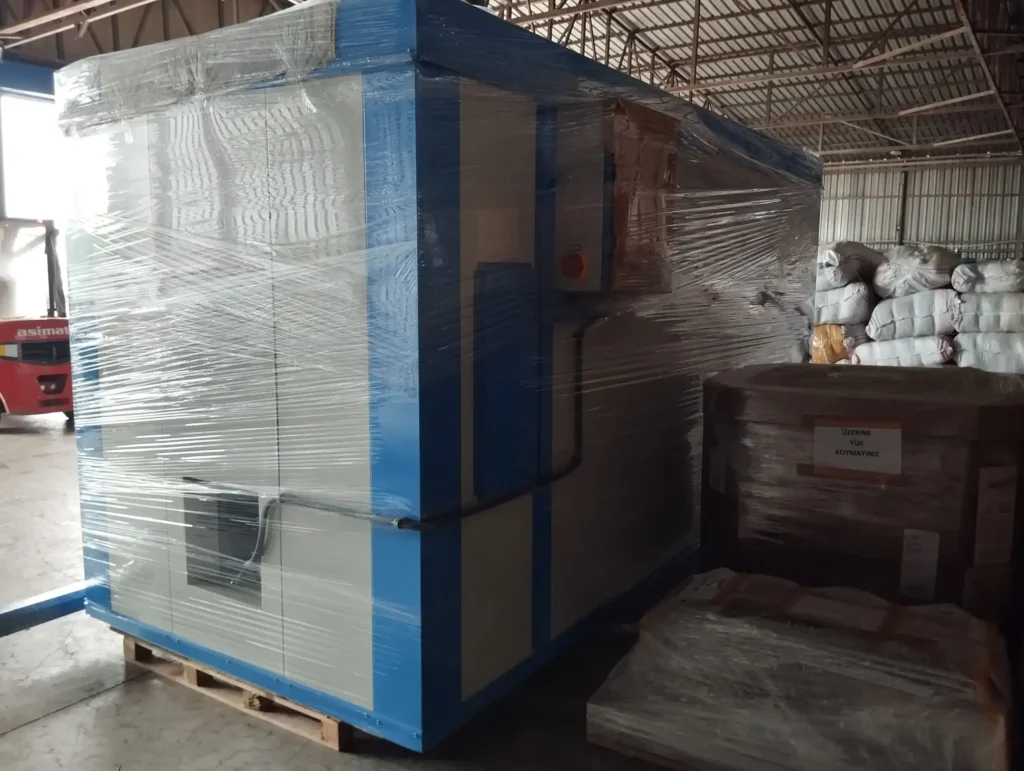
Transport of the powder coating equipment of our customers
Categories
Powder Coating Equipment Manufacturer

Powder Filtration

Powder Filtration
Powder Filtration

Powder Filtration: Powder filtration is a critical process used across various industries, particularly in pharmaceuticals, food manufacturing, chemicals, and materials science. The primary goal of powder filtration is to remove unwanted particles, contaminants, or impurities from powdered substances, ensuring the quality and purity of the final product. In many industries, powders play an essential role as raw materials or active ingredients, and their cleanliness is paramount to maintaining the desired properties of the product being created.

The filtration of powders involves separating fine particles based on size, shape, density, or electrostatic properties. It is typically carried out using filtration media like mesh, screens, or fabric, and can involve both mechanical and pneumatic methods. The technique can vary widely depending on the nature of the powder being filtered, the required purity levels, and the characteristics of the contaminants to be removed.

One of the most common techniques for powder filtration is sieving. Sieving uses mesh screens with specific hole sizes to allow particles smaller than a certain size to pass through while retaining larger particles. This method is highly effective for powders with a relatively narrow particle size distribution. However, sieving may not be sufficient for powders with a wide size distribution or powders that tend to form lumps or aggregates. In such cases, air classifiers may be used, which rely on air flow to separate particles based on their aerodynamic properties.

In addition to sieving and air classification, filtration can also be performed using a vacuum or pressure-driven process. Vacuum filtration works by applying a vacuum to draw the powder through a filtration medium, while pressure filtration uses applied pressure to force the powder through a similar medium. Both of these methods can provide high-efficiency filtration, particularly for powders that are difficult to handle or have sticky properties.

Another key method for powder filtration is cyclone separation. Cyclones are particularly useful when dealing with large volumes of powder or when a dry separation method is required. The cyclone separator uses centrifugal force to separate particles from air or gas streams, with larger particles being forced to the outer walls and collected in a hopper, while finer particles are carried away with the air stream. Cyclone separators are often used in industrial applications, such as cement production, chemical manufacturing, and food processing.

Bag filters, also known as baghouses, are another popular choice for filtering fine powders in industrial settings. These systems consist of a series of filter bags that capture dust or powder particles as air passes through. Bag filters are particularly effective for applications that generate a significant amount of fine dust or airborne particles, such as in the pharmaceutical, food, and metal industries.

In powder filtration, the properties of the powder itself play a significant role in determining the most appropriate filtration technique. For example, powders with a high moisture content can be more challenging to filter, as they may clump together or form cakes that are difficult to break apart. In such cases, pre-drying the powder before filtration can improve the process. Similarly, electrostatic charges in fine powders can cause them to cling to surfaces or form agglomerates, making it difficult to filter them effectively. In these cases, anti-static agents or ionization techniques may be employed to reduce the electrostatic properties of the powder and facilitate easier filtration.

For applications where the removal of very fine particles is necessary, the use of ultra-fine filtration systems, such as membrane filtration or nano-filtration, is often required. These systems can achieve particle removal on the order of nanometers and are especially useful for applications that demand extremely high levels of purity, such as in the production of pharmaceuticals, food additives, or high-performance materials.

In conclusion, powder filtration is a vital process in many industries, ensuring that powders used as raw materials or final products meet the desired quality standards. The selection of the appropriate filtration technique depends on factors such as the powder’s characteristics, the size of the particles to be filtered, and the desired purity level. Advanced filtration methods, like cyclone separation, vacuum filtration, and ultra-fine filtration, offer solutions for handling a wide variety of powders and contaminants. Despite the challenges posed by factors like moisture content, electrostatic charges, and particle size distribution, continuous advancements in filtration technology are improving efficiency, allowing industries to produce cleaner powders and more reliable products.

Powder Filtration

Small Powder Coating Systems

Building upon the foundation of powder filtration techniques, it is important to explore the various challenges and considerations that come into play when optimizing the filtration process for different industries and specific powder types. One of the significant challenges in powder filtration is ensuring the separation of contaminants without losing valuable product. In many cases, particularly in high-value products like pharmaceuticals, the powder is often delicate or sensitive to environmental conditions, which means any loss of product during filtration can have significant economic and quality implications. This is where the precision of the filtration equipment and the careful control of operating parameters, such as filtration speed, pressure, and temperature, become critical.

For instance, when filtering pharmaceutical powders, which are often finely divided and can easily degrade, filtration processes must be optimized to minimize any product loss while maximizing contaminant removal. The risk of contamination is particularly high in environments where powders are handled in large quantities, such as during the production of tablet coatings or injectable drugs. In such settings, dust control measures and cleanroom standards play an integral role in ensuring that the filtration process maintains the integrity of the powder, preventing cross-contamination and preserving product purity. To facilitate this, modern filtration equipment often integrates automated cleaning systems, which periodically clean or regenerate the filters, reducing downtime and ensuring sustained performance.

Another consideration in powder filtration is the handling of highly reactive or hazardous powders. For example, powders used in chemical manufacturing, such as catalysts or fine metal powders, can present safety hazards if not filtered correctly. Fine powders that are reactive or combustible require filtration systems that not only capture the particles but also prevent any risk of explosion or fire. Explosion-proof filtration systems and proper grounding techniques are essential to manage such hazards, with designs that prevent the buildup of static charges or reduce the chances of a spark igniting volatile dust clouds. Dust collection systems in such environments are typically equipped with explosion venting, spark detection, and suppression systems to ensure safety.

The physical properties of powders also play a significant role in filtration efficiency. Powders that are cohesive, meaning they tend to stick together, can cause clogging or blinding of the filtration media, making the filtration process less efficient. In such cases, the use of pre-treatment methods such as fluidization, which involves introducing air to keep the powder particles in motion, can help prevent clumping and improve the flow of the material through the filter. Additionally, powder flowability can be influenced by factors like particle size, shape, and moisture content, requiring the use of specialized filtration systems that accommodate these unique characteristics. For example, powders with irregular shapes may require more advanced filtration technologies, such as air classifiers or centrifugal separators, to ensure uniformity in particle size distribution.

Moisture content in powders can also affect filtration efficiency, particularly when dealing with hygroscopic powders, which readily absorb moisture from the air. Excess moisture can cause clumping or even cause powders to form a slurry-like consistency that is difficult to filter. To address this, moisture control systems such as dehumidifiers or dryers are often used to ensure that powders are at the optimal moisture level before being subjected to filtration. Pre-drying techniques, including the use of rotary dryers, fluidized bed dryers, or vacuum drying, are commonly employed to reduce the moisture content of powders before filtration, making them easier to handle and filter.

As the demand for cleaner, higher-purity products continues to rise, there has been a notable shift toward the development of advanced filtration systems that can meet the stringent requirements of modern industries. One of the cutting-edge innovations in this area is the use of nanotechnology in filtration media. Nanofibers, for instance, offer exceptionally high surface areas and can be used to create filters with greater efficiency, even for ultra-fine powders. These filters can capture particles at the nano-scale, making them ideal for industries where the purity of powders must meet rigorous standards, such as in food additives, biopharmaceuticals, and nanomaterials manufacturing. Additionally, the development of self-cleaning filters, which use advanced materials like photocatalytic coatings or electrostatic charge mechanisms to continuously remove particles, promises to revolutionize the way powder filtration is performed, reducing the need for manual cleaning and maintenance while extending the lifespan of filtration equipment.

The automation of powder filtration systems is another trend that is gaining traction, particularly in industries with high-volume production lines. Automated systems allow for continuous monitoring and adjustment of critical filtration parameters, such as airflow rate, pressure drop, and particle size distribution. This real-time control ensures that filtration efficiency is maintained, while also optimizing energy use and minimizing product loss. Furthermore, integrating data analytics and machine learning algorithms into filtration systems enables predictive maintenance, allowing operators to identify and address potential issues before they lead to downtime or equipment failure.

In conclusion, the evolving landscape of powder filtration reflects a growing need for more efficient, effective, and specialized methods to handle the diverse range of powders used in modern industries. From food to pharmaceuticals, chemicals, and beyond, the filtration process is essential to maintaining product quality, safety, and performance. Whether through traditional techniques like sieving and vacuum filtration or more advanced methods involving nanotechnology and automation, powder filtration continues to adapt to meet the increasing demands for purity, efficiency, and sustainability in production processes. By addressing the inherent challenges related to powder properties, moisture content, and safety concerns, industries can ensure that their filtration processes remain robust, cost-effective, and aligned with regulatory requirements.

Filtration
Filtration

As industries continue to evolve and innovate, the future of powder filtration holds exciting possibilities. With growing concerns over sustainability, energy efficiency, and environmental impact, there is increasing pressure to design filtration systems that are not only effective but also environmentally friendly. This is prompting the development of more sustainable filtration technologies that reduce waste, energy consumption, and chemical usage. For example, there is a growing trend toward using recyclable or biodegradable filter media, as well as systems that minimize the need for chemical additives in the filtration process.

Energy efficiency is becoming a key consideration in the design and operation of powder filtration systems. Traditional filtration methods, such as those relying on mechanical pressure or vacuum-driven processes, can require significant energy input. To mitigate this, researchers are exploring new filtration technologies that reduce energy consumption while maintaining high levels of performance. For example, electrostatic filtration systems, which leverage the attractive forces between particles and charged surfaces, can be highly efficient in separating fine particles with lower energy requirements. Additionally, the integration of energy recovery systems, such as heat exchangers or regenerative blowers, into filtration processes is helping to reduce operational costs and carbon footprints in industrial settings.

Advancements in filter media are also contributing to improved performance in powder filtration. For instance, advanced materials such as nanomaterials, carbon-based materials, and graphene are being incorporated into filter designs to enhance their filtering capabilities, especially for ultra-fine or sticky powders. These materials offer high surface area, excellent adsorption properties, and superior mechanical strength, allowing for better particle retention and longer service life. Moreover, the development of hybrid filter materials that combine the benefits of different materials, such as combining traditional mesh with advanced coatings, is increasing the efficiency and versatility of filtration systems.

In parallel with these developments, there is a push toward the digitization of powder filtration systems. Smart filtration technologies that integrate sensors, IoT devices, and data analytics are becoming more common. These systems allow for real-time monitoring of filtration performance, enabling operators to make data-driven decisions and optimize the filtration process dynamically. For example, sensors that measure pressure drop across filters or particle size distribution can provide valuable insights into the condition of the filter and the quality of the powder being processed. Additionally, predictive maintenance algorithms can be used to anticipate when a filter will need cleaning or replacement, reducing downtime and minimizing the risk of equipment failure.

Another area of innovation is the growing application of 3D printing in the design and fabrication of filtration systems. With 3D printing, filter designs can be customized to suit specific powder filtration needs, such as designing complex filter geometries that maximize surface area or improve airflow. This enables the creation of highly specialized filtration equipment for niche applications, such as those requiring ultra-high purity or handling unusual powder characteristics. Moreover, 3D printing can potentially reduce the cost and lead time associated with producing bespoke filtration components, providing more flexibility in the design and manufacture of filtration systems.

Furthermore, as industries continue to explore alternative materials and greener practices, there is also a growing interest in closed-loop systems that recycle filtered powders. In certain industries, particularly in high-value powders like those used in the pharmaceutical or food sectors, it is economically advantageous to recover and reuse powder that may be lost during filtration. This approach not only helps to reduce waste and optimize resource utilization but also ensures that valuable materials are not discarded, leading to more sustainable and cost-effective production processes. Technologies such as fine powder recovery systems, which use air classification or electrostatic separation to reclaim particles that might otherwise be lost, are being increasingly integrated into filtration setups.

The future of powder filtration will likely involve even more tailored solutions for specific industries, driven by the need for precision, sustainability, and greater control over the filtration process. Industries like nanotechnology, biotechnology, and additive manufacturing, where powders with extremely fine or specialized characteristics are used, will benefit from innovations in filtration that can handle new materials and stricter purity requirements. As the demand for cleaner, higher-performance products grows, the development of cutting-edge filtration technologies, alongside more sustainable and energy-efficient practices, will remain at the forefront of powder filtration advancements.

In conclusion, powder filtration is an ever-evolving field that is adapting to meet the demands of modern industries. The shift toward sustainability, energy efficiency, and digitalization is driving the development of more advanced filtration systems that can handle a wider range of powders with greater precision and fewer environmental impacts. From improved filter media and automation to predictive maintenance and smart systems, the future of powder filtration promises to be more efficient, cost-effective, and environmentally conscious, supporting the continued growth of industries that rely on high-quality powders. As innovation continues, the filtration process will remain a cornerstone of industrial production, ensuring the purity, safety, and quality of powders across diverse applications.

Filter Cleaning
Filter Cleaning

As the powder filtration field advances, the focus is increasingly shifting towards the integration of multidisciplinary approaches that combine chemistry, physics, and engineering to improve the overall performance of filtration systems. For example, researchers are looking into how the physical properties of powders, such as particle shape and surface texture, influence filtration efficiency. Powders with irregular shapes or rough surfaces may clog filters more quickly or have lower flowability, requiring filtration systems that can accommodate these characteristics while still achieving the desired level of separation. This has led to an increased emphasis on customizing filtration media to match the specific needs of different powder types, resulting in better performance and longer-lasting equipment.

Moreover, the development of hybrid filtration systems is becoming a common trend. These systems combine different types of filtration methods—such as mechanical, electrostatic, and adsorption-based techniques—into a single process. By using a combination of filtration technologies, industries can optimize the removal of contaminants from powders with varying physical and chemical properties. For instance, an integrated system might use a mechanical filter to remove large particles, followed by an electrostatic filter to capture smaller, charged particles, and an activated carbon filter to remove any chemical impurities. This approach ensures a more efficient and versatile filtration process, which is particularly important when dealing with complex powders or stringent product purity requirements.

Another area where advancements are occurring is in the design of filtration systems that can handle a wider range of operational conditions, such as extreme temperatures, pressures, or corrosive environments. Certain industrial applications, such as in the aerospace, automotive, or chemical sectors, involve powders that must be processed under challenging conditions. For these environments, filtration systems must be robust and durable, able to operate efficiently even when exposed to high heat, chemical exposure, or mechanical stress. To meet these demands, new materials for filter media are being developed, including high-temperature resistant fabrics, corrosion-resistant alloys, and advanced composites, which enable filtration systems to function effectively under harsh conditions without degradation.

The increasing focus on health and safety in industries such as food, pharmaceuticals, and chemicals also drives innovation in powder filtration. In these sectors, the risk of cross-contamination and the need for high-purity powders are paramount concerns. To address these challenges, there has been a rise in the adoption of advanced cleanroom technologies and filtration systems designed for use in highly controlled environments. These systems often use a combination of positive pressure, HEPA (High-Efficiency Particulate Air) filters, and other specialized air filtration techniques to ensure that the air in processing areas remains free of contaminants. This is particularly crucial in the pharmaceutical industry, where the purity of active ingredients directly affects the safety and efficacy of the final product.

Another significant advancement is the increased use of computational modeling and simulations to optimize the design of filtration systems. Computational fluid dynamics (CFD) is commonly used to simulate the behavior of air or gas flow through filter media, allowing engineers to predict how powders will interact with filtration elements before physical prototypes are built. This technology can be used to refine the design of filtration systems, optimize airflow patterns, and reduce energy consumption, all while improving filtration efficiency. CFD tools can also help predict the buildup of dust or other contaminants on the filter media, which aids in the development of more effective cleaning cycles and filter regeneration strategies.

Furthermore, the growing global demand for high-quality powders, particularly in industries such as additive manufacturing (3D printing), is pushing the boundaries of powder filtration. Additive manufacturing relies heavily on fine powders, such as metal or polymer powders, where any contamination or inconsistency can severely impact the quality of the final printed product. As a result, powder filtration systems must be capable of handling these specialized powders with extreme precision, removing even the smallest contaminants. Innovations in filtration technology, such as advanced particle size analysis and automated filtration monitoring, are helping to address these challenges, ensuring the powders meet the stringent requirements for 3D printing applications.

The increasing integration of artificial intelligence (AI) and machine learning (ML) into industrial systems is also having a significant impact on powder filtration. AI and ML can enhance the efficiency of filtration systems by analyzing large sets of data collected from filtration processes and providing real-time insights into system performance. These technologies can predict the need for filter replacements, identify trends in powder characteristics, and even adjust operational parameters to maintain optimal filtration efficiency. For example, by analyzing data on particle size, humidity, and airflow, AI algorithms can optimize the filtration process for specific powders, improving throughput and reducing the risk of filter failure or clogging.

In addition to industrial and operational improvements, regulatory standards surrounding powder filtration are becoming increasingly stringent. Governments and international organizations are introducing more rigorous regulations to ensure the safety and purity of powders used in sensitive applications, particularly in food, pharmaceuticals, and medical devices. These regulations require manufacturers to adopt high-performance filtration systems that can consistently meet purity standards and demonstrate compliance through rigorous testing and validation. As a result, filtration systems are becoming more sophisticated, with advanced monitoring and documentation systems that track every step of the filtration process to provide transparency and traceability.

In parallel with these technological advancements, environmental sustainability continues to be a central theme in powder filtration innovation. Industries are increasingly focused on reducing their environmental footprint by implementing practices that reduce energy consumption, minimize waste, and recycle filter materials. For instance, closed-loop filtration systems that reclaim and recycle powders are becoming more widespread, especially in industries where powder wastage can be costly. Additionally, there is a move towards using more eco-friendly filtration materials, such as biodegradable or recyclable filter fabrics, and reducing the need for harsh chemical treatments in the filtration process.

As powder filtration technology continues to evolve, the next frontier will likely involve the integration of multi-functional filtration systems that combine filtration, recovery, and purification in one unified process. These systems could reduce operational complexity and enhance efficiency by minimizing the number of steps involved in handling powders. This could be particularly advantageous in industries where time is a critical factor, and where reducing the number of processing steps can increase productivity while maintaining high-quality standards.

In conclusion, the future of powder filtration is poised for continued innovation, driven by technological advancements, regulatory demands, and the increasing focus on sustainability. From improving filtration media and process optimization to incorporating AI and machine learning, the field is evolving to meet the complex needs of modern industries. The ongoing development of more efficient, sustainable, and precise filtration systems will help ensure the continued production of high-quality powders in a wide range of applications, from pharmaceuticals to high-tech manufacturing. As the demand for cleaner, safer, and more specialized powders grows, powder filtration will remain a crucial component of industrial processes, contributing to the production of a wide array of products that are essential to our daily lives.

Powder Coating Filter

Powder Filter
Powder Filter

As the powder filtration landscape continues to evolve, the next wave of innovation is expected to focus on achieving even greater efficiency and precision, while addressing emerging challenges related to environmental impact, regulatory requirements, and the handling of complex powders. With the rapid advancement of industries like nanotechnology, biotechnology, and additive manufacturing, powder filtration systems will need to adapt to new materials, processes, and stricter purity standards.

One key development area in powder filtration is the growing need for real-time monitoring and adaptive filtration systems. Traditionally, filtration systems operate on a fixed schedule, with periodic cleaning, maintenance, or filter replacement based on pre-determined time intervals or pressure drops. However, real-time monitoring systems, often powered by Internet of Things (IoT) devices and sensors, are allowing for dynamic adjustments to filtration processes based on current operating conditions. These systems can measure variables such as airflow, particle size distribution, pressure drop, and humidity, and use this data to adjust filtration parameters in real-time to maintain optimal performance. This proactive approach not only enhances filtration efficiency but also reduces downtime and extends the life of the filtration equipment, making the entire process more cost-effective and sustainable.

Further advancements are also expected in the area of precision filtration for specialized applications. In industries like nanotechnology and biotechnology, where powders are often on the scale of nanometers or consist of complex compounds, standard filtration systems may not suffice. Filtration technologies that are capable of isolating or removing nanoparticles with high precision will be increasingly important, as the demand for ultra-pure materials grows. Nanofiltration and membrane filtration, which allow for the separation of particles at the nanometer level, are expected to become more advanced, efficient, and widely adopted in these fields. The development of more effective membrane materials, such as those made from carbon nanotubes or graphene, will improve filtration efficiency for these highly specialized applications.

In addition to handling advanced materials, another important challenge in the future of powder filtration is addressing the growing need for sustainability in industrial processes. As industries strive to reduce their carbon footprint and overall environmental impact, there will be a heightened focus on minimizing waste generated during powder filtration and reusing filter media whenever possible. Closed-loop systems that recycle both powders and filtration media are gaining traction, particularly in industries like pharmaceuticals and food manufacturing, where reducing material waste is not only cost-effective but also environmentally beneficial. These systems may incorporate advanced filtration technologies that allow for the efficient separation and recovery of valuable powders, reducing the need for fresh raw materials and minimizing the disposal of contaminated filter media.

At the same time, regulatory standards around the handling and disposal of waste generated by filtration systems are becoming stricter. In many industries, especially those dealing with hazardous or toxic powders, the need to safely dispose of waste material has led to the development of filtration systems that capture not only particles but also volatile organic compounds (VOCs) and other harmful byproducts. Advanced filtration systems equipped with specialized adsorbents or catalytic converters can neutralize harmful substances, ensuring that the environmental impact of the filtration process is minimized. In some cases, waste from powder filtration is being repurposed for other applications, such as in the development of sustainable materials or energy recovery systems, further reducing the environmental footprint.

The role of artificial intelligence (AI) and machine learning (ML) in powder filtration will likely expand, particularly in areas where precision and performance monitoring are critical. AI algorithms can be used to analyze large volumes of data collected during filtration processes, identifying patterns and correlations that can optimize the filtration parameters and reduce inefficiencies. For instance, AI-driven systems can predict the remaining lifespan of a filter based on its performance over time, allowing operators to schedule maintenance and avoid unnecessary downtime. Additionally, machine learning models can help in the development of predictive maintenance strategies by analyzing historical data on filter performance, identifying early warning signs of failure, and suggesting optimal times for filter cleaning or replacement.

Another area of growth is the development of hybrid filtration technologies that combine different types of filtration methods for maximum efficiency. Hybrid systems that integrate mechanical, electrostatic, and chemical filtration methods in a single process can be tailored to handle powders with diverse properties. For example, powders with high moisture content, which are more difficult to filter using traditional mechanical methods, may benefit from hybrid systems that use a combination of drying and filtration techniques to ensure high purity levels while maintaining process efficiency. These hybrid systems can be designed to handle a wide range of powders, from fine metal powders used in 3D printing to highly sensitive pharmaceutical ingredients, providing greater versatility in industrial applications.

Additive manufacturing, or 3D printing, is one area where powder filtration will continue to play a critical role. In additive manufacturing, metal powders, polymer powders, and ceramic powders are used as raw materials, and the quality of the powder directly impacts the performance and safety of the final product. As the use of 3D printing expands across industries like aerospace, automotive, and healthcare, there will be an increasing need for filtration systems that can ensure the purity and consistency of these specialized powders. Filtration systems will need to handle powders that are often extremely fine, with particle sizes on the micron or nanometer scale. Technologies that can efficiently filter these fine powders, while preventing contamination from airborne particles, will become essential to the continued success of additive manufacturing.

Moreover, powder filtration systems will need to keep pace with the increasing complexity of multi-material 3D printing, where different powders with distinct properties are combined to create intricate, high-performance components. In these applications, filtration systems will need to accommodate a wider range of materials, such as metal alloys, ceramics, and polymers, and ensure that each material is filtered and handled according to its unique requirements.

As industries continue to focus on increasing production speeds and improving product quality, the demand for filtration systems that can handle larger volumes of powder efficiently will grow. Automated filtration systems that can process large batches of powder with minimal manual intervention are already becoming more common in industries like food processing, where batch sizes can be very large. These systems can use advanced sensors, robotics, and control systems to automatically monitor and adjust filtration parameters, ensuring that each batch meets the desired specifications. Automation in powder filtration will not only improve efficiency but also reduce human error and increase consistency across production runs.

In summary, the future of powder filtration will be characterized by the ongoing development of more efficient, adaptable, and sustainable filtration technologies. With the increasing demand for high-quality, high-performance powders across a range of industries, filtration systems will continue to evolve to meet the challenges posed by new materials, regulatory standards, and environmental concerns. The integration of AI, hybrid filtration technologies, advanced filtration media, and closed-loop recycling systems will help to ensure that powder filtration remains a critical component of industrial production, delivering high purity and efficiency while minimizing environmental impact. As these technologies advance, industries will be better equipped to produce cleaner, safer powders that meet the ever-growing demands of modern manufacturing, research, and development.

Not only do we manufacture our powder coating equipment, we also ship them worldwide to your facility with care

We’re not just the manufacturers of your powder coating equipment, we’re also your worldwide delivery partners.

At EMS Powder Coating Equipment, we understand that getting your powder coating equipment to you quickly and safely is just as important as manufacturing it to the highest standards. That’s why we offer worldwide delivery services to all of our customers.

We work with a network of experienced and reliable shipping partners to ensure that your equipment arrives on time and in perfect condition. We also offer a variety of shipping options to fit your budget and needs.

Whether you need your equipment shipped to a local address or to an international destination, we can help. We’ll work with you to choose the best shipping option for your needs and to keep you updated on the status of your shipment every step of the way.

So when you choose EMS for your powder coating equipment, you’re not just getting the best products on the market, you’re also getting the best possible delivery experience.

Contact us today to learn more about our worldwide delivery services.
Transport of the powder coating equipment of our customers
Categories
Powder Coating Equipment Manufacturer

Electric Batch Ovens

Electric Batch Ovens

Electric Batch Ovens: Electric coil burn-off ovens are specialized industrial ovens designed to clean electric coils, motors, transformers, and similar components by safely removing insulating materials, coatings, varnishes, and other contaminants. These ovens are crucial in industries that require frequent maintenance or refurbishment of electrical equipment, ensuring that the components are cleaned effectively without causing damage to the metal parts or windings. The process employed by these ovens is often referred to as “pyrolytic cleaning,” where heat is used to decompose organic materials into simpler compounds, which can then be easily collected and disposed of.

The basic principle of electric coil burn-off ovens is to apply controlled heat in a carefully managed environment. This controlled environment ensures that the insulating materials on the electrical coils, such as varnishes or resins, break down into gases or ash without igniting into an open flame. This is achieved through precise temperature regulation, typically keeping the internal oven temperature within a range that avoids exceeding the ignition point of the materials being processed. Temperatures in these ovens are generally maintained between 800°F and 1,000°F, though the specific range may vary depending on the materials involved and the design of the oven.

One of the critical features of these ovens is their ability to manage emissions. As the insulating materials break down, they release volatile organic compounds (VOCs) and other byproducts. To handle these emissions, burn-off ovens are equipped with an afterburner system. The afterburner operates at a significantly higher temperature, often exceeding 1,400°F, to ensure the complete combustion of VOCs and other harmful substances, reducing them to harmless gases like carbon dioxide and water vapor. This system not only ensures compliance with environmental regulations but also enhances workplace safety by minimizing exposure to hazardous fumes.

Another essential aspect of electric coil burn-off ovens is their structural design. These ovens are constructed with heavy-duty materials to withstand prolonged exposure to high temperatures. The internal chamber is typically lined with refractory materials that provide excellent thermal insulation, ensuring efficient heat retention while protecting the external structure from heat damage. The ovens are also equipped with advanced temperature control systems, which include thermocouples and programmable controllers. These systems allow operators to set and monitor the temperature precisely, ensuring optimal cleaning without risking damage to the electrical components.

Safety is a paramount concern in the operation of electric coil burn-off ovens. Most ovens are designed with several safety features to prevent accidents, including automatic shut-off systems that activate if the temperature exceeds safe limits or if there is a failure in the ventilation system. Additionally, many models incorporate oxygen monitoring systems to ensure that the atmosphere within the oven remains below the levels required to support combustion, reducing the risk of fire.

The application of electric coil burn-off ovens extends across various industries, including automotive, aerospace, manufacturing, and electrical repair facilities. In these settings, the ability to clean and refurbish electrical components quickly and efficiently translates to significant cost savings. Instead of replacing entire motors or transformers, businesses can use burn-off ovens to restore the functionality of these components, extending their lifespan and reducing waste. This process also supports sustainability efforts by promoting the reuse of materials rather than contributing to landfills.

In summary, electric coil burn-off ovens play a vital role in maintaining and refurbishing electrical components. Their ability to safely and effectively remove insulating materials while managing emissions and ensuring operational safety makes them indispensable in industrial settings. With their advanced temperature controls, robust construction, and emission management systems, these ovens provide a reliable and environmentally responsible solution for cleaning and restoring electric coils and other similar components.

Heating Element for Powder Coating Oven

Electric coil burn-off ovens are also celebrated for their efficiency and versatility in handling a wide range of components and materials. Whether dealing with small motors or large industrial transformers, these ovens can accommodate varying sizes and complexities of components, making them an adaptable solution for businesses of all scales. Many ovens feature modular designs or adjustable racks and shelves, allowing operators to configure the internal space based on the specific needs of the equipment being cleaned. This adaptability ensures that the cleaning process is as efficient as possible, regardless of the workload.

A key advantage of using these ovens is the preservation of the base metal during the cleaning process. Traditional cleaning methods, such as manual scraping or abrasive techniques, often risk damaging the delicate windings or structural integrity of the electrical components. Burn-off ovens, however, use heat to decompose unwanted materials, leaving the underlying metal intact and ready for re-insulation or further processing. This precision is particularly important in industries where the reliability and safety of electrical systems are non-negotiable, such as in power generation or transportation.

The operational lifecycle of electric coil burn-off ovens is another factor contributing to their value. Built with durability in mind, these ovens are designed to withstand years of continuous operation in demanding environments. Regular maintenance, such as cleaning the afterburner and checking the refractory lining, ensures their long-term performance. Many manufacturers also offer upgrades or customization options, allowing businesses to retrofit older models with modern features like improved temperature controls or more efficient afterburner systems.

Energy efficiency is a growing focus in the design and operation of burn-off ovens. Modern models incorporate advanced insulation and heat recovery systems to minimize energy consumption. For instance, some ovens use heat generated by the afterburner to preheat the incoming air, reducing the energy required to maintain the internal temperature. Additionally, programmable control systems enable operators to optimize cleaning cycles, ensuring that the oven only uses as much energy as necessary for a given load. These energy-saving features not only lower operational costs but also support sustainability initiatives by reducing the oven’s carbon footprint.

In terms of installation and integration, electric coil burn-off ovens are designed to fit seamlessly into various industrial workflows. They are typically installed in well-ventilated areas with access to appropriate exhaust systems to manage emissions. Many ovens come with user-friendly interfaces and digital controls, making them easy to operate even for those with minimal training. Manufacturers often provide comprehensive training and support services to ensure that operators can use the equipment effectively and safely.

The environmental benefits of using electric coil burn-off ovens extend beyond emission control. By enabling the refurbishment and reuse of electrical components, these ovens contribute to the reduction of industrial waste. This aligns with global efforts to promote circular economies, where materials are continually reused and recycled rather than discarded. In industries where equipment replacement costs are high, the ability to refurbish components also provides significant economic benefits, reducing the need for new production and the associated resource consumption.

Research and development in the field of burn-off ovens continue to push the boundaries of what these machines can achieve. Innovations in materials science, for instance, have led to the development of more durable and heat-resistant linings for oven chambers, improving efficiency and longevity. Advances in automation and smart technologies are also transforming how these ovens are operated. Features like remote monitoring, predictive maintenance alerts, and data logging capabilities enable businesses to optimize their processes further, reducing downtime and improving productivity.

In conclusion, electric coil burn-off ovens are indispensable tools for industries that depend on the reliable performance of electrical components. Their ability to safely and efficiently clean and refurbish equipment ensures not only cost savings and operational efficiency but also environmental responsibility. With ongoing advancements in technology and design, these ovens are poised to remain a cornerstone of industrial maintenance and refurbishment practices, supporting both economic and ecological goals in an increasingly sustainability-conscious world.

The role of electric coil burn-off ovens is expanding as industries face growing demands for sustainability, efficiency, and operational resilience. These ovens are increasingly being recognized not only for their functional capabilities but also for their broader contribution to industrial ecosystems. By facilitating the recovery and reuse of electrical components, they support industries in reducing dependence on raw materials, thereby mitigating the environmental impact of mining and manufacturing. This capability aligns with global trends toward greener technologies and practices, making burn-off ovens a vital part of modern industrial strategies.

A significant trend in the development of these ovens is their integration with Industry 4.0 technologies. Many contemporary models are equipped with IoT-enabled sensors and connectivity features, allowing for real-time monitoring and control. These smart systems enable operators to track temperature fluctuations, emission levels, and other critical parameters remotely, ensuring optimal performance and compliance with stringent safety and environmental standards. Predictive maintenance capabilities, powered by machine learning algorithms, further enhance reliability by identifying potential issues before they lead to equipment failure, reducing unplanned downtime and associated costs.

Electric coil burn-off ovens are also evolving to accommodate a broader range of materials and components. Traditional models were primarily designed for standard varnishes and resins, but newer versions can handle advanced materials used in modern electrical and electronic equipment. These include high-performance polymers, composite insulations, and even certain types of metal coatings. This adaptability ensures that the ovens remain relevant as manufacturing processes and materials continue to evolve.

Another area of innovation is the incorporation of alternative energy sources to power the ovens. While most traditional models rely on natural gas or electricity, some manufacturers are exploring hybrid systems that integrate renewable energy sources such as solar or biomass. These innovations not only reduce operational costs but also contribute to reducing the carbon footprint of industrial processes. In regions with stringent environmental regulations, such advancements are particularly valuable, helping businesses meet compliance requirements while maintaining competitive advantages.

The importance of training and operational support cannot be overstated when it comes to using burn-off ovens. As these systems become more advanced, proper training ensures that operators understand both the technical and safety aspects of the equipment. Many manufacturers provide detailed user manuals, on-site training, and even virtual reality (VR)-based simulations to help operators gain hands-on experience. Additionally, customer support services, including remote diagnostics and troubleshooting, enhance the user experience and ensure that issues are resolved quickly and efficiently.

From a financial perspective, the investment in an electric coil burn-off oven often yields substantial returns over time. The cost savings achieved through component refurbishment, reduced waste disposal fees, and lower energy consumption can offset the initial purchase price relatively quickly. Furthermore, the extended lifespan of motors and coils treated in these ovens reduces the frequency and cost of replacements, further contributing to overall cost efficiency.

The environmental compliance aspect of burn-off ovens is becoming increasingly critical as governments and regulatory bodies impose stricter limits on industrial emissions. Advanced afterburner systems, coupled with catalytic converters in some models, ensure that these ovens not only meet but often exceed regulatory requirements. By converting harmful byproducts into harmless substances, these systems contribute to cleaner air and a safer working environment. For industries aiming to achieve certifications such as ISO 14001 for environmental management, burn-off ovens play a crucial role in meeting these standards.

Customization options are another hallmark of modern electric coil burn-off ovens. Depending on the specific needs of a business, ovens can be tailored in terms of size, configuration, and operational features. For instance, companies dealing with exceptionally large transformers or motors may require oversized chambers or enhanced lifting mechanisms. Similarly, businesses with high throughput demands may benefit from ovens designed for rapid cycling or continuous operation.

In conclusion, electric coil burn-off ovens represent a fusion of traditional utility and modern innovation. They address critical industrial needs while adapting to emerging challenges and opportunities in sustainability, technology, and efficiency. Their versatility, reliability, and environmental benefits make them indispensable across diverse sectors, from automotive manufacturing to power generation and beyond. As advancements in materials science, automation, and energy efficiency continue to shape their development, these ovens are set to remain at the forefront of industrial cleaning and refurbishment solutions, supporting a more sustainable and efficient future.

Electric Batch Ovens

The long-term outlook for electric coil burn-off ovens is promising, driven by their adaptability to meet the ever-changing demands of modern industries. Their role in fostering circular economies, where components are refurbished and reused instead of discarded, positions them as critical tools in reducing industrial waste and conserving resources. This importance is amplified as industries across the globe commit to achieving net-zero emissions and implementing sustainable manufacturing practices.

One of the most notable trends in the continued evolution of burn-off ovens is their increasing efficiency. Advances in insulation materials and thermal management systems have significantly reduced energy losses, making these ovens more cost-effective to operate. For example, multi-layer refractory linings with improved heat retention properties minimize the amount of energy required to maintain operational temperatures. Combined with intelligent control systems, these improvements ensure that every kilowatt of energy contributes directly to the cleaning process, reducing overhead costs and improving the overall energy profile of industrial facilities.

Further integration of automation in burn-off ovens has also streamlined their operation. Automated loading and unloading systems reduce manual labor and improve safety by minimizing the need for operators to handle components in high-temperature environments. Robotics and conveyor systems can be customized to handle delicate or oversized parts, ensuring precise handling without risking damage. This level of automation not only increases productivity but also allows facilities to handle higher volumes of components with minimal additional effort.

On the environmental front, the emphasis on reducing emissions has led to significant advancements in afterburner technology. State-of-the-art systems now feature dual-stage afterburners, which achieve even higher combustion efficiency. These systems effectively capture and neutralize harmful byproducts released during the cleaning process, including volatile organic compounds (VOCs), particulate matter, and other pollutants. The resulting emissions are often well below regulatory thresholds, enabling industries to operate in compliance with the strictest environmental standards. Additionally, some manufacturers have incorporated regenerative thermal oxidizers (RTOs), which capture waste heat from the combustion process and reuse it to further improve energy efficiency.

The versatility of burn-off ovens is continually being enhanced to cater to specialized industrial needs. For instance, some models are now equipped with advanced air circulation systems that provide uniform heating across complex or irregularly shaped components. This ensures consistent cleaning results, even for intricate parts that would otherwise pose challenges using traditional methods. Furthermore, ovens designed for specific applications, such as cleaning aerospace components or high-voltage transformers, incorporate unique features tailored to these industries, such as precise temperature control or additional safety mechanisms to protect sensitive materials.

In terms of maintenance, modern burn-off ovens are becoming easier to service and more resilient to wear and tear. Features like modular designs and accessible components simplify the process of replacing worn parts or upgrading systems. Predictive maintenance tools, enabled by sensors and analytics, notify operators of potential issues before they lead to operational disruptions. For example, monitoring systems may detect anomalies in temperature distribution or airflow, prompting proactive interventions that prevent costly downtime.

The economic impact of adopting burn-off ovens extends beyond direct cost savings. By enabling the refurbishment of components, these ovens allow industries to maintain high-quality standards without incurring the expenses associated with new parts. This is particularly advantageous in sectors where equipment downtime is costly, such as power generation, manufacturing, and transportation. The ability to clean and restore components on-site reduces reliance on external service providers, further lowering operational costs and improving turnaround times.

Looking ahead, the development of burn-off ovens is likely to focus on even greater levels of customization, energy efficiency, and environmental performance. Collaborative efforts between manufacturers and end-users will continue to drive innovations that address specific industrial challenges. For example, industries working with emerging materials, such as composites or nanomaterials, may require ovens designed to handle these unique substrates. Similarly, the integration of renewable energy sources, such as solar-assisted heating systems, is likely to become more prevalent as industries strive to reduce their carbon footprint.

In conclusion, electric coil burn-off ovens are a cornerstone of modern industrial maintenance and sustainability practices. Their ability to adapt to evolving technologies, materials, and environmental standards ensures their relevance in a wide range of applications. As advancements in design, automation, and energy efficiency continue to shape their capabilities, these ovens will play an increasingly vital role in supporting industrial growth while promoting resource conservation and environmental stewardship. Their importance in enabling industries to balance operational efficiency with sustainability goals cements their position as indispensable tools in the future of manufacturing and maintenance.

Heating Element for Powder Coating Oven

Heating elements for powder coating ovens are critical components responsible for generating the precise and consistent heat required for curing powder-coated surfaces. Powder coating is a finishing process where powdered resin is electrostatically applied to a surface and then heated to melt and form a smooth, durable coating. The heating element ensures that the oven reaches and maintains the necessary temperature range, typically between 300°F and 500°F, depending on the type of powder being used and the substrate being coated. This process is highly sensitive to temperature uniformity, making the design and functionality of the heating element essential for achieving high-quality results.

The primary function of the heating element is to convert energy, usually from electricity or gas, into heat that is distributed evenly throughout the oven chamber. Electric heating elements are commonly used in smaller or medium-sized powder coating ovens, while gas-fired elements are more typical in larger, industrial-scale operations. Regardless of the energy source, the heating element must deliver consistent heat to ensure that the powder coating cures evenly across the entire surface of the coated object, avoiding defects like under-curing or over-curing.

Electric heating elements are often made from high-resistance materials such as nichrome (an alloy of nickel and chromium) or other advanced alloys. These materials are chosen for their ability to withstand prolonged exposure to high temperatures without degrading. The design of the heating element varies but typically includes coils, rods, or panels strategically placed within the oven to maximize heat distribution. Infrared (IR) heating elements are also popular in some powder coating applications, as they provide direct and efficient heat transfer to the coated surface, reducing energy consumption and curing times.

Gas-fired heating elements use burners to produce heat, which is then circulated throughout the oven chamber by fans. These systems are particularly effective for larger ovens where maintaining uniform temperature over a wide area is critical. Gas burners can be designed to operate with natural gas or propane, and modern systems are often equipped with advanced controls to regulate fuel flow and combustion efficiency. Heat exchangers are sometimes incorporated into gas-fired ovens to improve energy efficiency by capturing and reusing waste heat.

Temperature control is a crucial feature of heating elements in powder coating ovens. Precise regulation is achieved through integrated control systems that use sensors, such as thermocouples, to monitor the oven’s internal temperature. These sensors provide real-time feedback to the control unit, which adjusts the output of the heating element to maintain the desired curing conditions. Programmable logic controllers (PLCs) or digital interfaces are commonly used to set and monitor temperature profiles, ensuring that the oven operates consistently and efficiently.

Another key aspect of heating elements for powder coating ovens is their durability and resistance to wear. Since powder coating processes often involve extended operating hours at high temperatures, heating elements must be designed to withstand thermal cycling, oxidation, and other forms of wear and tear. Protective coatings or housings are sometimes applied to the elements to enhance their lifespan and prevent contamination within the oven.

Energy efficiency is an ongoing focus in the design of heating elements for powder coating ovens. Modern elements are engineered to minimize heat loss and maximize energy transfer to the curing process. Insulation within the oven chamber and advanced airflow designs help retain heat, reducing the workload on the heating element. Some systems also incorporate energy recovery technologies, such as capturing exhaust heat to preheat incoming air, which further reduces energy consumption.

The uniformity of heat distribution is a critical performance metric for heating elements. Uneven heating can lead to inconsistent curing, resulting in defects such as orange peel textures, discoloration, or reduced adhesion of the coating. To address this, heating elements are often paired with advanced air circulation systems. Fans or blowers distribute heated air evenly throughout the oven chamber, ensuring consistent temperature across all surfaces of the coated objects.

Maintenance and replacement of heating elements are essential considerations for powder coating ovens. Regular inspections are necessary to identify signs of wear, such as cracking, warping, or reduced heating efficiency. Many ovens are designed with easily accessible heating elements to simplify replacement and minimize downtime. Manufacturers often provide detailed maintenance guidelines and recommend using OEM (original equipment manufacturer) parts to ensure compatibility and optimal performance.

In recent years, the development of smart heating technologies has begun to influence the design of heating elements for powder coating ovens. IoT-enabled sensors and controls allow for remote monitoring and adjustments, providing operators with greater flexibility and control over the curing process. Predictive maintenance features, powered by data analytics, can alert operators to potential issues before they result in equipment failure, reducing unplanned downtime and improving overall operational efficiency.

Customizability is another advantage of modern heating elements. Depending on the size, shape, and throughput requirements of the powder coating oven, heating elements can be tailored to meet specific operational needs. For example, compact ovens used in small-scale operations may use low-profile heating panels, while large industrial ovens may require high-capacity burners or multiple heating zones for optimal performance.

In summary, heating elements for powder coating ovens are indispensable components that ensure the success of the powder coating process. Their ability to generate and maintain consistent, precise heat directly impacts the quality, durability, and appearance of the finished coating. Advances in materials, design, and technology continue to enhance the performance, efficiency, and longevity of these elements, making them integral to the powder coating industry’s efforts to meet increasing demands for high-quality, sustainable, and cost-effective solutions. As industries evolve and adopt new technologies, heating elements will remain at the forefront of innovation, ensuring that powder coating ovens deliver superior results while maintaining energy efficiency and operational reliability.

The evolution of heating elements for powder coating ovens continues to align with advancements in technology and the growing demand for sustainable, energy-efficient solutions. Modern heating elements are not only optimized for performance but are also designed to meet stricter environmental regulations and reduce operational costs. These developments are transforming how powder coating processes are executed, ensuring that industries can maintain high production standards while minimizing their environmental impact.

One of the most significant trends in heating element design is the use of advanced materials to improve efficiency and durability. High-performance alloys, ceramic composites, and quartz materials are increasingly being used in electric heating elements. These materials offer superior resistance to high temperatures, oxidation, and thermal cycling, ensuring longer service life and reduced maintenance needs. For infrared heating elements, materials like halogen-filled quartz tubes provide rapid heating and excellent energy transfer, making them particularly effective for applications requiring precise heat targeting.

In addition to material advancements, the design of heating elements has become more sophisticated to ensure even heat distribution. Customizable configurations, such as modular panels, coils, or tubular elements, allow manufacturers to tailor the heat output to specific oven designs and curing requirements. This flexibility ensures that components of various sizes and shapes can be evenly heated, eliminating potential hot spots or cold zones that could compromise the quality of the powder-coated finish.

Energy efficiency remains a top priority in the development of heating elements. Innovations such as zone-controlled heating enable operators to target specific areas of the oven chamber, reducing energy waste when full-capacity heating is unnecessary. Variable frequency drives (VFDs) and smart controllers also play a crucial role in optimizing energy consumption. By adjusting the power supplied to the heating element based on real-time demand, these systems ensure that energy is used efficiently throughout the curing process.

Hybrid heating systems are another area of innovation, combining multiple heating technologies to maximize efficiency and performance. For instance, some powder coating ovens integrate electric and gas-fired heating elements to take advantage of the rapid response time of electric elements and the cost-efficiency of gas burners. In such systems, electric heating elements may be used for preheating or fine-tuning temperatures, while gas burners provide the primary heat source for curing larger loads.

Smart technology is increasingly shaping the functionality of heating elements in powder coating ovens. IoT-enabled sensors and control systems allow for real-time monitoring of temperature, energy usage, and system performance. These technologies enable predictive maintenance, alerting operators to potential issues such as wear or inefficiency in the heating element before they lead to system failure. Remote access capabilities further enhance operational flexibility, allowing technicians to monitor and adjust settings from off-site locations.

The integration of renewable energy sources into heating systems is gaining traction as industries seek to reduce their carbon footprint. Solar-assisted heating systems and biomass burners are examples of alternative energy solutions being explored for powder coating ovens. These systems complement traditional heating elements, reducing reliance on fossil fuels and lowering overall energy costs. As renewable energy technologies become more accessible and affordable, their integration with heating elements is expected to expand.

Safety is another critical aspect of heating element design. Modern powder coating ovens are equipped with multiple safety features to protect both operators and the equipment. Over-temperature protection systems, for example, automatically shut down the heating element if the temperature exceeds safe limits. Oxygen monitoring systems are also common in gas-fired ovens, ensuring proper combustion and reducing the risk of incomplete fuel burn or hazardous gas buildup.

The industrial applications of powder coating ovens, and by extension their heating elements, are diverse. Industries such as automotive, aerospace, consumer goods, and industrial machinery rely on powder coating for its durability, aesthetic appeal, and resistance to corrosion. Each of these sectors has unique requirements, driving the need for customizable heating element solutions. For example, automotive manufacturers may require ovens with fast heat-up times to support high-volume production, while aerospace applications might demand precise temperature control for delicate components.

In conclusion, heating elements for powder coating ovens are a cornerstone of the finishing process, providing the consistent and precise heat required to cure powder coatings effectively. Advances in materials, design, and smart technology continue to enhance their performance, efficiency, and lifespan. As industries prioritize sustainability and cost-effectiveness, heating elements are evolving to meet these demands, offering innovative solutions that align with modern manufacturing goals. The adaptability of these components ensures their relevance in a wide range of applications, making them indispensable in achieving high-quality, durable, and environmentally responsible powder-coated finishes.

Looking ahead, the continued innovation of heating elements for powder coating ovens is expected to focus on enhancing their efficiency, adaptability, and integration with emerging technologies. These advancements will cater to the growing demands of industries for faster, more cost-effective, and environmentally friendly solutions, while also addressing increasingly stringent regulatory requirements for energy consumption and emissions.

Emerging Materials and Advanced Manufacturing Techniques

One area poised for significant development is the use of advanced materials and manufacturing techniques to create more efficient and durable heating elements. The advent of additive manufacturing (3D printing) has the potential to revolutionize the production of heating elements, enabling complex designs that maximize surface area and heat distribution. Materials like graphene and other nanocomposites, known for their exceptional thermal conductivity and resistance to degradation, are being explored to replace traditional alloys. These materials could enable heating elements that operate at higher efficiencies while maintaining longer lifespans, even under demanding conditions.

Enhanced Thermal Control and Multi-Zone Heating

Temperature precision and uniformity are critical for achieving consistent powder coating results. Future heating elements are likely to incorporate advanced thermal control systems capable of managing multiple heating zones independently within a single oven chamber. Multi-zone heating allows operators to target specific areas of the oven with different temperature settings, accommodating diverse curing requirements simultaneously. This capability is particularly valuable for industries dealing with mixed-load applications, where components of varying sizes and materials need to be cured in the same batch.

Integration with AI and Machine Learning

Artificial intelligence (AI) and machine learning are increasingly being applied to optimize industrial processes, and heating systems are no exception. AI-driven control systems can learn from historical data to predict the most efficient heating profiles for different types of powder coatings and substrates. These systems can automatically adjust heating element outputs to minimize energy use while maintaining the desired curing quality. Furthermore, machine learning algorithms can analyze patterns in system performance to anticipate maintenance needs, ensuring maximum uptime and reducing the risk of unexpected failures.

Environmental Innovations and Energy Recovery

As industries strive to meet carbon reduction targets, the environmental performance of heating elements is becoming a focal point. Innovations such as regenerative heating systems, which capture and reuse waste heat from the curing process, are expected to become more widespread. Similarly, the integration of renewable energy sources, such as solar or wind power, with traditional heating systems will provide hybrid solutions that reduce reliance on nonrenewable energy. Additionally, advanced insulation materials and techniques are being developed to further reduce heat loss, enhancing the overall efficiency of powder coating ovens.

Compact and Modular Designs

With the rise of small-scale manufacturing and localized production, there is increasing demand for compact and modular powder coating ovens. Heating elements for these systems are being designed to offer high performance in smaller footprints, ensuring that even small or portable ovens can deliver professional-grade results. Modular heating elements, which can be easily replaced or reconfigured, provide flexibility for businesses that need to scale their operations or adapt to new production requirements without investing in entirely new equipment.

Industry-Specific Customization

The versatility of heating elements allows for their adaptation to meet the unique needs of various industries. For example, in the aerospace sector, where components often have complex geometries and require precision curing, heating elements are designed to provide highly targeted and controlled heat. In contrast, the automotive industry may prioritize elements with rapid heat-up and cooldown capabilities to support high-throughput production lines. Such customization ensures that heating systems remain aligned with the specific goals and constraints of different industries.

Safety and Compliance Enhancements

As safety standards continue to evolve, heating elements are being designed with increasingly sophisticated safety features. Overheat protection systems, automatic shutdown mechanisms, and real-time monitoring of gas or electrical inputs are becoming standard in modern powder coating ovens. These features not only protect operators but also prevent damage to components and the oven itself, reducing the long-term costs associated with repairs or replacements. Compliance with global safety and environmental standards, such as CE, UL, or ISO certifications, is also driving innovation in heating element design and manufacturing.

Future Market and Industrial Trends

The demand for powder coating ovens and their heating elements is expected to grow alongside the expansion of industries like renewable energy, where powder-coated components are used in solar panels and wind turbines. The rising popularity of consumer electronics, which often feature powder-coated finishes for durability and aesthetics, will further drive the need for advanced heating technologies. Additionally, the growing emphasis on sustainability and resource conservation will push manufacturers to adopt energy-efficient ovens with cutting-edge heating elements.

Conclusion

Heating elements for powder coating ovens are integral to the evolution of the powder coating process. Their ability to adapt to changing industrial demands, embrace technological advancements, and contribute to sustainability makes them a cornerstone of modern manufacturing. Future developments in materials science, energy efficiency, automation, and customization promise to enhance the performance and versatility of these components further. By aligning with trends such as digitalization, environmental responsibility, and industry-specific needs, heating elements will continue to play a pivotal role in delivering high-quality, efficient, and sustainable powder coating solutions across a broad range of applications.

10×10 Powder Coating Oven

10x10 Powder Coating Oven
10×10 Powder Coating Oven

A 10×10 powder coating oven, with its sizable dimensions, is a key piece of equipment for businesses engaged in powder coating larger components or handling higher production volumes. Measuring 10 feet by 10 feet, this oven provides a spacious interior capable of accommodating large or irregularly shaped objects such as automotive parts, metal furniture, and industrial machinery components. The design and functionality of such ovens are optimized for efficient curing, consistent temperature distribution, and robust performance, making them indispensable in industries where durable and aesthetically pleasing finishes are critical.

Core Features and Design

The 10×10 powder coating oven is built with industrial-grade materials to ensure durability and long-term reliability under continuous operation. The walls are typically constructed with heavy-duty steel and insulated with high-performance materials, such as mineral wool or ceramic fiber, to minimize heat loss and improve energy efficiency. These ovens feature double-sealed doors with locking mechanisms to maintain an airtight chamber, ensuring that the internal temperature remains stable during the curing process.

The size of a 10×10 oven provides flexibility in accommodating multiple items simultaneously, optimizing throughput. Adjustable racks or hanging systems within the oven allow operators to position parts for maximum heat exposure and ensure uniform curing. For larger operations, the ovens can be integrated with conveyor systems, enabling continuous production cycles and reducing manual handling.

Heating System

The heating system is the heart of the 10×10 powder coating oven, designed to deliver precise and consistent temperatures throughout the chamber. These ovens typically employ electric heating elements or gas-fired burners, depending on the facility’s energy resources and cost considerations. Electric systems are often preferred for their ability to provide precise temperature control and lower environmental emissions, while gas-fired systems offer cost-efficiency and faster heat-up times, particularly in regions with lower gas prices.

Advanced heating systems include multi-zone temperature controls, which allow operators to customize the heat output in different sections of the oven. This feature is especially valuable for curing components with varying thicknesses or materials, as it ensures that each part of the object receives the appropriate heat treatment without overcuring or undercuring.

Air Circulation and Temperature Uniformity

Uniform heat distribution is critical in a powder coating oven, particularly for larger units like the 10×10 model. High-capacity fans and air circulation systems ensure that heated air flows evenly throughout the chamber, eliminating temperature gradients that could compromise the quality of the cured finish. These systems are carefully engineered to prevent hotspots or cold zones, which can lead to defects such as inconsistent gloss, poor adhesion, or uneven coating thickness.

In some models, laminar airflow technology is used to provide a consistent flow of heated air across the surface of the coated parts. This is particularly beneficial for intricate or densely packed components, as it ensures that all surfaces receive equal exposure to heat.

Control Systems

Modern 10×10 powder coating ovens are equipped with sophisticated control systems that enhance precision and ease of operation. Digital interfaces or programmable logic controllers (PLCs) allow operators to set and monitor key parameters such as temperature, curing time, and airflow. These systems often include pre-programmed settings for different types of powder coatings, simplifying the operation for less experienced users.

Some ovens also feature smart technology integration, enabling remote monitoring and control through IoT-enabled devices. This functionality allows operators to adjust settings, receive alerts, and monitor performance metrics from any location, providing greater flexibility and minimizing downtime.

Energy Efficiency

Given the size of a 10×10 oven, energy efficiency is a critical design consideration. High-performance insulation, efficient heating elements, and advanced airflow systems work together to reduce energy consumption while maintaining optimal curing conditions. Many ovens incorporate energy recovery systems, such as heat exchangers, which capture and reuse waste heat to preheat incoming air. These innovations not only lower operational costs but also contribute to sustainability efforts by reducing the oven’s carbon footprint.

Maintenance and Durability

The robust construction of a 10×10 powder coating oven ensures minimal maintenance requirements, even under heavy use. Key components, such as heating elements, fans, and control systems, are designed for easy access, allowing for straightforward servicing or replacement. Predictive maintenance tools, available in some advanced models, use sensors and analytics to identify potential issues before they lead to equipment failure, further enhancing reliability and reducing downtime.

Safety Features

Safety is a paramount concern in large-scale powder coating operations. 10×10 ovens are equipped with multiple safety mechanisms, including over-temperature protection systems, automatic shutdown features, and emergency ventilation systems. These features ensure that the oven operates within safe parameters at all times, protecting both operators and equipment.

Applications and Industry Use

The 10×10 powder coating oven is widely used across various industries, including automotive, aerospace, construction, and manufacturing. Its size and versatility make it ideal for curing large components such as car frames, machinery parts, railings, and architectural structures. The ability to process multiple items simultaneously enhances productivity, making it a preferred choice for medium to high-volume production facilities.

Customization and Scalability

Many manufacturers offer customizable options for 10×10 powder coating ovens, allowing businesses to tailor the equipment to their specific needs. Customization options may include additional heating zones, enhanced insulation, integrated conveyor systems, or specialized airflow designs. This flexibility ensures that the oven can meet the unique demands of various production environments.

Future Trends

As the industry evolves, 10×10 powder coating ovens are expected to incorporate even more advanced technologies, such as AI-driven control systems, renewable energy integration, and improved automation. These developments will further enhance their efficiency, reliability, and environmental performance, making them indispensable tools for modern manufacturing.

In conclusion, a 10×10 powder coating oven is a versatile and powerful solution for curing large or complex components. Its robust design, advanced heating and airflow systems, and state-of-the-art controls ensure consistent, high-quality results across a wide range of applications. As industries continue to prioritize efficiency, sustainability, and precision, the role of these ovens in supporting production goals and delivering exceptional finishes will only grow in importance.

As the demand for high-quality finishes and efficient manufacturing processes continues to increase across industries, the future of 10×10 powder coating ovens will be shaped by innovations in automation, technology integration, and sustainability practices. Here are several emerging trends and enhancements expected to influence the design and operation of 10×10 powder coating ovens:

Automation and Integration with Smart Manufacturing

The future of 10×10 powder coating ovens will see greater integration with automated systems, improving production efficiency and reducing labor costs. Fully automated systems, including robotic arms and conveyors, are expected to become more common in powder coating facilities. These systems will automatically load and unload parts from the oven, significantly reducing manual handling, improving throughput, and increasing operational safety.

Furthermore, integration with broader smart manufacturing ecosystems will allow powder coating ovens to connect seamlessly with other equipment in the production line. By using industrial IoT (Internet of Things) devices, data from the oven can be shared in real-time with other machines and central management systems, enabling synchronized operations. This connected system can optimize production schedules, monitor energy usage, and enhance overall efficiency, providing operators with real-time insights to adjust processes as needed.

Precision and Adaptive Curing Profiles

As powder coating technology evolves, the need for even greater precision in curing processes will continue to grow. In the future, 10×10 ovens may feature adaptive curing profiles powered by advanced sensors and AI-driven algorithms. These systems will monitor key variables, such as temperature, humidity, and airflow, adjusting the heating and curing processes in real-time to accommodate changes in the powder coating materials or the substrate being coated.

For instance, some powder coatings may require different curing conditions based on their chemical composition or thickness. The ability to automatically adjust the oven’s temperature and airflow based on specific material requirements will result in better finished products, enhanced uniformity, and reduced waste due to improper curing.

Enhanced Energy Efficiency and Sustainable Practices

Sustainability will be a critical driver of innovation for 10×10 powder coating ovens. The push towards green manufacturing practices will encourage the development of ovens that consume less energy and generate fewer emissions. To achieve this, manufacturers will likely continue to focus on improving insulation technology and incorporating more energy-efficient heating elements. High-performance insulation materials, such as aerogels or advanced ceramic coatings, will reduce heat loss, keeping the oven chamber at a consistent temperature while using less energy.

Additionally, the future of powder coating ovens may involve the adoption of renewable energy sources. Solar-powered or hybrid systems that combine renewable energy with traditional gas or electric heating are expected to reduce operational costs and lower the carbon footprint of manufacturing processes. The integration of energy recovery systems, where waste heat from the curing process is captured and reused, will also contribute to greater energy savings.

Advanced Material Handling and Coating Automation

As powder coating applications continue to grow in complexity, advancements in material handling and coating automation will play a significant role in enhancing the functionality of 10×10 powder coating ovens. The ability to handle larger or more complex parts, as well as the integration of automated spraying systems, will ensure a more consistent and efficient coating process.

Automated coating systems equipped with precision spray guns and robotic arms will allow for consistent, high-quality coverage, reducing human error and increasing throughput. These systems can be integrated into the oven’s design, allowing the entire process from application to curing to be automated, ensuring high-quality results without the need for extensive manual intervention.

Improved Environmental Control and Air Quality Management

As manufacturing industries increasingly focus on worker safety and environmental impact, the future design of 10×10 powder coating ovens will likely feature enhanced air quality management systems. These systems will incorporate advanced filtration technology to capture overspray and particulate matter, reducing the release of pollutants into the environment. The integration of HEPA (High-Efficiency Particulate Air) filters or electrostatic precipitators will improve air quality, ensuring that powder coating operations meet stringent environmental regulations and create safer working conditions for employees.

Additionally, the proper management of curing gases and emissions, particularly in gas-fired ovens, will become a major focus. The incorporation of advanced combustion systems and scrubbers can help reduce harmful emissions, making powder coating processes more eco-friendly and compliant with regulatory standards.

Customization for Specialized Applications

As industries become more specialized and demand custom finishes, there will be a greater need for 10×10 powder coating ovens that can be tailored to specific applications. For example, the automotive industry may require ovens with specialized features to handle the specific needs of car parts, such as heat resistance or UV stability. Similarly, the aerospace sector may demand highly precise temperature control and air circulation for components that require specific curing conditions.

To address these diverse needs, powder coating ovens will become more customizable. Manufacturers will offer a variety of options such as adjustable heating zones, variable airflow controls, and modular oven designs that can be configured to meet specific coating or curing requirements. The ability to easily reconfigure or upgrade ovens to suit evolving customer needs will be a key competitive advantage in the market.

Advanced Diagnostics and Predictive Maintenance

Predictive maintenance will be another area of significant growth for 10×10 powder coating ovens. Using sensors and machine learning algorithms, future ovens will be able to monitor the health of critical components like heating elements, fans, and temperature sensors. These systems will predict potential failures before they occur, enabling operators to perform maintenance tasks proactively and reduce the likelihood of unplanned downtime.

Diagnostic systems will also allow operators to troubleshoot any issues with greater precision, pinpointing the source of a problem quickly and efficiently. This can significantly reduce maintenance costs and increase the overall lifespan of the equipment.

Conclusion

The future of 10×10 powder coating ovens is marked by continued innovation and the integration of advanced technologies to enhance energy efficiency, automation, precision, and sustainability. With the growing demand for high-quality finishes and environmentally responsible manufacturing, these ovens will continue to play a crucial role in industries ranging from automotive to aerospace to consumer goods. The incorporation of smart technology, renewable energy solutions, and highly customizable designs will ensure that 10×10 powder coating ovens remain a vital part of the manufacturing process, helping companies meet the ever-evolving demands of modern production while delivering exceptional, durable finishes.

As industries continue to evolve, the future of 10×10 powder coating ovens will likely focus on refining the operational efficiency, customization options, and environmental sustainability of these systems. The following areas will be critical in shaping the next generation of powder coating ovens:

Digitalization and Real-Time Monitoring

One of the most significant advances in manufacturing equipment, including powder coating ovens, is the continued shift towards digitalization and real-time monitoring. In the future, 10×10 powder coating ovens will be equipped with even more sophisticated sensors and IoT devices that allow operators to monitor critical parameters—such as temperature, airflow, and curing times—in real time. This data will be available via cloud platforms or centralized control systems, allowing for greater oversight and remote access.

The use of AI and machine learning will further improve process control, enabling the oven to learn from historical data and optimize future curing cycles. For example, if a particular powder coating recipe consistently performs best at a certain set of conditions, the oven can automatically adjust to these optimal settings for similar parts. This level of precision ensures that the curing process is not only more efficient but also more reliable, resulting in consistently high-quality finishes.

High-Speed Curing Technologies

To meet the growing demands of high-volume manufacturing environments, future 10×10 powder coating ovens may incorporate high-speed curing technologies that accelerate the coating process without compromising quality. One such innovation is the use of infrared (IR) and ultraviolet (UV) curing systems alongside traditional convection heating. These technologies offer the ability to rapidly heat parts and cure powder coatings in a fraction of the time compared to conventional ovens, increasing throughput and reducing energy consumption.

IR curing works by emitting infrared radiation that heats the part directly, rather than relying on heated air. This method can significantly reduce curing times, making it ideal for industries with tight production schedules. UV curing, on the other hand, uses ultraviolet light to cure specialized coatings, providing rapid curing for coatings with UV-sensitive resins. Combining these technologies with traditional convection heating could enable 10×10 powder coating ovens to offer faster processing times without sacrificing the finish quality or durability of the coating.

Enhanced User Experience with Intuitive Interfaces

With the increasing complexity of powder coating processes, future 10×10 powder coating ovens will prioritize user experience by offering more intuitive control interfaces. These may include touchscreen displays, advanced HMI (Human-Machine Interface) systems, or even augmented reality (AR) interfaces that help operators better understand the oven’s performance and provide step-by-step guidance for optimal operation.

Operators will benefit from user-friendly, customizable dashboards that provide real-time feedback on key performance indicators (KPIs) and troubleshooting insights. For example, a touchscreen display could alert operators to temperature fluctuations or deviations in airflow, allowing them to make adjustments immediately. In addition, operators could input specific coating recipes directly into the system, with the oven automatically adjusting settings for optimal performance. This ease of use will reduce training time and enhance the overall productivity of the system.

High-Performance Energy Storage and Regeneration Systems

As energy efficiency becomes an even higher priority, future 10×10 powder coating ovens may incorporate advanced energy storage systems and regenerative technologies. These systems could capture excess heat generated during the curing process and store it for later use, creating a closed-loop energy system. This would significantly reduce the overall energy consumption of the oven by reusing the heat rather than allowing it to escape into the atmosphere. Technologies such as thermal storage units (e.g., phase-change materials) or heat recovery steam generators can collect excess heat during non-peak hours and store it for use during the curing process.

Regenerative burners could also play a role in the next generation of 10×10 powder coating ovens. These burners capture and reuse heat from exhaust gases, ensuring that the oven operates at optimal temperatures with minimal energy waste. This system would contribute to substantial cost savings while improving the sustainability of powder coating operations.

Modular Designs for Flexibility and Scalability

The future of 10×10 powder coating ovens will likely see a greater emphasis on modular designs that offer increased flexibility and scalability. Businesses that face fluctuating production volumes or expanding product lines can benefit from modular ovens that can be easily expanded or reconfigured as needed. For example, modular heating zones, additional curing chambers, or customizable airflow systems can be added to existing ovens without the need for complete system replacements.

Such flexibility also allows manufacturers to modify their ovens for different applications, whether that’s adapting the oven to accommodate larger parts or adjusting the internal configuration to handle delicate, precision components. Modular ovens also facilitate the integration of different technologies, enabling businesses to upgrade or customize the oven to meet emerging demands without incurring the high costs associated with new equipment.

Focus on Sustainable Coatings and Eco-Friendly Powder Materials

Sustainability will continue to be a major driving force in the development of powder coating ovens. As the demand for eco-friendly coatings increases, the use of low-VOC (volatile organic compounds) powders and water-based powders will continue to rise. These coatings not only improve the environmental footprint of the powder coating process but also require different curing parameters. The next generation of 10×10 powder coating ovens will be designed to handle these emerging materials with ease, ensuring that they can efficiently cure eco-friendly powders without sacrificing performance or finish quality.

Smart Performance Analytics for Continuous Improvement

Advanced analytics will play a central role in improving the efficiency of powder coating ovens. As more data is collected from the oven’s operation, businesses will be able to identify trends and patterns that help optimize the curing process over time. Machine learning algorithms will analyze historical performance data to predict optimal curing cycles, detect anomalies, and suggest process improvements.

Additionally, operators will have access to real-time performance analytics, providing insight into oven efficiency, energy consumption, coating quality, and throughput. This data-driven approach enables continuous improvement and allows businesses to make data-backed decisions to improve operational efficiency and reduce waste.

Greater Focus on Worker Safety and Ergonomics

As automation and digitalization evolve, worker safety will remain a top priority in powder coating operations. Future 10×10 powder coating ovens will incorporate additional safety features, such as automated door-opening mechanisms to reduce operator exposure to high temperatures, as well as advanced gas detection systems that monitor for the presence of hazardous fumes. Sensors could also detect dangerous conditions, such as overheating or equipment malfunctions, and trigger automatic safety shutdowns to prevent accidents.

Ergonomics will also play a key role in future oven designs, with features such as height-adjustable loading/unloading stationsautomatic part-handling systems, and user-friendly interfaces that minimize the physical strain on operators. With automation reducing manual labor, workers will be able to focus on more critical tasks, ensuring both operational efficiency and safety.

Conclusion

As the manufacturing landscape continues to evolve, 10×10 powder coating ovens will undergo significant transformations driven by advances in automation, energy efficiency, sustainability, and precision. The combination of smart technologies, modular designs, and eco-friendly innovations will make these ovens even more effective at meeting the demands of modern industries. Businesses will benefit from higher productivity, reduced operational costs, and improved quality assurance, all while meeting increasingly stringent environmental and safety regulations. The future of 10×10 powder coating ovens promises greater versatility, customization, and optimization, enabling industries to continue producing high-quality, durable coatings while embracing the future of manufacturing.

Powder Coat Oven Heating Element

Heating Element for Powder Coating Oven

The heating element in a powder coat oven is a critical component that directly impacts the efficiency, consistency, and quality of the coating process. The primary function of the heating element is to provide the heat required to cure the powder coating material, ensuring that the finish adheres properly to the substrate and achieves the desired durability, appearance, and performance characteristics. Heating elements come in various designs, sizes, and materials depending on the type of oven, the heating method, and the specific requirements of the powder coating process.

Types of Heating Elements for Powder Coat Ovens

Powder coat ovens utilize several types of heating elements, each with distinct advantages. The most common heating methods include electric heating elementsgas-fired burners, and infrared (IR) heaters. The choice of heating element depends on factors such as energy efficiency, curing time, cost, and the size of the oven.

1. Electric Heating Elements

Electric heating elements are among the most widely used heating solutions in powder coating ovens. They offer precise temperature control, reliability, and ease of use, making them ideal for smaller to medium-sized ovens and operations that require tight temperature control. These heating elements are often constructed from high-resistance metal alloys such as nichrome (a nickel-chromium alloy), kanthal (a type of iron-chromium-aluminum alloy), or stainless steel. These materials are known for their ability to withstand high temperatures and their resistance to oxidation, ensuring long service life even under continuous use.

Electric heating elements are typically arranged in various configurations inside the oven, either mounted on the walls or placed in separate units such as air ducts or heat chambers. The elements work by converting electrical energy into heat, which is then transferred to the air inside the oven. The heating process is controlled by temperature sensors and a thermostat or programmable control system that ensures the oven maintains a constant, uniform temperature throughout the curing cycle.

Advantages:

  • Precise temperature control
  • No emissions or fumes, making it more eco-friendly
  • Suitable for small and medium-sized powder coating operations
  • Quick heat-up times and efficient energy use

2. Gas-Fired Burners

Gas-fired heating elements are often found in larger powder coating ovens, particularly in high-production environments. These systems use natural gas or propane as a fuel source to generate heat, which is then transferred into the oven through a system of burners. The gas is burned to produce heat, and the hot air circulates throughout the oven chamber, raising the temperature to the required levels for curing the powder coating.

Gas-fired burners tend to be more cost-effective than electric elements for larger ovens, especially when the oven is used for high-volume production. Gas is generally a less expensive energy source in many regions, making it an attractive option for businesses looking to reduce operational costs. Additionally, gas ovens heat up more quickly than electric ovens, which can be beneficial for fast-paced production environments.

Advantages:

  • Cost-efficient, especially for larger ovens and high-volume operations
  • Faster heat-up times compared to electric ovens
  • Lower operational costs if gas is readily available and inexpensive

3. Infrared (IR) Heating Elements

Infrared (IR) heating elements are becoming more popular in powder coating ovens due to their efficiency in heating parts directly. Unlike traditional heating methods, which heat the air inside the oven and then transfer that heat to the parts, infrared radiation heats the parts themselves, reducing the time required for the oven to reach the desired temperature.

Infrared heating elements work by emitting infrared radiation, which is absorbed by the surface of the parts, causing them to heat up quickly and evenly. This technology can be particularly effective for curing smaller parts or parts with intricate shapes, as it allows for precise, localized heating. Infrared systems can be used in conjunction with traditional convection heating to provide a more efficient and rapid curing process, reducing overall cycle times.

Advantages:

  • Faster curing times due to direct heating of parts
  • Energy-efficient, as less heat is lost to the surrounding air
  • Ideal for small parts or complex geometries that require precise curing
  • Can be used in combination with other heating methods for enhanced performance

Key Factors to Consider in Heating Element Selection

1. Power Requirements

When selecting a heating element, it’s essential to consider the power requirements of the oven. Electric heating elements require a significant amount of electrical energy to reach high temperatures, especially in large ovens. This can be a key consideration for facilities with limited electrical capacity or those looking to optimize energy costs. Gas-fired burners, on the other hand, may require a steady supply of natural gas or propane, but the operating cost can be lower than electric heating for large ovens.

2. Temperature Control

Precise temperature control is essential in powder coating ovens, as the curing process depends on maintaining the correct temperature over a set period of time. Inconsistent heating can lead to defects in the coating, such as poor adhesion, bubbles, or uneven finishes. Heating elements should be paired with reliable temperature control systems to ensure even heat distribution throughout the oven and avoid any hot or cold spots.

3. Energy Efficiency

Energy efficiency is another critical consideration when selecting heating elements. Electric heating elements tend to be more energy-efficient than gas systems in smaller ovens, as they produce minimal waste heat and provide precise control over energy consumption. However, gas-fired systems can be more cost-efficient for large ovens or operations with high throughput, where gas prices are low. Infrared heating, while offering rapid heating times, may also contribute to energy savings by reducing overall curing cycle times.

4. Oven Size and Production Volume

The size of the oven and the production volume will heavily influence the choice of heating elements. Smaller ovens or operations with lower production volumes are better suited to electric heating elements, which can be easily controlled and offer a compact solution. Larger ovens, on the other hand, may require gas-fired systems to accommodate higher heating demands and provide more cost-effective operation for larger parts and longer curing cycles.

5. Heat Distribution

Uniform heat distribution is critical in powder coating ovens. Inefficient heat distribution can result in uneven curing, leading to defects in the coating. Heating elements should be placed strategically throughout the oven to ensure that the heat is evenly distributed. In many ovens, fans or blowers are used to circulate the heated air, improving heat distribution and reducing temperature gradients within the oven.

Maintenance and Longevity of Heating Elements

Proper maintenance of heating elements is essential to ensuring long service life and consistent performance. Electric heating elements may need periodic cleaning to remove dust or debris that could interfere with heat transfer. Gas burners should be inspected regularly for blockages in the burner ports and for proper combustion to ensure efficient fuel use.

Infrared heating elements, while generally more durable than electric or gas systems, may require occasional calibration to maintain their optimal performance. Regular maintenance schedules should be followed to keep heating elements in good working condition, minimize downtime, and extend the lifespan of the oven.

Conclusion

The heating element in a powder coat oven plays a pivotal role in determining the quality, efficiency, and cost-effectiveness of the powder coating process. Whether electric, gas-fired, or infrared, each heating element type has its unique benefits, with considerations ranging from energy efficiency and temperature control to oven size and production volume. By selecting the right heating element for the specific needs of the powder coating operation, businesses can ensure consistent, high-quality finishes, improved productivity, and reduced operational costs. As powder coating technology continues to evolve, advancements in heating element materials, energy management, and automation will drive further improvements in oven performance, offering businesses more reliable, energy-efficient solutions for powder coating applications.

Innovations in Heating Elements for Powder Coating Ovens

As industries continue to prioritize efficiency, sustainability, and cost-effectiveness, advancements in heating elements for powder coating ovens will remain a focal point. Several emerging technologies and trends are expected to shape the future of heating elements, offering better performance, energy savings, and environmental benefits. Here are some of the key innovations on the horizon for powder coat oven heating elements:

1. Enhanced Energy Efficiency with Smart Heating Elements

The next generation of heating elements is likely to incorporate smart technology, including sensors and embedded AI. These smart heating elements can provide real-time feedback on oven performance, temperature fluctuations, and overall energy consumption. By continuously monitoring the oven’s internal environment, smart heating elements can adjust their output automatically to maintain optimal curing conditions, reducing energy waste and ensuring a more consistent finish. This real-time adaptive system can help manufacturers minimize energy costs and reduce the carbon footprint of their operations.

Additionally, predictive maintenance could be integrated into heating elements to anticipate potential failures before they occur. Through monitoring performance data, manufacturers can receive alerts about issues like wear and tear or inefficient energy consumption, enabling them to schedule repairs before the system fails, thus avoiding costly downtime and extending the lifespan of the heating elements.

2. Hybrid Heating Systems

The integration of hybrid heating systems—which combine electric, gas, and infrared heating elements—offers the potential for more versatile and efficient powder coating ovens. These systems can take advantage of the strengths of each heating technology depending on the specific requirements of the process. For instance, infrared heating elements may be used for faster curing times in smaller parts, while electric or gas heating elements can handle the bulk of the energy demand in larger parts or longer production runs.

Hybrid systems can also adjust the combination of heating sources based on real-time conditions within the oven. This flexibility enables manufacturers to optimize energy use, reduce curing times, and improve the overall efficiency of the coating process. For example, the oven could start with infrared heating to quickly raise the temperature of the parts, and then transition to electric or gas heating to maintain the desired curing temperature throughout the cycle.

3. High-Performance Ceramic Heating Elements

Ceramic heating elements are expected to play a more prominent role in the future of powder coating ovens. These elements have several advantages over traditional metal-based heating elements, such as improved energy efficiency, longer lifespan, and better resistance to extreme temperatures. Ceramic heating elements can maintain stable heat for longer periods and are less prone to damage from rapid temperature changes, making them ideal for powder coating environments where high temperatures are constantly required.

Additionally, ceramics can help distribute heat more evenly, minimizing hot spots and ensuring that the parts are cured uniformly. As the materials science behind ceramics advances, we can expect even more efficient, durable, and cost-effective ceramic heating elements to emerge, particularly for use in high-volume, industrial powder coating applications.

4. Advanced Coatings for Heating Elements

As manufacturers continue to innovate in the field of materials, advanced coatings for heating elements could further enhance the efficiency and longevity of the components. For example, ceramic-coated heating elements can offer superior resistance to oxidation and corrosion, extending the service life of the element even in demanding environments. These coatings also help improve heat distribution by creating a smooth surface that facilitates better thermal transfer.

Another promising development is advanced heat-resistant coatings that can improve the thermal efficiency of heating elements by minimizing heat loss. These coatings could allow elements to operate at higher temperatures without degrading, which would be particularly beneficial for gas-fired or electric heating elements operating at maximum capacity.

5. Use of Renewable Energy for Heating

With increasing pressure to reduce carbon footprints and operate in more sustainable ways, there may be a shift towards using renewable energy sources to power heating elements in powder coating ovens. Solar energy, wind power, and biomass fuels can all be considered as alternatives or supplementary sources of energy for ovens.

For instance, in regions with ample sunlight, solar power can be used to provide electricity for electric heating elements. Similarly, wind-generated electricity could help power ovens in facilities located in areas with high wind availability. By integrating renewable energy sources into the heating system, manufacturers can reduce reliance on fossil fuels, lower operational costs, and align with global sustainability goals.

Additionally, biomass burners may be used in gas-fired ovens as an alternative to conventional natural gas or propane, creating a more sustainable heating solution for larger powder coating operations. Biomass-based fuels such as wood pellets or agricultural waste could be used to generate heat, significantly reducing the carbon footprint of powder coating processes.

6. Enhanced Thermal Insulation

Alongside advancements in heating elements, the development of high-performance insulation materials will further improve the efficiency of powder coating ovens. Materials like aerogelsvacuum insulation panels (VIPs), and advanced ceramic-based insulations will help reduce heat loss during the curing process, making ovens more energy-efficient.

Thermal insulation not only helps retain heat within the oven but also ensures that the heating elements operate more effectively, as less energy is wasted in maintaining the necessary temperatures. As insulation technology improves, ovens will require less energy to maintain consistent curing temperatures, reducing operational costs and improving overall system efficiency.

7. Integration of Heat Recovery Systems

Heat recovery systems are another key area of development for the next generation of powder coating ovens. These systems capture waste heat produced by the heating elements during the curing process and reuse it to preheat incoming air or to maintain oven temperatures. This recovery of heat can drastically reduce the amount of energy needed to operate the oven, making it more environmentally friendly and cost-effective.

Heat recovery systems can also help reduce energy consumption by utilizing exhaust gases or hot air that would otherwise be wasted. For example, a heat exchanger could capture hot exhaust air from the oven and use it to preheat fresh air entering the oven, minimizing the need for additional heating. This type of system is particularly effective in large-scale operations with long curing cycles or high production volumes, where significant amounts of heat are produced and could otherwise be wasted.

Conclusion

The future of powder coat oven heating elements is driven by innovations aimed at increasing energy efficiency, improving performance, and reducing environmental impact. As industries push for faster production times, lower energy consumption, and better sustainability, heating elements will evolve to meet these demands. From smart heating systems and hybrid technologies to advanced ceramic elements and renewable energy integration, the next generation of heating elements promises to deliver higher efficiency, greater versatility, and more environmentally friendly solutions.

By embracing these innovations, manufacturers can expect to see improvements in powder coating oven performance, reduced operational costs, and more consistent product quality. As technology continues to advance, the adoption of these cutting-edge heating solutions will be critical in meeting the ever-growing demand for high-quality, eco-conscious powder coating processes.

The Future of Powder Coat Oven Heating Elements: Trends and Challenges

As the demand for more sustainable and efficient manufacturing practices continues to grow, the future of powder coating ovens and their heating elements is poised for significant transformation. The ongoing evolution of materials, energy management, and technology will play a crucial role in shaping the next generation of powder coating systems. Below are additional trends and challenges that will influence the development and implementation of heating elements in powder coat ovens.

1. Integration with Industry 4.0 and Smart Manufacturing

The transition to Industry 4.0—characterized by the integration of IoT (Internet of Things)automation, and data analytics—is set to revolutionize powder coating oven operations. Heating elements will increasingly be integrated with smart manufacturing systems that provide data-driven insights into every aspect of the production process. This will enable manufacturers to optimize their heating elements by using real-time data for precise control and adjustments.

For example, heating elements could be linked to sensors that monitor temperature, humidity, and airflow. This data will be sent to a central control system, which will then analyze it to adjust the power of heating elements dynamically. By continuously adjusting heat output based on real-time conditions, such systems will ensure consistent curing performance, reduce energy consumption, and enhance overall efficiency.

With predictive maintenance algorithms, operators can also foresee when heating elements are likely to need repairs or replacements based on patterns in their operation, reducing downtime and avoiding unexpected equipment failures. Additionally, this integration will allow for remote monitoring and control, where operators can adjust settings from anywhere in the world, improving operational flexibility and convenience.

2. Sustainability as a Key Driver

Sustainability is becoming a crucial consideration in all sectors of manufacturing, and powder coating is no exception. With increasing regulatory pressures and a growing focus on green manufacturing practices, the future of powder coating oven heating elements will be driven by the need to minimize energy consumption, emissions, and environmental impact.

Heating elements will evolve to use eco-friendly materials and incorporate energy-saving features. This includes the development of low-energy consumption elements that can operate at higher efficiency with minimal power use. Additionally, the industry will see the rise of carbon-neutral technologies, where renewable energy sources such as solar, wind, or hydropower will increasingly replace fossil fuels in oven operations, reducing the carbon footprint of the coating process.

Moreover, advancements in waste heat recovery and closed-loop heating systems will enable manufacturers to recycle the heat produced during the curing process, reducing reliance on external energy sources. As sustainability becomes a core objective, heating elements will also need to be designed for recyclability and longevity to minimize the impact of waste from used components.

3. Improved Uniformity and Precision in Curing

One of the ongoing challenges in powder coating ovens is ensuring the uniformity of the curing process. Even slight variations in temperature or airflow can lead to inconsistent finishes, affecting product quality and customer satisfaction. As heating technology advances, there will be a greater emphasis on developing heating elements that provide more precise and uniform temperature control.

The future of heating elements will likely see the introduction of more advanced control mechanisms that ensure even heat distribution throughout the entire oven. This could involve innovations such as advanced convection fansmultiple temperature zones, and modular heating units that can be individually controlled to tailor heat application for different parts or batch sizes.

In combination with infrared heating, which can provide direct and localized heat to the parts being coated, this approach will help achieve more uniform curing, especially for complex or oversized components. With precise temperature control, manufacturers can reduce the likelihood of defects such as over-curing or under-curing, which affect the durability, appearance, and performance of the finished product.

4. Customization and Flexibility in Heating Systems

Another key trend shaping the future of powder coating ovens is the increasing demand for customization and flexibility in heating systems. Manufacturers are looking for solutions that can adapt to a wide range of production requirements, from high-volume, large-batch production to specialized, low-volume runs.

Modular heating systems, where individual heating elements or zones can be added or removed, will allow businesses to scale their ovens according to their needs. This modular approach also enables manufacturers to customize the oven to handle parts of various sizes, shapes, and materials, as different types of parts may require different curing temperatures or profiles.

For example, larger parts with complex geometries may require slower, more controlled heating to ensure even curing, while smaller parts may benefit from faster infrared or electric heating. Hybrid heating systems that combine multiple technologies—such as gaselectric, and infrared—will provide manufacturers with the flexibility to tailor the heating process for each specific application.

5. Challenges in Material Compatibility and Coating Requirements

As manufacturers experiment with new materials and coatings, there will be challenges in ensuring that heating elements are compatible with these evolving requirements. For instance, low-temperature curing powders or specialty coatings may require different temperature profiles than standard powders. This could demand adjustments to oven designs and the development of more versatile heating systems that can handle a range of curing temperatures.

The use of high-performance coatings—such as those designed for use in aerospaceautomotive, or high-end consumer electronics—may also require higher curing temperatures or specialized heating technologies, such as flash curing or dual-cure processes. Heating elements will need to be adapted to accommodate these specialized coatings, requiring research into new materials, heating techniques, and more accurate temperature control mechanisms.

Moreover, powder coating ovens will need to be able to adapt to different substrates, such as metalplasticwood, or composite materials. Each of these materials may have unique thermal properties that require specific heat application strategies, and heating elements will need to be customizable to meet these diverse needs.

6. Globalization and Standardization of Heating Elements

As powder coating systems continue to expand globally, standardization of heating elements and their associated technologies will become increasingly important. Manufacturers will need to ensure that heating elements are compatible with international standards for safety, energy efficiency, and environmental impact.

Global demand for high-quality coatings, especially in emerging markets, will drive the need for universal heating solutions that can be easily adapted to various power grids, fuel sources, and environmental conditions. Standardizing heating elements will help streamline production processes, reduce costs, and improve the overall reliability of powder coating systems worldwide.

7. Cost Considerations and Return on Investment (ROI)

While innovation in heating elements will bring numerous benefits in terms of performance, efficiency, and sustainability, cost considerations will always play a significant role in the adoption of new technologies. Businesses will need to evaluate the return on investment (ROI) for upgrading to newer heating systems, considering both initial capital costs and long-term operational savings.

New heating elements—such as hybrid systems, advanced ceramic heaters, and renewable energy-powered solutions—may come with higher upfront costs but could provide substantial savings over time through reduced energy consumption, lower maintenance requirements, and increased lifespan. The challenge for manufacturers will be balancing these long-term savings with the immediate costs associated with upgrading or purchasing new equipment.

Conclusion: Embracing the Future of Powder Coating Oven Heating Elements

The future of powder coat oven heating elements is undeniably focused on efficiencyflexibilitysustainability, and technological integration. As manufacturers continue to push the boundaries of production capabilities, the heating elements powering these ovens will evolve to meet new challenges and demands. Innovations such as smart control systemshybrid heating technologies, and advanced materials will enable manufacturers to optimize their processes, reduce energy consumption, and improve the quality of their finishes.

The continued focus on sustainability will drive the development of more environmentally friendly and energy-efficient heating elements, while the demand for greater precision and uniformity in curing will push the boundaries of temperature control and system customization. Moreover, as powder coating applications expand across industries, heating elements will need to adapt to handle a wider range of materials, coatings, and production volumes.

Ultimately, businesses that embrace these innovations will not only improve their bottom line but will also contribute to a more sustainable, efficient, and technologically advanced future for the powder coating industry. By investing in next-generation heating elements, manufacturers can stay ahead of the curve, ensuring high-quality products, improved productivity, and a more sustainable manufacturing process.

Electric Batch Ovens: Evolution, Trends, and Innovations

Curing Oven for Powder Coating

Electric batch ovens are integral to numerous industries, ranging from powder coating and curing to heat treating, drying, and aging of materials. As industrial processes evolve and demand increases for more energy-efficient and sustainable solutions, electric batch ovens are undergoing significant transformation. The future of electric batch ovens will see advancements driven by automation, sustainability, and enhanced temperature control systems, improving productivity, energy efficiency, and environmental performance.

1. Energy Efficiency and Sustainability in Electric Batch Ovens

With rising energy costs and growing concerns over environmental impact, energy efficiency remains a top priority in the design and operation of electric batch ovens. Manufacturers are increasingly focusing on incorporating advanced heating technologies that reduce energy consumption while maintaining optimal performance.

High-efficiency heating elements, such as ceramicquartz, and silicon carbide, are being widely used for their ability to deliver targeted heat with minimal energy loss. These elements not only heat up faster but also retain heat longer, allowing ovens to maintain temperature consistency without constant power input.

Insulation technology also plays a crucial role in improving energy efficiency. Ovens are being designed with high-performance insulation materials such as aerogelsvacuum insulation panels (VIPs), and ceramic-based insulation to minimize heat loss. These materials significantly reduce the amount of energy required to maintain high temperatures, resulting in lower operational costs and a smaller carbon footprint.

Furthermore, the use of heat recovery systems is becoming more common. These systems capture and reuse waste heat generated during the oven’s operation. By redirecting this heat to preheat incoming air or materials, manufacturers can reduce the need for additional energy input, thus improving overall efficiency.

2. Advanced Control Systems and Automation

The integration of smart control systems and automation is transforming electric batch ovens. Modern ovens are now equipped with digital controllers and sensors that allow for precise control over temperature, humidity, and airflow. These advanced control systems provide manufacturers with more flexibility and precision, allowing them to tailor heating cycles to specific applications and materials.

For instance, programmable logic controllers (PLCs) enable users to set up complex heating profiles for different processes. This means that the oven can gradually ramp up to the desired temperature, hold at a precise set point, and then cool down in a controlled manner. This level of control ensures consistent product quality, reduces energy consumption, and minimizes the chances of defects.

Additionally, the advent of Industry 4.0 technologies has allowed electric batch ovens to become more integrated into the larger production system. IoT (Internet of Things) capabilities allow ovens to communicate with other equipment and systems, providing real-time monitoring and analytics. This integration enables manufacturers to track oven performance, detect inefficiencies, and implement predictive maintenance strategies, reducing downtime and extending the lifespan of the equipment.

Automated batch loading and unloading are also becoming more common, reducing the need for manual labor and increasing throughput. Robots and conveyor systems can be used to move materials in and out of the oven, ensuring faster turnaround times and more consistent processing.

3. Customization and Flexibility for Diverse Applications

One of the key advantages of electric batch ovens is their flexibility. These ovens are used for a variety of processes, including curingbakingdrying, and heat treating. As industries demand more customized and specialized solutions, electric batch ovens are being designed to accommodate a wide range of applications.

For example, modular ovens are gaining popularity in industries where production requirements can change frequently. These ovens consist of interchangeable components that can be added or removed depending on the specific process requirements. Manufacturers can expand or downsize their oven capacity, modify the internal configurations, or change the heating zones to accommodate different materials, part sizes, or temperature profiles.

The ability to adjust oven sizetemperature range, and heating zones is particularly beneficial for industries with varying production demands, such as aerospaceautomotiveelectronics, and medical device manufacturing. This adaptability enables businesses to scale their operations without requiring the purchase of entirely new equipment, offering a more cost-effective and versatile solution.

4. Enhanced Temperature Uniformity and Precision

Achieving consistent and uniform heating is critical in many industrial processes, particularly when the goal is to cure, dry, or treat materials evenly. Electric batch ovens are increasingly being designed to ensure uniform heat distribution across the entire workspace.

One of the key innovations in this area is the incorporation of advanced air circulation systemsForced air circulationrecirculating fans, and variable-speed blowers help to distribute heat evenly throughout the oven chamber, ensuring that all parts or materials inside the oven are subjected to the same temperature profile. This reduces the likelihood of hot spots and ensures uniform treatment of the material, leading to better quality and consistency in the finished product.

Additionally, multi-zone temperature control is being implemented to allow for different temperature profiles within a single oven. For example, one zone of the oven may need a higher temperature for a specific process, while another zone requires a lower temperature. With precise zone control, manufacturers can tailor the heating environment to the specific needs of each product or batch, leading to more efficient and accurate processing.

5. Improved Safety Features

As electric batch ovens are used for high-temperature processes, safety remains a key concern. The development of advanced safety features is critical to ensuring that operators and products are protected from heat-related risks.

Electric batch ovens now incorporate safety interlocks that prevent the oven from operating if safety conditions are not met. For example, if the door is open or if the temperature exceeds preset safety thresholds, the oven may automatically shut off or trigger an alarm. Overheat protection systemstemperature limiters, and pressure relief valves are also standard features that protect against the risks of overheating, thermal runaway, or electrical malfunctions.

Some ovens are now equipped with intelligent sensors that can detect potential issues in real-time, alerting operators before a critical failure occurs. These sensors continuously monitor the oven’s internal environment, looking for anomalies in temperature, humidity, or airflow, and triggering alerts when the system goes out of specification. This predictive maintenance feature reduces the chances of unexpected downtime and costly repairs.

6. Integration with Renewable Energy Sources

As industries strive for sustainability, the use of renewable energy to power electric batch ovens is becoming increasingly viable. While electric batch ovens traditionally rely on grid power, many manufacturers are beginning to integrate solarwind, or biomass energy sources into their operations. This shift not only reduces dependence on fossil fuels but also helps companies meet their environmental goals and reduce their carbon footprint.

For instance, solar-powered electric batch ovens are being explored in regions with high solar potential. Solar panels can provide a portion of the energy required to run the ovens, either by directly powering the heating elements or by supplying electricity to other parts of the system. Wind-powered systems could also be used to generate electricity for batch ovens, particularly in locations with consistent wind patterns.

The use of biomass energy in conjunction with electric heating is another promising development. Biomass burners or biogas-powered generators can be used to generate heat, which is then converted into electricity to power the oven. Integrating renewable energy sources allows manufacturers to reduce energy costs, lower their environmental impact, and increase operational sustainability.

7. Smaller, Compact Electric Batch Ovens

While traditional electric batch ovens are large, heavy-duty systems designed for industrial use, there is an increasing trend toward the development of smallermore compact models. These ovens are designed to accommodate smaller batches, reducing the space and energy requirements of the equipment.

Compact electric batch ovens are ideal for industries with lower production volumes or where space is limited. For instance, small manufacturers or specialty coating companies can benefit from these smaller, more energy-efficient systems that still provide high levels of performance. These ovens can be easily integrated into existing production lines, and their smaller footprint makes them ideal for tight spaces or crowded manufacturing environments.

8. Cost Considerations and Return on Investment

The adoption of advanced electric batch ovens must be balanced with the need for cost-effectiveness. While new features and technologies offer enhanced performance, they often come with higher initial costs. Manufacturers will need to assess the return on investment (ROI) for upgrading or replacing existing ovens.

In the long run, many of these innovations, such as improved energy efficiencyautomated controls, and predictive maintenance, can lead to significant savings in energy costs, reduced downtime, and increased throughput. However, the initial cost of advanced systems may be prohibitive for some businesses. Companies must evaluate these factors carefully to ensure that the investment is justified by the potential savings and operational improvements over time.

Conclusion: The Future of Electric Batch Ovens

The future of electric batch ovens is marked by innovation, sustainability, and enhanced performance. From energy-efficient heating technologies and advanced automation to smart controlsrenewable energy integration, and improved safety systems, electric batch ovens are evolving to meet the demands of modern manufacturing. As industries continue to prioritize efficiency, flexibility, and environmental responsibility, electric batch ovens will play a critical role in enabling businesses to stay competitive and sustainable.

By embracing these innovations, manufacturers can look forward to more precise, flexible, and energy-efficient batch processing systems that reduce costs, enhance product quality, and support global sustainability efforts. As electric batch ovens continue to evolve, they will provide businesses with the tools necessary to succeed in an increasingly competitive and environmentally conscious marketplace.

9. Advanced Materials for Electric Batch Oven Construction

The materials used to construct electric batch ovens play a pivotal role in their performance, durability, and overall efficiency. As the industry evolves, advancements in high-performance materials are contributing to better heat retention, durability, and resistance to extreme conditions.

The use of high-temperature-resistant alloys and advanced ceramics is becoming increasingly common in oven construction. These materials allow ovens to operate at higher temperatures without compromising the structural integrity of the oven. Refractory materials that can withstand high thermal shock and thermal cycling are often used in areas subjected to the highest heat, such as the walls, doors, and heating elements.

Thermal barrier coatings are another area of development. These coatings can be applied to the interior of ovens to improve insulation, reduce heat loss, and protect surfaces from wear and corrosion. Additionally, these coatings help maintain a more uniform temperature distribution within the oven, further enhancing the energy efficiency and performance of the oven.

Another emerging trend is the use of lightweight composite materials for oven construction, which can provide a balance of durability, heat resistance, and reduced weight. These materials can improve oven mobility, making it easier to transport or modify oven setups as production requirements change.

10. Advances in Curing Technology for Electric Batch Ovens

One of the most critical functions of electric batch ovens is curing, a process that involves applying heat to materials to harden or set them. Industries such as powder coatingautomotiveaerospace, and electronics rely on curing processes to achieve durable, high-quality finishes. The future of curing technologies in electric batch ovens lies in more precise control, better heat transfer, and the ability to handle a broader range of materials.

A major advancement in curing technology is the use of infrared heating elements. Infrared heating offers the advantage of directly heating the material instead of the air, leading to faster curing times and more energy-efficient operation. Short-wave infrared (SWIR) and medium-wave infrared (MWIR) elements are increasingly being used for precise and targeted heating, especially in curing processes where time and energy efficiency are critical.

Another innovation is the integration of microwave-assisted curing, where microwave energy is used in combination with conventional heating methods. This hybrid approach has shown promise in reducing curing times and improving the overall energy efficiency of the process. Induction heating, which uses electromagnetic fields to heat conductive materials directly, is also gaining popularity in certain industries for curing and hardening processes.

With the demand for higher-performance coatings and finishes, electric batch ovens are evolving to support more advanced curing technologies, such as multi-step curing cycles and rapid curing processes for specialty coatings. These technologies will allow manufacturers to meet the growing expectations for faster throughput without sacrificing quality.

11. Digitalization and Data-Driven Manufacturing

As the manufacturing sector continues to embrace digital transformation, electric batch ovens are incorporating more data-driven features that allow for enhanced monitoring, control, and optimization. The role of data analytics in industrial processes is increasing, and electric batch ovens are no exception.

Real-time data collection through sensors and IoT-enabled systems allows operators to monitor key parameters, including temperature, humidity, and airflow, during the entire batch process. This data can then be analyzed to identify trends, detect inefficiencies, and make adjustments to optimize performance.

Advanced machine learning algorithms can further enhance these systems by providing predictive insights, such as estimating when the oven might require maintenance or adjusting oven conditions based on predictive performance. For instance, if a sensor detects a gradual increase in oven temperature beyond the desired range, the system can automatically adjust heating elements to bring the temperature back within tolerance.

By enabling remote monitoring and diagnostics, operators can track the performance of multiple ovens from a central location. This feature is particularly useful for large-scale manufacturing operations with multiple ovens, allowing for quicker response times and less downtime. Additionally, remote access provides the opportunity for predictive maintenance, where potential issues can be addressed before they lead to costly repairs or production stoppages.

12. Enhanced Environmental Control for Specific Processes

Many industries require precise environmental control during batch processing. For example, when manufacturing sensitive electronics or applying delicate coatings, it is essential to control not only the temperature but also the humidityairflow, and particular atmospheric conditions within the oven.

Electric batch ovens are increasingly equipped with advanced climate control systems that maintain consistent temperature and humidity levels. These systems can be particularly important for processes like drying, where too much moisture in the air can affect the quality of the product, or for aging processes in pharmaceuticals or specialized materials that require strict atmospheric control.

Inert gas environments, such as nitrogen or argon, are also being used in specific industries to prevent oxidation or other chemical reactions during curing or heat treatment. Electric batch ovens that can accommodate these environments are becoming more common in industries such as aerospace and electronics, where the integrity of the product is critical.

13. Compact and Modular Electric Batch Ovens for Small-Scale Production

As mentioned earlier, the demand for more compact and modular electric batch ovens is growing, particularly in industries that require small-scale, specialized batch processing. Smaller businesses or those with specialized needs, such as custom fabrication shopsprototype developers, and small-scale coating operations, are increasingly relying on compact electric batch ovens.

These ovens are designed to take up less floor space while still offering high performance. They are typically modular in nature, allowing users to add additional features such as temperature zones or customized racks as needed. Modular electric batch ovens offer flexibility and customization for smaller operations that may have fluctuating production volumes or unique product requirements.

Additionally, these compact ovens can be designed to support a wide range of applications, from curing powder coatings and paint to performing heat treatment and drying processes. As the trend toward personalized production and on-demand manufacturing continues to grow, modular and flexible batch ovens will provide businesses with the agility to adapt to changing market demands.

14. Cost-Effectiveness and Investment Considerations

As new technologies and innovations emerge, the cost of adopting electric batch ovens may initially increase. However, businesses must carefully evaluate the total cost of ownership (TCO) when considering the adoption of new ovens or upgrading existing ones. The TCO includes not just the initial purchase price, but also the long-term costs associated with energy consumptionmaintenance, and downtime.

As electric batch ovens evolve to become more energy-efficient and incorporate features such as predictive maintenance and remote monitoring, the long-term savings associated with their use will make them more cost-effective in the long run. The ability to reduce energy costs through more efficient heating, along with the extended lifespan of ovens due to predictive maintenance, will ensure that businesses see a positive return on investment (ROI).

Moreover, the flexibility offered by modular ovens and the ability to integrate renewable energy sources will further reduce operating costs. For manufacturers who are looking to balance upfront costs with long-term savings, the investment in an advanced electric batch oven should be evaluated in terms of both cost savings and improved operational efficiency.

Conclusion: The Future of Electric Batch Ovens

Electric batch ovens are poised for continued advancements in efficiencyautomationenergy savings, and process optimization. From smart control systems and energy-efficient heating elements to advanced environmental control and modular designs, the future of electric batch ovens promises significant improvements in manufacturing performance.

As manufacturers across various industries look to enhance product quality, reduce energy consumption, and minimize environmental impact, the evolution of electric batch ovens will play a critical role. With innovations in heating technology, data-driven automation, and sustainable practices, businesses will be able to improve both their production processes and the overall sustainability of their operations.

By embracing these technologies, companies will be able to meet the growing demands of modern manufacturing while maintaining competitive pricing, improving product consistency, and reducing their carbon footprint. The future of electric batch ovens will be shaped by the drive for efficiency, precision, and adaptability—key factors that will continue to push the boundaries of what’s possible in industrial heating applications.

15. Integration with Robotics and Artificial Intelligence (AI)

As the manufacturing industry embraces Industry 4.0, electric batch ovens are increasingly being integrated with robotics and artificial intelligence (AI) to automate and optimize batch processing. The combination of these technologies allows for autonomous operation, improved process accuracy, and increased productivity.

Robotic arms can be used for automated loading and unloading of materials, reducing the need for manual labor and improving throughput. These robotic systems can be programmed to handle delicate materials, place products precisely, and remove them after the specified curing or heat treatment process is complete. This level of automation can significantly reduce human error and process variability, ensuring that each batch is treated in the same optimal way.

In addition, AI-powered systems can optimize batch oven processes by learning from historical data and real-time sensor inputs. AI algorithms can analyze factors such as temperature trendshumidity levels, and cycle times to predict the best settings for achieving the desired result. By continuously learning from data, AI can make real-time adjustments to heating profiles, airflow, or other environmental factors to ensure the best possible outcome for each batch.

AI is also used for predictive maintenance. By analyzing data from sensors embedded in the oven, AI can detect early signs of component wear or malfunction. The system can predict when specific parts will require maintenance or replacement, allowing companies to schedule repairs before a failure occurs. This minimizes downtime and ensures the oven operates at peak performance throughout its lifecycle.

16. Hybrid Ovens for Diverse Applications

As industries increasingly demand versatility in their production lines, hybrid ovens that combine electric heating with other energy sources are gaining traction. For example, some electric batch ovens are being designed to use both electric heating and gas or steam heating, offering a more flexible and energy-efficient solution depending on the production requirements.

Hybrid systems can switch between energy sources to optimize efficiency based on the time of day, available energy, or environmental conditions. This flexibility allows manufacturers to take advantage of cheaper energy rates or renewable energy when available, while still ensuring that the required heating is maintained for the batch process.

Additionally, electric-gas hybrid ovens are increasingly used in industries where both types of heating provide distinct advantages. Electric heating offers high precision, while gas heating provides a faster response time and more heat output. The combination of these two methods in a single oven helps to balance the need for precision with the need for speed, making hybrid ovens a great option for high-throughput or specialized processes.

17. Advanced Safety and Ergonomics

Safety and ergonomics continue to be a focus in the development of electric batch ovens. As ovens are used in high-temperature applications, both operator safety and product integrity are critical concerns. Manufacturers are implementing more safety features to ensure that the ovens operate without compromising worker safety.

For instance, automated door systems that open and close with minimal human interaction help to reduce the risk of burns and accidents. Protective barriers and interlocking mechanisms prevent access to hot oven areas while the equipment is in operation. Additionally, ovens are increasingly designed with self-cleaning features, reducing the need for workers to manually clean the ovens after each cycle, which can be a hazardous task, especially in high-temperature environments.

Ergonomics is another important aspect of oven design. Many modern batch ovens are now being designed with user-friendly interfaces that allow operators to monitor and control the system with ease. Touchscreens, remote control capabilities, and customized settings enable operators to fine-tune processes without having to physically manipulate complex controls.

Moreover, heat-resistant materials are often used in the construction of doors, handles, and interior components, reducing the risk of burns and improving the comfort of operators working in proximity to the oven. Adjustable height options for ovens are also being developed to ensure that workers don’t strain their backs while loading or unloading materials.

18. Upgrading Existing Ovens: Retrofitting and Refurbishment

As electric batch ovens become more advanced, many businesses with older equipment are considering upgrading or retrofitting their existing ovens instead of replacing them entirely. Retrofitting involves adding new technology or components to existing ovens, such as digital control systemsadvanced insulation, or energy-efficient heating elements, to extend the lifespan and improve performance.

This approach can be a cost-effective solution for businesses that want to take advantage of new technologies without the significant capital investment required for purchasing new ovens. Refurbishment is another option where ovens are thoroughly inspected, cleaned, and repaired to restore them to optimal operating condition. Businesses can also upgrade parts of the system such as the temperature control mechanismsfans, or heating elements to improve performance and energy efficiency.

Upgrading existing ovens can also improve compatibility with newer materials or processes. For example, older ovens may not be designed to accommodate advanced powder coating or specialty curing processes. Retrofitting an oven with updated components can enable it to handle more complex processes without the need for an entirely new system.

19. Customized Oven Designs for Niche Applications

Electric batch ovens are becoming increasingly customizable, with manufacturers offering tailored solutions to meet the specific needs of niche industries. These customized ovens are designed with specialized features or configurations to handle unique materials, production processes, or environments.

For example, industries like aerospacemedical device manufacturing, and automotive often require ovens with specific temperature profiles, unique heating methods, or the ability to work with advanced materials. Manufacturers of batch ovens are developing customized oven designs that cater to these industries’ unique needs.

These ovens may include features such as vacuum chambers to create an oxygen-free environment for certain heat treatments, or temperature zones with different heating profiles to cater to varying material requirements. For example, a medical device manufacturer might need an oven that can maintain extremely precise temperatures for curing certain polymers used in implants, while an automotive company might require an oven that can handle larger components at higher temperatures.

20. Global Standards and Regulations for Electric Batch Ovens

As manufacturing continues to globalize, the importance of meeting international standards and regulations for electric batch ovens becomes even more critical. Manufacturers must comply with a variety of safety, environmental, and performance standards set by regulatory bodies such as the International Organization for Standardization (ISO), the European Union (EU) regulations, and local agencies like the Occupational Safety and Health Administration (OSHA) in the United States.

The safety standards for electric batch ovens focus on areas such as electrical safetythermal insulation, and ventilation. For example, ovens must be designed to prevent the risk of electrical hazards, such as short circuits, grounding issues, and fire risks. Compliance with these standards ensures that the oven operates safely under high temperatures and minimizes the risk of accidents.

Environmental regulations are also becoming stricter, with increasing emphasis on energy efficiency and carbon emissions. Manufacturers must ensure that their electric batch ovens adhere to guidelines set for reducing greenhouse gas emissions and energy consumption, helping companies meet sustainability goals and comply with local and global environmental standards.

Conclusion: The Ongoing Evolution of Electric Batch Ovens

The future of electric batch ovens is undoubtedly shaped by innovation and continuous improvements in efficiency, automation, safety, and sustainability. From intelligent control systems and AI-powered process optimization to customized designs and energy-efficient solutions, electric batch ovens are evolving to meet the increasingly complex needs of industries worldwide.

As these ovens become more integrated into smart manufacturing environments and begin to incorporate renewable energy sources, the potential for increased productivity, reduced costs, and better-quality products will be immense. With the combination of advanced technologies, sustainability initiatives, and the growing demand for flexible manufacturing solutions, electric batch ovens are set to play an essential role in the future of industrial processing.

In conclusion, the ongoing development of electric batch ovens will not only help companies meet current production demands but also position them for future success in an increasingly competitive and environmentally conscious market. Whether through enhanced energy efficiencypredictive maintenanceautomation, or sustainable practices, electric batch ovens will continue to drive improvements in manufacturing productivity and operational efficiency across industries.

The continued evolution of electric batch ovens is largely driven by the demand for higher productivity, increased efficiency, and the ability to adapt to a wider range of manufacturing processes. Manufacturers are increasingly looking for ovens that offer more precise control over their heating cycles, enabling the creation of products that meet the highest quality standards while maintaining energy efficiency. Automation and smart technologies are playing a pivotal role in this transformation. Automated systems now allow for greater precision in managing temperature profiles and curing times, ensuring uniformity across batches.

With advancements in sensor technology, electric batch ovens can be equipped with real-time monitoring systems that track temperature, humidity, and other critical parameters throughout the process. These sensors provide valuable data that can be used for process optimization and predictive maintenance, helping to prevent downtime before a failure occurs. This transition to data-driven systems means that companies can operate ovens more efficiently, using less energy while improving the consistency and quality of the final product.

In addition to sensor integration, many modern ovens are now designed with user-friendly interfaces that make them easier to operate. Touchscreen controls, remote monitoring, and customizable settings are becoming standard features, giving operators greater flexibility in managing oven processes. These intuitive controls also allow manufacturers to adjust settings in real time, making it easier to handle varying production requirements without compromising efficiency.

At the same time, manufacturers are focusing on environmental sustainability. With stricter environmental regulations being enforced worldwide, businesses are investing in energy-efficient ovens that reduce power consumption and lower carbon emissions. By using high-performance insulation and advanced heating technologies, electric batch ovens are becoming more energy-efficient, enabling manufacturers to reduce operating costs while maintaining high throughput and product quality.

As industries move towards personalized production and just-in-time manufacturing, the demand for more modular and flexible ovens is growing. Modular ovens can be easily scaled up or adapted to suit specific production needs. This flexibility is particularly valuable in industries that require specialized processing, such as medical device manufacturingaerospace, and electronics, where ovens need to meet stringent quality standards for complex or delicate materials.

Moreover, the increasing use of hybrid heating systems—which combine electric heating with other energy sources like gas or steam—is another trend gaining traction. These hybrid ovens offer manufacturers the ability to optimize energy consumption, adjusting between energy sources based on availability or cost-effectiveness. Such systems provide the best of both worlds, offering the precision of electric heating and the speed or heat output of alternative sources.

As the demand for high-performance coatings and finishes grows in industries such as automotiveconstruction, and electronics, the need for specialized curing processes becomes more important. Advances in curing technology, such as infrared heating and microwave-assisted curing, are helping to reduce curing times while improving the overall quality of the finished product. These technologies also make it possible to cure more complex materials and coatings, giving manufacturers the ability to meet increasingly complex customer demands.

The focus on safety and ergonomics remains a top priority in oven design. Electric batch ovens are being equipped with more sophisticated safety features, such as automated door mechanismsoverheat protection, and protective barriers to keep operators safe from exposure to high temperatures. This helps reduce the risk of accidents and ensures that workers can operate the equipment without significant safety concerns. Additionally, ergonomic considerations are being integrated into the design of ovens, making it easier for workers to load and unload materials, often with less physical strain.

While many manufacturers are focusing on upgrading existing ovens rather than purchasing new ones, the opportunity for retrofitting older systems with modern technologies is growing. By adding digital control systemsadvanced insulation, and energy-efficient components, businesses can improve the performance and efficiency of their current ovens without the high capital investment required for new equipment. This approach not only extends the lifespan of the oven but also ensures that the system is capable of handling the latest industry demands.

Customization has also become a key feature of modern electric batch ovens. As industries become more specialized, the need for ovens tailored to specific applications is increasing. From vacuum ovens used in high-precision applications to temperature-zone ovens that offer different heat profiles for different materials, customization allows businesses to optimize their processes for unique needs. Manufacturers are now offering tailored solutions that cater to niche markets, providing greater versatility in the production of specialized products.

As the world continues to move towards a more sustainable future, regulations and standards are becoming more stringent. Compliance with international safety, environmental, and performance standards is essential for businesses operating in multiple markets. Manufacturers of electric batch ovens are continuously adapting their designs to meet these regulations, ensuring that their products are energy-efficient, safe, and environmentally friendly.

Looking ahead, the integration of artificial intelligence (AI) and machine learning will likely continue to transform how electric batch ovens are operated and maintained. AI algorithms can analyze real-time data from sensors to predict the optimal operating conditions for each batch, while also identifying potential problems before they arise. This will further improve production efficiency, reduce downtime, and extend the lifespan of the equipment.

Overall, electric batch ovens are becoming more efficient, safer, and flexible to meet the evolving needs of industries worldwide. As technologies continue to improve, these ovens will play a central role in helping manufacturers optimize production, reduce energy consumption, and meet the growing demand for high-quality products. Whether through intelligent automationhybrid heating technologies, or customized designs, the future of electric batch ovens is bright, promising enhanced performance and sustainability for businesses across a wide range of sectors.

Powder Coat Oven for Sale

The future of electric batch ovens will likely be shaped by several emerging trends, particularly as industries strive for greater automation and sustainability. One of the most impactful developments will be the growing role of smart manufacturing technologies. As manufacturers increasingly implement Internet of Things (IoT) devices and sensors, electric batch ovens will become interconnected systems that are seamlessly integrated with production lines, enabling real-time data sharing and feedback across various stages of the manufacturing process.

These smart ovens will not only provide detailed insights into oven performance but will also enable operators to adjust conditions remotely, ensuring that each batch is processed under the most optimal circumstances. With the introduction of cloud-based platforms and advanced analytics, the collected data can be analyzed for trends that can inform process improvements, further reducing costs and improving product quality. By leveraging the Internet of Things (IoT), businesses will also be able to track maintenance schedules, monitor energy consumption, and identify areas for improvement in production efficiency.

The integration of predictive maintenance into electric batch ovens will become increasingly sophisticated. Rather than relying on scheduled maintenance, these ovens will be equipped with systems that predict when components are likely to fail, allowing for repairs or replacements before breakdowns occur. This can result in a significant reduction in unplanned downtime and improve overall operational efficiency. By analyzing trends in oven performance data, predictive maintenance tools can forecast potential problems, such as heating element degradation or airflow restrictions, and recommend corrective actions. As the technology matures, this proactive approach to maintenance will become a standard feature in many industrial environments.

The next generation of electric batch ovens will also be more energy-efficient, helping manufacturers meet stricter environmental regulations while lowering operating costs. The development of advanced insulation materialshigh-efficiency heating elements, and heat recovery systems will further reduce energy consumption. In addition to improving the energy performance of ovens, manufacturers will be focused on making their operations more sustainable by incorporating renewable energy sources into their systems. Solar energy, for example, may be harnessed to power ovens, especially in facilities that can generate their own power or those located in sunny regions. Similarly, the integration of geothermal energy could be explored as a means of heating batch ovens more sustainably.

A key factor in the growth of sustainable practices will be the increased use of environmentally friendly coatings and finishes. Many industries are transitioning towards greener materials, and the need for electric batch ovens that can handle these eco-friendly coatings will continue to grow. Manufacturers are already experimenting with low-VOC (volatile organic compound) coatings, water-based paints, and biodegradable finishes, which require precise curing processes. As the shift to more sustainable coatings accelerates, electric batch ovens will be further adapted to accommodate these materials, ensuring that they cure effectively while maintaining their environmentally friendly properties.

The continued advancement of oven controls will also play a significant role in the future of electric batch ovens. Enhanced temperature control systems will improve the uniformity of heating, ensuring that the entire oven environment remains consistent throughout the curing or heat treatment process. This precise control will be essential for industries that require high-quality finishes or complex curing processes. These ovens will also feature multi-zone control systems, allowing different sections of the oven to operate at different temperatures, which is especially useful for batch processes that involve multiple materials or steps.

As the need for customization and flexibility grows in manufacturing, the demand for modular ovens will increase. These ovens can be easily reconfigured to handle different product sizes, materials, or processes. Modular designs offer businesses the ability to scale up or down based on changing production needs, while also providing options for adding new features such as advanced ventilation systems or specialized drying chambers. This level of adaptability makes modular electric batch ovens ideal for manufacturers who need to quickly pivot in response to new products or fluctuating production volumes.

Moreover, the trend toward smaller batch sizes and just-in-time manufacturing is driving the development of ovens that are capable of handling smaller, more specialized production runs. Electric batch ovens will become more compact and efficient, allowing manufacturers to produce high-quality products in smaller quantities without sacrificing speed or energy efficiency. These smaller ovens will also be ideal for industries that require frequent changes in batch processing, such as automotive refinishingcustomized coatings, or precision components.

Another area of focus will be the digital twin technology, which allows manufacturers to create virtual replicas of their batch ovens. By collecting real-time data from the physical oven and simulating it in a digital environment, operators can monitor performance, test new settings, and even troubleshoot issues before they occur. This virtualization will allow for more effective testing and optimization of oven processes, ultimately improving production outcomes and reducing risks.

The transition to cleaner production methods and greener technologies will continue to drive innovation in the electric batch oven market. Manufacturers will need ovens that can handle more advanced and varied materials, including those used in the electronics and pharmaceutical industries, where stringent quality control standards are essential. Ovens that can support these specialized processes with minimal environmental impact will be in high demand.

Furthermore, remote management and AI-assisted control will become increasingly important in overseeing oven operations. As batch ovens become more connected and data-driven, managers will be able to access real-time data from anywhere, enabling them to monitor performance and adjust settings as necessary. This remote access will reduce the need for on-site supervision and streamline operations, leading to greater flexibility and responsiveness in batch processing.

In addition to these advancements, manufacturers will also need to address supply chain considerations. As the demand for electric batch ovens grows globally, ensuring reliable access to the necessary components—such as high-quality heating elementsadvanced sensors, and specialized insulation materials—will be key. Global supply chain disruptions, such as those experienced in recent years, may encourage manufacturers to source materials locally or develop more robust contingency plans to avoid production delays.

The integration of advanced materials into electric batch ovens will continue to improve both their efficiency and durability. Nanomaterials and graphene-based coatings are being explored for their heat-resistant properties and ability to enhance the overall lifespan of oven components. These materials can be used to improve the heat retention of ovens, as well as their resistance to wear and tear, making them a valuable addition to the next generation of electric batch ovens.

In conclusion, the future of electric batch ovens will be characterized by their ability to adapt to a wide range of production needs, offering high precision, energy efficiency, and flexibility. As automation, data analytics, and sustainability continue to shape manufacturing practices, electric batch ovens will evolve to become more intelligentsustainable, and customizable. With advancements in smart technologypredictive maintenance, and energy-efficient design, these ovens will help manufacturers stay competitive, meet the demands of modern production, and reduce their environmental footprint. By embracing these innovations, companies can improve production quality, enhance operational efficiency, and maintain a commitment to sustainability in a rapidly changing industrial landscape.

Not only do we manufacture our powder coating equipment, we also ship them worldwide to your facility with care

We’re not just the manufacturers of your powder coating equipment, we’re also your worldwide delivery partners.

At EMS Powder Coating Equipment, we understand that getting your powder coating equipment to you quickly and safely is just as important as manufacturing it to the highest standards. That’s why we offer worldwide delivery services to all of our customers.

We work with a network of experienced and reliable shipping partners to ensure that your equipment arrives on time and in perfect condition. We also offer a variety of shipping options to fit your budget and needs.

Whether you need your equipment shipped to a local address or to an international destination, we can help. We’ll work with you to choose the best shipping option for your needs and to keep you updated on the status of your shipment every step of the way.

So when you choose EMS for your powder coating equipment, you’re not just getting the best products on the market, you’re also getting the best possible delivery experience.

Contact us today to learn more about our worldwide delivery services.
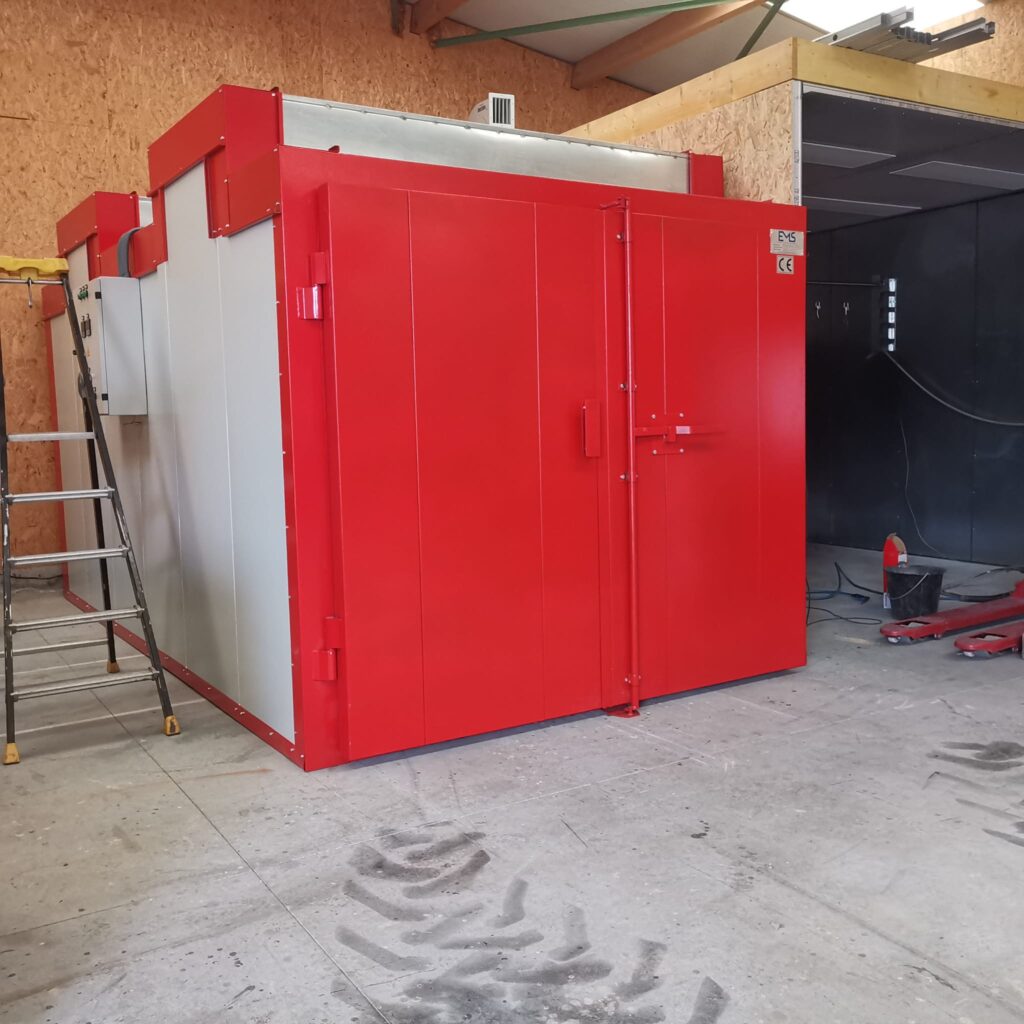
Transport of the powder coating equipment of our customers